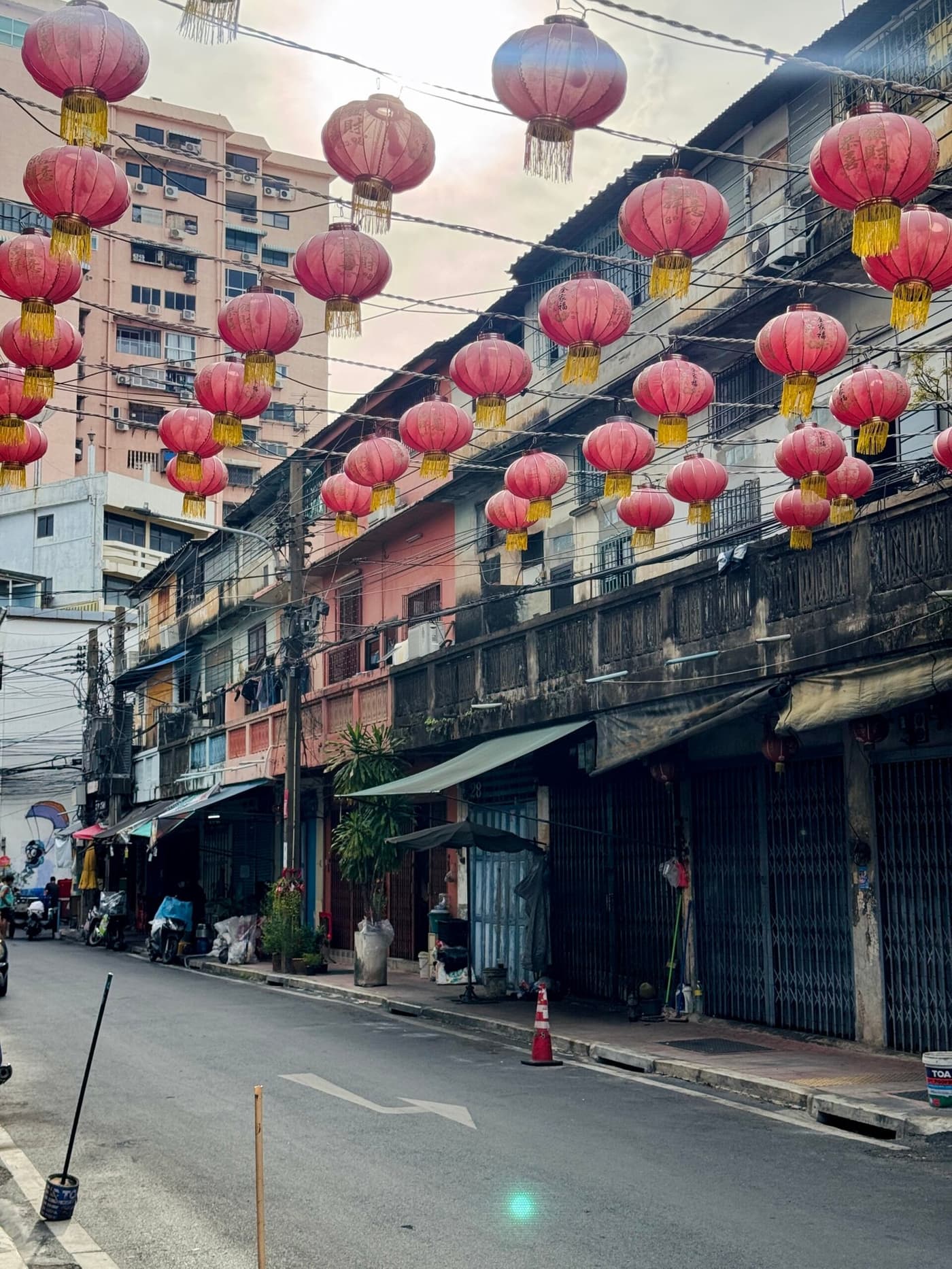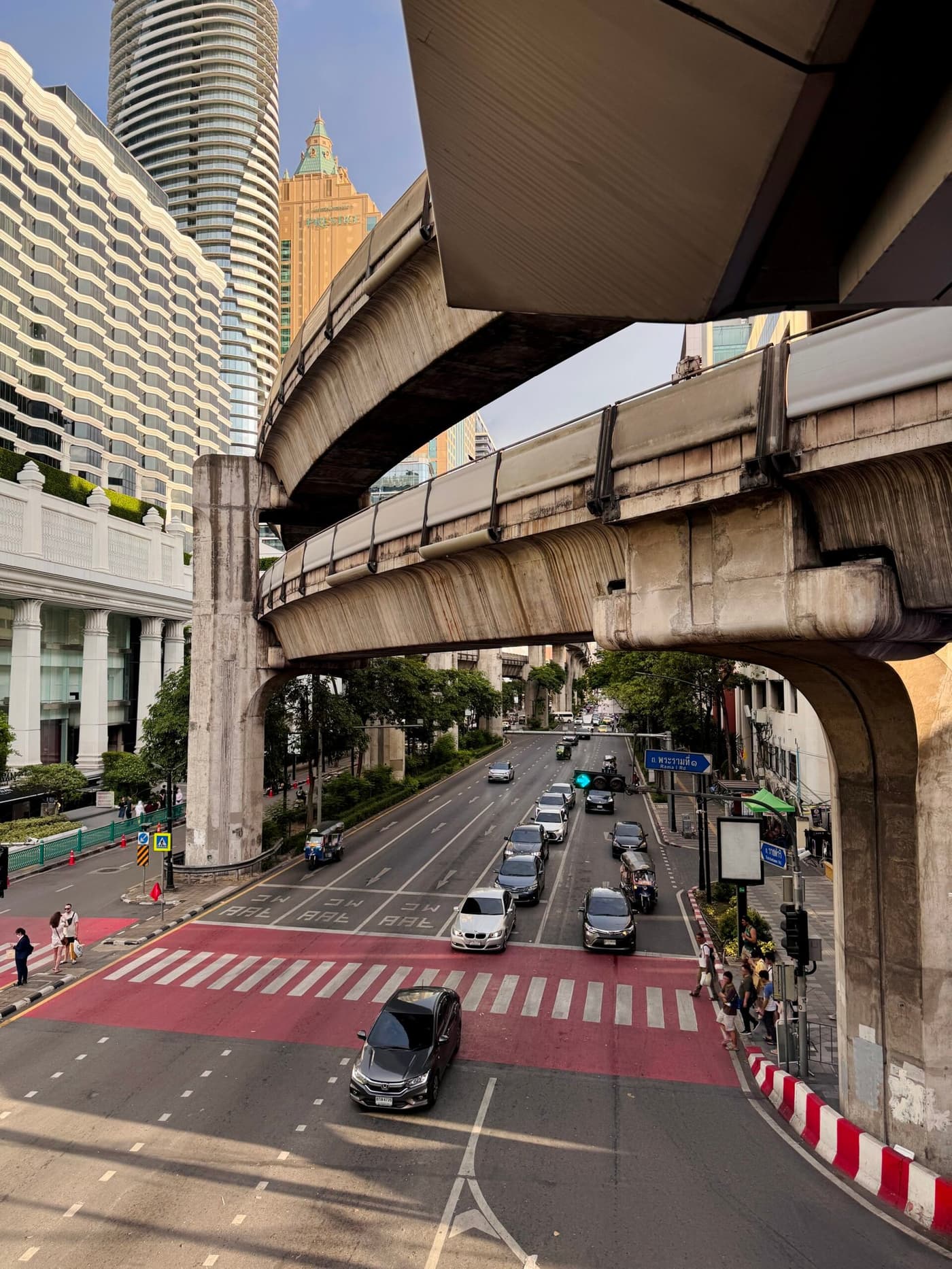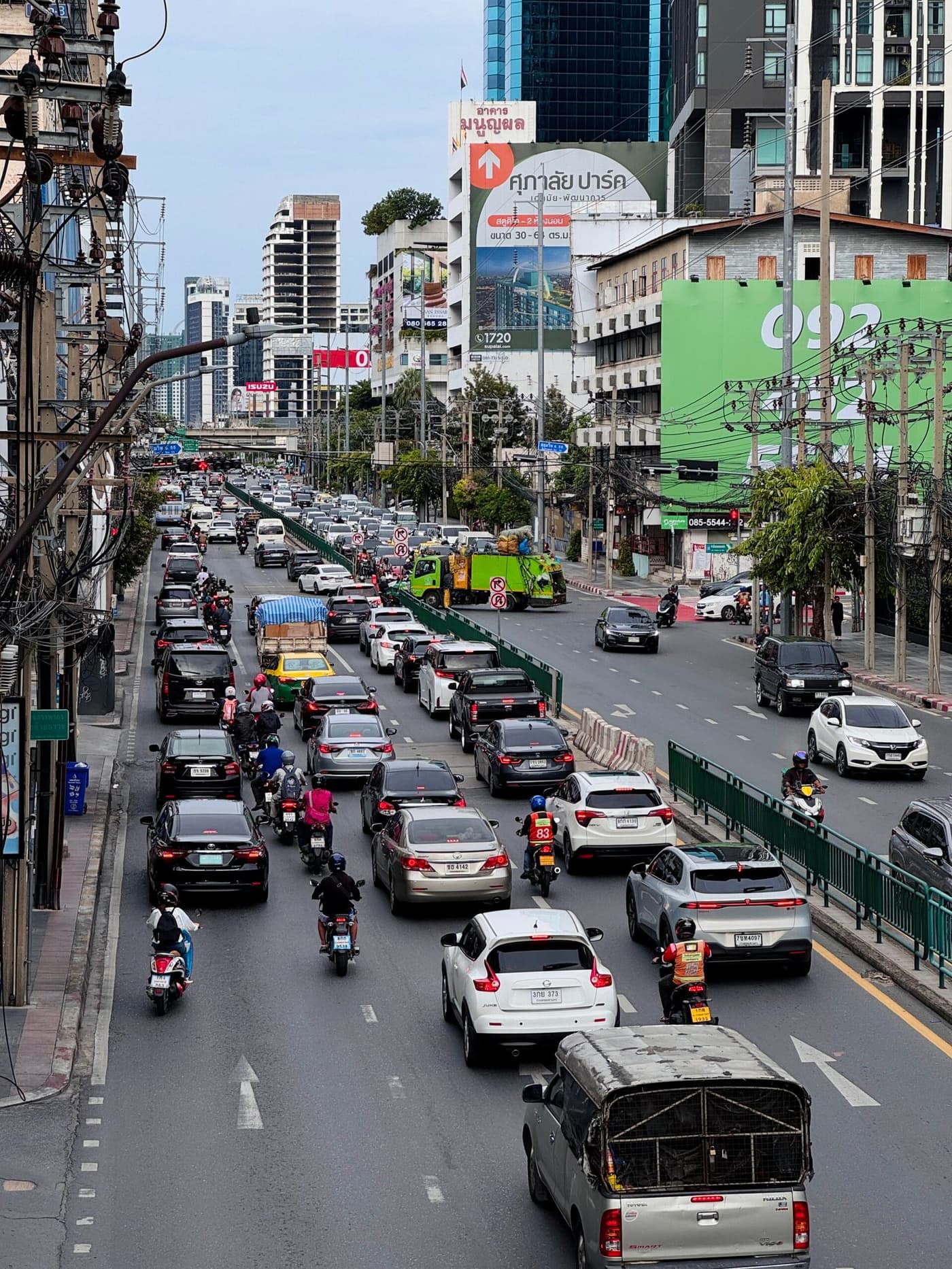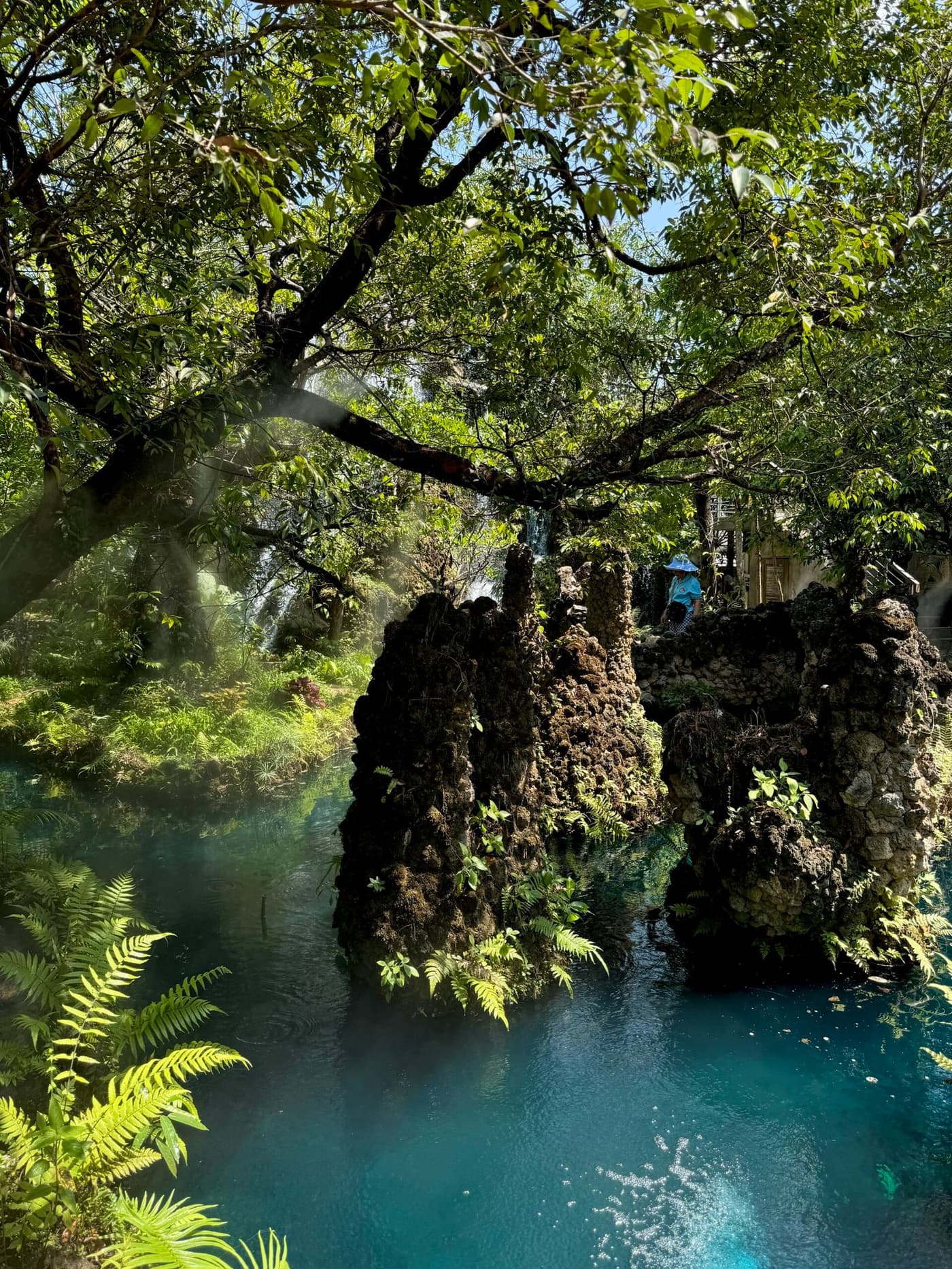
Thailand is one of the few countries that draw completely different kinds of travelers, and each of them finds something of their own. Beach lovers, families with kids, digital nomads, people looking for spiritual practice, photographers and anyone who simply wants a change of scenery. The country manages to hold all of this together without contradiction.
That is exactly why "going to Thailand" is too broad a decision. Phuket and Bangkok are two different trips. Pattaya and Chiang Mai are different worlds. This Thailand travel guide will help you figure out which Thailand is right for you and gives you a starting point for planning.
Thailand at a glance: what kind of country is it
The country covers 513,000 km² and has a population of about 72 million, according to Thailand's National Statistical Office. It sits on the Indochina Peninsula and is washed by two very different seas: the Andaman Sea in the west and the Gulf of Thailand in the east. This matters, because they behave differently depending on the season.
The main religion is Theravada Buddhism. According to the CIA World Factbook, 95% of the population is Buddhist. This is not just a line in a reference book: Buddhism is in the architecture of every neighborhood, in the daily routine, in the attitude toward tourists. The country is welcoming and reserved at the same time.
The language is Thai, a tonal language. English is understood in all tourist areas, and quite well in Bangkok and Chiang Mai. In rural areas almost nobody speaks it.
The currency is the Thai baht (THB). The rate changes, but roughly 1 USD ≈ 33–36 baht. Cards are accepted almost everywhere, but you still need cash for local markets and small places.
Four Thailands: which region fits which goal
It is convenient to divide Thailand into four zones, not administratively but by travel logic.
The North: mountains, culture, quiet
Chiang Mai, Chiang Rai, Mae Hong Son province, Nan. This is a different Thailand: no beaches, but mountains, hill-tribe villages, ethical elephant sanctuaries and the deepest Buddhist architecture in the country.
Chiang Mai is the second-largest city in Thailand and the unofficial capital of the north. It is compact, with well-developed infrastructure, great food and one of the best digital nomad communities in Asia. Chiang Rai is smaller and calmer, known for three very different temples and its closeness to the borders of Myanmar and Laos. More on Chiang Rai: what to see and how to get there from Chiang Mai.
Who it is for: people who want Thailand without the beach-tourist crowds; digital nomads; those staying a month or longer; nature and culture lovers.
Central and East: Bangkok and the Gulf of Thailand coast
Bangkok is a megacity of 10 million people, with skyscrapers, world-class street food, the best night markets in Asia and traffic jams no European city has ever dreamed of. It is a must-visit stop on almost any route: people arrive here from Europe and spread out across the country from here.
Pattaya is a resort city two hours from Bangkok. It has a particular reputation, but an unfairly one-sided one: besides the nightlife, it has the islands closest to the capital, Koh Lan and Koh Samet, plus diving and decent beach infrastructure.
How to get from Bangkok to Pattaya: all options and prices, and how to get back: from Pattaya to Bangkok.
Who it is for: first-timers in Thailand (Bangkok is a must); people who want islands without a long flight from Bangkok; nightlife lovers.
The South: islands and beaches of the Andaman Sea
Phuket, Krabi, Koh Phi Phi, Koh Lanta. The Andaman Sea means limestone cliffs, emerald water and the best snorkeling and diving in the country. Phuket is the most developed and most crowded island in Thailand. Krabi and Koh Lanta are quieter and cheaper.
For all its tourist load, Phuket remains the starting point for most visitors: it has an international airport, good infrastructure and dozens of completely different beaches, from noisy, lively Patong to quiet Nai Harn.
There are separate articles with an overview of all Phuket beaches, the areas of Phuket: where to stay as a tourist or a winter resident and Phuket weather.
Who it is for: people who come for the sea and beaches; divers and snorkelers; families with kids.
The South: islands of the Gulf of Thailand
Koh Samui, Koh Phangan, Koh Tao. The east coast. The sea here is less picturesque than in the Andaman, but the seasons are the opposite: when it is stormy in the west, it is sunny in the east, and vice versa. Koh Tao is the best place in Thailand to learn diving in terms of price and quality.
Who it is for: people traveling in May–October (while Phuket is stormy); diving lovers.
When to go to Thailand
Thailand has no single "right" season, only the right season for a specific region.
November–February is the best time everywhere. It is cool in the north (15–25°C in Chiang Mai) and the sea is good on both coasts. High season, higher prices.
March–May is hot across the whole country (35–42°C). In the north there is smoke from field burning (March–April are especially bad). More on Chiang Mai's seasons: month by month with festivals and smoke. In Phuket the sea is still fine. Songkran (Thai New Year) is on April 13–15, with water fights all over the country.
June–October is the rainy season. Phuket and the Andaman Sea get storms and a rough sea. In the east (Samui, Koh Tao) it is the opposite, with good weather. In the north it is green, the waterfalls are at full strength, there are few tourists and it is cheap.
Visa and entry to Thailand in 2026
When I checked in October 2026, visa-free entry for eligible passports had been cut from 60 to 30 days, effective September 15, 2026. You can extend for another 30 days at an immigration office, but now only once a year. There is also a limit on entering by land: no more than twice a year, so endless visa runs across a land border are no longer an option.
On arrival you need to fill in the TDAC (Thailand Digital Arrival Card) online. This has been mandatory since 2025.
For a longer stay you need a METV (Multiple Entry Tourist Visa) valid for 6 months, a DTV for digital nomads valid for 5 years, or an LTR for residents and remote workers. An important detail: from August 31, 2026, the DTV became harder to get, not because of the money but because of the requirements. At the moment you can apply only from your country of citizenship or from a country where you hold a residence permit, and you also need a police clearance certificate. For applicants without residency in another country this is currently almost impossible.
Rules differ by passport and change often, so confirm the current requirements for your own passport with the Thai immigration authorities before you book. Related guides: how to fill in the TDAC and how to extend your stay: immigration and visa runs.
How to get to Thailand
These are the main connecting routes:
- Via the UAE (Emirates, flydubai): your city → Dubai → Bangkok. One of the most common options.
- Via Qatar (Qatar Airways): your city → Doha → Bangkok.
- Via Turkey (Turkish Airlines): your city → Istanbul → Bangkok.
- Via Central Asia (Air Astana, Uzbekistan Airways): Almaty/Tashkent → Bangkok.
Total travel time: 12–20 hours depending on the connection. Bangkok's main airport is Suvarnabhumi (BKK). The second is Don Mueang (DMK), with only budget airlines and domestic flights.
From Bangkok, domestic flights run to other cities in the country (1–2 hours, 800–2,500 baht), or you can take the night train (11–13 hours to Chiang Mai, atmospheric and comfortable).
Thailand itineraries: what to choose
Below I have broken down all the options.
10 days: the standard trip
The most popular format. Two options:
North + Center: Bangkok (2–3 days) → Chiang Mai (5–6 days) → Chiang Rai (day trip). Minimum flights, maximum contrast.
Center + South: Bangkok (2 days) → Phuket (7–8 days) with trips to the islands. A classic beach vacation.
2–3 weeks: an extended route
There is room for three regions. The plan: Bangkok (2–3 days) → Chiang Mai (5–6 days) → Phuket (7–8 days). The domestic flight Chiang Mai → Phuket takes 2 hours and costs from 2,000–3,000 baht.
An alternative for fans of the north: Chiang Mai (5 days) → Pai (2–3 days) → Chiang Rai + the Golden Triangle (2 days) → back.
A month or more: for those who stay
Chiang Mai is the best base for a long stay: cheaper than Phuket, with developed infrastructure for working and a good community. Phuket suits those who want to be close to the sea.
A realistic budget: how much it costs to live in Chiang Mai for a month.
Money and budget: a general guide
Thailand is a country with a huge spread of prices. You can spend $20 a day or $300. It all depends on the region, the type of accommodation and your lifestyle.
Guidelines:
| Item | Budget | Comfortable | Comfortable+ |
|---|---|---|---|
| Accommodation/night | 300–600 ฿ | 800–2,000 ฿ | 2,500–6,000 ฿ |
| Food/day | 200–350 ฿ | 400–700 ฿ | 800–1,500 ฿ |
| Transport/day | 100–200 ฿ | 200–500 ฿ | 500–1,500 ฿ |
| Total/day | $15–25 | $35–65 | $100–200 |
The north (Chiang Mai) is on average 30–40% cheaper than the south (Phuket) for accommodation, especially in high season. Food costs about the same everywhere, especially if you eat at markets or local cafes.
Getting around the country
Planes are the most convenient way to move between regions. Budget airlines AirAsia, Nok Air and Thai Lion Air offer domestic flights from 500–1,500 baht if booked early. I recommend buying plane tickets on Trip.com or Aviasales.
Night trains run from Bangkok to the north (Chiang Mai) and the south (Hua Hin, Surat Thani for Samui). A ticket costs from 700 baht for a second-class sleeper berth. You save a night in a hotel. Tickets are available on 12Go Asia.
VIP buses are cheaper than a plane and more comfortable than a regular bus. Companies include Nakhonchai Air, Greenbus and Sombat Tour. From Bangkok to Chiang Mai it costs from 600–800 baht and takes 9–10 hours. Tickets are available on 12Go Asia.
Grab works in all major cities (Bangkok, Chiang Mai, Phuket, Pattaya).
Motorbike is for getting around town and short trips out of town. Rental: 200–350 baht a day in Chiang Mai, 300–500 baht in Phuket. Traffic keeps to the left.
Here is a complete guide: how to get a Thai driver's license.
Safety and health
Thailand is generally safe for tourists. Street crime is unlikely. The main risks are tourist scams and tour-booking swindlers.
Medical care is good in big cities. Private hospitals such as Bangkok Hospital, Bumrungrad and Ram Hospital operate at an international level with English-speaking staff. Insurance is a must: without it even a simple checkup will cost several thousand baht. You can choose a policy on the insurance aggregator Cherehapa.
Vaccines: none are required for most arrivals (a yellow fever certificate is needed only if you arrive from or via countries with yellow fever risk), but vaccinations against hepatitis A and typhoid are recommended. As for malaria, it occurs only in remote border areas, not in tourist zones.
The sun is more serious than it seems. Use SPF 50 every day, even in cloudy weather.
Chiang Mai, Bangkok, Phuket or Pattaya: a quick choice
This is the most common question from first-time visitors.
Bangkok is a must-see. Even if it is just 1–2 days in transit: the Grand Palace, Wat Pho, the street food of Chinatown, the Chatuchak and Jodd Fairs night markets. Skipping Bangkok means missing what modern Thailand is all about.
Chiang Mai is for those who want a deeper Thailand. Mountains, culture, elephants, markets without the tourist noise. The best base for those staying long-term.
Phuket is for those who come for the sea. The most developed beach resort in the country: different beaches for every taste, islands, diving. More expensive than the north, with more people.
Pattaya is for those coming from Bangkok who want a beach without another flight. Or for those who know why they are going. A convenient base for trips to Koh Lan and Koh Samet.
A detailed comparison: Chiang Mai or Phuket: where to fly
Frequently asked questions about Thailand
I have collected answers to the questions about Thailand that I hear most often.
Do I need a visa for Thailand?
It depends on your passport. When I checked in October 2026, eligible passports could enter without a visa for up to 30 days. On arrival you need to fill in the TDAC electronic form online, the official TDAC form. Confirm the rules for your own passport with the Thai immigration authorities before you travel.
Where should I go in Thailand for the first time?
It depends on your goal. For a first introduction to the country, go to Bangkok (2–3 days) plus Chiang Mai or Phuket. Bangkok shows modern Thailand, Chiang Mai is culture and nature, Phuket is the beach. It is ideal to combine two or three regions in 2–3 weeks.
Is it safe to travel in Thailand?
Yes. Thailand is one of the most tourism-developed countries in Asia. The infrastructure is good and locals are friendly toward foreigners. The main risks are petty tourist scams and motorbike accidents. Insurance is a must.
How much money do I need for two weeks in Thailand?
On a comfortable budget, $700–1,200 per person without flights. This includes 3-star accommodation, meals in cafes and restaurants, transport and a few tours. The economy option is from $400–500. With no limits, from $2,000 and up.
Can I pay by card in Thailand?
In big cities, shopping malls and hotels, yes. At markets, in small cafes, from street vendors and in songthaews, cash only. Always carry cash with you. ATMs are everywhere, with a standard Thai bank fee of 220 baht per transaction regardless of the amount.
When is the best time to go to Thailand?
November–February is the best period for the whole country. It is cool in the north, the sea is good on both coasts and there is no rain. March–April brings smoke in the north and heat everywhere. May–October is the rainy season, but it is cheap and there are few tourists.
Are there dangerous animals in Thailand?
Yes, but the risk is low if you take basic care. Cobras and other snakes live in the jungle and the countryside, not in cities. Jellyfish appear on some beaches in certain months (check locally). Mosquitoes carry dengue, especially in the rainy season. Repellent and long sleeves in the evening are a standard precaution.