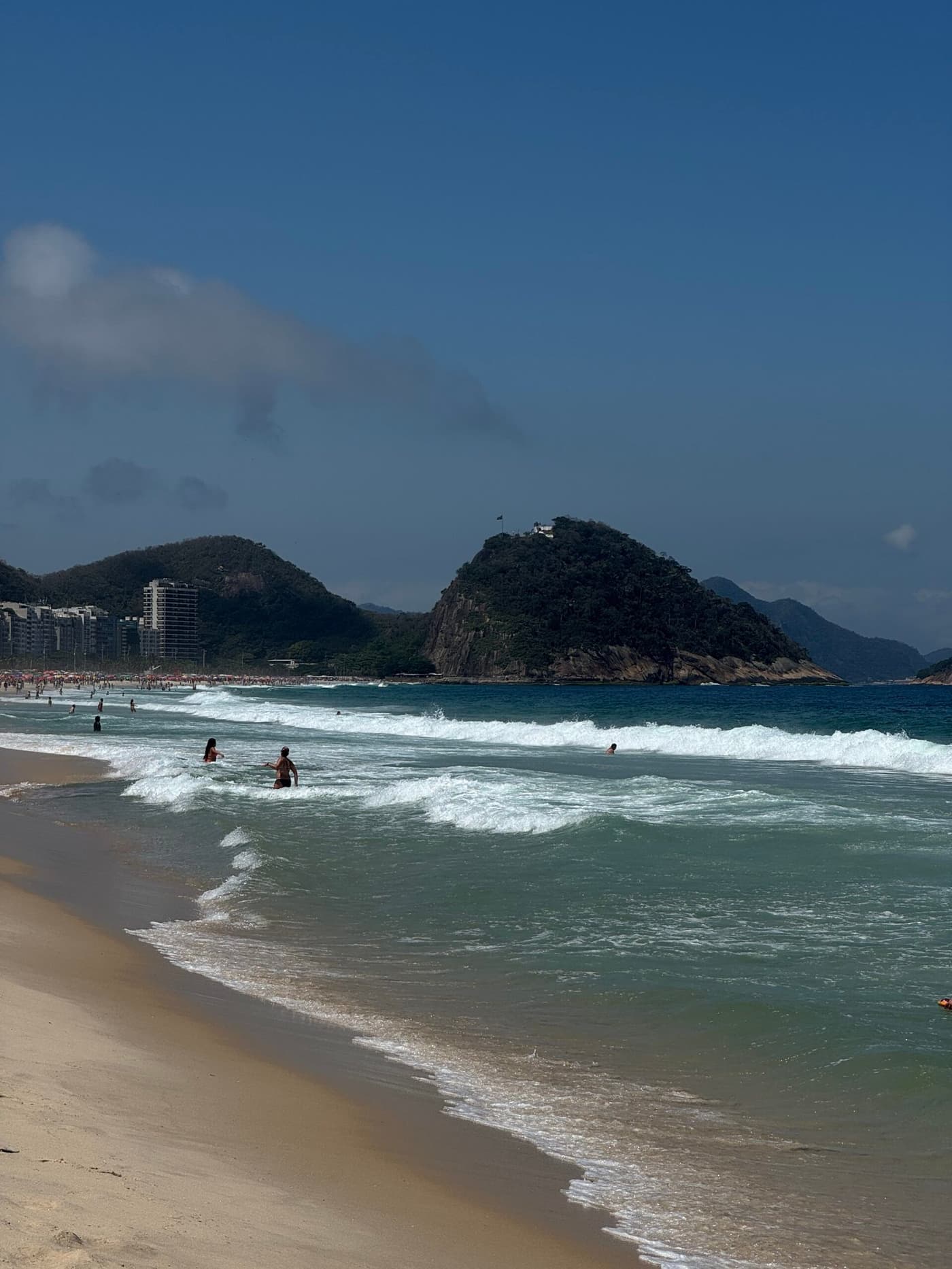
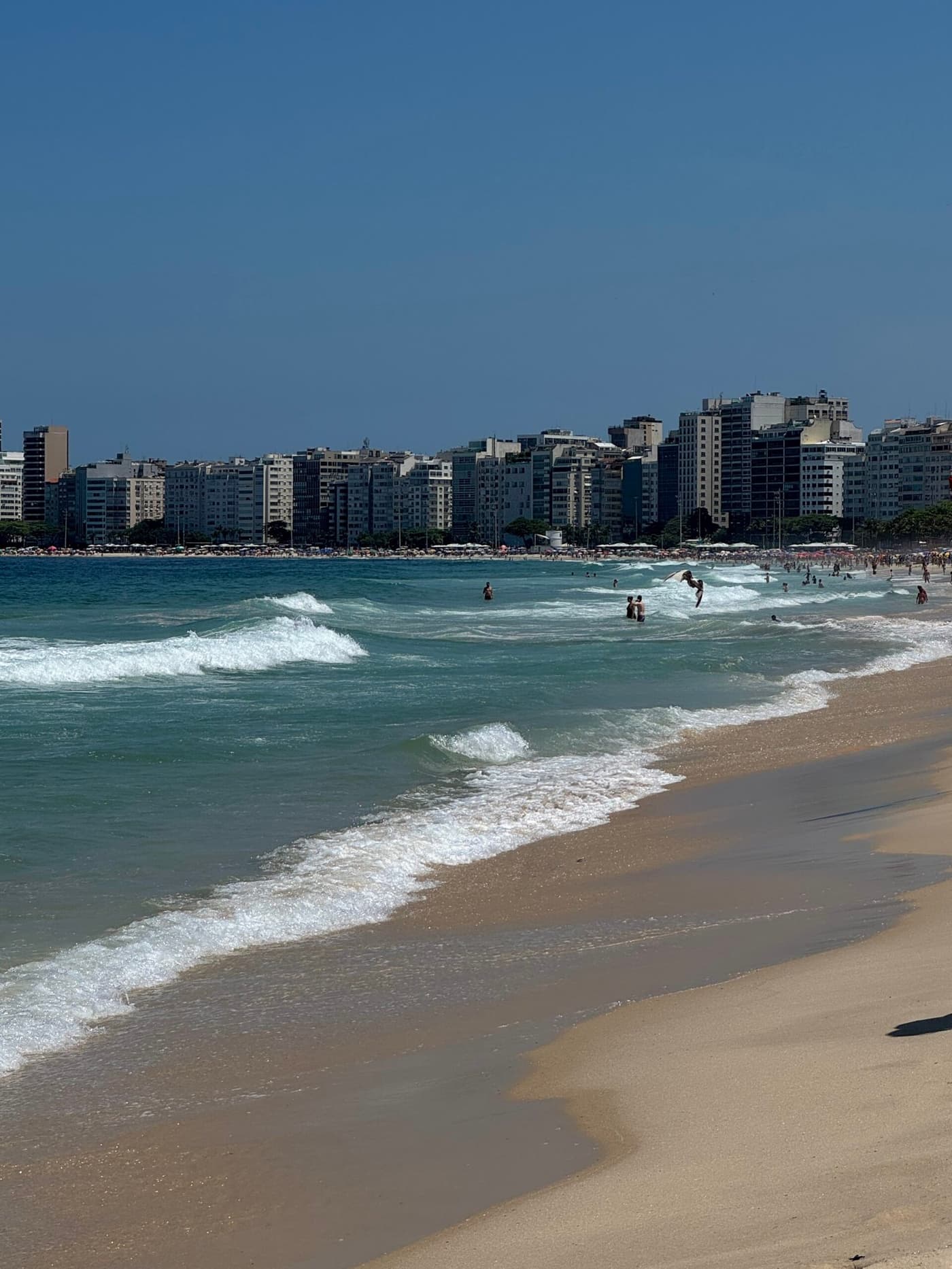
Rio de Janeiro is one of the best-known and most impressive cities not only in Brazil but in the world. It sits on Brazil's southeastern coast, on the Atlantic Ocean at the mouth of Guanabara Bay, surrounded by mountains, jungle and magnificent beaches. It is a striking mix of nature and city life.
With its vivid history and rich culture, the city draws millions of tourists every year thanks to its atmosphere, endless beaches, famous Carnival, samba, and the way modern architecture sits alongside old traditions.
This Rio de Janeiro travel guide covers the city's history, climate, beaches, neighborhoods, safety and culture. Drawing on my own experience, I've put together a complete guide with all the practical information you need to understand what this amazing city is really like.
Where Rio de Janeiro Is Located
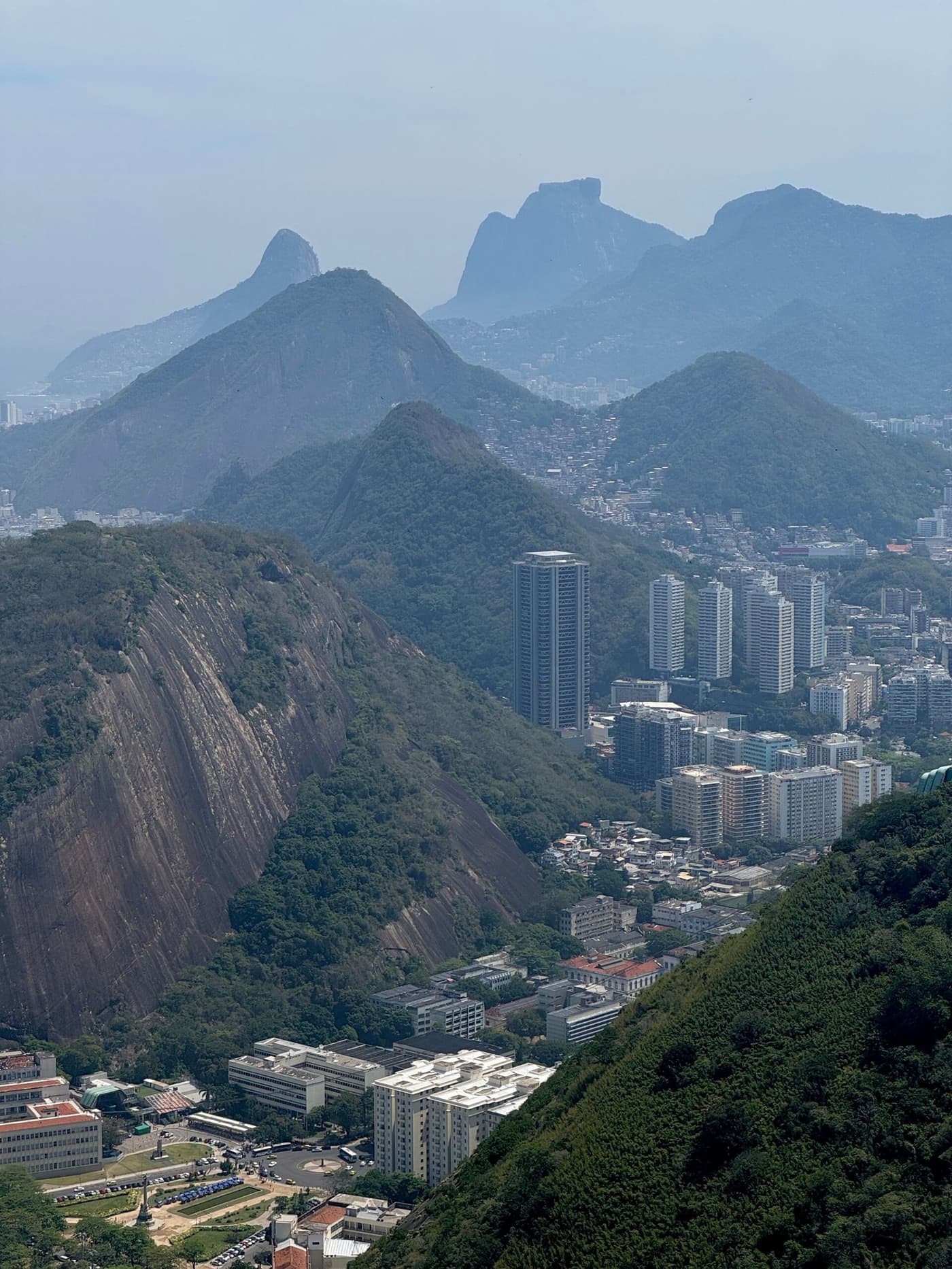
Rio de Janeiro is in the southeastern part of Brazil, on the Atlantic coast. The city lies in the state of the same name, Rio de Janeiro, and is its capital. It is one of the largest and best-known cities in the country, with an important role in Brazil's economy, culture and tourism.
Rio stretches along the picturesque Guanabara Bay, between the ocean and the mountain ranges. This setting has largely shaped the look of the city: modern neighborhoods sit side by side with hills, tropical vegetation and long beaches. That is why Rio is often called one of the most beautiful cities in the world.
Geographically, Rio de Janeiro is well placed:
- it sits on the Atlantic coast of South America;
- it has easy access to the ocean;
- it is surrounded by natural landscapes that have become the city's calling card.
This very combination of ocean, mountains and urban development has made Rio de Janeiro a popular destination both for tourists and for people considering a longer stay in Brazil.
Rio de Janeiro: General Information
Rio de Janeiro is a large metropolis and one of the most recognizable cities in Brazil. By population it is among the largest cities in the country, second only to São Paulo. More than 6 million people live in the city itself, and the metropolitan area, including the suburbs, has considerably more.
For a long time the city played a key role in the country's history. Until 1960 Rio de Janeiro was the capital of Brazil, which is still reflected in its architecture, infrastructure and cultural importance. Today it remains an important economic, tourist and cultural center, even though the capital moved to Brasília.
Rio de Janeiro is known for its contrasts. Here you can see:
- modern business districts and historic quarters;
- upscale, expensive homes and densely built favelas;
- luxurious beaches and hills covered in tropical vegetation.
The city's special atmosphere comes from the way its residents live: open, emotional and oriented toward the street, sports and socializing. Beaches, music, street festivals and an active social life are an inseparable part of everyday life in Rio.
Rio de Janeiro is not only about relaxing on the beach and having fun. It also offers rich culture, an incredible natural setting and a complex, layered urban environment that makes the city interesting for travelers with different interests.
Rio de Janeiro Attractions
Rio is a city where the sights are literally everywhere: on the horizon, overhead and right under your feet.
The main symbol of the city is the Christ the Redeemer statue on top of Corcovado mountain. You can see it from almost anywhere in Rio, and from the summit there is a panorama worth the trip on its own. I wrote a separate guide on how to get there, how much it costs and when it's best to go.
Another landmark is Sugarloaf Mountain: a cable car ride with views of Guanabara Bay and the beaches. Together with Corcovado, these are the two must-sees that go into every itinerary first.
Beyond that, it's worth strolling through the Botanical Garden, visiting the historic Lapa area and simply wandering along the Copacabana waterfront, where the street itself is the attraction.
I covered what to see in Rio in more detail in a separate article: Rio de Janeiro attractions.

History of Rio de Janeiro
The history of Rio de Janeiro begins in the 16th century, when the Portuguese founded a settlement on the shore of Guanabara Bay. The city's official founding date is 1565. At first Rio developed as a port and military outpost defending the coast against foreign invasions.
In the 18th century the city's importance grew sharply thanks to trade and gold mining in other regions of Brazil. Rio de Janeiro became an important economic center and in 1763 was named capital of the Portuguese colony, replacing Salvador. This period largely shaped the look of the city and laid the foundations of its administrative and cultural influence.
The 19th century played a special role in Rio's history. In the early 1800s the Portuguese royal court moved here, making the city the de facto capital of the entire Portuguese Empire. Later Rio became the capital of independent Brazil and remained so until 1960, when the capital was moved to Brasília.
In the second half of the 20th century Rio de Janeiro lost its status as capital but kept its significance as the country's cultural and tourist center. Today the city is known not only for its history but also for its ability to combine colonial heritage, modernist architecture and contemporary urban life.
Climate and Weather in Rio de Janeiro
Rio de Janeiro has a tropical climate with warm weather all year round. Thanks to its location on the Atlantic coast, there are no sharp temperature swings, and the swimming season effectively lasts all year.
Average air temperatures in Rio de Janeiro:
- during the day they usually stay within +25…+30 °C;
- at night they rarely drop below +20 °C.
The ocean temperature is comfortable for swimming most of the year, ranging from about +22 to +26 °C.
The year is loosely divided into two seasons:
- humid and hot (roughly December to March);
- drier and milder (May to September).
Summer in Rio de Janeiro coincides with winter in Europe and is the hottest period. Short but intense rain showers are frequent then, and humidity rises. Winter here is warm and mild, with no cold, which makes it a popular season for tourists who don't handle strong heat well.
As for the common question of when is the best time to go to Rio de Janeiro, a lot depends on the purpose of your trip. For a beach holiday and lively city life, almost any month works, while for walks and excursions many people choose the drier period with comfortable temperatures. I wrote about the weather in Rio de Janeiro and the best time to visit in another article. I recommend reading it before you plan your trip.

Rio de Janeiro Beaches and the Ocean
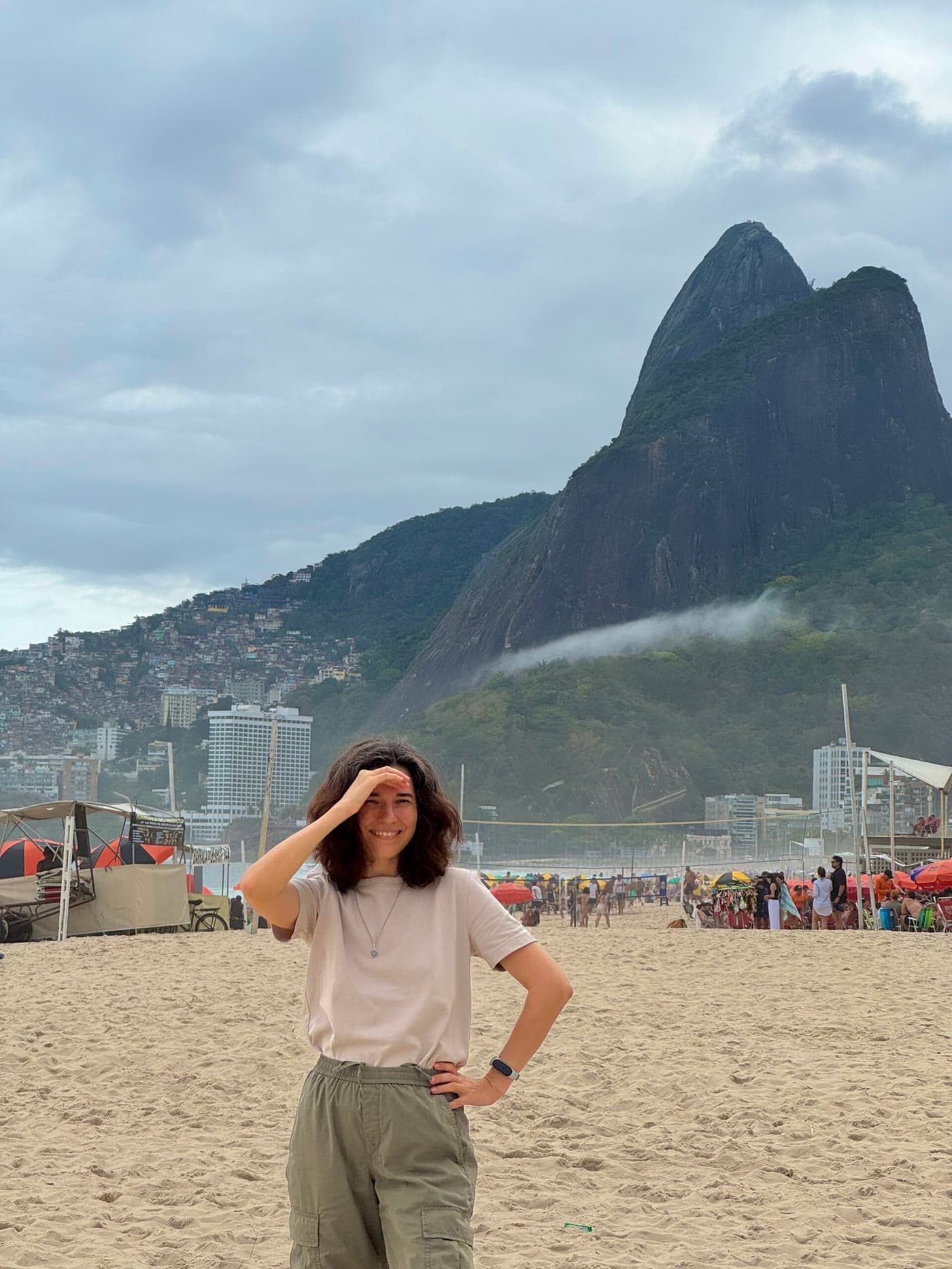
The beaches of Rio de Janeiro are one of the main reasons tourists from all over the world choose this city. Rio lies on the Atlantic Ocean, and its coastline stretches for dozens of kilometers, forming the famous city beaches that have become symbols of Brazil.
Unlike at classic resorts, the beaches here are part of city life. They are open, free and used actively by locals and tourists alike. A beach in Rio is a place for relaxing, sports, socializing and everyday life.
Among the best-known beaches:
- Copacabana — the city's most recognizable beach, with a wide shoreline and a lively atmosphere;
- Ipanema — a more modern and stylish area, popular with young people;
- Leblon — a calm and upscale beach that families and locals often choose.
Many tourists wonder which sea or ocean Rio de Janeiro is on. Technically the city is washed by the Atlantic Ocean, not a sea, but for travelers this makes little difference: the water is salty, the waves are good for surfing, and swimming is possible most of the year. Be sure to read my detailed article on the beaches of Rio de Janeiro with photos and descriptions.
Rio de Janeiro's beaches stand out for:
- clean sand;
- picturesque views of the mountains and the city;
- well-developed infrastructure along the promenades.
The combination of ocean, city and natural landscape makes a beach holiday in Rio de Janeiro varied and unlike other destinations.
Rio de Janeiro Neighborhoods: Where to Stay
Rio de Janeiro is a big, uneven city, and the neighborhood you pick directly affects your trip. There are comfortable, tourist-friendly areas, but also areas travelers are better off not entering. That is why the question of where to stay in Rio de Janeiro as a tourist is one of the most popular.
Most visitors prefer to stay in the coastal neighborhoods of southern Rio. This is where the tourist infrastructure, beaches, restaurants and convenient transport are concentrated.
Popular Neighborhoods for Tourists
- Copacabana — one of the best-known and most touristy areas in the city. A good fit for a first visit thanks to its developed infrastructure, large choice of accommodation, closeness to the beach and convenient transport.
- Ipanema — a more modern and upscale area, popular with young people and travelers who value comfort, style and active city life. There are lots of cafés, restaurants and good beach spots.
- Leblon — a calm neighborhood and one of the safest in Rio de Janeiro. It is often chosen by families, couples and tourists who want a more relaxed, comfortable stay by the ocean.
- Barra da Tijuca — a modern, spacious area with long beaches and new residential complexes. The downside: Barra da Tijuca is farther from the center and the main tourist areas, so it suits people planning a long stay who won't be heading to Copacabana often.
- Lagoa — a green, quiet area next to the lagoon of the same name. Good for a calm stay, walks and sports. It suits those who want to live away from the tourist bustle but not far from Ipanema and Leblon.
- Urca — a small, cozy, quiet area at the foot of Sugarloaf Mountain. It is considered one of the nicest and safest neighborhoods, but there is less accommodation here and it is more expensive.
- Botafogo — an area with a convenient location and good public transport. There are fewer tourists than in Copacabana, but plenty of cafés, shops and metro stations, which makes it a practical place to stay.
It's worth noting separately that Rio de Janeiro has areas with higher crime, including some favelas. Tourists are advised to:
- choose proven neighborhoods to stay in;
- avoid walking through unfamiliar areas, especially at night;
- take into account how far an area is and how well it is connected by transport.
The right neighborhood makes a big difference to the comfort and safety of your trip and lets you get the most positive impressions out of Rio de Janeiro. To help you choose, I put together a complete guide to all the neighborhoods of Rio de Janeiro. Be sure to read it before planning your trip.
Safety in Rio de Janeiro
Safety in Rio de Janeiro worries almost every tourist, especially those planning their first trip to Brazil.
Rio de Janeiro really is an unsafe city. The high crime rate is neither a myth nor a secret. When planning a trip, you can't just count on luck or treat safety lightly.
The main feature of Rio de Janeiro is its sharp social and territorial contrasts. One area can be comfortable and relatively calm, while another is dangerous even in the daytime.
In tourist areas, especially in the southern part of the city, the level of safety is noticeably higher than in remote residential districts. This is where the hotels, police and main tourist routes are concentrated.
Even so, the risk remains in popular tourist zones too. Theft, street robbery and scams are a common problem. Most often it's pickpocketing, and snatching of phones, bags and chains right on the street is possible.
To reduce the risks, follow some basic rules:
- don't show off expensive jewelry and gadgets;
- don't carry large amounts of cash;
- avoid walking at night;
- use Uber, an official taxi service;
- choose your neighborhood carefully;
- the main rule of Brazil: the worse you look, the better.
Favelas are a separate and serious topic. These are not just poor neighborhoods but territories where the state has limited control. Walking through favelas on your own, without a guide, is dangerous, even though some of them are officially considered tourist areas.
Despite the existing risks, millions of tourists visit Rio de Janeiro every year without any problems. With sensible behavior, the right neighborhood and precautions, the city remains quite safe for travel. We spent almost a month in Rio, and fortunately nothing happened to us and overall we felt safe.

Prices in Rio de Janeiro and the Cost of a Trip
Rio de Janeiro can't be called a cheap city. Rio is a tourist metropolis, and prices here are noticeably higher than in many other Brazilian cities. Your final budget depends heavily on the neighborhood, the season and the level of comfort you need.
Below are some price guidelines so you can get a sense of the numbers.
Accommodation in Rio de Janeiro
Prices depend a lot on the neighborhood and how close you are to the ocean.
- Hostels from 60-120 BRL per night per person
- Mid-range Airbnb apartments from 300 BRL per night
- 3★ hotels about 300-600 BRL per night
- 4-5★ oceanfront hotels from 700 BRL, with no upper limit
In Copacabana, Ipanema and Leblon prices are higher, especially in high season, on holidays and during Carnival.
Food Prices
Eating in Rio can be inexpensive at local cafés and very expensive at restaurants.
- Street food / simple local cafés: 30-50 BRL
- Mid-range pay-by-weight buffet: 80-150 BRL per person
- Coffee: 6-10 BRL
- Beer at a bar: 10-20 BRL
Tourist restaurants by the beaches are usually noticeably more expensive than places aimed at locals. I've put together a selection of great restaurants and bars in my article: Where to eat in Rio de Janeiro.
Transport
Transport in Rio is relatively affordable.
- Metro / bus about 7 BRL per ride
- Taxi / Uber across the city averages 15-40 BRL per ride
- A ride from the airport to the tourist areas about 60-120 BRL (depending on distance and time of day)
Extra Expenses
- Entrance tickets and attractions from 50 BRL and up
- Tours from 150 BRL and up
- Souvenirs from 10 BRL
How Much a Trip to Rio de Janeiro Costs
On average:
- budget traveler from 250-350 BRL per day
- comfortable level 450-700 BRL per day
- premium trip from 900 BRL, with no upper limit
Keep in mind that prices rise in high season and during Carnival, and accommodation by the ocean is always more expensive. Brazil overall is not the most expensive country by Latin American standards, but Rio is one of the most expensive cities in Brazil for travelers and tourists.
A trip to Rio de Janeiro takes financial planning, especially if you plan to stay in safe neighborhoods and move around the city a lot. I wrote about all the current prices in Rio de Janeiro in a separate article. I recommend reading it to prepare for your trip.

Getting Around Rio de Janeiro
Rio de Janeiro's transport system is fairly well developed and lets tourists move conveniently between the main neighborhoods and attractions. The choice of transport depends largely on your route, the time of day and the level of comfort you prefer.
Metro in Rio de Janeiro
The metro in Rio de Janeiro is an inexpensive, convenient and safe form of public transport. It connects the central and tourist areas of the city, including Copacabana and Ipanema. The metro is clean, easy to understand and used actively by locals and tourists alike.
Buses in Rio de Janeiro
Rio's bus network is very extensive and covers almost the whole city. For travelers, though, buses can be less convenient because of complicated routes and the language barrier, and they are a less safe form of transport. In addition, buses are often overcrowded at rush hour.
Taxis in Rio de Janeiro
Taxis and apps like Uber are the most comfortable way to get around Rio de Janeiro. For tourists this is one of the most popular ways to travel, especially in the evening or on longer trips. Fares are affordable, and the level of comfort is higher than on public transport.
Walking in Rio de Janeiro
In tourist areas, especially along the beaches, it's quite comfortable and pleasant to get around on foot. This is convenient during the day and helps you feel the atmosphere of the city better, but in the evening be careful and avoid empty streets.
Overall, the question of how to get around Rio de Janeiro as a tourist has a fairly simple answer: the best option is to combine the metro, taxi or Uber, and walking in safe areas.
Carnival and Culture in Rio de Janeiro
The culture of Rio de Janeiro is vivid and known around the world. The city is famous for its nonstop rhythm of life, the openness of its people and a festive atmosphere that you feel not only during big events but in everyday life too.
The city's main cultural event is the Rio de Janeiro Carnival. It is the largest carnival in the world and draws millions of tourists every year. For several days the city turns into one big stage: samba school parades, street festivals, concerts and parties take place. Carnival is an important part of national culture and self-expression.
But Rio's culture is not limited to Carnival. The city lives on music and movement all year round. Samba, bossa nova, street dancing, beach sports and mass celebrations create a unique way of life in which the line between leisure and everyday life is almost erased.
For many travelers, it is the cultural atmosphere that becomes one of the reasons to go to Rio de Janeiro. Here it's easy to feel the energy of the city, get to know local traditions and see Brazil not only as a tourist destination but as a living, emotional country.
Is Rio de Janeiro Worth Visiting?
Rio de Janeiro is a city that provokes strong emotions and rarely leaves anyone indifferent. For some it becomes a dream and one of the brightest trips of their life, for others it is a destination to approach consciously and with preparation.
Rio de Janeiro suits tourists who:
- love big cities with a lively scene;
- value a beach holiday but don't want to go to an isolated resort;
- are interested in the culture, music and atmosphere of Latin America;
- are ready to follow basic safety precautions.
The city may not suit those who:
- are looking for a calm, unhurried vacation;
- feel uncomfortable in big cities;
- prefer fully organized resorts without the need to plan.
Rio de Janeiro is not just beaches and Carnival. It is a living metropolis with the contrasts typical of Latin America. With the right choice of neighborhood, sensible behavior and minimal preparation, a trip to Rio can become one of the most memorable journeys of your life.
For a first introduction to Brazil, Rio de Janeiro is often chosen precisely because it is so well known, with developed infrastructure and the combination of nature and urban environment.
Rio de Janeiro truly is a city of contrasts, emotions and a unique atmosphere. It combines ocean and metropolis, nature and city life, tradition and modernity. With the right approach and preparation, a trip to Rio can be a vivid and memorable experience.
If you're only starting to get to know this city, this overview will help you understand what to expect and how best to plan your trip. For a deeper dive into the topic, such as which neighborhoods and beaches to choose, safety, prices, climate and cultural events, I've gathered other articles on my site. I hope this helps you plan your trip as comfortably as possible and fall in love with Rio de Janeiro on your first visit.
Frequently Asked Questions About Rio de Janeiro
How many days do you need in Rio de Janeiro?
For a first introduction to the city, it's best to plan 5-7 full days. That is enough time to see the main neighborhoods and beaches, feel the atmosphere of the city and not rush. If you plan a deeper exploration or trips outside the city, you can extend your stay.
Can you swim in Rio de Janeiro?
Yes, you can swim in Rio de Janeiro all year round. The city lies on the Atlantic Ocean, and the water temperature is comfortable most of the year. On popular beaches such as Copacabana and Ipanema, both tourists and locals swim.
Do tourists need Portuguese?
Knowing Portuguese is not required, but it is a big plus. In tourist areas people understand basic English, but outside the popular zones, knowing at least a few simple phrases in Portuguese makes communication much easier.
Is Rio de Janeiro a good choice for a first trip to Brazil?
Yes, Rio de Janeiro is considered one of the best cities for a first visit to Brazil. Tourist infrastructure is well developed, it's easy to find accommodation, transport and tours, and the city itself gives a vivid and varied introduction to the country.
How we spent our time in Rio de Janeiro — I showed it in an episode on YouTube