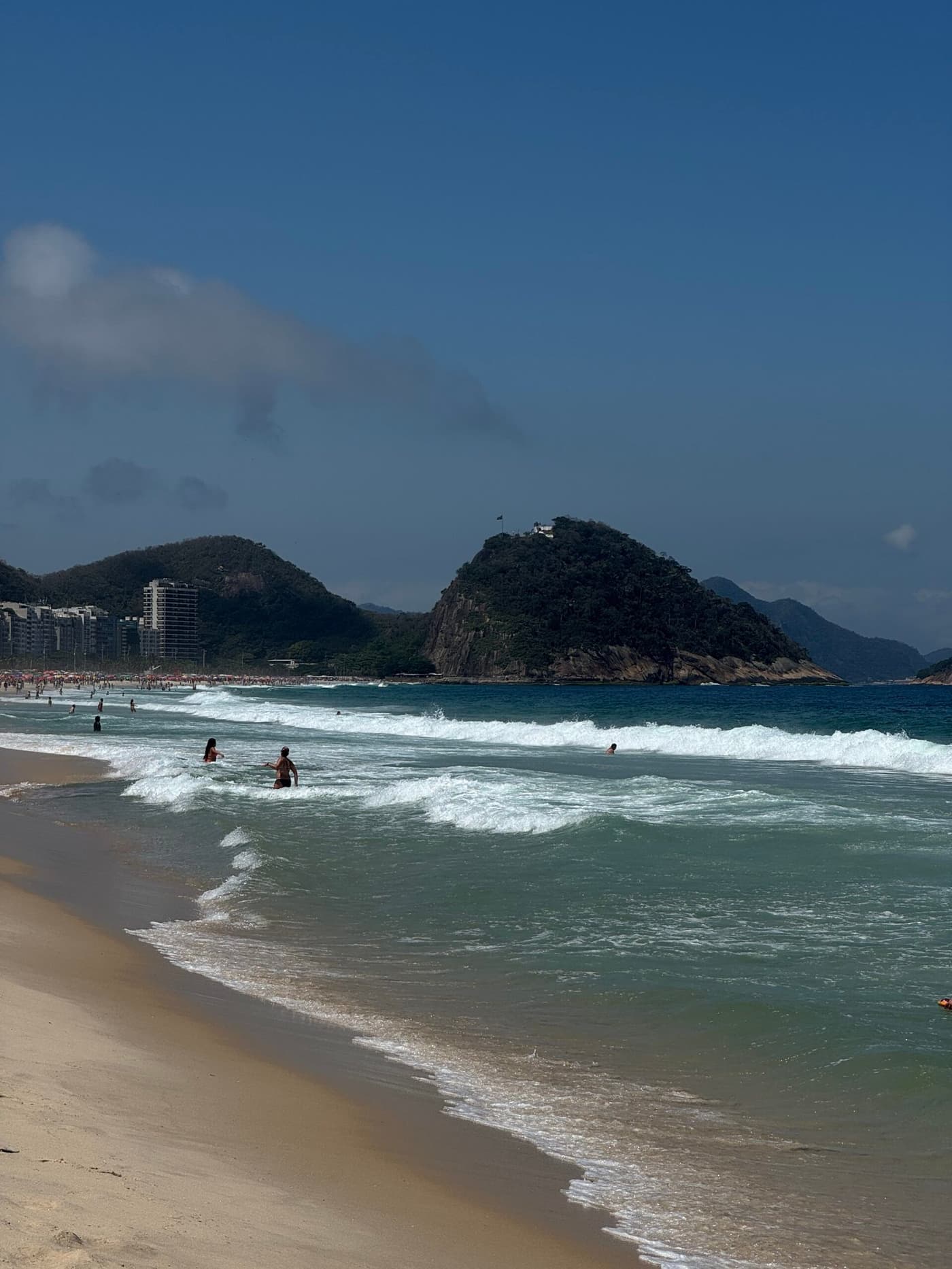
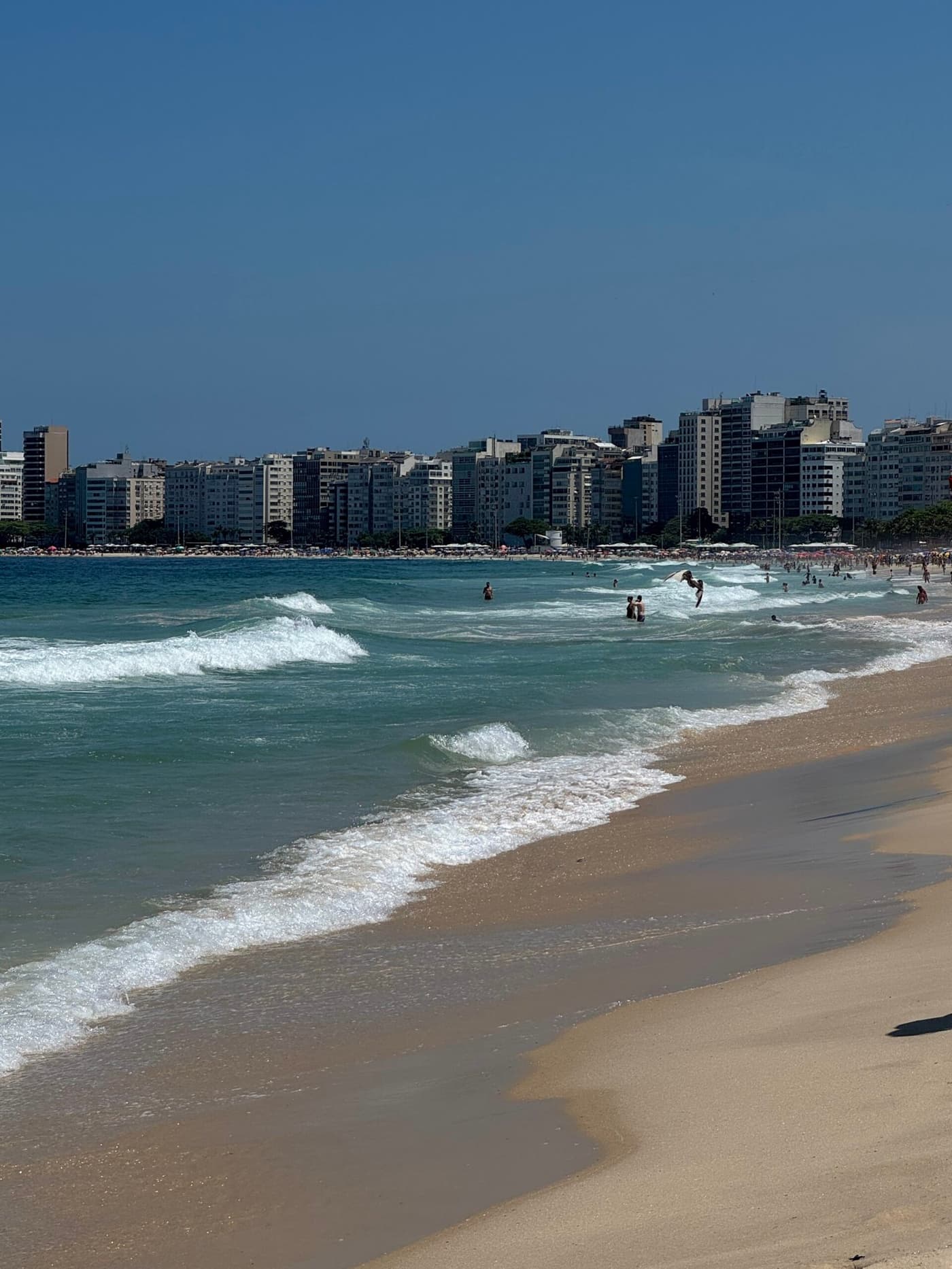
Rio de Janeiro is a city of contrasts, and the neighborhood you pick decides almost everything: where you'll feel comfortable, where you can walk everywhere, where it's safer in the evening, and where you're better off not ending up at all.
I wrote this guide to the areas of Rio so you can quickly understand how the city works, get a picture of each neighborhood, and choose the place that fits your travel style.
People in Rio often think in "zones": the South Zone, Downtown, the North and the West. Officially, though, the city is divided into dozens of administrative units and hundreds of neighborhoods (bairros). That's why even a short answer to "where should I stay in Rio?" comes with a lot of nuance.
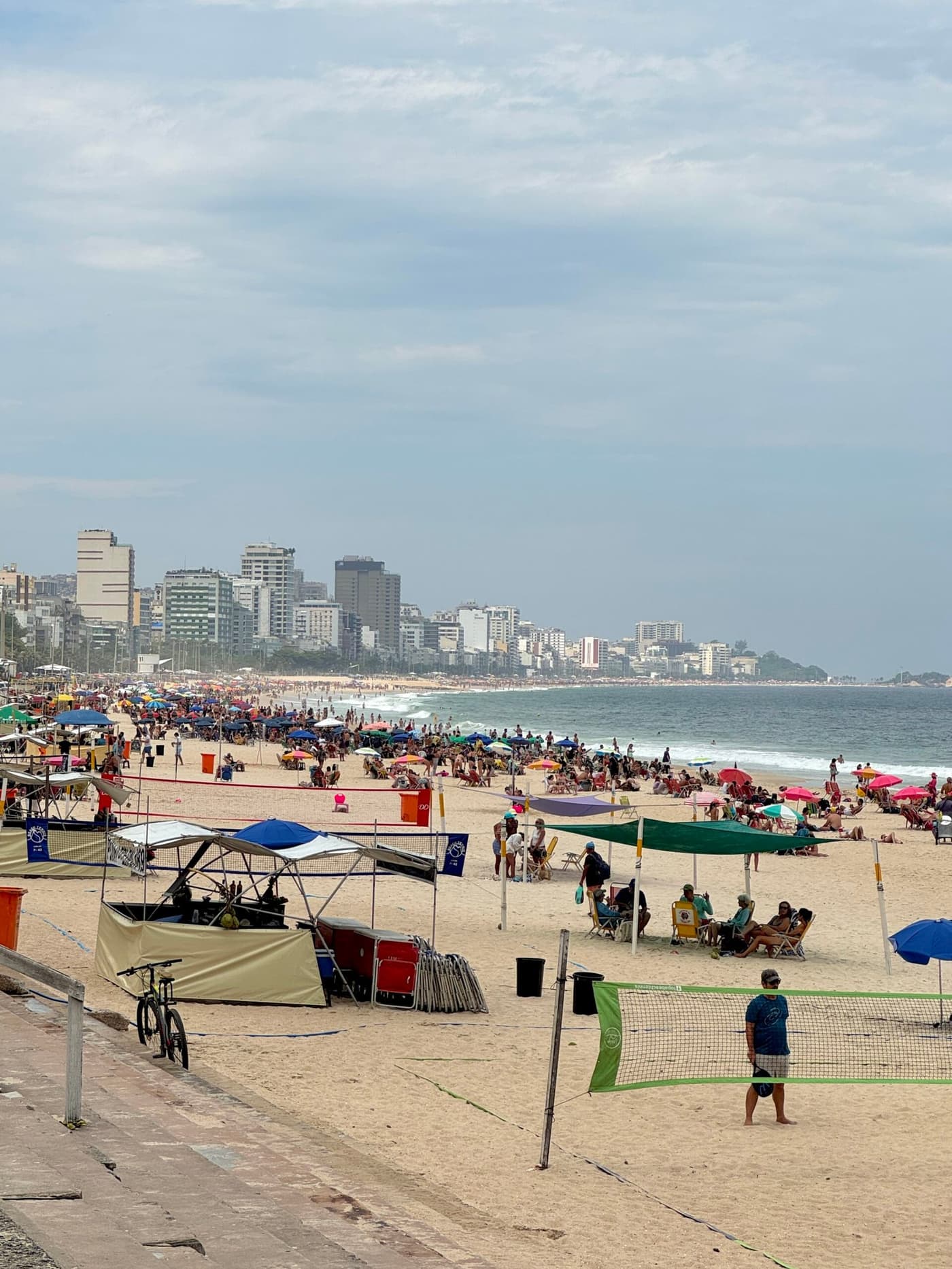
Rio de Janeiro Neighborhoods and Zones
To make the rest of the article easier to follow, here is a short overview:
- South Zone (Zona Sul) — the most touristy and generally the more prosperous part of the city, with well-developed tourist infrastructure.
- Downtown (Centro) — the historic and business heart of Rio, close to the nightlife of Lapa and to neighborhoods with old architecture such as Santa Teresa.
- North Zone (Zona Norte) and West Zone (Zona Oeste) — huge areas that vary a lot from one part to another: they include residential districts, business and new districts, and places that tourists usually avoid.
Rio de Janeiro's South Zone (Zona Sul)
This is the best-known part of the city and the key area for tourists and travelers. It's home to the best beaches in Rio de Janeiro, the Instagram-postcard views and most of the hotels.
Typical South Zone neighborhoods: Copacabana, Ipanema, Leblon, Botafogo, Flamengo, Lagoa and Urca.
The South Zone is compact and well connected by the metro. It has all the safest neighborhoods in Rio de Janeiro for tourists, but accommodation prices here are above the city average.
Downtown Rio de Janeiro (Centro)
Downtown is the historic and business heart of the city. It's lively during the day, but safety is very uneven in the evening and at night.
Main areas: Lapa, with its nightlife and bars, and the bohemian neighborhood of Santa Teresa.
Downtown Rio de Janeiro works for short stops and daytime walks, but it's better not to wander around here at night.
Rio de Janeiro's North Zone (Zona Norte)
A huge and complicated part of the city where a large share of the local population lives. Tourists have almost no reason to stay here unless they have a specific purpose.
Well-known neighborhoods: São Cristóvão and Tijuca.
Many of Rio de Janeiro's poorer neighborhoods are here, tourist infrastructure is weak, and the level of safety depends heavily on the specific block.
Rio de Janeiro's West Zone (Zona Oeste)
The largest part of the city by area. This is where the newer, more modern Rio is.
Main West Zone neighborhood: Barra da Tijuca.
It has the most modern residential complexes and wide beaches, but you depend on taxis or a car. Tourists and travelers often consider it an alternative to the South Zone.
It's a mistake to look only at the name of a neighborhood. In Rio, the line between a "good" and a "bad" area can run along a single street, and a favela can sit right next to a prestigious district. That's why the rest of this article covers where to stay in Rio de Janeiro, which neighborhoods are safe, and which are dangerous.
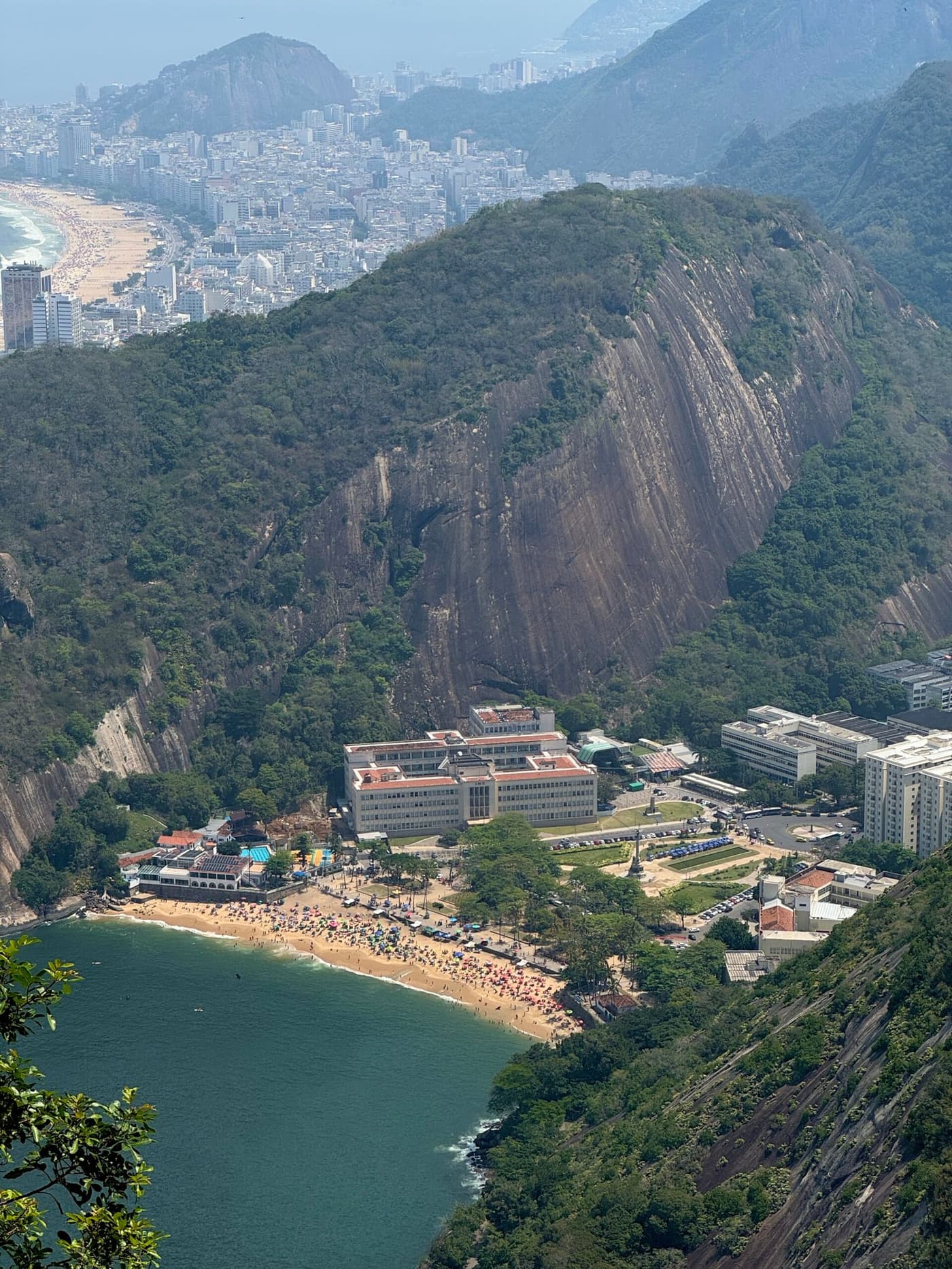
Safe Neighborhoods in Rio de Janeiro
For most tourists, safety is the key question in Rio de Janeiro. The city has a reputation for being unsafe, and it didn't come from nowhere. But Rio isn't equally dangerous everywhere. The level of risk depends first of all on the specific neighborhood and the time of day. Even in relatively safe areas the situation can change sharply from one street to the next, so choosing your location plays a decisive role.
Below are the neighborhoods that are considered relatively safe in Rio de Janeiro for staying and walking around.
Leblon: The Fashionable Beachfront Neighborhood in Rio de Janeiro
One of the most prestigious and safest neighborhoods in the city. There is a high concentration of security and police, the infrastructure is well developed and there are very few favelas nearby. The downside is obvious: high accommodation prices.
Ipanema: One of the Best Neighborhoods in Rio de Janeiro
Ipanema has an active but well-controlled urban environment. It's not as noisy and party-oriented as famous Copacabana. There are lots of modern cafés, shops and promenades, and it's safer in the evening than the neighboring areas.
Copacabana: The Most Famous Neighborhood in Rio de Janeiro
The most touristy neighborhood in Rio de Janeiro and one of the most popular places to stay. The level of safety here is lower than in Leblon and Ipanema, but prices are much lower. The area varies a lot from block to block. Even so, Copacabana remains one of the most popular neighborhoods for tourists thanks to its infrastructure, the metro and the constant presence of people.
Lagoa: A Quiet Residential Neighborhood in Rio de Janeiro
Lagoa is located around the Lagoa Rodrigo de Freitas lake, between Ipanema, Leblon and Botafogo. The neighborhood is geared mainly toward locals and has a high level of safety by the city's standards. It has a well-kept urban environment, parks, walking areas and very little tourist bustle.
Lagoa is often chosen by people who want to live in a safe part of Rio without the dense tourist crowds. The beaches of Ipanema and Leblon are still quick to reach.
Urca: An Upscale and Expensive Neighborhood in Rio de Janeiro
Urca is a small, secluded neighborhood at the foot of Sugarloaf Mountain that many locals call one of the safest in Rio de Janeiro. Street crime is low and the atmosphere is calm even in the evening.
Urca isn't touristy in the classic sense, but that is exactly why it's considered one of the calmest and most reliable places to stay in the city. The downsides: there are few short-term rental options here and prices are very high.
Even safe areas of Rio don't mean zero risk. According to tourism and city sources:
- pickpocketing happens even in prosperous neighborhoods
- safety drops almost everywhere at night
- the border between neighborhoods can be critical
Mixed Neighborhoods in Rio de Janeiro
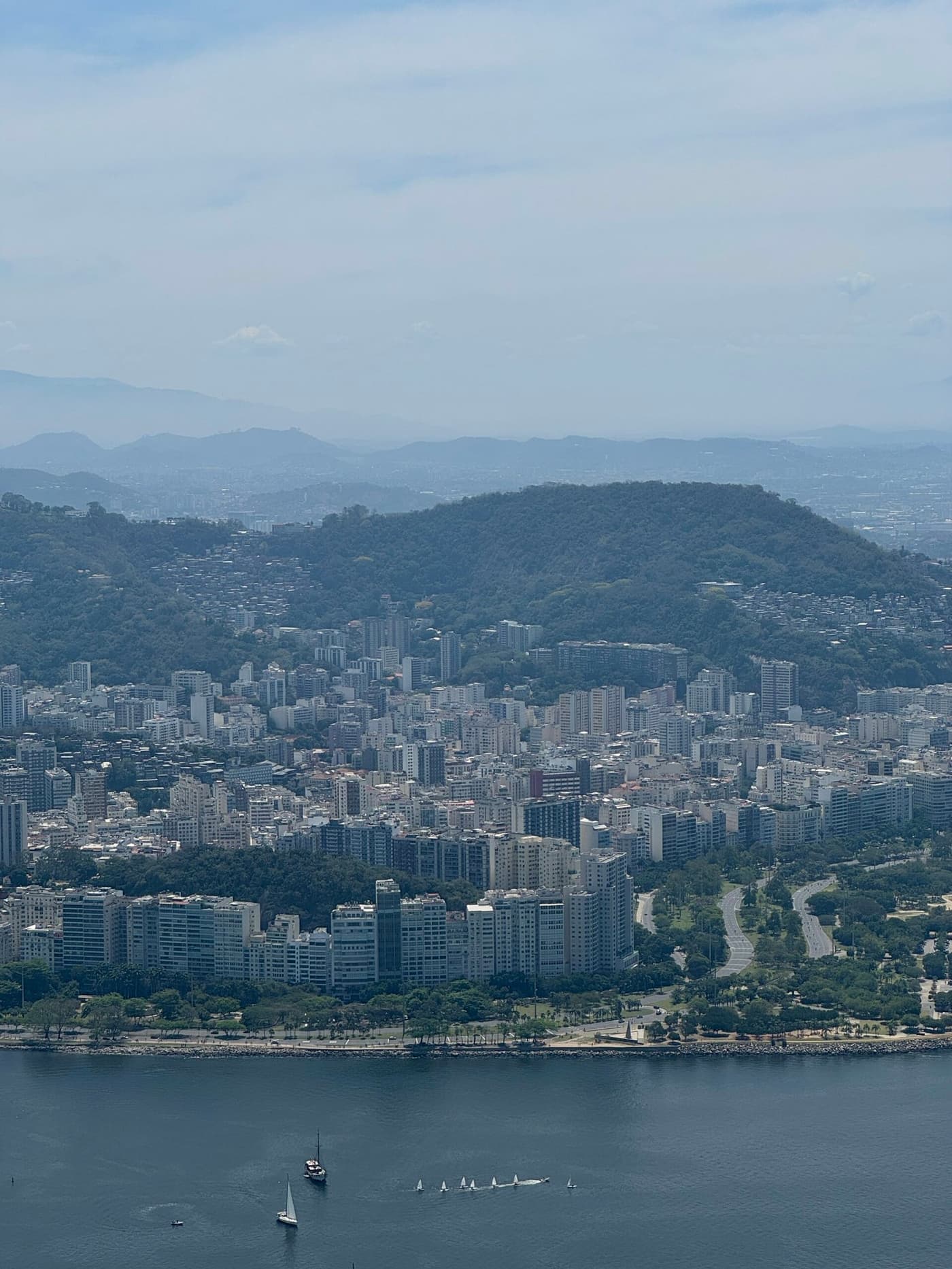
Mixed neighborhoods in Rio de Janeiro are areas you can't clearly call either safe or dangerous. They have comfortable and perfectly calm streets, but overall safety is less consistent than in Leblon, Ipanema, Urca or Lagoa.
In these neighborhoods the specific location matters more than the name of the area. Let's go through them in more detail.
Botafogo: An Affordable Neighborhood in Rio de Janeiro
Botafogo is in Rio's South Zone and is often seen as a more affordable alternative to Ipanema and Leblon. The area varies a lot by block: there are quiet residential streets and convenient infrastructure, but less prosperous zones are close by. Botafogo can be comfortable and inexpensive, but it's rarely counted among the safest neighborhoods in Rio de Janeiro. From Botafogo it's easy to get to Cosme Velho station, where the train to the Christ the Redeemer statue departs.
Flamengo: A Green Neighborhood in Rio de Janeiro
Flamengo is a green and generally convenient neighborhood close to the city center. It has good transport connections, parks and a beautiful waterfront. Safety depends on the street and on how far you are from the center. People often choose Flamengo for its location and prices, but when it comes to safety it's a mixed neighborhood rather than a clearly safe one.
Barra da Tijuca: A Modern Neighborhood in Rio de Janeiro's West Zone
Barra da Tijuca is a large neighborhood in Rio de Janeiro's West Zone that is often considered an alternative to the South Zone. It's very spread out and not walkable, and safety here depends heavily on the specific place. On the plus side: gated and more modern condominiums.
Barra isn't one of Rio's dangerous neighborhoods, but it isn't considered clearly safe either. Staying here almost always requires a taxi or a car, and choosing the right location is critical.
Lapa: A Downtown Neighborhood in Rio de Janeiro
Lapa is known for its nightlife, bars and clubs. During the day it looks more or less calm, but in the evening and at night the level of safety changes sharply. Evenings bring a lot of people, but that doesn't mean a high level of safety. Pickpocketing and street incidents happen a lot here.
Lapa isn't considered a safe place to stay, but it isn't always counted among the dangerous areas either: it all depends on the time of day and the specific street.
Santa Teresa: A Hilly Neighborhood Near Downtown Rio
Santa Teresa is known for its old architecture, its tram and its artistic atmosphere. The neighborhood is very uneven, and safety depends heavily on the specific street. Getting around is also complicated, with steep climbs, and although it's lively during the day, the area empties out in the evening.
Santa Teresa can be pleasant and visually appealing during the day, but if you want to stay here, choose your accommodation carefully.
Dangerous Neighborhoods in Rio de Janeiro and the Favelas
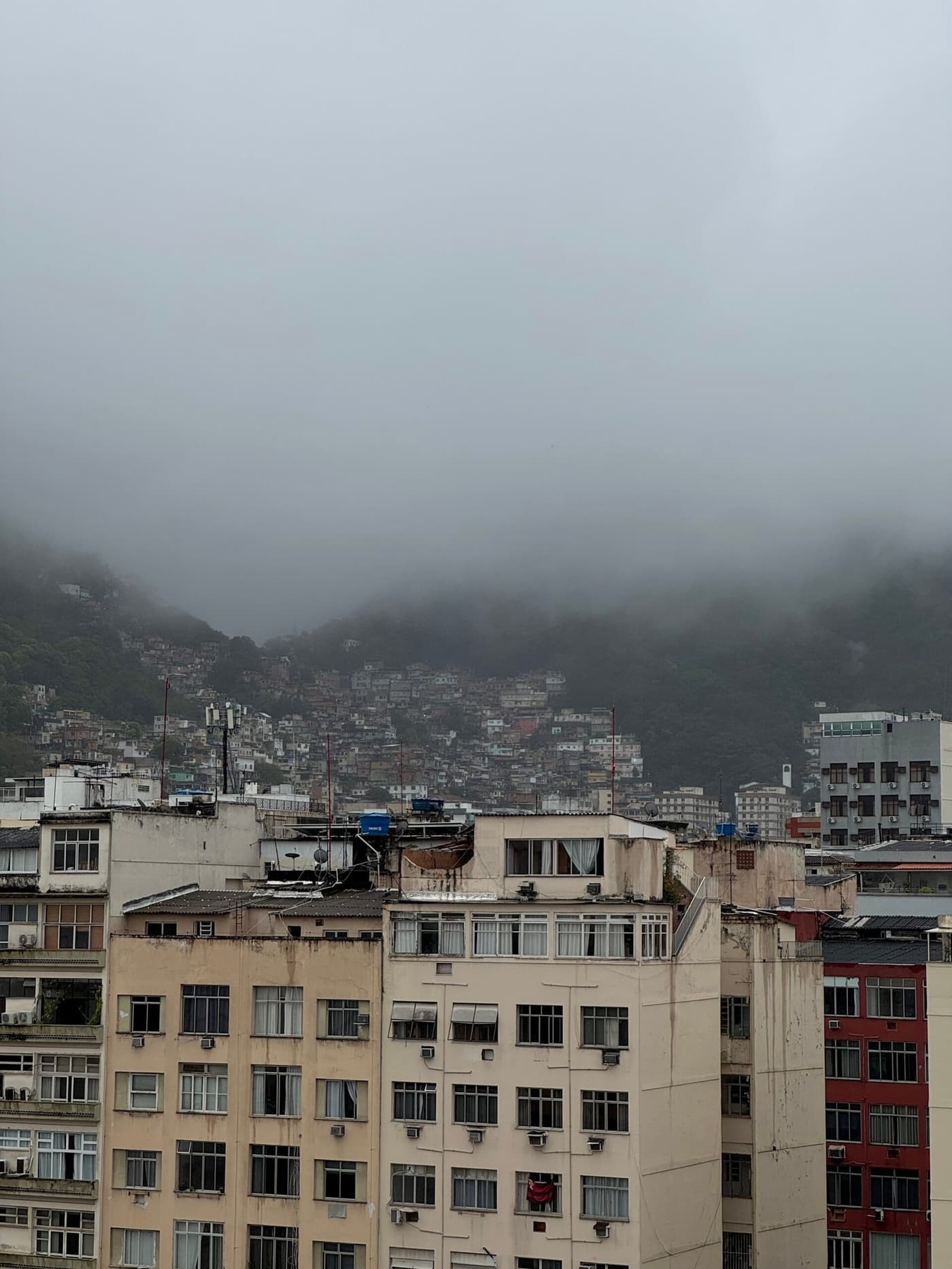
When people talk about dangerous and poor neighborhoods in Rio, they most often mean favelas: informal or semi-legal residential districts that arose from a historical housing shortage and social inequality.
What tourists should know:
- favelas exist next to prestigious and tourist neighborhoods
- they can begin literally one street over
- the level of safety inside favelas varies widely
Some favelas are partly integrated into the city today and are even visited with guides, but tourists are advised not to go in on their own.
Dangerous Neighborhoods in Rio: Where Tourists Should Not Walk
Most of Rio de Janeiro's dangerous neighborhoods are located:
- in the North Zone (Zona Norte)
- in remote parts of the West Zone (Zona Oeste)
- in areas with minimal tourist infrastructure
For a tourist without local connections, these areas offer no advantages: not in price and not in comfort.
One of the key features of Rio is its sharp neighborhood borders. For example, a favela can sit right next to a beach neighborhood or a prestigious one. A street can be safe by day and unsafe at night, and a residential block can suddenly turn into a problem area.
That's why saying "I'm staying in Copacabana" guarantees nothing by itself; what matters is where exactly in the neighborhood your accommodation is.
Favelas in Rio de Janeiro
Favelas aren't a separate "neighborhood" but part of Rio de Janeiro's urban structure. They exist in many parts of the city, including next to prestigious and tourist areas.
It's important to understand that favelas are very different from one another, the level of danger can vary, and the situation can change over time.
Rocinha
Rocinha is the largest favela in Brazil and one of the best known. It's located near Ipanema and Leblon and is partly integrated into the city. The level of danger there is now lower than in many other favelas, but it isn't zero.
Rocinha is sometimes visited on organized tours, but tourists are advised not to walk around on their own.
Dangerous Favelas
There are many favelas that tourists should absolutely not enter. They are often in the North Zone and linked to the activity of armed groups. Such places are not considered tourist destinations under any circumstances.
How to Avoid Picking the Wrong Neighborhood
In Rio, the name of a neighborhood doesn't guarantee a consistent level of safety.
Most often, mistakes come not from choosing a "bad area" but from choosing a poor location within a decent one.
- check the exact address, not just the name of the neighborhood
- look at where the accommodation is on the map and use the 3D street view
- avoid places on the edges of a neighborhood, especially ones with no reviews
- read reviews carefully, and not only about the apartment but about the surroundings too
I showed how we walked around different neighborhoods of Rio de Janeiro in a YouTube episode
Frequently Asked Questions About Rio de Janeiro Neighborhoods
What are the safest neighborhoods in Rio de Janeiro?
The ones most often named as the safest in Rio are Urca, Leblon, Ipanema and Copacabana. But even in these neighborhoods you should follow basic safety rules.
Where should tourists stay in Rio de Janeiro?
For a first visit it's best to choose the South Zone: Copacabana, Ipanema or Leblon. These neighborhoods are convenient for getting around and have good infrastructure.
Which neighborhoods in Rio are considered dangerous?
The biggest risks for tourists are in the North Zone, in remote parts of the West Zone and in the favelas. You should absolutely not go into them on your own without a local escort.
Which neighborhood in Rio is best for living near the beach?
The most popular beach neighborhoods are Copacabana, Ipanema and Leblon. The choice depends on your budget and the level of comfort you want.
Is it worth staying in downtown Rio de Janeiro?
Downtown works for daytime walks and short stops, but tourists rarely choose it for a longer stay. In the evening and at night, safety downtown varies a lot from street to street.
Which neighborhood in Rio de Janeiro is the most prestigious?
Leblon and Urca are most often named the most prestigious neighborhoods in Rio de Janeiro. They are among the most expensive and most prosperous areas of the city.
Can you save money by choosing a cheap neighborhood in Rio?
In practice, the savings are often not worth the risks. Cheap neighborhoods are usually far from the beaches and tourist sights and have problems with safety and transport.
Which Rio neighborhood is best for a relaxing stay rather than nightlife?
For a quiet vacation people most often choose Ipanema, Leblon, Flamengo or Botafogo. Lapa is better suited to nights out, but not to staying.