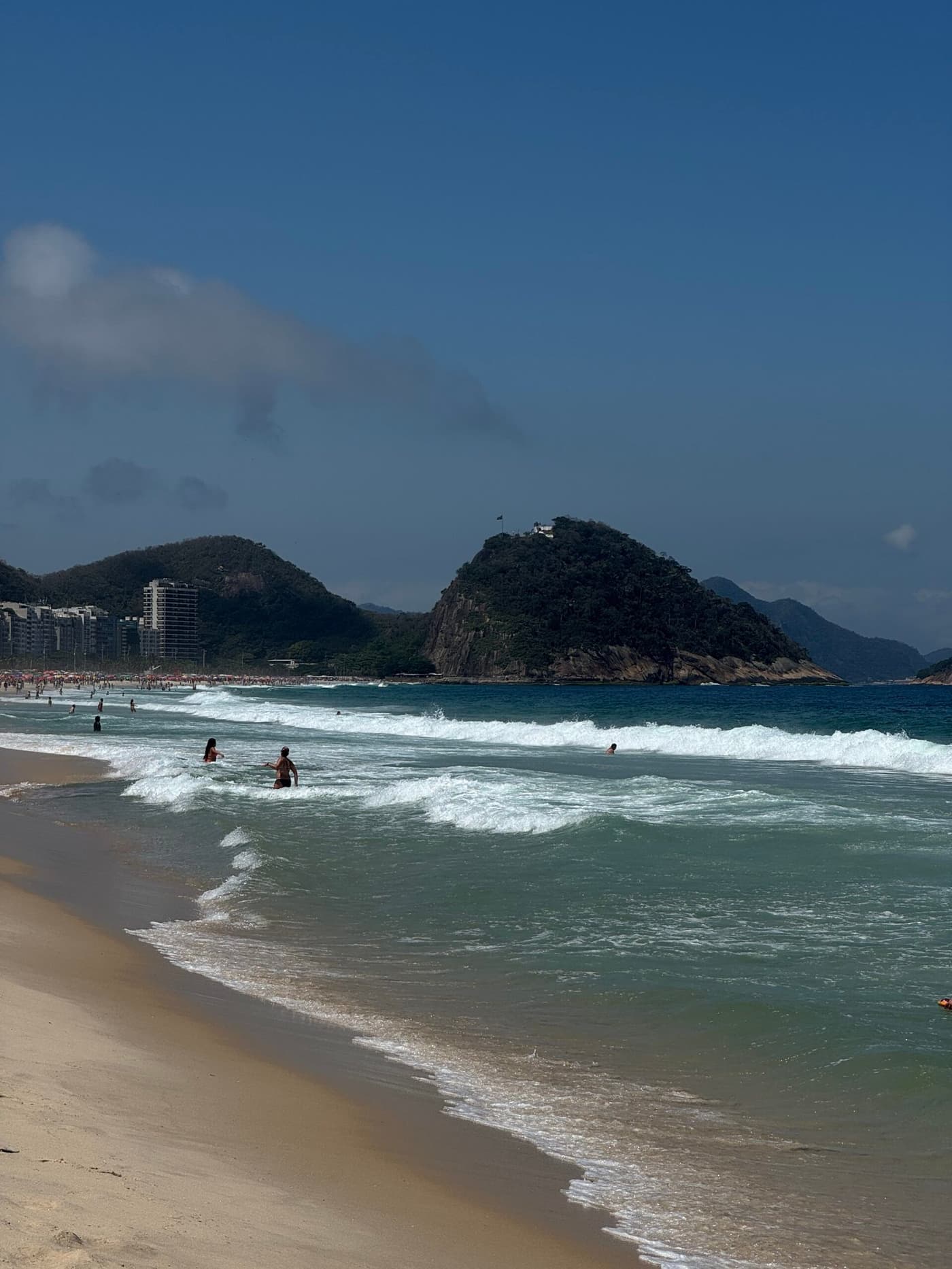
Rio de Janeiro is a large city on the coast of southeastern Brazil, washed by the Atlantic Ocean. Tourists sometimes call it "the sea" because of the beach scenery and calm water, but there is no sea in Rio. This is the Atlantic.
The Atlantic Ocean is a vast ocean system stretching between South and North America to the west and Africa to the east. It creates unique coastal conditions for Rio de Janeiro: warm water, beaches with waves and beautiful views to the horizon.
Where Rio de Janeiro is and which ocean it belongs to
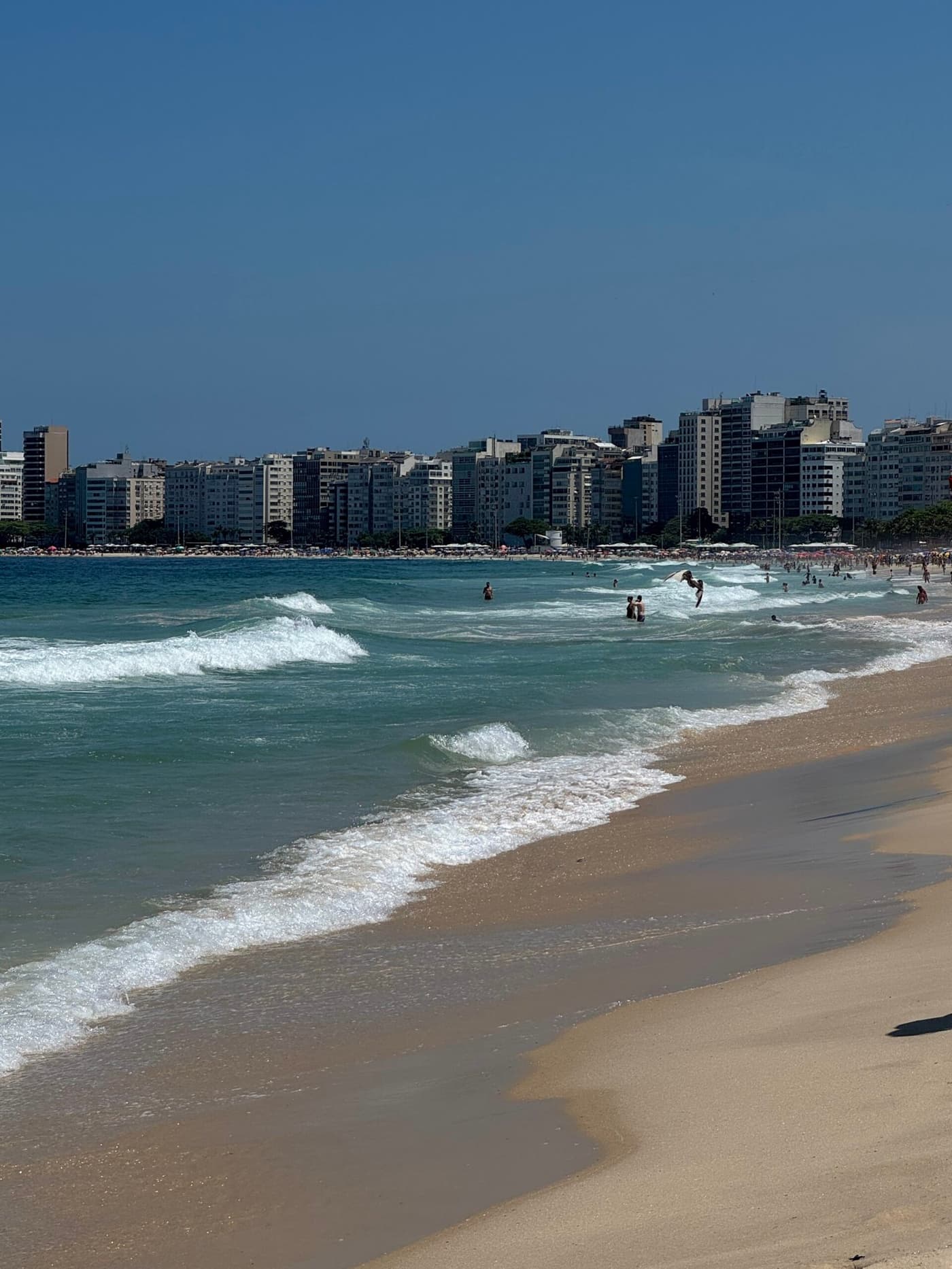
Rio de Janeiro is in southeastern Brazil, on the coast of the Atlantic Ocean. The city stands at the entrance to Guanabara Bay, which connects directly to the open ocean.
If you look at a map of South America, you can see that the whole eastern side of Brazil faces the Atlantic. The country has no coastline on the Pacific Ocean, which is separated from it by the Andes and the territories of other countries on the continent. So when people ask which ocean is in Brazil's Rio, the answer is always the same: the Atlantic.
Geographically, Rio lies roughly 430 km northeast of Sao Paulo and is part of the Atlantic coast of South America. This location shapes the climate, the water temperature and the character of the waves.
It is important to understand the difference:
- Rio is not on an inland sea
- It is not an enclosed body of water
- It is an open part of the Atlantic Ocean
That is exactly why the ocean feels different here from the sea resorts you may be used to.
The ocean in Rio for a tourist
When people search for "which sea is Rio de Janeiro on," they are usually interested not in geography but in how it feels. What is the water like? Is it warm? Are the waves strong? Can you swim without worry?
I'll go through it fact by fact.
Water temperature
The waters of the Atlantic Ocean off the coast of Rio stay comfortable almost all year round:
- Summer (December to March): about +24…+27°C
- Winter (June to August): around +20…+22°C
It is not a tropical "bath" like in Southeast Asia, but the temperature is perfectly comfortable for swimming. Although, in certain months, I personally felt cold there.
Water color
The water in Rio is not always azure blue. This is the open ocean, so the shade can change, from deep blue to a murkier tone after rough weather or rain. That is normal for an ocean coast.
Waves
The ocean in Rio is lively. There are waves here, especially on open beaches. That is exactly why the city is popular with surfers. The waves are not constant, and on some days the ocean can be fairly calm.
Salinity
The Atlantic Ocean is salty, like any ocean water. After a swim your skin may feel a little tight, which is typical of the ocean, unlike the sea.
How the ocean in Rio differs from a sea
Many people say "the sea in Rio" out of habit, but from a geographical point of view there is a difference between a sea and an ocean. And you can feel it in Rio.
- Rio de Janeiro faces the open coast of the Atlantic Ocean. It is not an enclosed body of water and not an inland sea partly surrounded by land. Because of this: the horizon is completely open, waves can be higher and you feel a greater sense of scale
- Unlike many sea resorts, where the water is calmer, the ocean in Rio is lively. Even on an ordinary day you can see noticeable surf. That is why Rio is popular with surfers, since waves like this are rare at sea resorts.
- Rip currents are more common in the ocean. This does not make a holiday dangerous, but it calls for attention and following the safety rules.
- A sense of space. A sea is often perceived as "enclosed" water. The ocean is scale.
When you stand on Copacabana or Ipanema beach, in front of you is not a gulf or a bay but a huge expanse of water with no visible boundaries.
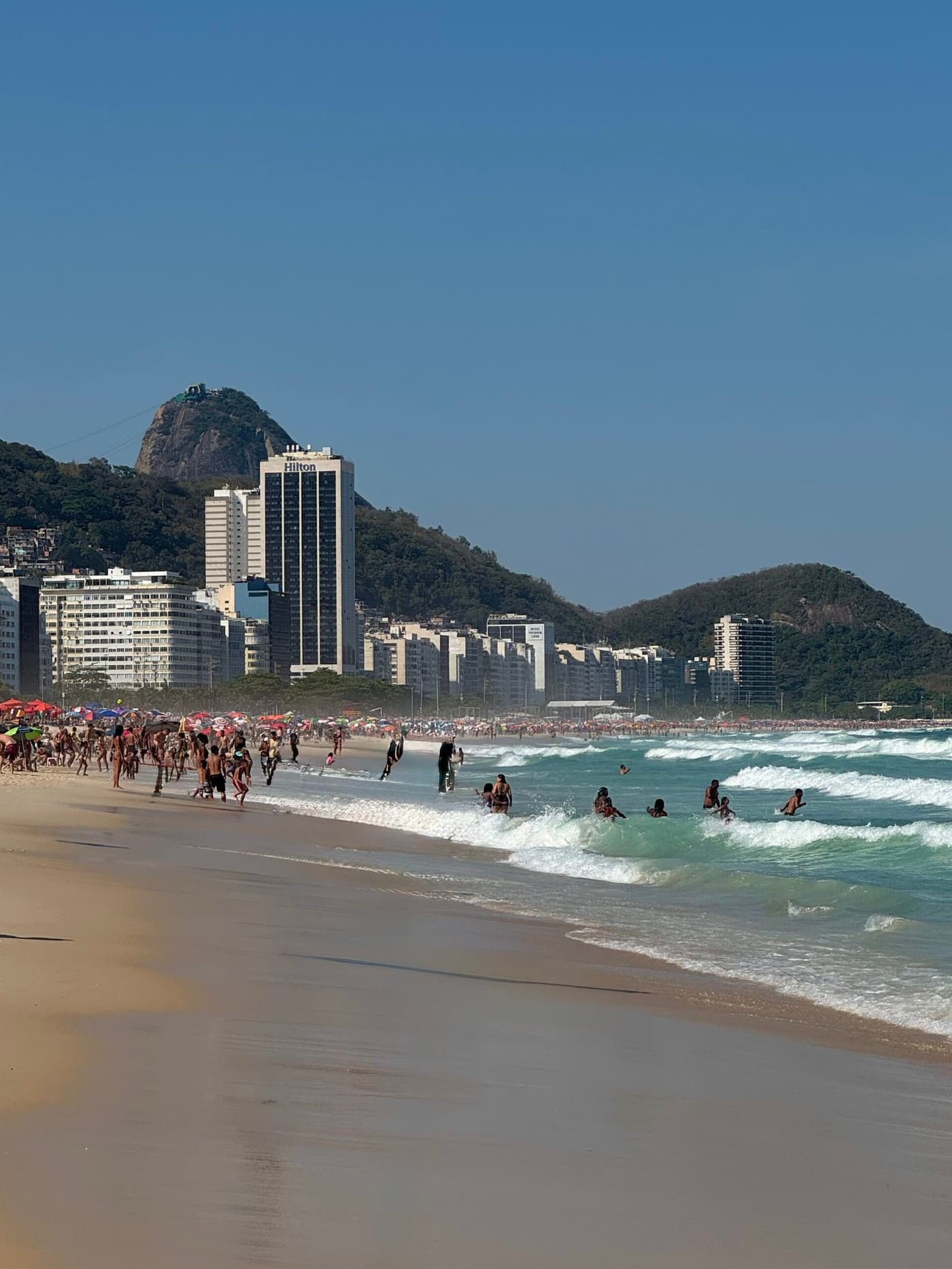
Rio de Janeiro beaches and what the water is like
All of the city's main beaches face the waters of the Atlantic Ocean, but each stretch of coast feels different. I wrote about the beaches of Rio de Janeiro with detailed descriptions and photos in another article.
The main beaches of Rio
| Beach | Water characteristics | Good for swimming |
|---|---|---|
| Copacabana | Open ocean, moderate waves | Yes |
| Ipanema | Clean water, picturesque views | Yes |
| Leblon | A bit calmer, fewer tourists | Yes |
| Barra da Tijuca | Wide open space, often stronger waves | Great for surfing |
Copacabana
The city's most famous beach. This is the open Atlantic, and the waves can be noticeable, but you can swim. The water is usually clear, but after a storm it can be murky, which is a feature of the ocean.
Ipanema
It is considered the "prettier" beach in terms of scenery. The water here is often cleaner, and the atmosphere is more relaxed.
Leblon
A continuation of Ipanema, but less crowded. Many people find it calmer for swimming.
Barra da Tijuca
One of the longest beaches in the city. The waves here can be stronger, so the area is popular with surfers.
If you want to understand in more detail which beach and neighborhood to choose and how they differ from each other, be sure to read my other detailed article, where I went into depth about the beaches and neighborhoods of Rio de Janeiro with descriptions and photos.
Can you swim in the ocean in Rio de Janeiro, and is it safe
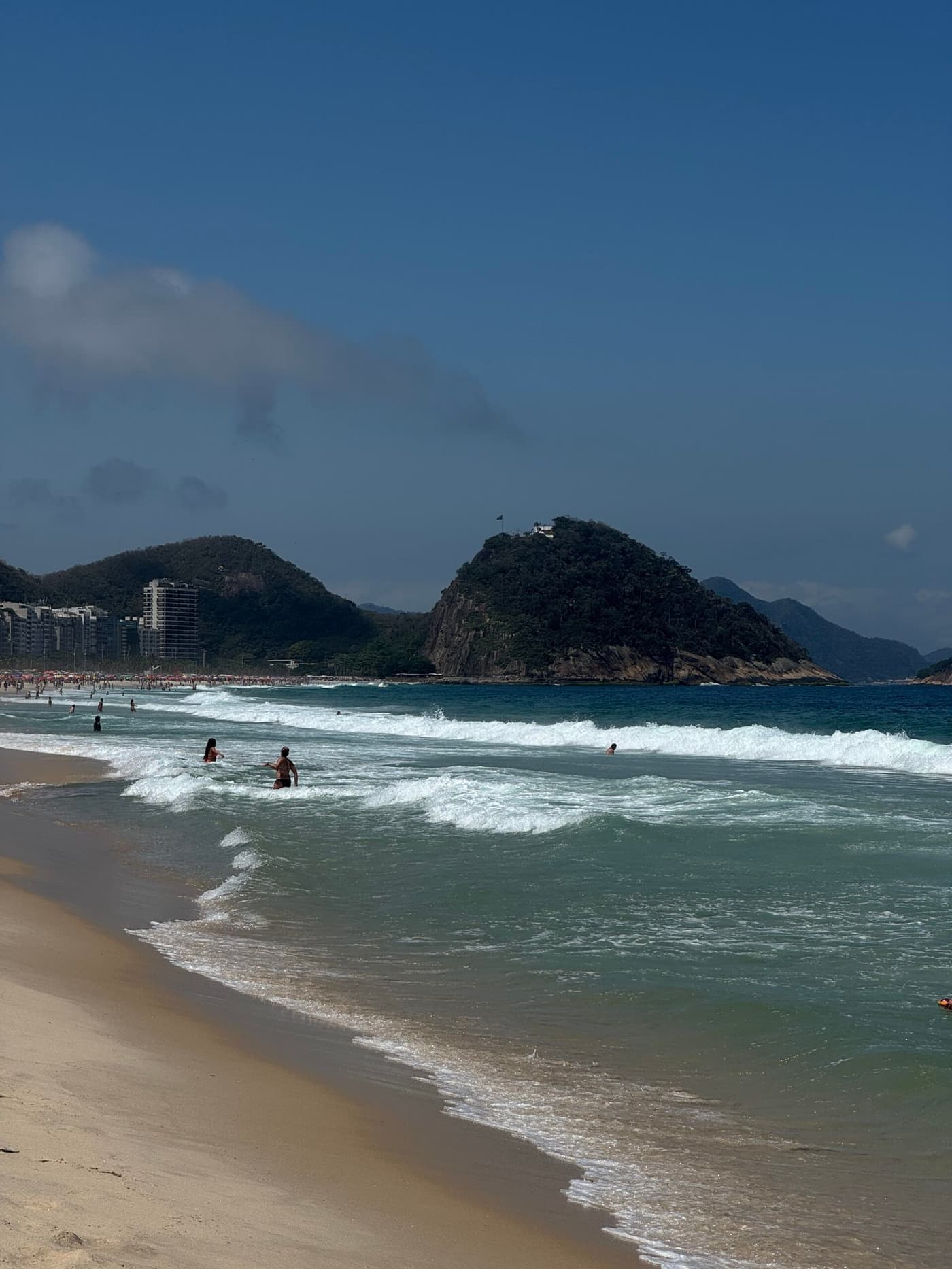
The short answer is yes, you can swim in the ocean in Rio de Janeiro. Millions of tourists and locals do it all year round. But it is important to understand that this is the Atlantic Ocean, not a calm enclosed sea. So there are a few things to know.
Are there dangerous currents?
On some stretches of the coast, so-called rip currents can form. This is a natural phenomenon typical of the open ocean.
That is why on the beaches:
- lifeguards are on duty
- flags show the conditions in the water
- there are designated safe swimming zones
If you follow the lifeguards' recommendations, your holiday stays comfortable.
Is the water clean?
Rio's municipal services regularly check the water quality at the city's beaches. After heavy rain the clarity can temporarily drop, which is a normal situation for coastal cities. On popular beaches such as Copacabana and Ipanema, you can swim for most of the year.
When is the ocean calmer?
- In the morning the waves are usually weaker
- In windless weather the ocean is calmer
- In the winter months (June to August) the water is cooler and the ocean is rougher than in summer
Worth remembering
- The ocean is not a sea
- Waves can be higher than at the sea resorts you are used to
- Pay attention to the flags
Even so, Rio is a full-fledged beach city where the ocean is part of everyday life.
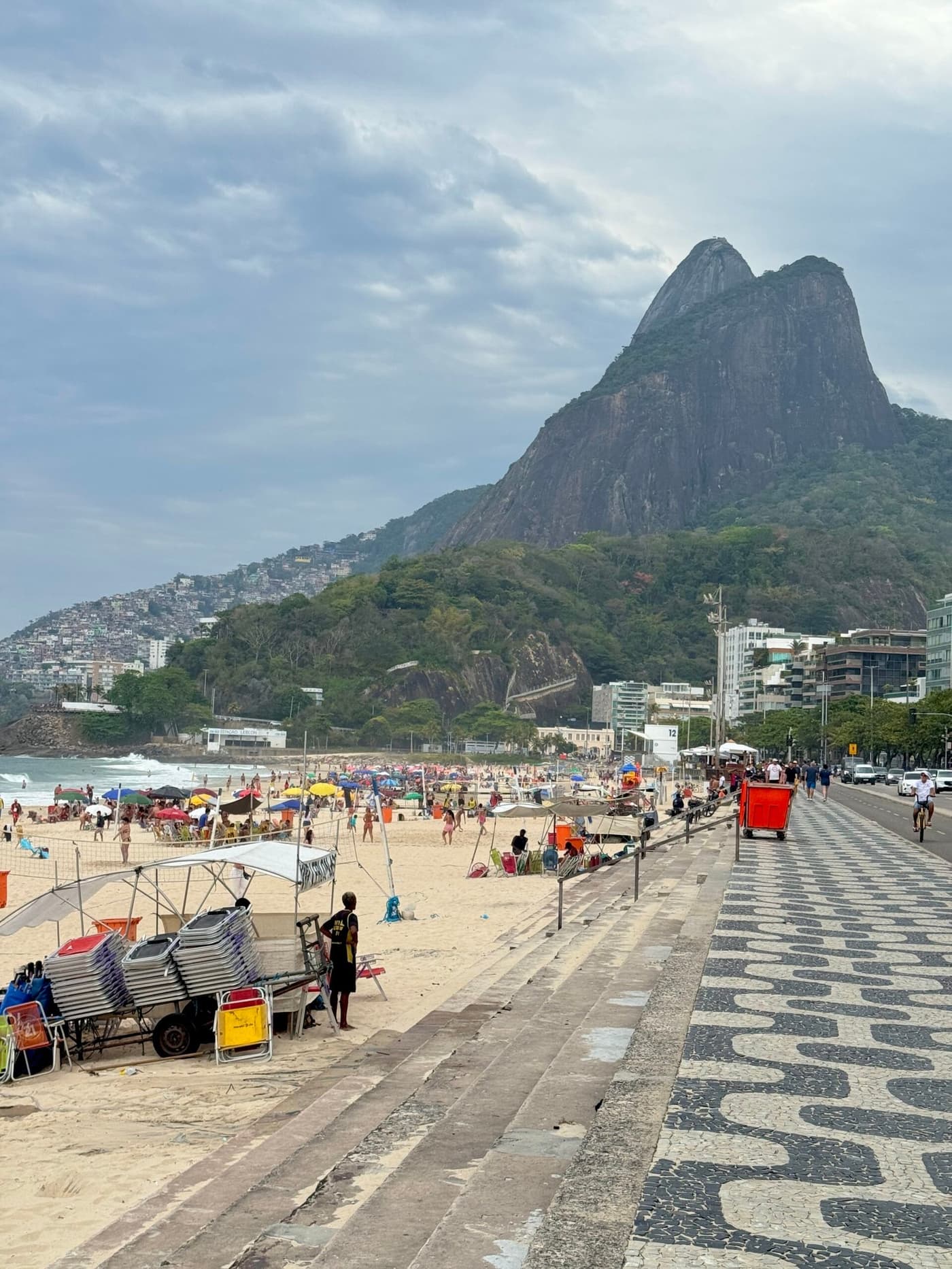
Climate and seasons: when to go to the ocean in Rio de Janeiro
Now that we have worked out which ocean Rio de Janeiro is on, it makes sense to figure out when to go to the Atlantic Ocean and in which season the water is most comfortable.
Rio de Janeiro has a tropical climate, so there are no sharp temperature swings. You can swim almost all year round.
Summer in Rio (December to March)
- Air temperature: +30…+35°C
- Water temperature in the Atlantic Ocean: about +24…+27°C
- Brief tropical downpours are possible
This is the high season, but it is also the rainiest season. The ocean is warm, the beaches are lively and the city is at its most active.
Autumn (April to May)
- It gets a little cooler
- The water stays comfortable
- Fewer tourists
A good period for those who do not like the heat and tropical downpours.
Winter (June to August)
- Air temperature: about +24…+26°C by day, about +17…+19°C at night
- Water temperature: about +20…+22°C
This is the "coolest" part of the year, but by European standards it is still warm. The waves often become more pronounced, which surfers like.
Spring (September to November)
- Gradual warming
- Moderate humidity
- Comfortable conditions for a beach holiday
If you want to find out in detail which month the ocean is warmest, when there is less rain and when is the best time to go, I recommend reading my other article 🙂. I explained in detail what the weather in Rio de Janeiro is like month by month and when it is best to go.
Water activities and outdoor fun in the ocean in Rio
Since this is not an enclosed sea but the full-fledged Atlantic Ocean, a holiday here is not limited to swimming. The ocean in Rio is part of the city's culture, and water activities are available all year round.
Surfing
Rio is considered one of the surfing centers of Brazil. The waves of the Atlantic suit both beginners and experienced athletes. Barra da Tijuca beach and certain stretches of Ipanema are especially popular.
SUP and kayaking
On calmer days you can rent a stand-up paddleboard or a kayak. These activities are usually chosen on stretches with moderate waves or in sheltered areas of the coast.
Beach sports
Rio's beaches are not only about swimming in the ocean, but also:
- beach volleyball
- frescobol (a traditional Brazilian paddle game)
- running along the water
Parasailing and other water entertainment
Some beaches offer water entertainment, including banana boat rides and parasailing. It is not the city's main focus, but these options exist.
What to keep in mind
Because this is the open ocean:
- activities depend on the weather
- in strong wind the waves can get bigger
- it is best to follow the lifeguards' recommendations
So if you are looking for more than just "a sea" and want a full ocean holiday with activities, Rio is a perfect fit.
I showed how we spent our time in Rio de Janeiro in a YouTube episode
FAQ: sea or ocean in Rio de Janeiro
Which ocean is Rio de Janeiro on?
The Atlantic Ocean washes Rio de Janeiro, and the city sits on its coast.
Is there a sea in Rio de Janeiro?
No. Geographically, there is no sea in Rio. It is the Atlantic Ocean.
Is the water in the ocean in Rio warm?
Yes. The Atlantic Ocean off the coast of Rio is fairly warm, from about +20 °C to +27 °C depending on the season.
Can you swim in the ocean in Rio de Janeiro?
Yes. On popular beaches such as Copacabana and Ipanema the water is fine for swimming, but there are sometimes rip currents and waves, so it is important to follow the safety rules.
Is there any danger for children on Rio's beaches?
On the open ocean coast the waves can be strong. For families with children, I advise choosing calmer beaches or areas with lifeguards.
Is Rio on the Atlantic or the Pacific Ocean?
The Atlantic. Rio de Janeiro is on the eastern coast of Brazil, which opens onto the Atlantic Ocean.
Why isn't the ocean water azure like at the sea?
Ocean water in Rio is subject to natural waves and currents, so it can be less clear and have richer shades than in enclosed seas.
Where in Rio is the water calmer and better for swimming?
In more sheltered stretches of the coast, such as part of Ipanema beach or Leblon, the waves are often less pronounced than on the open part of the Atlantic.
Can you surf in the ocean in Rio?
Yes. The waves of the Atlantic Ocean are good for surfing, especially on long beaches like Barra da Tijuca.