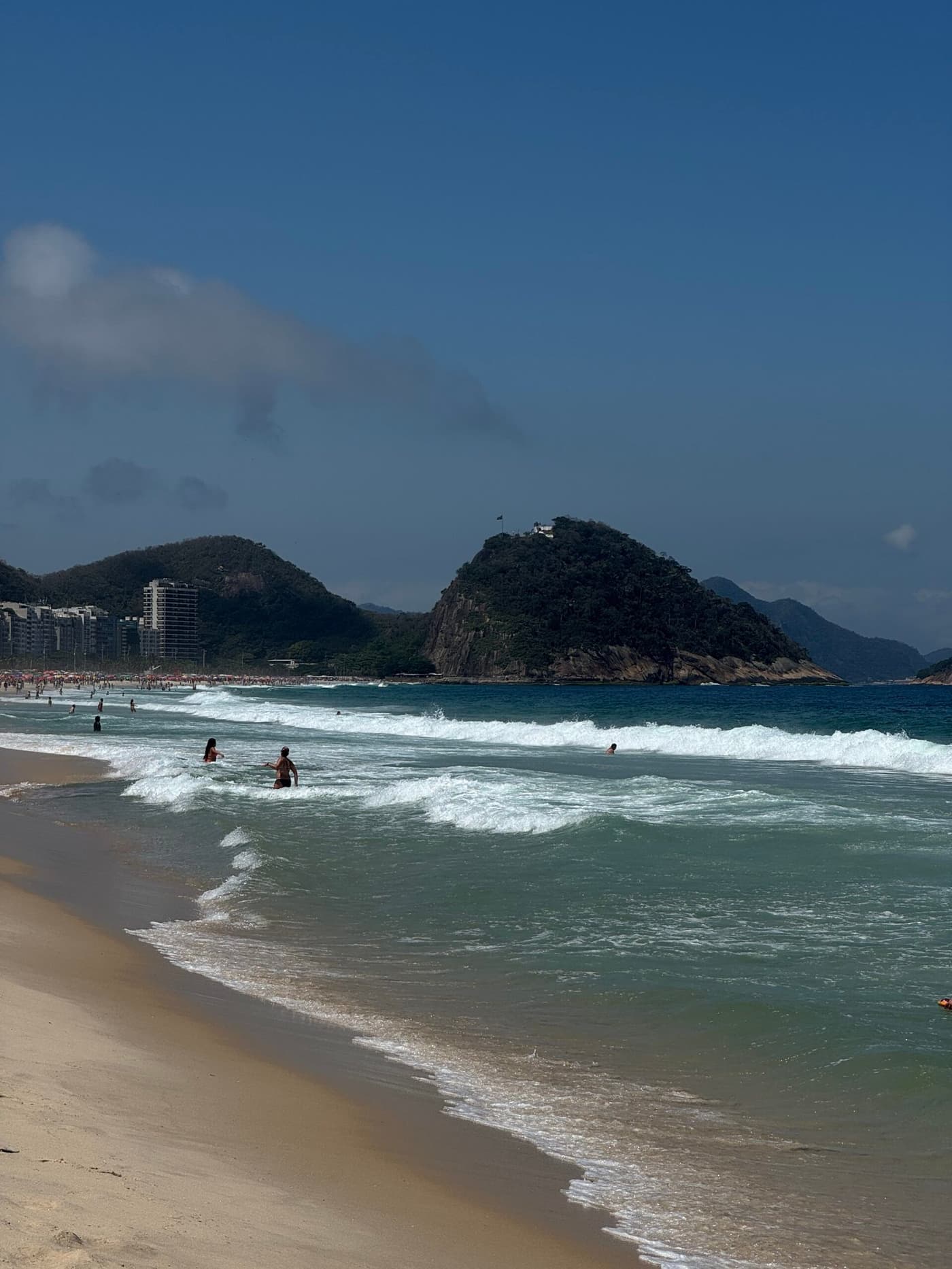
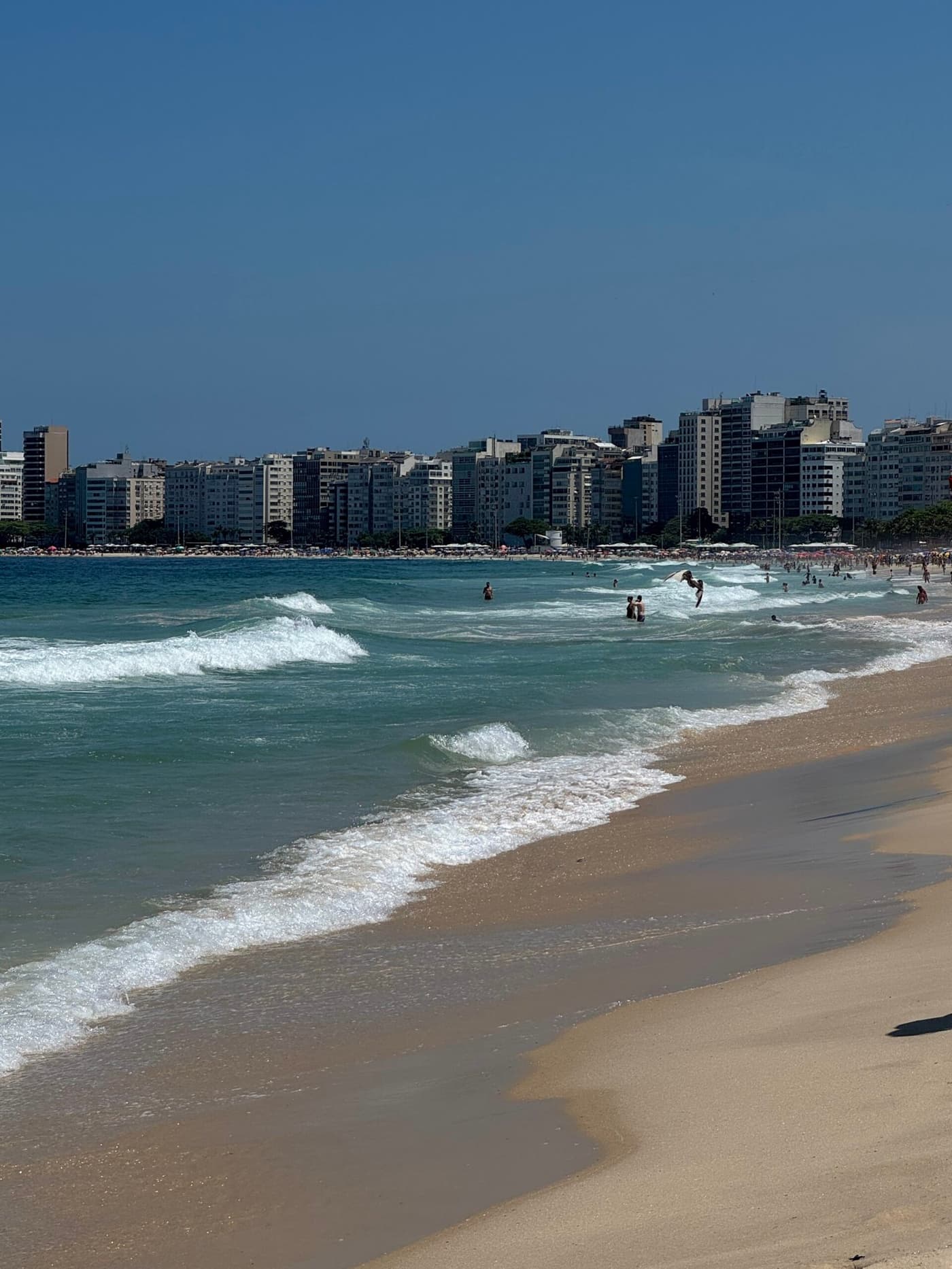
Weather in Rio de Janeiro is one of the key things to check when planning a trip to Brazil. The city sits in the tropics and is associated with endless summer, but the climate is not the same all year round. From month to month, the heat, humidity, rainfall and the number of tourists all change.
In this article I'll go through the weather in Rio de Janeiro month by month, the best time for tourists to visit, when the rainy season begins, and which months are best for a beach holiday, sightseeing or a budget trip.
The best time to visit Rio de Janeiro as a tourist
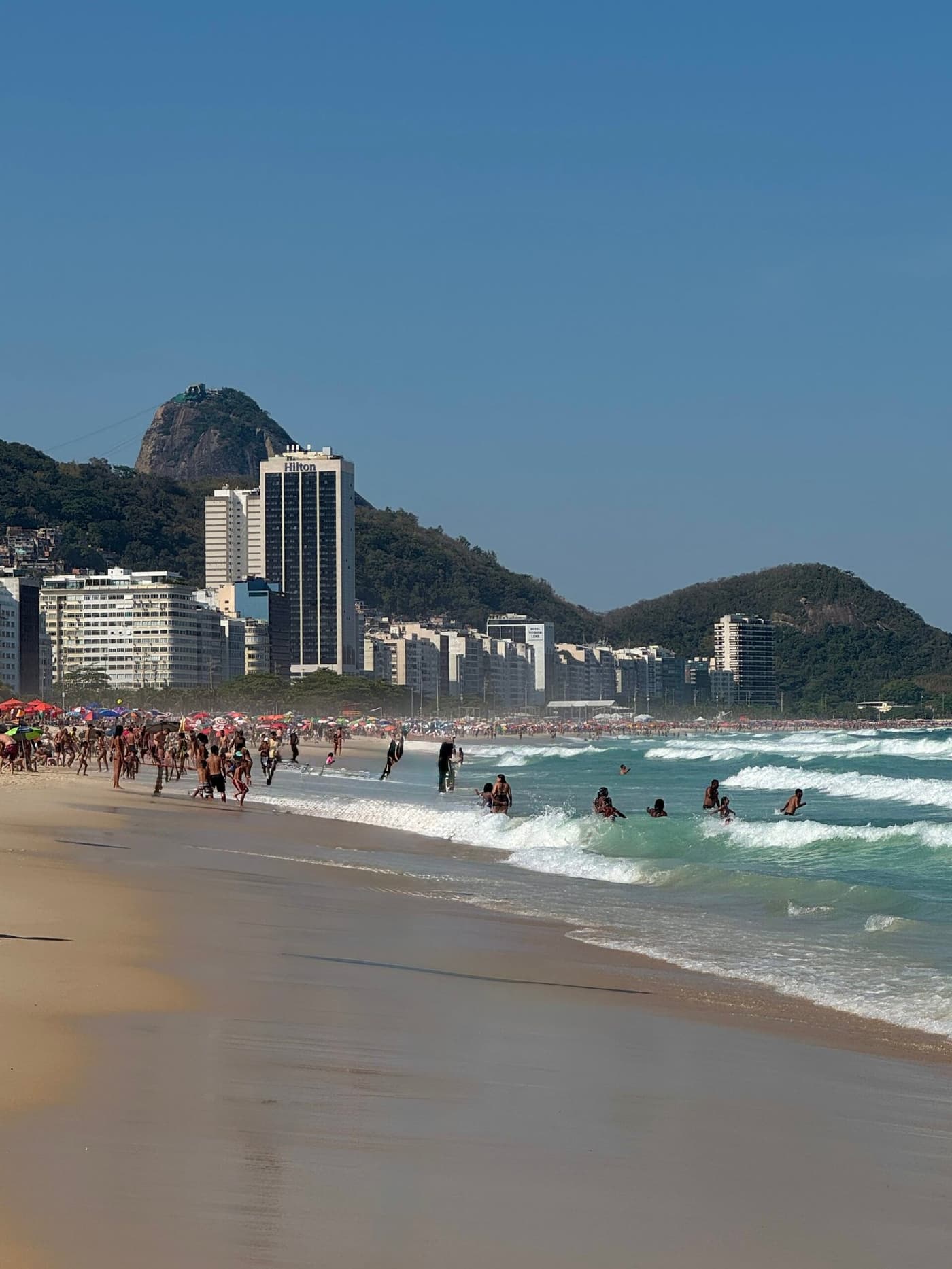
The short answer: the best time to visit Rio de Janeiro is from May to November. During this period the weather in the city is at its most comfortable, there is less rain and none of the exhausting heat of the Brazilian summer. You will also have plenty of time to enjoy the best beaches in Rio de Janeiro.
But "best" is relative. It all depends on what you want from the trip: beaches, walks, tours, events or a budget holiday.
The best time for a comfortable trip
From May to November in Rio de Janeiro:
- daytime temperatures usually hold around 23-27 °C
- humidity is lower than in summer
- rain is rare and usually short
- it's easier to handle active days and walks around the city.
These are the months most often recommended to anyone visiting Rio for the first time who wants to see the city without weather stress.
The best time to visit Rio for the beaches
Rio works for a beach holiday all year round, but there are some nuances:
- in summer (December-March) the ocean is warmer, but it is humid, rainy and hot
- in winter and the shoulder seasons the water is a little cooler, but it's more comfortable to be on the beach during the day.
All things considered, June, July and August are seen as optimal: warm, sunny and without extreme heat.
When not to go
If you don't handle heat and high humidity well, be careful about traveling between December and February.
At this time humidity is high and temperatures climb above 30 °C. Rain can also fall regularly, especially in the afternoon, and the city is packed with tourists and locals because of the holidays.
This isn't a "bad" time, just not the most comfortable one for everyone.
The best time to visit Rio for events
Carnival in Rio de Janeiro deserves its own mention. It usually takes place in February or early March. It is the brightest but also the hardest period: it's too hot, expensive and crowded, and the weather is unstable.
Choose Carnival deliberately, for the event, not for the weather.

Seasons in Rio de Janeiro
The tourist season in Rio de Janeiro is tied not only to the weather but also to holidays, school vacations and major events. That's why it's important to separate the climate season from the tourist season: they are not always the same thing.
High season in Rio de Janeiro
High season in Rio de Janeiro lasts roughly from December to March and also includes Carnival and the New Year holidays.
At this time the weather is hot, often above 30 °C, with high humidity and frequent rain. It also brings the largest number of tourists and the highest prices for accommodation and flights.
December and January are not only the tourist peak but also the summer vacation in Brazil, so the city is full not only of foreigners but of locals too.
High season suits those who come to Rio for the atmosphere, the parties and the events, want to see Carnival, and aren't afraid of heat, crowds and high prices.
Low season in Rio de Janeiro
Low season in Rio de Janeiro runs from May to October, peaking in June, July and August.
The weather is milder and drier, daytime temperatures are usually 22-26 °C, and rain is rare. There are noticeably fewer tourists, and prices for hotels and apartments are lower.
This is considered the most comfortable time for walks, tours and a beach holiday without the heat. Many tourists note that in low season Rio feels calmer and safer.
Shoulder months
April and November are transition months between seasons. The weather is stable, rainfall is moderate, there are fewer tourists than in summer, and prices haven't reached their peak yet.
For many travelers this is the sweet spot between comfort and trip cost.

Rainy season in Rio de Janeiro
The rainy season in Rio de Janeiro really does exist. Sometimes there are endless downpours that flood the city, and sometimes just short showers.
When does the rainy season start in Rio de Janeiro
The period of heavier rainfall falls in the summer months, from December to February and partly March. This is when Rio is at its most humid, rain usually comes in the afternoon or evening, and heavy downpours are possible.
Usually it doesn't rain all day. More often it's an intense downpour lasting 30-90 minutes, after which the sun comes out again. But there are days when water floods the whole city.
The downsides of the rainy season
Even though it isn't scary, there are nuances that people don't usually write about. At this time high humidity makes the heat feel stronger, local flooding is possible after heavy downpours, and in the heat and humidity you get tired faster. In this weather, walking around the city becomes less comfortable.
It's the combination of heat + humidity + rain, not the rain itself, that makes summer the hardest period for some tourists.

Weather in Rio de Janeiro by month
To make this as useful as possible, below I've gone through the weather in Rio de Janeiro month by month and what you should be ready for.
Weather in Rio de Janeiro in January
January in Rio de Janeiro is the height of the Brazilian summer. It is one of the hottest and most humid months of the year, in the middle of the rainy season.
Main weather features of January:
- average daytime temperature: 28-31 °C
- nighttime temperature: about 23-24 °C
- high humidity
- frequent short downpours
- ocean water temperature: about 25–26 °C.
In January the heat feels stronger because of the high humidity. Even below 30 °C it can be stuffy, especially in the city and when there is no wind. It's not the most comfortable month for long walks around Rio, particularly for tourists with no experience of a tropical climate.
Rain in Rio de Janeiro in January is regular, but it rarely lasts all day and mostly comes in the afternoon. After the rain the sun usually comes out again, though the high humidity stays.
Despite the weather quirks, January remains a popular month for a beach holiday: the ocean is warm, there are lots of sunny hours, and the beaches are lively and full of atmosphere.
January is the summer vacation period in Brazil, so there are many local tourists, and prices for accommodation and flights are above average.
Why it's summer in Rio de Janeiro in January
For anyone used to the Northern Hemisphere calendar, this is confusing at first: January, and suddenly it's close to 30 °C heat, crowded beaches and summer vacation.
The reason is that Rio de Janeiro is in the Southern Hemisphere. That means the seasons here are reversed compared with the Northern Hemisphere: when it's winter there, it's summer in Brazil, and vice versa.
January in Rio is the height of summer: the hottest period of the year, the rainy season and school vacations across the whole country. That's exactly why the city is especially lively in January: the beaches are packed, prices are high, and the atmosphere is truly summery.
So if you're flying to Rio in January, bring light clothes and sunscreen, and get ready for a tropical summer, not winter.
Weather in Rio de Janeiro in February
February in Rio de Janeiro is still summer, but with an important feature: Carnival most often falls in this month. The weather in February stays hot and humid, with the rainy season continuing.
Main weather features of February:
- average daytime temperature: 28-30 °C
- nighttime temperature: about 23 °C
- high humidity
- regular short downpours
- ocean water temperature: 25-26 °C.
In terms of how it feels, February is often harder than January: the high humidity stays and the city gets stuffy, especially during the day. It isn't the easiest period for walking around the center or climbing up to viewpoints.
February is an active month of the rainy season. Heavy tropical downpours are also possible. Keep in mind that during Carnival the rain can affect your plans, especially street events.
If Carnival falls in February, remember that prices for accommodation and flights are at their highest and the city is packed with tourists. February in Rio is a choice for the event, not for comfort.
Weather in Rio de Janeiro in March
March in Rio de Janeiro is the transition from summer to a milder season. The heat gradually eases and there are fewer tourists, but the rainy season hasn't fully ended yet.
Main weather features of March:
- average daytime temperature: 27-29 °C
- nighttime temperature: about 22-23 °C
- high but gradually falling humidity
- rain is still possible, but less often than in January and February
- ocean water temperature: about 25 °C.
In terms of how it feels, March is noticeably more comfortable than January and February: the heat is easier to bear, it's less stuffy, and there are more days of steady sunny weather. In March it's already more pleasant to walk around Rio, especially in the morning and toward evening.
Although March formally still belongs to the rainy season, rainfall becomes less regular, and whole rainy days are rare.
March also works well for a beach holiday: the ocean is warm, there is enough sun, and there are fewer people on the beaches than in high season.
On top of that, after Carnival the flow of tourists drops, accommodation prices gradually come down, and it gets easier to find good places to stay.
Weather in Rio de Janeiro in April
April in Rio de Janeiro is considered one of the most comfortable months of the year. It's no longer summer, but not yet winter. The weather settles, the heat fades, and the rainy season is practically over.
Main weather features of April:
- average daytime temperature: 26-28 °C
- nighttime temperature: about 21-22 °C
- moderate humidity
- rain is rare and short
- ocean water temperature: 24-25 °C.
April is often called the ideal month for a trip to Rio. It's warm but not hot during the day, evenings are comfortable for walking without the stuffiness, and there are no sharp weather swings. It's a very good time for active walks, tours and viewpoints.
Compared with the summer months, rain becomes rare, and most days are dry and sunny. It's one of the first months when you don't have to arrange your plans around rain.
April is also great for the beaches, because the ocean is still warm, there is enough sun, and the beaches are noticeably less crowded than in winter and high season. You can spend the whole day on the beach in comfort, not just the morning and evening.
At the same time there are fewer tourists than in the summer season, prices for accommodation and flights drop, and the city becomes calmer and nicer to get to know.

Weather in Rio de Janeiro in May
May in Rio de Janeiro is the start of the dry, cooler season, which many people consider the best time to visit. The summer heat is gone, humidity drops, and the weather becomes stable and predictable.
Main weather features of May:
- average daytime temperature: 24-26 °C;
- nighttime temperature: about 19-21 °C;
- low humidity compared with summer;
- rain is rare;
- ocean water temperature: about 23-24 °C.
May is one of the most comfortable months for long walks around the city, climbing up to viewpoints, tours and active travel. This is exactly the kind of weather when it's especially worth going up to the statue of Christ the Redeemer on Corcovado — on clear days you can see the whole city from there.
Rain in May is rare, and most days are dry and sunny. From this month on, the weather stops being something you have to factor into planning your day.
For a beach holiday May remains a good month: it's warm and sunny during the day, the ocean is a little cool, but the beaches are quiet and free of crowds.
At this time there are noticeably fewer tourists, prices for accommodation and flights are lower than in winter and high season, and the city feels more relaxed and "local".
Weather in Rio de Janeiro in June
June in Rio de Janeiro is the start of the local winter, but the word "winter" is only relative here. The weather stays warm, dry and very comfortable for traveling.
Main weather features of June:
- average daytime temperature: 23-25 °C
- nighttime temperature: about 18-19 °C
- low humidity
- rain is rare
- ocean water temperature: 22-23 °C.
June is one of the nicest months in Rio: there is no heat or stuffiness, it's comfortable to walk during the day, and evenings are fresh but not cold. For active walks, tours and climbs to viewpoints, it's an ideal period.
June is considered one of the driest months, rain is rare, and most days are sunny or lightly cloudy. The weather in June hardly interferes with your plans at all.
Weather in Rio de Janeiro in July
July in Rio de Janeiro is the height of the local winter, but in practice it's one of the most comfortable months of the year. The weather is dry, stable and predictable, without extreme temperatures.
Main weather features of July:
- average daytime temperature: 22-24 °C
- nighttime temperature: about 17-18 °C
- low humidity
- minimal rainfall
- ocean water temperature: 21-22 °C.
July is great for anyone who doesn't handle heat well, plans to walk a lot and wants to explore the city actively. It's warm and sunny during the day, and it can be cool in the evening, so a light jacket or sweater is sometimes needed.
Rain in July is rare, and prolonged rainfall hardly ever happens. It's one of the best months in terms of how reliable the forecast is.
The ocean water is cool, but the beaches aren't crowded. For those who like sunbathing and walking along the ocean, July is perfect. For long swims, it's a matter of taste.
Weather in Rio de Janeiro in August
August in Rio de Janeiro is a continuation of the dry, comfortable winter season. The weather is very similar to July, and it consistently makes the list of the best months to visit.
Main weather features of August:
- average daytime temperature: 22-25 °C
- nighttime temperature: about 17-18 °C
- low humidity
- rain is rare
- ocean water temperature: 21-22 °C.
August is a month without extremes: no heat or stuffiness, it's comfortable to walk and be on the beach during the day, and evenings are fresh but not cold. For city walks, tours and viewpoints, it's one of the most convenient periods.
August stays dry, rain is rare, and the weather is usually sunny or slightly cloudy.
Sunbathing is comfortable, but swimming depends on how well you tolerate cool water. In August many people walk along the ocean more than they spend time in the water.
Weather in Rio de Janeiro in September
September in Rio de Janeiro is the start of the transition from winter to a warmer season. The weather stays comfortable, but gradually gets warmer and the days get sunnier.
Main weather features of September:
- average daytime temperature: 23-26 °C
- nighttime temperature: about 18-19 °C
- moderate humidity
- rain is rare
- ocean water temperature: 21-22 °C.
September is a calm and pleasant month: warm but not hot during the day, with evenings that are comfortable for walking. For active travel and getting to know the city, it's a very good time.
Rain in September is rare, and prolonged rainfall almost never happens. This is a month when you can plan a trip with confidence without looking at the forecast.
Weather in Rio de Janeiro in October
October in Rio de Janeiro is the transition from the dry season to a warmer and more humid period. The weather gets noticeably warmer, but without the extreme heat typical of summer.
Main weather features of October:
- average daytime temperature: 25-27 °C
- nighttime temperature: about 20-21 °C
- moderate humidity
- rain appears more often, but stays irregular
- ocean water temperature: 22-23 °C.
October is a comfortable month for those who want more warmth than in winter but still want to avoid strong heat. You can already feel summer warmth during the day, but it's usually not stuffy yet.
October is the start of increasing rainfall: rain is possible, but it comes irregularly, and most days remain dry and sunny. It's a transition month, when the rainy season hasn't yet started in full force.
The beaches get livelier in October, the water gradually warms up, and swimming conditions improve compared with the winter months.
Weather in Rio de Janeiro in November
November in Rio de Janeiro is the start of full summer, when temperature and humidity rise noticeably and rainfall becomes more regular. Even so, the month isn't as extreme as December-February.
Main weather features of November:
- average daytime temperature: 26-29 °C
- nighttime temperature: about 21-22 °C
- rising humidity
- rain is more frequent than in October
- ocean water temperature: 23-24 °C.
In November in Rio you can already feel the summer heat during the day, it gets stuffier, especially in the city, while evenings stay warm and comfortable. This is a month when summer is already felt but doesn't weigh on you as much as at the peak of the season.
In November the rains become more frequent and the rainy season is approaching: rain mostly falls in the afternoon, and the downpours can be intense but short.
For the beaches November works well: the ocean gets warmer, there are lots of sunny hours, and the beaches don't have the New Year crowds yet. It's one of the last months before the sharp rise in tourist numbers.

Weather in Rio de Janeiro in December
December in Rio de Janeiro is the start of the high tourist season and the height of summer. The weather becomes hot and humid, rainfall increases, and the city gradually fills up with tourists and locals coming for the holidays.
Main weather features of December:
- average daytime temperature: 28-31 °C
- nighttime temperature: about 23-24 °C
- high humidity
- frequent short downpours
- ocean water temperature: 24-25 °C.
In December the heat feels stronger than in November: high humidity amplifies the effect of the temperature, and it can be stuffy in the city during the daytime. This is a typical tropical summer, one that not all tourists are ready for.
December is one of the months of the active rainy season: it rains more often than in autumn, and the downpours are usually short but intense.
The end of December brings a sharp rise in tourists, which means high prices for accommodation and flights. There are also the New Year events and the Réveillon celebration on Copacabana beach. People choose December for the atmosphere and the events, not for comfort.
For the beaches December is excellent: the ocean is warm, there is lots of sun, and the atmosphere is active and festive.
| Month | Daytime temperature | Nighttime temperature | Rainfall | Water temperature | Overall rating |
|---|---|---|---|---|---|
| January | 28–31 °C | 23–24 °C | Frequent | 25–26 °C | Hot, humid |
| February | 28–30 °C | ~23 °C | Frequent | 25–26 °C | Hot, Carnival |
| March | 27–29 °C | 22–23 °C | Moderate | ~25 °C | Transitional |
| April | 26–28 °C | 21–22 °C | Rare | 24–25 °C | ⭐ Very comfortable |
| May | 24–26 °C | 19–21 °C | Very rare | 23–24 °C | ⭐ Excellent |
| June | 23–25 °C | 18–19 °C | Minimal | 22–23 °C | ⭐ Excellent |
| July | 22–24 °C | 17–18 °C | Minimal | 21–22 °C | ⭐ Comfortable |
| August | 22–25 °C | 17–18 °C | Minimal | 21–22 °C | ⭐ Comfortable |
| September | 23–26 °C | 18–19 °C | Rare | 21–22 °C | ⭐ Comfortable |
| October | 25–27 °C | 20–21 °C | Occasional | 22–23 °C | Good |
| November | 26–29 °C | 21–22 °C | More frequent | 23–24 °C | Warm |
| December | 28–31 °C | 23–24 °C | Frequent | 24–25 °C | Hot, humid |

When Rio de Janeiro has fewer tourists and lower prices
The number of tourists in Rio de Janeiro varies unevenly through the year. The city's crowding is affected by the weather, school vacations in Brazil, major holidays and international events.
The fewest tourists
Rio de Janeiro has the fewest tourists:
- in May
- in June (apart from certain festival dates)
- in July
- in August
- in September.
In these months there is no heat or oppressive humidity, there is almost no rain, the city lives at a calm pace, and the beaches and sights aren't overloaded. Many people consider this the best period for getting to know Rio at an unhurried pace.
When Rio de Janeiro has the lowest prices
The most affordable prices for hotels and apartments, flights and tours are usually seen:
- from May to September, apart from certain holiday weeks.
In low season you can find good places to stay in tourist areas at prices that would be significantly higher in winter or during the holidays.
When tourists and prices peak
The busiest and most expensive periods are:
- December – February
- Carnival
- the New Year holidays.
At this time accommodation is booked months ahead, prices can rise 2-3 times, and the popular beaches and neighborhoods are packed.
The best balance: weather + prices + atmosphere
If you combine all the factors, the optimal months for a trip are:
- April
- May
- September
- October
This is when the weather is comfortable, there aren't many tourists, and prices stay reasonable.
How we walked around Rio de Janeiro, where we went and what we saw — I filmed it in a YouTube episode
Frequently asked questions about the weather in Rio de Janeiro
When is the rainy season in Rio de Janeiro?
The rainy season in Rio de Janeiro lasts roughly from December to March. The rain is usually short and falls in the afternoon.
Can you swim in Rio de Janeiro all year round?
Yes, you can swim all year round. The water is cooler in winter, but it stays comfortable for most tourists. Water temperature:
- in summer — about 25-26 °C;
- in winter — about 21-22 °C.
When does Rio de Janeiro have the fewest tourists?
The fewest tourists come between May and September, especially in June, July and August.
When is the best time to visit Rio de Janeiro for the first time?
For a first trip the best months are May, June and September. In these months it's easier to adapt to the climate and comfortable to explore the city.