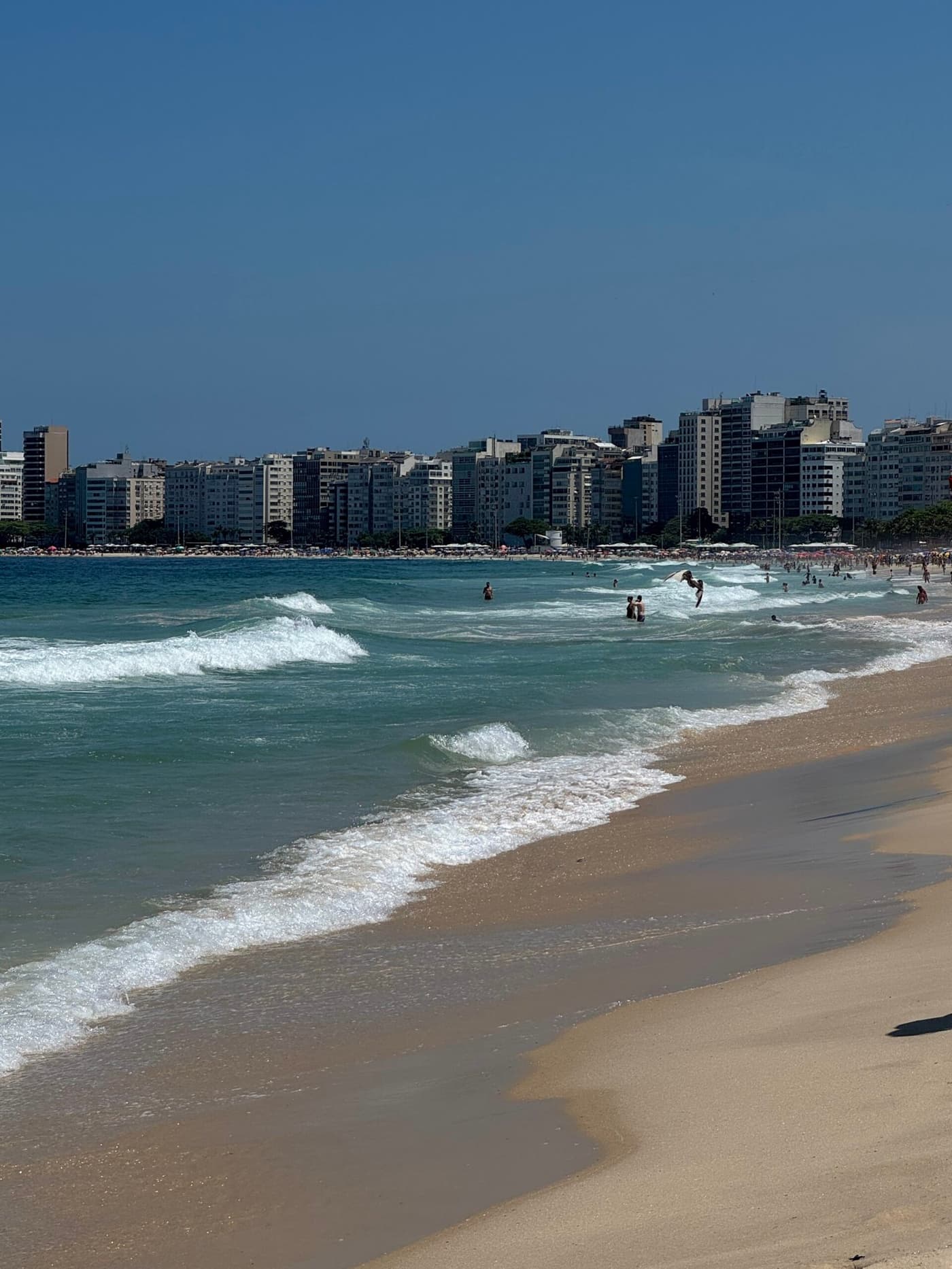
If you're planning a trip to Rio de Janeiro, or you've already landed in this sunny city on the Atlantic coast, you're probably wondering where to eat in Rio de Janeiro so that the food is tasty, full of atmosphere and truly Brazilian.
Rio has plenty of authentic cafes with fragrant coffee, upscale restaurants serving seafood and modern dishes, and atmospheric bars where you can enjoy a cocktail after a walk along Copacabana or Ipanema.
In this article I'll share the best places to eat in Rio de Janeiro, from classic restaurants to stylish cafes and bars loved by locals and tourists alike.
Here you'll find the best restaurants in Rio de Janeiro, cozy cafes and coffee shops, plus places where you can eat on a budget and great bars for an evening out.
Best Restaurants in Rio de Janeiro: Where You Should Definitely Go
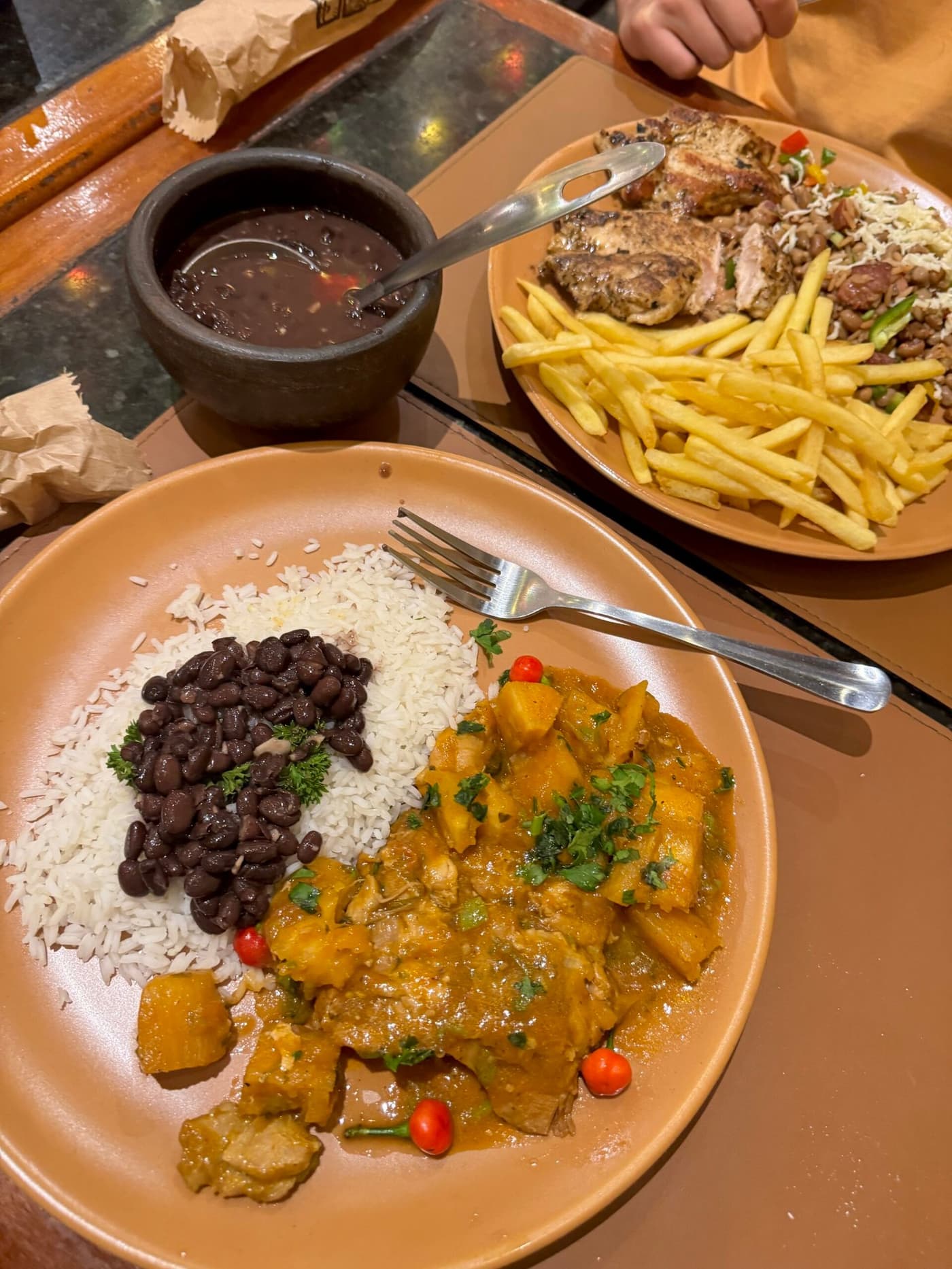
When it comes to where to eat in Rio de Janeiro, choosing a restaurant is one of the most enjoyable questions. The city offers incredible variety, from small, cozy spots serving local food to restaurants recognized by international guides, so there is definitely somewhere to have a great evening. Before you head out to a restaurant, I recommend reading my other article, where I explain what to eat in Rio de Janeiro and the best dishes of Brazilian cuisine.
Umai Rio: Super Fresh Fish and Seafood
An expensive, good restaurant that often tops the recommendations of both tourists and locals. It serves original dishes made with seafood and fresh ingredients, and the atmosphere works equally well for a dinner for two or an evening with friends.
Marius Degustare: A Legendary Seafood Buffet
Another well-known and fairly expensive restaurant. It offers a big selection of seafood and meat dishes served buffet-style. The mood is festive and there is a huge variety of dishes, although the interior is rather unusual.
Churrascaria Palace: Classic Brazilian Grill
If you want to try a real Brazilian churrascaria, a meat restaurant with endless servings of grilled meat, this is one of the most popular places in Rio. It serves excellent picanha and other cuts with traditional side dishes.
Hachiko Barra: Japanese and Seafood Cuisine
A well-regarded choice for fans of Japanese food with seafood: great sushi, sashimi and dishes inspired by both Brazilian and Asian traditions.
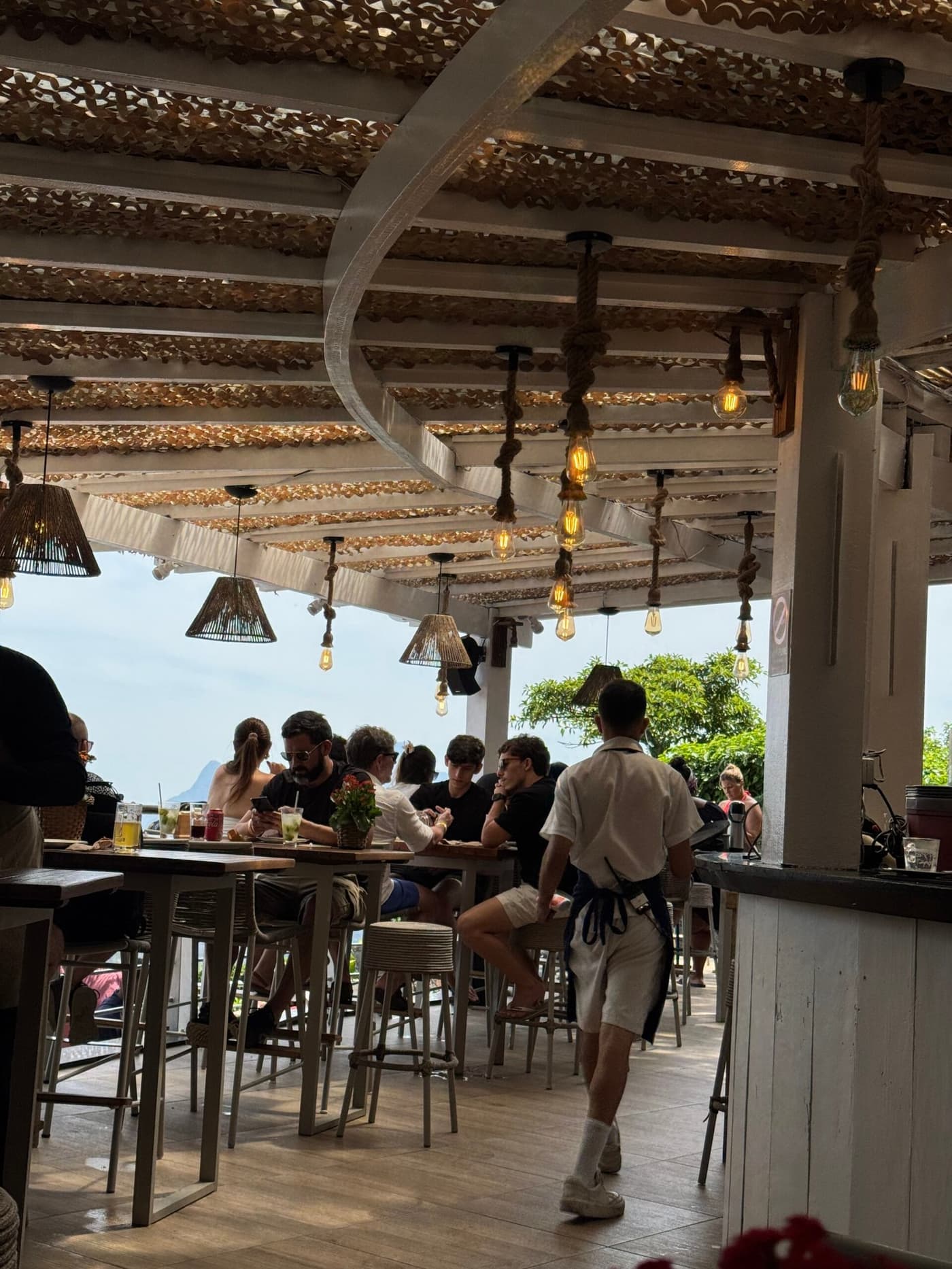
Classico Beach Club Urca: A Stylish Restaurant by the Water
A combination of great food and wonderful views. The restaurant is on Sugarloaf Mountain and serves excellent burgers. It's a perfect spot to finish a walk through the park on Sugarloaf Mountain.
Giuseppe Mar: Fish and Seafood
A seafood restaurant in the Barra district, located inside the VillageMall shopping center. It serves fresh fish and seafood, a great option for a special dinner.
Michelin and Fine Dining
If you want something truly special, Rio has restaurants recognized by guides such as Michelin and by independent rankings. For example:
- Oro — a two-Michelin-star restaurant known for its innovative menu and refined approach to Brazilian cuisine.
- Sult, Aprazível, Térèze and Lilia — restaurants that often make the lists of the city's best places to eat. (MICHELIN Guide)
These places need to be booked in advance, especially in high season or on weekend evenings, because they are among the most popular restaurants in Rio de Janeiro.
Historic Cafes in Rio de Janeiro
If restaurants are about dinner and a special culinary experience, then Rio de Janeiro's cafes and coffee shops are about atmosphere, breakfasts and a breather between the beach and sightseeing. Where to eat in Rio de Janeiro in the morning is just as important a question as choosing a restaurant for the evening.
Just for you, I picked popular places with good reviews and a solid reputation, including ones I've personally visited.
Curto Café: Craft Coffee in the Center
Curto Café is a small, cult coffee shop in the city center. The format is unusual: you name the price you pay for your coffee. It works with Brazilian beans and focuses on quality. If you're looking for the best coffee shops in Rio, Curto Café almost always shows up in local recommendations.
It's one of the best specialty coffee spots in the city, with an authentic atmosphere. The coffee shop is in the center, which is handy if you're exploring the historic part of town.
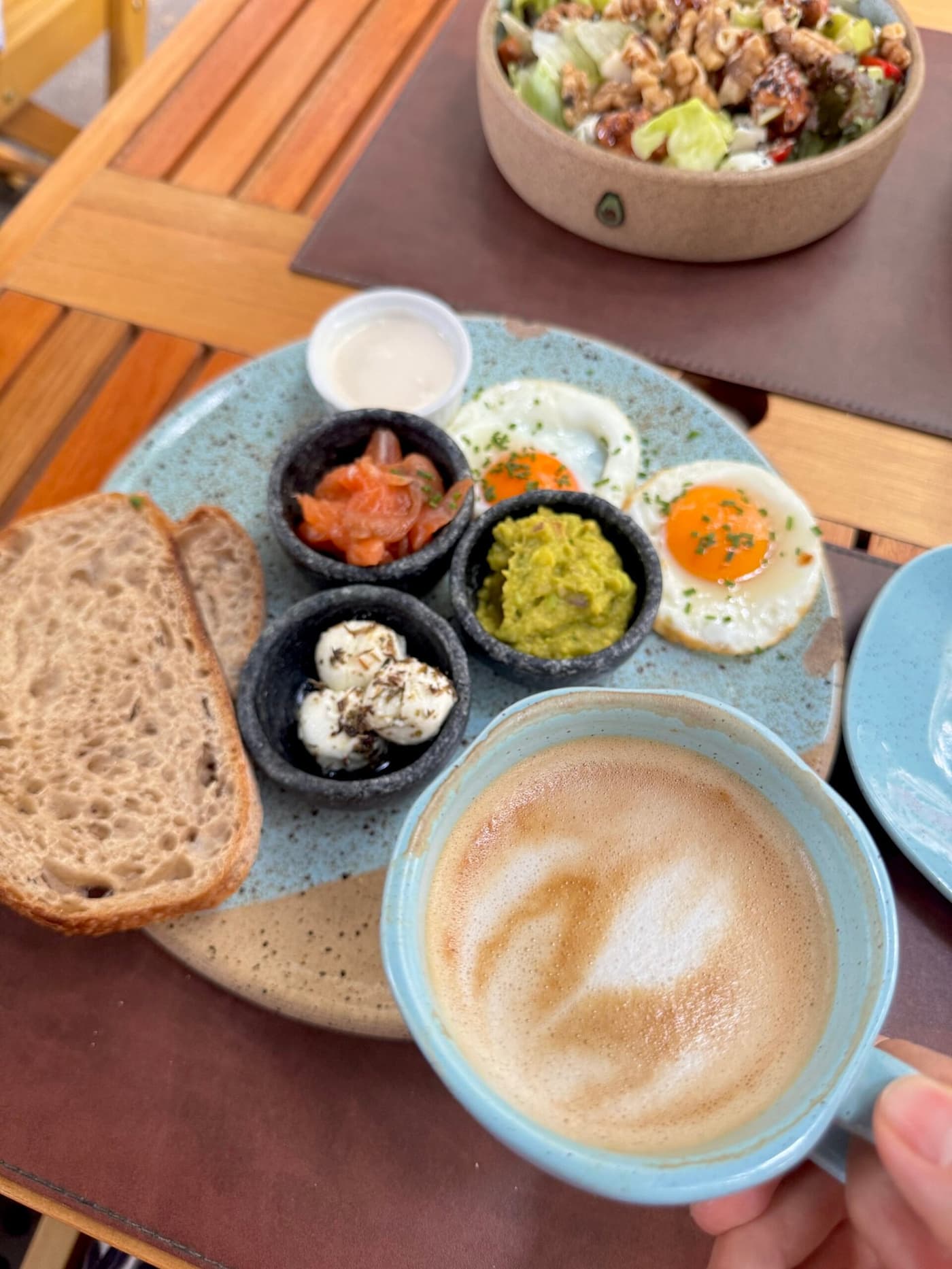
The Slow Bakery: Breakfasts and Fresh Pastries
The Slow Bakery is a popular spot for breakfast and brunch. It has excellent pastries, sourdough bread and quality coffee. There is a branch in Botafogo and another in the Lagoa area. The average bill is higher than at an ordinary coffee shop, but the quality of the food justifies the price.
Confeitaria Colombo: A Historic Cafe
Confeitaria Colombo is a famous Rio de Janeiro cafe that opened back in the 19th century. It's no longer just a cafe but a landmark in its own right. You'll find beautiful historic architecture, traditional desserts and a feel of old Rio. The food wasn't the tastiest I've had, but the place is worth a visit for its history.
Modern Coffee Shops and Breakfast Spots in Rio de Janeiro
If classic cafes are about tradition, Rio's modern coffee shops are about style, specialty coffee and neat, well-presented breakfasts. In recent years the city has developed a lively coffee culture, especially in Leblon, Ipanema and Botafogo.
I've gathered a few current places where you can have breakfast or simply enjoy a good cup of coffee.
Nusa Leblon
Nusa in Leblon is a modern cafe focused on healthy eating. The menu includes bowls, toasts, fresh juices and light breakfasts. The interior is bright and minimalist, and the format is "stop by for brunch after the beach." It suits anyone looking for where to have breakfast in Leblon who likes modern cafes and a light, tidy breakfast.
SO_Lo Café
SO_Lo Café is a stylish coffee shop with an emphasis on quality beans and modern presentation. The format is closer to specialty coffee: a neat bar counter, alternative brewing methods, desserts and light breakfasts. It's a good option if you're into specialty coffee and want a calm place to work.
Empório Jardim na Praia
Empório Jardim is a well-known breakfast spot in Rio. The "na Praia" part means the location is by the beach, which makes the cafe a convenient stop after a morning walk. Full Brazilian breakfasts, pastries and coffee are popular here. If you're looking for where to eat in Rio in the morning near the ocean, it's a worthy choice.
Café Cultura
Café Cultura is a Brazilian specialty coffee chain, including in Rio. The format is more "European": good espresso, alternative brewing, simple breakfasts and desserts.
It suits anyone who misses the familiar coffee shop format, wants consistent quality and needs a quick bite. That said, I didn't like the coffee here very much.
The Coffee
The Coffee is a minimalist Brazilian chain known for its "Instagrammable" design and compact format. These are often small kiosks with a concise menu and really good takeaway coffee. I like the coffee here; these coffee shops are in different cities across Brazil and I go there regularly. It's an option when you need to grab a good coffee quickly without sitting for long.
Where to Eat Cheap in Rio de Janeiro
Rio is not the cheapest city in Brazil, especially in areas like Ipanema and Copacabana. But if you know where to go, eating on a budget in Rio de Janeiro is quite doable, and the food is still good. Below are tried-and-true options loved by both locals and travelers.
Adega Pérola: A Snack Bar
Adega Pérola is a classic spot in Copacabana with almost 70 years of history and a huge selection of snacks in the display case. You can build a plate to your taste and not overpay for a full restaurant meal. The food is sold by weight, with the price per 100 grams shown for each dish. The atmosphere is simple but very lively.
Por Kilo Buffets: Pay by Weight
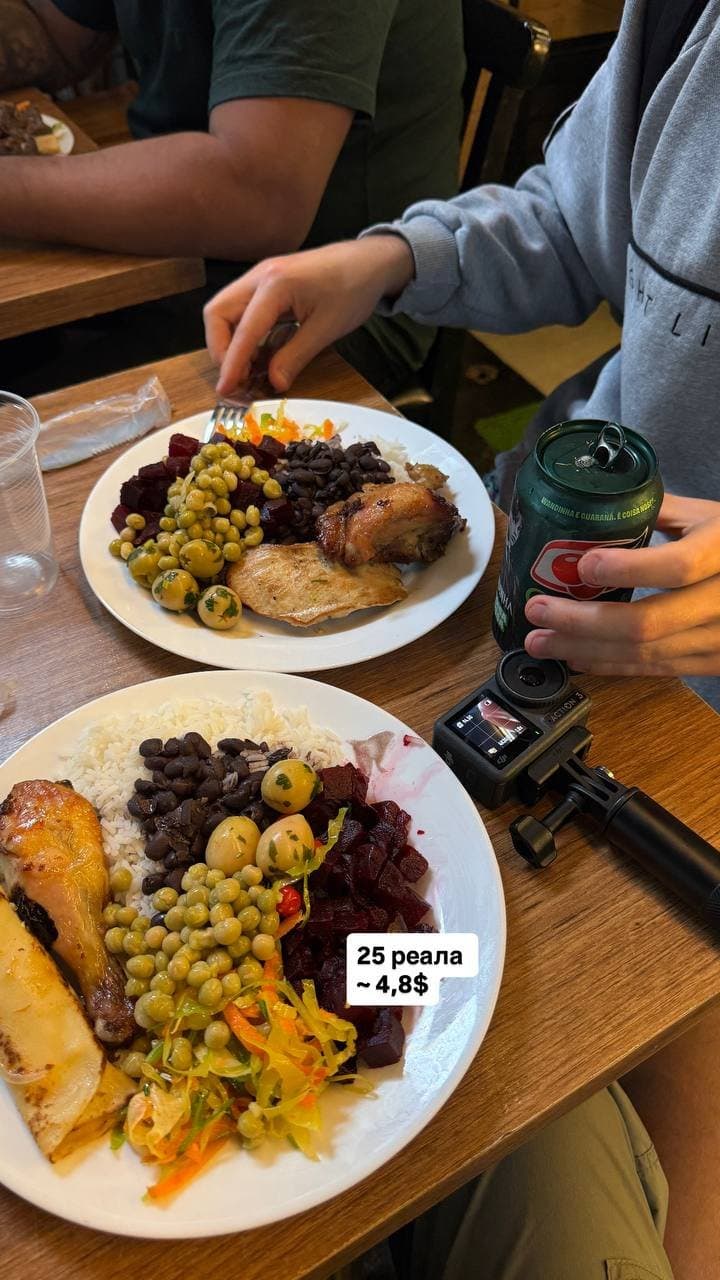
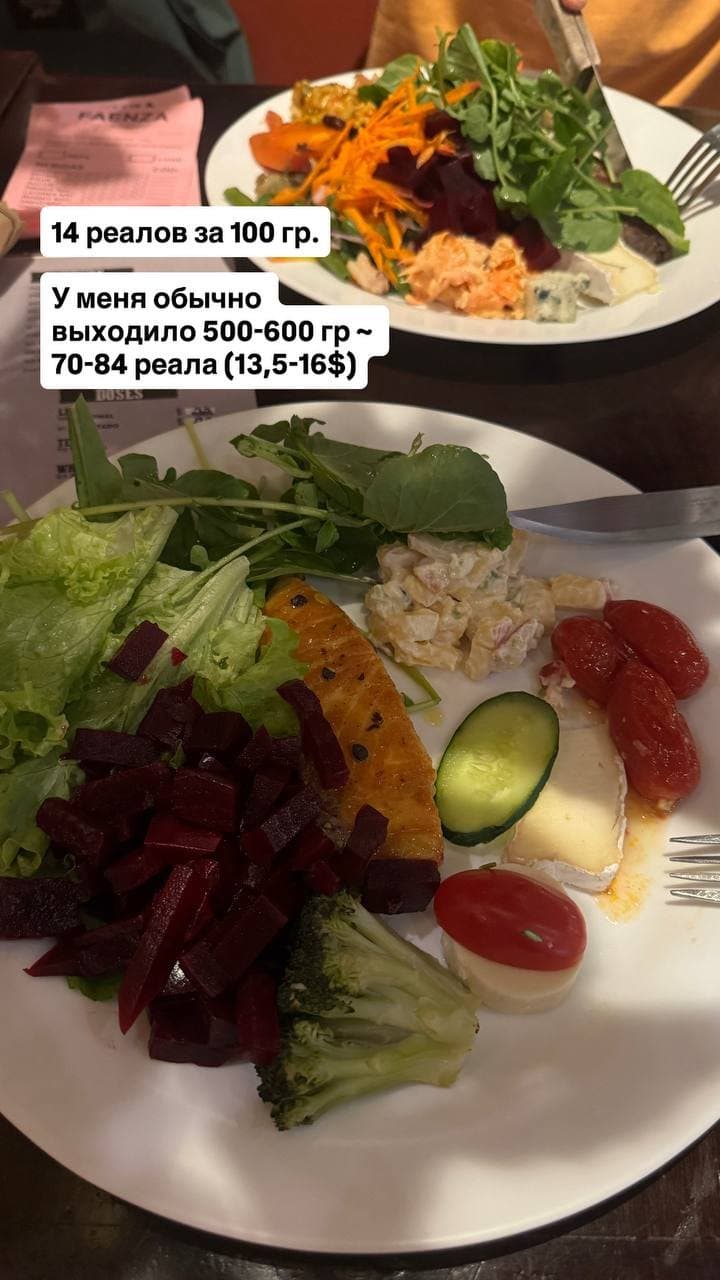
Por Kilo buffets are a format typical of Brazil: "pay per kilogram." You fill your plate and pay by weight.
Option 1: You pay a fixed price and eat as much as you like.
Option 2: By weight. The price per kilogram of food is posted at the entrance: you pile whatever you want onto your plate, go to the scale, weigh it and pay according to the weight.
It's one of the easiest ways to control your budget while trying different dishes and eating quickly without a long wait. These restaurants are one of the most practical options for eating cheap and filling meals in Rio de Janeiro.
Buffets vary: some serve only pizza, some only sushi, and some have everything together. We found cheap local buffets for 25 reais ($4.80), but with a limit on the number of protein portions. On average, for two people we paid 140–200 reais ($27–$38) at buffets.
Bars in Rio de Janeiro: Where to Go in the Evening
After sunset Rio changes. By day it's beaches and coffee in Ipanema; in the evening it's music, cocktails and lively streets. If you're wondering where to eat in Rio de Janeiro in the evening and soak up the city's atmosphere at the same time, it's worth looking not only at restaurants but also at bars.
In Rio, bar culture is part of everyday life. Many places have been running for decades and are considered true symbols of the city.
Bar Urca: Sunset with a View of the Bay
Bar Urca is one of the best-known bars in the city. The format is simple: you order snacks and drinks inside, then step out onto the seawall with a view of Guanabara Bay. The food here isn't very good, but people come for the beautiful sunsets and the traditional atmosphere, which is casual and very authentic. It's a great option if you're looking for bars in Rio de Janeiro with a view, especially in a safe neighborhood.
Rio Scenarium: Music and a Historic Interior
Rio Scenarium is a cult venue in the Lapa district. It's a bar, a restaurant and a concert venue all at once. They play samba, choro and other Brazilian styles. It's on the list of the best bars in Lapa where you can go in Rio de Janeiro in the evening. The neighborhood itself isn't safe, especially in the evening, but the bar has good security, and if you take a taxi on the way back, you won't have any problems.
Bip Bip: A Tiny Bar with Big History
Bip Bip is a tiny bar in Copacabana, known for its intimate atmosphere and live music evenings. There's no stage and no loud advertising, and everything feels very homey. People who want to see the real, non-touristy Rio love this place.
Explorer Bar: A Modern Format
Explorer Bar is a more modern bar with a cocktail menu and stylish interior. It suits anyone looking for a neat, calm place to meet friends or have dinner. The bar is on a hill in the bohemian Santa Teresa district. If you're coming back late, I recommend calling a taxi.
Restaurants in Rio de Janeiro by Neighborhood
When you're looking for where to eat in Rio de Janeiro, it's important to consider the neighborhood. The city is big, traffic is heavy, and crossing all of Rio for dinner isn't always convenient. So here is a guide to the main tourist and dining areas.
Where to Eat in Ipanema
Ipanema is one of the most comfortable and safest neighborhoods for tourists. It has many stylish restaurants, cafes and bars.
Zazá Bistrô Tropical: A Mix of Asia and Brazil
Zazá Bistrô Tropical is an atmospheric place with a bright interior and a mix of Asian and Brazilian cuisine. It's good for dinner as well as a leisurely lunch after the beach.
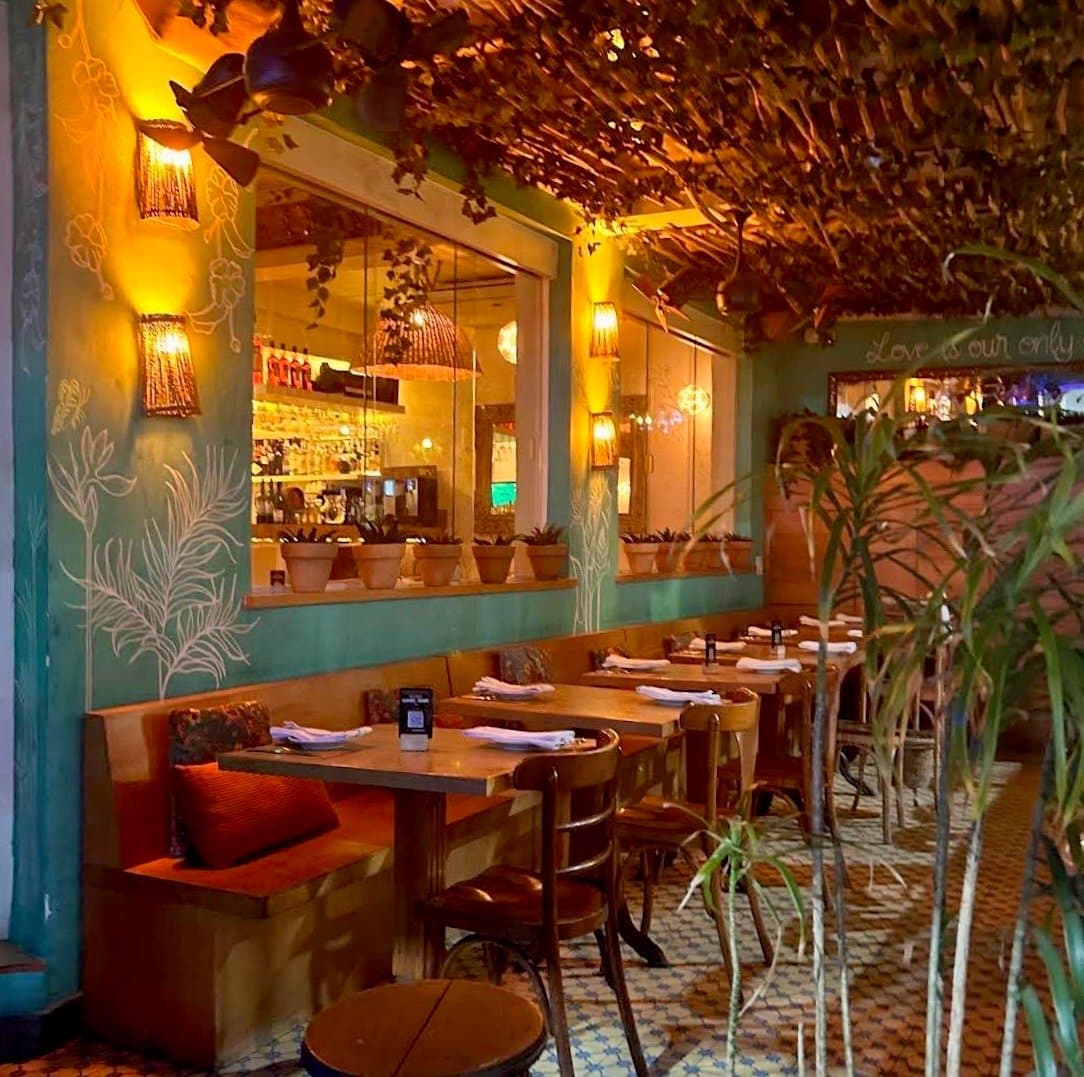
Garota de Ipanema: An Iconic Spot
Garota de Ipanema is an iconic place where, according to legend, the song "The Girl from Ipanema" was born. The format is a classic Brazilian bar-restaurant with traditional dishes. Service is quick and there is wi-fi. But you should go here for the atmosphere rather than the food, because the food isn't particularly tasty.
Didier Restaurante: A French Restaurant
Didier is a restaurant with French roots, opened by a chef from France who has lived in Brazil for a long time. The menu combines French techniques with Brazilian ingredients: seafood, meat and seasonal vegetables.
It's a good option for a tasty lunch or dinner in a calm setting. The style is European and the interior is pleasant. The place works well for couples as well as for a business dinner.
Quitéria: A Modern Restaurant in Ipanema
Quitéria is a modern Brazilian restaurant in Ipanema, known for its attention to local products. It emphasizes regional ingredients and a more "signature" approach to traditional dishes.
It suits anyone who wants to try modern Brazilian cuisine, have dinner in a stylish but unpretentious atmosphere and find one of the best restaurants in Ipanema.
The menu is updated regularly, which suggests work with seasonal products, a good sign for a gastronomic project.
Where to Eat in Copacabana
Copacabana is one of the most touristy districts of Rio de Janeiro. Here it's easy to find both a classic churrascaria and more casual formats. If you're staying near the beach, the question of where to eat in Copacabana is easy to answer, since there is a lot to choose from.
Churrascaria Palace: A Famous Meat Restaurant
Churrascaria Palace is one of the best-known meat restaurants in Rio de Janeiro. It has been operating since 1951 and is considered a classic of the rodízio format. If you're looking for meat restaurants in Rio, this is a proven option.
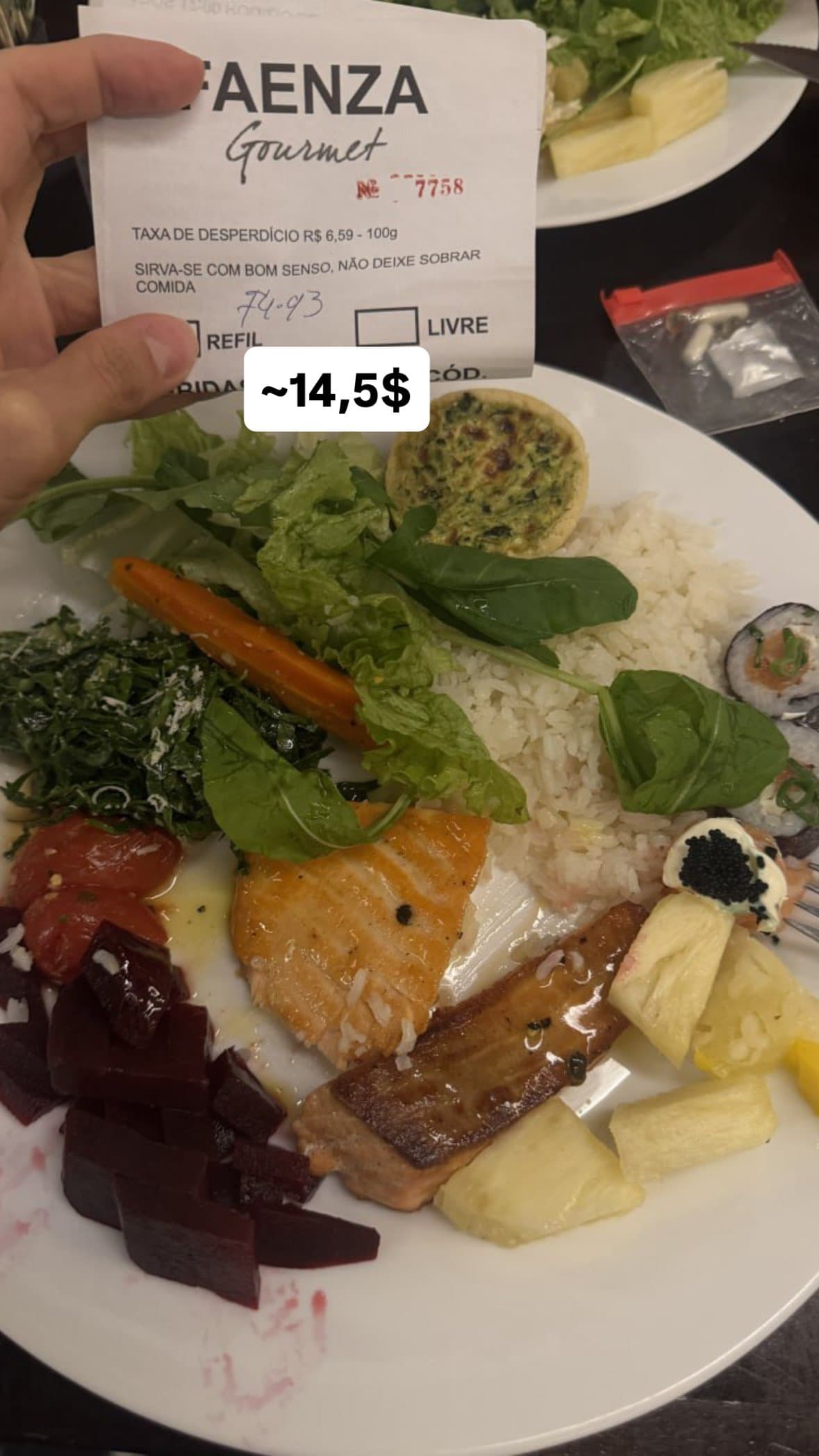
Faenza: The Best Buffet in Copacabana
Faenza is a traditional restaurant in Copacabana with a classic interior. It serves meat, seafood and Brazilian dishes in a calm setting, buffet-style.
This is the best buffet we tried in Copacabana.
Haru Sushi Bar: The Best Sushi in Copacabana
Haru Sushi Bar is a popular Japanese spot in Copacabana. Japanese food is quite common in Rio, and here you can find decent sushi and sashimi.
It suits anyone who is already tired of meat, wants a light dinner and is looking for a restaurant in Copacabana with Asian cuisine.
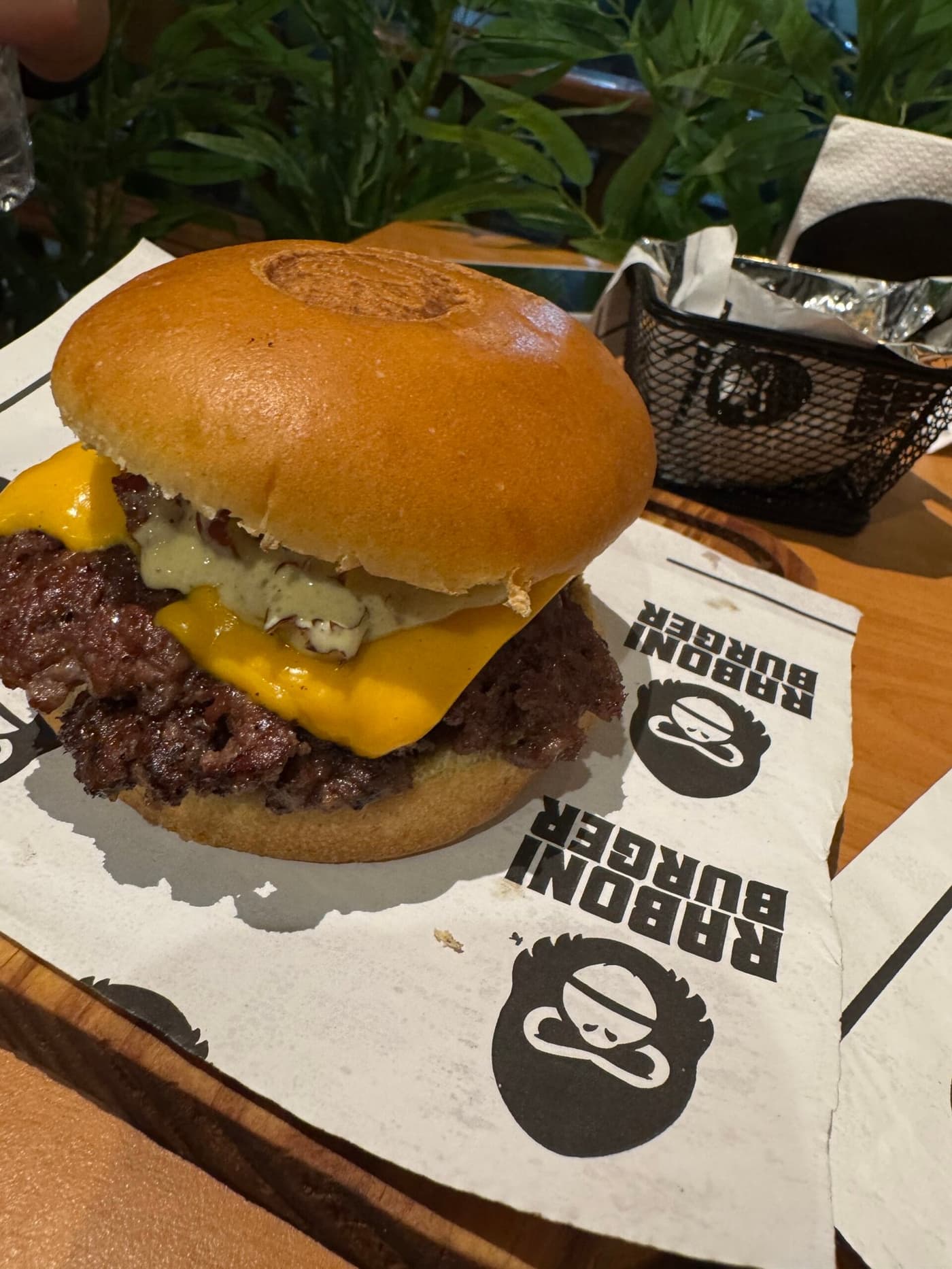
Raboni Burger: The Best Burgers in Copacabana
Raboni Burger is a modern burger bar in Copacabana. It isn't a sit-down restaurant and the food is junk food, but the burgers are very juicy, the best we tried in Rio.
Where to Eat in Leblon
Leblon is considered a calmer and pricier neighborhood next to Ipanema. It has many quality restaurants, from fine dining to stylish international projects. If you're looking for where to eat in Rio de Janeiro in Leblon, the choice is quite wide.
Oro: A Michelin-Starred Restaurant
Oro is a fine dining restaurant that has earned Michelin stars. It's an option for a special dinner and a gastronomic experience. Every dish is like a work of art, from the design and choice of ingredients to the execution. It's expensive and not for every day.
CT Boucherie: A Meat Restaurant
CT Boucherie is a popular meat restaurant in Leblon. It's also an expensive and respectable restaurant.
Guacamole: A Mexican Restaurant
Guacamole is a popular Mexican restaurant with a bright interior and lively atmosphere. It's a chain that has settled in well in Rio. The vibe is noisy and friendly, and they serve tacos, nachos, fajitas and signature cocktails.
It suits groups or a casual dinner. If you want some variety after Brazilian food, it's a convenient option in Leblon.
Nam Thai: A Thai Restaurant
Nam Thai is a Thai restaurant for fans of Asian cuisine. The interior is pleasant and tidy. It suits anyone who misses Asian food and wants a calmer atmosphere.
Where to Eat in Downtown Rio (Centro)
Centro is the city's historic and business district. It's especially lively during the day, with offices, museums, old buildings and classic restaurants. If you're exploring downtown and wondering where to eat in Rio de Janeiro in the Centro area, here are a few worthy options.
Confeitaria Colombo: A Historic Cafe in Downtown Rio
Confeitaria Colombo is one of the best-known historic cafes in Rio de Janeiro, opened in 1894. It's not just a place to eat in downtown Rio but a real architectural landmark with stained glass, mirrors and an Art Nouveau interior.
The menu includes sandwiches, salads, hot dishes and classic sweets. It's better to come outside the peak lunch hour, because the place is popular and often crowded.
Casa Villarino: A Restaurant in Downtown Rio
Casa Villarino is a classic restaurant in downtown Rio that has been operating since the mid-20th century. It's known as a meeting place for intellectuals, journalists and politicians, as well as for its traditional Brazilian cuisine.
The menu features meat dishes, fish and seafood. The interior is restrained and a little vintage, and it reminds me of the cafe owned by Dona Jura in the TV series "O Clone," if you know what I mean. That's part of its charm.
Useful Information Before You Go to Restaurants in Rio de Janeiro
When you're planning where to eat in Rio de Janeiro, it's important to understand not only where to go but also how everything works: what prices to expect, whether people tip and whether you need to book a table in advance. Here is a short, clear guide.
Restaurant Prices in Rio de Janeiro
As a rough guide per person:
- budget format (sandwich, buffet, market) — cheaper than a restaurant dinner. You can find local buffets for $5
- mid-range cafes — a moderate bill, $10–20 per person
- restaurants in Ipanema and Leblon — noticeably more expensive, from $30 and up with no upper limit
Prices depend heavily on the neighborhood and the type of place. Tourist areas are almost always more expensive than Centro or outlying districts.
Tipping in Brazil
Most restaurants automatically add a service charge to the bill, usually around 10%. It's called serviço. Formally you can decline to pay it, but in practice tourists and locals usually leave it. You don't have to tip anything on top of that.
Do You Need to Book a Table?
For popular meat restaurants (churrascarias), places with a view, Michelin-level restaurants, and on Friday and weekend evenings, you should book.
At more casual places and cafes you can usually just walk in without a reservation.
Safety and Going Out in the Evening
Safety is often a concern for first-time visitors to the city. In general:
- Ipanema, Leblon and the tourist part of Copacabana are considered calmer.
- In Lapa there are lots of people and music in the evening, but you should be careful.
- It's best to use official taxis or ride-hailing apps to get around at night.
In short, dining out in Rio de Janeiro is safe as long as you follow the standard rules for a big city.
Frequently Asked Questions About Food and Restaurants in Rio de Janeiro
Where can you eat cheap in Rio de Janeiro?
Cheap options are cafes with a buffet format where you pay by weight; I found buffets for 25 reais, which is about $5. There are also small sandwich bars and street kiosks.
What dishes should you try in Rio de Janeiro?
A few classics that tourists look for:
- feijoada — a traditional bean stew,
- pão de queijo — cheese bread rolls,
- coxinha and pastel — street snacks,
- fresh bowls, açaí and seafood.
What are restaurant opening hours in Rio?
Opening hours vary a lot: some places are open round the clock, others only from the morning, others from lunch, and some only open for dinner; there are also breaks between lunch and dinner. But you can eat in Rio at any time of day.
Do you need to book a table in advance at popular restaurants?
For popular restaurants, especially in the evening and on weekends, booking in advance is recommended, particularly for fine dining restaurants in tourist areas.
What street food should you try in Rio de Janeiro?
Rio street food includes açaí in a bowl, fried pastel pies, coxinha, fresh fruit and fruit juice drinks. Street markets (feiras) are also a great place to eat quickly and cheaply.
Where can you eat with a view of nature or the ocean in Rio?
Bars and restaurants on the waterfront, along the bays and by the beaches are known for panoramic views. For example, many visitors recommend places on the coast and the seafront where you can combine dinner with a sunset.
Are there restaurants with traditional Brazilian cuisine?
Yes, Rio has many places with traditional cuisine: spots serving feijoada, churrasco and regional dishes can be found in both tourist and ordinary neighborhoods.