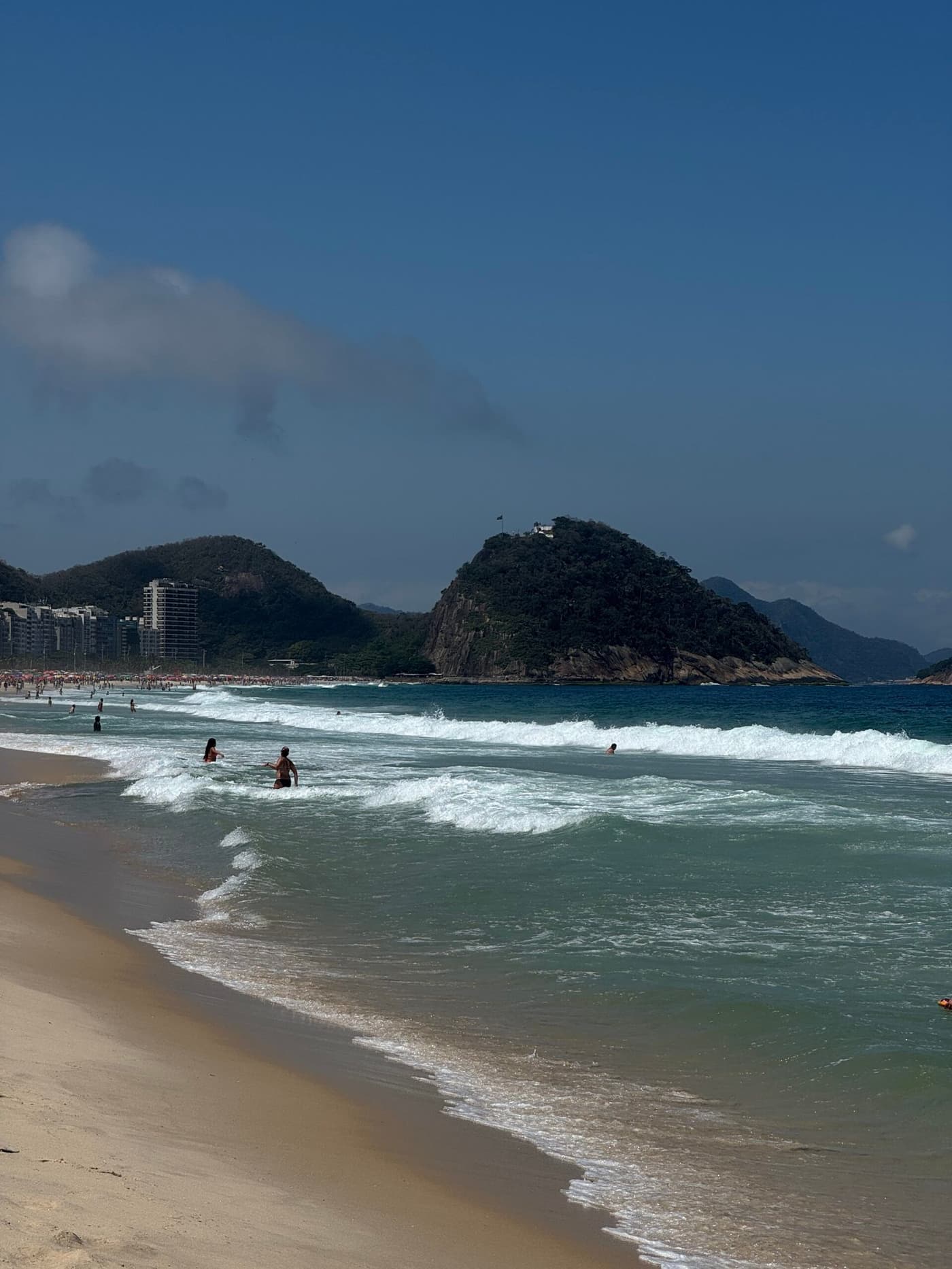
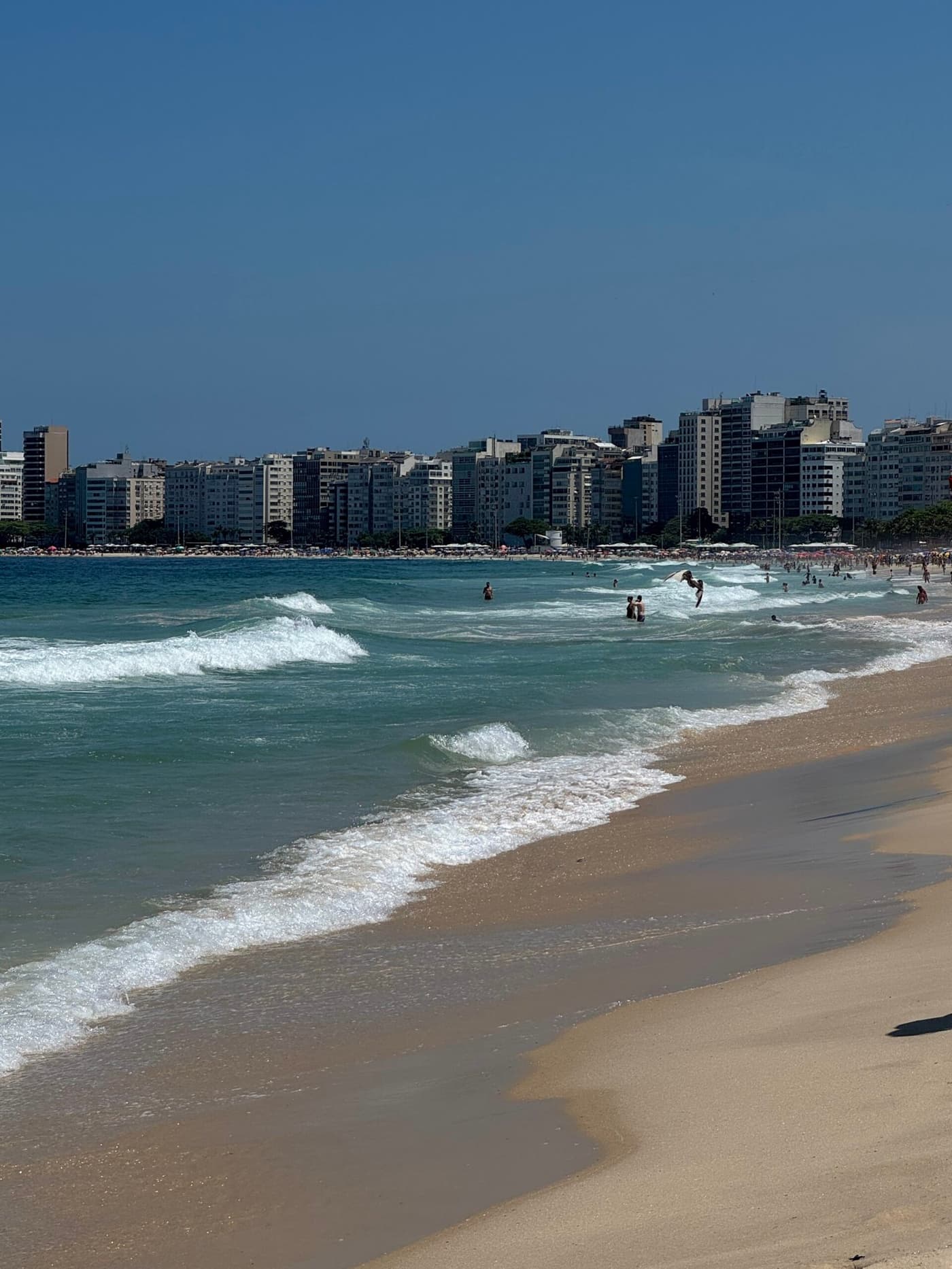
Sugarloaf Mountain in Rio de Janeiro is one of the most recognizable natural landmarks not only in the city but in all of Brazil. The mountain rises at the entrance to Guanabara Bay and has long been a visual symbol of Rio, alongside Corcovado and the Christ the Redeemer statue.
People come here for the panoramic views from the top of Sugarloaf: the Atlantic Ocean, Guanabara Bay, Copacabana and Botafogo beaches, and the surrounding hills. You get to the summit by cable car, which makes the visit accessible to travelers of any age and fitness level.
Sugarloaf is a place with history, unique geology and one of the best viewpoints in South America. That is why the question "is Sugarloaf Mountain worth visiting" hardly ever comes up: for most travelers it is a must-see.

What Sugarloaf Mountain in Rio de Janeiro is
Sugarloaf is a granite mountain in the Urca neighborhood, at the entrance to Guanabara Bay in Rio de Janeiro. It is part of the city's natural landscape and one of the most visited attractions in Brazil.
The mountain is about 396 meters (1,299 feet) above sea level, and thanks to its isolated position it is easy to spot from almost anywhere in the southern part of Rio. It is the shape of the summit, a rounded cone, that makes Sugarloaf so recognizable and sets it apart from the other mountains around the city.
Geographically, Sugarloaf stands on the Atlantic coast and serves as a natural landmark at the entrance to the port of Rio de Janeiro. Historically the spot was important for sailors and colonists, since this is where the settlement of Guanabara Bay began.
Today Sugarloaf is a tourist complex with viewpoints, a cable car and walking areas. Visiting the mountain does not require any special fitness, so it works both for independent travelers and for families with kids.
Why the mountain is called Sugarloaf
The name "Sugarloaf" comes directly from the shape of the mountain. Seen from the side of Guanabara Bay, the summit really does look like a rounded cone. In the colonial period sugar, Brazil's main export in the 16th and 17th centuries, was made and shipped in exactly this shape.
The Portuguese name of the mountain is Pão de Açúcar, which literally means "sugar loaf." Back then sugar was not sold in the cubes we know today but in large conical blocks cast in special molds. The resemblance to the mountain was so obvious that the name quickly stuck and became official.
There is also an alternative theory about the origin of the name, linked to the language of the Tupi people, who called this hill by a word that sounds close to the modern Pão de Açúcar. Most historians, however, agree that the shape of the sugar cones is what gave the mountain its name.
That is how Sugarloaf got its name, which over time became known around the world and is used today in languages from Portuguese to English.
The history of Sugarloaf Mountain in Brazil
The history of Sugarloaf is closely tied to the founding and growth of Rio de Janeiro. The mountain was a landmark for European sailors as early as the beginning of the 16th century, when the Portuguese began exploring the coast of Brazil. The first sea routes ran past the entrance to Guanabara Bay, and Sugarloaf served as a natural navigation point.
In 1565, when Rio de Janeiro was founded, the area at the foot of the mountain had strategic importance. Defensive fortifications stood here to protect the city from attacks from the sea, including French expeditions. Thanks to its location, Sugarloaf played an important role in the defense system of colonial Rio.
Over the following centuries the mountain kept a military and navigational role rather than a tourist one. Travelers' interest in Sugarloaf began to grow only at the end of the 19th and the start of the 20th century, when Rio de Janeiro developed as a resort and cultural center.
The turning point was the building of the cable car in 1912. It was one of the first cable cars in the world and the first in Brazil. From then on Sugarloaf became a full-fledged tourist attraction and over time one of the main symbols of the city and the country.
Height and features of Sugarloaf Mountain
Sugarloaf is about 396 meters (1,299 feet) above sea level. Although by world standards it is not a particularly tall mountain, its isolated position by the ocean makes it look far more imposing, and it dominates the surrounding landscape.
Sugarloaf is a monolithic granite massif formed more than 600 million years ago. Similar landforms are typical of the Rio de Janeiro coast and are also found at Corcovado and other hills in the city. Sugarloaf, however, has the clearest conical shape, which is what made it a visual symbol of Rio.
What makes the mountain special is its location: it literally grows out of the ocean at the entrance to Guanabara Bay. Because of this, the summit offers panoramic views of several natural and urban zones at once: the Atlantic Ocean, the bay, the beaches, the city center and the mountain ranges of Rio de Janeiro.
It is worth noting that Sugarloaf itself is not a single peak. The tourist route also includes the neighboring hill, Morro da Urca, which the cable car climbs first. This combination of two viewing levels makes the visit especially spectacular and varied.

The Sugarloaf cable car
You get up Sugarloaf by cable car, one of the best-known and oldest in the world. It opened in 1912 and has been an essential part of the tourist experience in Rio de Janeiro ever since. Thanks to the cable car, the mountain is open to everyone, and no special physical preparation is needed.
How the Sugarloaf cable car works
The ride has two stages. First the cabin goes from the lower station in Urca up to the Morro da Urca hill, at a height of about 220 meters (720 feet). Here you will find the first viewpoint, a cafe and a walking area where you can linger and take photos.
The second stage is the ride from Morro da Urca to the top of Sugarloaf itself. The cabins are fully glazed, so you can enjoy panoramic views of the ocean, Guanabara Bay and the city while you are still moving.
Stages of the ride and viewpoints
- lower station: the Urca neighborhood;
- first viewpoint: Morro da Urca;
- main viewpoint: the summit of Sugarloaf.
Both viewing areas have safe railings and rest areas, so the visit is comfortable even when there are a lot of tourists.
How long the ride takes
The cable car ride itself takes only a few minutes, but the whole visit usually takes 1 to 2 hours. It depends on the number of people, the time of day and how long you plan to stay at the viewpoints.
Walking up to Morro da Urca
There is an official, well-established hiking trail to Morro da Urca, the first hill on the route up to Sugarloaf. The intermediate cable car station and a viewpoint are located here.
The trail starts in Urca, near the waterfront, and follows a maintained route through a green zone. The climb takes 30 to 60 minutes on average, depending on your pace and fitness. The route is considered moderately easy and doable for most people without special gear.
Morro da Urca is a full-fledged viewpoint in its own right: you get views of Guanabara Bay, the ocean and the coastal neighborhoods of Rio de Janeiro. Many tourists stop at this climb. The summit of Sugarloaf can only be reached by cable car.

The Sugarloaf viewpoint: views and panoramas
The viewing platform at the top of Sugarloaf is considered one of the best in Rio de Janeiro for the quality and variety of its panoramas. Thanks to the mountain's location, you see several key spots of the city and its surroundings at once.
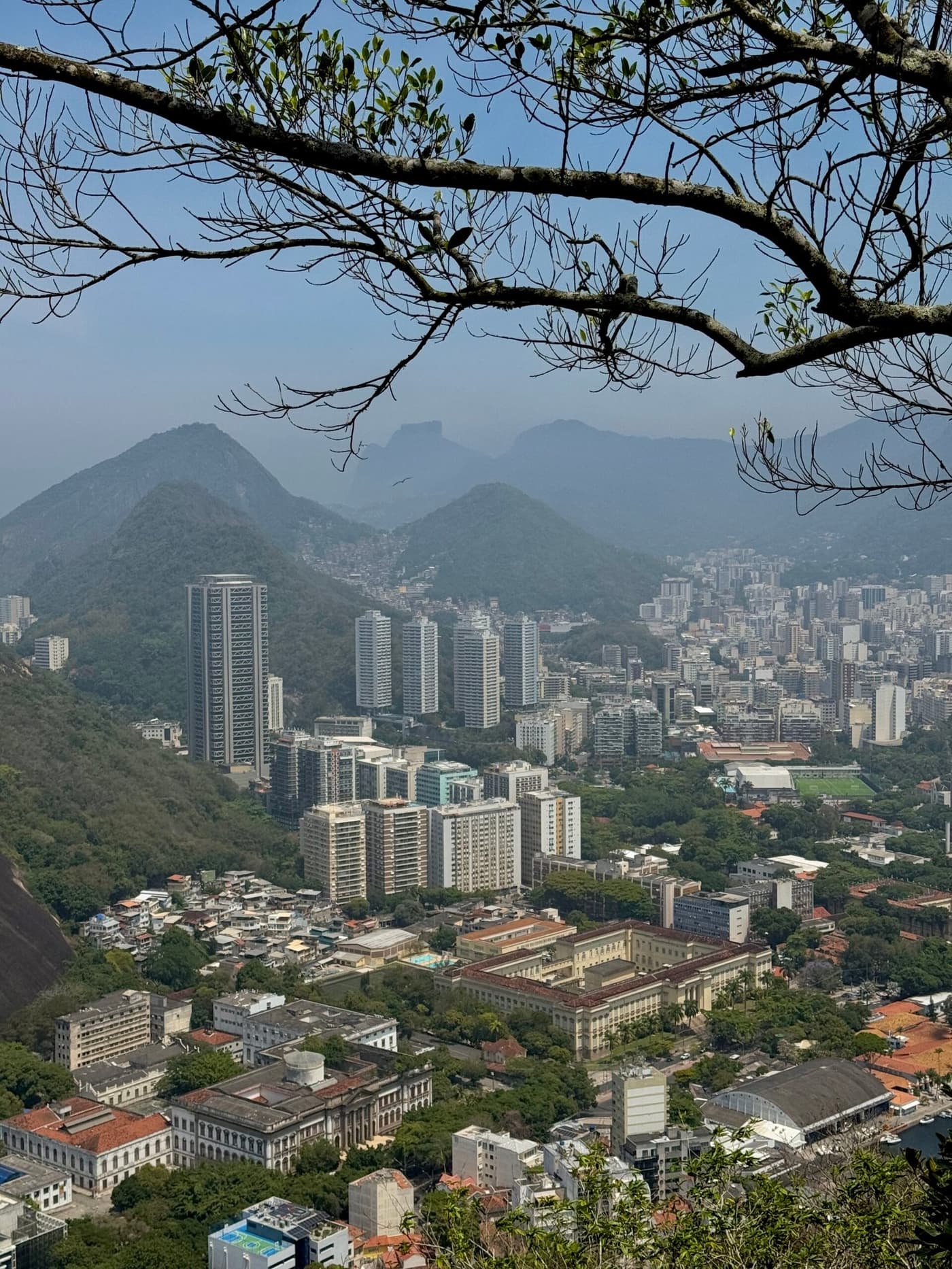
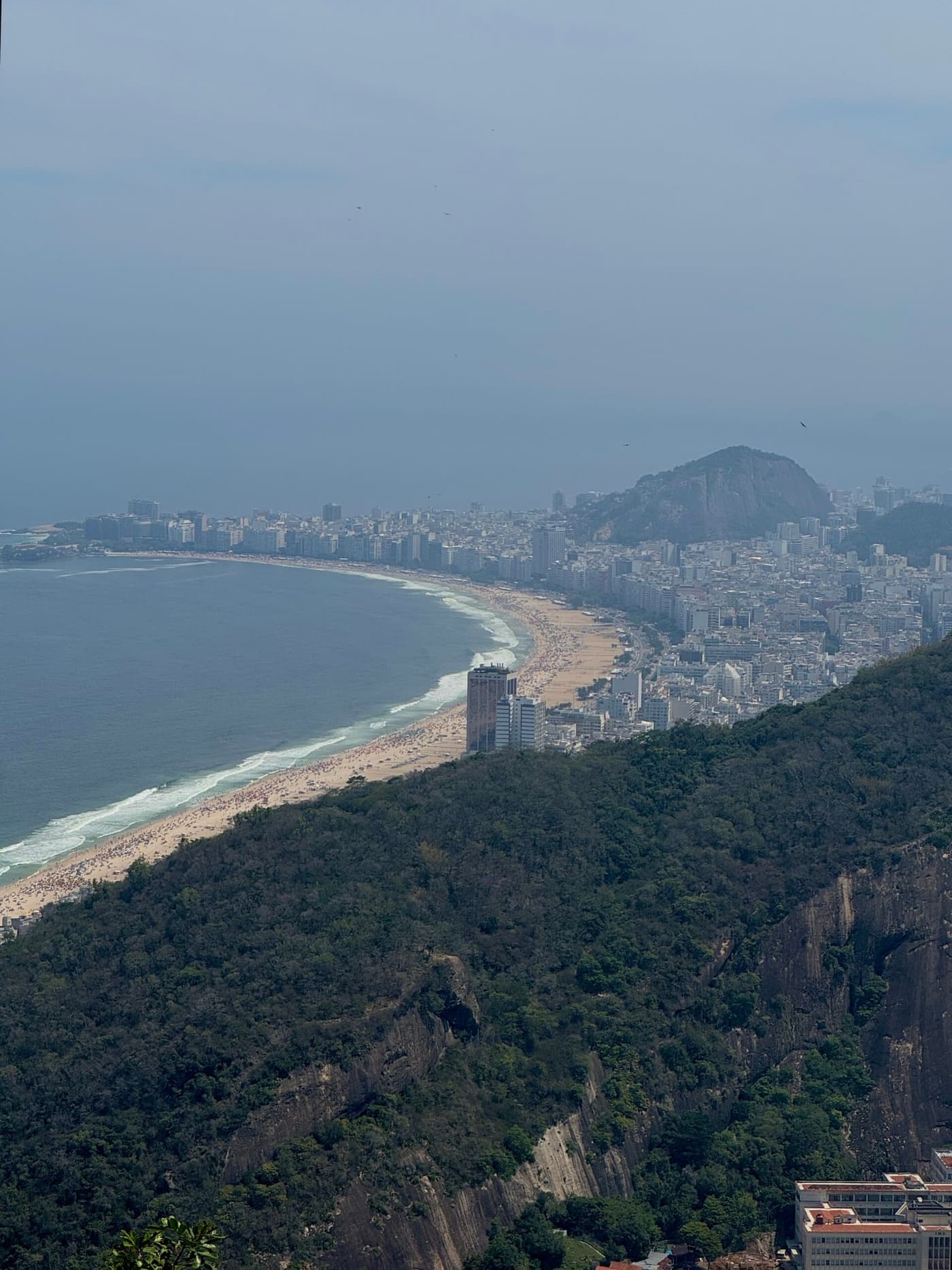
From the top you can clearly see Guanabara Bay, the Atlantic Ocean, Copacabana beach, the Botafogo neighborhood, downtown Rio de Janeiro and the neighboring mountain ranges. In clear weather the panorama covers almost all of southern Rio, which makes the viewpoint especially popular with tourists and photographers.
The ocean view deserves special mention. Unlike Corcovado, which looks more toward the city, Sugarloaf gives you a sense of open space and closeness to the water. That is why many travelers find the views from Sugarloaf more "airy" and cinematic.
The viewing area is laid out so that tourists can move around freely and pick different angles. There is no single viewing point: the panorama opens all the way around, so you can take photos from different sides and in different light.
Sugarloaf Mountain photos and the best angles
Sugarloaf in Rio de Janeiro is one of the most photogenic places in the city. Thanks to the open 360-degree panorama, you can shoot the ocean as well as the city buildings, the mountains and Guanabara Bay. It is this variety of angles that sets Sugarloaf apart from other viewpoints in Rio.
The best photos come from the summit, where you get a 360-degree view. Especially popular are shots of Copacabana beach, Botafogo Bay and the cable car heading toward Morro da Urca. Many tourists say that even without professional gear the photos turn out expressive thanks to the natural light and the sweeping landscapes.
Sunset at Sugarloaf deserves special attention. At that hour the city gradually lights up, the ocean changes color and the sky takes on rich shades. The hours before sunset are when the most people gather here, so for relaxed photography it is better to come either in the morning or closer to closing time.
For good photos I recommend taking the weather into account. On clear days visibility is much better, and clouds can either hide the panorama completely or, on the contrary, create striking shots with clouds "floating" over the city.
How to get to Sugarloaf Mountain in Rio de Janeiro
Sugarloaf is in Urca, a calm and safe neighborhood in the south of Rio de Janeiro. Getting here is fairly easy, by public transport or by taxi or Uber.
Public transport
The most common option is the bus. Several bus routes run to Urca from the city center, Botafogo and Copacabana. Tourists usually get off at the Praia Vermelha stop, from which it is a 5 to 10 minute walk to the lower cable car station.
This option suits those who travel independently and want to save money, but buses can be crowded at rush hour.
Taxi and Uber
A taxi or Uber is the most convenient, fastest and safest way to get to Sugarloaf. The ride from popular tourist areas such as Copacabana or Ipanema takes 10 to 20 minutes on average, depending on traffic. The car brings you right to the entrance of the lower cable car station.
For most tourists this is the best option in terms of comfort and price.
On foot or with a tour
If you are staying in Botafogo or Urca, you can walk to Sugarloaf. The walk along the bay takes about 30 to 40 minutes and is quite pleasant during the day.
Sugarloaf is also often visited as part of a tour. In that case the transfer is usually included in the price, so you do not have to plan the route yourself.
Sugarloaf tickets: prices and opening hours
To go up Sugarloaf you need to buy a cable car ticket (Bondinho do Pão de Açúcar). The official website of the cable car park has all the up-to-date information on ticket types and prices.
How much Sugarloaf tickets cost
According to the official website of the cable car park, the standard ticket price is approximately:
- Cable Car Ticket: R$ 199. The standard cable car ticket (the ride from Praia Vermelha via Morro da Urca to the top of Sugarloaf).
In addition to the basic ticket, the website also offers:
- RJ State Ticket: R$ 42. A special ticket for residents of the state of Rio de Janeiro.
- Fast Pass Ticket: R$ 157. A ticket with priority boarding for the cabins.
- Sunrise Ticket: R$ 550. Sunrise tickets.
- Guided Tour: R$ 157. A guided tour ticket.
On site there may be discounts for children (ages 3 to 12), seniors (60 and over) and other categories (the "half-price ticket" option), shown on the official website when you pick a date for your visit.
Prices are in Brazilian reais (R$) and may change depending on the season, the day of the week and the ticket options. It is best to check current prices on the official website before you buy.
Where to buy tickets online
The official Bondinho do Pão de Açúcar website is the main place to buy cable car tickets. All official ticket categories are sold there, and you can choose the date and time you want.
You can also buy tickets through major travel platforms that sell official tickets with confirmation and "skip-the-line" options, for example on sites like Klook or GetYourGuide, but make sure it is an official ticket and not a third-party tour.
Cable car opening hours
According to official information, the cable car park is open daily, and visiting hours depend on the day of the week:
- Monday to Thursday: 9:00 AM to 8:00 PM (last ride up around 6:30 PM);
- Friday to Sunday: 8:30 AM to 8:30 PM (last ride up around 7:00 PM).

The best time to visit Sugarloaf Mountain
When you visit Sugarloaf directly affects what views you get and how comfortable the trip is. Although the mountain is open all year, the weather, the light and the crowds differ a lot at different times of day.
Best time of day
Morning is considered the calmest time to visit Sugarloaf. In the first hours after opening there are fewer tourists, the lines for the cable car are shorter and you have a better chance of good visibility. Morning light is soft, without harsh shadows, so it is a good time for photos of the city and Guanabara Bay. This option is especially good if you do not like crowds and want to see the viewpoints without rushing.
Midday brings a gradual increase in visitors. The views are still good, but because of the heat and bright sun it can be less comfortable at the top, especially in the summer months. A daytime visit is more often chosen by those with limited time or by those who plan to combine Sugarloaf with other sights in one day.
Sunset is the most popular and spectacular option. This is when Sugarloaf looks its most impressive: the ocean and the city change color, and Rio de Janeiro gradually lights up with evening lights. The downside is obvious, many people and higher demand for tickets. If sunset is the goal of your visit, it is better to buy tickets online in advance.
Best time of year
In terms of weather, the best period is the dry season from May to September. There is less rain, humidity is lower and clear days with good visibility are more common. Panoramas in this period are usually at their sharpest, and the heat is easier to bear.
The summer months from December to March are hot and humid. Clouds are possible then, and sometimes they hide the views from the top completely. Even so, summer remains a popular season because of vacations and holidays, so there are more tourists.
Even in the ideal season, visibility can change sharply because of clouds or fog. Before your visit I recommend checking the weather forecast for the exact hours you plan to go. If the top of the mountain is covered by clouds, the experience will be much weaker, whatever the time of year.
Sugarloaf Mountain or Corcovado: which to choose
The choice between Sugarloaf and Corcovado with the Christ the Redeemer statue is one of the most common dilemmas for tourists planning a trip to Rio de Janeiro. Both attractions are on the "must-see" list, but they give different impressions.
What makes Sugarloaf different
Sugarloaf is above all about panoramas of the ocean and the bay. The mountain stands by the water, so the views feel more open, "airy" and cinematic. From here you can clearly see the coastline, the beaches, Botafogo Bay and the entrance to Guanabara Bay.
Another important point is comfort. You go up by cable car, with no long hikes. This makes Sugarloaf a convenient choice for those who do not want to get tired or who are traveling with kids.
What makes Corcovado different
Corcovado is a view from above over the whole city and the iconic symbol of Rio de Janeiro. From the top you get a more "vertical" panorama: dense city buildings, the Maracana stadium, hills and jungle. The main impression here comes not only from the view but from the statue of Christ the Redeemer itself.
However, a visit to Corcovado often comes with lines, limited time at the top and a denser flow of tourists, especially in high season.
What to choose if time is limited
If you can only pick one place:
- choose Sugarloaf if landscapes, the ocean, photos and a calm atmosphere matter to you;
- choose Corcovado if you want to see the main symbol of Rio and a panorama of the city from above.
The best option: visit both
In terms of impressions, these two attractions do not replace each other but complement each other. Sugarloaf shows Rio from the ocean side, Corcovado from inside the city. Together they give a complete picture of the scale and geography of Rio de Janeiro.

Interesting facts about Sugarloaf Mountain
Sugarloaf is full of curious details that guides rarely mention. Below are the facts I collected that help explain why this mountain became a symbol of Rio de Janeiro.
One of the oldest cable cars in the world
The Sugarloaf cable car opened in 1912. At launch it was one of the first in the world and the first in Brazil. The project gained international recognition right away and set a standard for similar structures in other countries.
The mountain is millions of years older than Rio de Janeiro
Sugarloaf is made of granite and quartz, which are estimated to be more than 600 million years old. That means the mountain existed long before the city, the colonists and even the coastal landscape as we know it.
Two levels instead of one summit
Many tourists think Sugarloaf is a single point to climb, but the route actually includes two viewpoints: Morro da Urca and the main summit. This makes the visit more varied and gives you views from different perspectives.
A popular spot for film and advertising
Sugarloaf regularly appears in movies, commercials and TV shows. Panoramas from its summit have been used in international productions, including Hollywood films, which further strengthened the image of Rio de Janeiro as a "postcard" city.
Not only tourism but sport
The mountain is popular with professional rock climbers. Several official routes of different difficulty levels have been set on its slopes and are used for training and competitions. The tourist areas and the sport routes are clearly separated.
A name the whole world understands
Despite the Portuguese origin of the name Pão de Açúcar, the image of a "sugar loaf" proved so vivid that it easily took root in different languages. Today even people who have never been to Brazil recognize the name of the mountain.
How we walked around Rio de Janeiro and went up Sugarloaf: I filmed it for a YouTube episode
Frequently asked questions about Sugarloaf Mountain in Rio de Janeiro (FAQ)
Where is Sugarloaf Mountain in Rio de Janeiro?
Sugarloaf is in the Urca neighborhood, in the southern part of Rio de Janeiro, at the entrance to Guanabara Bay. The lower cable car station is next to Praia Vermelha beach.
How tall is Sugarloaf Mountain?
Sugarloaf is about 396 meters (1,299 feet) above sea level. Despite its relatively modest height, the mountain looks imposing because of its isolated position by the ocean.
How do you get up Sugarloaf Mountain?
You go up by cable car in two stages: first to the Morro da Urca hill, then to the summit of Sugarloaf. On foot you can only climb Morro da Urca, by a hiking trail; the summit of Sugarloaf can only be reached by cable car.
How long does a visit to Sugarloaf take?
On average a visit takes 1 to 2 hours. That includes the cable car ride up and down, a walk around the viewpoints and photos.
Do I need to buy Sugarloaf tickets in advance?
In high season and for sunset, it is recommended to buy tickets online in advance. This helps you avoid lines and guarantees entry on the day and time you choose.
How much do Sugarloaf tickets cost?
The standard ticket price for tourists is about R$ 199. The cost may change depending on the season and ticket type. Current prices are always published on the official cable car website.
Is Sugarloaf Mountain safe to visit?
Yes, the tourist complex is well organized and guarded. Sugarloaf is safe to visit, especially compared with the less touristy parts of the city.
Can I visit Sugarloaf Mountain with kids?
Yes, Sugarloaf is suitable for visiting with children. The cable car is safe, and the viewpoints have railings. There is no age limit for a tourist visit.
When is the best time to go to Sugarloaf Mountain?
The best time is morning or sunset. In the morning there are fewer tourists and better visibility, and at sunset you get the most spectacular views. Seasonally, the period from May to September is considered the best.
Which is better: Sugarloaf or Corcovado?
They are different experiences. Sugarloaf offers views of the ocean and the bay, while Corcovado offers a panorama of the city and the statue of Christ the Redeemer. If you have time, it is best to visit both.
Can I visit Sugarloaf Mountain in bad weather?
You can, but it is not recommended. In clouds or fog the views can be completely hidden. Before your visit, check the weather forecast for the exact hours you plan to go.
Is Sugarloaf worth visiting if I have little time in Rio?
Yes, if you need to pick one viewpoint with the strongest visual impact and the least physical effort. For many tourists Sugarloaf turns out to be a more comfortable choice than Corcovado.