If you are planning a trip to Rio de Janeiro, the main question is usually the same: how much money should you bring, and are prices in Rio really "biting" for tourists? In this article I break down costs by category: lodging, food, transport, and everyday spending. I will show you how much a vacation in Rio de Janeiro costs in different scenarios, from budget to comfortable.
For reference, the average exchange rate at the time of writing was $1 = 5.22 BRL.
How Much Does a Vacation in Rio de Janeiro Cost: A One-Week Trip Budget
To quickly estimate vacation prices in Rio de Janeiro, it is easiest to count a daily budget per person (lodging + food + transport + basic activities). Prices in Rio vary widely, depending on your comfort level and the time of year. Approximate daily budget:
| Travel style | Per day | Per week (7 days) |
|---|---|---|
| Budget | ~ $60 | ~ $420 |
| Mid-range | ~ $160 | ~ $1,120 |
| Luxury | ~ $500 | ~ $3,500 |
Next I go into more detail: hotel prices in Rio de Janeiro, the cost of accommodation, groceries, eating out, and sightseeing.
Hotel Prices in Rio de Janeiro
Hotels are the biggest expense after flights. Below are benchmarks for the 2026 market, based on booking aggregators and current offers in the city.
How Much Does a Hotel in Rio de Janeiro Cost
Average prices per night for a double room:
| Type of accommodation | Price per night |
|---|---|
| Hostel (bed in a dorm) | from R$ 150 (~ $29) |
| Budget hotel 2-3* | from R$ 250 (~ $48) |
| 4* hotel | from R$ 500 (~ $96) |
| 5* hotel | from R$ 800 and up with no ceiling (~ $155) |
Prices vary depending on the season and the neighborhood.
Hotel Prices in Tourist Neighborhoods
The most expensive neighborhoods:
- Ipanema
- Leblon
- Copacabana
In these neighborhoods, a 3-4* hotel within walking distance of the beach starts at R$ 600 (~ $116), and a 5* hotel on the beachfront starts at R$ 1,000 (~ $193). Budget hostels can be found downtown or in neighborhoods without ocean access, where prices start at R$ 150 per night (~ $29).
High and Low Season
This is critical for understanding how much a vacation in Rio de Janeiro costs:
- High season: December to March
- Peak prices: New Year's holidays and Carnival in Rio
- Prices can rise by 50-150%
- Low season: May to September
- You can find the same hotels 20-40% cheaper
We booked a Hilton hotel in the Barra da Tijuca neighborhood in October and paid $112.50 per night. Breakfast is paid separately.

Apartment Rental Prices in Rio de Janeiro: How Much Lodging Costs
When it comes to rental prices in Rio de Janeiro, apartments are often a better deal than a hotel, especially if you stay longer than 5-7 days.
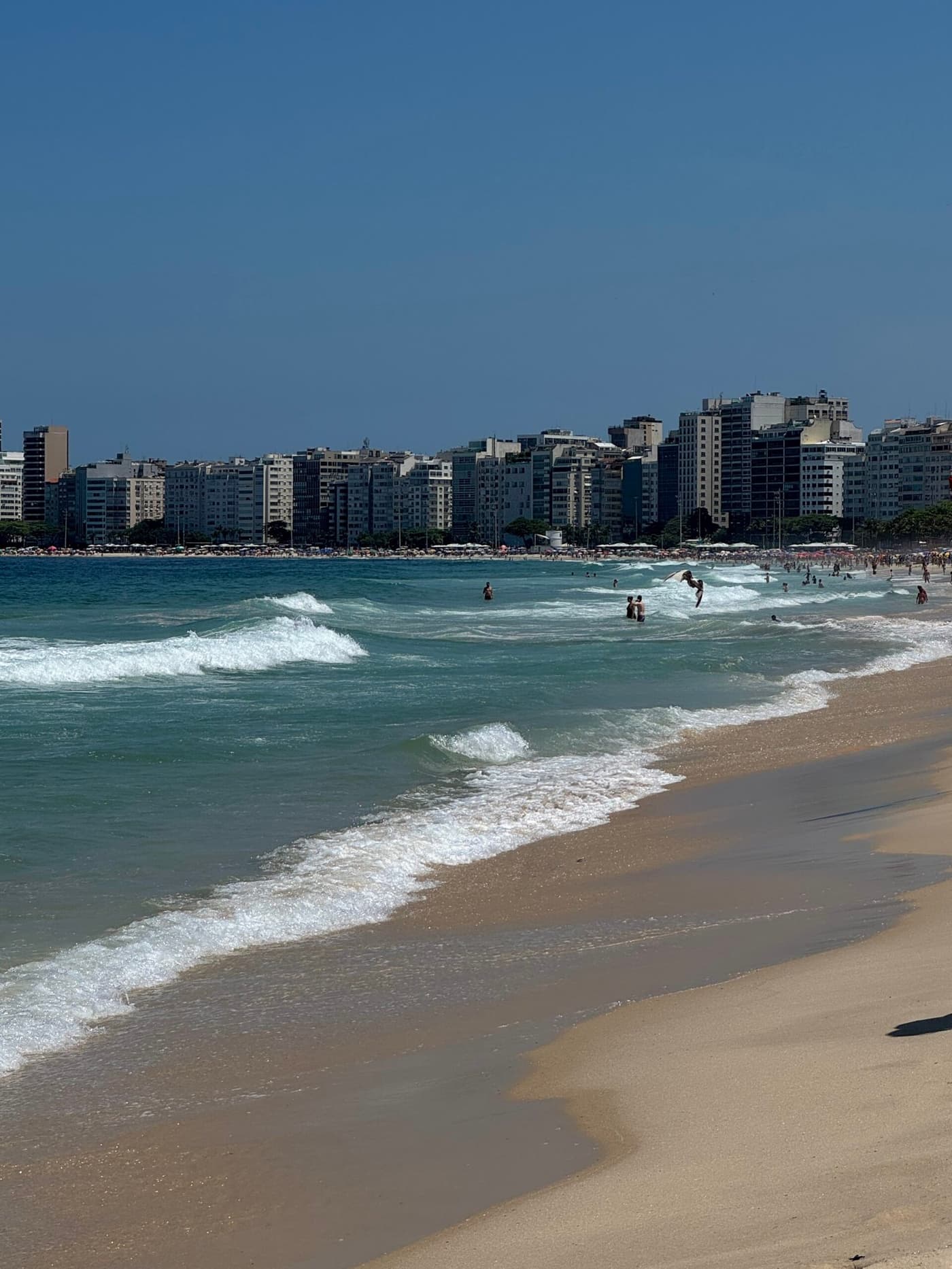
We rented a small apartment in the Copacabana neighborhood.
It cost $71.50 per night.
For Copacabana, one of the most popular tourist neighborhoods in Rio, this is a very good price, especially considering the walking distance to the beach, the well-developed infrastructure, and convenient public transport nearby.
Average Apartment Rental Prices in Rio de Janeiro
As of 2026, short-term rentals through platforms like Airbnb in tourist neighborhoods look like this:
| Neighborhood | Average price per night |
|---|---|
| Copacabana | $65-130 |
| Ipanema | $90-180 |
| Leblon | $120-250 |
| Downtown | $45-90 |
Long-Term Rentals in Rio de Janeiro
If you are staying for a month:
- a decent studio in Copacabana from R$ 4,000 per month (~ $772)
- in Ipanema, from R$ 5,000 (~ $965)
Utilities average R$ 400-800 (~ $77-155) per month, depending on air conditioning, since electricity is the biggest cost.
Which Is the Better Deal: A Hotel or an Apartment?
For comparison:
- A 3-4* hotel in Copacabana: from R$ 600 (~ $116) per night
- An apartment: $70-120 per night
For a stay of 7 days or more, renting an apartment is almost always cheaper, given that you can cook some meals yourself, for example breakfasts and dinners.
Prices in Cafes and Restaurants in Rio de Janeiro
Rio is a city of contrasts. You can have lunch for the price of a cup of coffee in Europe, or you can spend a serious sum on a dinner with an ocean view. It all depends on the neighborhood and the type of place.
How Much Does Lunch Cost at a Regular Cafe
At simple local cafes and por kilo places (food sold by weight), lunch costs roughly:
- R$ 30-50 on quiet streets or in non-touristy neighborhoods
- R$ 70-120 near the beaches
The por kilo format is especially handy: you fill your plate and pay by weight. It is one of the most affordable ways to eat in the city.
Also:
- Espresso: R$ 6-10
- Cappuccino: R$ 10-18
- Freshly squeezed juice: R$ 12-20
- Combo meal at a fast-food chain: R$ 35-45

Average Restaurant Bill
In coastal neighborhoods such as Copacabana, Ipanema, and Leblon, prices are higher than downtown.
Benchmarks:
- Dinner for one: R$ 90-180
- Dinner for two with wine: R$ 220-300
- Meat dish: R$ 70-120
- Fish or seafood: R$ 80-150
- Caipirinha: R$ 20-35
Leblon is considered the most expensive neighborhood: the bill there can be 15-25% higher.
How Much to Budget for Food Per Day
For an average tourist pace:
- Budget style: from R$ 80 per day
- Comfortable option with a restaurant dinner: R$ 150-200
- Frequent dinners at good restaurants: from R$ 250
Overall, food in Rio cannot be called extremely expensive, especially if you combine cafes with supermarket shopping.

Grocery Prices in Rio de Janeiro Supermarkets
If you rent an apartment and cook yourself, your costs drop noticeably. Rio has many supermarket chains, from budget to premium.
Which Supermarkets Are in Rio
The most common chains:
- Pão de Açúcar: more expensive, with good imported products
- Zona Sul: popular in tourist neighborhoods
- Mundial: budget format
- Prezunic: mid-range prices
- Carrefour Brasil: large hypermarkets
In neighborhoods like Copacabana and Ipanema, you will most often find Zona Sul, Pão de Açúcar, and Mundial.
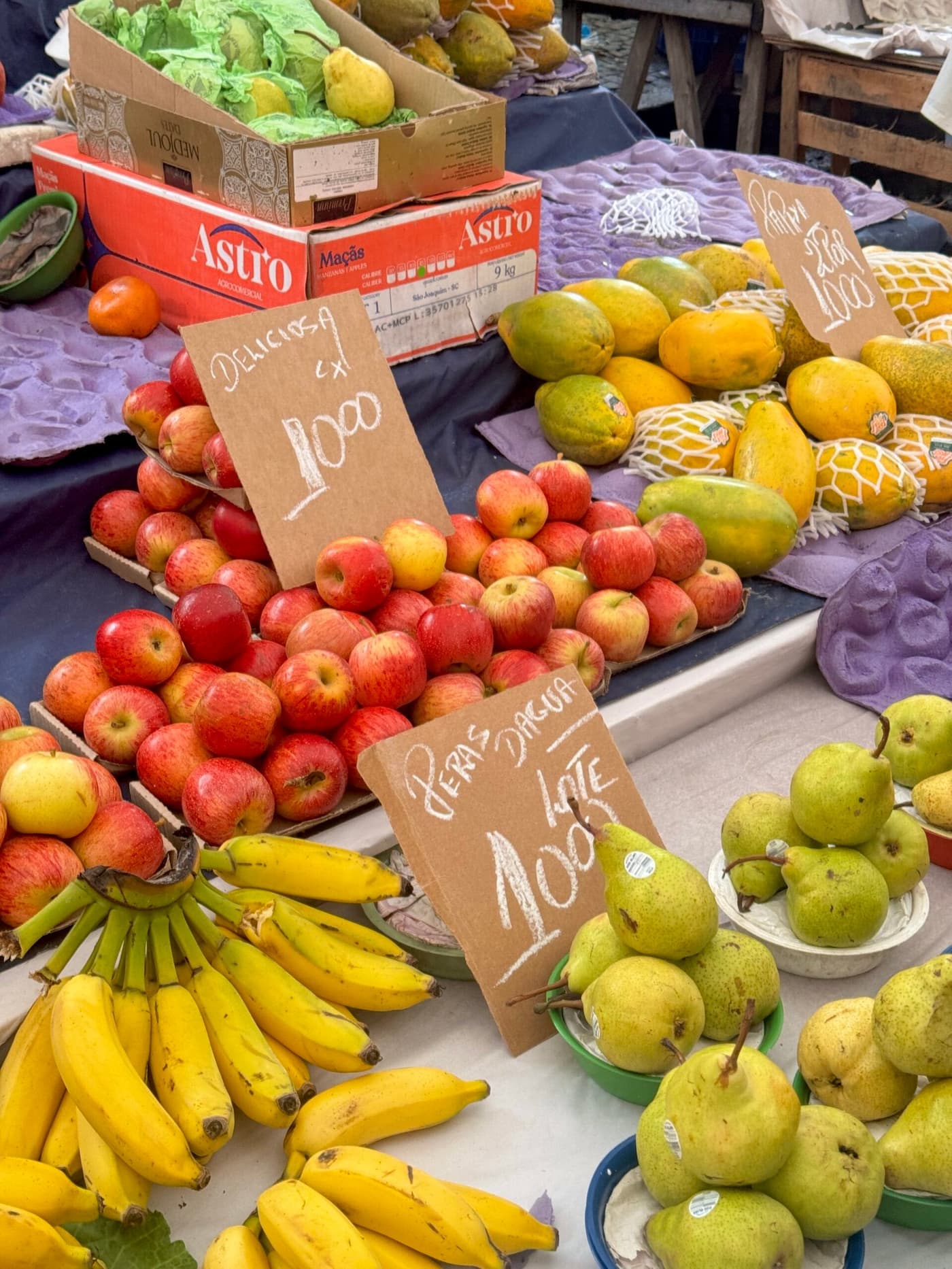
Fruit Prices
| Product | Price (BRL) | Price (USD) |
|---|---|---|
| Tangerines (kg) | 11.98 | ~ $2.30 |
| Round avocados (kg) | 7.99 | ~ $1.53 |
| Avocados (kg) | 12.99 | ~ $2.49 |
| Papaya (kg) | 4.98 | ~ $1 |
| Mango (kg) | 10 | ~ $1.90 |
Fruit in Brazil is affordable, especially seasonal fruit.
Vegetable Prices
| Product | Price (BRL) | Price (USD) |
|---|---|---|
| Pumpkin (kg) | 7.98 | ~ $1.53 |
| Carrots (kg) | 5.99 | ~ $1.15 |
| Cucumbers (kg) | 4.99 | ~ $1 |
| Onions (kg) | 3.85 | ~ $0.74 |
| Potatoes (kg) | 4.95 | ~ $1 |
| Tomatoes (kg) | 8.98 | ~ $1.72 |
| Broccoli (head) | 5.99 | ≈ $1.15 |
Egg and Dairy Prices
| Product | Price (BRL) | Price (USD) |
|---|---|---|
| Eggs, grade C (10 pcs) | 10.69 | ~ $2.05 |
| Eggs, grade C (20 pcs) | 16.99 | ~ $3.26 |
| Organic eggs (10 pcs) | 18.99 | ~ $3.64 |
| Local Parmesan cheese (kg) | 59.90 | ~ $11.48 |
| Imported Parmesan cheese (kg) | 99.00 | ~ $18.97 |
Grains and Staples Prices
| Product | Price (BRL) | Price (USD) |
|---|---|---|
| Parboiled rice (1 kg) | 3.78 | ~ $0.72 |
Rice in Brazil is very affordable; it is a staple of the diet.
Oil Prices
| Product | Price (BRL) | Price (USD) |
|---|---|---|
| Coconut oil 500 ml | 52.90 | ~ $10.14 |
| Extra virgin coconut oil 200 ml | 38.90 | ~ $7.46 |
| Olive oil 500 ml | 31.95 | ~ $6.12 |
| Butter 85% (200 g) | 13 | ~ $2.50 |
Imported oils are noticeably more expensive than local ones.
Meat and Fish Prices
| Product | Price (BRL) | Price (USD) |
|---|---|---|
| Picanha beef (kg) | 129.90 | ~ $24.90 |
| Filet mignon (kg) | 139.99 | ~ $26.83 |
| Chicken breast fillet 800 g | 27.99 | ~ $5.36 |
| Salmon steaks (kg) | 89.90 | ~ $17.23 |
| Shrimp (kg) | 64.90 | ~ $12.44 |
Beef is one of Brazil's strengths: quality cuts such as picanha and filet mignon cost about $25-27 per kg.
Prices for Drinks and Other Items
| Product | Price (BRL) | Price (USD) |
|---|---|---|
| Coconut water 1 l | 18.99 | ~ $3.64 |
| Kombucha 355 ml | 15.89 | ~ $3.05 |
| Quality dark chocolate with a simple ingredient list, 70 g | 21.80 | ~ $4.18 |
If you cook at home, one person spends on average:
- budget style: R$ 40-70 ($8-14) per day
- with fish, meat, and quality products: R$ 80-150 ($15-29) per day
Transport in Rio de Janeiro: Metro, Bus, Taxi, and Car Rental
Getting around the city is an important part of the budget. Rio is big and its neighborhoods stretch along the coast, so you will need transport regularly.
Metro
The metro in Rio is modern, clean, and safe. It connects the city center with the South Zone (the beach neighborhoods). The metro is the most predictable way to get around during rush hour.
Official fare for 2026: R$ 7.90
Buses
The bus network covers the whole city. A regular ride costs about R$ 4.30-4.70. But tourists more often choose the metro or Uber for comfort.
Uber and Taxis
Uber is very well developed in Rio. Average prices:
- A ride within the South Zone: R$ 15-30
- From Copacabana to downtown: R$ 25-45
- From the South Zone to Santos Dumont Airport: R$ 30-60
- To Galeão International Airport: R$ 60-100
The price depends on the time of day and demand.
Car Rental
Not everyone needs a car, and in the beach neighborhoods it is rather inconvenient. The city has parking and safety problems. Still, a car is handy for trips outside the city, road trips, and getting between cities.
Average rental cost:
- Economy class: R$ 120-250 per day
- Crossover: R$ 250-450 per day
Gasoline Prices
The average price of gasoline in the state of Rio is about R$ 6.13 per liter.
How Much to Budget for Transport
If you stay in the South Zone and use the metro and Uber, R$ 20-40 per day is enough. If you plan to travel a lot around the city and to the airport, it is better to budget R$ 50-70 per day.

Entertainment and Tours in Rio de Janeiro: Ticket and Souvenir Prices
In Rio, a significant part of the budget goes to attractions. Below are up-to-date prices for 2026.
Tickets to Christ the Redeemer
Official ticket (Corcovado train + entry):
- Low season: R$ 97 (~ $18.60)
- High season / weekends: R$ 123 (~ $23.60)
The price includes the train ride through Tijuca National Park. Tours with a transfer usually cost R$ 180-350 (~ $34-67).
For details on how to get there, where to buy tickets, and the best time to go, see my guide to the Christ the Redeemer statue in Rio de Janeiro.
Sugarloaf Mountain (Cable Car)
Cable car ticket:
- Standard fare: R$ 160 (~ $30.65)
Online discounts are sometimes available if you buy in advance. For details on tickets, the cable car, and the best time to visit, see my guide to Sugarloaf Mountain in Rio de Janeiro.

Museums and Parks
- Museum of Tomorrow: R$ 30 (~ $5.75)
- Rio de Janeiro Botanical Garden: R$ 73 (~ $14.00)
- Selarón Steps: free
Tours and Excursions
Popular tours:
- City sightseeing tour: R$ 250-450 (~ $48-86)
- Guided favela visit: R$ 150-300 (~ $29-57)
- Boat trip from R$ 180 (~ $34)
You can buy them:
- on the official websites of the attractions
- through aggregators (GetYourGuide, Viator, and the like)
Souvenirs
Average prices:
- Magnet: R$ 10-25 (~ $2-5)
- T-shirt: R$ 40-120 (~ $8-23)
- Beach towel: R$ 50-150 (~ $9-29)
- Brazilian coffee (250 g): R$ 15-35 (~ $3-7)
In tourist spots, prices are higher than in supermarkets or local shops.
How Much to Budget for Entertainment
If you visit:
- Christ the Redeemer
- Sugarloaf Mountain
- 1-2 museums
- one tour
Plan for at least R$ 500-800 (~ $95-153) per person.

How Much Does It Cost to Live in Rio de Janeiro Per Month
If you are considering not a vacation but actually living there, the cost structure changes: monthly rent, utilities, household expenses, sports, and phone service are added.
Below are benchmarks for one person in the South Zone of the city (Copacabana / Ipanema).
Rent
- Studio in Copacabana from R$ 4,000 (~ $770)
- Studio in Ipanema: R$ 5,000 (~ $960)
- Housing in a non-touristy neighborhood: from R$ 2,500 (~ $480)
Utilities
- Electricity, water, gas: R$ 400-800 (~ $77-153) (closer to the upper end with air conditioning)
- Internet: R$ 100-150 (~ $19-29)
- Mobile phone plan: R$ 30-60 (~ $6-11)
Food
If you cook at home with occasional trips to cafes:
- Budget option: R$ 1,500-2,000 (~ $290-385)
- Mid-range: R$ 2,000-3,000 (~ $385-575)
Transport
- Public transport + Uber: R$ 400-800 (~ $77-153)
- If you have a car, costs are higher because of gasoline and parking.
Other Expenses
- Gym: R$ 120-250 (~ $23-48)
- Household goods and toiletries: R$ 200-400 (~ $38-77)
- Entertainment from R$ 400 (~ $77)
Bottom Line: How Much You Need Per Month
Budget Lifestyle
~ R$ 5,500-6,500 (~ $1,055-1,246)
Mid-Range
~ R$ 7,000-10,000 (~ $1,340-1,915)
Comfort with Restaurants and Good Housing
from R$ 12,000 (~ $2,300+)
Overall, living in Rio is cheaper than in most large European cities, but more expensive than the Brazilian average, especially if you live near the ocean.

Frequently Asked Questions About Prices and Budget in Rio de Janeiro
Below are the questions tourists ask most often when planning a budget, along with simple, useful answers.
How much money do you need in Rio de Janeiro per day?
Expected spending depends on your travel style: with a mid-range style you can spend about R$ 300-400 (~ $58-77) per day, not counting lodging.
Is Rio de Janeiro expensive for tourists?
It depends on your style: with budget lodging and local food you can have a relatively inexpensive vacation, but spending rises in tourist neighborhoods and in high season if you choose restaurants and taxis.
When is the cheapest time to go to Rio?
The season affects prices: peak season is December to March, especially Carnival and the New Year's holidays, when hotels and flights cost noticeably more. It is cheapest to travel in the low season (May to September) and in the shoulder seasons (spring and autumn in the Southern Hemisphere).
Are cards accepted in Rio?
Yes, Visa and Mastercard cards are accepted almost everywhere, including cafes, supermarkets, and museums, but you may need cash at street stalls and markets.
How can you get around the city cheaply?
The metro and buses remain the most economical way to travel. A single metro ride costs about R$ 7.90 (~ $1.50), a flat fare for the whole route.
How much cash should you bring?
For small daily expenses and street purchases, it is handy to have R$ 200-400 in cash (~ $38-77). You can pay for everything else by card.
We spent our time in Rio de Janeiro, saw the sights, and filmed it all in a YouTube video