Rio de Janeiro is one of the most famous and colorful cities in the world, and millions of travelers head there every year for its vibrant atmosphere, nature and culture. This big city on the Atlantic coast of Brazil is known for its history and its rich collection of sights, from the iconic Christ the Redeemer statue to endless beaches and picture-perfect panoramas.
Thanks to its mix of mountains, ocean, rainforest and city life, Rio de Janeiro is often called the "Marvelous City" (Cidade Maravilhosa). It's the place to see some of Brazil's most recognizable symbols, relax on the beach and soak up the atmosphere of samba and Carnival.
We spent almost a month in Rio de Janeiro, and in this article I've gathered the most interesting and best-known things to see in Rio de Janeiro, the ones I think everyone who lands in this beautiful city should see.
Top Sights in Rio de Janeiro
Rio de Janeiro is a city where every spot becomes a vivid memory. Natural panoramas, colonial architecture, cultural symbols and world-famous beaches all blend together here. If you're planning a trip to Brazil, start with the top sights in Rio de Janeiro, the ones travel guides, bloggers and guidebooks recommend most often.
Christ the Redeemer Statue in Rio de Janeiro
The Christ the Redeemer statue is the most famous sight in Rio de Janeiro and one of the main symbols not only of the city but of all of Brazil. The monument stands on top of Corcovado Mountain at an elevation of more than 700 meters (about 2,300 feet) above sea level, so the statue is visible from almost anywhere in the city.
The Christ statue in Rio de Janeiro was unveiled in 1931 and has been a must on tourist itineraries ever since. The monument is about 38 meters (125 feet) tall including its pedestal, and its arms span 28 meters (92 feet). The figure of Christ with outstretched arms symbolizes peace, protection and the city's hospitality.
Beyond its religious and cultural meaning, the Christ the Redeemer statue in Rio de Janeiro draws travelers with stunning panoramic views. From the viewing platform you can see downtown, Guanabara Bay, Sugarloaf Mountain and Rio's famous beaches. That's why it's considered one of the best places to get to know the city on your first day.
There are several ways to get up: the historic cog railway, official vans and organized tours. I've covered routes, tickets and the best time to visit in a separate guide. I recommend reading my article: Christ the Redeemer in Rio de Janeiro: history, height, how to get there and ticket prices.

Sugarloaf Mountain in Rio de Janeiro
Sugarloaf Mountain is an instantly recognizable natural landmark of Rio de Janeiro. This granite peak, almost 400 meters (about 1,300 feet) high, rises at the entrance to Guanabara Bay and is considered one of the best viewpoints in the city.
The name "Sugarloaf" (Pão de Açúcar) dates back to the colonial period and comes from the mountain's shape, which resembles the traditional sugar loaves used in Brazil in the 16th and 17th centuries. Today Sugarloaf Mountain is among the most visited tourist spots in the country.
The main feature of the attraction is the cable car, which links the base of the mountain with the intermediate stop at Morro da Urca and then continues to the very top. The ride is made in two stages and takes only a few minutes, but the views stay with you long after. From the summit you can see downtown Rio, the ocean, the beaches, the Christ the Redeemer statue and the green hills around the city.
Sugarloaf is especially popular in the second half of the day, as many visitors come to catch the sunset and watch Rio de Janeiro slowly light up. It works equally well for a first look at the city and for anyone who has been to Rio before and wants to see it from a new angle. I wrote about it in more detail in another article: Sugarloaf Mountain in Rio de Janeiro: ticket prices and the cable car.

Selarón Steps in Rio de Janeiro
The Selarón Steps are an unusual and photogenic sight in Rio de Janeiro. They connect the Lapa and Santa Teresa neighborhoods and are known for their bright ceramic tiles from all over the world.
The staircase was created by the Chilean artist Jorge Selarón, who spent many years decorating it by hand with colorful tiles, mosaics and pieces of ceramic. Today the Selarón Steps in Rio de Janeiro have more than 200 steps, each looking different, which makes this place a unique example of street art.
For visitors, the steps are interesting not only as an art object but also as part of a historic route through the city center. They're right next to Lapa, a neighborhood known for its architecture, arches and nightlife, so a visit to the steps is often combined with a walk around the area.
The Selarón Steps are free to visit and make a good short stop while you explore central Rio. It's best to come in the first half of the day, when there are fewer people and it's easier to look at the details of the mosaic.
Rio de Janeiro Botanical Garden
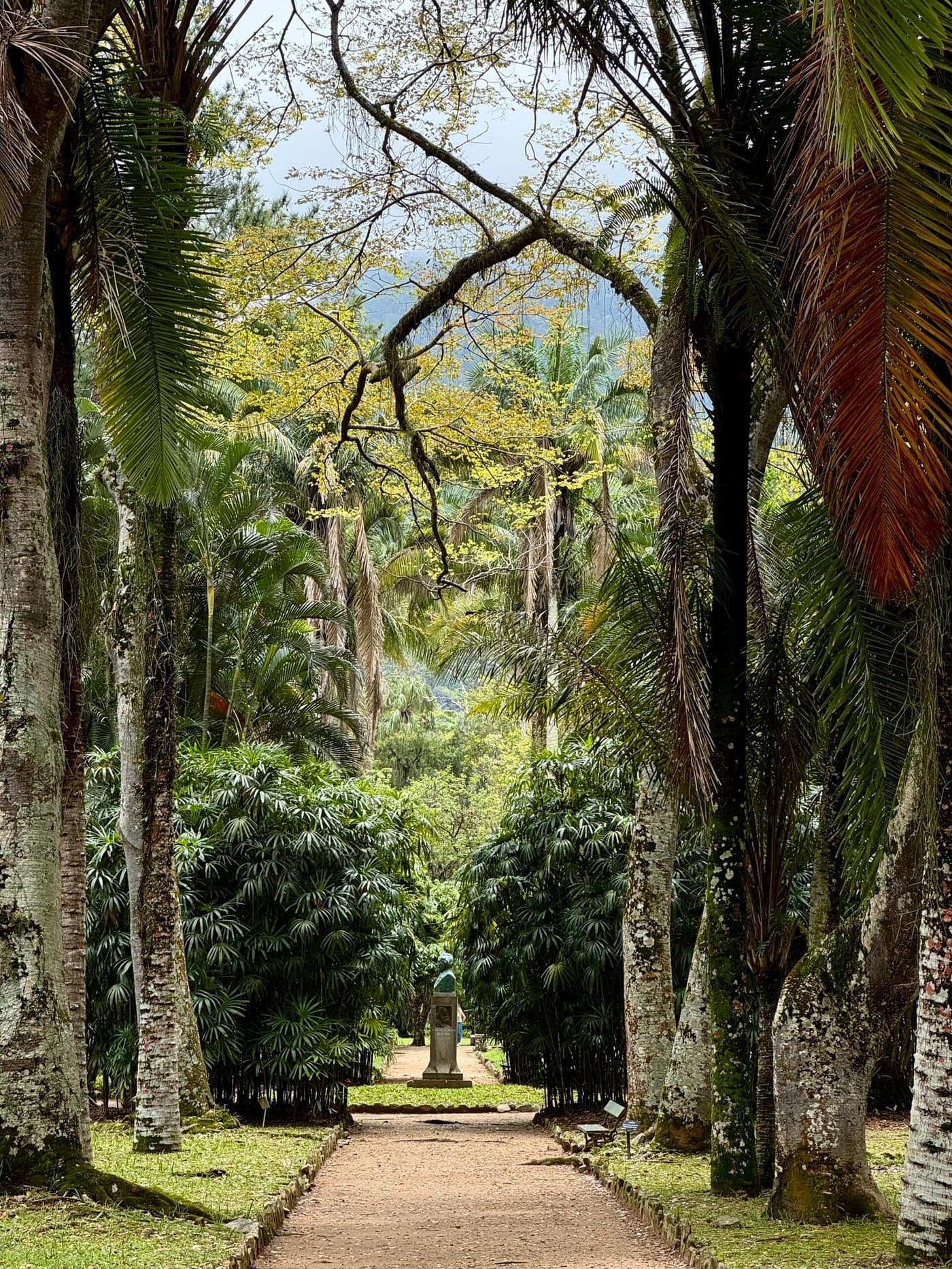
The Rio de Janeiro Botanical Garden is a picturesque, peaceful spot in the city, ideal for strolling and taking a break from the noisy tourist districts. It sits at the foot of the mountains and is considered one of the largest and most beautiful botanical gardens in Brazil.
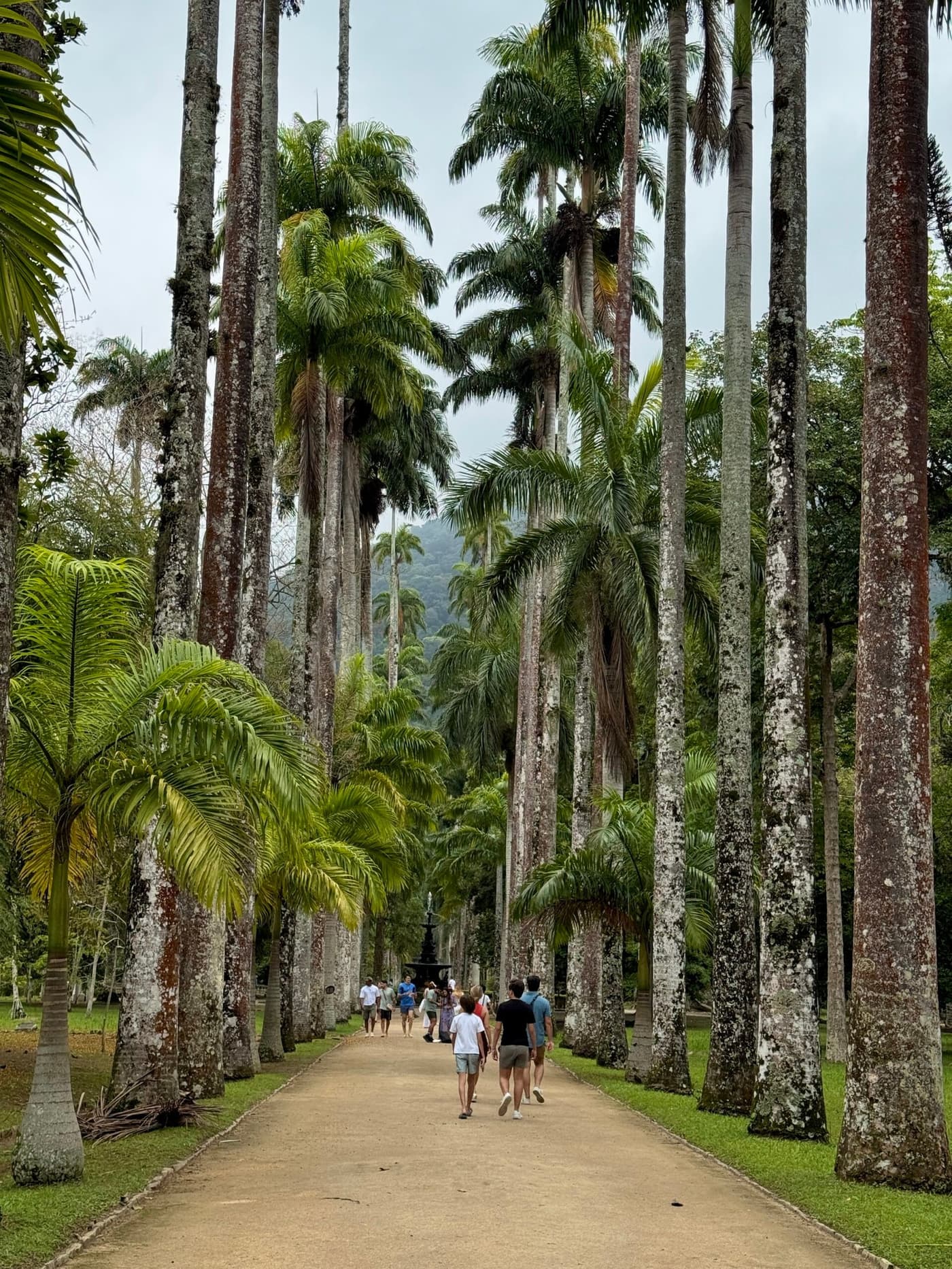
The Rio de Janeiro Botanical Garden was founded in the early 19th century and today covers about 137 hectares (about 339 acres), of which roughly 54 hectares are landscaped collections and the rest is tropical forest. Thousands of species of tropical and subtropical plants grow here, including rare palms, orchids, bamboo groves and medicinal plants. One of the garden's trademarks is its famous avenue of royal palms, which often shows up in photos and postcards of Rio.
Visitors who want to see another side of the city, a calmer and more natural one, especially value this place. The Botanical Garden in Rio de Janeiro suits unhurried walks, families with kids, and travelers interested in nature and history. You can also spot birds, monkeys and other local wildlife living freely on the grounds.
Thanks to its convenient location, the Botanical Garden is easy to combine with other sights in the southern part of the city, which makes it a good addition to a self-guided route around Rio de Janeiro. You can read more about the Rio de Janeiro Botanical Garden in the neighboring article.
Rio de Janeiro Beaches
The beaches of Rio de Janeiro are an important part of the city's life and culture. This is where morning runs, workouts, meetups with friends and sunsets happen, the kind that bring travelers back again and again. I wrote a separate article with all the popular beaches of Rio de Janeiro in detail. Among the city's many beaches, two stand out: Copacabana and Ipanema, each with its own atmosphere and character.
Copacabana Beach
Copacabana is the most famous beach in Rio de Janeiro and one of the most recognizable beaches in the world. It stretches along the Atlantic Ocean for almost four kilometers (about 2.5 miles) and has long been the city's calling card.
Copacabana Beach in Rio de Janeiro is known for its wide promenade with a black-and-white wave pattern, sports courts, bars and hotels. It's always lively here: during the day visitors sunbathe and swim, and in the evening the beach turns into a place for strolls and sunset meetups.
Copacabana suits anyone who wants to feel the rhythm of a big city, be in the middle of the action and have quick access to restaurants, shops and transport.
Ipanema Beach
Ipanema is a beautiful, upscale beach in Rio de Janeiro. It lies south of Copacabana and has a calmer, more refined atmosphere.
Ipanema Beach in Rio de Janeiro is popular with locals, surfers and anyone who appreciates well-kept facilities and views of the Two Brothers mountains. The beach is loosely divided into zones, each attracting a different crowd, from families with kids to fans of active vacations.
Ipanema is a great choice if you want to combine a beach day with walks around a stylish neighborhood, with cafés and shops close by.

Seeing Rio de Janeiro on Your Own
Rio de Janeiro is a good fit for independent travelers, and many of the city's sights are easy to visit without tours or guides. The main tourist spots are fairly compact, and good infrastructure makes it easy to get around between neighborhoods.
If you plan to see Rio de Janeiro on your own, start by putting the city's signature places on your route: viewpoints, beaches and urban landmarks. Most of them have convenient ways up, clear signage and are open to visitors all year round.
Going independent is especially handy if you want to:
- set your own sightseeing pace
- combine sights with beach time
- spend more time in the places you like
Rio de Janeiro remains a city of contrasts, though, so when you explore on your own it's important to plan routes in advance and take the character of each neighborhood into account.
Useful Tips for Visiting Rio de Janeiro
When planning your sightseeing in Rio de Janeiro, it's important to take the city's specifics into account and sort out the practical details in advance. That will keep your trip comfortable and help you avoid unnecessary hassle.
The best time to visit the popular spots is morning and the first half of the day. There are fewer tourists then, it's not as hot, and it's easier to enjoy the viewpoints and city sights. The beaches, on the other hand, get especially lively toward evening, when locals come out for walks and watch the sunset.
To get around the city, visitors most often use taxis, official ride-hailing apps and the metro, which covers the main areas, including the center and the southern part of the city. Many of Rio's sights are easy to combine in a single day, especially if you check their locations on a map beforehand.
Keep in mind, too, that Rio is a big and uneven city. When visiting sights, it's best to plan your route in advance, not carry unnecessary valuables and stick to well-established tourist spots, especially when exploring on your own.
What we did in Rio de Janeiro, what we saw and where we went — in my YouTube episode
Frequently Asked Questions
When is the best time to visit Rio de Janeiro's main sights?
The best time for sightseeing is morning and the first half of the day, when there are fewer people and the weather is comfortable. Midday hours are ideal for the beach, while for viewpoints (like Christ the Redeemer or Sugarloaf Mountain) people often recommend going early in the morning or just before sunset, when the light is softer and the view is better.
How long does it take to visit Christ the Redeemer?
Plan on 2 to 4 hours for visiting Christ the Redeemer, including the ride up, time at the viewing platform and the trip back down. If you're going on your own, allow for lines for transport (the train, van or tour).
How do I get to Christ the Redeemer?
There are several ways to reach the statue:
- The Trem do Corcovado train through Tijuca Forest
- The park's official vans
- Guided tours with transfer The train offers a scenic route through the jungle, while the vans leave from an official area near the park.
How much do tickets to Sugarloaf Mountain and Christ the Redeemer cost?
Prices vary by season, but most paid attractions, like the Sugarloaf cable car and the ride up to the statue, usually sell entrance tickets, and it's better to buy them in advance, especially in high season. When planning, check local tourist portals or the attractions' official pages.
Which sights can I combine in one day?
If you're short on time, you can combine:
- a visit to Christ the Redeemer
- a trip up Sugarloaf Mountain
- a walk along the Selarón Steps
- some beach time on Copacabana and Ipanema
This route covers the most iconic places in Rio de Janeiro and works well for planning on your own.
Do I need to buy tickets in advance?
Yes, for popular attractions (for example, Christ the Redeemer or the Sugarloaf cable car) it's recommended to buy tickets online in advance, especially in high season and before sunset, when demand is at its peak.
Which beaches are best for a first visit?
The most popular are:
- Copacabana: a wide promenade and a lively atmosphere
- Ipanema: a calmer, more local atmosphere
These beaches are among the city's main symbols and round out the classic tourist route nicely.
Are there free places with panoramic views?
Yes. Besides the paid ways up, Rio has spots with great free views of the bay and the city, such as the viewpoints at the foot of Sugarloaf Mountain or lookout points along the coast.
Is it safe to walk around the tourist areas?
In tourist areas, such as the beaches and the zones around the main sights, it's usually safe if you take basic precautions. As in any big city, keep an eye on your belongings in crowded places and avoid dark streets at night.