The Rio de Janeiro Botanical Garden, officially called Jardim Botânico do Rio de Janeiro, is one of the best-known and most visited green spaces in the city. It sits at the foot of the mountains in the southern part of Rio and has long been considered not just a park but a full-fledged national-level attraction.
People come here not to tick a box but for the feeling of tropical Rio without the city noise: shady alleys, rare plants, giant palms and the sense that you have stepped out of the metropolis for a while. That is why the Rio botanical garden often makes it onto the itineraries of travelers who want to see a different side of the city, a calm, green and unhurried one.
In this article I explain what the Rio de Janeiro Botanical Garden is, what it is famous for and what is worth seeing there. I also cover where the Rio botanical garden is located, how to get there, and the up-to-date practical information for your visit.
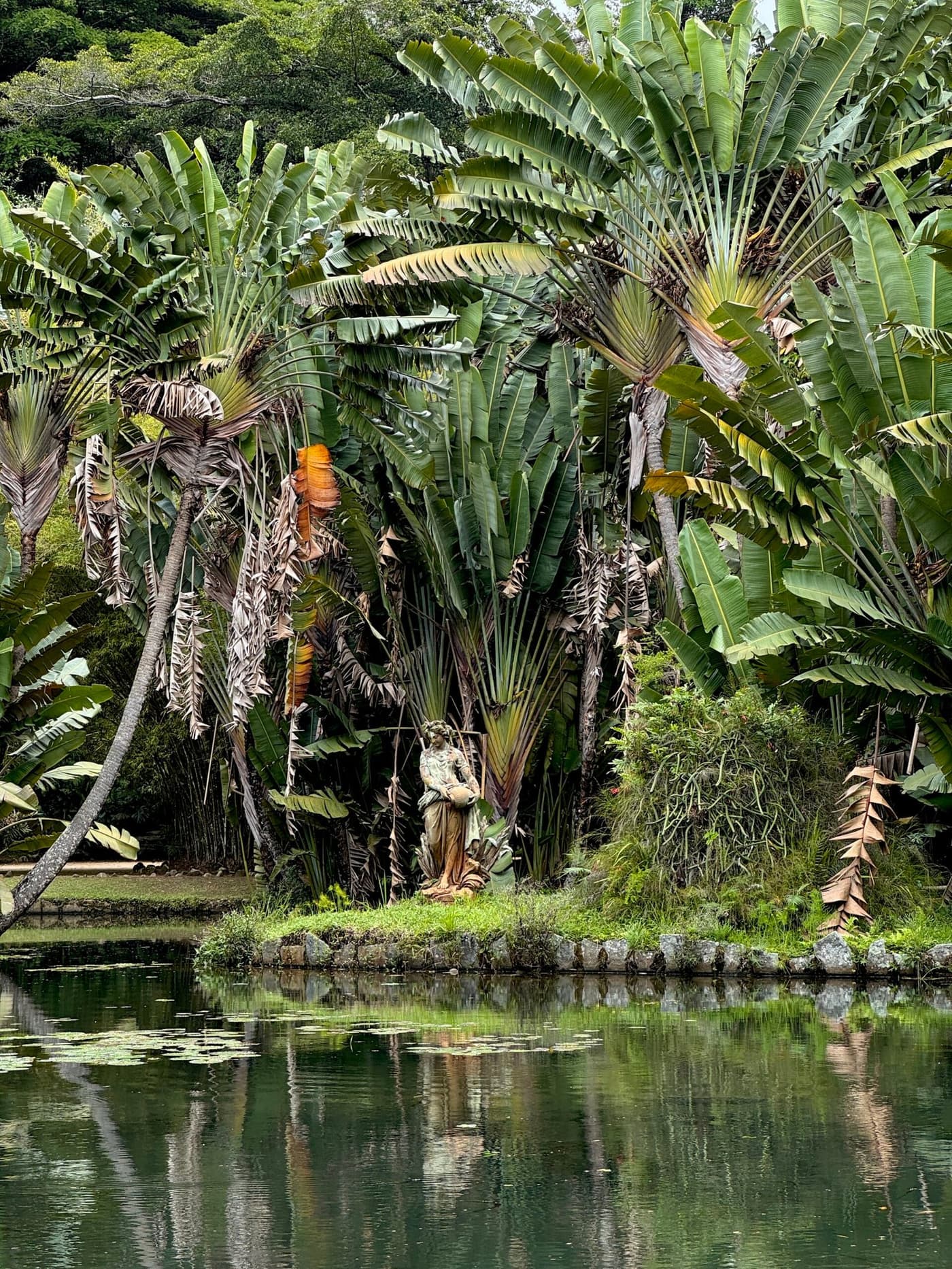
History of the Rio de Janeiro Botanical Garden
The Botanical Garden was founded in 1808 on the initiative of the Portuguese royal court, which had temporarily moved to Brazil. The garden's original purpose was to grow and study spices and useful plants that were important to the empire's economy.
Over time the garden's role grew: it became a scientific site, a place for preserving rare species and one of the centers of botanical research in the country. Today the garden is protected by the state and holds the status of a cultural and natural heritage site of Brazil.
Today the Botanical Garden in Rio de Janeiro is a research and conservation complex, not just a city park for strolling. Its total area is about 137 hectares (around 54 of them cultivated gardens, the rest Atlantic forest on the slopes), and it is among the most important botanical gardens in Latin America. Landscaped walking areas, patches of tropical forest and collections of rare plants from around the world all come together here.
What the Rio botanical garden is famous for
Above all, the Rio de Janeiro Botanical Garden is known for its legendary avenue of royal palms, one of the most recognizable views of the garden and one of the most photographed spots in the city. The garden is also famous for:
- its collection of tropical and subtropical plants
- orchids and bromeliads
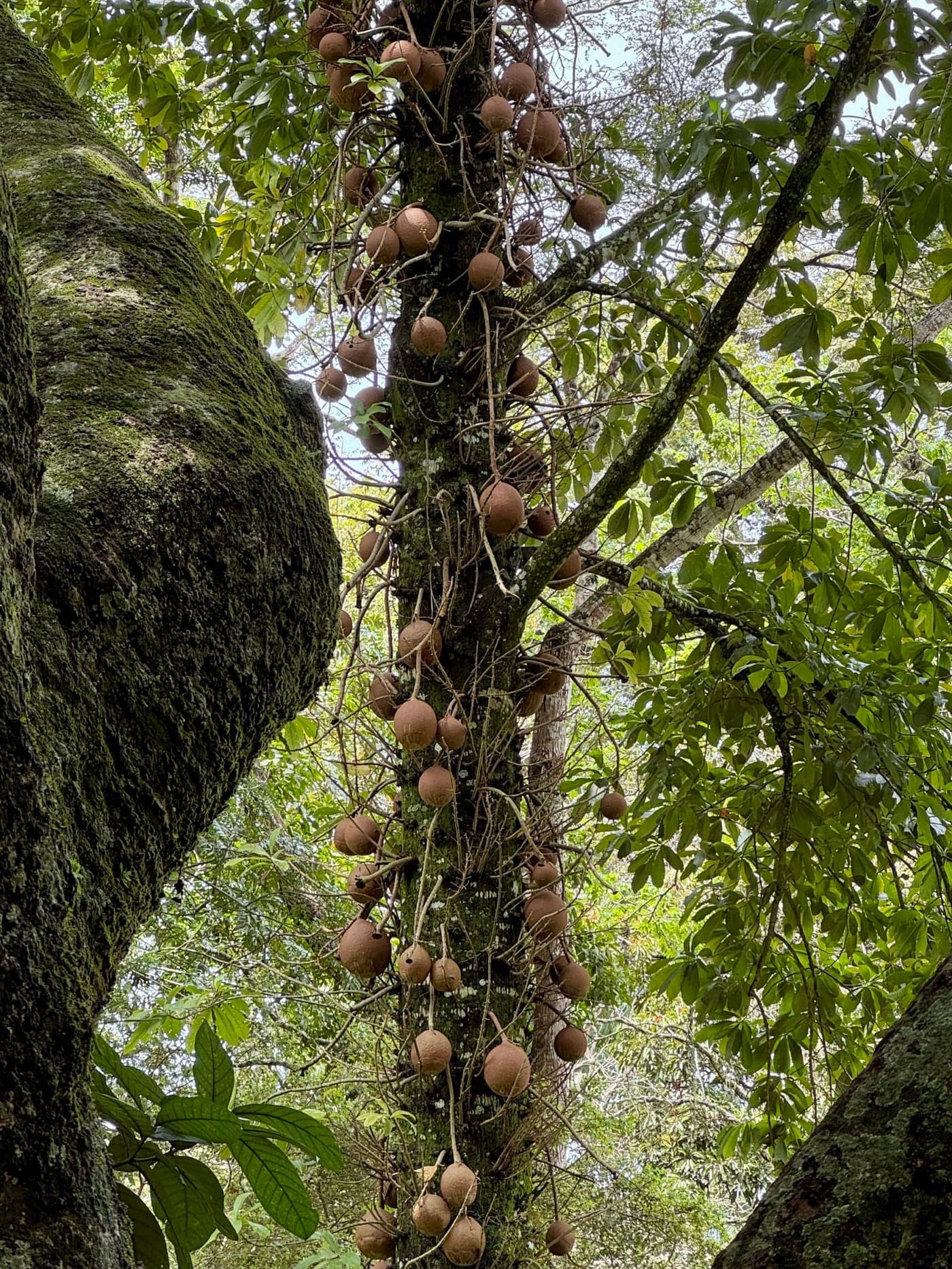
- areas of Atlantic Forest right within the city
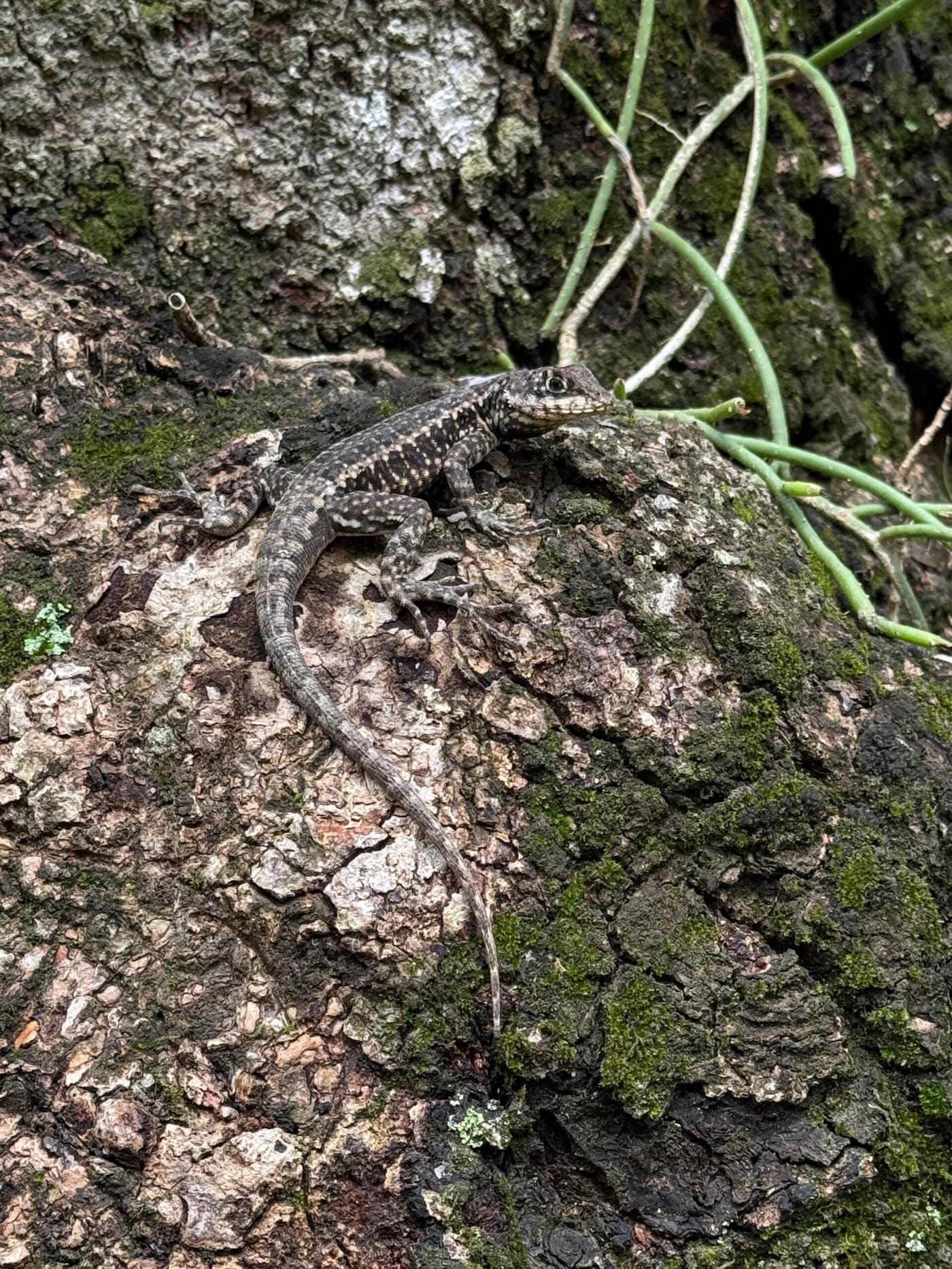
- wildlife: birds, lizards and monkeys that move freely around the garden.
The mix of science, nature and a calm atmosphere makes the Rio botanical garden a pleasant place that is very different from the city's other attractions.
What to see in the Rio de Janeiro Botanical Garden
The Botanical Garden in Rio de Janeiro is laid out so that even without a clear route your walk will be full of things to see. Still, a few areas are considered key and really deserve your attention. They are the ones travelers search for most often with queries like "what to see in the Rio botanical garden" and "what is Jardim Botânico famous for."
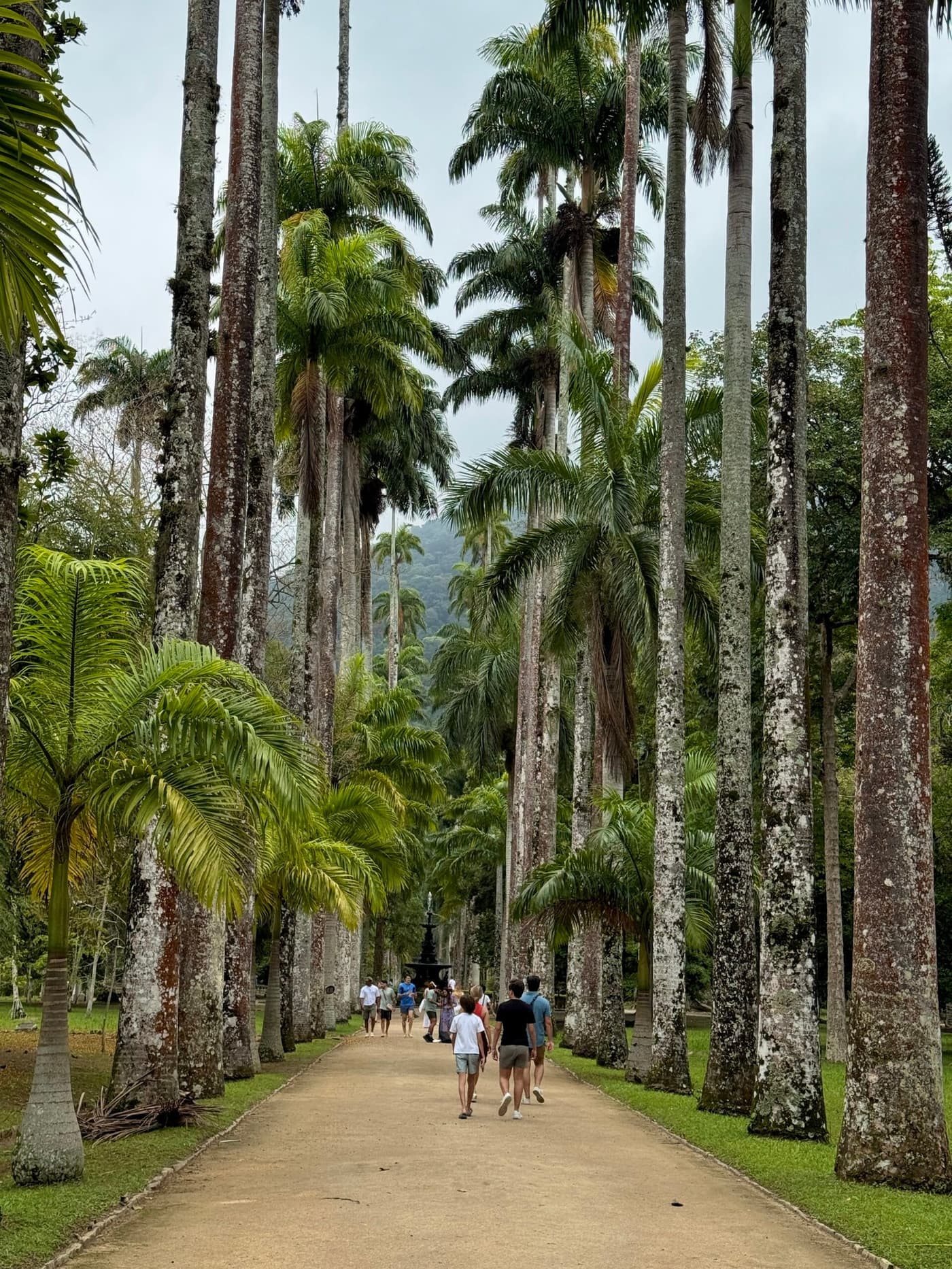
Avenue of Royal Palms
This is the garden's calling card and one of the most recognizable landscapes in Rio. The avenue is lined with tall royal palms that reach 30–40 meters. They were planted back in the 19th century and have since become the symbol of the Botanical Garden (Jardim Botânico do Rio de Janeiro).
The avenue runs from the main entrance deep into the garden and creates a "corridor" effect that is especially impressive in sunny weather. This is where most of the photos that people associate with the Rio botanical garden are taken.
Greenhouses, orchids and tropical plants
The garden holds one of the largest collections of orchids and bromeliads in Brazil. Some of the plants are kept in specialized greenhouses, while others grow right in the open air in conditions close to natural.
Here you can see:
- rare orchid species typical of the Atlantic Forest
- exotic plants from Asia and Africa
- medicinal and ornamental tropical species.
This area is especially interesting if you want to see not a "postcard picture" but the real botanical diversity of Brazil.
Atlantic Forest areas
One of the special features of the Rio botanical garden is that fragments of Atlantic Forest lie right within the complex. This is not a stylized park but an almost natural ecosystem where plants grow as they do in the wild.
Walking these trails feels very different from the central avenues: it is cooler, quieter and there are noticeably fewer people. For many travelers this is the most interesting part of the garden.
Animals and monkeys in the Rio botanical garden
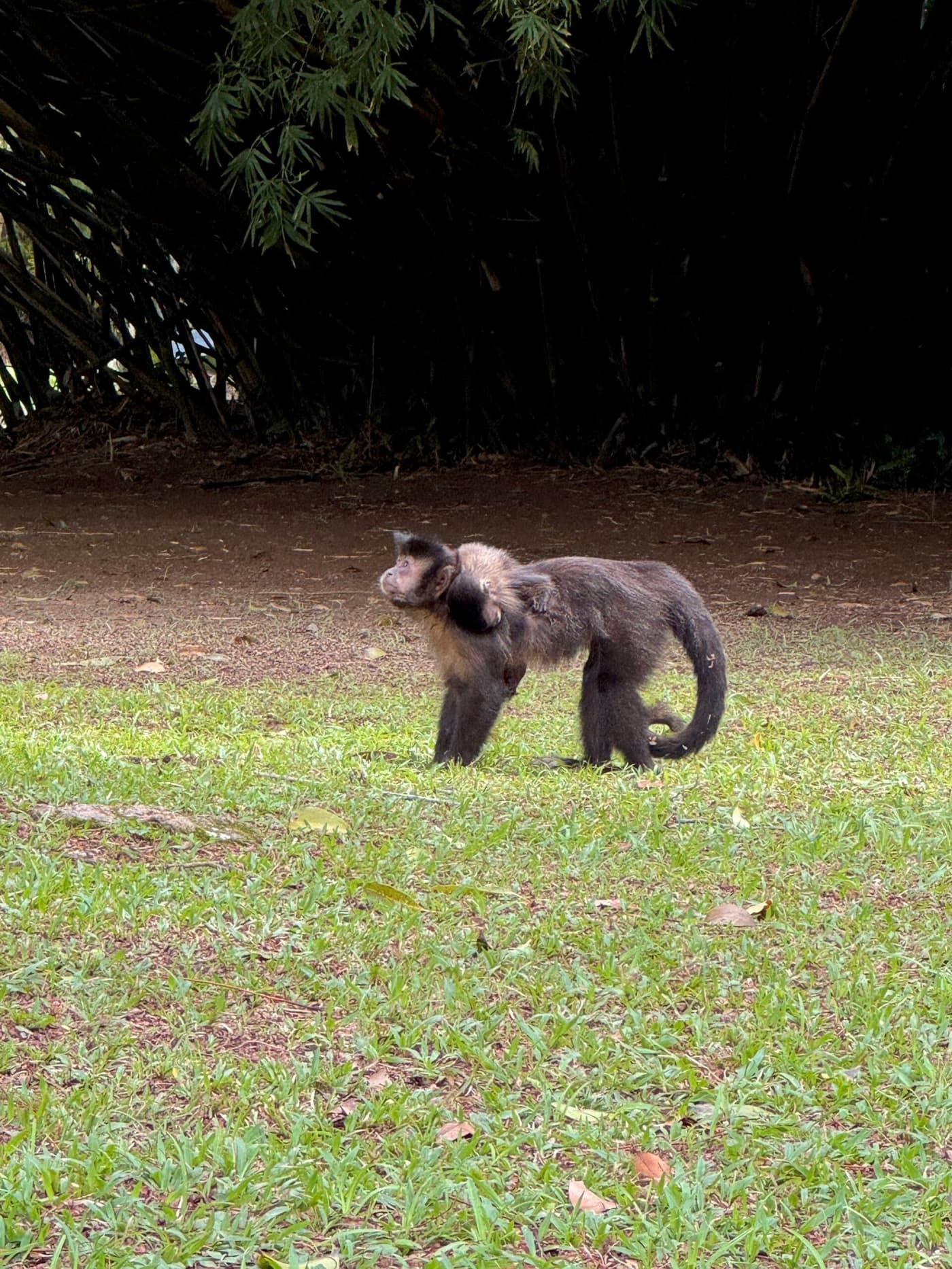
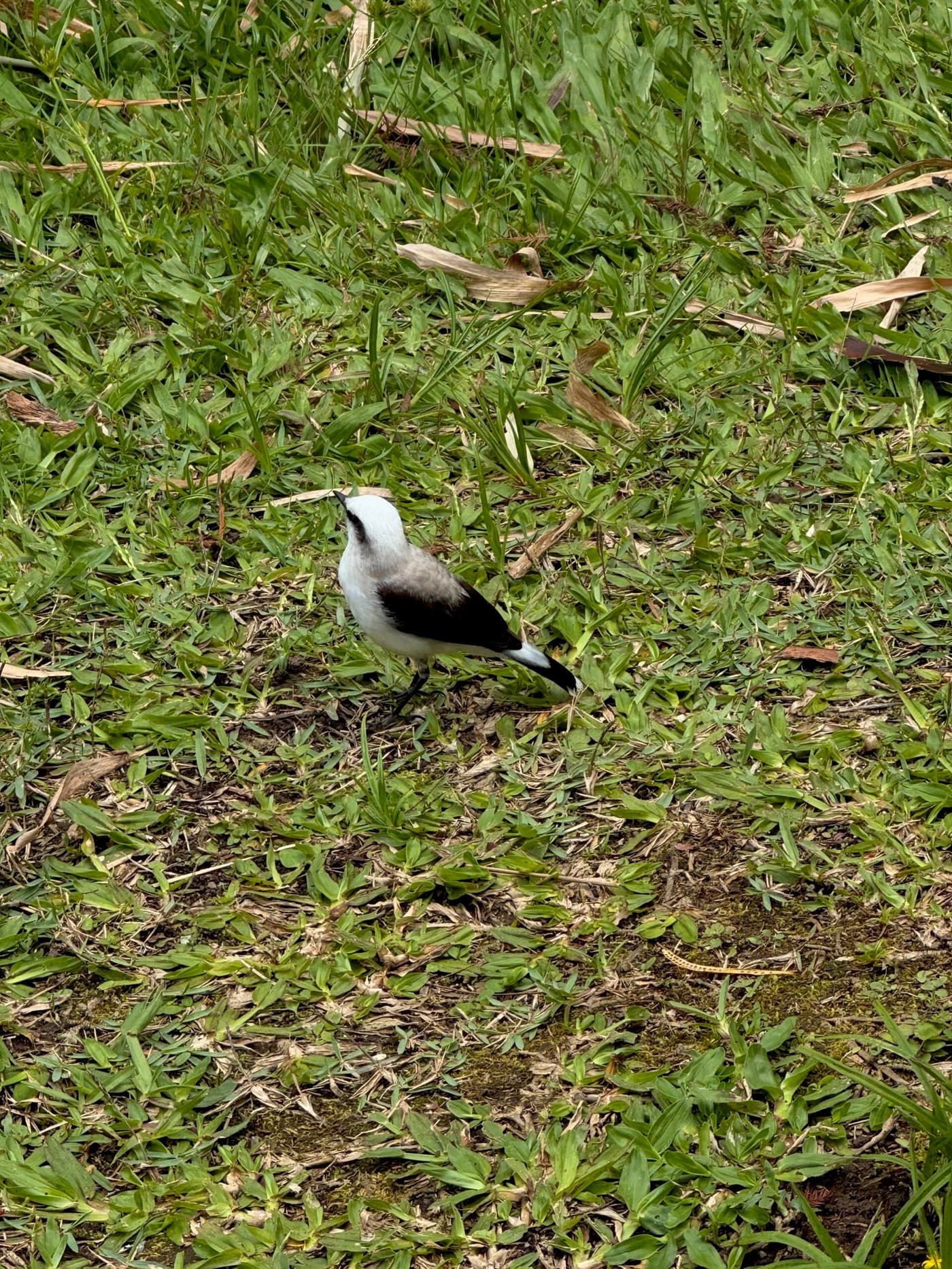
Birds, lizards and small monkeys live freely in the garden. Visitors most often spot the monkeys, which can appear in the trees along the paths or near the quieter areas.
It is important to remember that these are wild animals. You must not feed them or try to touch them, but watching them in their natural setting is one of the nice bonuses of a walk through the botanical garden.
Where the Rio botanical garden is and how to get there
The Botanical Garden in Rio de Janeiro is located in the neighborhood of the same name, Jardim Botânico, in the southern part of the city. It is a quiet, green area that borders Lagoa Rodrigo de Freitas and is not far from popular tourist zones.
The official address of Jardim Botânico do Rio de Janeiro: Rua Jardim Botânico, 1008, Rio de Janeiro.
Where the Rio botanical garden is on the map
In terms of logistics, the botanical garden is conveniently located:
- about 15–20 minutes by car from Ipanema and Leblon without traffic
- about 30 minutes from Copacabana
- several bus routes run nearby.
Traffic in this area can be heavy during rush hour, especially on weekday mornings and evenings.
How to get to the Rio botanical garden
By taxi or Uber
This is the simplest and most convenient way to get to the botanical garden, especially for travelers. In the app, just enter "Jardim Botânico" or the exact address. The drop-off is usually right at the entrance.
By bus
Several bus routes pass through the Jardim Botânico neighborhood and connect it with the southern part of the city. This option suits those who already know their way around Rio's transport, but it may be less convenient for a first visit.
On foot
You can walk to the garden if you are staying in the Lagoa area or nearby. From Ipanema and Leblon the walk takes about 30–40 minutes and goes along fairly quiet streets.
Rio de Janeiro Botanical Garden: opening hours and prices
Below I have gathered practical details to help you plan your visit.
Opening hours of the Rio botanical garden
Jardim Botânico do Rio de Janeiro is open to visitors every day, including weekends.
Opening hours: 08:00 to 17:00, on Wednesdays from 11:00 (the grounds are closed for maintenance on Wednesday mornings). On December 24 and 31 the garden is open until 14:00, and it is closed on December 25 and January 1.
Hours may change slightly on holidays or during events, so before your visit it is a good idea to check the current schedule on the official website.
How much it costs to enter the Rio botanical garden
Entry to the botanical garden is paid. The ticket price is mid-range for Rio's tourist attractions and noticeably lower than many of the city's commercial attractions.
Price guide:
- Adult tourists: about 80 Brazilian reais
- Brazilian citizens: about 40 reais
- Children under 5: free
- Reduced-price categories (seniors, students, people with disabilities): usually a discount of up to 50% with supporting documents
You can buy a ticket at the entrance or online in advance. Prices can change, so it is best to confirm ticket costs on the official website or at the ticket office before you go.
How much time to plan for the Rio botanical garden
One of the most common questions travelers ask is how much time to set aside for the Botanical Garden in Rio de Janeiro. There is no universal answer, since it all depends on the format of your visit and your walking pace, but there are clear guidelines.
On average, plan for 1.5 to 3 hours at the botanical garden. That is enough to walk the main avenues at an easy pace, see the key areas and not turn the stroll into a race with a camera.
Walking through the Rio botanical garden: the best route
If you do not have much time, it makes sense to focus on the central part of the garden:
- the entrance area and the avenue of royal palms
- the nearest areas with tropical plants
- a few shady paths deeper in the garden.
This route suits those who want a general impression and some photos without going deep into botanical details.
If you do have time and want to soak up the atmosphere, it is better to move slowly and turn off the central avenues from time to time. That is how you are most likely to see monkeys, rare plants and the less touristy corners of the garden.
Rio botanical garden on your own or with a tour
Most visitors walk around the garden on their own. The grounds are well organized, with signposts and information boards, so it is easy to find your way even without a guide.
A guided tour can be interesting if you are into botany and want to dig deeper into the garden's history. For the average traveler, a self-guided walk is the most comfortable and flexible option.
Is the Rio de Janeiro Botanical Garden safe
Safety is one of the most common questions from travelers planning a visit to the Botanical Garden in Rio de Janeiro. Unlike many of Rio's urban spaces, the botanical garden itself is considered a relatively safe place for a walk.
The grounds are fenced, entry is through checkpoints, and staff and security are always present inside.
During the day the Rio botanical garden is suitable for visiting alone, as a couple and with children.
No serious incidents have been reported on the garden grounds. The main recommendations are standard and match the general rules for travelers in Rio:
- do not leave your belongings unattended
- keep an eye on your bags and backpacks, especially in crowded places.
Rules for visiting the Rio botanical garden
To keep the atmosphere comfortable and safe, Jardim Botânico do Rio de Janeiro has simple but important rules:
- feeding wild animals is prohibited
- do not pick plants or step off the marked trails
- drones are not allowed without special permission
- please keep quiet and respect other visitors.
These rules are less about restrictions and more about protecting the garden's ecosystem and the safety of visitors themselves.
Rio botanical garden with kids: is it worth it
The Botanical Garden in Rio de Janeiro is suitable for visiting with children, especially if you want a change of pace from the city and some time in nature. It is not an amusement park, but that is exactly why the walk is calm and comfortable.
The paths in the garden are level and well marked, with plenty of shade, which is especially valuable in hot weather. There are also benches and rest areas on the grounds, and kids often enjoy watching the birds and monkeys.
Keep in mind, though, that there are no active attractions or playgrounds here. If your child needs constant action, the garden may seem boring. For a relaxed family walk it is a good option.
Rio de Janeiro Botanical Garden: is it worth visiting
The short answer is yes, especially if you have already seen Rio's main "postcard" sights and want a more laid-back experience.
The botanical garden suits those who want a break from the noise of the city, are interested in nature and tropical landscapes and enjoy unhurried walks.
If your time is very limited and you have to choose between the botanical garden and, say, going up to the Christ the Redeemer statue, your priority may be different. Ideally, the botanical garden fits into an itinerary as a half-day walk, especially in the first half of the day. I wrote a separate article about the other Rio de Janeiro attractions and what to see as a traveler.
How we visited the Rio de Janeiro Botanical Garden and what else we did there: I told the story in a YouTube episode
Frequently asked questions about the Rio de Janeiro Botanical Garden (FAQ)
How much does it cost to enter the Rio botanical garden?
A ticket to Jardim Botânico do Rio de Janeiro costs about 80 Brazilian reais for adult tourists. Brazilian citizens get a reduced price of about 40 reais. Children under 5 enter free, and discounts are available for students, seniors and people with disabilities with supporting documents.
What is the best time to visit the botanical garden?
The best time is the morning or the first half of the day, when it is not as hot and there are fewer visitors.
Can you take photos in the Rio botanical garden?
Yes, photography is allowed for personal use.
Are there cafes and restrooms on the grounds?
There are restrooms in the garden, but it is a good idea to bring a small snack with you.
Is it safe to walk in the botanical garden alone?
During the day the botanical garden is considered safe, as long as you take standard precautions.