Planning a trip to Brazil means sorting out entry rules, documents, money, safety and plenty of other details in advance. This article is a detailed Brazil travel guide for tourists and independent travelers, and it will help you prepare so the trip goes smoothly and comfortably.
I have gathered answers to the most common questions: whether you need a visa and which documents to bring, how to pay, which safety rules to follow, when is the best time to go, and much more.
Brazil at a glance
Where Brazil is and what makes it interesting
Brazil is the largest country in South America. The Atlantic Ocean washes its eastern coast, and it borders about a dozen countries on every other side. The country is known for its stunning beaches, the Amazon rainforest, the picturesque city of Rio de Janeiro and the huge financial center of São Paulo, as well as its rich culture, Carnival and music.
The capital and the biggest cities
The capital of Brazil is Brasília, a modern city built to a unique architectural plan and listed as a UNESCO World Heritage Site.
Brazil has many interesting cities, and you could talk about them endlessly. Among the large cities that are well known to travelers:
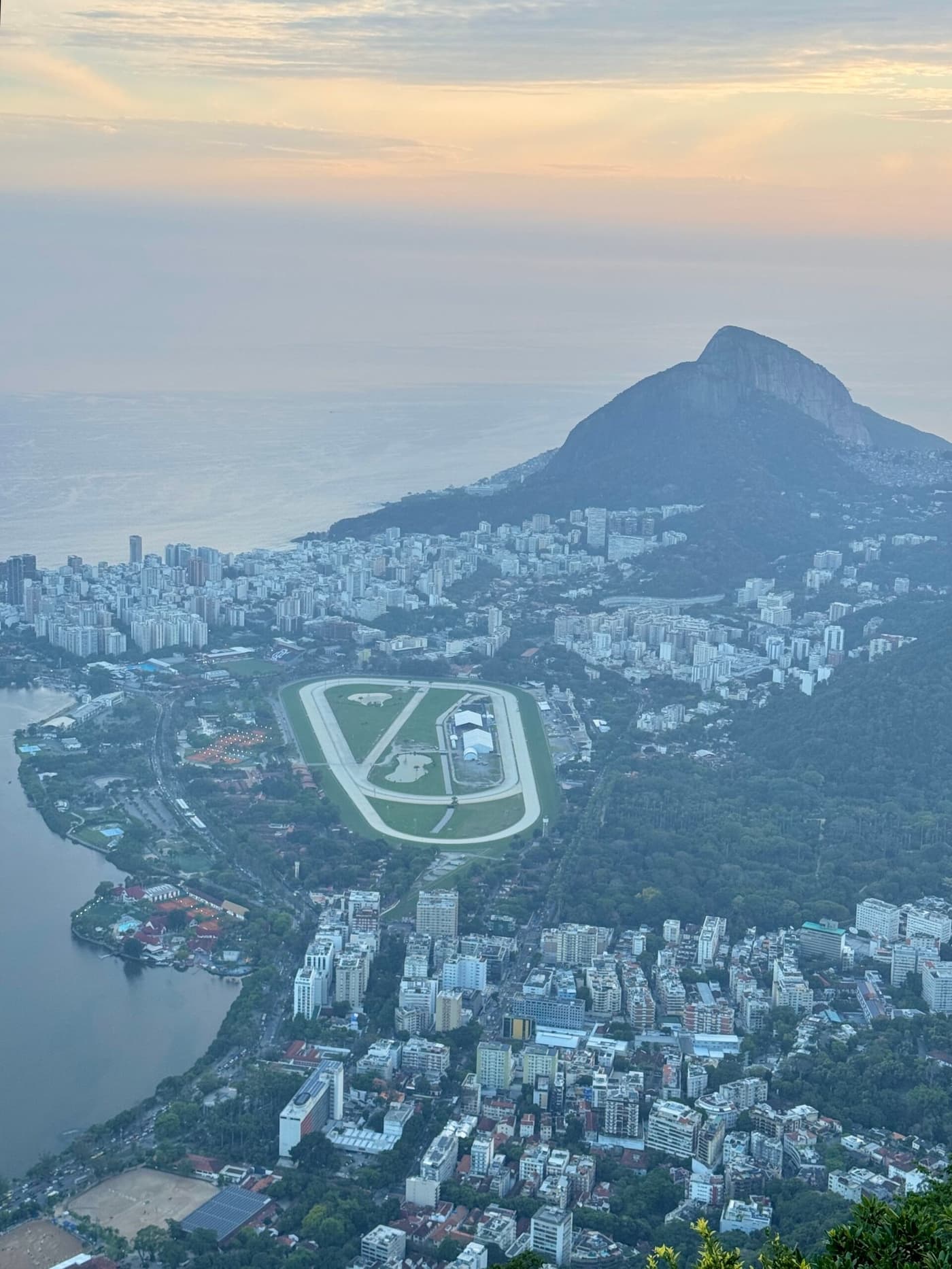
- Rio de Janeiro — one of the best-known cities in the country, famous for Copacabana and Ipanema beaches, Carnival and the Christ the Redeemer statue. I wrote about everything important in Rio de Janeiro in another article.
- São Paulo — Brazil's biggest metropolis and the country's financial center
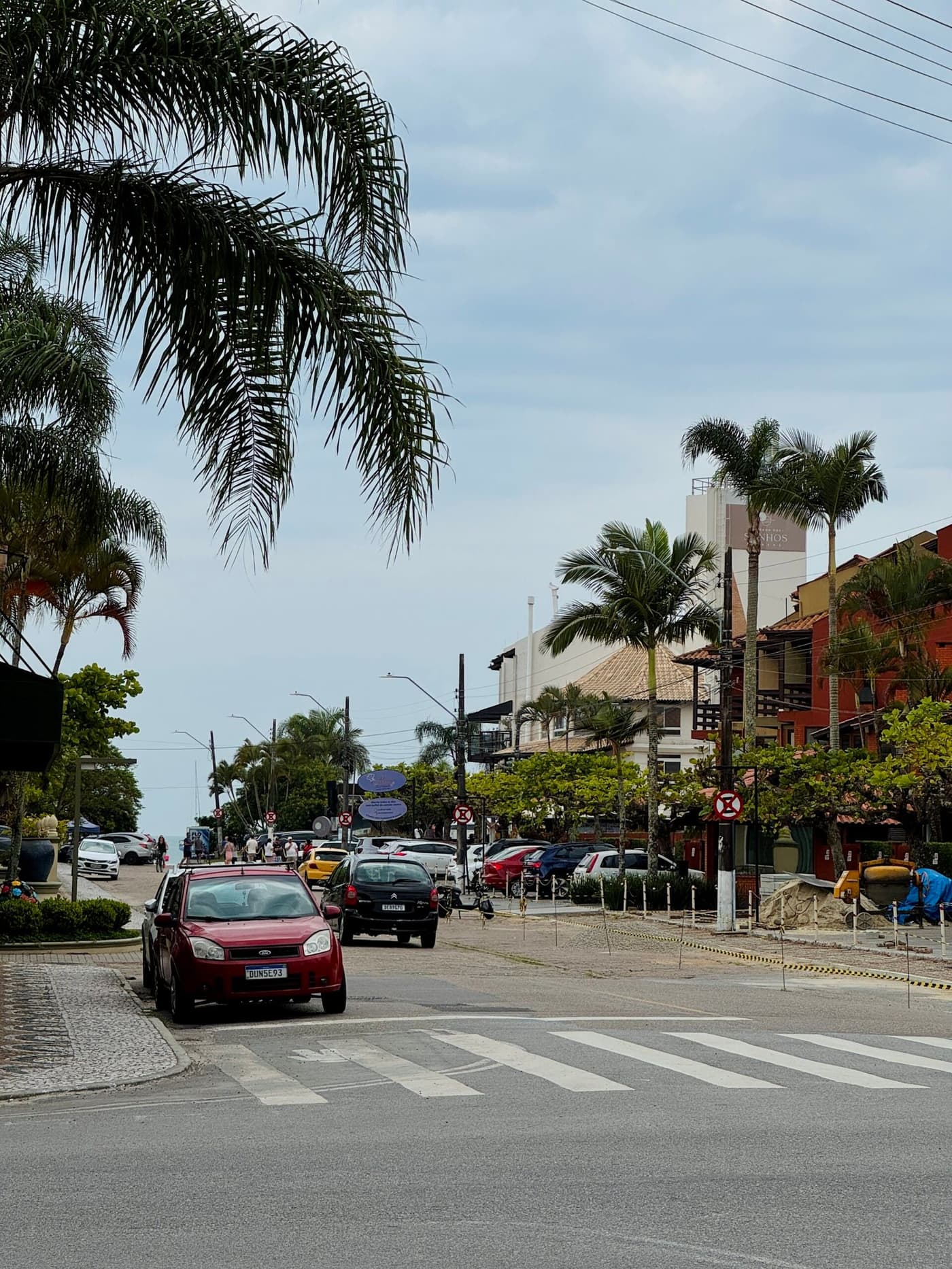
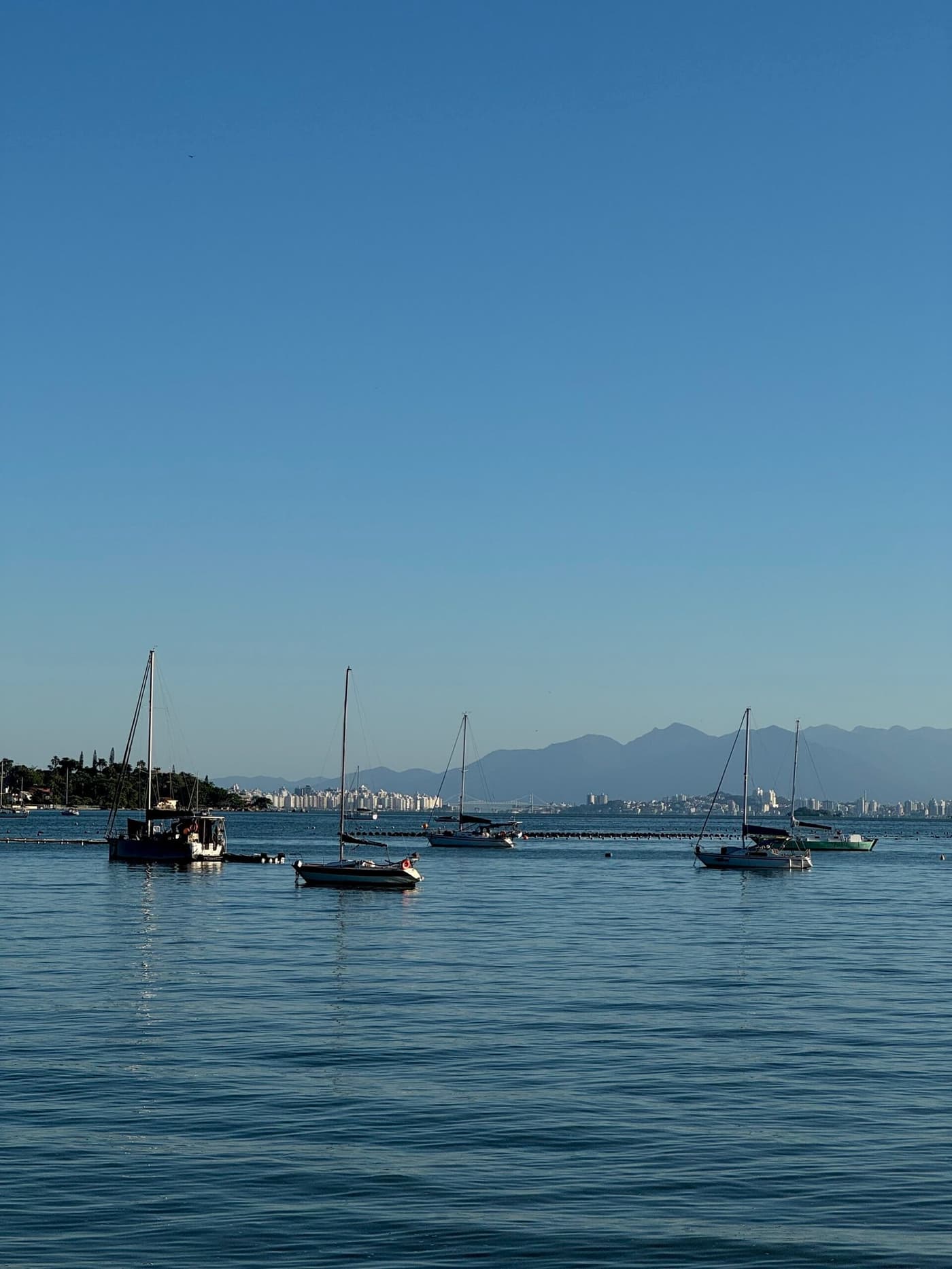
- Florianópolis — an island city popular for its beaches, nature and relaxed pace of life. I recommend reading my detailed guide to Florianópolis island.
- Blumenau — a city with a European heritage, known for its German architecture and beer festivals. Read about what Blumenau is famous for, what to see and what to do in my detailed guide.
- Foz do Iguaçu — a tourist hub next to Iguazu Falls and the border with Argentina and Paraguay. I described how we visited Iguazu Falls on the Brazilian and Argentine sides in another article.
- Curitiba — one of the most comfortable and eco-friendly cities in Brazil, often called a model of urban planning. I recommend reading my detailed guide to Curitiba, Brazil.
These cities differ greatly in atmosphere, climate and lifestyle, so where you go in Brazil depends largely on the purpose of your trip: a beach vacation, nature, cultural events or a calm city setting.
What language is spoken in Brazil
The official language of Brazil is Portuguese. In big tourist centers, hotels and airports you can find English-speaking staff, but English is not widely spoken. Knowing a few basic Portuguese phrases, or installing a translator on your smartphone, will make communication much easier during your trip.
What is the currency of Brazil
The official currency of the country is the Brazilian real (BRL). It is the national currency, and you use it in shops, cafés, markets, taxis and for tours. As you prepare for the trip, it is worth checking the approximate exchange rate and how cash and bank cards work in Brazil.
Do you need a visa for Brazil?
When I checked the rules in October 2026, visitors from eligible countries did not need a visa for tourist trips to Brazil and could stay without a visa for up to 90 days. Entry rules depend on your passport, so confirm the current requirements for your own citizenship with the Brazilian consulate or the Brazilian Federal Police before you book.
Under many of Brazil's bilateral visa-exemption agreements, a stay is limited to 90 days in each 180-day period counted from the date of first entry. Brazil's general migration decree (Decree 9.199/2017) allows a visitor stay to be extended by another 90 days through the Brazilian Federal Police (no more than 180 days per “migratory year”, a 12-month period counted from the date of first entry), but only for nationals of countries that grant Brazilians reciprocal treatment, and you must apply before the first 90 days end. Some bilateral agreements allow an extension only in cases of force majeure. Whether an extension is possible for your passport is best confirmed in advance with the Brazilian Federal Police.
Main entry rules for Brazil
At the border you need to present:
- a valid passport (officially it must cover your whole stay; in practice a margin of at least 6 months from your entry date is recommended)
- proof of the purpose of your trip (for example, an accommodation booking)
- possibly a return air ticket
In fact, they rarely ask for these on arrival in Brazil. Border officers in Brazil are lenient and friendly. But you may be asked at check-in and before boarding, especially on Turkish Airlines flights.
If you plan to work, study or live in Brazil for more than 90 days, you need the appropriate visa or residence permit. Such cases require individual review at a Brazilian consulate.
What documents do you need for a trip to Brazil
Before traveling to Brazil, it is important to prepare all the main documents in advance. Even with visa-free entry, missing paperwork can lead to extra questions at the border or a refusal of entry.
Passport for a trip to Brazil
You need a valid passport to enter Brazil. Officially, the minimum validity of the passport must cover your stay in the country, but in practice it is recommended to have a margin of at least 6 months from your entry date.
The passport must also have blank pages for entry and exit stamps. Damaged or badly worn passports can raise questions with border officers.
Do you need travel insurance for Brazil
Medical insurance is not a mandatory requirement for entering Brazil, but I strongly recommend always getting insurance.
Emergency medical care in Brazil is free for everyone, but help is given by order of urgency. For example, if you have a dislocated joint and someone is brought in with a stab wound, you will have to wait.
Private healthcare in Brazil is good, but very expensive. That is why insurance is especially important if you plan active travel and trips to remote regions.
It is best to choose a policy with coverage of at least $30,000-50,000 and emergency medical care included.
Return ticket and proof of accommodation
When you enter Brazil, you may be asked for:
- a return ticket or a ticket to a third country
- proof of accommodation (a hotel or apartment booking, or an invitation)
In practice, these documents are almost never requested, but border officers are entitled to ask for them (Decree 9.199/2017). It is better to have them printed or in electronic form to avoid unnecessary questions at passport control.
Proof of funds
Immigration officers have the right to check that you have enough money for your stay in the country.
Usually the following is enough:
- a bank card
- a bank statement
- cash
There is no officially fixed amount, but it is important to show that you can pay for accommodation and expenses during the trip yourself.
Driver's license and car rental in Brazil
If you plan to rent a car, bring your national driver's license and an International Driving Permit (IDP). Under CONTRAN Resolution 933/2022, a foreign driver may drive in Brazil for up to 180 days from the date of entry while the license is valid. If the license was issued by a party to the 1968 Vienna Convention, it must be carried together with a valid IDP. Confirm whether this applies to your country, and what the rental company itself requires, before you book.
To rent a car in Brazil you must have a credit card. The rental company holds the security deposit on it.
When you pick up the car, the deposit amount is blocked on the card, and after you return the car, if everything is fine, the transaction is canceled. The money comes back at different speeds, depending on the bank that issued the card.
So the basic set of documents for a tourist trip to Brazil looks like this:
- passport
- return ticket
- accommodation booking
- medical insurance
- a credit card that works worldwide, and optionally cash in US dollars.
Money in Brazil: currency, cards and payments
Money is something everyone deals with every day. It is important to understand in advance which currency is used in Brazil, whether bank cards work and how much cash to bring.
What is the currency of Brazil and what money do people use
The official currency of Brazil is the Brazilian real (BRL). Prices in shops, cafés, transport, markets and for services are quoted in reais.
Foreign currency (dollars or euros) is not accepted directly, so after you arrive you need to exchange money into reais or use bank cards.
Can you pay by card in Brazil
Bank cards are widely used across the country, especially:
- in big cities
- in shopping malls
- in supermarkets
- in cafés and restaurants
- in hotels
Visa and Mastercard are the cards most often accepted. Keep in mind that small shops and markets take only cash, sometimes you may be asked for an ID document to pay by card, and terminals do not always work reliably.
That is why I do not recommend relying on a card alone.
What is PIX and how is it used in Brazil
PIX is the national instant payment system that people in Brazil use actively. It is used to pay for:
- purchases
- services
- rent
- taxis
PIX is usually not available to tourists, since it requires a Brazilian bank account and the CPF tax number. There have been cases of foreigners managing to open bank accounts in Brazil even on tourist status. We have not tried it, so I do not have exact information.
The Brazilian tax number (CPF)
During a trip to Brazil you will very quickly be asked to show your CPF. Many services and companies ask for this number, so tourists naturally wonder what it is and whether they need it at all.
What is a CPF in Brazil
CPF (Cadastro de Pessoas Físicas) is an individual taxpayer number for a person in Brazil. It is used to identify a person in financial, legal and everyday transactions.
Essentially, the CPF is a personal tax ID, and citizens and residents of Brazil use it for most things they do in the country.
Why a tourist might need a CPF
Formally, tourists in Brazil do not need a CPF. In practice, though, travelers often run into situations where it is hard or impossible to use certain services without one.
You may need a CPF:
- to buy a SIM card from local operators
- to rent long-term housing
- to sign up for subscriptions and online services
- to register in some apps
- we arrived with a cat and the vet asked for it when we were preparing the documents for the cat's flight.
- CPF is often requested in supermarkets and when registering at condominiums.
That is why many tourists and long-stay travelers get a CPF before arriving in Brazil. I wrote a detailed article about how we got the Brazilian tax number (CPF) at the Brazilian consulate in Yerevan. This experience may be useful to you.
When you cannot manage without a CPF
A CPF is most often required by:
- mobile operators
- internet providers
- delivery services and marketplaces
- banks and fintech services
- government and semi-government services
In tourist areas you can sometimes manage without a CPF, but outside popular resorts not having one can be a serious limitation.
Can you travel around Brazil without a CPF
Yes, a short tourist trip is possible without a CPF. You will be able to:
- stay in hotels
- pay in cash and by card
- use transport
- visit sights
However, if you plan:
- a long stay
- active use of local services
Then it is better to get a CPF in advance.
I described in a separate article how we got a CPF at the Brazilian consulate in Yerevan. This experience may carry over to other consulates in other countries.

Mobile service and internet in Brazil
Mobile service and internet in Brazil are well developed, especially in big cities and tourist regions. There are some specifics that tourists should keep in mind.
Internet in Brazil for tourists
In big cities and resorts the internet works reliably. Wi-Fi is available in hotels and apartments, cafés and restaurants, shopping malls and airports.
Internet speed is usually enough for navigation, messengers and work. In remote regions and small towns the connection can be weaker or unstable.
SIM cards and eSIM in Brazil
Tourists have two main options:
- a physical SIM card from a local operator
- an eSIM from international providers
An eSIM is the easiest option for a short trip: you can install it in advance and use the internet right after landing. I use an eSIM from Airalo or drimsim, or pick one on the Klook site. It is the most reliable option and removes a lot of headaches.
A physical SIM card is usually cheaper, but buying one in Brazil requires a CPF, so tourists without a tax number cannot get a SIM card that way. The only option is to look for small shops and ask whether they can sell you a prepaid SIM card. Travelers on Reddit have shared successful experiences.
Mobile operators in Brazil
The largest mobile operators:
- Vivo
- Claro
- TIM
Coverage is good in cities and on the coast, but in rural areas the quality of service depends on the specific operator.
Wi-Fi in cities and public places
Free Wi-Fi is available in many public places, but it often requires registration, the speed is limited and the security of the connection is not guaranteed.
For banking apps and personal data it is better to use mobile internet.
Safety in Brazil: what to know
Safety in Brazil worries almost everyone planning a trip. It is important to understand that the situation depends heavily on the city, the neighborhood and your lifestyle. If you follow the basic rules, traveling around Brazil can be quite comfortable and safe.
Is it dangerous for a tourist to go to Brazil
Brazil is certainly not the safest country in the world, and it is important to understand that. Yes, thefts and unpleasant situations happen here, especially in big cities. But millions of people live and travel in Brazil every day, and for most of them everything goes smoothly.
It is important to understand the reality of the country and be prepared for it.
What to know about safety in Brazil
In Brazil the following really do happen more often than in Europe and Asia:
- pickpocketing
- phone snatching
- petty street theft
- armed robbery
Usually the goal is to take your belongings and leave, not to hurt you. In such cases there is no point in resisting, since belongings here are not worth risking your life for. This does not mean that something will necessarily happen to you, but it does mean you should not relax completely, especially in big cities and tourist spots.
Phone, money and documents
The phone is the most common target. It can be:
- snatched out of your hands
- taken at gunpoint
- demanded along with your wallet
Many tourists, including us, carry a simple spare phone, a small amount of cash and the minimum number of cards.
I bought a long double phone lanyard: one strap to wear across the body and an extra one for the wrist. It will not protect you in an armed robbery, but it works well against phone snatching, which happens quite often in Brazil.
We also bought under-clothing body pouches that hold a little cash and one bank card. Separately, we set aside a special "street card" that holds no money and has its own separate account, so we are not afraid if it is stolen or lost.
It is sensible to keep your main documents and money separately or in a safe.
Basic safety rules in Brazil
Main recommendations to minimize risks:
- do not carry large amounts of cash
- do not show off expensive phones and jewelry
- use backpacks and bags with zippers or clasps
- avoid empty streets after dark
- do not get into conflicts
- look as simple as possible, preferably a bit casual and not wealthy
The less you stand out as a tourist or as a wealthy person, the calmer the trip goes.
Areas where you need to be extra careful
Big cities such as Rio de Janeiro and São Paulo have areas with a higher crime rate. Before your trip:
- research in advance the neighborhoods where you will stay
- choose accommodation in popular, well-lit places
- avoid favelas without a guide
If you are unsure about a neighborhood, it is better to ask the host or the hotel staff. You can also look at street panoramas on Google Maps.
Taxis, Uber and transport from a safety point of view
To get around the city, use Uber, avoid random private drivers and order transfers through well-known global apps.
Public transport is generally safe, but at rush hour and on crowded buses you should be especially careful with your belongings.

Best time to visit Brazil
Brazil is a big country with different climate zones, so the best time to go depends on the region and the purpose of your trip. The country is huge, and the seasons work differently here.
Southeast Brazil
Rio de Janeiro, São Paulo
The best time to go is December to March if you are after beaches and the ocean.
This is the Brazilian summer:
- hot
- warm water
- lively beach life
- high season
Rain is possible, but it is mostly short downpours.
The shoulder months of April-May and September-November are often the most comfortable: fewer people and milder weather.
South Brazil
Florianópolis, Blumenau, Curitiba
The best time is December to March:
- warm
- the ocean is good for swimming
- the beach season is in full swing
In winter (June to August):
- cold
- the ocean is cold
- beach vacations are limited
But it is a good time for cities and nature.
West and the border with Argentina
Foz do Iguaçu
The best time is March to May and August to October.
In these months:
- it is not so hot
- it is comfortable to walk near the waterfalls
- humidity is lower
In summer it can be hard here because of the heat and mugginess.
Northeast Brazil
Fortaleza, Natal, Recife, João Pessoa and the coast between them
This is one of the best regions in Brazil for a beach vacation.
The best time to go is September to March.
Why:
- warm ocean all year round
- lots of sunny days
- long beaches
- stable weather
The rainy season here usually falls in April-July (around Fortaleza, roughly February to May), but even then the rains are often brief and do not last all day.
This region is especially popular in the European winter, with surfers, and with people looking for beaches without the crowds of Rio.
North Brazil and the Amazon
The best time is June to October:
- less rainfall
- easier to get around
- tours are more comfortable
From December to May is the rainy season. Trips are possible, but conditions are harder.
Weather and climate in Brazil
The climate in Brazil is mainly tropical and subtropical. In most regions the air temperature rarely drops below +20 °C during the year, and in some it stays at +25…+30 °C almost constantly. The exception is the south of the country (Curitiba, Blumenau, Florianópolis): in winter, from June to August, it is cold there.
It is important to understand that the north is hotter and more humid, the south has a milder climate, and the weather in coastal cities is more comfortable than inland.
Rainy season in Brazil
In most regions of Brazil the rainy season runs from November to March; the exceptions are the Northeast coast (roughly April-July) and the north of the country with the Amazon (December-May). Humidity rises, short but intense downpours are possible, and the weather becomes less predictable.
Still, the rain usually comes in short spells, and traveling remains possible, especially if you do not plan active excursions every day.
High and low tourist season
High season:
- December — February
- the Christmas holiday period
- summer school holidays in Brazil
During this time prices for accommodation and flights are higher, there are more tourists and popular resorts are overcrowded.
Low season:
- March — April
- May — June (except for holidays)
This is a good time for a calmer, more budget-friendly trip.
Carnival in Brazil: when it is held and whether it is worth going
Carnival is one of the best-known events in the country. It usually takes place in February or early March, and the dates change every year.
During Carnival prices rise sharply, the flow of tourists grows and you need to book accommodation in advance.
Carnival is a vivid experience, but for a first trip it does not suit everyone because of the noise, the crowds and the high cost of accommodation.
Transport in Brazil
Brazil is a huge country, so the choice of transport plays a key role when planning a route. Tourists most often combine domestic flights and city transport.
How a tourist can get around Brazil
For travel around the country people use:
- planes
- intercity buses
- taxis
- car rental
The choice depends on distance, budget and time. For travel between regions, a plane is usually the most convenient option.
Domestic flights
Domestic air travel in Brazil is well developed. Planes are the fastest way to get between cities, especially when the distance is long, and in Brazil it is almost always long.
There are airports in almost all big cities, and flights often take 1-3 hours, while a bus trip can stretch to a day or more.
Buses, taxis and Uber in Brazil
Intercity buses are a popular and relatively inexpensive option, but they do not suit everyone because of the long travel times.
In cities, tourists most often use:
- Uber
- official taxis
- local ride-hailing apps
Uber is considered one of the most convenient and safest ways to get around a city.
Car rental in Brazil
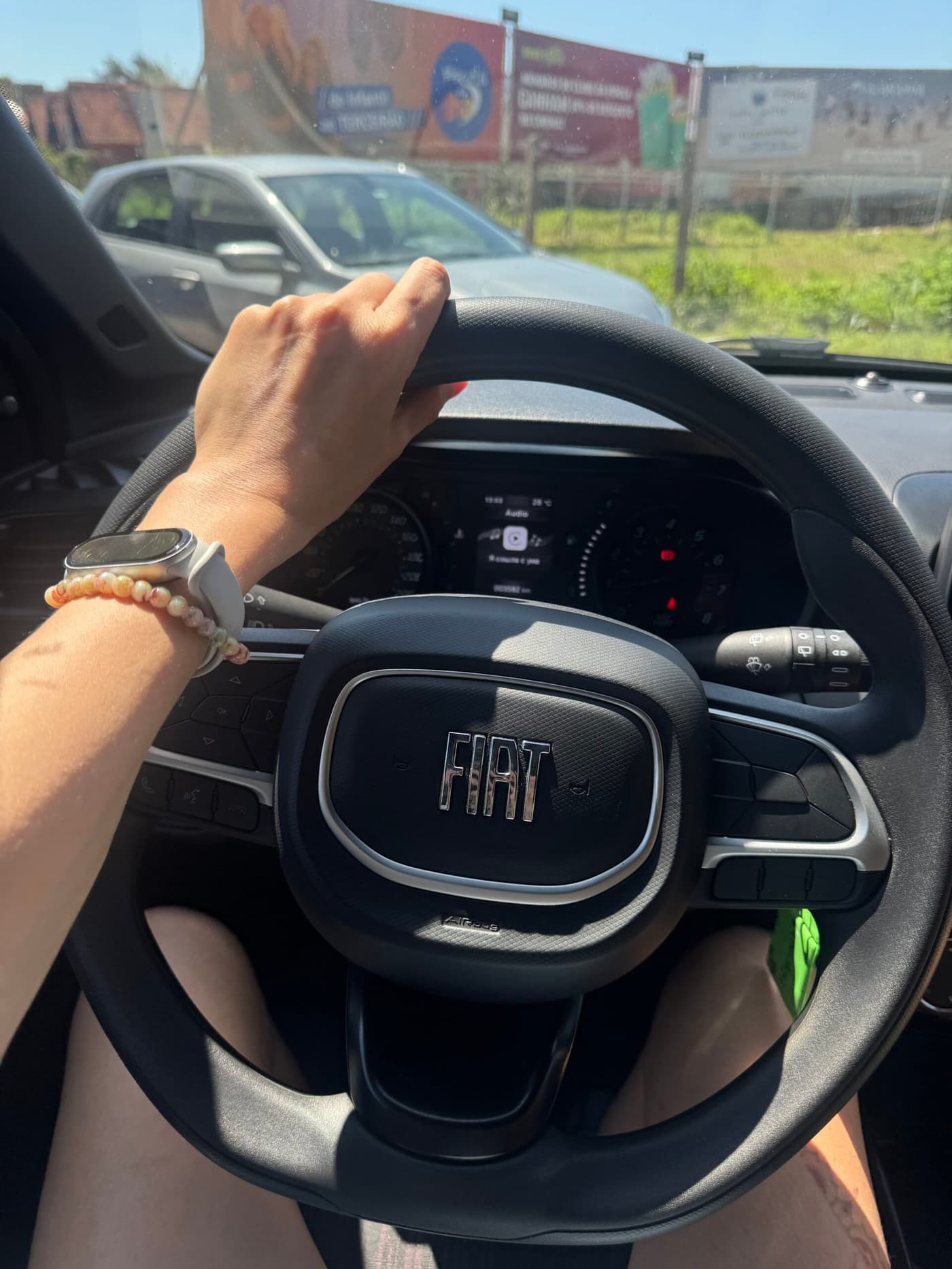
Renting a car in Brazil is a very convenient and inexpensive way to get around, especially if you plan to travel between cities, beaches or regions.
We traveled in many places around Brazil in a rental car. Rental prices are reasonable and the deposit is not very big.
A car gives you the freedom to go to remote beaches, nearby towns and national parks. You can travel at your own pace without depending on bus schedules, and stop at places that are hard to reach by public transport.
It is important to remember that renting a car requires a credit card, since the deposit is blocked on it.
Useful apps for a trip to Brazil
Your phone is the main helper for a tourist and traveler in Brazil. Most everyday tasks here are easy to handle through apps: from transport and food to translation and navigation.
Navigation and transport
For getting around and finding your way in cities, people most often use:
- Google Maps — navigation, public transport, walking routes
- Waze — especially popular with drivers and taxis
- Uber — the main taxi service in most cities
- 99 — a local equivalent of Uber, sometimes with lower prices
These apps help you avoid unnecessary questions and language difficulties.
Food and delivery
Food delivery services are very well developed in Brazil:
- iFood — the most popular food delivery service
- Rappi — delivery of food, groceries and small items
Through these apps you can order food to your hotel or apartment and pay for orders by card, but you cannot register there without a CPF and a Brazilian phone number.
Translation and communication
Since very few people in Brazil speak English, it is useful to install in advance:
- Google Translate with the offline Portuguese pack downloaded
- WhatsApp — the main messenger in Brazil, used by hotels, hosts, couriers and services
Booking accommodation and tickets
For searching and booking, tourists most often use:
- Booking — hotels and apartments
- Agoda — an alternative to Booking, useful for comparing prices across different services
- Airbnb — apartment rentals, especially for medium-term stays
- Trip.com / Aviasales — flight search
These services let you compare prices and plan your route in advance.
Brazil is a bright, diverse and very distinctive country that can give you an unforgettable travel experience. For the trip to go comfortably, it is important to understand the key points in advance.
Frequently asked questions about traveling to Brazil
Can you go to Brazil without speaking the language?
Yes, you can go to Brazil without knowing Portuguese, especially in tourist areas. English is rarely and poorly spoken in Brazil. I recommend installing Google Translate and learning basic Portuguese phrases.
How much money should you take to Brazil?
The amount depends on the format of your trip and the city. Brazil is not among the cheapest countries in South America, especially in big tourist cities.
Do foreign bank cards work in Brazil?
Yes, foreign bank cards work in Brazil, especially Visa and Mastercard. However, conversion fees and cash withdrawal limits are possible. That is why I recommend always carrying a little cash.
Is it safe to travel around Brazil on your own?
Traveling around Brazil on your own is possible and quite common. The main safety rules are standard: do not show off valuables, choose proven neighborhoods, and use Uber and official transport.
Is Brazil suitable for a first trip to South America?
Yes, Brazil is suitable for a first trip, especially if you start with tourist cities and neighborhoods and organized routes.