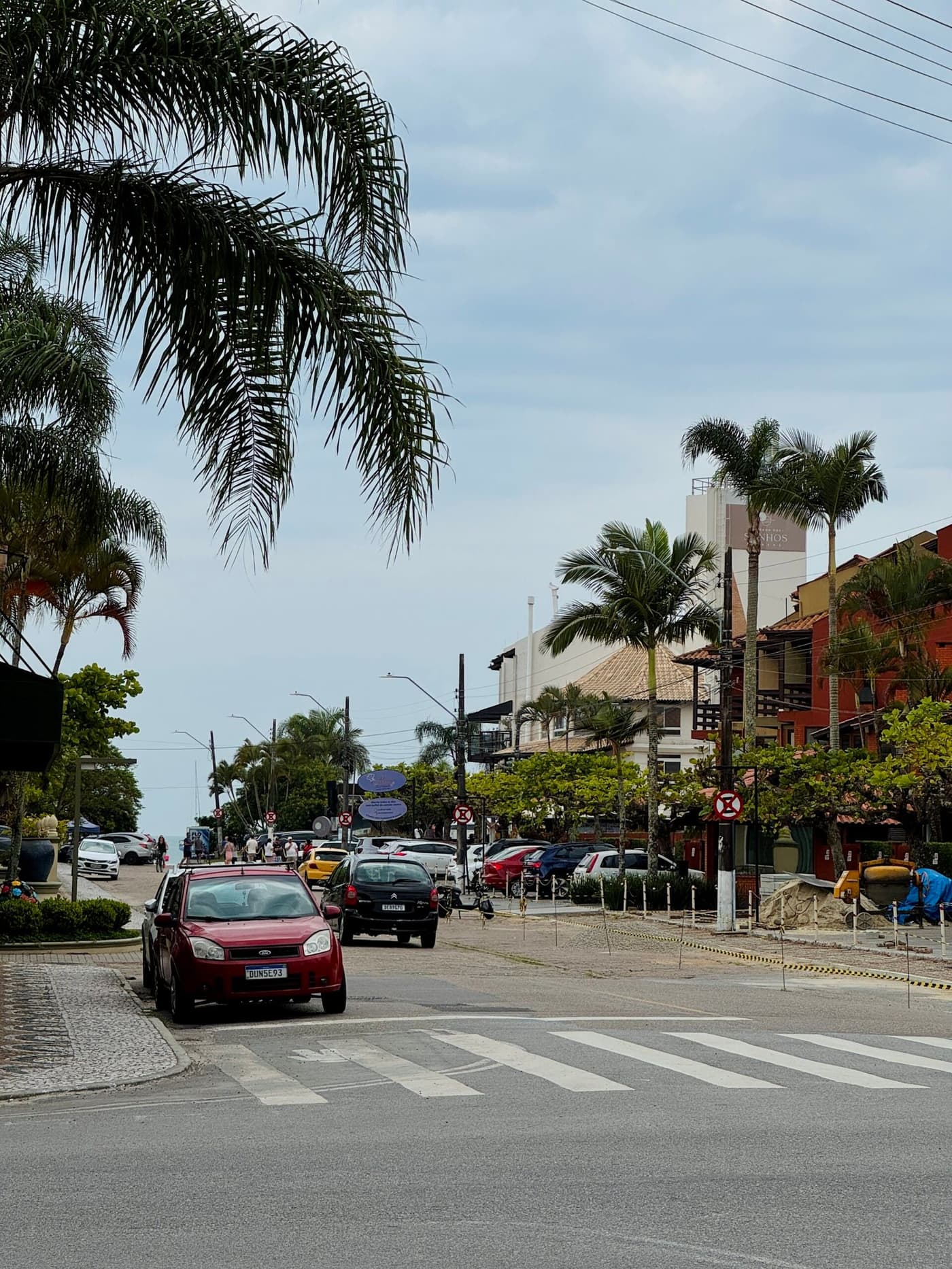
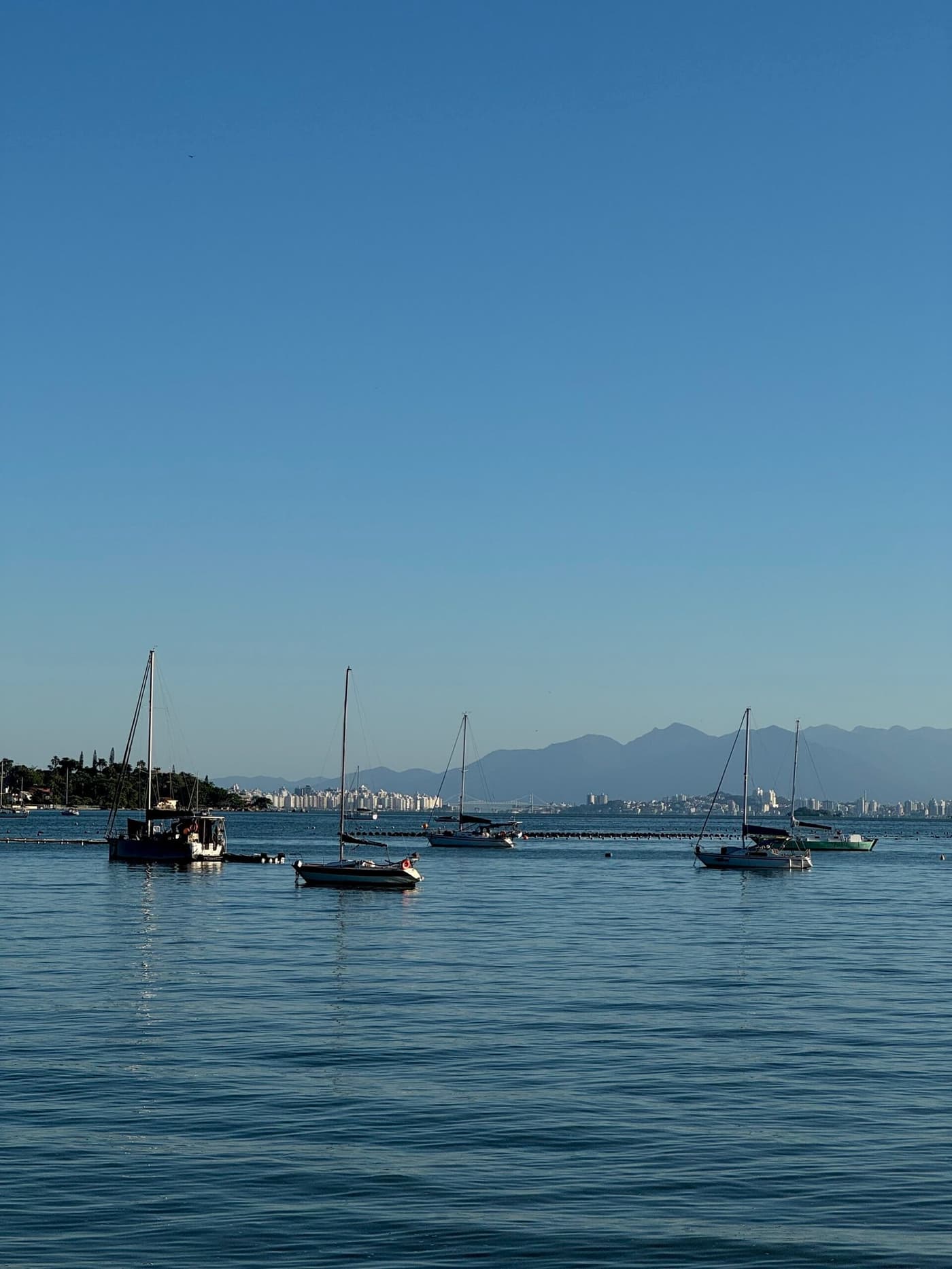
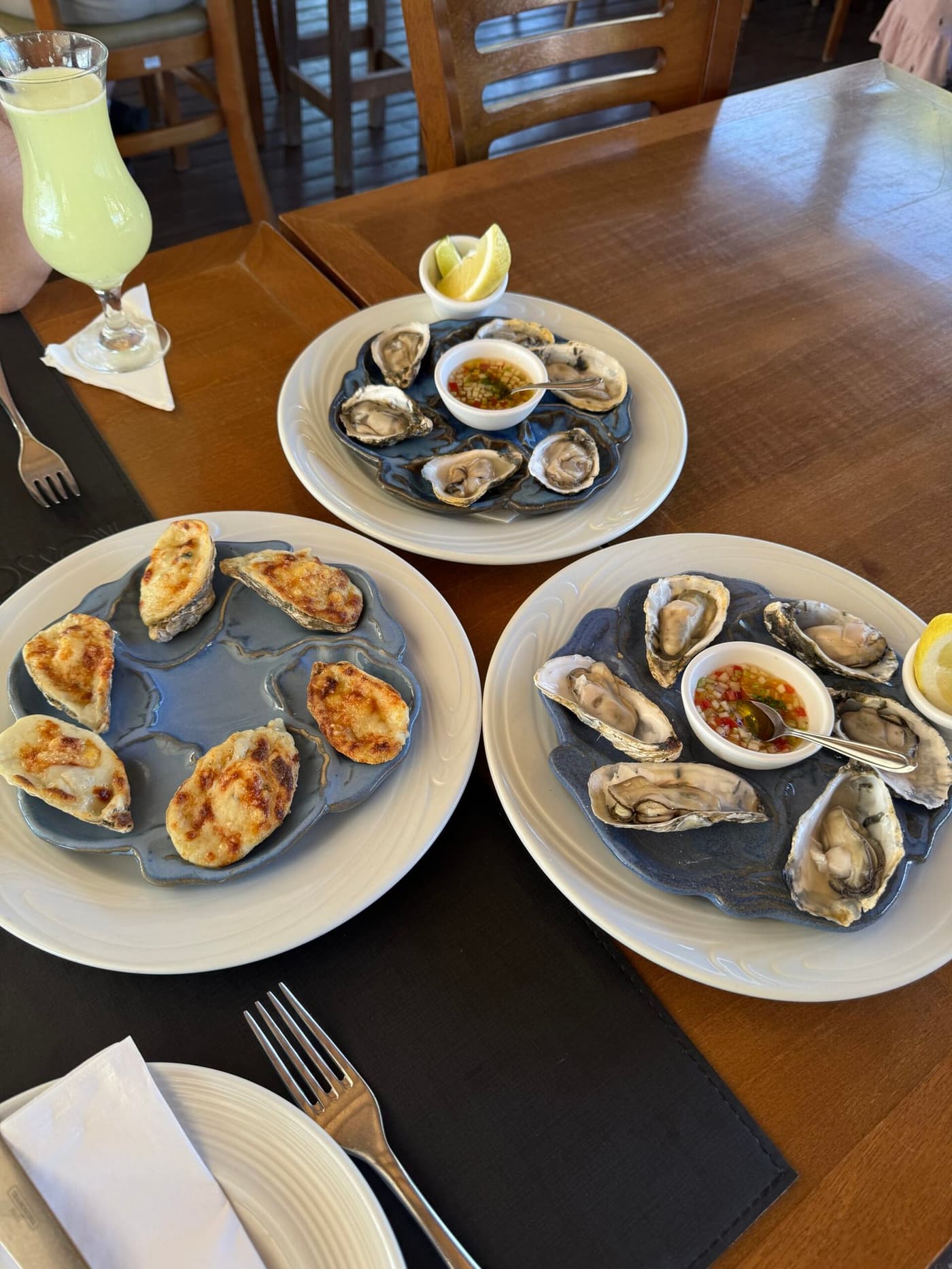
Florianópolis, Brazil is both a city and an island in the south of the country, often named one of the most comfortable places in the region to vacation or live. It sits in the state of Santa Catarina and is known for dozens of beaches, green hills and a laid-back atmosphere.
Most of the city is on Santa Catarina Island, which is connected to the mainland by bridges. That is why Florianópolis combines resort-style nature with full city infrastructure.
Locals often call the city simply "Floripa", an affectionate nickname used by Brazilians.
I put together this guide to help you understand how Florianópolis differs from other Brazilian beach destinations, how many days to plan and when it is best to go. I also cover which areas to choose for your stay and whether the island is a good place to live. You may also want to read my other article, the complete Brazil travel guide for tourists.
Where Florianópolis Is Located
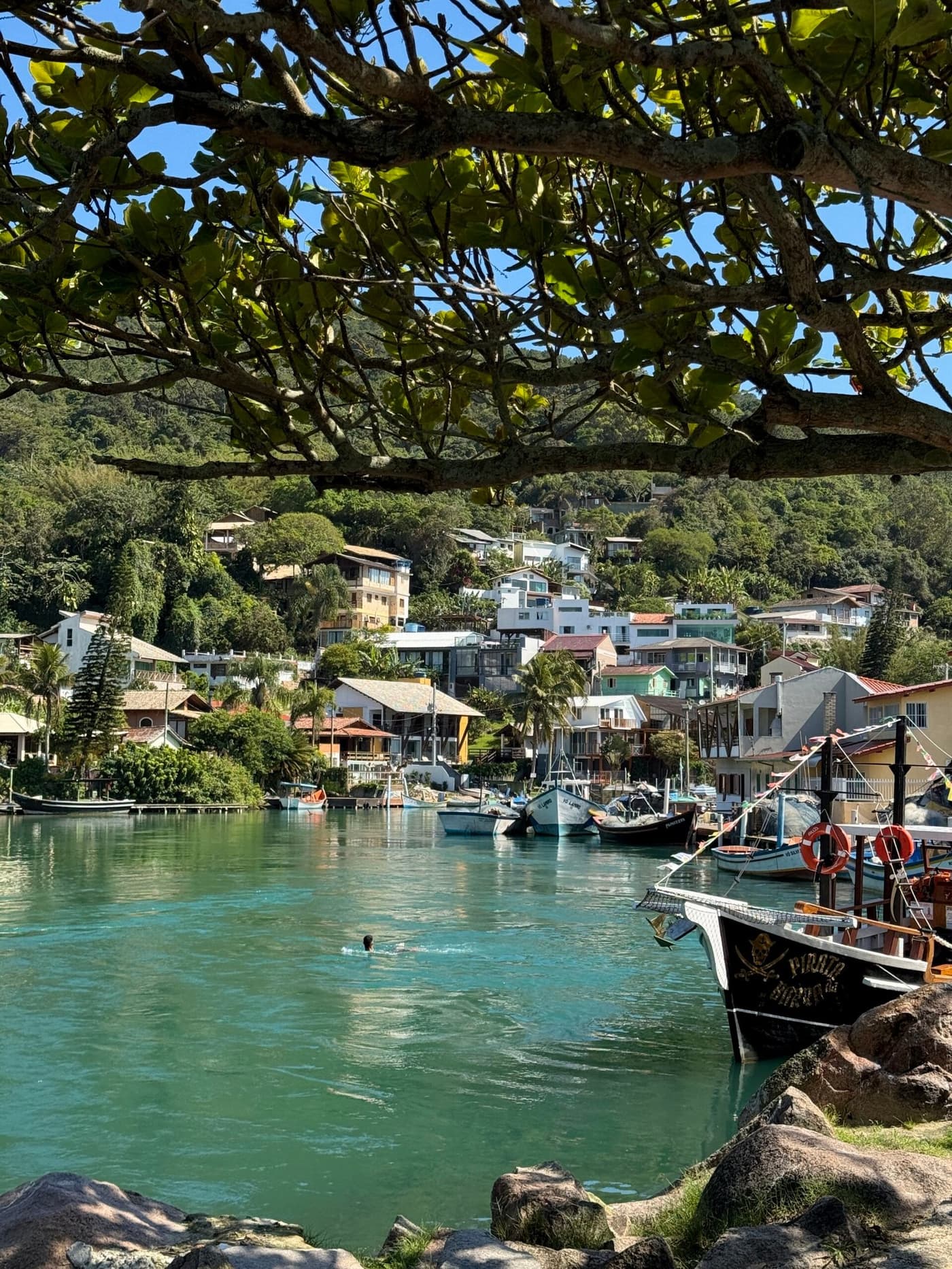
Florianópolis is the capital of the state of Santa Catarina, one of the southern states in Brazil's South Region. The city sits in the Atlantic Ocean on Santa Catarina Island (Ilha de Santa Catarina), and most of its territory is the island itself. The city also stretches a little onto the mainland, and the two parts are connected by bridges.
All around you there are humid lagoons, green hills, and the bright Brazilian sun overhead. That is exactly the picture Florianópolis paints. It is a city that runs along the coast, with beaches, bays, patches of forest and small cozy villages.
Florianópolis is a perfect mix of island nature and city infrastructure.
When people say "Florianópolis Island", they usually mean the island officially called Ilha de Santa Catarina, where most of the city of Florianópolis is located. This is not a tiny resort island but a fairly large piece of land about 54 km long from north to south. It stretches along the Atlantic coast and is separated from the mainland by a narrow strait. Bridges connect the island and the mainland, and the most famous of them is the historic Hercílio Luz bridge, which has become a symbol of the city.
Features and Geography
The eastern side of the island faces the open Atlantic Ocean, with wide beaches and waves. Inside the island there are large lagoons, the best known of which is Lagoa da Conceição. As a result, you will find surf spots, calm bays and kitesurfing areas all in one place.
The island is hilly, with patches of Atlantic Forest (Mata Atlântica). It is not a "flat" resort: many beaches are separated by mountains, and scenic winding roads run between neighborhoods. This geography makes the landscape varied, from rocky cliffs to long sandy stretches.
It is the island's geography that explains why Florianópolis has so many different types of beaches, from windy surfer beaches to quiet lagoon shores. We will go through the best beaches in detail in a separate article.
For travelers, the island is roughly divided into:
- north — more developed infrastructure and popular resort areas;
- center — the historic and administrative part;
- south — wilder, more natural and less built-up areas.
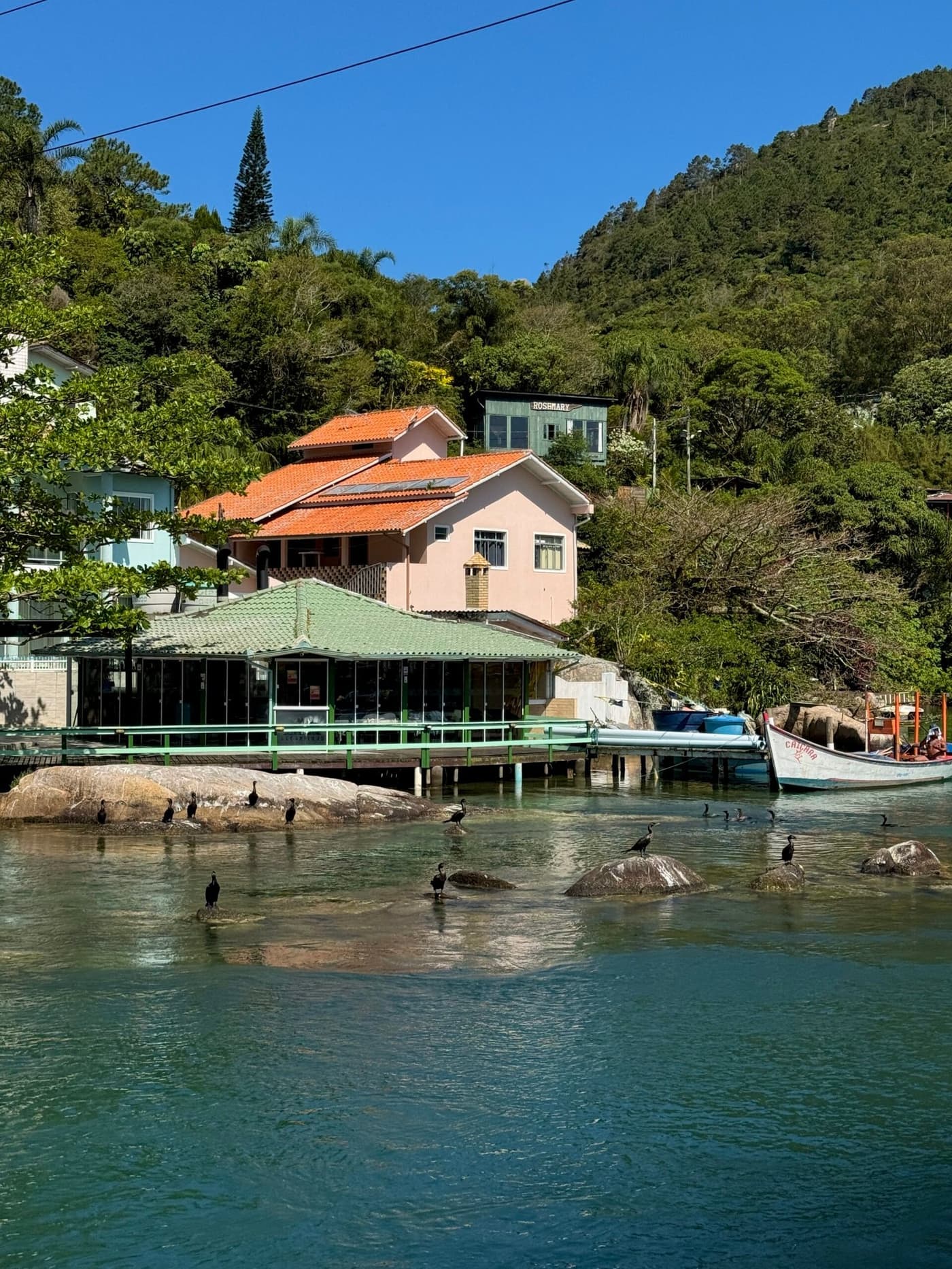
The Island and the Mainland Are One City
Florianópolis is not only an island. The city also includes part of the mainland, but tourist life is mostly concentrated on Santa Catarina Island. In everyday speech, when people say "Florianópolis", they almost always mean the island part.
Florianópolis Island is a mix of ocean, lagoons, hills and dozens of beaches, joined by bridges into a single city with the mainland. This geography makes it not a typical Brazilian beach resort but a more varied and livelier place.
The City of Florianópolis: Population, Atmosphere and Daily Life
Florianópolis is not just a resort island with beaches but a full-fledged city with developed infrastructure, universities and a growing economy. It is the capital of the state of Santa Catarina and one of the most comfortable cities in southern Brazil.
Population of Florianópolis
According to official data from the Brazilian Institute of Geography and Statistics (IBGE), the city has more than 500 thousand residents, and significantly more including the metropolitan area. At the same time, the density of the city feels different from megacities like Rio de Janeiro or São Paulo: there are fewer high-rises and more neighborhoods with private houses and greenery.
This is not a small beach village but a regional center with an active business scene, yet daily life feels unhurried, like in a small town.
The Atmosphere of the City
Florianópolis is often called "Floripa", a local, affectionate and informal shortening. The atmosphere here is noticeably different from Brazil's big tourist hubs. You get a calmer pace of life, clean neighborhoods and well-kept streets, a high level of environmental quality by Brazilian standards, and a mix of city comfort and nature.
You can feel a European influence here: in the state of Santa Catarina, German and Portuguese roots have historically been strong, which shows in the architecture of some neighborhoods and in the general orderliness of the city. Nearby there is another city with strong German roots, Blumenau. If you want to get away from the island for a weekend, I highly recommend stopping by. I have a detailed Blumenau city guide.
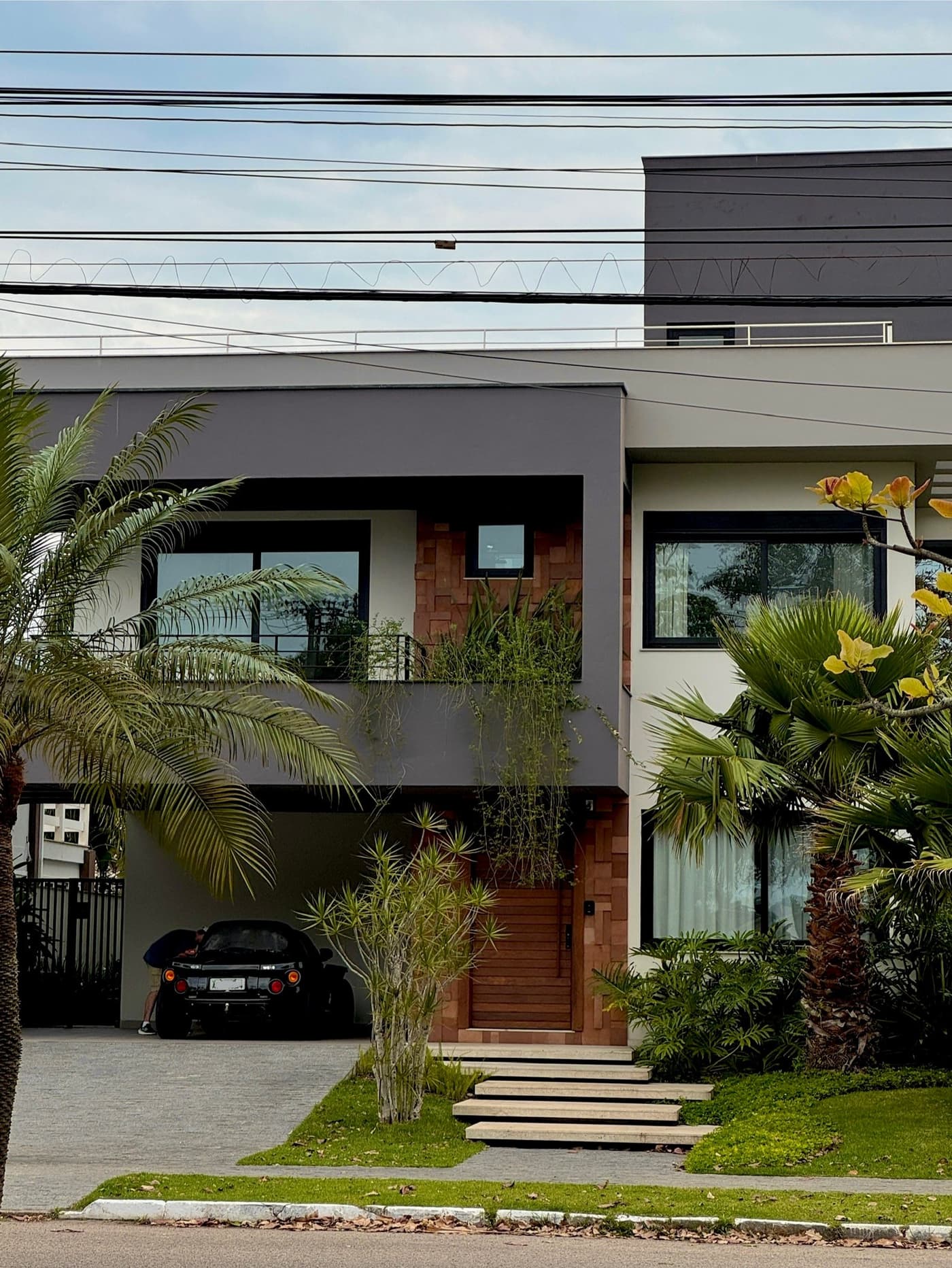
Florianópolis as a Place to Live
The city is often considered for relocation. The reasons are clear:
- a relatively mild climate, although winter here is rather unpleasant
- the ocean nearby
- a growing IT sector, with the city sometimes called Brazil's "Silicon Valley"
- a higher level of safety compared with other large cities in the country.
At the same time, remember that this is still Brazil: there are both prestigious, safe neighborhoods and simpler ones. I will do a detailed breakdown of neighborhoods and safety in a separate article. If you are planning a move to Brazil, remember to check the visa and residence rules with the Brazilian authorities for your own passport.
Tourism and Everyday Life
Florianópolis is a rare case of a city that does not live on tourism alone. Yes, in summer thousands of Brazilians, Chileans, Argentines and other foreigners come here, but outside the high season the city stays relatively lively: universities, offices, restaurants and local businesses keep working. Life on the coast goes quiet, but downtown everything carries on as usual.
It is exactly this combination of island, beaches, state capital and modern city that makes Florianópolis special compared with other Brazilian resorts.
Beaches of Florianópolis: How They Differ and What Types There Are
The beaches of Florianópolis are among the best in the country. And that is no exaggeration.
Santa Catarina Island (Ilha de Santa Catarina) has more than 40 beaches. They differ greatly from one another in waves, infrastructure, atmosphere and even the crowd.
Ocean Beaches
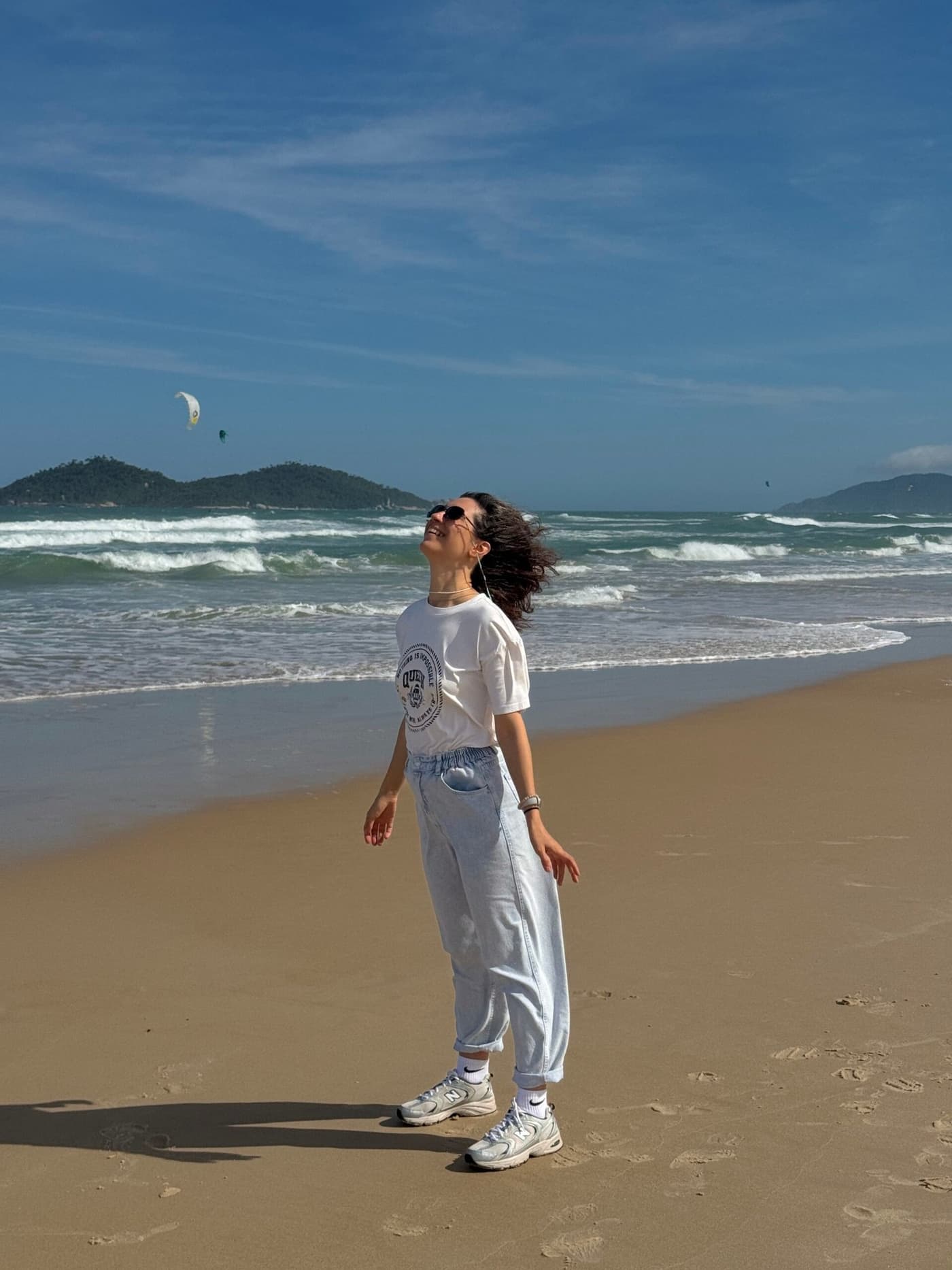
The east side of the island faces the open Atlantic Ocean. Here you get stronger waves and wide stretches of sand. The best known are:
- Joaquina Beach (Praia da Joaquina) — a popular spot among surfers and fans of active vacations.
- Mole Beach (Praia Mole) — a youthful atmosphere, beautiful views and waves.
- Campeche Beach (Campeche) — a long and more "spacious" beach in the southeast of the island.
These beaches suit anyone who loves energy, the ocean and a sense of open space.
The North of the Island: Resort Infrastructure
In the north of the island the beaches are calmer, with well-developed tourist infrastructure:
- Jurerê (Jurerê) — one of the best-known and most upscale areas. The water is calm and the infrastructure is good.
- Ingleses (Praia dos Ingleses) — a popular spot among tourists, especially Argentines in season.
The north is more often chosen by families and by those who want a comfortable beach vacation with restaurants and apartments close by.
Lagoons and Calmer Water
Inside the island there is a large lagoon, Lagoa da Conceição. The water here is calmer with fewer waves, and kitesurfing and stand-up paddleboarding are popular. The atmosphere is more relaxed and "local".
Wild and Natural Beaches
The south of the island is less built up. There you can find more secluded beaches and nature trails. For example, the beach of Lagoinha do Leste can only be reached on foot along a trail or by boat, and it is places like this that give the feeling of a real island rather than a resort.
Why the Beaches of Florianópolis Are So Different
This is directly tied to the island's geography: different sides face either the open ocean or more sheltered stretches of coast. On top of that, the terrain creates natural bays and windy zones.
That is exactly why Florianópolis is chosen by surfers, families with children and people looking for a quiet beach vacation alike.
In a separate article I will go through all the best beaches of Florianópolis in detail, with pros, cons and recommendations on where to stay.
Neighborhoods of Florianópolis: Where Tourists Should Stay
When you start planning a trip, one question comes up almost right away: which neighborhood of Florianópolis is best to stay in? The city is big, the island is long, and its different parts vary a lot in atmosphere.
Administratively it is all one municipality, Florianópolis, but for a traveler, logistics and vacation style matter more.
I wrote about this in another article: the neighborhoods of Florianópolis and where to live, relax and stay.
Centro: The Historic Center and Business District
Centro is the administrative and historic heart of the city. There are old colonial-era buildings that are fun to stroll past, as well as various museums, a botanical garden and markets. Government offices are here too, along with easy access to the bridges and the mainland.
Pros: convenient transport links, closer to the airport, good for a short stop.
Cons: it is not a beach area and has less of a "resort" feel.
Centro is chosen by those who want a city, infrastructure and easy getting around.
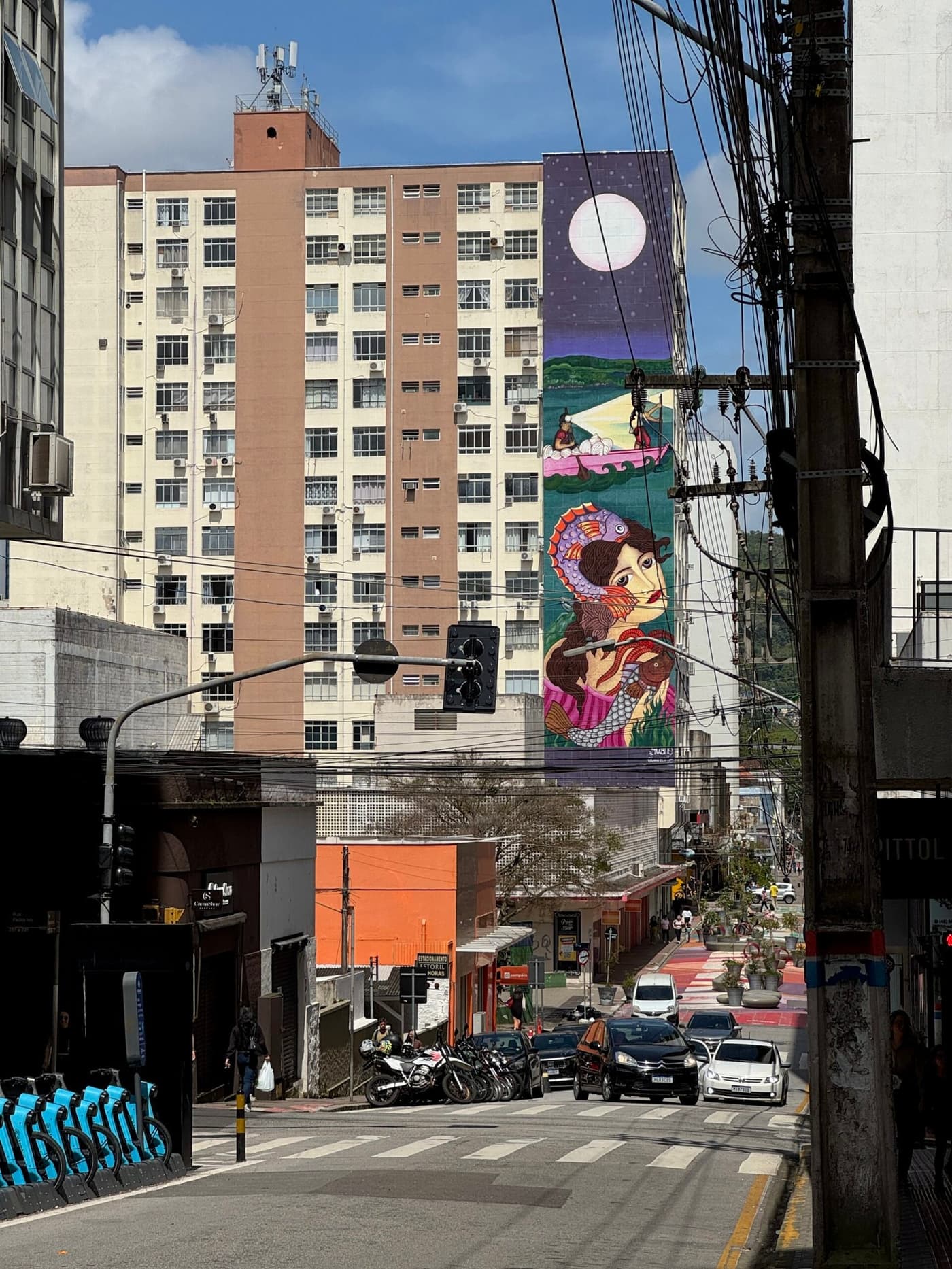
Jurerê: Comfort and Infrastructure
Jurerê is in the north of the island. It is the more resort-like part of Florianópolis and the most expensive area. There are good but pricey apartments, well-kept streets and developed infrastructure. The water at Jurerê beach is calm, which makes it suitable for families with children.
Jurerê is often associated with a higher level of comfort. It suits families and anyone who wants a quiet vacation by the sea.
Lagoa (Lagoa da Conceição): A Balance of Nature and City Life
The area around Lagoa da Conceição is one of the most popular neighborhoods for living and long-term rentals. It is also one of my favorite areas.
There is a large lagoon here and plenty of restaurants and bars. It is also well located, close to both the city center and the ocean beaches.
The area is lively but not chaotic. It is often chosen by digital nomads and by people who come not for 3-4 days but for several weeks.
Campeche: Space and Ocean
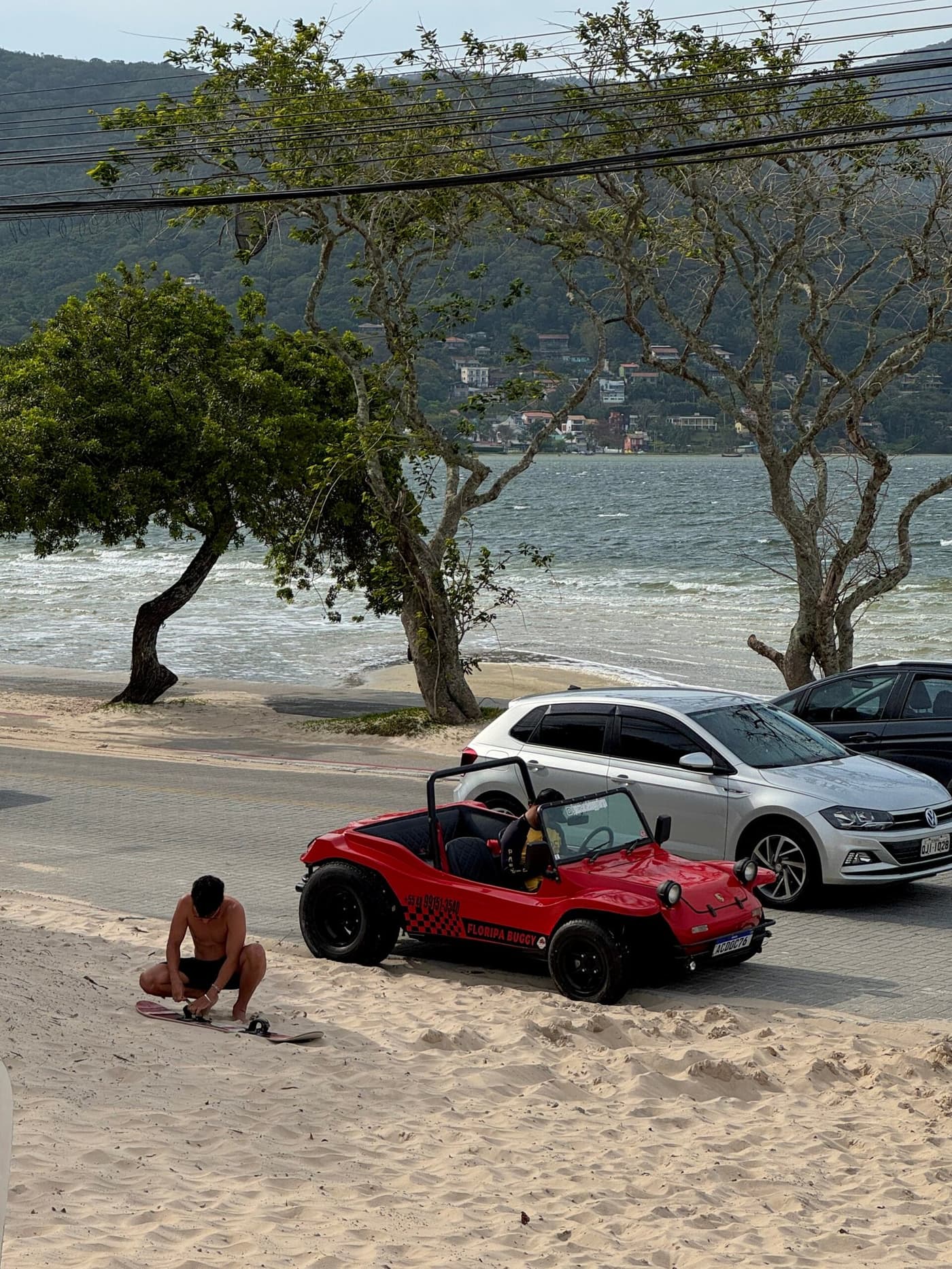
Campeche is in the southeast of the island. It is my favorite area: it has the most beautiful, long beach on the open ocean, less dense building and a sense of space. The area is becoming more and more popular for living, but for now it keeps a more local character.
North, Center or South: Which to Choose?
The island is roughly divided like this:
- North — more infrastructure and tourist activity.
- Center — logistics and city life.
- South — more nature and quiet.
People also often ask which neighborhoods in Florianópolis are safe. In general, the city is considered calm compared with a number of other big Brazilian cities, but, as everywhere, safety and comfort depend on the specific neighborhood. I will write a detailed safety breakdown for the island in a separate article.
What to See in Florianópolis: The Island's Main Attractions
What to see in Florianópolis is one of the most common questions for people planning a trip, and understandably so: the city is not only about beaches. There are beautiful historic neighborhoods, nature trails and viewpoints over the ocean.
Here is a quick rundown of the main sights so you know what to set aside time for.
The Historic Center and the Market
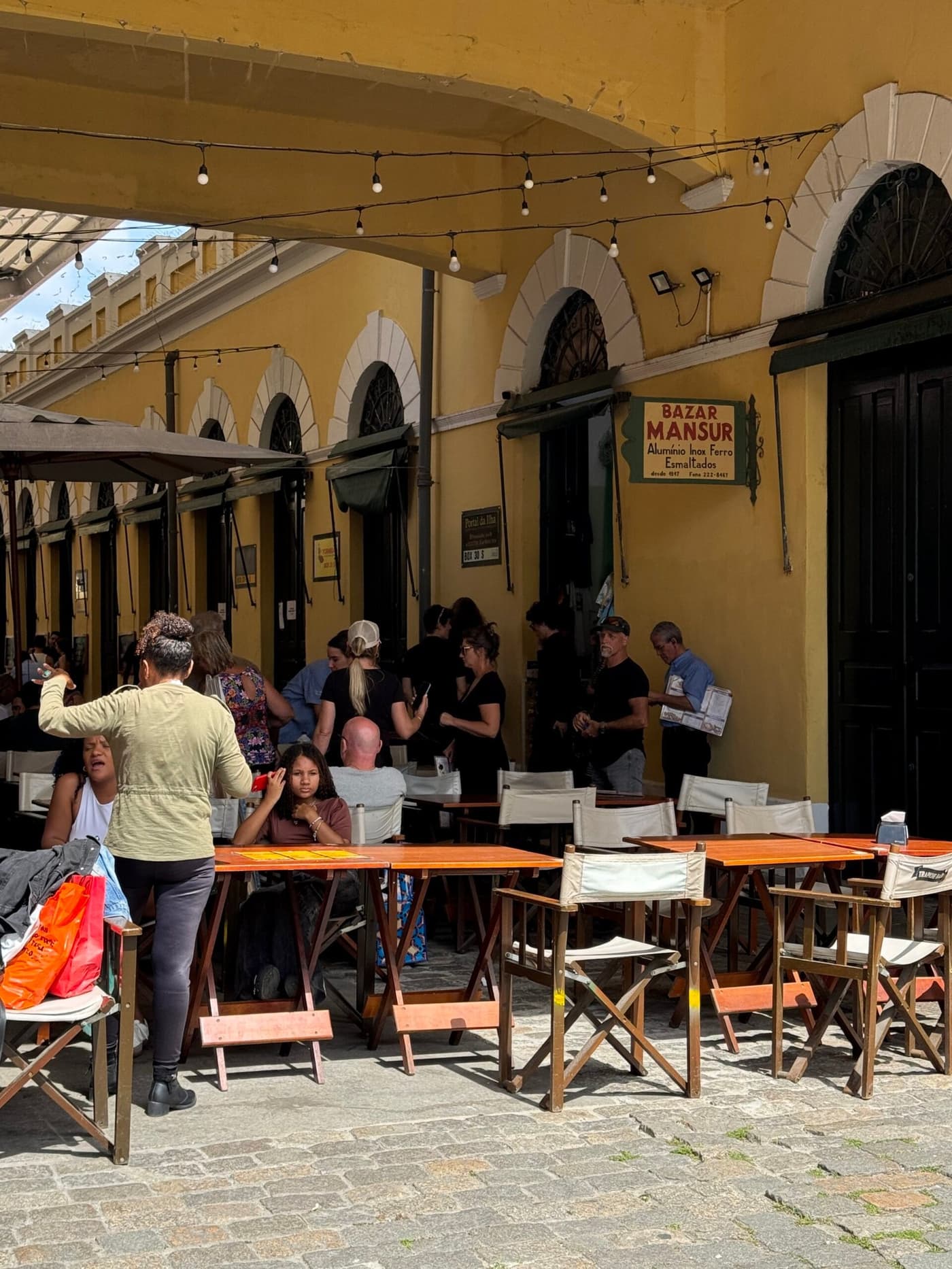
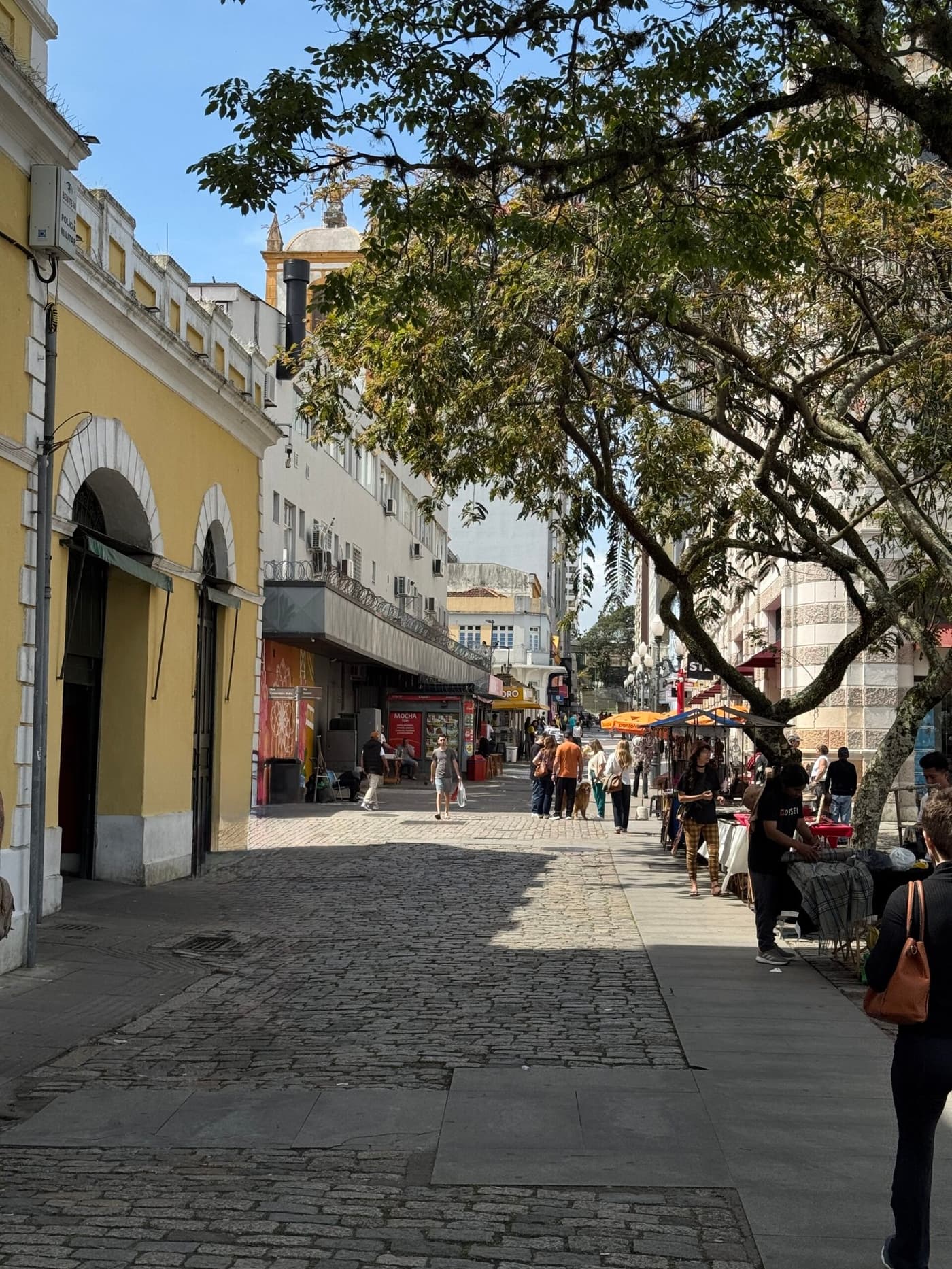
In the Centro area there is an old market, the Mercado Público de Florianópolis. It is one of the most recognizable places in the city. There are cafés, seafood and local products on sale, and the atmosphere is more authentic than at the beaches. I wrote about where to eat in Florianópolis in a separate article.
Nearby are colonial buildings and XV de Novembro Square with the cathedral. It is a good way to see the city side of Florianópolis.
Hercílio Luz Bridge
The symbol of the city is the historic Hercílio Luz bridge, which connects the island with the mainland. You will often see it in photos of Florianópolis. Even if you do not walk across it, it is worth seeing the bridge from the waterfront, especially at sunset.
The Portuguese Neighborhood of Santo Antônio de Lisboa
Santo Antônio de Lisboa is a neighborhood with a strong Portuguese heritage. Narrow lanes, colorful houses and seafood restaurants give it the feel of a small European town. It is one of the best places on the island for a quiet stroll and dinner with a view of the water.
Nature Trails and Viewpoints
Florianópolis is hills and trails. Popular routes:
- to the beach of Lagoinha do Leste — a hiking trail leads there;
- to the viewpoints around the Lagoa area (Lagoa da Conceição);
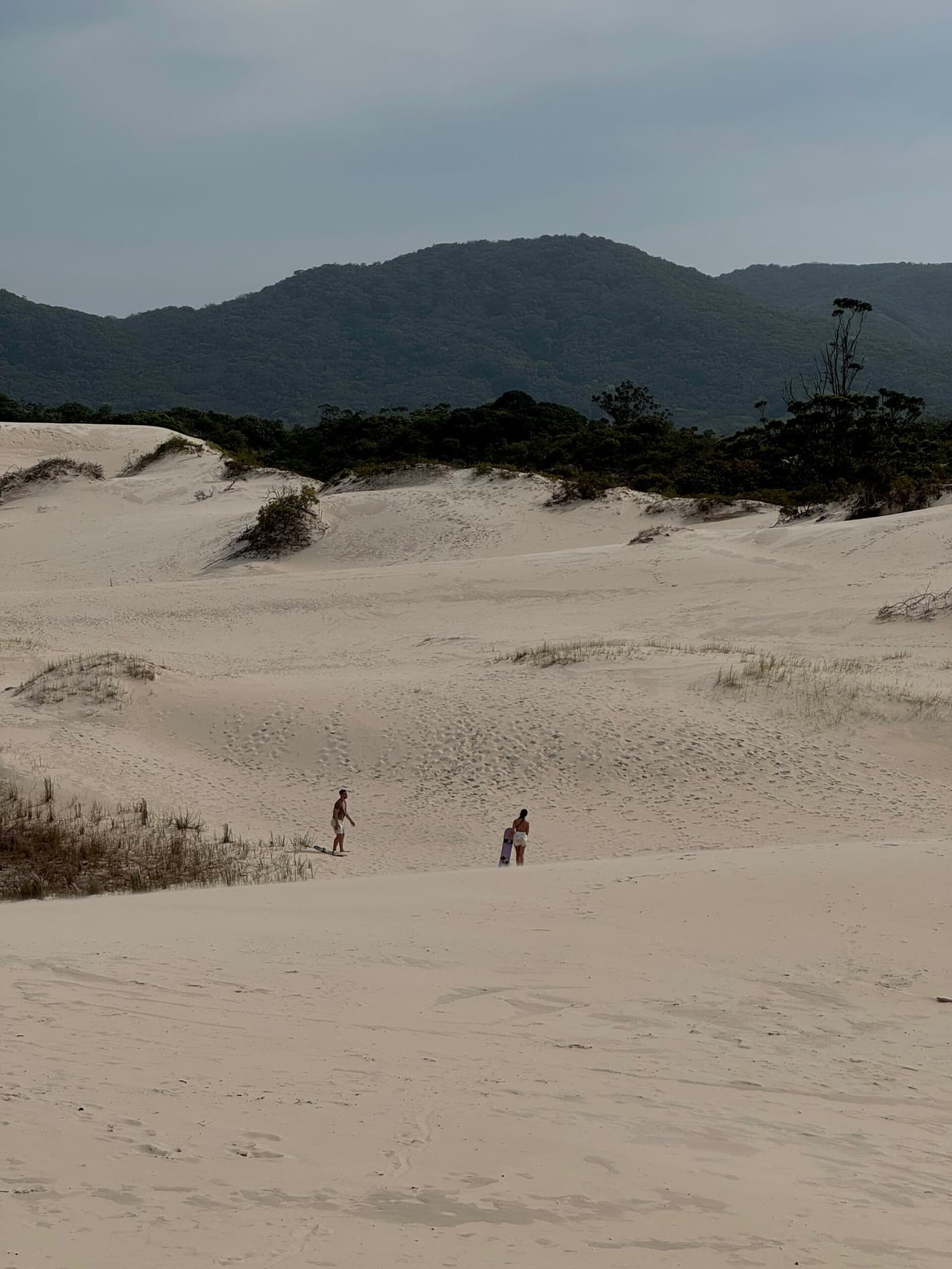
- across the sand dunes of Joaquina.
These places show the island from its natural side, not just as a resort.
Surfing and Outdoor Activities
For many people, what to see in Florianópolis automatically turns into what to do. Surfing, kitesurfing and stand-up paddleboarding on the lagoon are all part of the local culture.
The attractions of Florianópolis are not one big museum or landmark monument but a combination of nature, historic quarters and ocean scenery.
How Many Days You Need in Florianópolis
The answer to how many days to spend in Florianópolis depends on what you want: simply see the main places or really get a feel for the island.
Since Florianópolis is a fairly large island with different neighborhoods and more than 40 beaches, the format of your trip greatly affects how long you need.
At Least 3 Days
If you are short on time, in 3 days you can stroll around Centro and see the Hercílio Luz bridge. You can also manage a day on one of the northern beaches and a trip to the Lagoa da Conceição area.
This is an introductory visit without a deep dive.
5 Days Is Comfortable
Five days let you see different beaches, from an ocean one to a calmer one, set aside a day for nature trails and visit the historic neighborhood of Santo Antônio de Lisboa.
Most importantly, five days let you avoid rushing and adjust to the weather. For most tourists this is a comfortable length of stay.
7 Days or More Is Ideal
A week or more is the best option if you want to explore different beaches, plan surfing or outdoor activities. It is also useful if you are scouting neighborhoods to live in.
Florianópolis is not an island for a single day. Its rhythm is slow, and rushing is out of place here.
Also, if you go in summer (December-March), the island gets noticeably busier and getting around can take longer. In the shoulder season the pace is calmer, but the ocean is cooler.

Weather in Florianópolis: When to Go
For anyone planning a trip in advance, an important question is what the weather in Florianópolis is like and how it changes by month. Unlike the northern part of the country, southern Brazil has more pronounced seasons, and Florianópolis is no exception.
The city has a subtropical climate. That means hot, humid summers and mild but cool winters.
Summer (December — March)
This is the high season.
- Air temperature: on average +28…+32 °C
- Water temperature: around +23…+26 °C
- Frequent short tropical downpours
In summer Florianópolis fills up with tourists from other Brazilian states and neighboring Argentina. The beaches are busy, traffic is heavier and prices are higher.
If your goal is warm ocean water and a beach vacation, this is the best time.
Autumn (April — May)
A transitional period:
- air +22…+25 °C
- fewer tourists
- the water is still comfortable
This is one of the most balanced seasons: less bustle, pleasant temperatures and good conditions for walking.
Winter (June — August)
Winter in southern Brazil is noticeable, although it is not cold in the European sense.
- temperature +10…+18 °C
- the ocean is cool
- more wind
Swimming becomes uncomfortable, but the season works for trekking, surfing and exploring the city.
Spring (September — November)
The weather gradually gets warmer:
- air +20…+25 °C
- the water starts to warm up
- fewer tourists than in summer
This is a good time for those who want to combine beaches and walks without peak prices.
I wrote about the seasons and the weather in Florianópolis by month in a separate article.
When Is the Best Time to Go to Florianópolis
In short, for a beach vacation go in December-March, for a quiet trip April, May and spring (September-November), and for outdoor activities and walks the shoulder seasons.
Florianópolis Airport (Hercílio Luz) and How to Get There
If you fly to the island, you arrive at the international airport Aeroporto Internacional de Florianópolis Hercílio Luz, the region's main air hub.
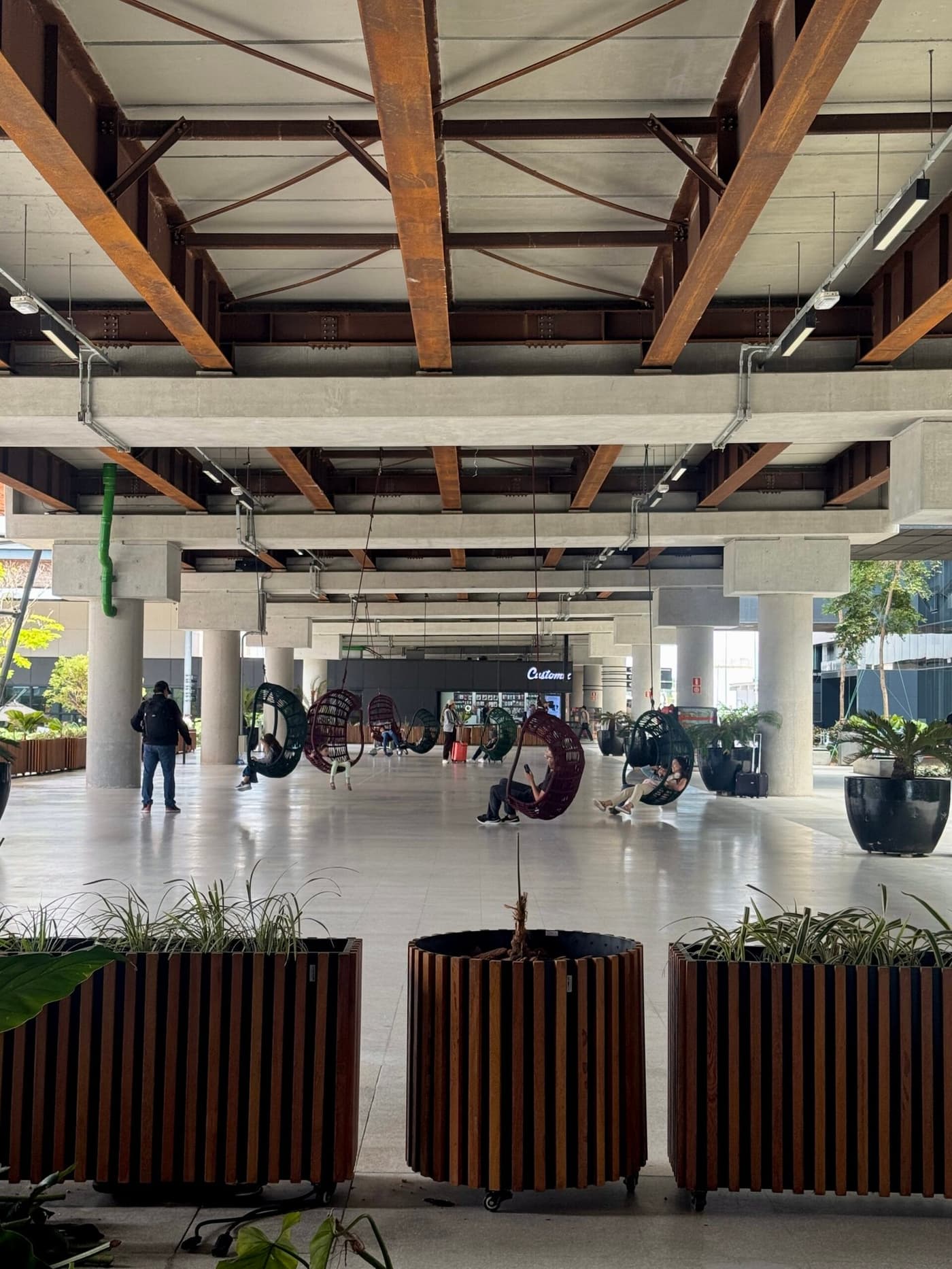
It is a modern airport that handles both domestic flights across Brazil (São Paulo, Rio de Janeiro, Porto Alegre and other cities) and international routes within South America in high season. For example, we flew in from Buenos Aires. It is a very good, beautiful airport with plenty of cafés and restaurants. I really liked it.
Where the Airport Is
The airport is in the southern part of the island, about 12-15 km from the Centro area. Depending on traffic, the ride to the center takes about 20-30 minutes.
If you are heading to the north of the island (for example, to Jurerê or Ingleses), the trip can take 40-60 minutes, because the island is long and the distances here are considerable.
How to Get From the Airport
The main options:
- taxi or Uber — the most convenient way;
- car rental — a popular option if you plan to explore different beaches;
- city bus — cheap, but slower.
Many tourists choose to rent a car, because Florianópolis is not a compact city but an island with different neighborhoods and beaches far from each other.
Plan Around the Logistics
If you are planning a short trip (3-4 days), it is better to choose your neighborhood in advance with the transfer in mind. For example, Centro is more convenient for a business trip, the north of the island for a beach vacation with kids, and the south for nature and quiet.
I will cover in a separate article how to get to Florianópolis from other Brazilian cities and when it is best to book tickets.
Hotels in Florianópolis: Where to Stay
Florianópolis is not a small resort island but a large city with different neighborhoods. So the choice of accommodation depends directly on the style and pace of vacation or life you plan.
Which Neighborhood to Book
A quick overview to get your bearings:
- North of the island (Jurerê, Ingleses) — more resort infrastructure and apartments close to the beach.
- Lagoa area — a balance between nature, restaurants and an active lifestyle.
- Campeche — space, ocean and a calmer atmosphere.
- Centro — convenient for short and business trips.
If you plan to move around the island a lot, keep the distances in mind, because they are considerable here.
Where to Book Hotels
Most tourists book hotels in Florianópolis through international platforms:
- Booking — a large choice of hotels and apartments;
- Agoda — sometimes offers good rates, especially if you book early.
These platforms list both chain hotels and small local guesthouses.
An Alternative to Hotels: Houses and Apartments
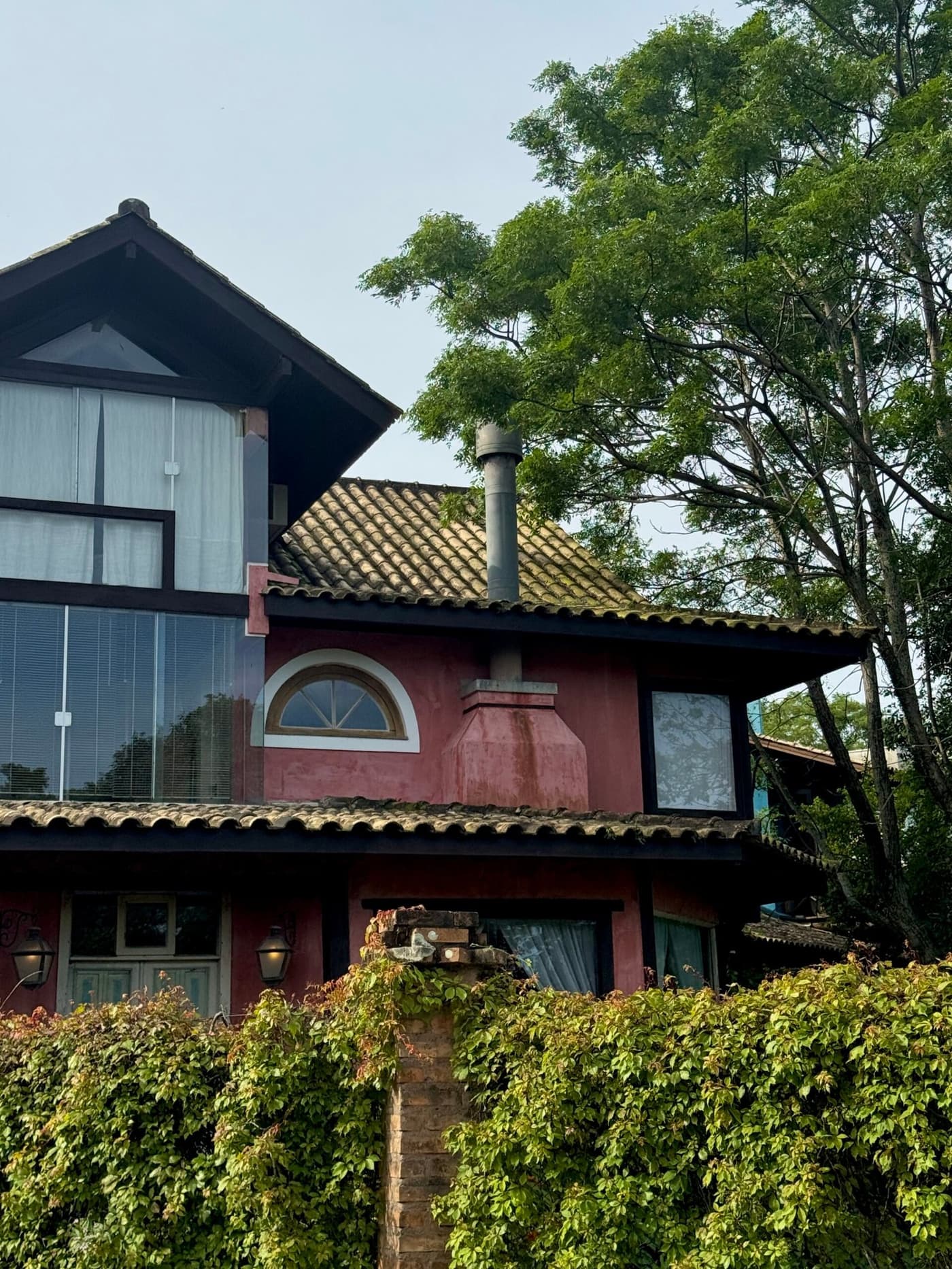
Florianópolis is an island, and renting private accommodation is very popular here. Many travelers prefer not a classic hotel but a cozy house or apartment near the beach. We booked a house in Ingleses ourselves and a cozy little apartment in Campeche twice.
People use Airbnb for this. The island has many small houses within walking distance of the ocean, studios in the center and villas for groups or families.
If you are staying a week or more, renting a house often turns out to be more comfortable and cheaper than a hotel room. Especially if you cook at home yourself.
Seasons and Prices
Prices depend heavily on the time of year:
- December-February — high season, costs are noticeably higher;
- April-July and September-November — more balanced prices;
It is better to book accommodation in advance, especially if your trip falls in the summer months in Brazil.
In Florianópolis you can choose any type of accommodation, from a classic hotel to a cozy house by the ocean. The main thing is choosing the right neighborhood. I talked about how much it costs to live in Florianópolis and what prices are like in a neighboring article.
Living in Florianópolis
Florianópolis is often called one of the most comfortable cities in southern Brazil to live in. But it is important to look at the whole picture objectively.
Why Many People Choose Florianópolis to Live
- Climate and nature The ocean, lagoons and green hills: nature here really is part of everyday life. You can work in the city and be at the beach in 15-20 minutes.
- A calmer atmosphere Compared with megacities like Rio de Janeiro or São Paulo, the rhythm here is gentler. Less of a big-city feel, more space and fresh air.
- A developing economy The city is considered one of the technology centers of the south of the country. The IT sector, the startup scene and services are all growing actively here.
- A university environment The city is home to a federal university, which creates a young and dynamic atmosphere.
Florianópolis is not extreme Brazil but a "softer" version of it.
The Expat Community in Florianópolis
Florianópolis is not a major hub for expats in Brazil, as São Paulo is, for example. However, there is a small international community here, mostly IT specialists and digital nomads, entrepreneurs, families with children and people who chose the south of Brazil for its climate and quality of life.
The expat community in Florianópolis is comparatively small. It is not a compact residential area but rather a community spread across the island. People keep in touch through social networks and local chats, meet at events and help each other with everyday questions.
There is no separate expat "street" or quarter here, and integration happens through the local environment.
I filmed how we spent our time in Florianópolis in a YouTube episode
Florianópolis FAQ
Is Florianópolis an island or a city?
Both. Florianópolis is a city located mainly on the island of Ilha de Santa Catarina. The municipality also includes part of the mainland, but tourist life is concentrated on the island.
Where is Florianópolis in Brazil?
The city is in the south of the country, in the state of Santa Catarina, on the Atlantic coast. It is the state capital.
Is Florianópolis safe?
By Brazilian standards the city is considered calmer than many large metropolises. Tourist and coastal areas are relatively safe, but you should still take basic precautions, as in any country.
How many days do you need in Florianópolis?
At least 3 days for a general introduction. 5 days is comfortable. 7 days is ideal: if you want to visit several beaches and not depend on the weather, it is better to set aside a week.
What are the best beaches in Florianópolis?
It depends on the kind of vacation:
- for surfing — Praia Mole and Joaquina
- for a quiet vacation — Jurerê
- for space and nature — Campeche
- for trekking — Lagoinha do Leste
A detailed breakdown of the best beaches is in a separate article.
When is the best time to go to Florianópolis?
For warm ocean water, December-March. For a quieter vacation without peak prices, April, May and spring (September-November).
Is there an international airport in Florianópolis?
Yes. The city is served by Aeroporto Internacional de Florianópolis Hercílio Luz. It handles domestic flights and seasonal international ones.
Which neighborhoods of Florianópolis are considered the best for tourists?
The most commonly chosen are:
- Jurerê — infrastructure and comfort
- Lagoa da Conceição — a balance of nature and city life
- Campeche — space and ocean
The choice depends on the goals of your trip.
Is Florianópolis a good place to live?
Yes, many people consider the city for relocation thanks to its climate, nature and calmer atmosphere. However, the job market is smaller than in São Paulo or Rio.
Is there an expat community in Florianópolis?
There is a small international community, but it is not a large expat center. People keep in touch through local chats and communities.
Is Florianópolis expensive for a vacation?
Prices depend on the season. In summer (December-February) accommodation costs more. In the shoulder season you can find more affordable options.
Do I need a visa for Brazil?
When I checked in October 2026, Brazil allowed visa-free entry for short tourist stays for eligible passports. Rules differ by nationality and can change, so before you travel, confirm the requirements for your own passport with the Brazilian immigration authorities or the official government website.