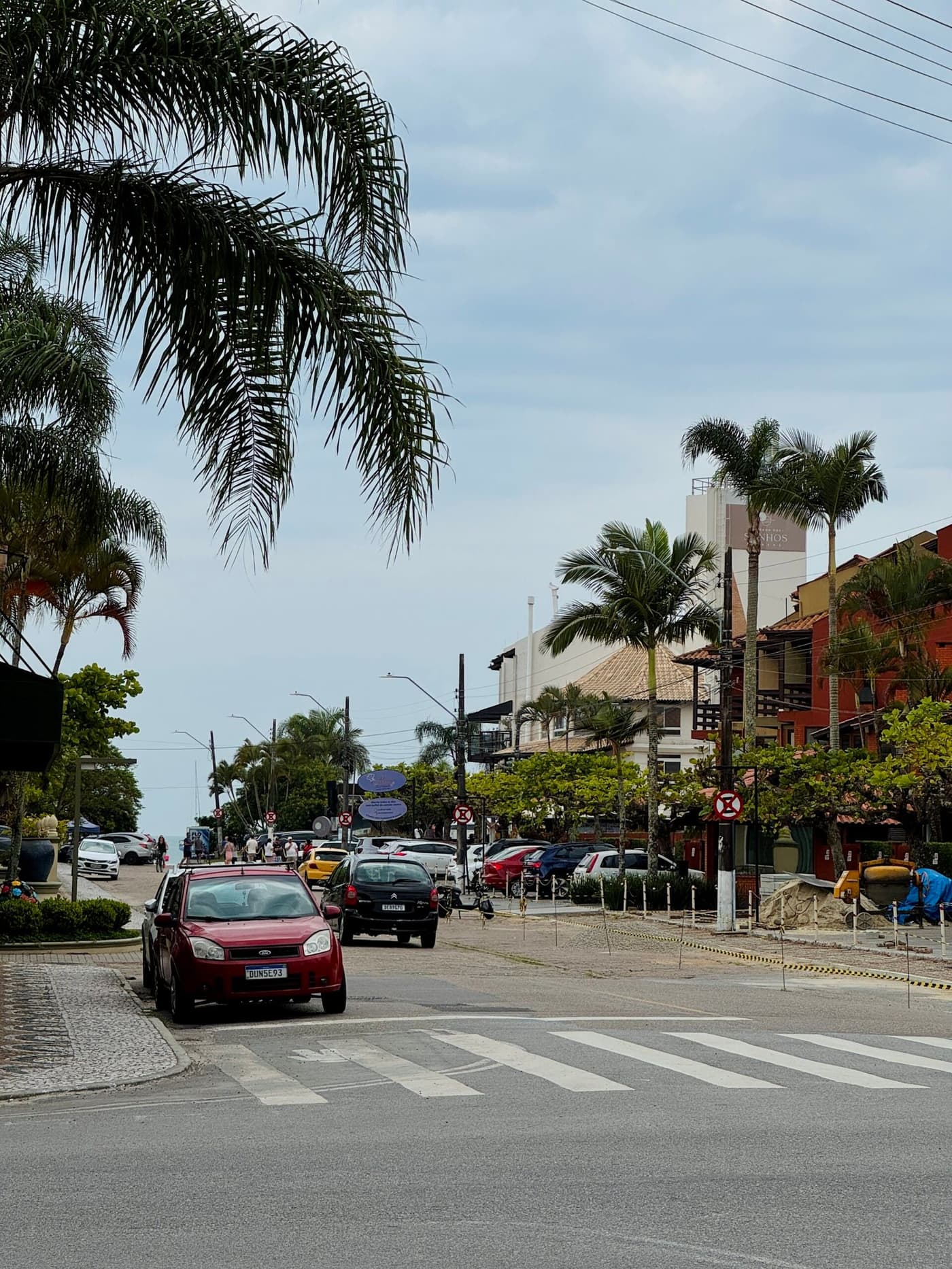
If you think Brazil is all palm-lined beaches and samba, Blumenau will happily break that stereotype. This cozy city in the south of the country feels more like a little corner of Germany than a typical Brazilian town.
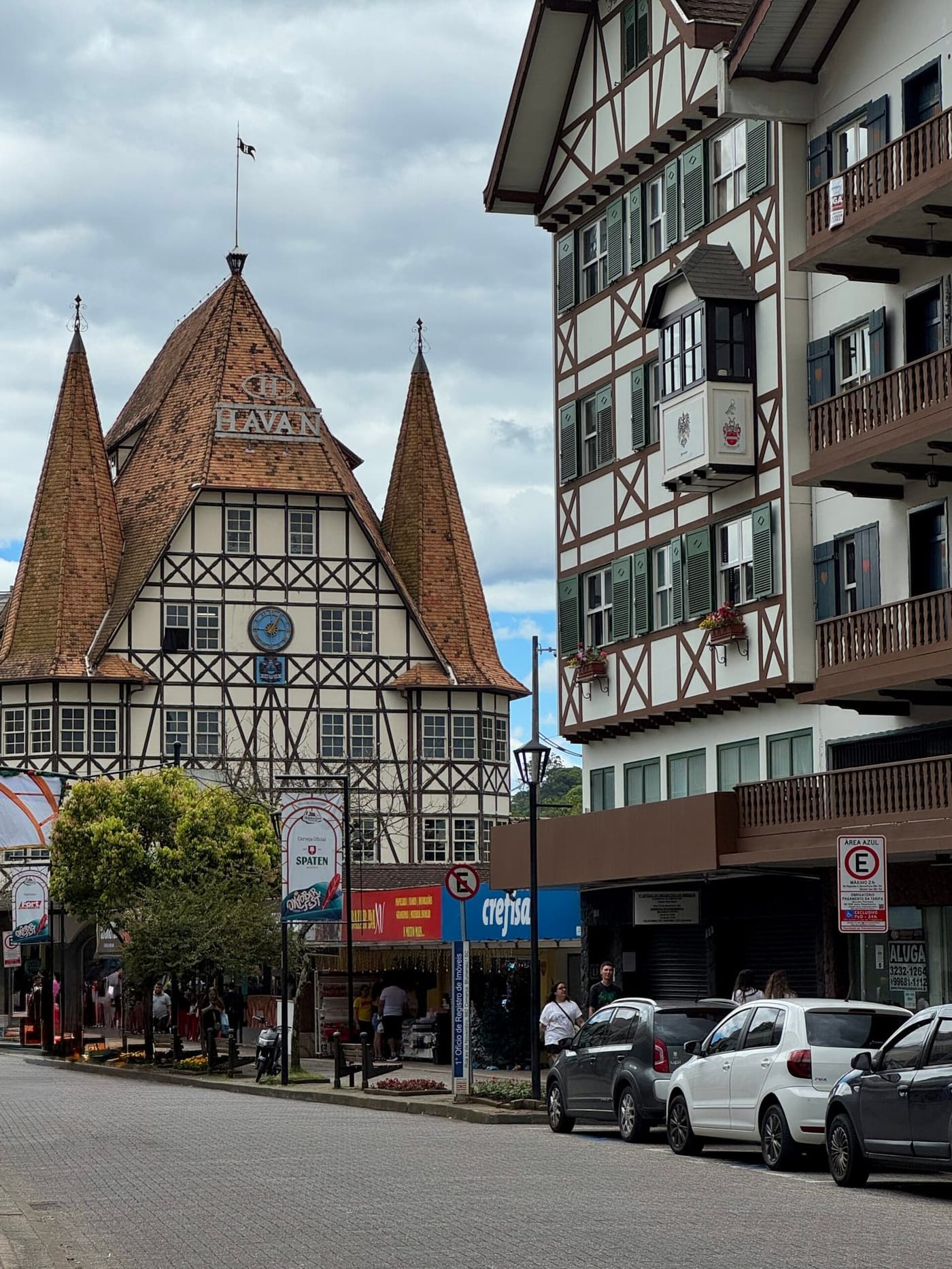
Blumenau is in the state of Santa Catarina and is known for its German architecture and beer culture, including the famous Oktoberfest, the largest outside Germany. You'll find half-timbered houses, neat little streets and an atmosphere that contrasts sharply with the usual image of Brazil.
But this city is about more than a pretty tourist backdrop. Blumenau is one of the most comfortable and safest places to live in southern Brazil, an interesting travel destination without the crowds, and a center of culture, festivals and food.
We spent a whole month in Blumenau, and in this guide I'll go through everything that's worth knowing about the city. I'll tell you where Blumenau is, how to get here, what to see and what to do. I'll share my favorite food spots: where to eat and which dishes to try. I'll explain in detail which neighborhoods to choose and how safe it is here. Before you head to this bright, loud country, I recommend reading my complete guide to Brazil for tourists.
Where Blumenau Is and How to Get There
If you're thinking of adding Blumenau to your Brazil itinerary, it helps to first understand where exactly it is and how easy it is to reach.
Blumenau on the Map of Brazil
Blumenau is in the south of the country, in the state of Santa Catarina, one of the most developed and comfortable regions of Brazil. This state is often chosen for travel and for living because of its high level of safety, cleanliness and infrastructure compared with other parts of the country.
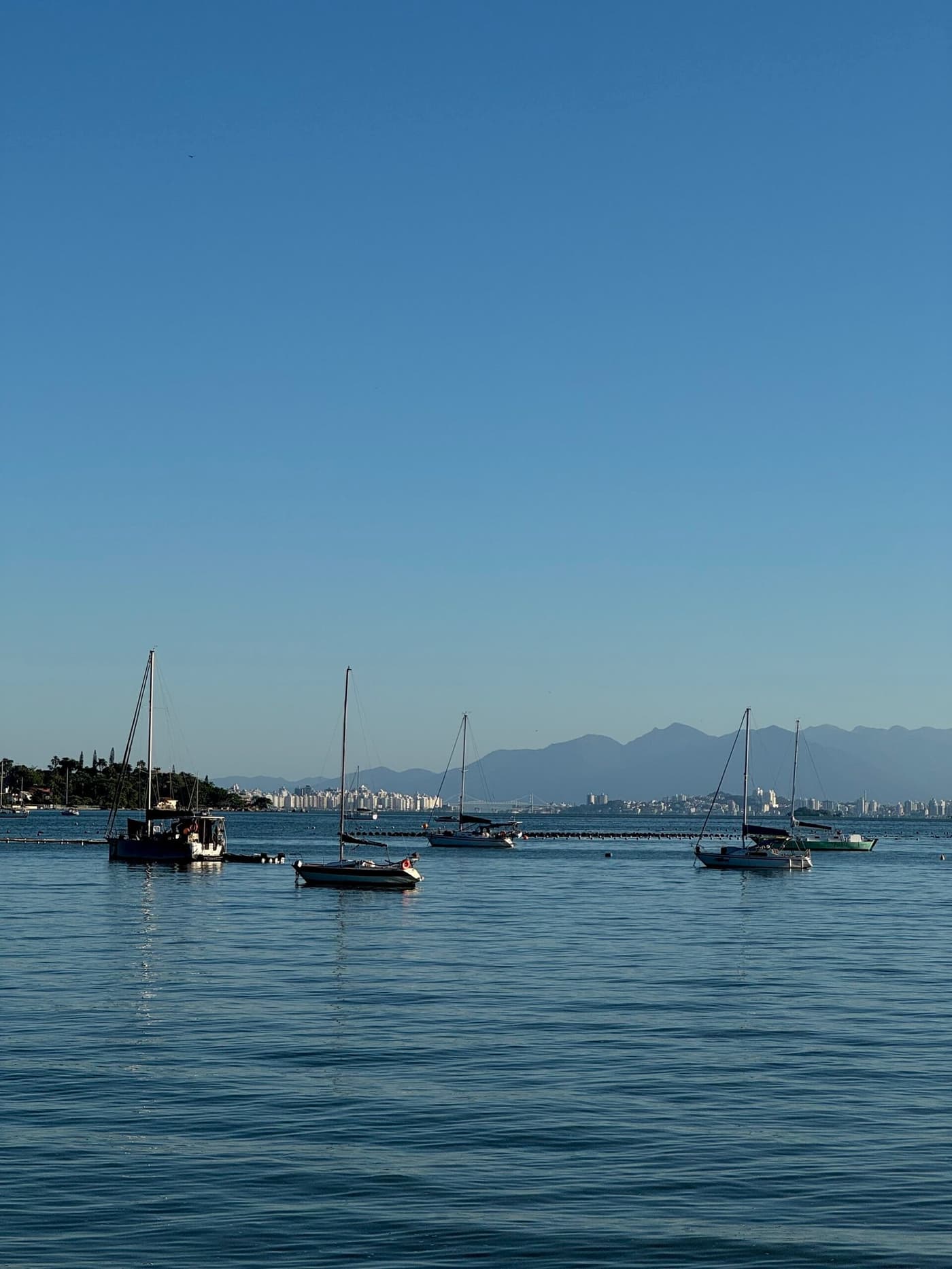
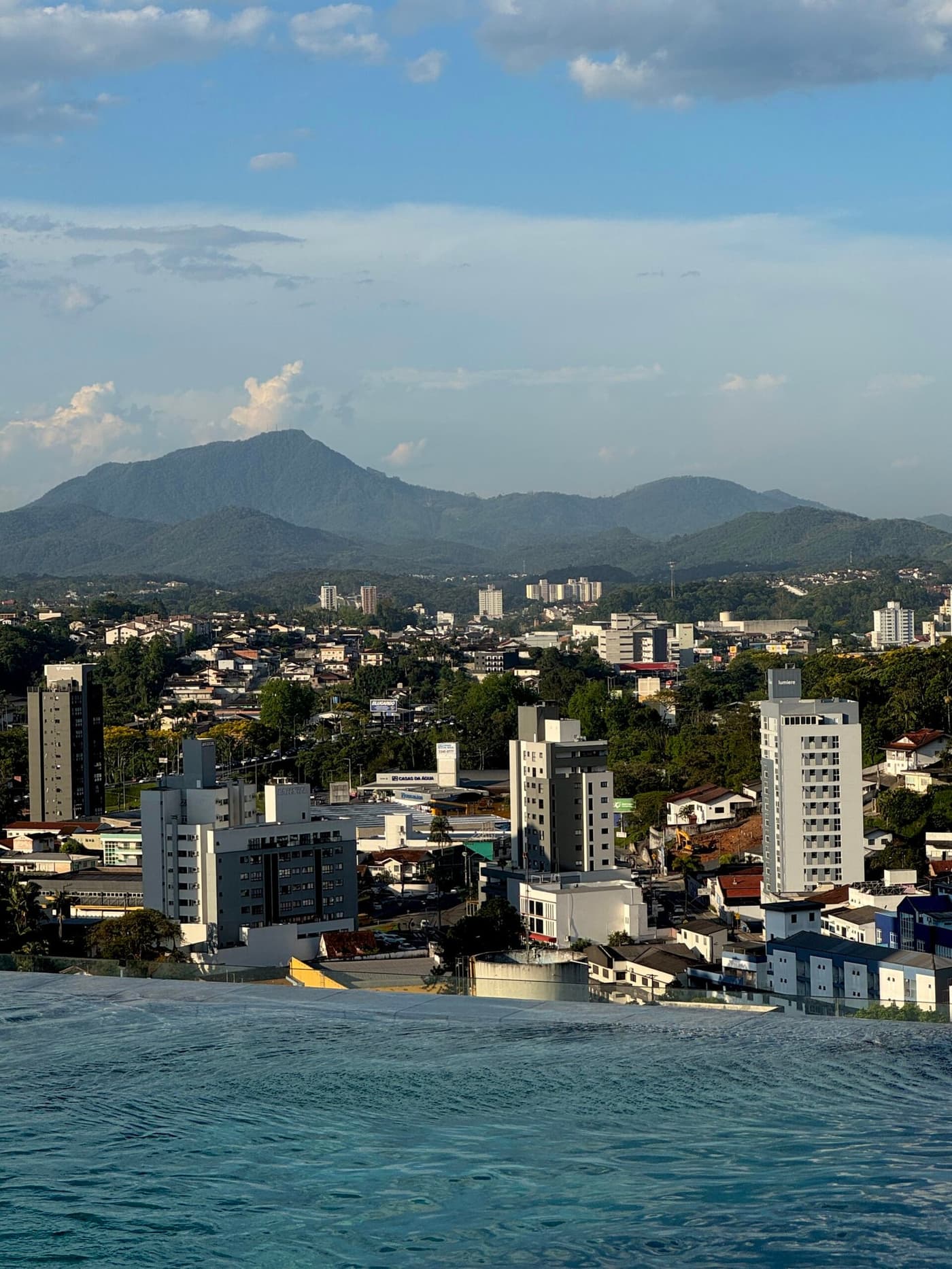
The city lies in the valley of the Itajaí-Açu River, surrounded by green hills and nature. It is about 150 km from Florianópolis and 60 km from the Atlantic coast. We came here from Florianópolis to get to know this remarkable city. I have a detailed guide to Florianópolis island, where we lived for a while.
Blumenau is not a coastal city. People come here not for beaches but for the atmosphere, the architecture and the culture.
Nearest Airports and How to Get There
Blumenau itself has no major airport, so you'll have to travel via neighboring cities.
The main options:
- Aeroporto Internacional de Navegantes — the nearest airport (about 55 km)
- Aeroporto Internacional de Florianópolis — larger, with more flights
After landing, you can get to Blumenau by transfer or taxi, by bus or in a rental car.
We, for example, came from Florianópolis and rented a car through Localiza.
We picked up the car in Floripa and returned it in Blumenau; that option is available and doesn't cost much. We had a Fiat with a manual transmission (unfortunately, I don't remember the model). Two days of rental cost about $87, including the drop-off in a different city, plus a deposit of about $92.
How to Get from Florianópolis and Other Cities
If you're already in Florianópolis, the easiest way to reach Blumenau is by bus or rental car, about 2.5–3 hours on the road without traffic.
We made it in about 2.5 hours; the road is comfortable, with good pavement and regular gas stations.
It's also easy to get here from:
- Curitiba: about 4–5 hours
- São Paulo: about 8–10 hours by car, or a flight plus a transfer
If you're building a route around southern Brazil, it makes sense to combine Blumenau with Florianópolis and coastal cities such as Balneário Camboriú, or with Curitiba. If you decide to combine your trip with the latter, I have a separate Curitiba travel guide.
The History of Blumenau and Why It's a German City in Brazil
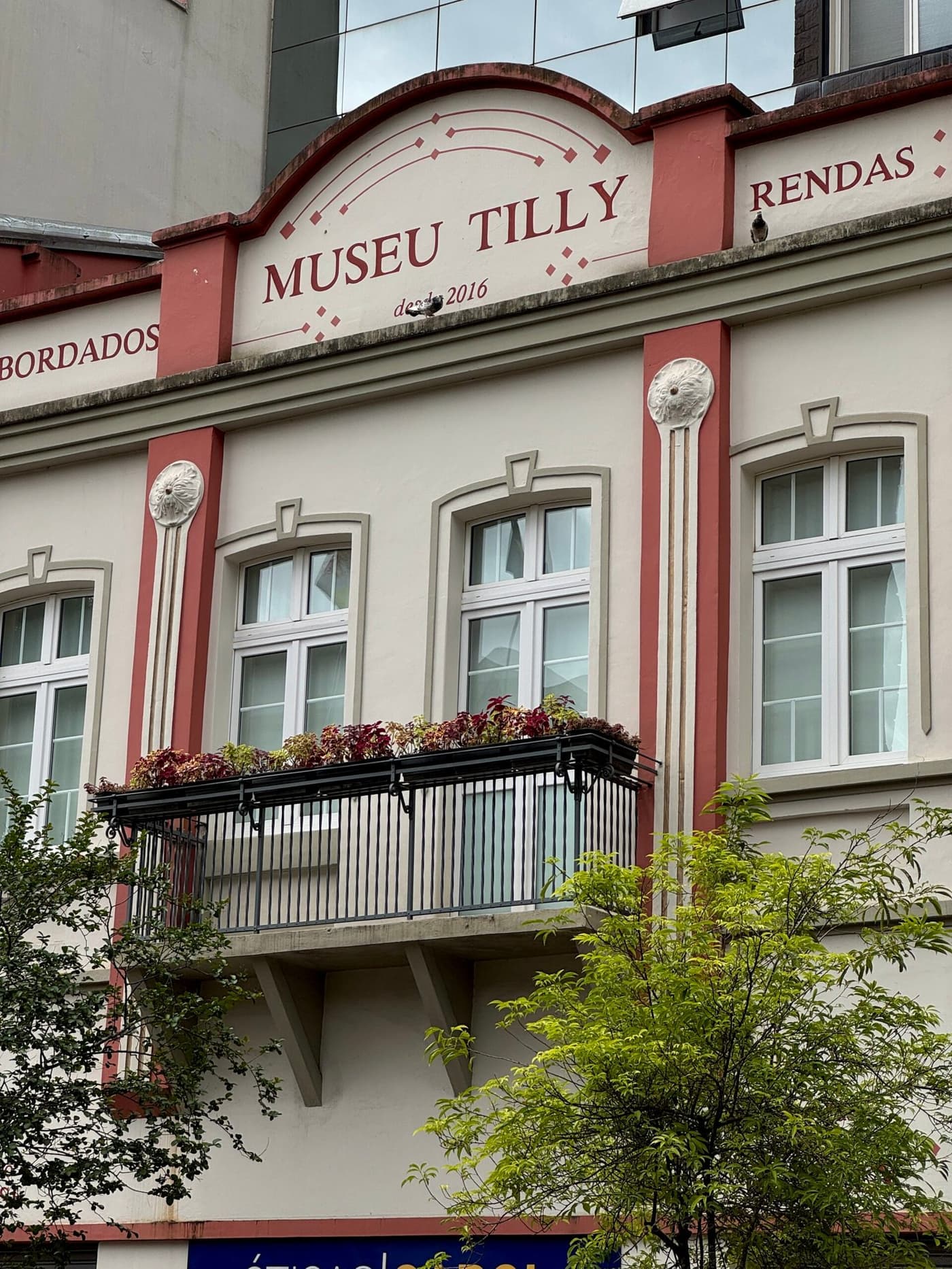
The first time you find yourself in Blumenau, it feels like you're somewhere in Europe rather than Brazil. And that's no accident: the city has a rather unusual history that directly explains its look and atmosphere.
The Founding of the City and the German Colonists
Blumenau was founded in 1850 by Hermann Bruno Otto Blumenau, a German pharmacist and philosopher. He arrived in Brazil with a group of settlers from Germany and chose this region for his colony.
The basic idea was simple: to create a European settlement with a familiar culture, way of life and architecture.
Over time, new waves of immigrants kept arriving from Germany. They built houses in the traditional style, developed farming and crafts, and even preserved their language and cultural traditions.
Little by little, Blumenau became one of the brightest examples of German heritage in Brazil.
German Heritage and Culture Today
Although more than 150 years have passed, Germany's influence is still felt here. In Blumenau you notice right away:
- half-timbered houses and European architecture
- German surnames and signs
- traditional festivals
- a strong beer culture
Many families still keep elements of German culture, and in some areas you can hear dialects rooted in the German language.
At the same time, this is a living city where Brazilian and German cultures intertwine and create a unique atmosphere.
Blumenau for Tourists
One of the main reasons Blumenau is so popular with tourists is how it looks.
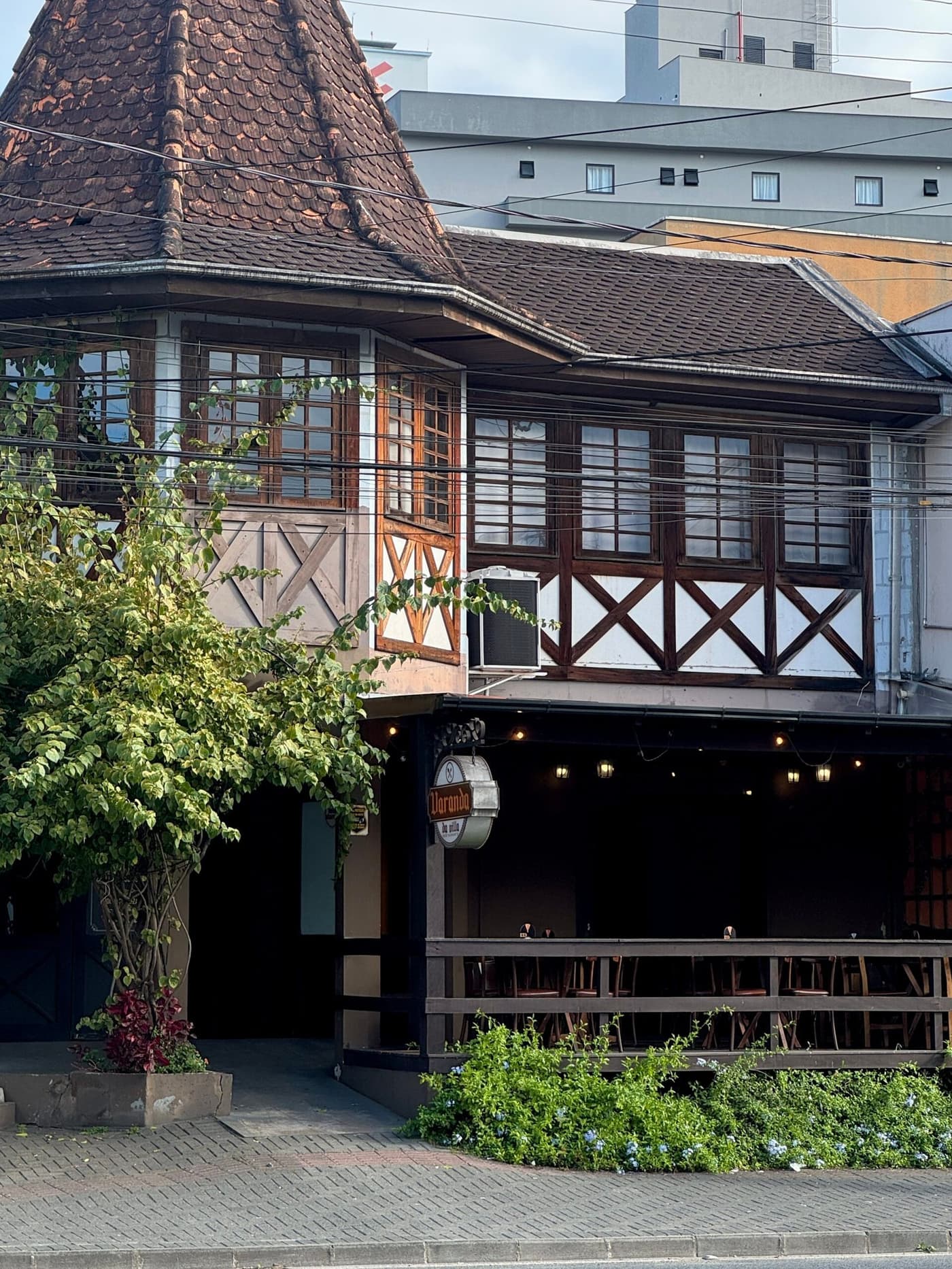
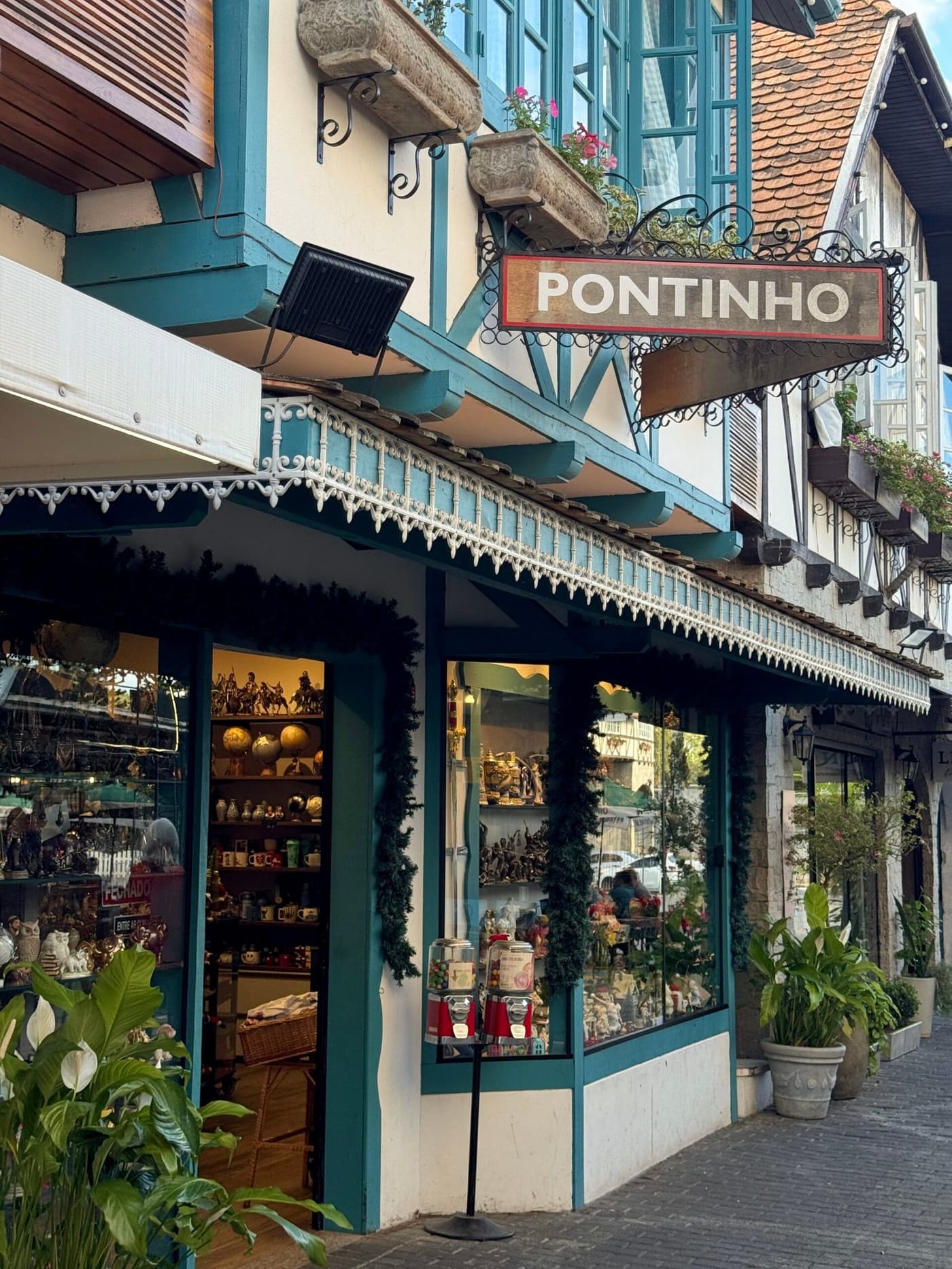
The city is known for its half-timbered houses, buildings in a style reminiscent of southern Germany, and tidy streets.
Many buildings either survived from colonial times or were recreated later in the original style.
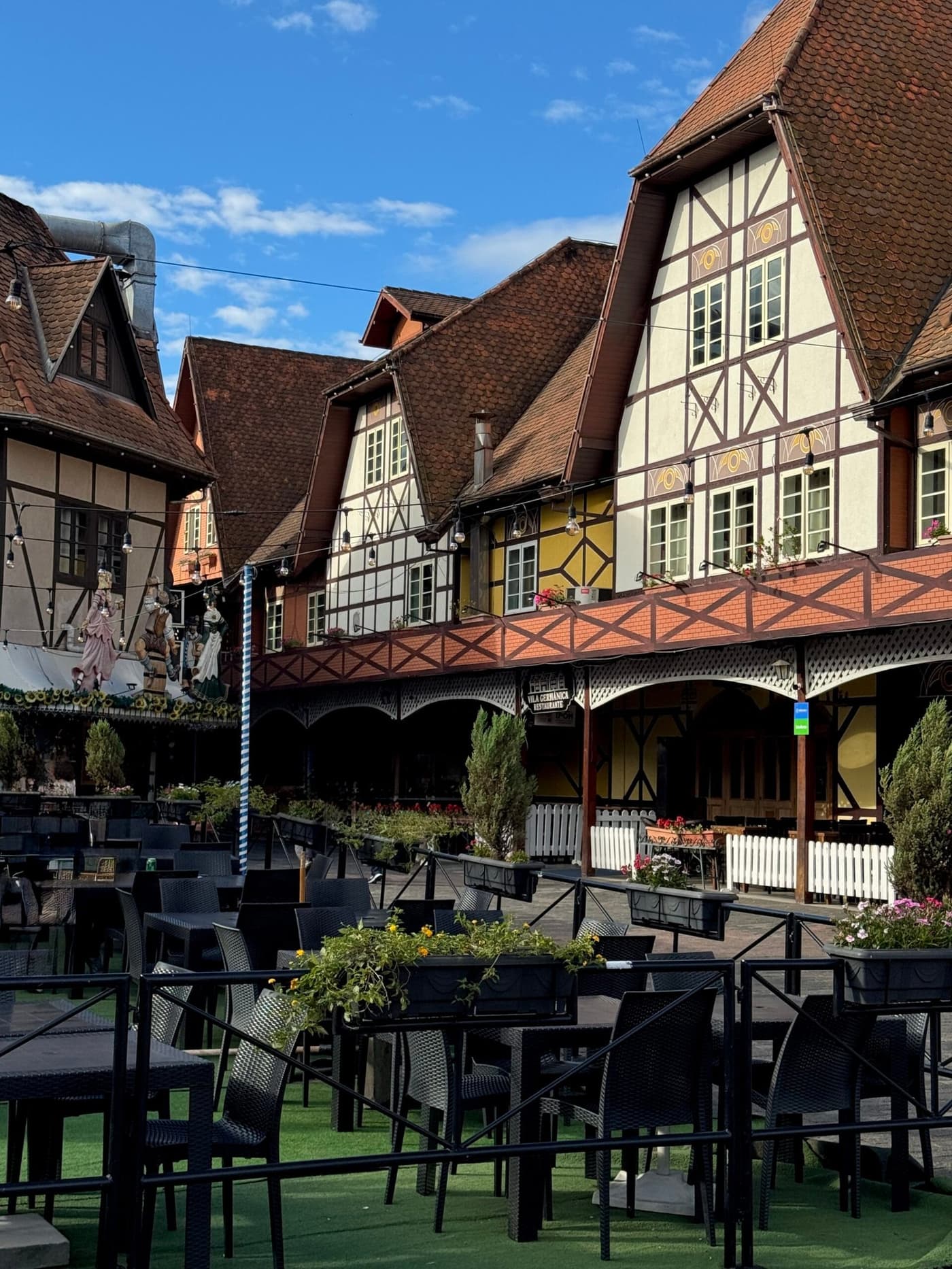
This is especially noticeable in the central part of the city and in the Vila Germânica area, where you feel as if you're in a small European village rather than in Brazil.
A Brazilian climate and German architecture make an incredible combination that makes Blumenau an unusual and memorable place.
What Blumenau Is Famous For
Blumenau is not just a "German city in Brazil". It stands out for several reasons at once, which makes it interesting compared with the country's popular tourist destinations.
Blumenau is a blend of European aesthetics, a Brazilian rhythm of life and a strong local culture.
German Architecture and a European Atmosphere
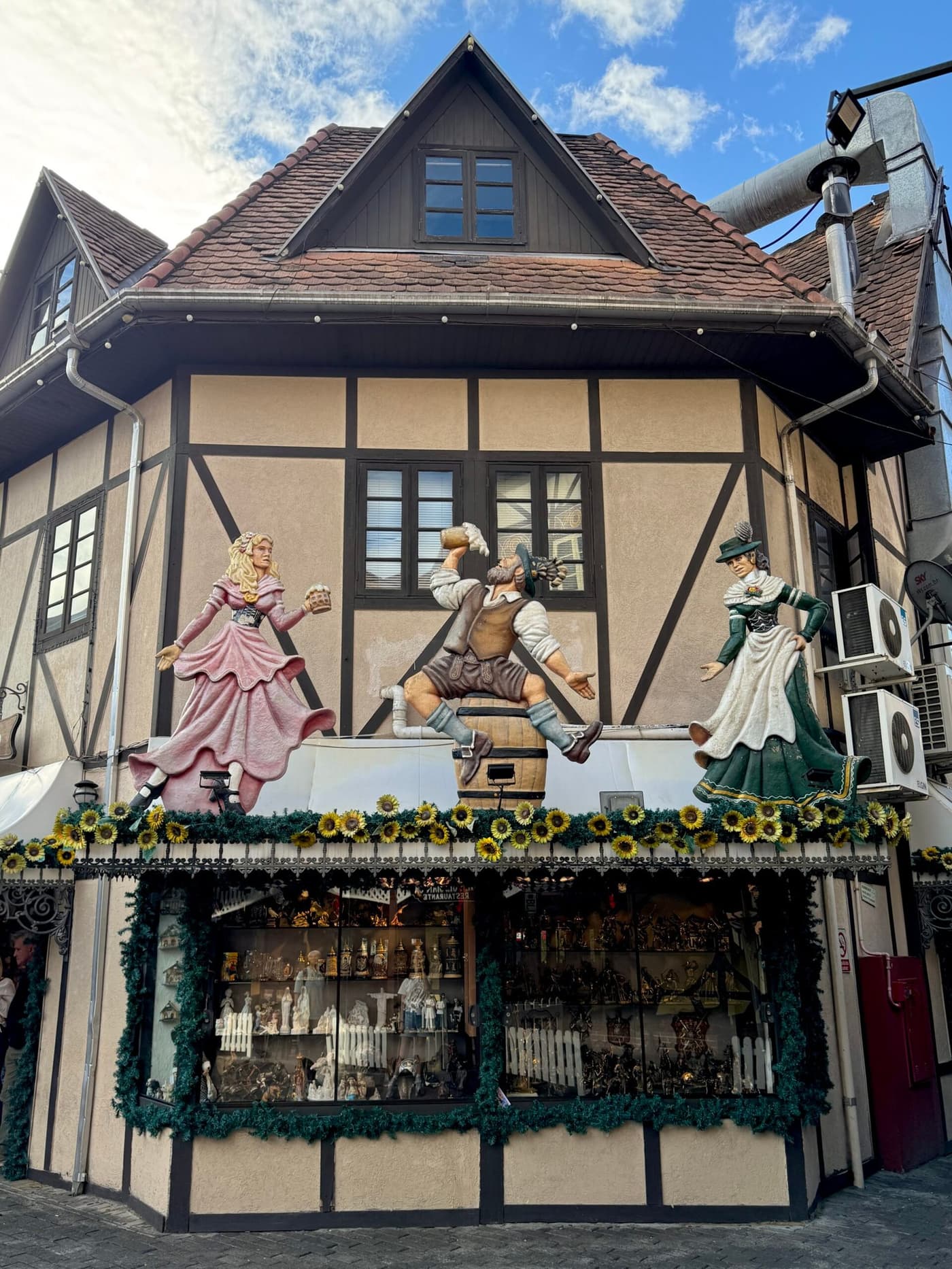
The first thing you notice is how the city looks. Half-timbered houses, neat facades and bright buildings all create the feeling that you've ended up somewhere in Germany.
This is especially visible in the historic center, in the tourist areas and in the architecture of restaurants and hotels.
It's precisely because of this that Blumenau is often called one of the most "European" cities in Brazil.
Oktoberfest: The Largest Outside Germany
The main event Blumenau is associated with is Oktoberfest.
Oktoberfest Blumenau is considered the largest beer festival outside Germany and draws hundreds of thousands of visitors every year.
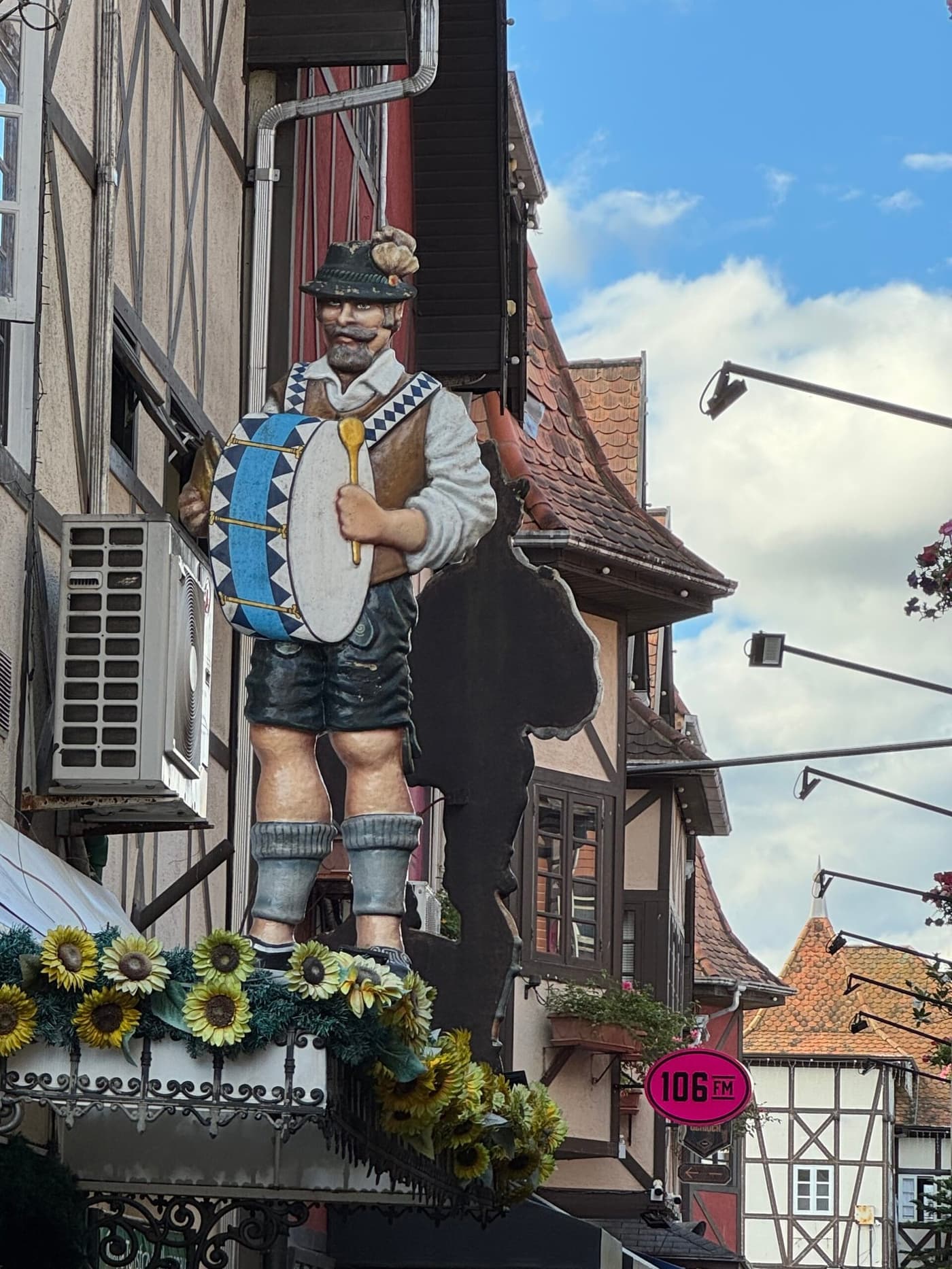
During the festival the city transforms completely: there are parades and concerts, people wear traditional German costumes, and dozens of beer pavilions operate.
Even if you're not planning to visit during the festival, the fact that it takes place has a big influence on the city's culture.
Beer Culture and Local Breweries
Blumenau is one of the centers of brewing in Brazil.
Craft beer, local breweries and bars with a big selection of styles are all well developed here.
German heritage directly shaped this culture, so the quality of the beer here is often higher than the national average.
Cleanliness, Order and Comfort
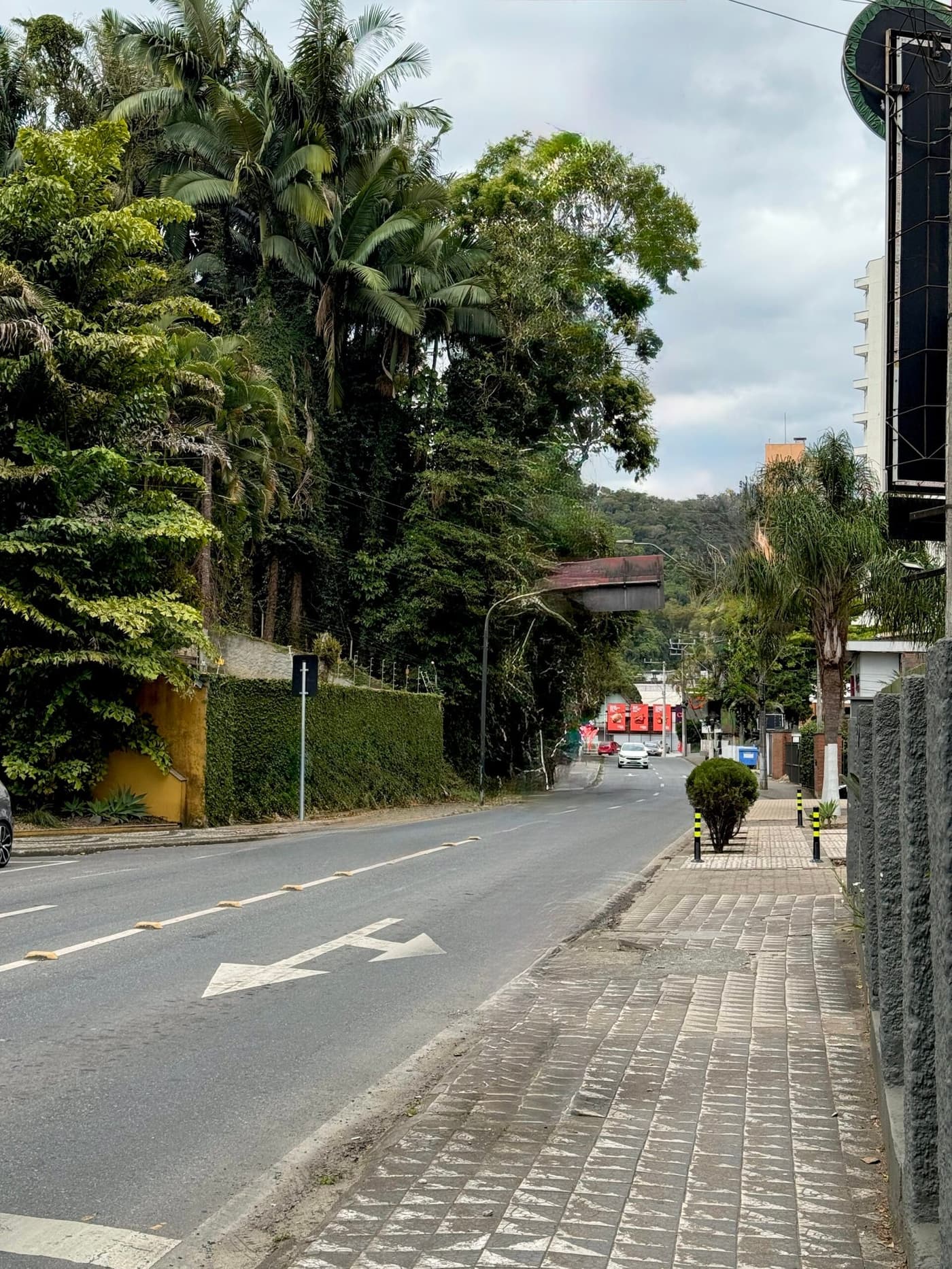
Blumenau is different from typical Brazilian cities, especially in the north. The streets are cleaner, the space is better organized and the atmosphere is calm.
That doesn't mean the city is perfect, but the level of comfort here really is higher than in most large Brazilian cities.
A Cozy Atmosphere Without Tourist Crowds
Unlike Rio de Janeiro or even Salvador, Blumenau isn't overrun with tourists.
There's no bustle, the pace is calm, and we were actually the only foreigners in town. Blumenau feels not like tourist scenery but like a place where people really live.
If you're looking for somewhere to stroll, enjoy the architecture and soak up the atmosphere, Blumenau is a very good choice.
What to See in Blumenau: Top Attractions
Although Blumenau isn't the biggest city, there are enough interesting places here to fill 1–2 days without rushing. The focus is on architecture, walks and atmosphere.
Below are the Blumenau sights I'd put on your itinerary.
Vila Germânica Park: The Center of German Culture
The city's main tourist spot is Vila Germânica.
It's a German-style complex that hosts the famous Oktoberfest and other festivals.
Here you'll see restaurants with German cuisine, beer bars, souvenir shops and atmospheric little streets lined with brightly colored houses.
Even outside festival season it's a pleasant place for a walk. Everything is tidy, pretty and designed with tourists in mind.
Ramiro Ruediger Park: A Green Space in the Center
Next to Vila Germânica is a good city park, Parque Ramiro Ruediger, one of the best places where locals and tourists relax.
It's a modern city park with a lake, cycling and walking paths, and relaxation areas.
The Historic Center and Half-Timbered Houses
The central part of Blumenau is what many travelers come here for.
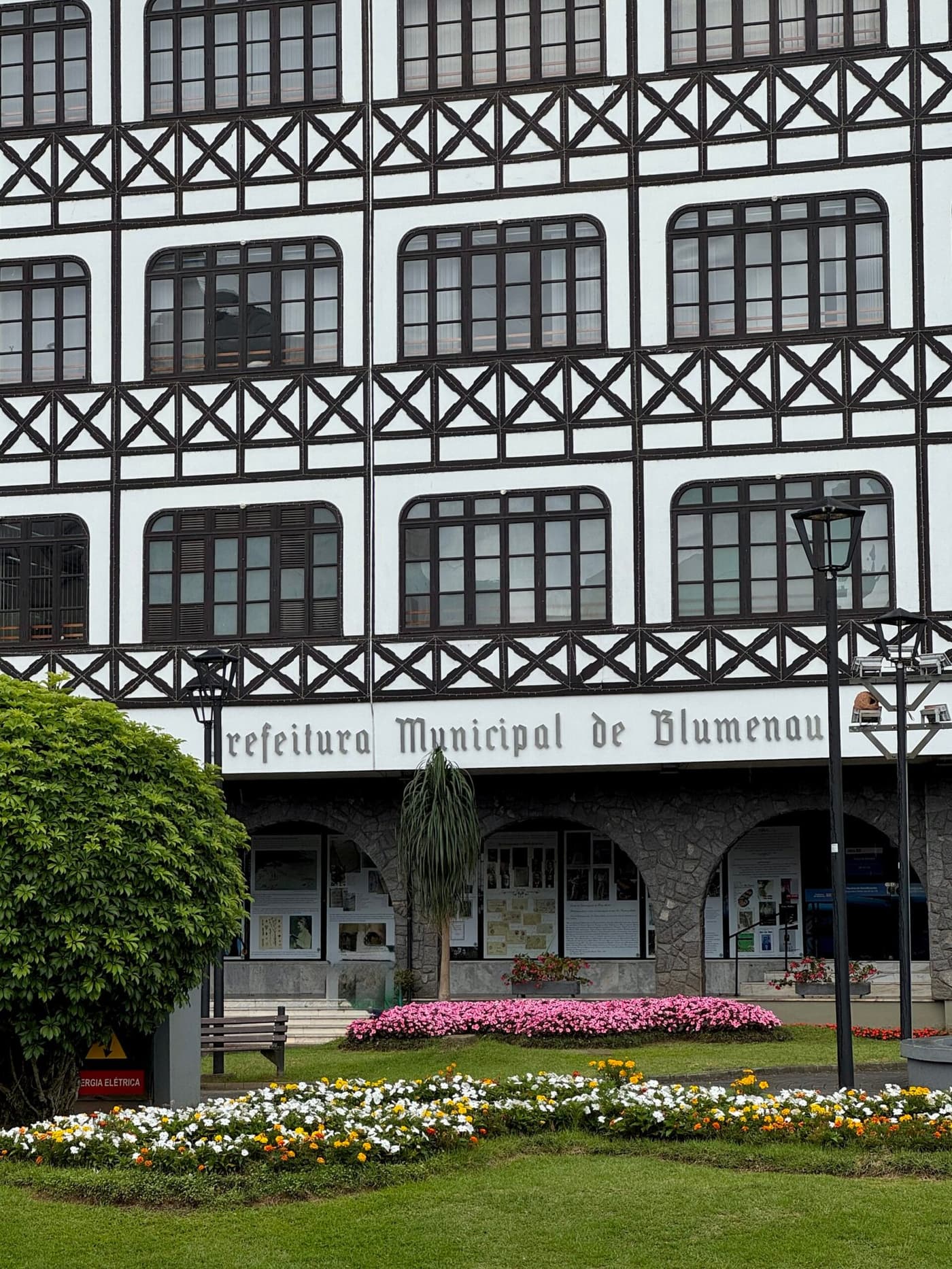
In the center of Blumenau you'll find German-style buildings, tidy streets and a mix of old and modern architecture.
Pay special attention to:
- Prefeitura de Blumenau — the half-timbered city hall building
- XV de Novembro Street — one of the main streets in the city
This is the best place for unhurried strolls and photos.
Museums in Blumenau
If you want to understand the city's history more deeply, it's worth stopping by the local museums.
One of the best known is the Museu da Cerveja de Blumenau. It tells the story of brewing in the region, the German influence and the traditions that have survived to this day.
There are other small museums connected with the history of colonization and the city's culture, but I don't really like going around museums, so I left them off the list.
The Riverfront and Walking Areas
Blumenau stands on the Itajaí-Açu River, and there are pleasant walking areas along it.
It's not a classic waterfront like in tourist cities, but you can stroll calmly, watch ordinary city life and enjoy the relaxed atmosphere.
Pomerode: A German Town Near Blumenau
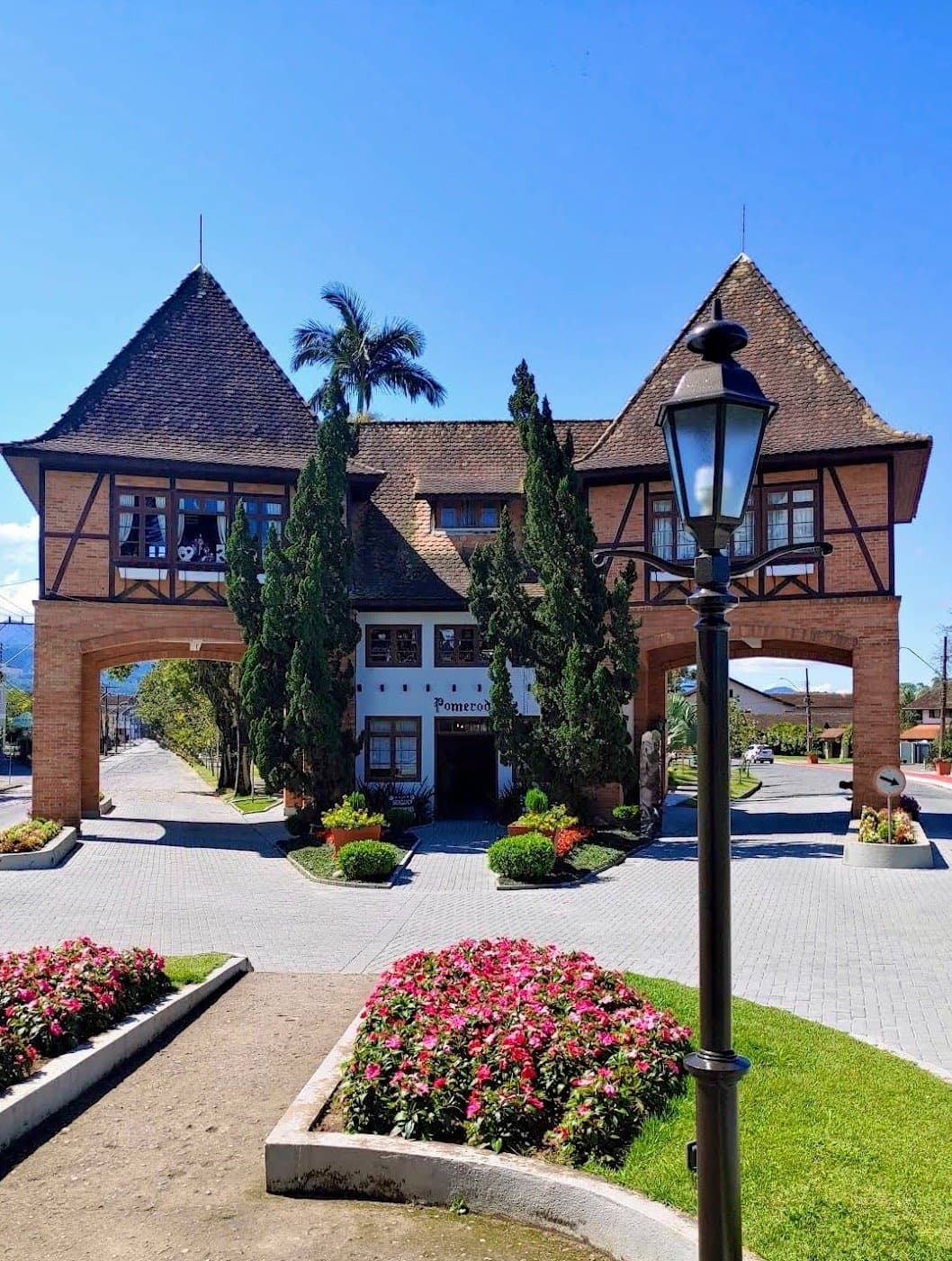
If you have at least half a day to spare, it's worth visiting Pomerode, a small town just 30 km from Blumenau. Pomerode is often called the most German town in Brazil, and that feeling is even stronger than in Blumenau.
There are even more half-timbered houses, neat streets with a European vibe, and traditional German restaurants and pastry shops.
The town is compact and easy to see in a few hours. It's a great idea for a short trip from Blumenau and complements it well.
Blumenau is not a city with dozens of sights. It's a small city whose main value is its atmosphere and its quirkiness.
The best way to get to know the city is to walk without rushing, drop into cafés and bars, and simply watch the architecture and the life around you.
Oktoberfest in Blumenau: Brazil's Biggest Beer Festival
If there's one event that made Blumenau famous far beyond Brazil, it's definitely Oktoberfest Blumenau. This festival is considered the second-largest Oktoberfest in the world after Munich and draws hundreds of thousands of visitors every year.
When Oktoberfest Takes Place
Oktoberfest in Blumenau usually runs in October and lasts about 2–3 weeks. The exact dates change every year, but the festival itself stays the same: an opening with a parade, daily events, and a grand closing.
If you're planning a trip specifically for the festival, check the dates in advance and book your accommodation early.
What Happens at the Festival
During Oktoberfest the city comes alive. The main activities take place in Vila Germânica, but the atmosphere spreads across all of Blumenau.
The program includes:
- beer pavilions with different styles of beer
- concerts and live music
- dancing and performances
- parades in traditional costumes
Many visitors and locals wear German costumes, dirndls and lederhosen, which adds authenticity to the festival.
Is Oktoberfest Worth Going To
If you love festivals, a party atmosphere and beer culture, then definitely yes. But keep in mind that accommodation prices rise significantly during this period, so you need to book in advance, and be prepared for the city to get busier.
If you prefer a quiet vacation, choose a time outside the festival, when Blumenau feels much more relaxed and cozy.
Blumenau Neighborhoods: Where to Stay
If you plan to stay in Blumenau for at least a couple of days, it's important to choose a neighborhood. The city is calm and safe, but the level of infrastructure and atmosphere differ.
In general, Blumenau isn't a city where you need to worry about which area to stay in, but there are a few locations that suit tourists best.
Downtown (Centro)
The central district (Centro) is the most convenient option for a first look at the city.
All the main sights are here, along with plenty of restaurants, cafés and pedestrian streets with German-style architecture.
If you want everything within walking distance, the center is the best choice.
The downside: it's noisier and has less of a feeling of local life.
Vila Nova: A Quiet and Comfortable Neighborhood
Vila Nova is one of the neighborhoods popular with locals. It's quieter and greener, with good city infrastructure. It's a pleasant place to live if you want more peace and don't mind getting around the city a little.
The Vila Germânica Area: Close to the Main Events
If your trip is tied to festivals, especially Oktoberfest, it makes sense to stay near Vila Germânica. Our trip wasn't during the festival, but it just so happened that we stayed in this area.
The plus is the immediate proximity to the main venue, which is handy during festivals, and there are plenty of cafés, modern condominiums and supermarkets.
The obvious downsides are that it's very noisy during the festival and accommodation prices are higher. We didn't experience that downside.
To sum up:
- for a short trip, choose the center
- for a quiet stay, Vila Nova
- for festivals, the area near Vila Germânica
Either way, Blumenau is a compact city, getting between neighborhoods doesn't take long, and a taxi costs next to nothing.
Is Blumenau Safe
Everyone traveling around Brazil who is choosing a new city to visit wonders whether it's safe. If you're going to live in Blumenau or visit it as part of a trip around southern Brazil, safety is one of the main questions.
Compared with many large Brazilian cities, Blumenau is generally seen as a calm and safe place. That fits well with the overall image of Santa Catarina, which is often considered one of the most comfortable regions of the country for living and traveling. The municipality's official website also highlights the city's tourist and urban infrastructure, and the city itself uses programs and certificates related to safe tourism.
That said, Blumenau is a residential city in Brazil, not a sterile tourist zone, so basic precautions are still needed here.
Practical Tips for Tourists in Blumenau
As in any Brazilian city, it's best to stick to a few simple rules in Blumenau:
- don't walk around empty streets late at night unless you have to
- don't show off your phone or expensive jewelry
- book a ride in advance through the official Uber app if you're coming back in the evening
- choose accommodation in clear, central neighborhoods
- keep an eye on your belongings in crowded places and during big events
During Oktoberfest the city gets livelier, so ordinary tourist caution becomes even more important.
Blumenau is one of the more comfortable and calm cities for traveling around Brazil, especially compared with the cities in the north of the country. But you still shouldn't switch off your caution completely.
Blumenau is a great fit for anyone who wants to see a different Brazil: a more measured, tidy and safe one.
What to Eat in Blumenau
The food in Blumenau is great: it's worth coming not only for the German architecture and Oktoberfest but also for the cuisine. The German heritage shows in the menu: there are plenty of meat dishes, sausages, pork knuckle, cabbage, potatoes, beer and hearty desserts. At the same time, Blumenau has plenty of modern cafés too: good coffee shops, poke places and burger joints. The official Blumenau tourism portal even has separate food roundups for German cuisine and coffee shops.
What to Try in Blumenau
First of all, try German cuisine in Blumenau, because it best reflects the local identity. Look on menus for schnitzel, Eisbein or joelho de porco (pork knuckle), sausages and wieners, sauerkraut and potato sides. The Blumenau tourism portal promotes the city's Rota da Gastronomia Alemã, which collects restaurants with this focus.
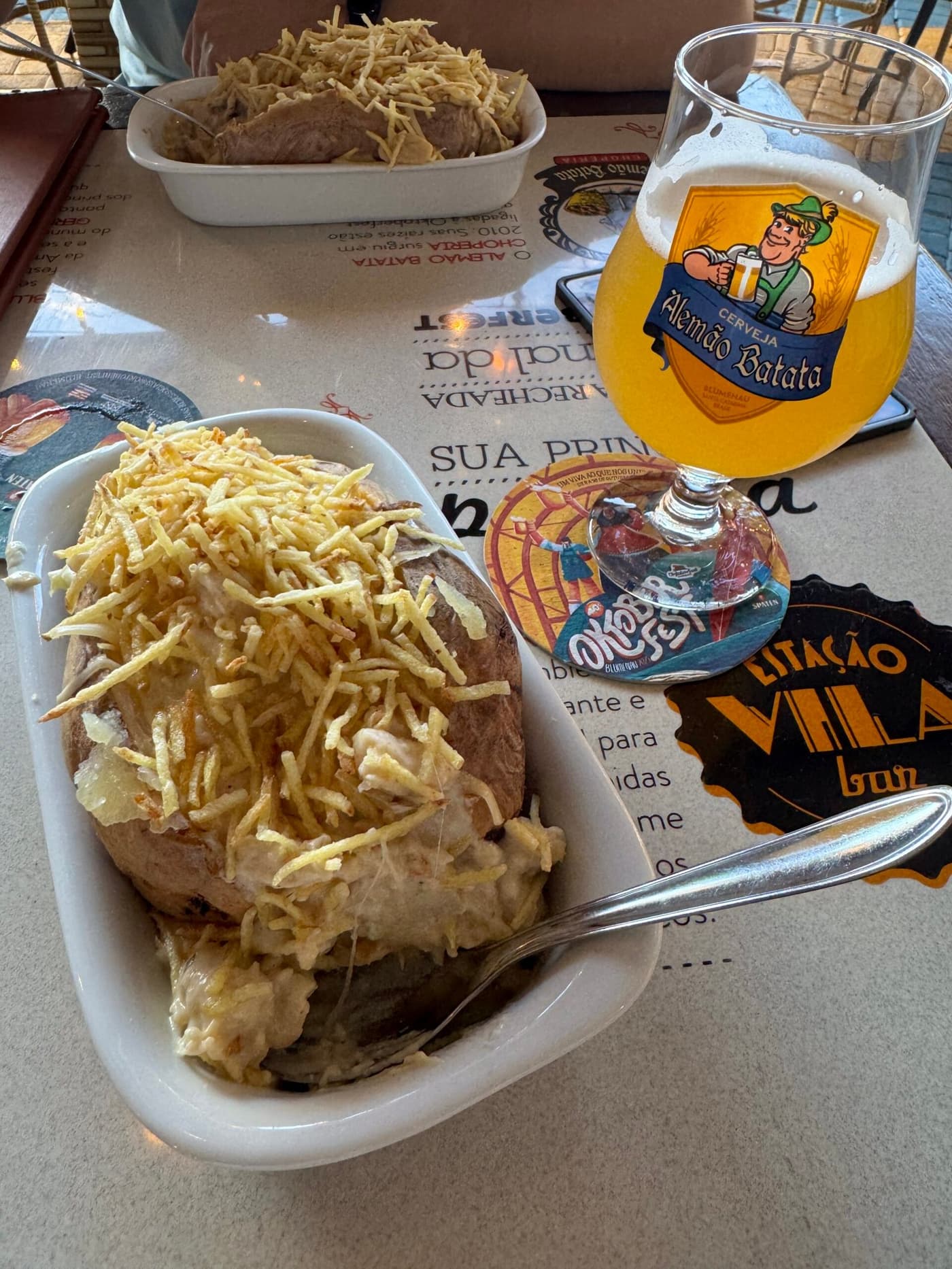
Also try the baked potato with toppings, that huge potato, which in the local version is called Batata Recheada. Usually cheese, chicken, meat, bacon, sauces and various toppings go inside.
If you want something beyond "traditional Blumenau" and something more universal, the city has good poke, burgers, specialty coffee, toasts, pastries and desserts. Blumenau is convenient because you can have a hearty German-style dinner and an easy breakfast in a coffee shop.
7 Dishes to Order in Blumenau
If you want to do more than just eat and really get to know Blumenau's food scene, here's a list of dishes to start with.
- Schnitzel A classic of German cuisine: thinly pounded breaded meat. In Blumenau it's served with potatoes, salads or sauces. A simple but very approachable dish.
- Eisbein / pork knuckle (Eisbein / Joelho de porco) One of the "heaviest" but also most atmospheric dishes. A big piece of pork, often with a crispy crust, served with cabbage and sides.
- German sausages (Wurst) Different kinds of sausages, from milder to rich and spicy. They usually come with mustard, cabbage and potatoes.
- Sauerkraut Often served as a side, but it's actually an important part of the flavor. It balances fatty meat dishes well.
- Baked potato with toppings (batata recheada) That big potato with cheese, meat, chicken, bacon and sauces. Filling, simple and very popular in the city.
- Craft beer Blumenau is one of the centers of beer culture in Brazil. It's worth trying local styles here, especially lagers and German-style wheat beer.
- German desserts and pastries Strudels, pies, cakes, sweet pastries: all easy to find in the city's coffee shops. A great option for breakfast or an afternoon break.
The city's historical heritage directly shaped the local cuisine. In Blumenau you can try dishes that are more associated with Germany than with Brazil.
Portions are generally big, the dishes are hearty, and the flavor is as close as possible to European traditions.
Breweries and Bars
Beer culture is an important part of life in Blumenau, and you feel it everywhere. I recommend dropping into local craft breweries, looking for bars with a big selection of beers and restaurants that brew their own. One of the well-known brands from this region is Eisenbahn.
Where to Eat in Blumenau: Places I've Tried
Alemão Batata Choperia — if you want to try that big baked potato with toppings and have a beer with it.
Norden Bar & Biergarten — a prominent German restaurant, and the German atmosphere is not only in the menu but in the space itself. The official Blumenau tourism portal says Norden is housed in a historic house from 1897, serves dishes from a German chef and specially selected beer. The only downside: it's incredibly, terribly noisy there.
Moinho do Vale — a well-known restaurant in the city, located in an old mill, with a pleasant atmosphere and quality food. Not cheap.
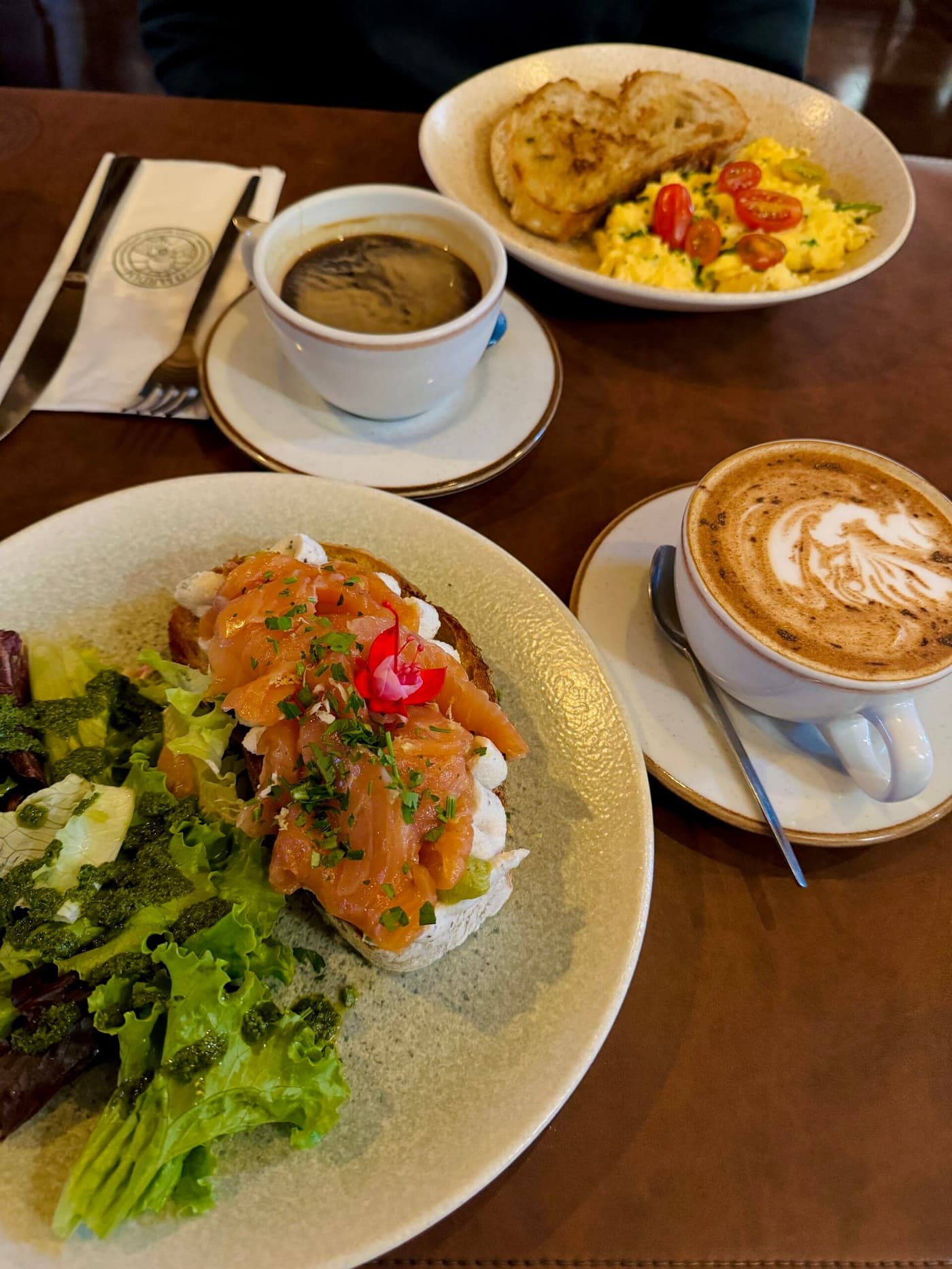
Perfetto Café — a beautiful modern coffee shop for breakfast, brunch or an afternoon break. Healthier and lighter food, with decent coffee and a pleasant atmosphere. For when you get tired of heavy German food.
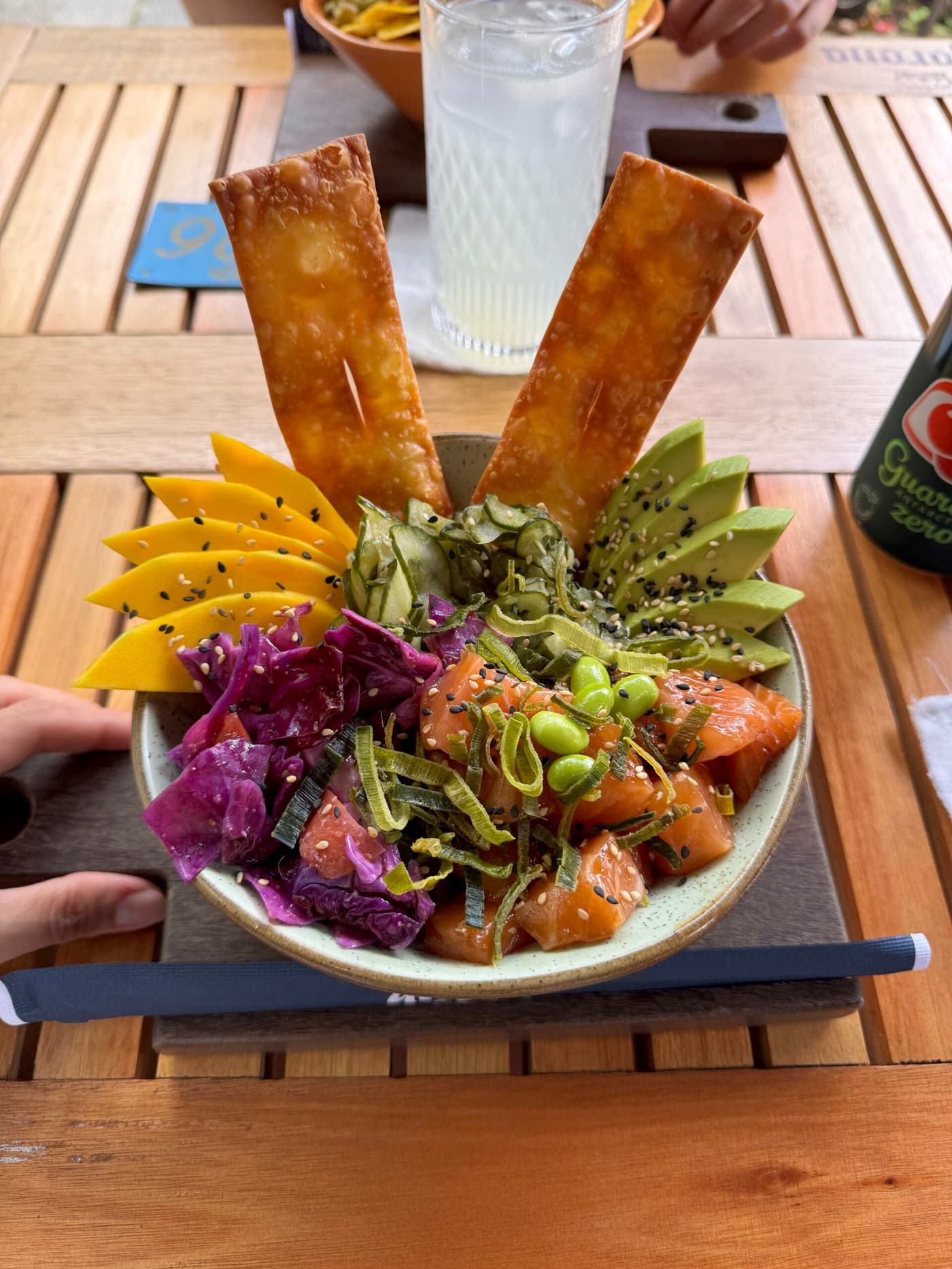
Aikau Poke — my favorite poke place in the whole state. For those who've already had their fill of pork knuckle, sausages and potatoes. The restaurant itself says it's the first Hawaiian-cuisine spot in Blumenau.
Levâme Café by Aroma — a pleasant coffee shop with good coffee, toasts and pastries. According to the venue, Levâme has several locations in Blumenau; we were only at one.
The Boiler Burguer — for those who just want good burgers without any fuss.
You definitely won't go hungry in Blumenau.
Weather and Climate in Blumenau: When to Go
Weather is one of the factors that directly affects how a trip to Blumenau feels. Unlike Brazil's beach cities, here it's not only temperature that matters but also humidity and the amount of rain, of which there is quite a lot.
Climate and Temperature by Season
Blumenau is in the subtropical zone, with more distinct seasons: a cool winter and less constant heat than in the northern part of the country.
Over the course of the year:
- summer (December–March) temperatures are usually +28…+34°C, with high humidity and possible heavy downpours
- fall (April–May) a bit cooler, comfortable temperatures for walking and less rain
- winter (June–August) temperatures +10…+18°C cool in the morning and evening, but generally dry and comfortable
- spring (September–November) it gradually warms up, but rainfall also increases and the city gets greener
Because of its location in a valley and its proximity to the mountains, the weather changes quickly.
The Best Time to Visit
If you want comfortable weather without extreme heat and rain, it's best to go from April to June or from August to November.
At that time it's less hot, nicer to walk around the city, and there's a lower chance of heavy downpours.
Summer works if you handle heat and humidity well, but be ready for rain.
Rainy Season and Weather Quirks
Blumenau is known for intense rains, especially in summer.
That doesn't mean it will pour all day, but sudden tropical downpours are possible, and flooding sometimes happens in certain areas.
Because of this, when planning a trip it's worth checking the forecast, bringing a light rain jacket and keeping in mind that your walks will depend on the weather.
When to Go for Oktoberfest
If your goal is Oktoberfest Blumenau, you need to go in October.
Besides the festival, the temperature is comfortable at this time, not as hot as in summer, and the city is at its liveliest.
Keep in mind that this is high season, so prices go up and accommodation needs to be booked in advance.
Of course, you can visit Blumenau all year round, but it's best in the shoulder season, when it's already warm but there's no intense heat or torrential rain yet.
If you want a quiet, walking-focused trip, choose spring or fall. If festivals interest you, plan for October.
Prices in Blumenau: How Much a Trip Costs
Compared with cities like São Paulo, Rio de Janeiro and even Florianópolis, where we came from, Blumenau is a very inexpensive city in Brazil. At the same time, the level of comfort here is higher than the national average, especially in cleanliness, infrastructure and the overall feel of the city.
I'll break down the main expenses so you can roughly estimate the budget for your trip.
Accommodation Prices
The cost of accommodation depends on the season, the neighborhood and the level. On average, here's what I saw:
- budget options: from 100–180 BRL ($19–34) per night
- mid-range: 180–350 BRL ($34–66)
- good hotels and apartments: from 350–600 BRL ($66–114) and up
During Oktoberfest Blumenau prices can rise by 1.5–2 times, so it's best to book accommodation in advance.
Food and Restaurants
Blumenau is a city where you can eat cheaply or go to a pricier restaurant.
Approximate price levels:
- lunch at an inexpensive café: 25–40 BRL ($5–8)
- dinner at a restaurant: 50–120 BRL per person ($10–23)
- German food (pork knuckle, schnitzel, etc.): 60–150 BRL ($12–28)
- coffee and dessert: 15–30 BRL ($3–6)
Beer culture is well developed here, so:
- a glass of beer is about 10–20 BRL ($2–4)
- craft beer costs more
Transportation and Getting Around
The city is compact and many places can be covered on foot, especially if you stay in the center.
- a taxi through the Uber app costs very little
- car rental is also reasonably priced, from ~150 BRL per day ($28)
If you're planning trips to neighboring towns, for example Pomerode, renting a car becomes especially convenient and good value.
Entertainment and Extra Costs
Most walks around the city are free; you pay mainly for food and experiences.
During Oktoberfest, costs can go up because of tickets, food and drinks inside the festival. Festival prices depend on the program and can change from year to year.
What to Do in Blumenau
Blumenau isn't a city with a packed schedule; getting to know it works a little differently: through atmosphere, walks, food and small local discoveries.
Here's what you can do in Blumenau to make your trip interesting.
Walk Around the Center and Admire the Architecture
The simplest and also the best thing to do is just walk.
In the city center, look at the half-timbered houses, wander the tidy streets and see the mix of German and Brazilian architecture.
Don't rush, stop in at cafés along the way, and if you like taking pictures, go ahead and take them.
Spend Time in Vila Germânica
Vila Germânica isn't only the home of Oktoberfest but also simply a place for a stroll. All year round you can try German food here, have a beer, buy local souvenirs and spend a couple of hours in the atmosphere of "German" Brazil.
Have a Food Day
Blumenau is a great city for building a day around food.
You could, for example, have breakfast at a coffee shop, a light lunch (poke, a café), and head out in the evening for German food with beer.
Take a Trip to Pomerode
If you have time, it's worth getting out to Pomerode. It's a small town near Blumenau that's even called the most German town in Brazil.
There's even more European architecture there, you can stroll calmly and change the scenery for half a day.
Try the Beer Culture
Even if you're not a beer fan, in Blumenau it's worth stopping by a bar or brewery at least once.
There's a big selection of styles, a noticeable German influence and a local drinking culture of its own.
Catch a Festival
If you find yourself in the city in October, be sure to visit Oktoberfest Blumenau. But even outside it, Blumenau regularly hosts other local events and city celebrations.
How Many Days You Need in Blumenau
One of the most common questions before a trip to Blumenau is how much time to plan here. As always, it depends on what you want from the city. For example, we lived here for a whole month, just living ordinary life: working on weekdays, and on weekends going to local cafés and trying different food.
Minimum: One Full Day
If you have a tight route through southern Brazil, you can see Blumenau in a single full day.
In that time you can take a not-too-deep walk around the center, drop by Vila Germânica, have lunch or dinner with German food and get a general impression of the city.
This is a good option if you're passing through or combining several cities.
Ideal: Two Full Days
The most comfortable is 2 days. Two days let you calmly see the main places without rushing and walk at your own pace. You'll try different restaurants and coffee shops and set aside time for the park or additional locations.
At this pace Blumenau comes across much better, without the feeling that you've "run through" it and don't really remember anything.
3 Days or More: Does It Make Sense?
It makes sense to plan more time if you want a more relaxed vacation, plan a trip to Pomerode, and want to immerse yourself in the food scene and atmosphere.
3+ days are also justified if you're coming for Oktoberfest Blumenau or other events. Or if you're nomads like us and don't just travel but live in different countries and cities.
Blumenau is a compact city, and its main plus is that it doesn't need much time but still leaves a pleasant impression.
I filmed how we spent our time in Blumenau in an episode on YouTube.
Answers to Popular Questions About Blumenau
In this section I've collected short answers to the most common questions about Blumenau.
Where is Blumenau?
Blumenau is in the south of Brazil, in the state of Santa Catarina. The nearest large city is Florianópolis, from where it's about 2–3 hours by car to Blumenau.
What is Blumenau famous for?
The city is known for:
- German architecture
- beer culture
- the Oktoberfest Blumenau festival
- the atmosphere of a "European" city in Brazil
Is Blumenau safe?
By Brazilian standards, Blumenau is considered one of the safest cities, especially compared with the big metropolises.
Still, I recommend following basic safety measures: watch your belongings, don't walk around deserted places at night and choose clear neighborhoods to stay in.
How many days do you need in Blumenau?
The best plan is 1–2 full days.
That's enough to see the main places, try the local food and walk around the city.
When is Oktoberfest in Blumenau?
Oktoberfest Blumenau takes place every year in October and lasts about 2–3 weeks. It's the biggest beer festival in Brazil and one of the best known outside Germany.
Is Blumenau worth visiting?
Yes, if you want to see a city that's unusual for Brazil, build a route through the calmer, wealthier southern regions of Brazil, see the Brazil nobody talks about and get to know German culture in South America. If you're planning a trip around southern Brazil, Blumenau is a great option for seeing the country from a different side.