Casa Vicens is one of Barcelona's key architectural landmarks and the first major building by Antoni Gaudí, the work that launched his independent career. This is where the architect's recognizable signature begins to take shape: his work with color, ornament, natural motifs and decorative materials.
Casa Vicens was built in the late 19th century as a private residence and is now considered the starting point of Catalan Modernisme in Gaudí's interpretation. Unlike his better-known later projects, Casa Batlló and Casa Milà, Casa Vicens shows an early, experimental stage of his work, with a clear influence of Eastern and Neo-Mudéjar styles.
Today Casa Vicens in Barcelona is open to visitors and runs as a museum. It is a UNESCO World Heritage site and attracts anyone who wants to understand how Gaudí's ideas evolved and see where his path in architecture began.
Casa Vicens by Antoni Gaudí: the history of its construction
Casa Vicens was Antoni Gaudí's first major independent project and was built between 1883 and 1885. The client was Manuel Vicens i Montaner, a wealthy Catalan industrialist who owned a brick and tile factory. This largely explains the extensive use of ceramics and decorative elements in the building.
When construction began, the future architect was at the start of his professional path and had only recently earned his degree. Even so, with this project Gaudí already stepped outside traditional architecture and created a building with a strongly individual style, which was a bold move for the time.
When and where Casa Vicens was built
At the time, the house was built outside central Barcelona, in the Gràcia district, which in the late 19th century was not yet part of the city. Casa Vicens was originally conceived as a summer country residence surrounded by a garden, which explains the close link between the building's architecture and natural motifs.
Gràcia eventually became part of Barcelona, but Casa Vicens still keeps the atmosphere of a private villa, setting it apart from Gaudí's more monumental, urban works created later.
Who commissioned Casa Vicens
Manuel Vicens gave Gaudí a fair amount of creative freedom, which allowed the architect to experiment with forms, ornaments and materials. The result was a project that not only met the client's practical needs but also served as an architectural statement by a young master.
Thanks to this commission, Casa Vicens is now seen as the key starting point of Gaudí's architectural career and an important building for understanding the evolution of Catalan Modernisme.
Casa Vicens: Antoni Gaudí's first building
Casa Vicens is considered Antoni Gaudí's first full-fledged work of architecture, carried out on his own, without co-authors. In this project he got the chance to realize his own ideas in full for the first time, which makes Casa Vicens especially important for understanding the rest of his career.
Unlike later works such as the Sagrada Família, where Gaudí becomes sculptural and organic, Casa Vicens is dominated by clear geometry and ornament. Even so, you can already see the key principles he would develop throughout his life: attention to detail, symbolism and the active use of natural forms.
Why Casa Vicens is considered Gaudí's first work
Before Casa Vicens, Gaudí had taken part in several projects and handled supporting tasks, but Casa Vicens was his first major private commission, where he was fully responsible for the concept of the building, from its overall volume to its decorative elements.
The project let Gaudí make a name for himself in Barcelona's architectural circles and laid the foundation for his reputation as an innovator working outside traditional canons. Despite its early place in his career, Casa Vicens already stood out from the typical buildings of the time.
How Casa Vicens differs from Gaudí's later houses
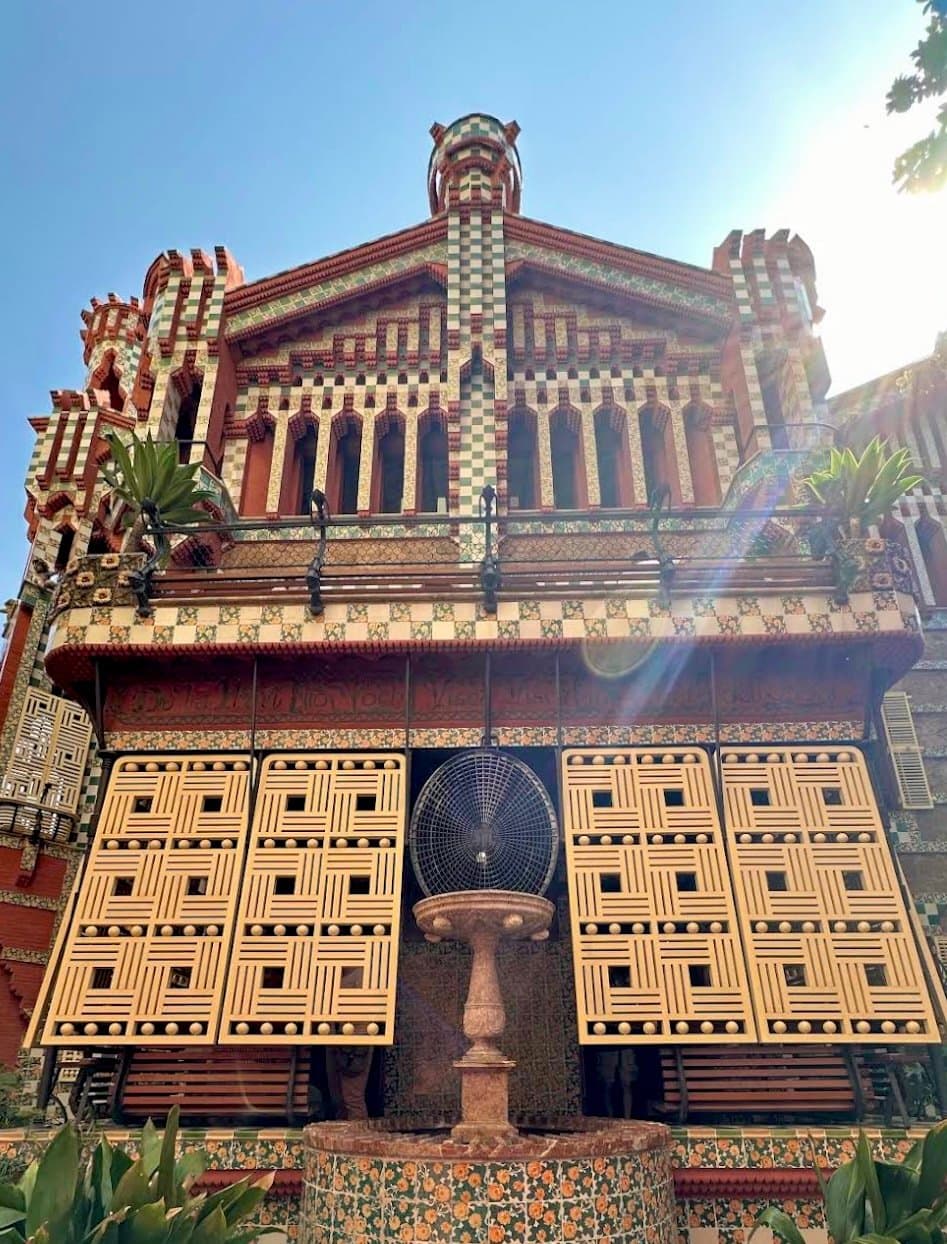
If you compare Casa Vicens with buildings such as Casa Batlló or Casa Milà, you notice a difference in the approach to form and space. Casa Vicens looks stricter and more structured, with pronounced horizontal and vertical lines.
At the same time, this is where the motifs that would later become Gaudí's trademarks first appear:
- decorative ceramics as part of the architectural language,
- plant ornaments inspired by the surrounding garden,
- the desire to connect the building with its natural setting.
In this sense, Casa Vicens can be seen as an experimental laboratory in which the ideas that led Gaudí to his world-famous masterpieces took shape.
Casa Vicens is one of the landmark Antoni Gaudí buildings in Barcelona, which I cover in detail in a separate overview.
Casa Vicens architecture: style and features
The architecture of Casa Vicens reflects an early stage of Antoni Gaudí's work, when he was actively experimenting with forms, ornaments and decorative materials. The building is clearly different from typical late 19th-century construction and immediately catches the eye with its rich colors and intricate decorative pattern on the facade.
Casa Vicens is often classed as Catalan Modernisme, but this project shows the influence of several styles at once. Gaudí combines elements of Neo-Mudéjar architecture, Eastern motifs and traditional Spanish decorative techniques to create a unique visual language.
The architectural style of Casa Vicens
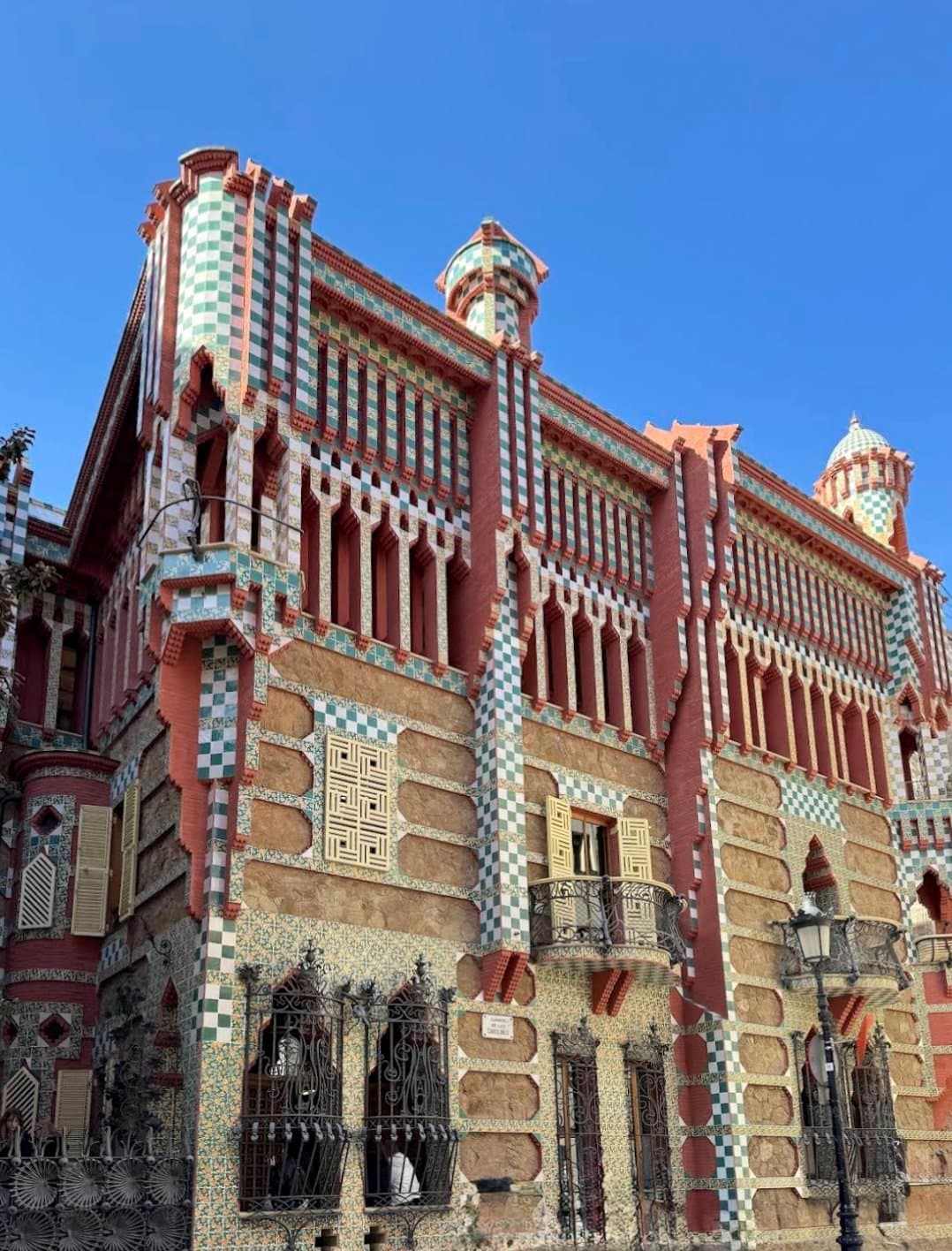
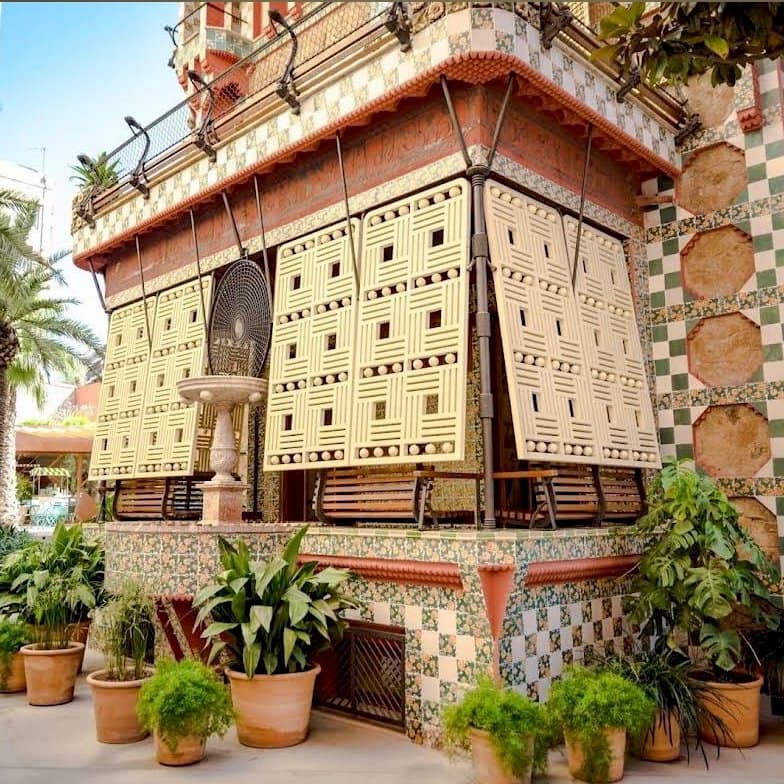
The facade of Casa Vicens is built on a contrast between geometric forms and rich ornament. One of the building's main features is its cladding of ceramic tiles with plant motifs. The pattern was inspired by the surrounding garden and reflects Gaudí's wish to integrate architecture into the natural environment.
The house is characterized by:
- a clear structure of volumes,
- decorative turrets and balconies,
- a combination of brick, stone and colored ceramics.
This approach was unusual for residential houses of the period and underlined the innovative character of the project.
Eastern and Neo-Mudéjar motifs
The architecture of Casa Vicens shows the influence of Islamic and Eastern aesthetics, visible in the ornaments, grilles, patterns and color palette. These motifs were popular in Europe in the second half of the 19th century, but Gaudí interpreted them in his own way, adapting them to the local context of Barcelona.
The Eastern elements are especially striking in the decorative details of the facade and interiors, where ornament becomes more than decoration and is part of the building's overall composition.
Ceramics, mosaics and decorative elements
The use of ceramics is one of the key features of Casa Vicens's architecture. Gaudí made extensive use of glazed tiles, creating bright surfaces with a repeating plant pattern. This technique would later become one of the hallmarks of his architecture.
The decorative elements in Casa Vicens are not purely aesthetic. They form the overall image of the building and show the architect's wish to unite structure and decoration in a single system.
What Casa Vicens in Barcelona is famous for
Casa Vicens has a special place among Barcelona's architectural sights. It is known not only as Antoni Gaudí's first house but also as a building in which the architect's original, bold approach to form, color and decoration was already visible at an early stage.
Unlike the more popular tourist sights, Casa Vicens is less crowded, which makes it especially interesting for anyone who wants to understand Gaudí's work more deeply and see the origins of his architectural language.
Why Casa Vicens is on the UNESCO list
Casa Vicens is on the UNESCO World Heritage List as part of a series of sites representing the work of Antoni Gaudí. The reason is its importance for the development of late 19th-century architecture and its contribution to the formation of Catalan Modernisme.
The building is recognized as a unique example of the architect's early period, combining artistic, historical and cultural value. Casa Vicens shows how, at the very start of his career, Gaudí was already moving away from academic norms and creating architecture based on his own vision.
The significance of Casa Vicens for Catalan Modernisme
Casa Vicens is considered one of the first residential buildings of Catalan Modernisme in which decorative elements became an integral part of the architectural concept. Here Modernisme shows not only in the building's outward appearance but also in the pursuit of a unified artistic image.
The project influenced the later development of modernist architecture in Barcelona and became an important reference point for Gaudí's subsequent works, as well as for architects in his circle.
Interesting facts about Casa Vicens
- Casa Vicens was originally a private residence and remained closed to the general public for a long time.
- During the 20th century the building was altered several times, but it kept the key elements of Gaudí's original design.
- After its restoration, Casa Vicens opened as a museum, so visitors can see interiors that stay as close as possible to the architect's original vision.
Casa Vicens today: a museum and UNESCO site
Today Casa Vicens operates as a museum and cultural space open to the general public. After a long period of private ownership, the building was carefully restored and reopened its doors to visitors, preserving and showing Antoni Gaudí's original architectural solutions.
The current exhibition is designed so that visitors can not only look around the building itself but also understand the context of its creation, the features of the architect's early work and the significance of Casa Vicens in the history of Barcelona's architecture.
When Casa Vicens became a museum
After a change of owners and extensive restoration work, Casa Vicens opened to visitors as a museum in 2017. The restoration relied on historical sources and research, which made it possible to restore the original decorative elements and color schemes as accurately as possible.
The opening of the museum was an important event for Barcelona, since for a long time, unlike other well-known Gaudí works, Casa Vicens had been inaccessible to tourists.
What you can see inside Casa Vicens
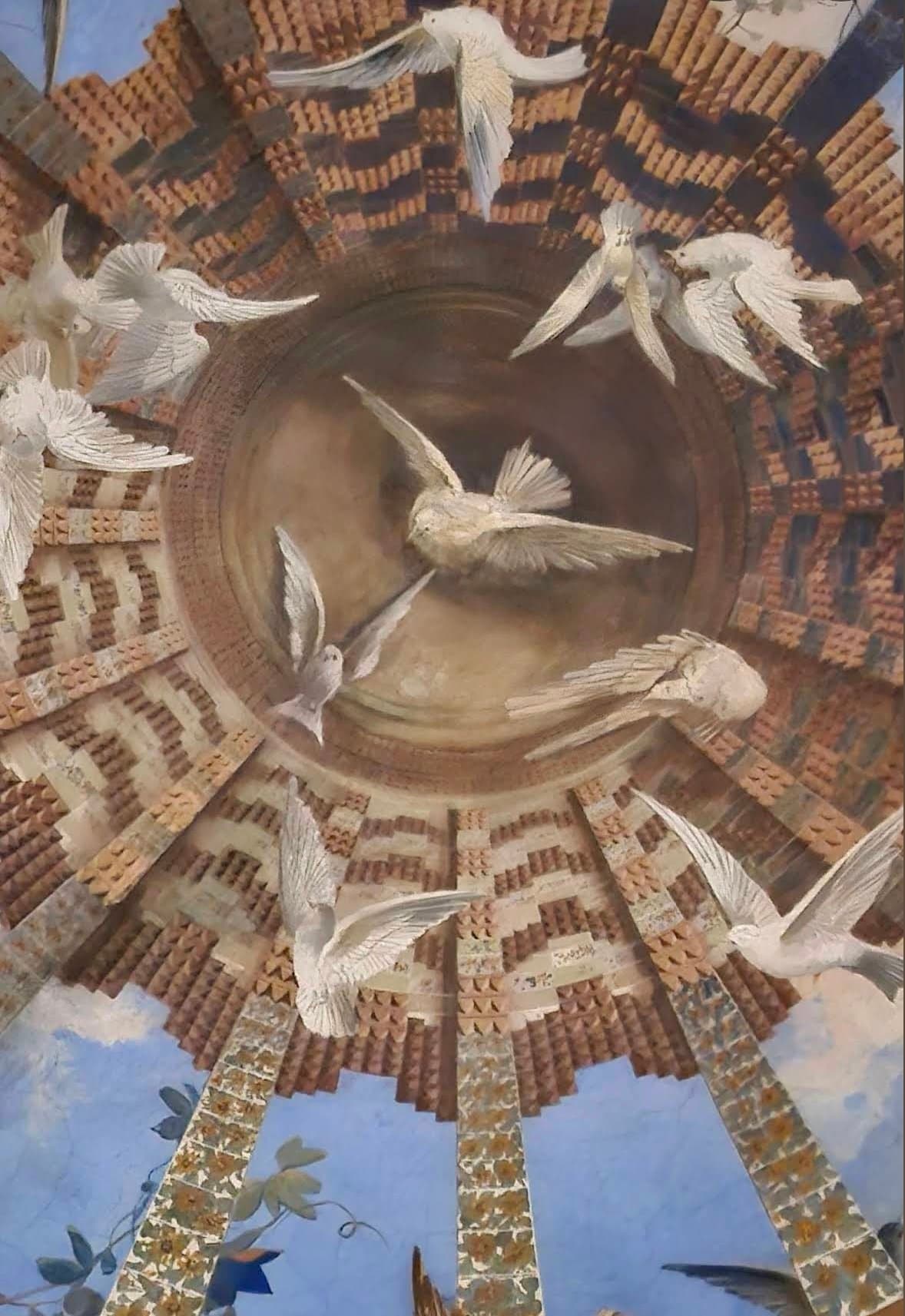
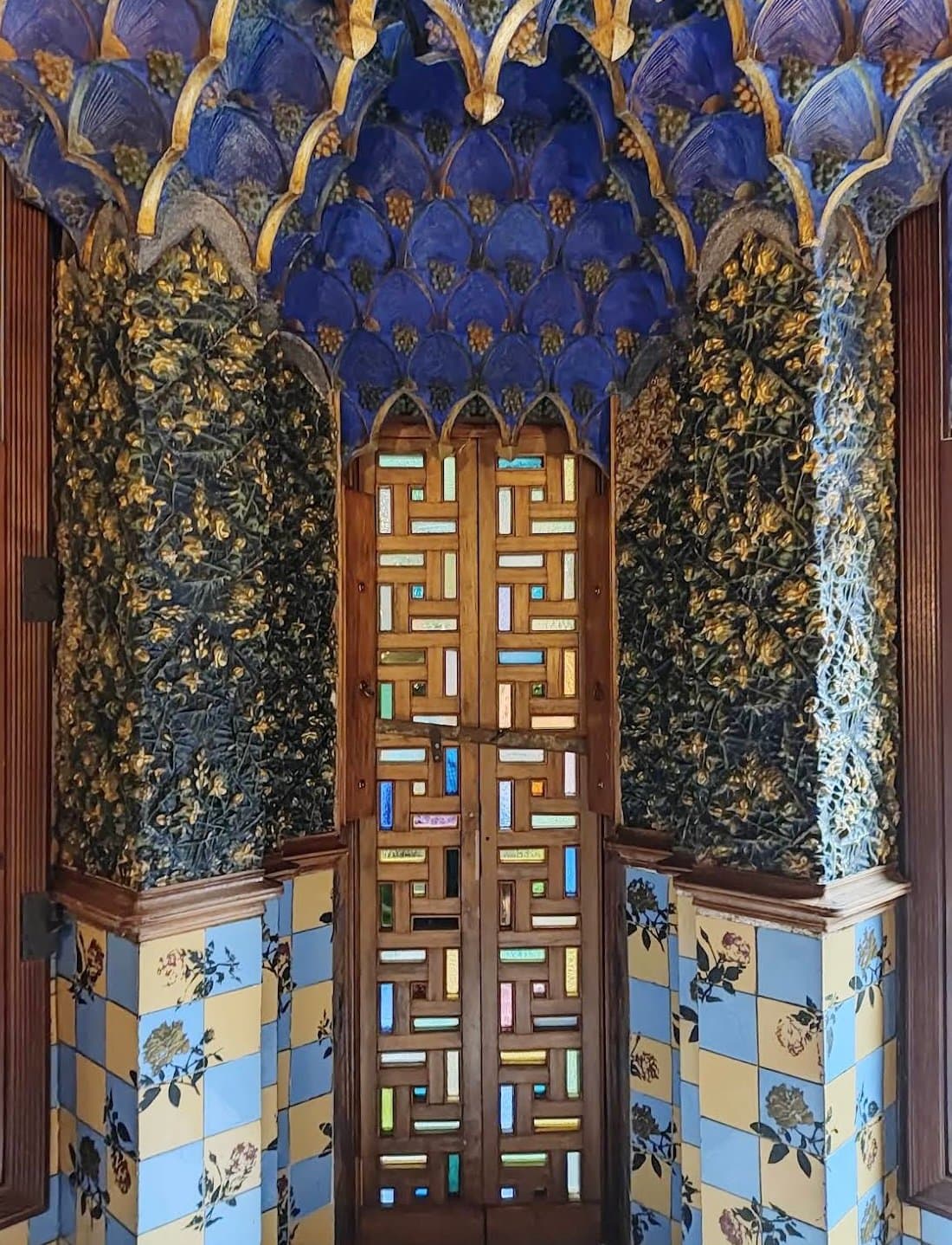
Inside Casa Vicens you will find both restored interiors and exhibition spaces. Particular attention is given to:
- original wall paintings and ornaments,
- decorative ceramics and ceilings,
- the layout of living spaces from the late 19th century.
The exhibition lets you trace how Gaudí worked with space, color and light, and understand how architecture and decoration were combined into a single concept.
Is Casa Vicens worth visiting for tourists
Casa Vicens suits architecture fans as well as travelers interested in Barcelona's cultural heritage. A visit to the museum usually takes about an hour, which makes it easy to fit into a sightseeing route around the city.
Thanks to the museum format and well-thought-out navigation, Casa Vicens is easy to enjoy even for people with no architecture background who simply want to understand Antoni Gaudí's work better.
Casa Vicens tickets: prices and where to buy
The best and most reliable option is the official Casa Vicens website. Buying tickets online lets you choose a convenient visiting time and avoid queues.
You can also buy Casa Vicens tickets on the large international tour and ticket marketplaces that tourists often use, such as Klook, GetYourGuide and Viator.
Important: prices on these marketplaces usually match the official ones or differ only slightly, but the official website gives the most complete and up-to-date information on time slots and visiting rules.
How much Casa Vicens tickets cost
- Adult ticket: about €18-20
- Reduced ticket (students, seniors): about €16
- Children under 11: free (accompanied by an adult)
- An audio guide is most often included in the ticket price
Prices may change slightly depending on the season and the type of visit, so it is best to check the price on the official website before buying.
Do you need to book tickets in advance
Yes, it is strongly recommended. Casa Vicens is a popular but relatively small museum, so the number of visitors in each time slot is limited. In the high tourist season, tickets for a convenient time can sell out several days ahead.
Booking online:
- guarantees entry at your chosen time;
- saves time on site;
- removes the risk of tickets being sold out.
Casa Vicens opening hours
Opening hours can change a little depending on the season, but the standard schedule looks like this:
- Daily: 10:00 a.m. to 8:00 p.m.
- Last entry: about an hour before closing
On public holidays and in winter the schedule may change, so check the current opening hours on the official Casa Vicens website before your visit.
The best time to visit Casa Vicens is in the morning on weekdays, when there are the fewest tourists. That lets you look around the interiors calmly and pay attention to the architectural details without rushing.
Where Casa Vicens is and how to get there
Casa Vicens is in the Gràcia district, one of Barcelona's most atmospheric and authentic neighborhoods. Unlike many other Gaudí works, it sits away from the main tourist routes, which makes a visit calmer and more comfortable.
Casa Vicens address
Carrer de les Carolines, 20–26, Barcelona
This is a residential area with local cafés and small streets, so it is easy to combine a visit to Casa Vicens with a walk around Gràcia.
How to get to Casa Vicens
The most convenient way is public transport:
- Metro:
- line L3 (green), Fontana station, about a 10-minute walk
- line L4 (yellow), Joanic station, about a 15-minute walk
- Buses:
- routes through the Gràcia district stop not far from the house
You can also take a taxi or use a ride-hailing service; the address is well known to drivers.
The location is handy because it is easy to include in a route through the northern part of the city. Nearby you will find:
- the pedestrian-friendly streets of Gràcia,
- small squares with cafés,
- other architectural and cultural sights.
Casa Vicens or other Gaudí houses: which to choose
Barcelona has several landmark buildings by Antoni Gaudí, and travelers often ask which house to visit first. Casa Vicens is quite different from the architect's best-known works and can be a good addition to the classic route.
Casa Vicens or Casa Batlló
When you compare Casa Vicens and Casa Batlló, the difference lies mainly in the stage of Gaudí's career. Casa Batlló belongs to his mature period and impresses with flowing forms, symbolism and the complex sculptural quality of its facade.
Casa Vicens, by contrast, shows Gaudí's early style, which is more geometric and decorative. Choose it if you want to understand how the architect's creative path began, not just see the most famous buildings.
Casa Vicens or Casa Milà
Casa Milà (La Pedrera) is a large, monumental building in the center of Barcelona and a favorite with tourists. It gives an idea of how Gaudí worked with space and structure at the peak of his career.
Casa Vicens wins with its intimacy and smaller crowds. The visit is calmer, without dense tourist flows, so you can take a close look at the architectural details and interiors.
Which Gaudí houses to see in Barcelona
If you have time, the best option is to visit several Gaudí houses to see how his style evolved:
- Casa Vicens: the early period and first experiments;
- Casa Batlló: the mature decorative style;
- Casa Milà: architectural innovation and work with form.
This route gives you a complete picture of how Gaudí's ideas developed and helps you better understand his contribution to Barcelona's architecture.
I filmed how we traveled around Spain in a YouTube episode
Casa Vicens FAQ
How long does a visit to Casa Vicens take
On average, allow about 60-90 minutes for a visit to Casa Vicens. That is enough time to look around the interiors calmly, see the museum exhibition and take in the architectural details of the building.
Can you take photos inside Casa Vicens
Yes, photography is allowed, but without flash.
Do you need to buy Casa Vicens tickets in advance
Yes, buying tickets in advance is strongly recommended. Visits are organized in time slots, and in the high tourist season tickets for a convenient time often sell out.
Is Casa Vicens suitable for visiting with children
Casa Vicens is suitable for visiting with children, especially school-age ones. The exhibition is educational and helps introduce children to architecture and Gaudí's work.
Is Casa Vicens a UNESCO site
Yes, Casa Vicens is on the UNESCO World Heritage List as part of Antoni Gaudí's architectural heritage. This confirms its cultural and historical value at the international level.