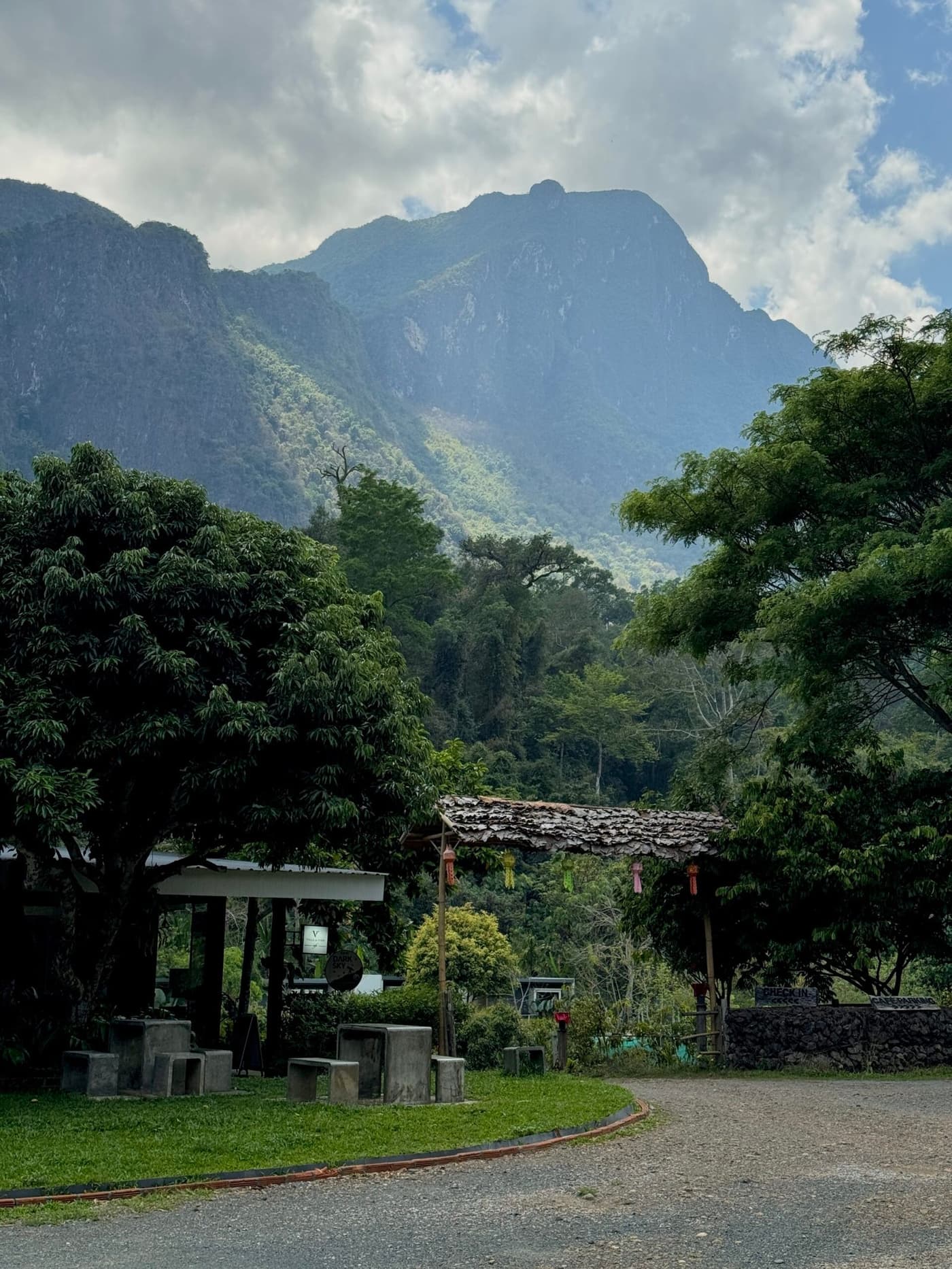
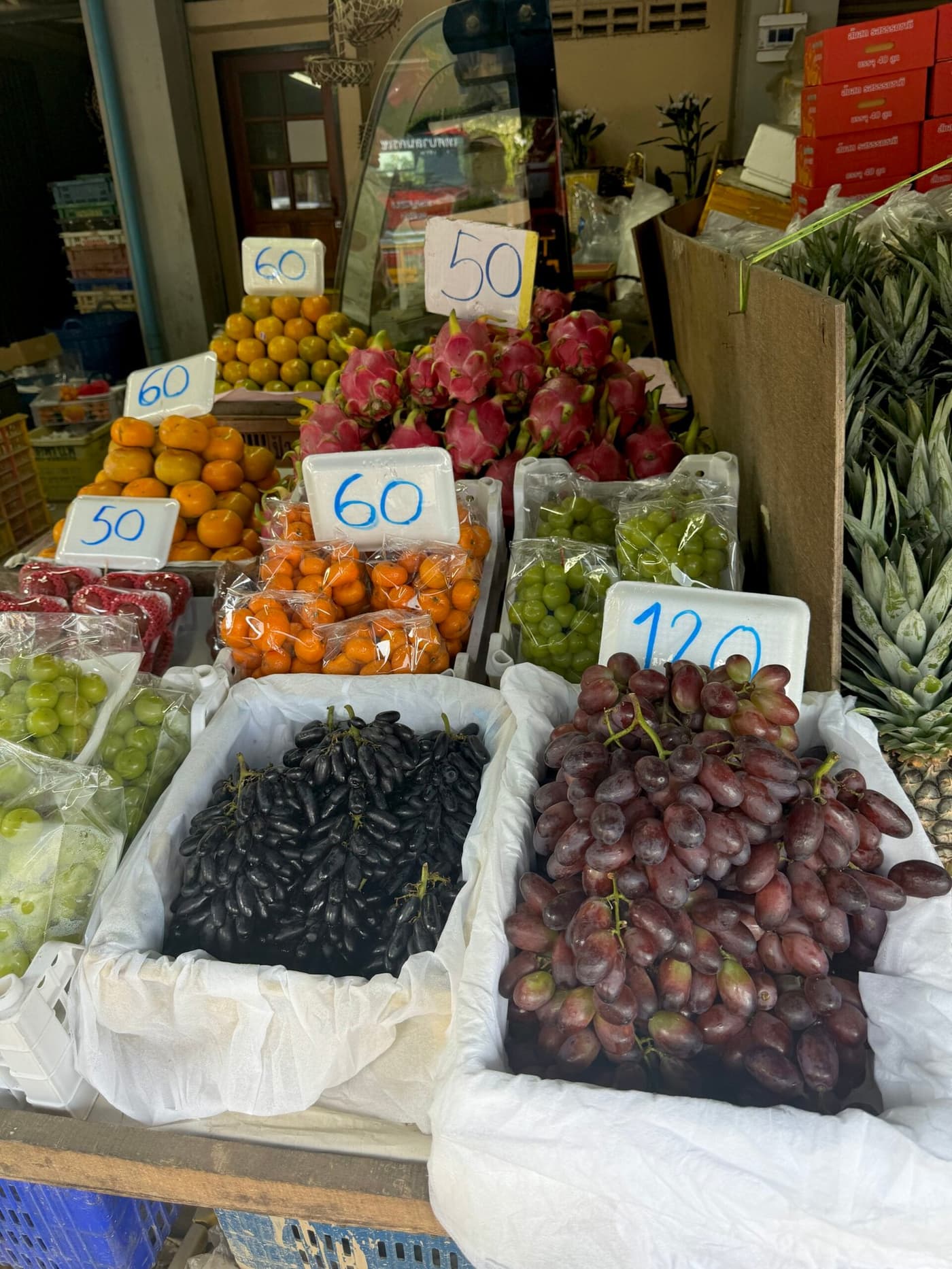
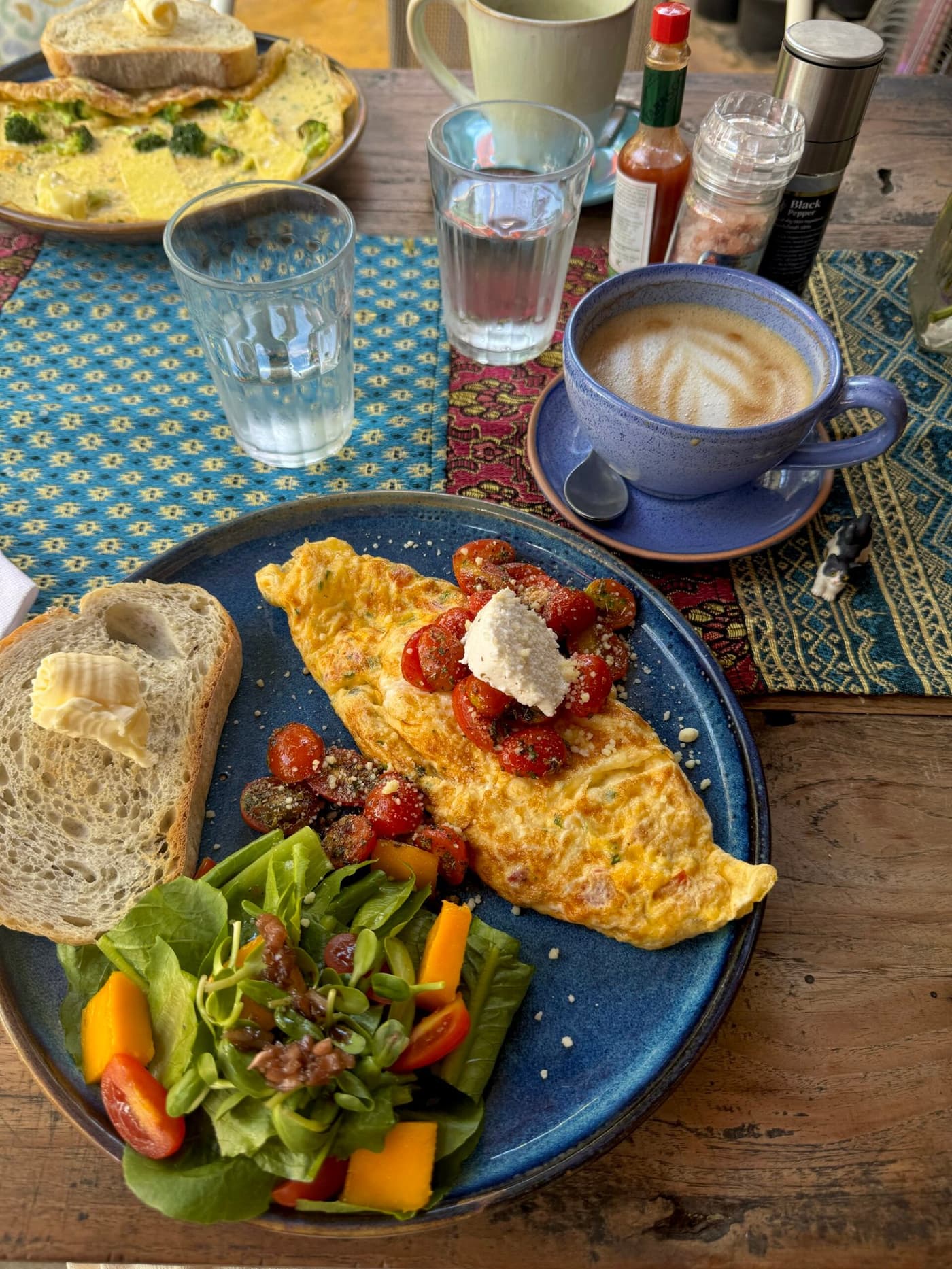
Lampang is one of the oldest towns in Northern Thailand, about 100 kilometers south of Chiang Mai. Unlike the busy tourist hubs, Lampang has kept its calm atmosphere, its traditional way of life and a character all its own. There is none of the bustle of a big city here. Instead you get ancient temples, cozy streets lined with wooden houses, the famous horse-drawn carriages and an unhurried pace of life that lets you feel the real Thailand. If you are only planning your trip to the country, take a look at my Thailand travel guide.
For travelers, Lampang is a pleasant discovery: the town is often added to a Northern Thailand route alongside Chiang Mai, Chiang Rai and Sukhothai.
We visited Lampang on a day trip from Chiang Mai. In this article I have collected the most important things about Lampang: how to get there, what to see, when to go and what to do.
If you are only getting ready to head to the north of Thailand, I recommend the Chiang Mai city guide and the detailed overview of Chiang Rai.
Where Lampang Is and How to Get There
Lampang is in Northern Thailand, about 600 kilometers from Bangkok and only 100 kilometers from Chiang Mai. The town lies on the Wang River and is surrounded by scenic mountains. You can get here in several ways: by train, bus, plane, rental car or motorbike.
By Motorbike or Car
This is the best option from Chiang Mai. The road is easy, the highway is good, and there are gas stations and cafes along the way. It takes 1.5–2 hours. This is how we went, and we did not regret it: you can stop whenever you like and control the pace of the trip.
By Bus or Minivan
There are several departures a day from Chiang Mai's Arcade Bus Terminal. The ride takes 1.5–2 hours and costs 80–120 baht. It is convenient if you do not have a motorbike.
By Train
Lampang sits on the Bangkok–Chiang Mai railway line. From Chiang Mai it takes about 2 hours (timetables show 1 hour 50 minutes to 2 hours 10 minutes), with several trains a day. From Bangkok it takes 9–10 hours, and there are night trains with sleeper berths, which is a handy way to combine the journey with a night's sleep. The Lampang railway station itself dates from 1916 and is a beautiful colonial building that is worth a look.
By Plane
There are direct flights from Bangkok to Lampang Airport (LPT). Check schedules and tickets on Trip.com.
Getting Around Town
The easiest way to get around Lampang is by songthaew (shared pickup trucks). There are also horse-drawn carriages, called khiao mah. This is not just a tourist attraction: in the early 20th century Lampang was a trading town, and horse carts were the main means of transport. Today there are about two dozen of them, working in the historic center. A short ride costs around 150–200 baht, and a longer route with stops starts at 400 baht. It is best to agree on the price in advance.
When to Go to Lampang
Lampang has a warm tropical climate, so you can come here all year round. But depending on the season, your impressions of the trip will differ.
Weather by Season
- November – February: the most comfortable time to travel. Daytime temperatures are +25…+28 °C (77–82 °F), evenings are cool and the air is dry. This is the period when tourists most often add Lampang to a Northern Thailand route.
- March – May: a very hot season. Temperatures can climb to +40 °C (104 °F). On top of the heat, this is also smog season in the north of Thailand. At the same time, there are almost no tourists, so if you handle the heat well, you can enjoy the sights without the crowds.
- June – October: the rainy season. Downpours most often come in the second half of the day, but nature is especially bright and green at this time. If rain does not bother you, the trip will be a pleasant one.
I wrote about the seasons in Chiang Mai and Northern Thailand in a separate article.
What to See in Lampang: Top Attractions
Lampang is a town of ancient temples, colonial architecture and cozy markets. To plan your route, one or two days is enough: you will get to know the main sights and feel the atmosphere of the town. We came to Lampang for just one day, which I regret very much, because we did not manage to see everything. So I recommend not repeating our mistake and staying here for at least two days.
Wat Phra That Lampang Luang: The Main Sacred Site
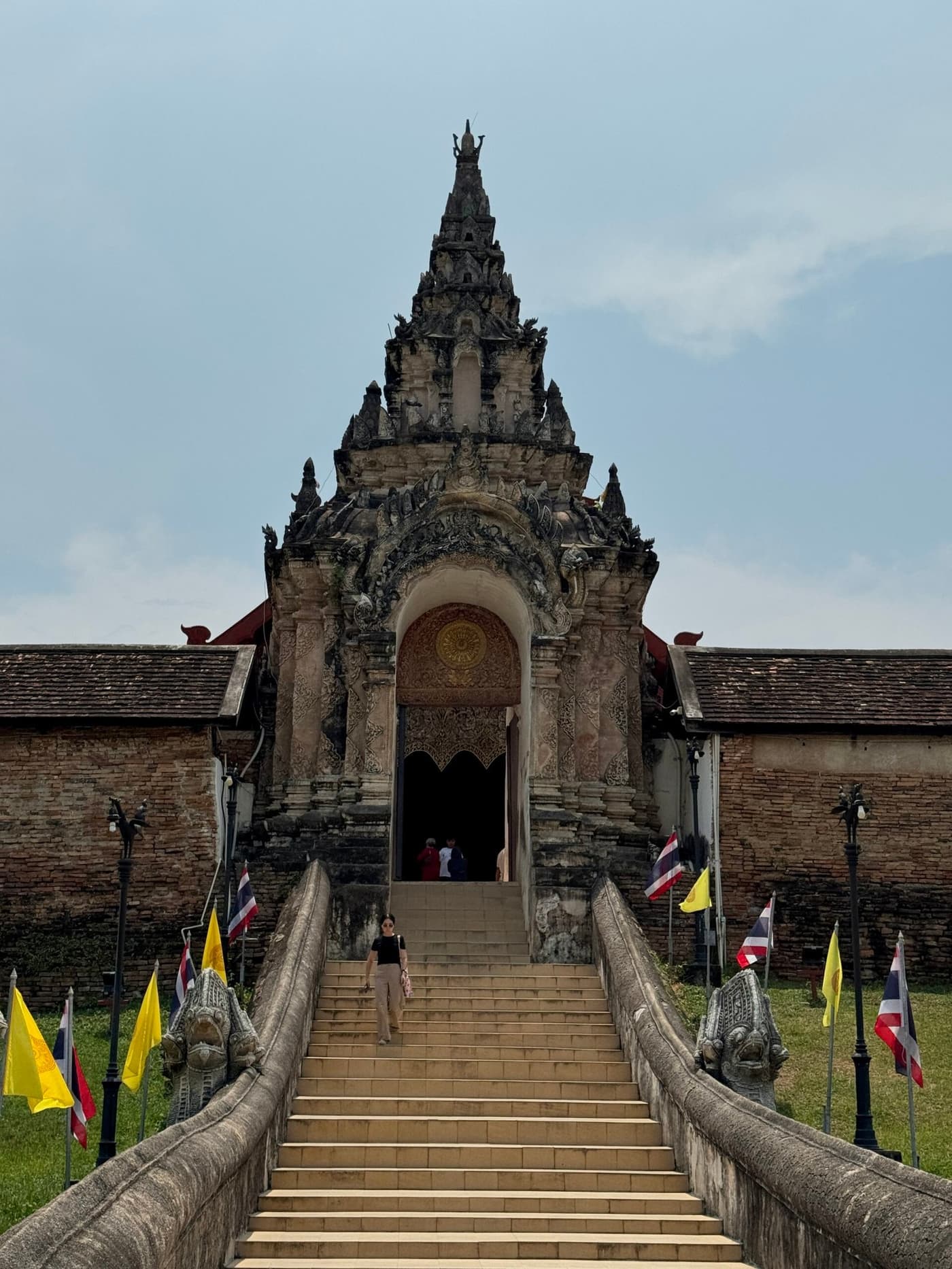
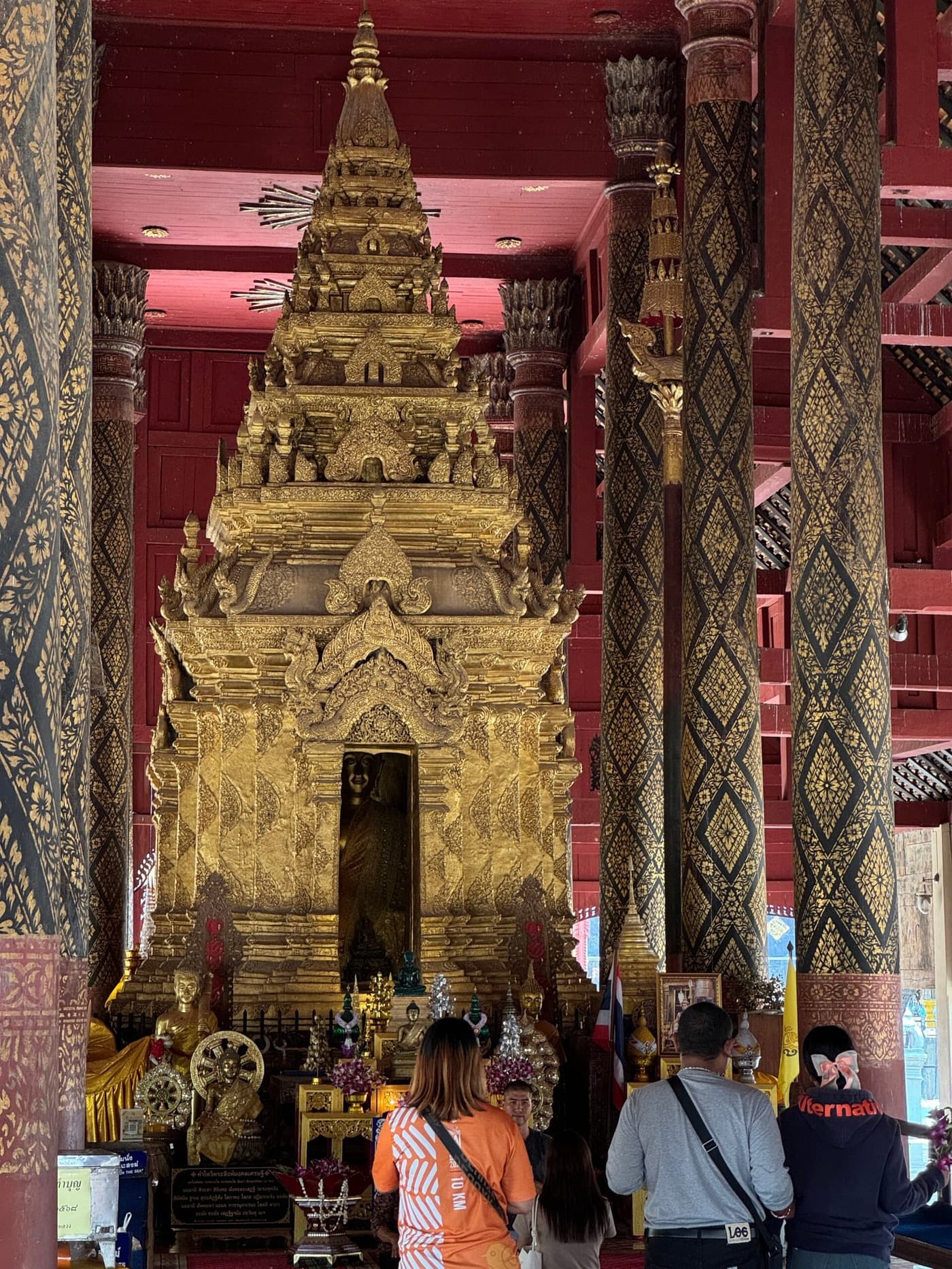
One of the most important temples in Northern Thailand, located 20 kilometers from the town. The temple complex has preserved classic Lanna architecture and is known for its ancient chedi, which holds a relic of the Buddha. The temple was founded in the 13th century, during the heyday of the Lanna kingdom. The atmosphere on the grounds is peaceful, with a lovely view of the temple courtyard.
Location of Wat Phrathat Lampang Luang
Opening hours: daily from 07:30 to 17:00
Wat Chaloem Phra Kiat on the Cliff Tops
This temple complex is the calling card of the province. White stupas scattered across the tops of limestone cliffs create the impression of "flying temples." The climb is not easy: you have to go up a staircase and cover part of the way by pickup truck, but the views of the mountains and valleys are worth every effort.
Location of Wat Chaloem Phra Kiat
Admission for foreign visitors is about 290 THB: 200 THB for the wildlife sanctuary, 60 THB for the shuttle and 30 THB for the temple (as of October 2026, cash only).
You can only get to the top on a special shuttle, which is included in the price. The last shuttle leaves at 16:30. You cannot ride up to the summit yourself on a motorbike or in a car.
Opening hours: daily from 08:00 to 17:00
The 1916 Railway Station
This old station is one of the most beautiful in Thailand. It was built in the early 20th century in the colonial style and is still used for its original purpose. Even if you are not planning a train trip, it is worth stopping by for the architecture and the photos.
A Horse-Drawn Carriage Ride
Horse carriages became a symbol of Lampang back at the beginning of the last century. Today, a carriage ride around town is a way to step into the atmosphere of "old Thailand." The route usually passes the main temples and historic quarters.
Kad Kong Ta Old Market
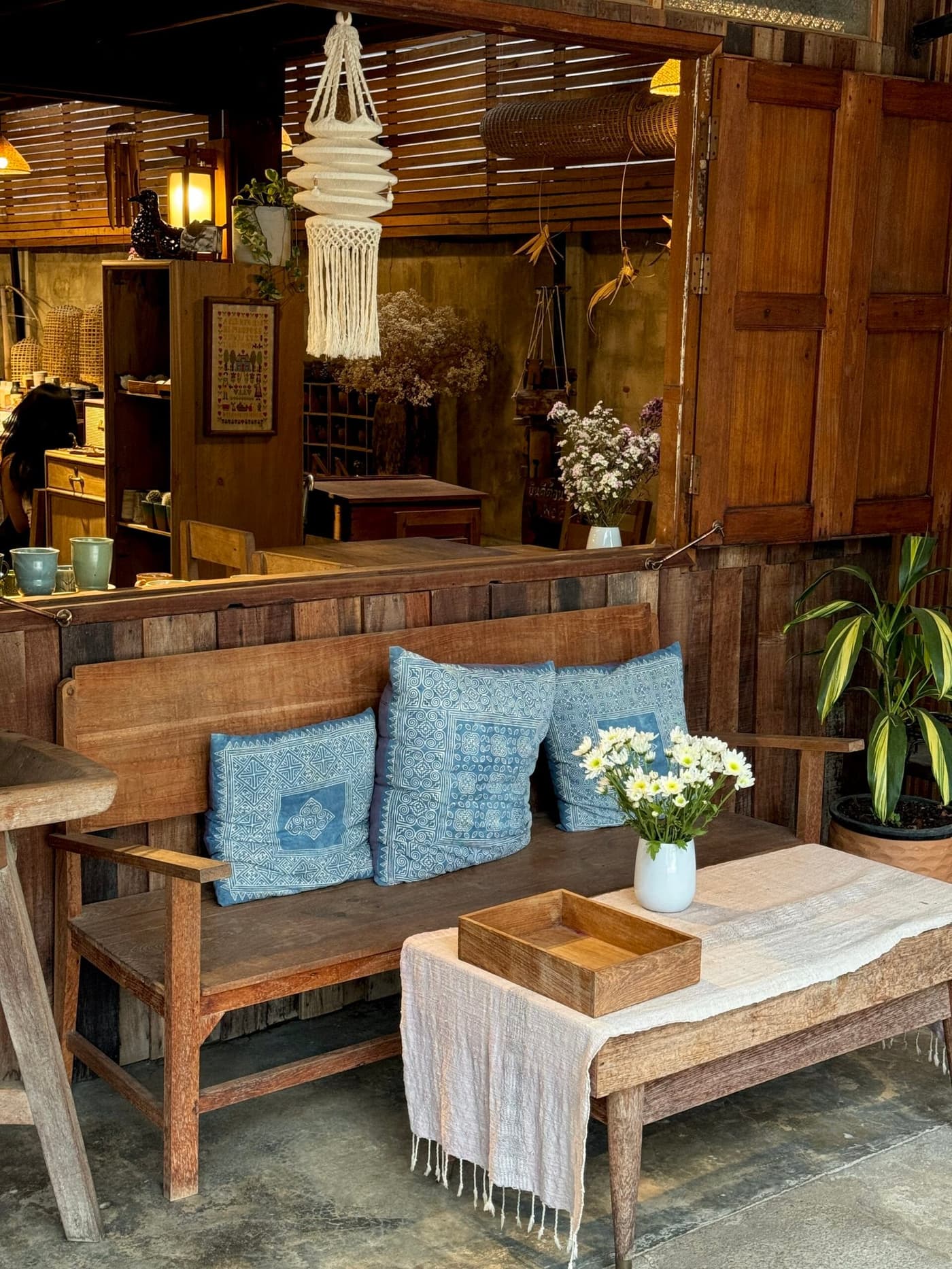
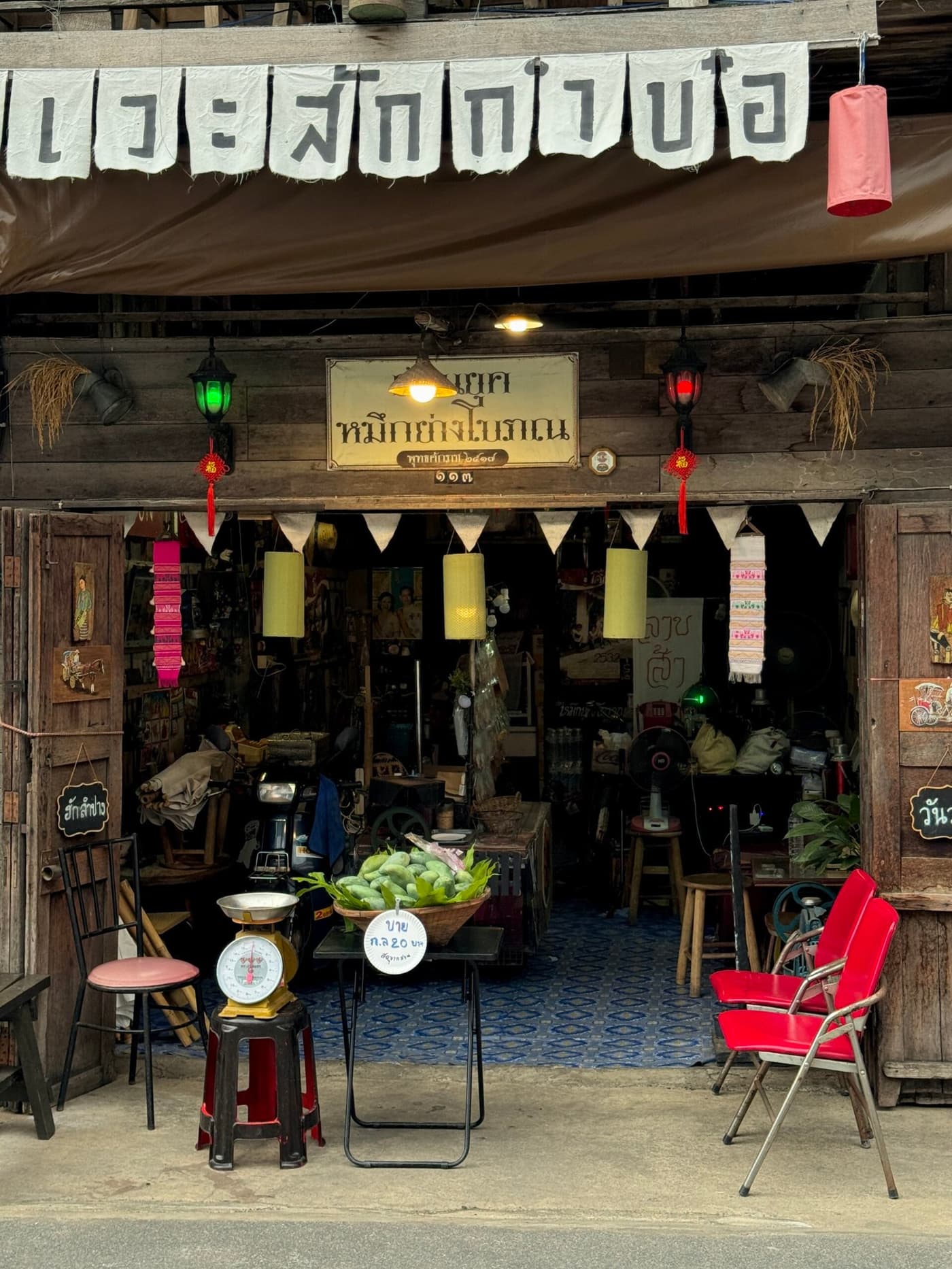
Lampang's main pedestrian street comes alive on weekend evenings. Here you can try street food, buy handmade souvenirs and stroll among old wooden houses in the colonial style. The atmosphere feels like a mix of a bazaar and a festival. If you end up there, I recommend stopping by the papacraft coffee shop. They serve good coffee, the internet is good, and you can buy handmade items.
Location of Kad Kong Ta old market
The market is open on Saturdays and Sundays from 16:00 to 22:00.
Wat Prathat Doi Prachan
A temple on a hilltop west of the town, with a statue of a giant seated Buddha towering over the valley. From here you get a panoramic view of the Lampang surroundings, especially beautiful at sunset. A long staircase decorated with naga figures leads up to the temple, and the atmosphere at the top is peaceful. This place is not as popular with mass tourism, so you can enjoy the quiet and meditate. A shuttle runs to the top of the temple and costs 40 THB.
Location of Wat Prathat Doi Prachan
The temple is open daily from 06:00 to 16:30
Culture and Traditions of Lampang
Lampang has kept an authenticity that is hard to find in more touristy towns. You can feel a blend of the cultural traditions of northern Thailand, Burmese influence and the character of an old town.
Holidays and Festivals
Lampang is known for its local events. The best known is Loy Krathong (November), when residents float pretty boats made of banana leaves down the Wang River. In April they celebrate Songkran, the Thai New Year, with traditional water play. The town also hosts ceramics and handicraft fairs, which make Lampang even more interesting for tourists.
Lampang Ceramics
The province is famous for its ceramics, especially pieces decorated with a rooster, which has become a symbol of Lampang. There are factories and workshops in town where you can watch the production process and buy souvenirs directly from the makers. One of the best-known centers is the Dhanabadee Ceramic Museum, where visitors are shown the whole cycle of making tableware.
Local Food and the Best Dishes
Lampang cuisine reflects the northern traditions of Thailand. Be sure to try khao soi, a noodle and curry soup, crispy pork rinds (kaep moo) and dishes made with local beef. In the evening at the Kad Kong Ta market you can find street food for every taste, from grilled dishes to desserts. Many cafes in town serve dishes in handmade ceramic tableware, which adds a special touch.
Lampang Architecture: The Burmese Heritage
Lampang's Burmese architectural influence is a story of its own, and nowhere else in Thailand is it found in such concentration. In the late 19th and early 20th centuries, teak traders from Burma (Myanmar) were active here: they ran logging and trade and built houses and temples based on Burmese models.
The result is a number of temples with characteristic Burmese elements: multi-tiered spires, carved wooden decoration and different building proportions compared with Thai ones. Wat Phra Kaeo Don Tao in the town center is a good example of the mixed Thai-Burmese style and one of the most beautiful temples in Lampang. Nearby is the Burmese Museum (Myanmar Museum), small but informative.
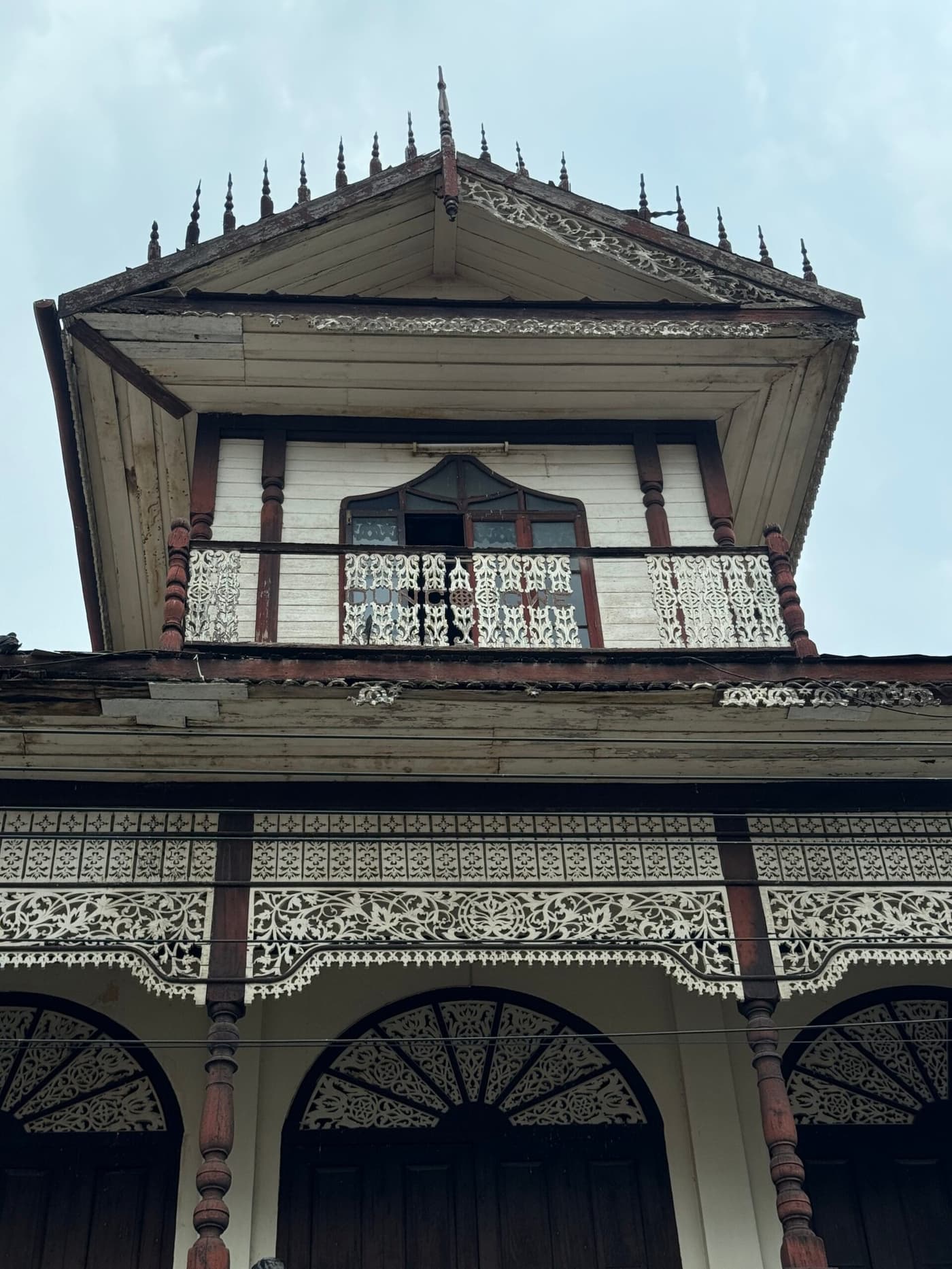
The historic quarter along the Wang River is made up of wooden houses in the colonial and Burmese styles. Some have been restored, and some are still being worked on. A walk through this quarter gives you an idea of what the trading north of Thailand looked like a hundred years ago.
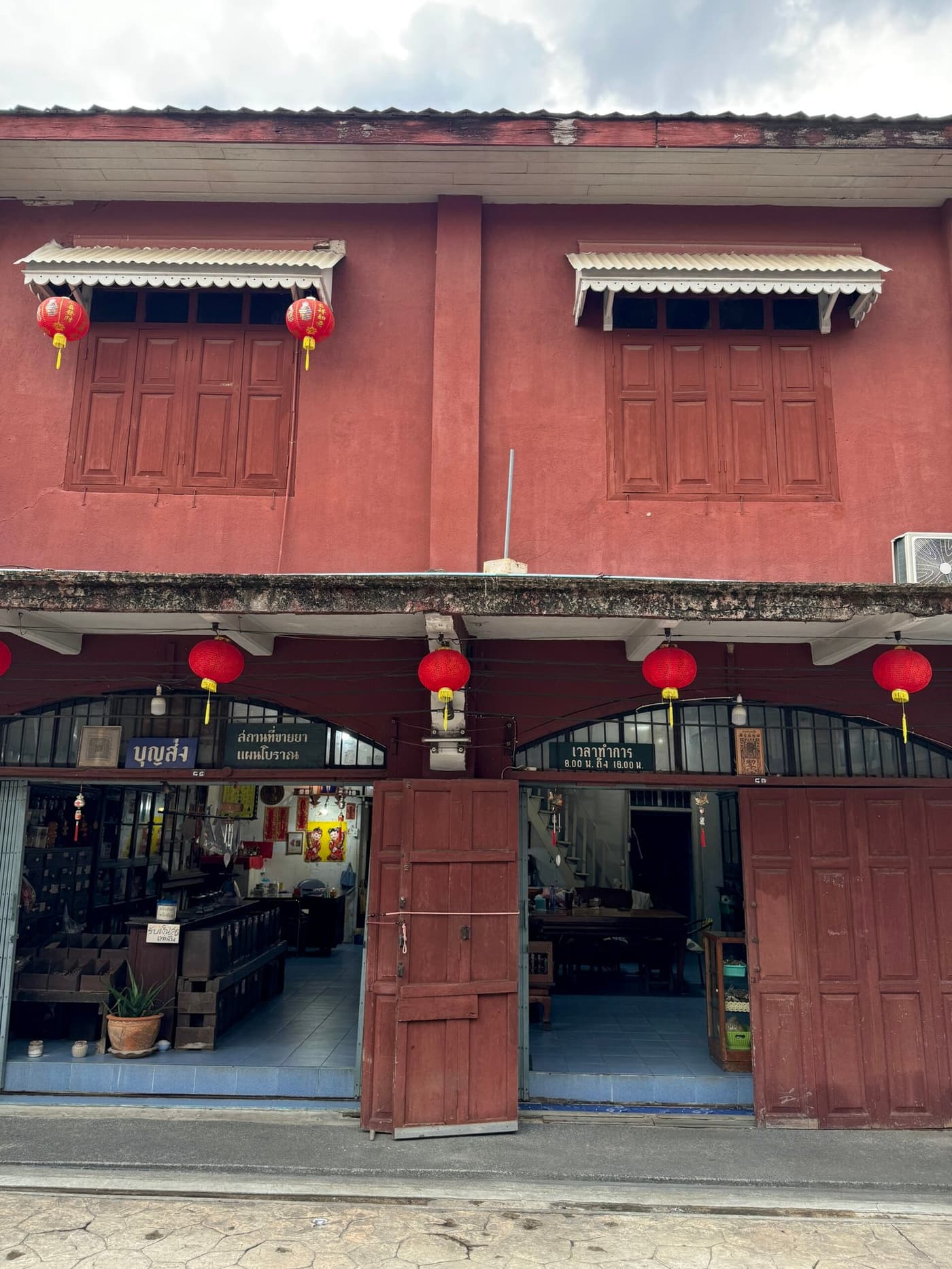
Where to Stay in Lampang
Lampang is smaller than Chiang Mai, but the choice of accommodation is wide, from budget guesthouses to stylish boutique hotels. Prices are lower than in the popular tourist towns, and the atmosphere is calmer.
Best Areas for Tourists
- Town center (Old Town): convenient if you want to be close to the Kad Kong Ta market, the temples and the historic quarters. It is easy to get around here on foot or by songthaew.
- Around the railway station: suitable for those planning to travel by train or bus. It is easier to find budget accommodation here.
- Boutique hotels and resorts outside town: a good option if you want peace and quiet, closeness to nature and time at the hot springs.
Lampang has cozy guesthouses, family-run hotels and small boutique hotels with authentic design. Many of them are in restored wooden houses or in modern buildings with elements of traditional style.
Where to Eat in Lampang
Food in Lampang is cheaper than in Chiang Mai and just as good.
The best places are concentrated around the Kad Kong Ta market and along the river. The khao soi, a northern noodle soup in curry broth, is excellent here, and a portion costs about 50–60 baht. For breakfast, try rice porridge with tender pork and ginger (joke moo), a classic Thai breakfast that costs 40–50 baht, with stalls opening at 6 a.m.
Papacraft cafe on Kad Kong Ta has good coffee, and you can buy rooster ceramics there. Several coffee shops in restored wooden houses are atmospheric and inexpensive.
If you want dinner at a restaurant, look for places along the Wang River: open terraces, a view of the water and local food at reasonable prices.
Useful Tips for Travelers
Lampang is a compact and tourist-friendly town, but a few tips will make your trip even more comfortable.
How Many Days You Need to See Lampang
Set aside at least 1 day: you will have time to visit the main temple, Wat Phra That Lampang Luang, take a horse-drawn carriage ride and drop by the Kad Kong Ta market. If you can, plan 2 days so you can reach the other attractions.
Safety and Convenience Tips
- The town is completely safe for tourists.
- To get around, it is easiest to use songthaews or rent a motorbike if you plan trips outside town.
- At temples, follow the dress code: cover your shoulders and knees, and take off your shoes at the entrance.
- If you are going in the rainy season, bring a light raincoat and shoes that dry quickly.
Lampang is a town that lets you see the real Northern Thailand without the excess of tourist bustle. Ancient temples, old quarters with wooden houses, cozy markets and a calm atmosphere, which big cities so often lack, have all been preserved here. Add Lampang to your Thailand itinerary, and you will discover a blend of culture, nature and tradition.
Lampang FAQ
The most common questions from people planning a trip.
How is Lampang different from Chiang Mai?
First of all, it has no full-scale tourist industry. There are fewer crowds and more authentic Thai life. You get horse-drawn carriages, ceramics and Burmese architectural influence in the old quarter. The pace of life is much slower.
Is it worth visiting Lampang from Chiang Mai for one day?
Yes, one day is doable. But it is better to plan two: then you can see the main temple outside town, the historic center and Wat Chaloem Phra Kiat, and not rush.
How long does it take to get from Chiang Mai?
By motorbike or car it takes 1.5–2 hours. By bus it is 1.5–2 hours. By train it is about 2 hours.
Does Lampang have an airport?
Yes, Lampang Airport (LPT). There are direct flights from Bangkok (Don Mueang). It is convenient if you are flying from the south of the country.
Where can I ride a horse-drawn carriage?
Around the historic center. There are carriage stands by the Kad Kong Ta market and by the main temples in the old quarter. A short route costs 150–200 baht, and a long one starts at 400 baht.
When is Wat Chaloem Phra Kiat open?
Daily, but the last shuttle to the top leaves by 16:00–16:30. It is best to arrive no later than 15:00 so you have time to look around and come down comfortably.
What should I buy in Lampang?
Ceramics with a rooster, a true Lampang specialty. It is best to buy them at the Dhanabadee factory or directly from the makers at the Kad Kong Ta market: it is both cheaper and more authentic.
How much does a day in Lampang cost?
For a trip from Chiang Mai: round-trip transport (150–300 baht), admission to Wat Chaloem Phra Kiat (about 290 baht), admission to the other temples (free or symbolic), a horse-drawn carriage (200–400 baht) and food (200–400 baht). That comes to 850–1,400 baht per person, not counting souvenirs.