Chiang Mai is one of the most comfortable cities to live in in Thailand. It has well-developed infrastructure, a mild climate (apart from the smoky season from February to April), affordable rent and genuinely different neighborhoods for different needs. Some people come for a week to see the temples, some come to spend the winter with a laptop, and some look for a house with a garden for the family. Each of these needs has its own area.
I have lived in several areas of Chiang Mai: I rented an apartment in Chang Phuak, tried living near Central Festival and looked at options in Nimman. Below is a full breakdown of all the areas. If you are only planning a trip to northern Thailand, I recommend reading the detailed Chiang Mai guide.
How to Choose an Area: the Main Criteria
Before looking at specific areas, answer three questions: do you have a scooter or a car, how long are you staying, and what matters more to you, being close to the sights or having peace and quiet and low rent? Everything else depends on the answers.
Without a scooter you can realistically live in Chiang Mai only in the Old City and the neighborhoods right next to it, where everything is within walking distance. In any other area you will be stuck without transport: Grab is available, but spending money on it all the time adds up.
Chiang Mai Areas for Tourists and Short Stays
If you are coming for 1–2 weeks, you need the center or a spot close to it. Here are three options with different characters and prices.
Old City (the Square)
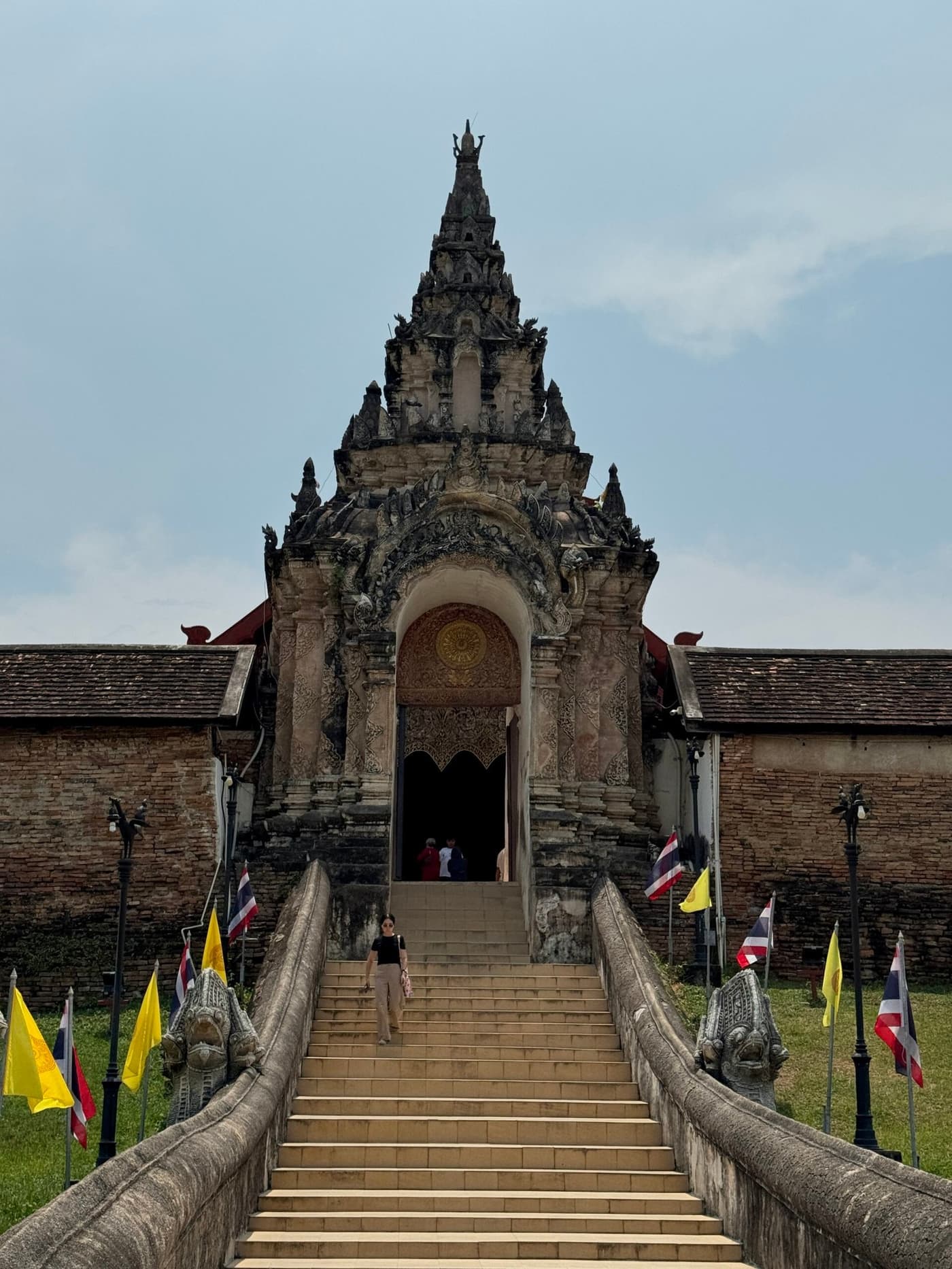
The Old City is literally a square surrounded by ancient walls and a moat. It covers about 2.5 sq km, with more than 30 temples inside, narrow streets and cafes at every step. If this is your first trip to Chiang Mai and you are staying a short time, this is where you want to be. All the main sights of Chiang Mai can be covered on foot, tours pick you up right at your hotel, and you hardly ever need a taxi.
Accommodation: guesthouses, small boutique hotels and hostels. There are almost no modern condos here, as the buildings are old. A guesthouse studio costs from 6,000–8,000 baht a month on a long-term rental, and from 400–600 baht a night for a hostel room.
Downsides: it is noisy, there are lots of tourists, and traffic is heavy at peak hours. It gets tiresome quickly if you live here for a long time.
Nimman (Nimmanhaemin)
Nimman is the trendiest area of Chiang Mai. It probably has the highest concentration of stylish coffee shops per square meter in the country. I wrote a detailed review of where to eat and drink coffee in Chiang Mai. Nearby are the Maya mall with a coworking space and a food court, dozens of restaurants and good internet. That is exactly why Nimman is the number one choice for digital nomads and young expats.
Accommodation: from apartments with a pool to small studios. A studio in a new condo costs 12,000–15,000 baht a month, and a one-bedroom 18,000–25,000 baht. That is more expensive than most other areas.
Downsides: the area lies under the aircraft flight path, and some buildings get noise. It feels cramped and crowded in high season and on weekends. By Chiang Mai standards it is expensive.
Best for: digital nomads and people staying 1–6 months who value infrastructure and coffee more than quiet.
Tha Phae and the Night Bazaar Area
Tha Phae is the eastern gate of the Old City and the neighborhood next to it that stretches to the Ping River. This is where you find the Night Bazaar (open every evening), plenty of bars, street food and cheap guesthouses. The area is noisy, but you can find a place to stay for less than inside the Square itself.
It is a good option for short trips if the Old City does not fit your budget. You can live here without a scooter too, as the main sights are a 10–15 minute walk away.
Chiang Mai Areas for Long-Term Rentals
If you are planning a month or longer, the priorities change: price, quiet and day-to-day convenience matter more than being close to the temples. These are the areas where expats and nomads live.
Santitham: Quiet, Local and Not Overpriced
Santitham is an area just north of Nimman, close to the Old City. Among foreign expats it has been gaining popularity over the past couple of years as an alternative to Nimman: the same access to infrastructure, but without the tourist markup and the noise. There are lots of local cafes and markets and an authentic Thai atmosphere.
Accommodation: studios from 5,000–8,000 baht, one-bedrooms from 8,000–12,000 baht. It is one of the most affordable areas with decent infrastructure.
Best for: people who want to live "like a local," value quiet and do not want to overpay for an area's brand.
Chang Phuak: Budget-Friendly and Calm
Chang Phuak is north of the Old City. It is a residential area without tourist gloss, but quiet and much cheaper than Nimman. There is the Chang Phuak market, plus cafes and shops, everything you need for a normal life. It is a 10-minute scooter ride to the center.
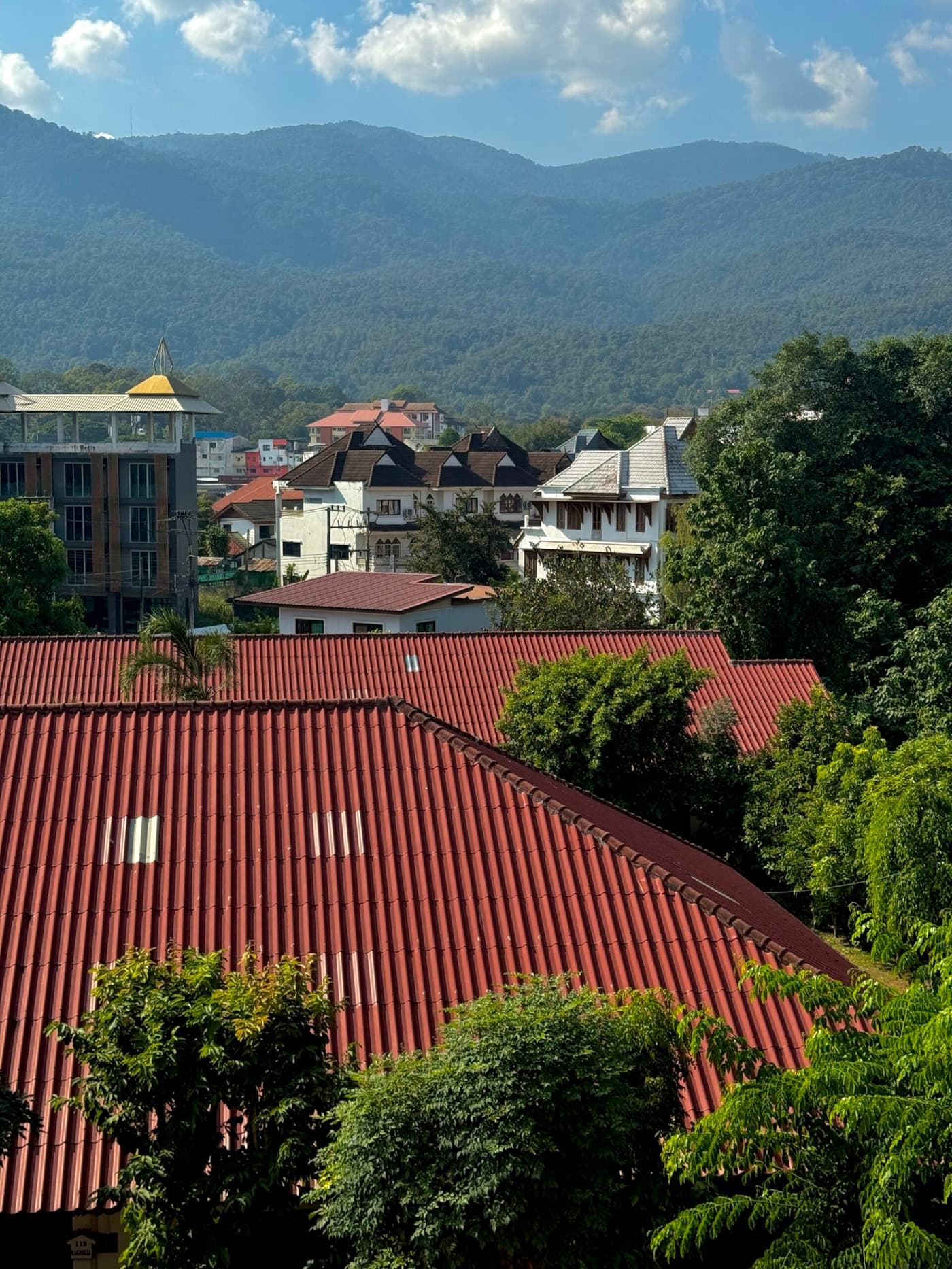
I lived here in Flora House apartments. Probably every expat with a pet knows this place: it is one of the few complexes that let animals in without extra questions. The rooms are spacious, with a balcony overlooking the mountains and Thai-style interiors. I paid 15,000 baht a month (the figure is current for 2026) plus utilities, and a 5,000 baht deposit that was returned without any problems.
Downsides: it is inconvenient without a scooter, and the area is not as lively as Nimman.
Best for: people staying 3–6 months who have a scooter and care about price.
The Central Festival Area: Modern Condos
The area around the Central Festival mall is a different Chiang Mai: wide roads and new condominiums with a pool, a gym and parking. There are almost no tourists and the sights are far away, but everything you need for comfortable living is nearby.
Accommodation: modern condos, usually from 12,000–18,000 baht for a one-bedroom. The catch is that most complexes prefer contracts of 6 months or more and ask for several deposits.
My husband and I lived here at the very beginning, but we moved out: short-term rentals are hard to find, and the price without a long-term discount bites.
Best for: families and people who plan to stay a year or longer and want Western-level comfort.
Hang Dong, Mae Rim and San Sai: Suburban Living
These are three suburban areas to the south, north and east of Chiang Mai. What you get here above all is a house with a garden at a reasonable price. If you want a vegetable patch, a private pool, space for a dog and peace and quiet, this is the place.
Accommodation: a house with 2–3 bedrooms and a garden from 12,000–20,000 baht a month. For the same money in Nimman you would barely find a small studio.
Downsides: you cannot manage without a scooter or a car. It is a 20–40 minute drive to the center. Shops, cafes and coworking spaces are not nearby.
Best for: families, pet owners and people who work from home and value space and nature more than being close to the center.
Chiang Mai Areas Compared by Rent and Infrastructure
| Area | Studio / mo. | 1-bedroom / mo. | Infrastructure | Transport | Best for |
|---|---|---|---|---|---|
| Old City | 6,000–8,000 ฿ | 9,000–13,000 ฿ | Cafes, temples, markets | On foot | Tourists, short stays |
| Nimman | 12,000–15,000 ฿ | 18,000–25,000 ฿ | Coffee shops, coworking, Maya | Scooter / on foot | Digital nomads, 1–6 mo. |
| Tha Phae / Night Bazaar | 5,000–8,000 ฿ | 8,000–12,000 ฿ | Markets, bars, street food | On foot | Tourists, budget option |
| Santitham | 5,000–8,000 ฿ | 8,000–12,000 ฿ | Local cafes, markets | Scooter | Expats, long stays, saving money |
| Chang Phuak | 6,000–10,000 ฿ | 10,000–15,000 ฿ | Market, cafes, shops | Scooter | Mid-length stays, quiet |
| Central Festival | 10,000–14,000 ฿ | 12,000–18,000 ฿ | Mall, supermarkets | Scooter / car | Families, long term |
| Hang Dong / Mae Rim / San Sai | house from 12,000 ฿ | house from 15,000 ฿ | Minimal within walking distance | Scooter / car essential | Families, pets, nature |
See the separate article for more detail on prices in Chiang Mai.
I made a great YouTube episode about Chiang Mai.
Frequently Asked Questions About Chiang Mai Areas
Where in Chiang Mai can I stay without a scooter?
Without a scooter, you can be comfortable only in the Old City and the neighborhoods right next to it: Tha Phae and the Night Bazaar area, east of the Old City. Nimman is also formally walkable, but you still have to ride to the Old City. In all other areas it will be hard without transport.
Which area has the cheapest housing?
The most affordable options are in Santitham, Chang Phuak and near Tha Phae. You can find a studio from 5,000 baht a month in Santitham and near Tha Phae, and from 6,000 in Chang Phuak. The suburbs (Hang Dong, Mae Rim) are cheaper per square meter, but factor in transport costs.
Which area should a digital nomad choose?
Nimman is the standard answer: coworking spaces, fast internet and coffee shops where people work for hours. But if your budget is limited, look at Santitham: it has coffee shops too, rent is lower and there are fewer people. The Old City works as well if you can find a place with decent internet.
Can I rent a place for 1–3 months?
Yes, but the choice is smaller. Guesthouses and small apartments in the Old City and Chang Phuak are more willing to accept short stays. Condos near Central Festival and in Nimman usually want 6 months or more. It is better to negotiate a short-term rental in person, since prices on websites are higher for short terms.
Is Chiang Mai a good fit for a family with pets?
Yes, but you will have to look for pet-friendly housing, as not all landlords agree. It is easier with a house than with a condo. Flora House in Chang Phuak accepts animals. In the suburbs (Hang Dong, Mae Rim) it is noticeably easier to find a house that allows a pet than in the center.
I want peace and nature: where should I look?
Then look at the suburban or "out-of-town" areas: houses or houses with gardens outside the center, if you have a scooter or a car. It is often cheaper, quieter and greener there, but you will have to commute.
How overpriced is rent in the popular areas?
In popular, trendy areas (the center, Nimman and so on), prices are higher because of demand, amenities and infrastructure. In residential or remote areas, housing is cheaper. It all depends on the type of housing, the length of the rental and the distance from the center.
How do I find an affordable apartment or house in Chiang Mai that fits my budget?
Often through local agencies and Facebook groups, or by looking on the spot: walk around the area, stop at the reception desks of condos and ask about the options available for cash. This works especially well if you need a rental term from a few months to a year.