Hardly anyone picks São Paulo "for the city itself." People land here on a layover, for business, or because a ticket from Europe into Guarulhos Airport (GRU) is cheaper than flying straight to touristy Rio. That is a mistake. São Paulo is the largest city in the Southern Hemisphere, the economic capital of Latin America, and home to about 12 million people within the city limits and roughly 22 million in the metro area. There are no beaches here (the nearest is an hour and a half away, in Santos), but you get the best restaurant scene in the country, the largest Japanese diaspora outside Japan, and neighborhoods that feel like small separate countries inside one megacity.
I wrote this article to answer all the main questions about the city, from how to get in from the airport to where to live if you are moving here. Each big topic will also get its own detailed article, and I link to them inside the sections below.
If you are planning a trip to Brazil as a whole, not just São Paulo, start with my general guide Brazil: everything you need to know, where I cover visas, money and safety in the country.
São Paulo vs. Rio: what's the difference
Rio is the postcard: Copacabana, Christ the Redeemer, mountains right inside the city limits. São Paulo is about function, not a picture: people come for the food, nightlife, museums, shopping and the feel of a real Latin American megacity. There are no beaches in São Paulo, and the city sits on a plateau at about 760–800 meters (roughly 2,500–2,600 feet), so it is cooler than Rio and lacks the usual Brazilian warmth all year round.
When it comes to safety, both cities call for the same caution but work differently. In Rio the risk concentrates around favelas next to tourist areas. In São Paulo the risk is spread across the huge area of the city, and the dangerous spots, such as the famous Cracolândia, lie mostly near the historic center and are easy to avoid.
If your time is limited and you need to pick one city for a first look at Brazil and a beach holiday, Rio is the logical choice. If you are interested in the Brazilian economy, food, business culture or relocation, São Paulo wins by a wide margin. Many people end up taking both cities with a domestic flight: it is about an hour in the air between the airports.
How to get to São Paulo
Depending on where you start, you will usually need a connecting flight. The most popular options are via Istanbul (Turkish Airlines), Dubai (Emirates), Doha (Qatar Airways), or via European hubs such as Madrid, Lisbon or Paris (Iberia, TAP, Air France), if your visa and route allow flying through Europe. Counting the layover, the trip usually takes 16 to 22 hours one way. There are also direct flights to São Paulo from Europe and other South American countries, since it is the main international hub of the continent.
If you are already in Brazil and getting here from another city, flying is the most convenient option from Rio de Janeiro.
When you plan the flight, it is important to know which of the city's three airports you are arriving at. Confusing them is a common reason for missed connections and wasted hours on the road.
Guarulhos (GRU) is the main international airport, and almost all direct flights from Europe and other South American countries land here. It is about 25 km from the center. The drive by car or bus takes from 40 minutes to an hour and a half depending on traffic, and traffic in São Paulo can build up at any time of day. An EMTU bus runs from GRU to the center (several routes to different districts), and regular taxis and Uber also work. You can also book a transfer on the Trip.com website.
Congonhas (CGH) is a domestic airport only 8 km from the center, practically in the Santo Amaro area. Short domestic flights leave from here, above all the frequent flights to Rio.
Viracopos (VCP) is in Campinas, about 99 km from São Paulo, and is used mostly by low-cost airlines. The trip from it to the city takes an hour and a half to two hours, and you should factor that in when calculating connection time.
I covered ways to get in from each airport, plus taxi prices and bus tickets, in detail in a separate article about transport.
Getting around the city
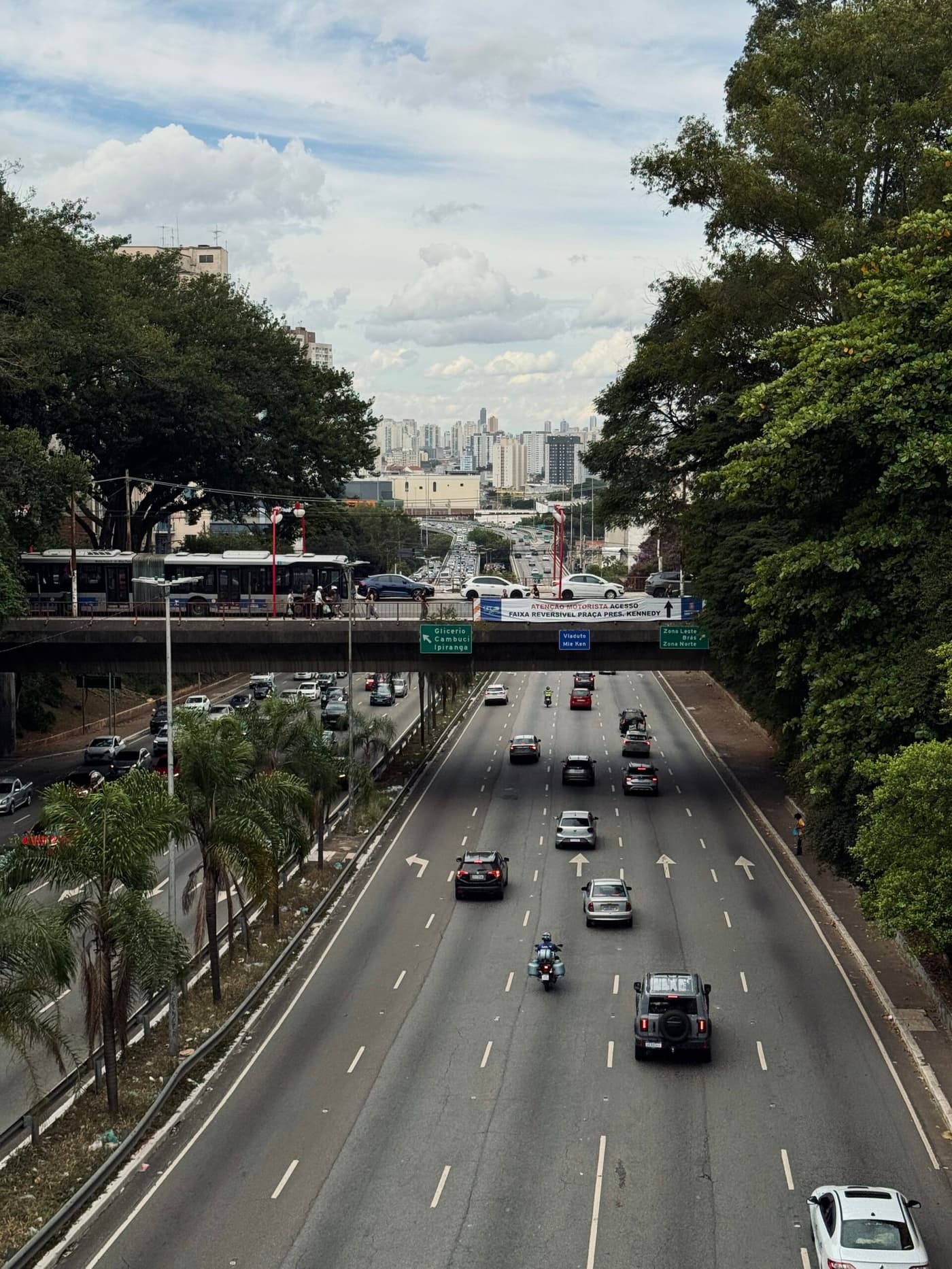
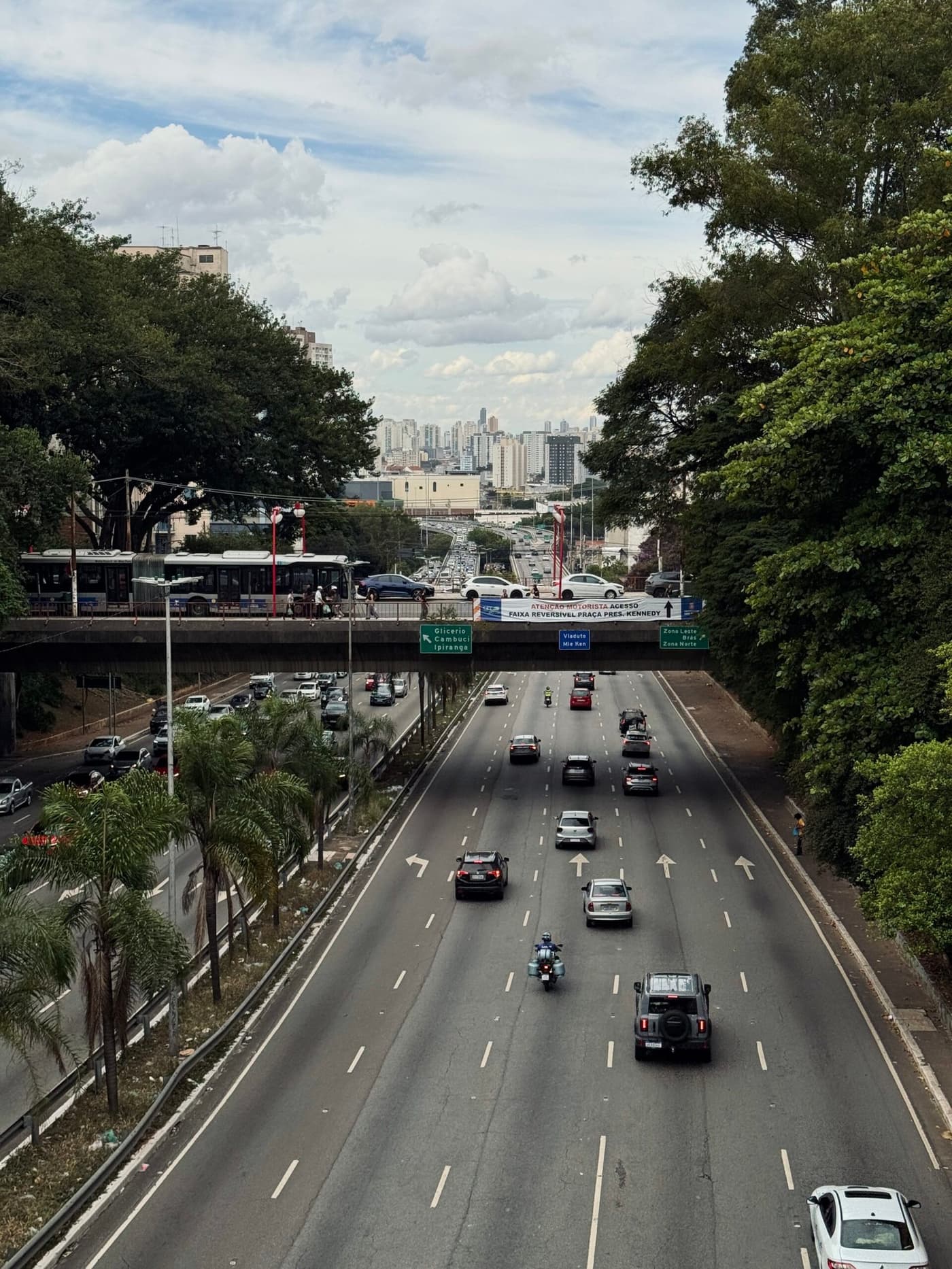
São Paulo is not especially walkable in the usual sense: distances are big and it is not safe to walk everywhere. But it has one of the best transport systems in Latin America.
The metro has six lines and keeps expanding, and it is supplemented by CPTM commuter trains. It is the most straightforward way to get around, especially at rush hour when surface transport sits in traffic. A single ride costs about 5 reais, and a single ticket lets you transfer between the metro and buses within a limited time.
Uber and local alternatives (99) work well, cover the whole city and usually cost less than in Europe, but more than the Brazilian average. Because of the size of the city and the congested roads, a ride across several districts can take 40–60 minutes even for a short distance.
A car in a city with a complicated system of weekday rush-hour driving restrictions by license plate (rodízio) usually creates more problems than it solves. For a tourist, or for someone who has moved here for a few months, a car in São Paulo is generally not needed.
Where to stay: São Paulo neighborhoods
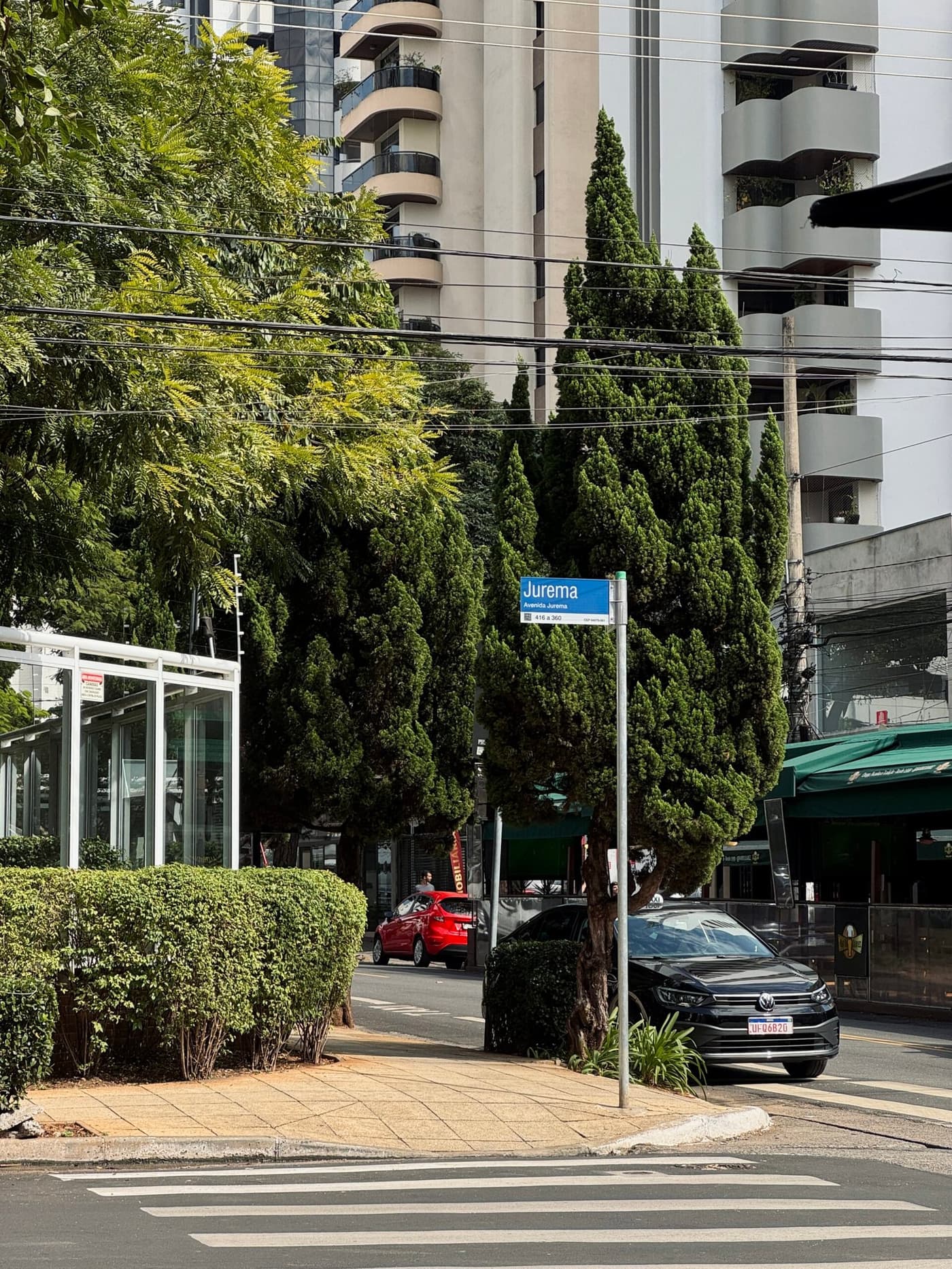
This is the most important practical question, because the neighborhood determines both your safety and the overall impression of the city. In short: for tourists and short stays, look at Jardins, Itaim Bibi, Pinheiros and Vila Madalena. This compact "golden triangle" has restaurants, bars and reasonable walkability. For long-term living, add the calmer and often more budget-friendly Moema and Vila Olímpia to the list. The city center is historically interesting but calls for caution after dark.
A full breakdown of all the neighborhoods, including where to stay with kids, where to look for monthly rentals and where not to go at all, is in a separate article: São Paulo neighborhoods: a complete guide to where to stay.
Safety in São Paulo
São Paulo is a big metropolis with a level of urban crime typical for Latin American cities of this size: pickpocketing, the risk of being robbed if you flaunt expensive gear and jewelry, and a few rough areas. At the same time, statistically the city is safer than Rio on most street-crime indicators, and the tourist and business districts (Jardins, Itaim, Paulista, Vila Madalena) are patrolled and generally calm during the day.
The basic rules are standard for any big Brazilian city: do not show off expensive gear on the street, order taxis through an app rather than hailing them, avoid empty streets at night, and keep copies of your documents separate from the originals. Separately, you should know about Cracolândia in the Luz area near the historic center. It is an open drug-use zone that tourists should avoid at any time of day, including in daylight.
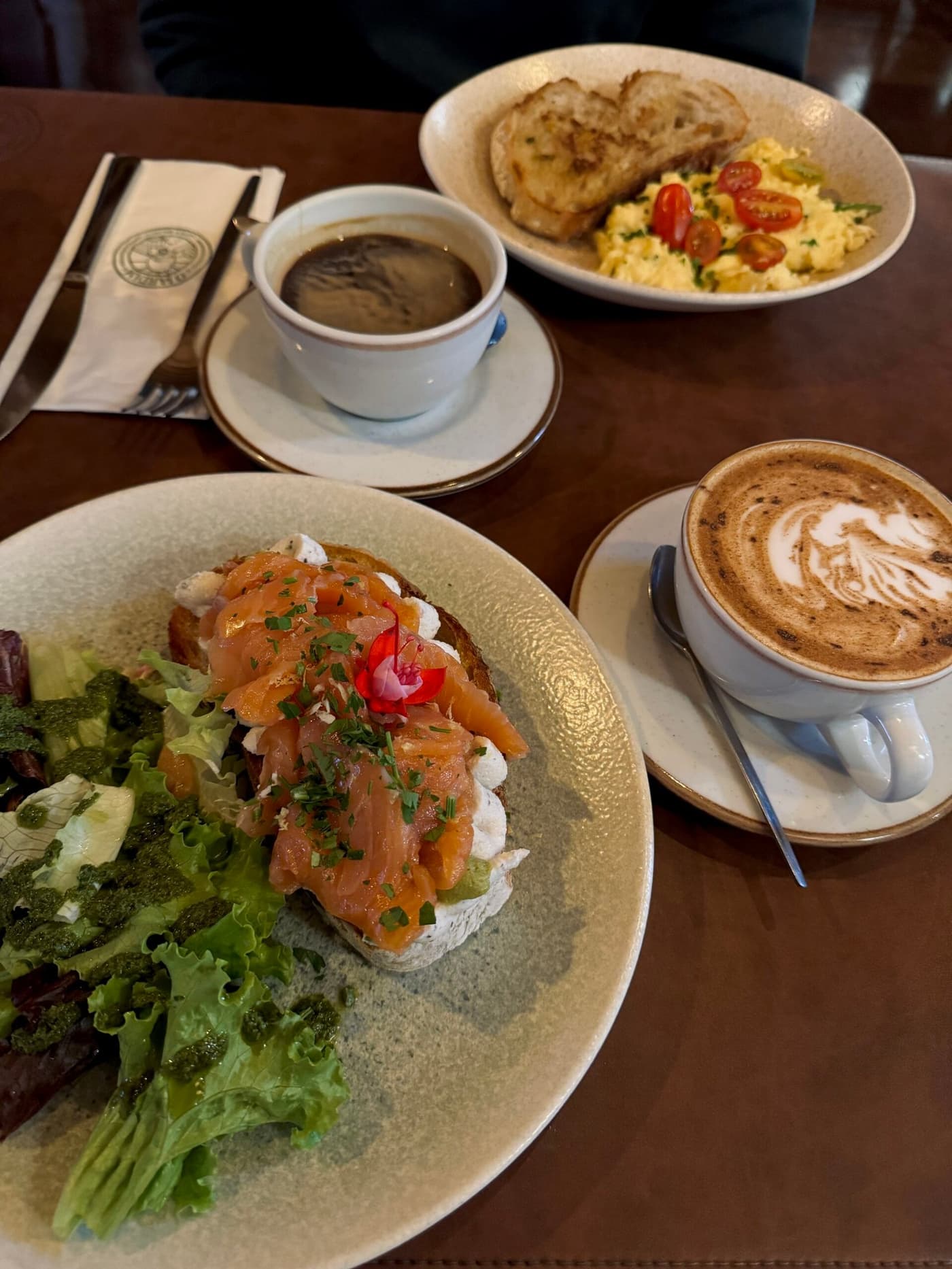
Food: why São Paulo is Brazil's food capital
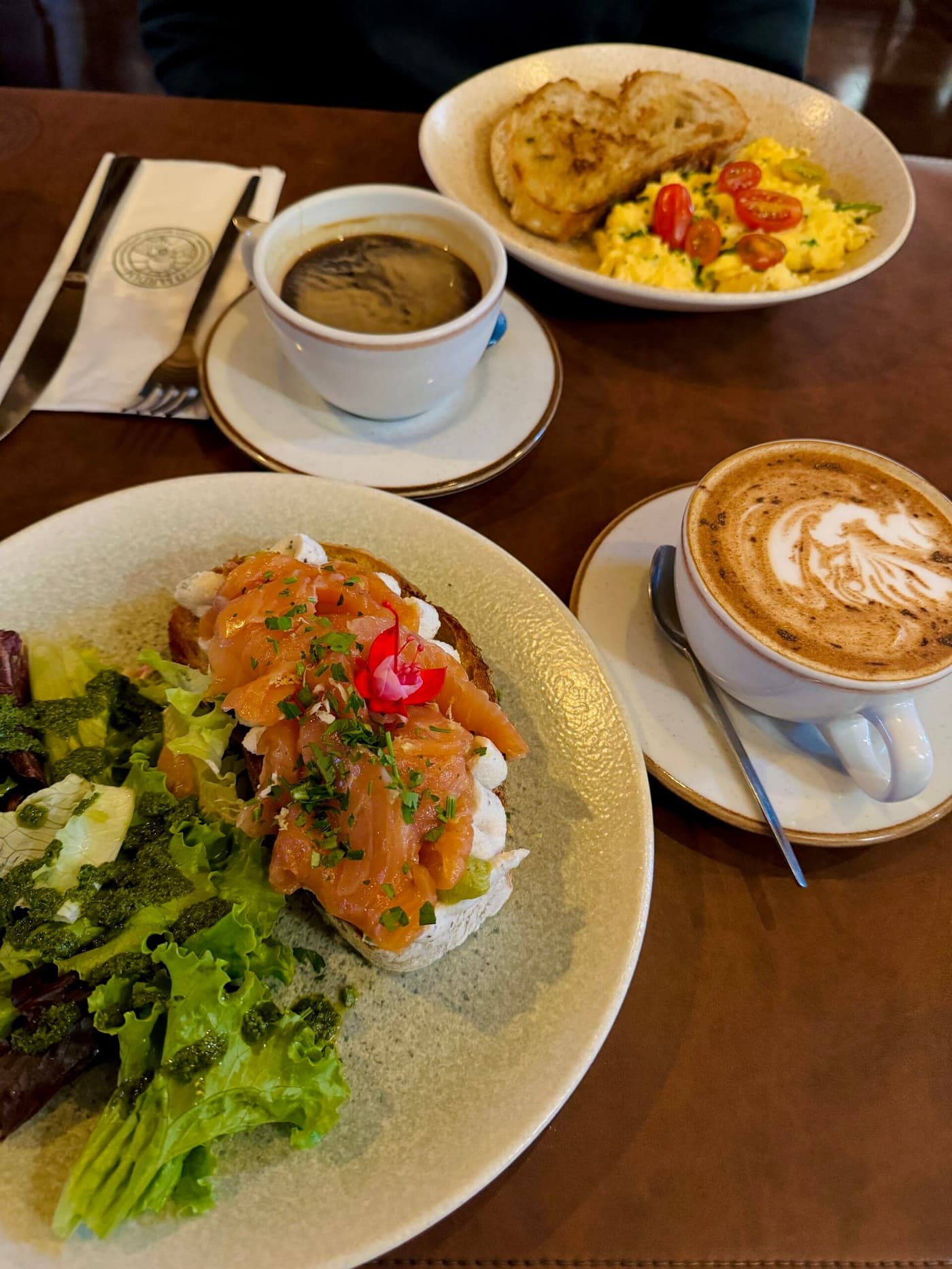
This city has plenty to surprise you with. It comes down to its migration history: a huge number of Italians, Japanese, Lebanese and members of other diasporas arrived here in the 19th and 20th centuries, and the city inherited their cuisines almost in their original form.
Liberdade is the historic Japanese neighborhood. The oldest and largest Japanese community outside Japan has formed a whole food district here, from simple noodle shops to high-end sushi bars, plus a Saturday street market with Asian street food.
Bixiga (Bela Vista) is the Italian quarter: trattorias, wood-fired pizzerias and family restaurants that have run for decades and hold a standard comparable to Italian ones.
Mercadão (Mercado Municipal) is the covered market in the center and a must-see. Here you order the giant mortadella sandwich (sanduíche de mortadela) and the cod pastel, and pick up fresh tropical fruit at the same time.
São Paulo is the first Brazilian city to enter the Michelin Guide (from 2015), and since then it has consistently held several starred restaurants. The exact number changes from edition to edition, so if you are after a specific starred restaurant, check the current edition on the Michelin website before your trip.
The city's nightlife regularly appears in world rankings of the best cities for club culture, from techno clubs like D-Edge to bars in Vila Madalena and Itaim Bibi, where parties start late and go on until morning. I wrote about where to eat in São Paulo, with specific addresses, in a separate article.
Weather and when to go
Because of its altitude of about 760–800 meters above sea level, São Paulo is noticeably cooler. Nights can be chilly even in summer, and in winter (June–August) night temperatures can drop to 10–12°C (50–54°F). Rain concentrates in the summer season (December–March) and often arrives as short but heavy evening downpours with thunderstorms. The local joke about "four seasons in one day" describes the daily weather pattern quite accurately.
A detailed month-by-month breakdown, with temperatures, rainfall and clothing recommendations, is in the article "Weather in São Paulo by month: the best time to go."
Prices and budget
São Paulo is one of the most expensive cities in Brazil, on a par with Rio, but the spread of prices here is noticeably wider: you can eat in a food court for 25–40 reais, or leave several thousand at a starred restaurant the same evening. Housing in popular areas (Jardins, Itaim, Vila Olímpia) costs more than the city average, while in Moema or Pinheiros you can find comfortable housing noticeably cheaper at a comparable level of safety.
For accurate budget planning, whether for a one-week vacation or a move for a few months, I am preparing separate articles with details by expense category.
Digital nomads and remote work
Since 2022 Brazil has had a separate digital nomad visa (VITEM XIV). It lets you live in the country legally for up to a year, with the option to extend, if you can confirm income from remote work (from 1,500 dollars a month from a foreign source, or at least 18,000 dollars in a bank account). It is applied for through a Brazilian consulate or, once you are in the country, through the MigranteWeb portal.
The city itself is well suited to remote work: stable internet, plenty of coworking spaces and cafes with outlets and Wi-Fi, especially in Vila Madalena, Pinheiros and Itaim Bibi. Modern condominiums are equipped with coworking rooms.
Documents: CPF and visa
Almost anything in Brazil that lasts longer than a couple of days, from buying a SIM card to renting a home, requires a CPF (the Brazilian tax ID number). You can get it on the spot in São Paulo or in advance through a consulate in your own country. I covered the general CPF process and its nuances in the article Brazil's CPF tax number, where I explained how we got our CPF in Yerevan, but the logic is the same regardless of the city.
Visa requirements for Brazil depend on citizenship: citizens of many countries can enter visa-free for tourist trips of up to 90 days, while a longer stay or work requires a separate visa. It is best to check the current visa rules on the website of the Brazilian consulate before your trip, since the conditions change from time to time.
Healthcare and insurance
Private healthcare in São Paulo is among the best in Latin America. The Albert Einstein and Sírio-Libanês hospitals regularly appear in regional rankings of the continent's best clinics and accept foreign patients. At the same time, treatment without insurance is expensive, so medical insurance that covers your whole trip is a necessity.
São Paulo with kids
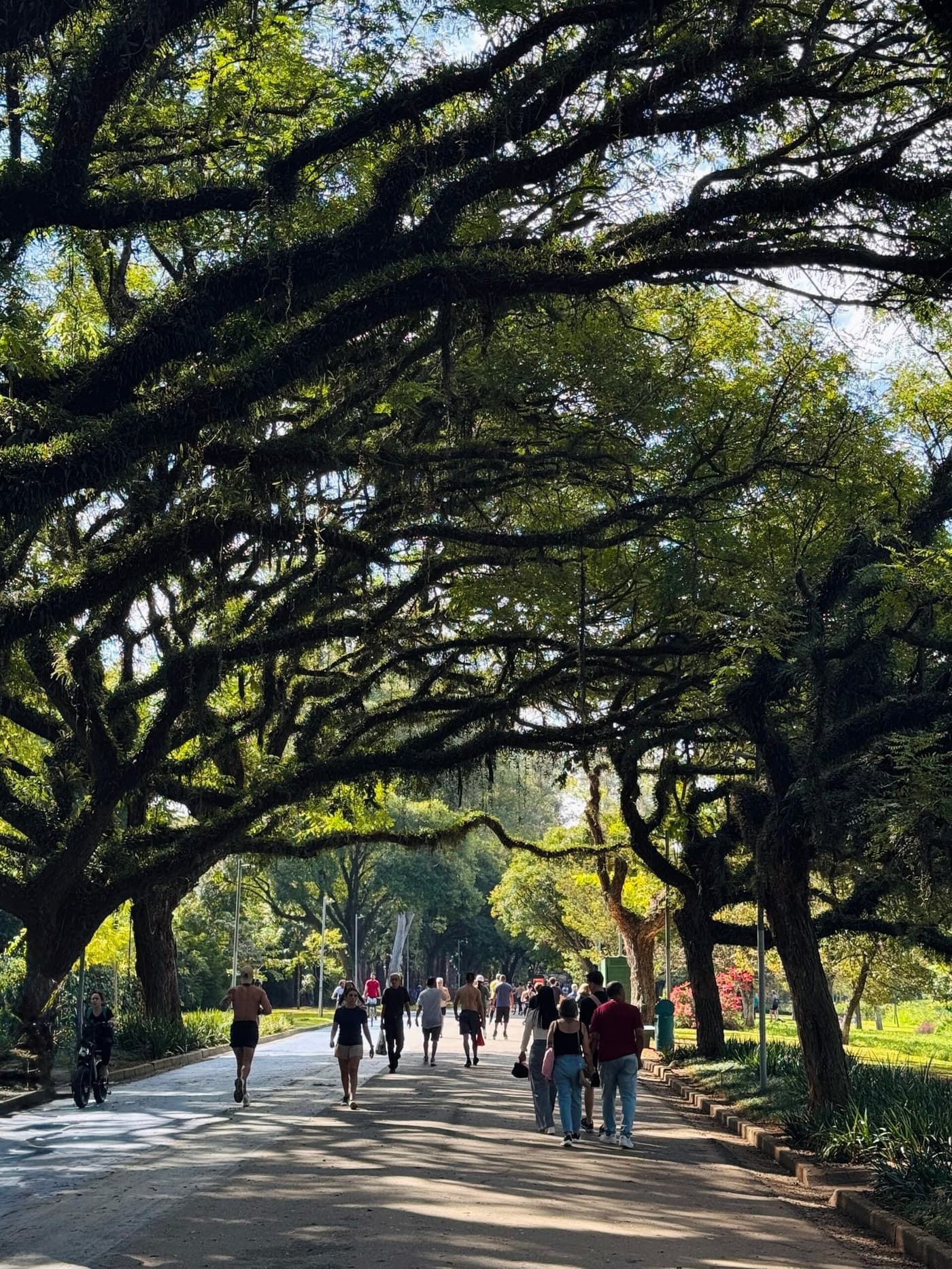
Despite its reputation as a business metropolis, the city has plenty for a family trip. Ibirapuera Park is one of the largest city parks, with bike rental, a boat station on the lake and several museums on its grounds. The São Paulo Zoo and the aquarium (Aquário de São Paulo) are standard family weekend routes. The interactive science museum Catavento Cultural suits school-age children. Distances in the city are big, though, so it is better to plan a day's route around one or two districts rather than trying to cover the whole city at once.
What to see
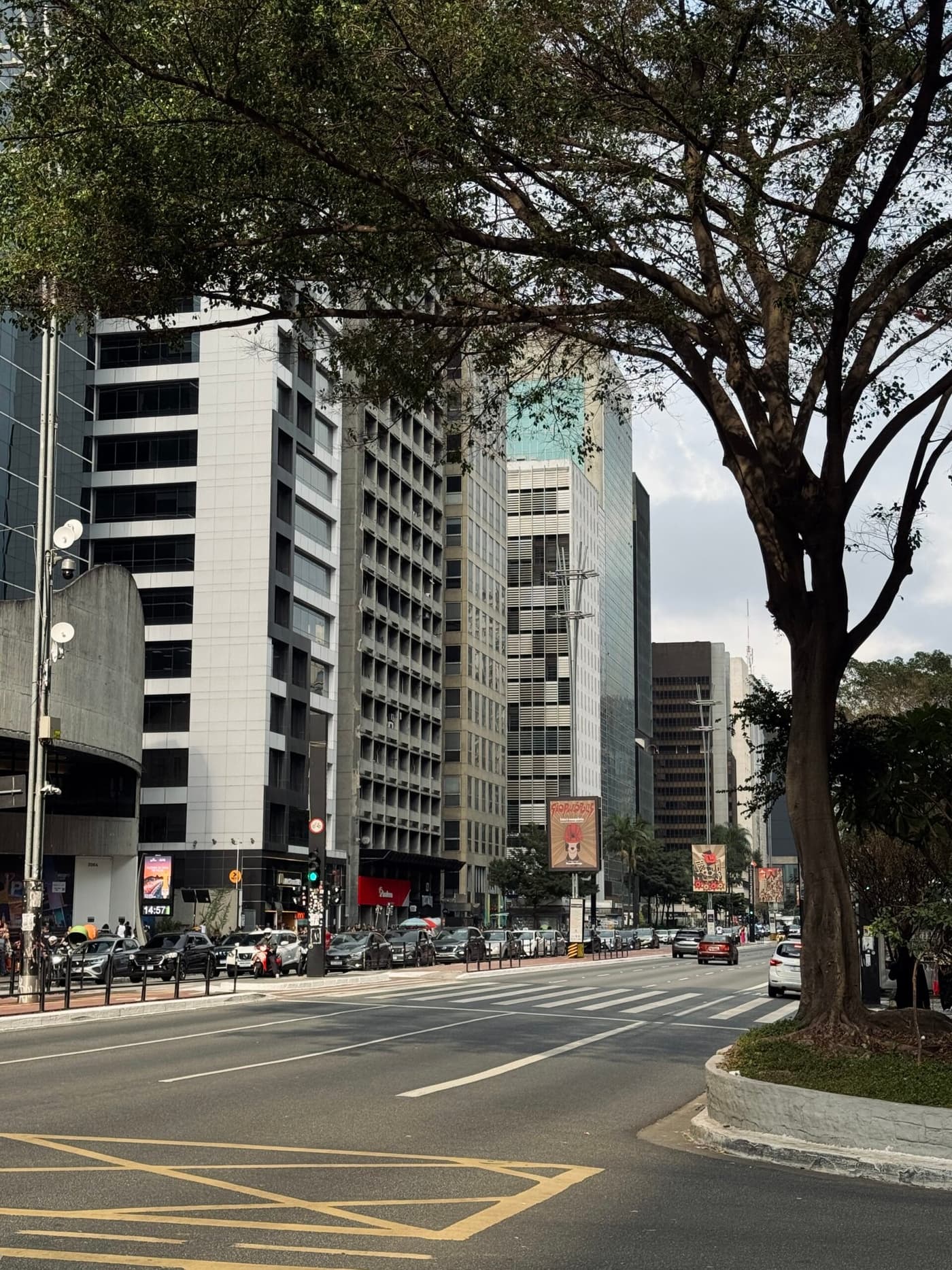
Avenida Paulista is the city's main business street and also its cultural center. It is home to the MASP museum (one of the most important art museums on the continent), and on Sundays the road is closed to cars and turned into a pedestrian zone with street musicians and a small market.
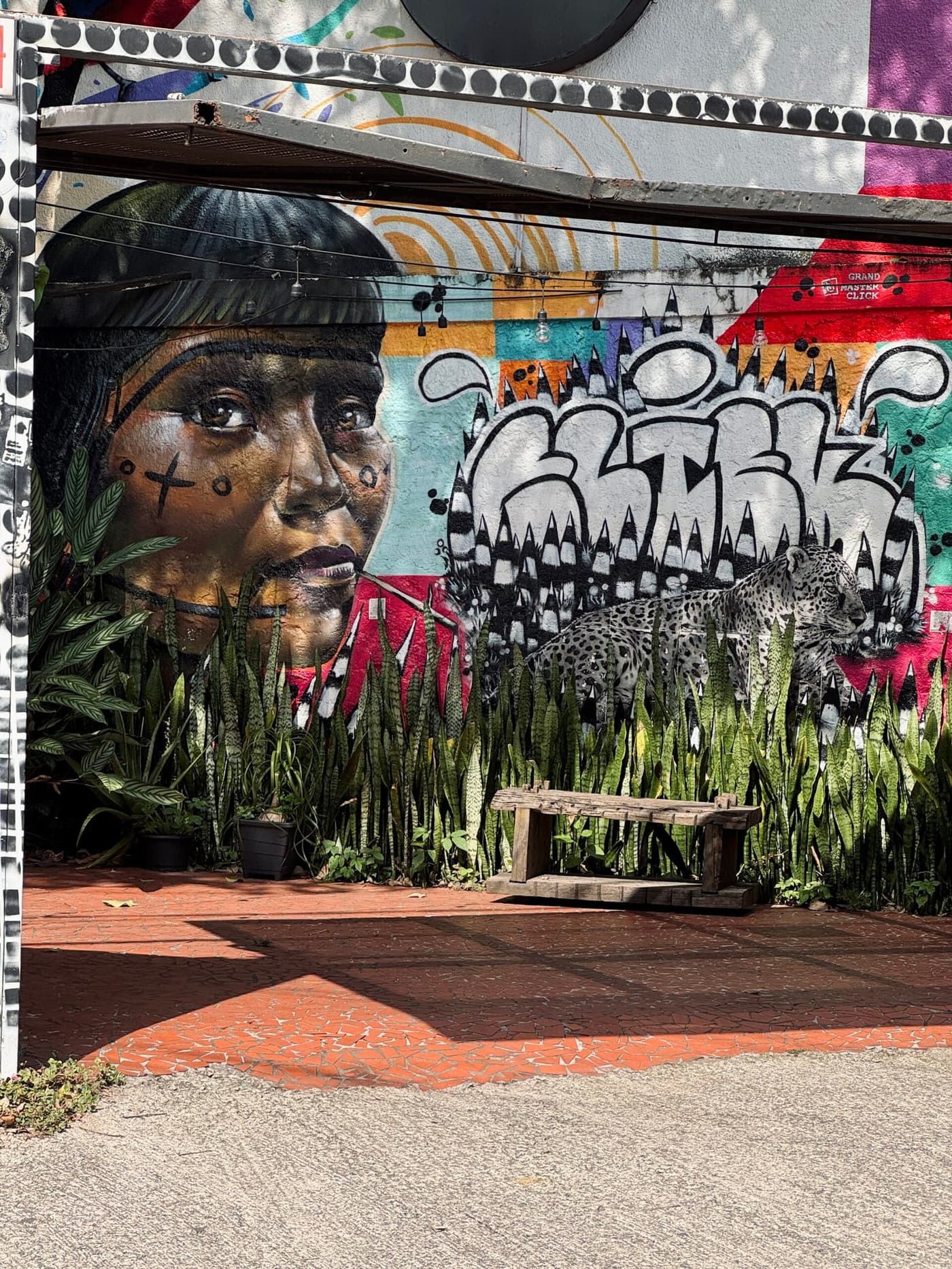
Beco do Batman (Batman Alley) in Vila Madalena is a block entirely covered in street art. Artists update it constantly, so it looks different on every visit.
Ibirapuera Park is the city's "lungs" and the locals' favorite place for sports and weekend relaxation.
Liberdade and Bixiga, which I already mentioned in the food section, work both as food routes and as cultural routes at the same time. The Copan building by the architect Oscar Niemeyer, the Pinacoteca and the Pátio do Colégio square (where the city was founded in 1554) complete the list of must-see architectural and historical spots.
I cover what to see in São Paulo in more detail in a neighboring article.
Day trips from São Paulo
Campos do Jordão is a mountain resort town three hours away, known for its Swiss-style architecture and cool climate. It is a popular weekend destination, especially in winter.
Ilhabela is an island resort with beaches about four hours from the city, a logical option if you want to combine São Paulo with the sea.
Paraty is a colonial town on the border of the states of São Paulo and Rio, a bit farther in travel time, but worth the trip for its historic center and the nature around it.
Carnival in São Paulo
São Paulo's Carnival is usually compared with Rio's to the detriment of the former, and partly that is fair, since Rio remains the country's main carnival city. But in recent years São Paulo's Carnival has grown into an event in its own right: street blocos draw hundreds of thousands of people, and the samba school parade takes place at the Anhembi Sambadrome. The number of schools in the parade and their lineup by category change from year to year, so for the exact schedule and the list of participants, follow the official website of the São Paulo samba league closer to the date.
Frequently asked questions about São Paulo
How many days do you need in São Paulo?
For a first look, 3–4 days is enough: the center, Paulista, one or two districts such as Vila Madalena and Jardins, and one food evening. For a deeper dive, including day trips out of the city, plan on 5–7 days.
Is São Paulo dangerous for tourists?
The city calls for standard urban caution, but no more than that. If you follow the basic safety rules (taxis through an app, no displaying valuables on the street, avoiding specific rough areas), the tourist and business districts are quite safe for walks during the day and in the evening.
How is São Paulo different from Rio for a tourist?
Rio is about beaches, mountains and tourist sights. São Paulo is about food, nightlife, museums and the atmosphere of a real working metropolis without the postcard gloss.