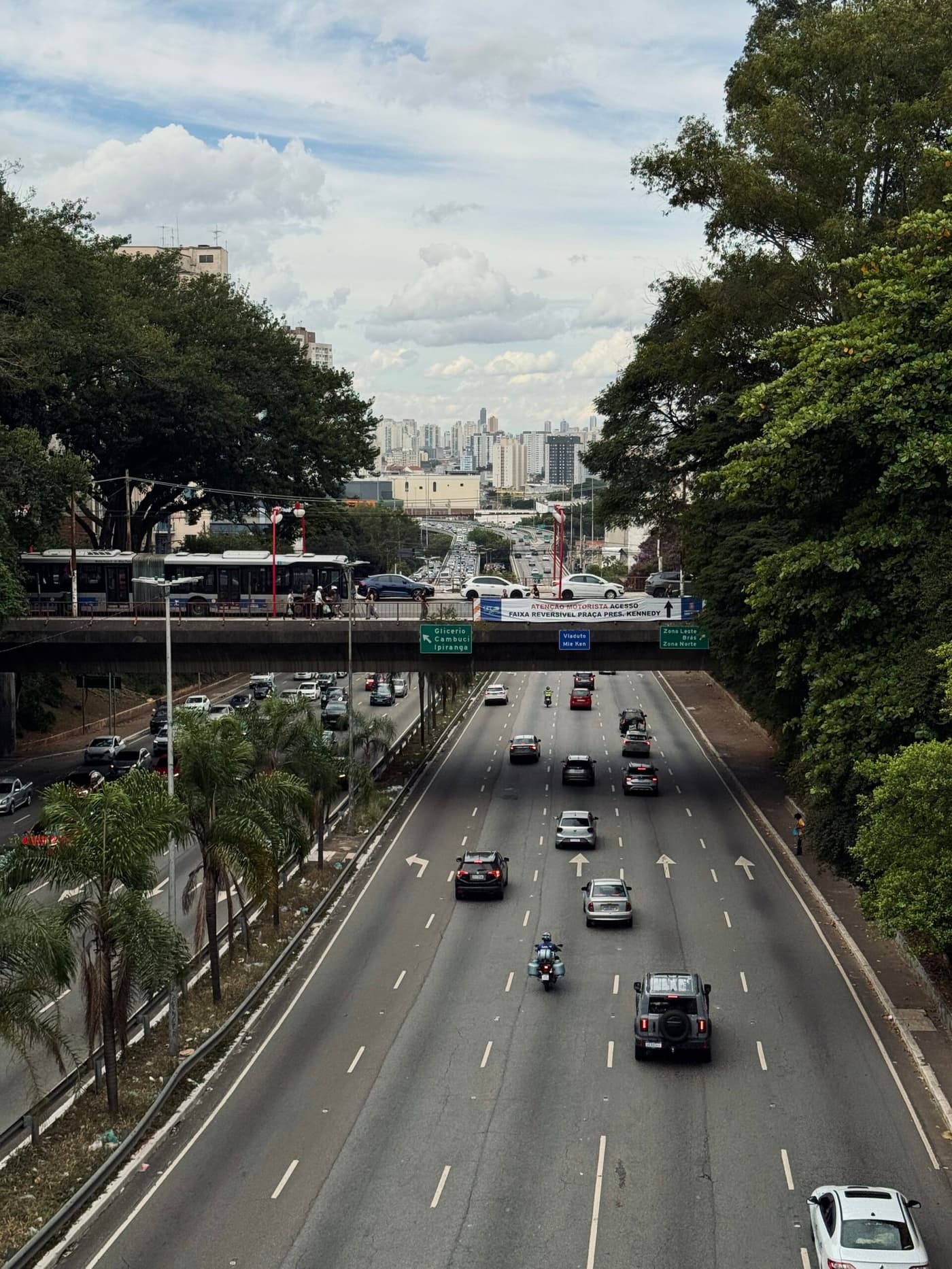
I gathered the top sights in São Paulo in one place: the MASP museum and Avenida Paulista, Ibirapuera Park, the historic center, the Mercadão, Beco do Batman and about ten more places worth seeing with your own eyes. For each one I explain what it is, why to go and how to get there. At the end I put together a ready-made day-by-day itinerary.
If you are only planning your trip, I recommend my other article, where I covered everything you need to know before going to São Paulo.
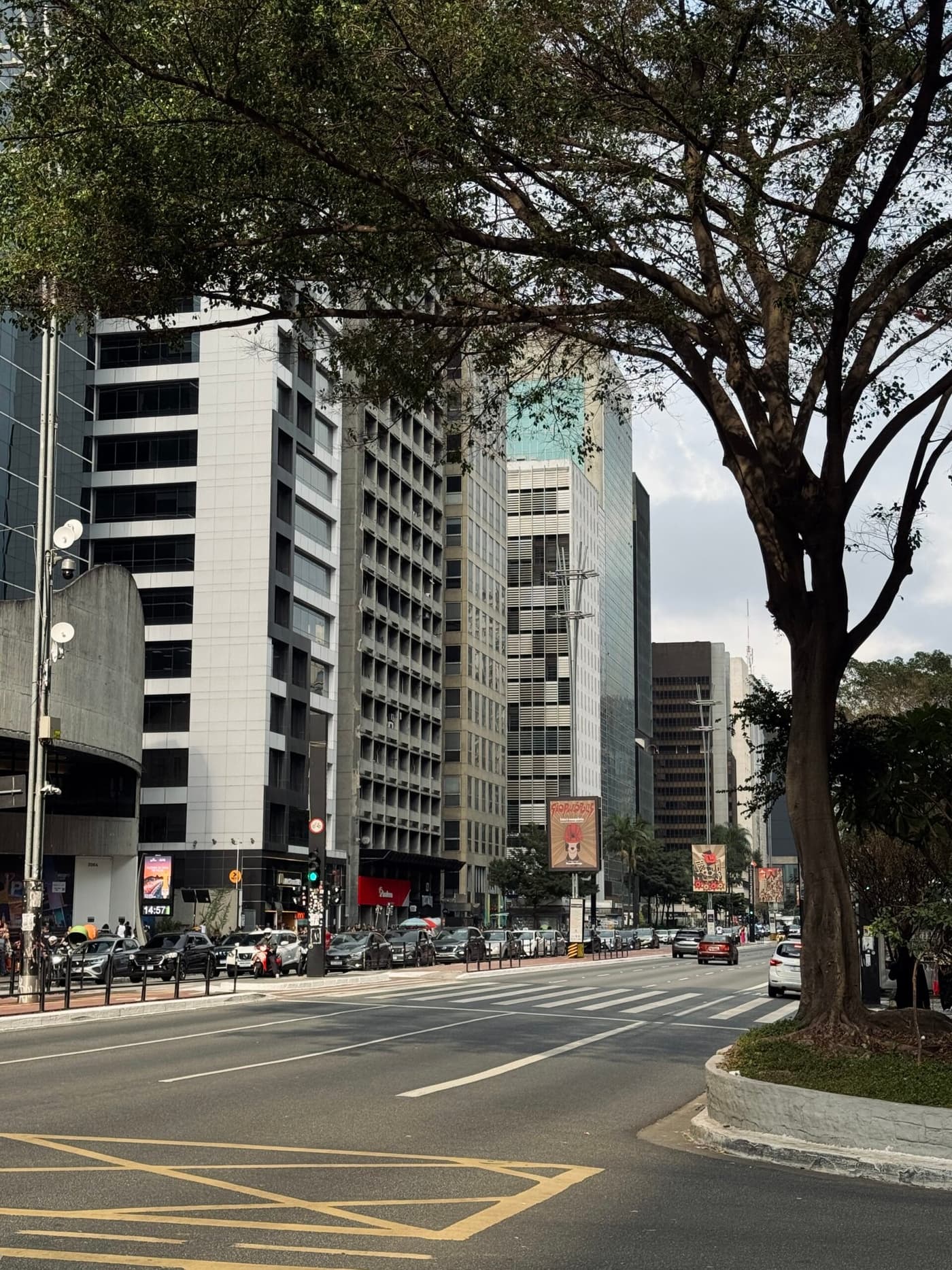
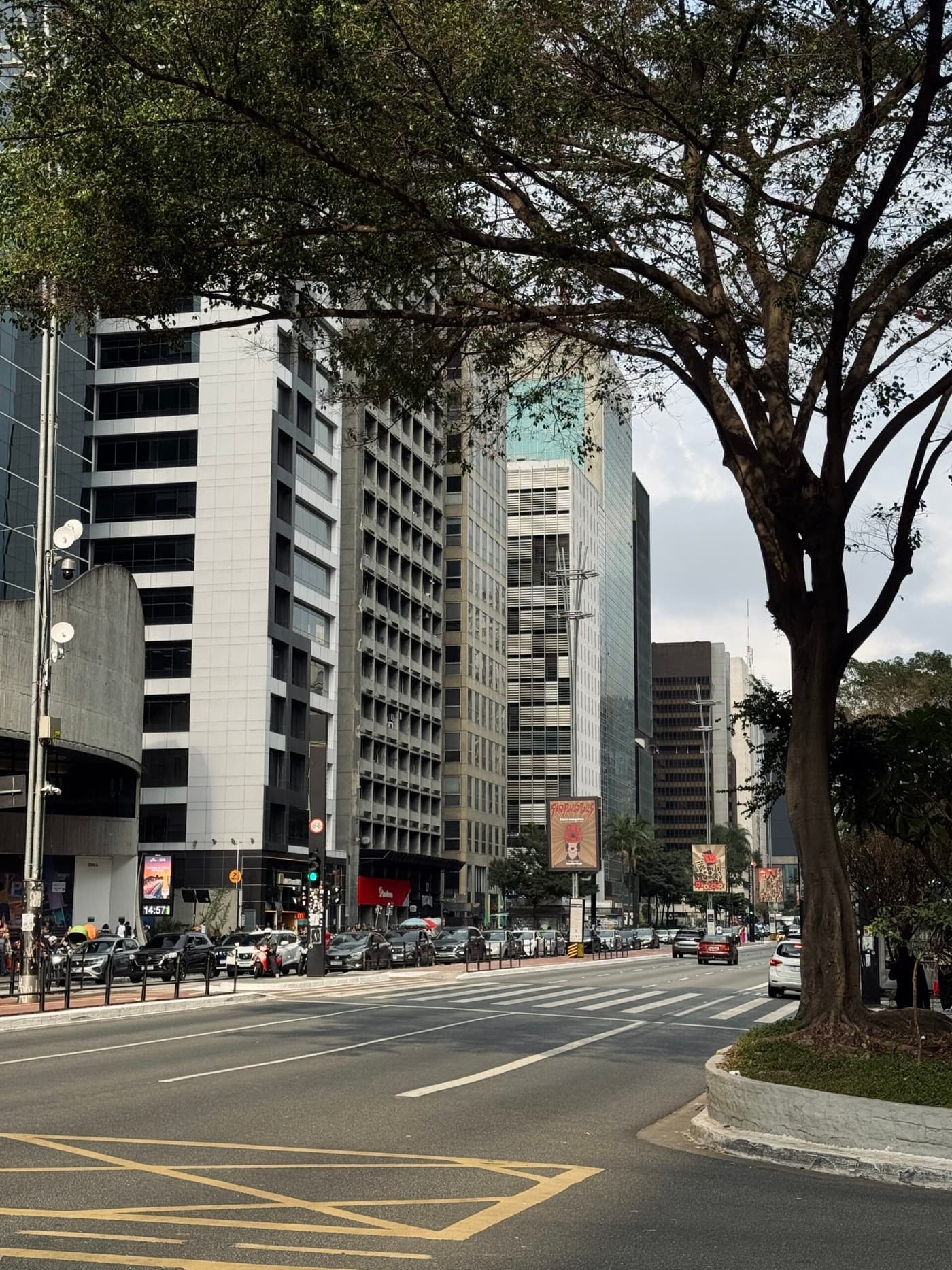
Avenida Paulista and MASP
Paulista is the city's main business artery and, at the same time, its cultural center. This is where MASP (Museu de Arte de São Paulo) stands, one of the most important art museums in Latin America. It is known not only for its collection, from the Renaissance to Brazilian modernism, but also for the building itself: a glass gallery on concrete supports that seems to float above the street. On Sundays Paulista is closed to cars, and under that same floating MASP building a flea market unfolds with antiques, handmade crafts and street food. Ideally, this is the place to visit first, and specifically on a Sunday.
Ibirapuera Park
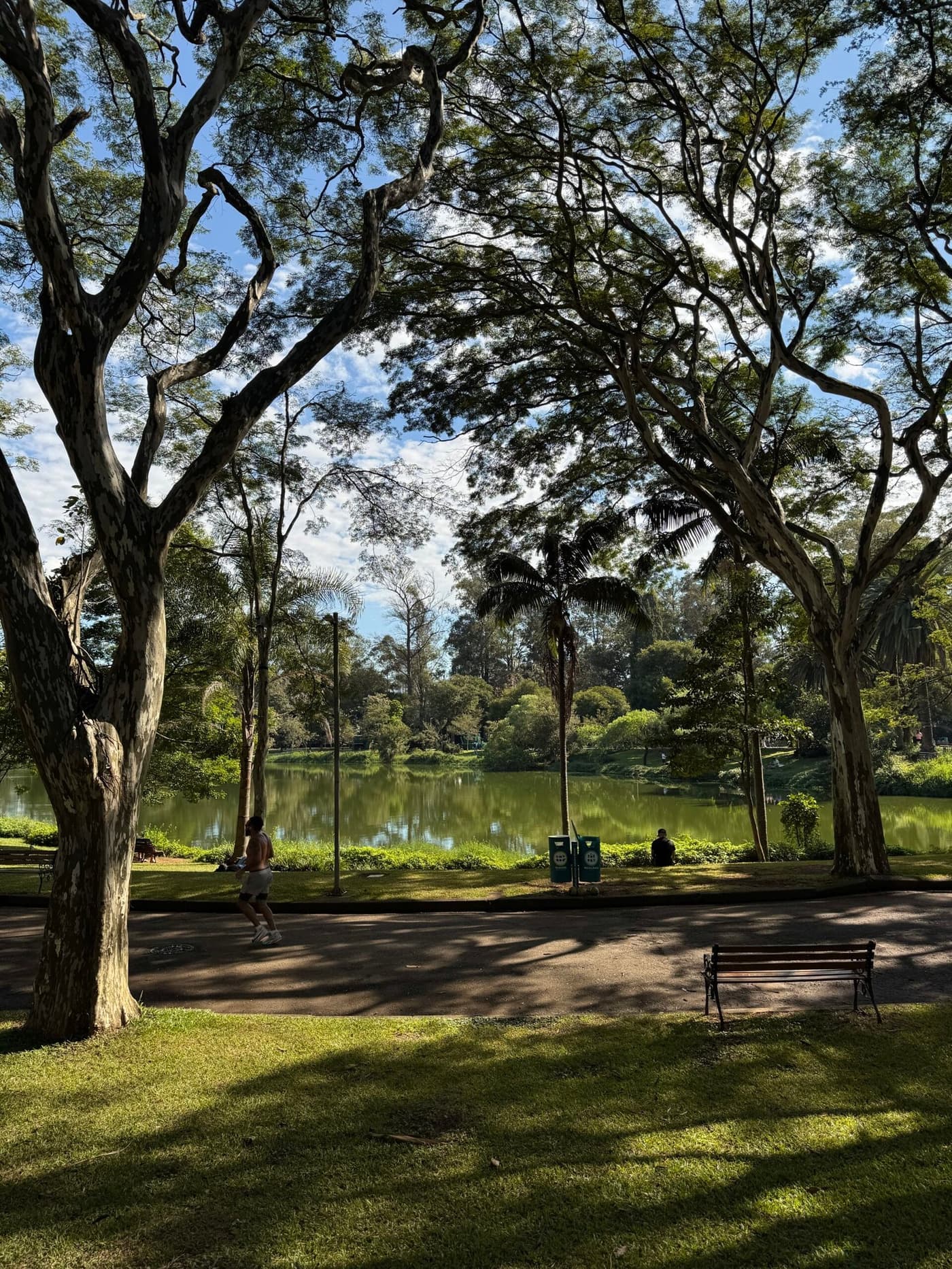
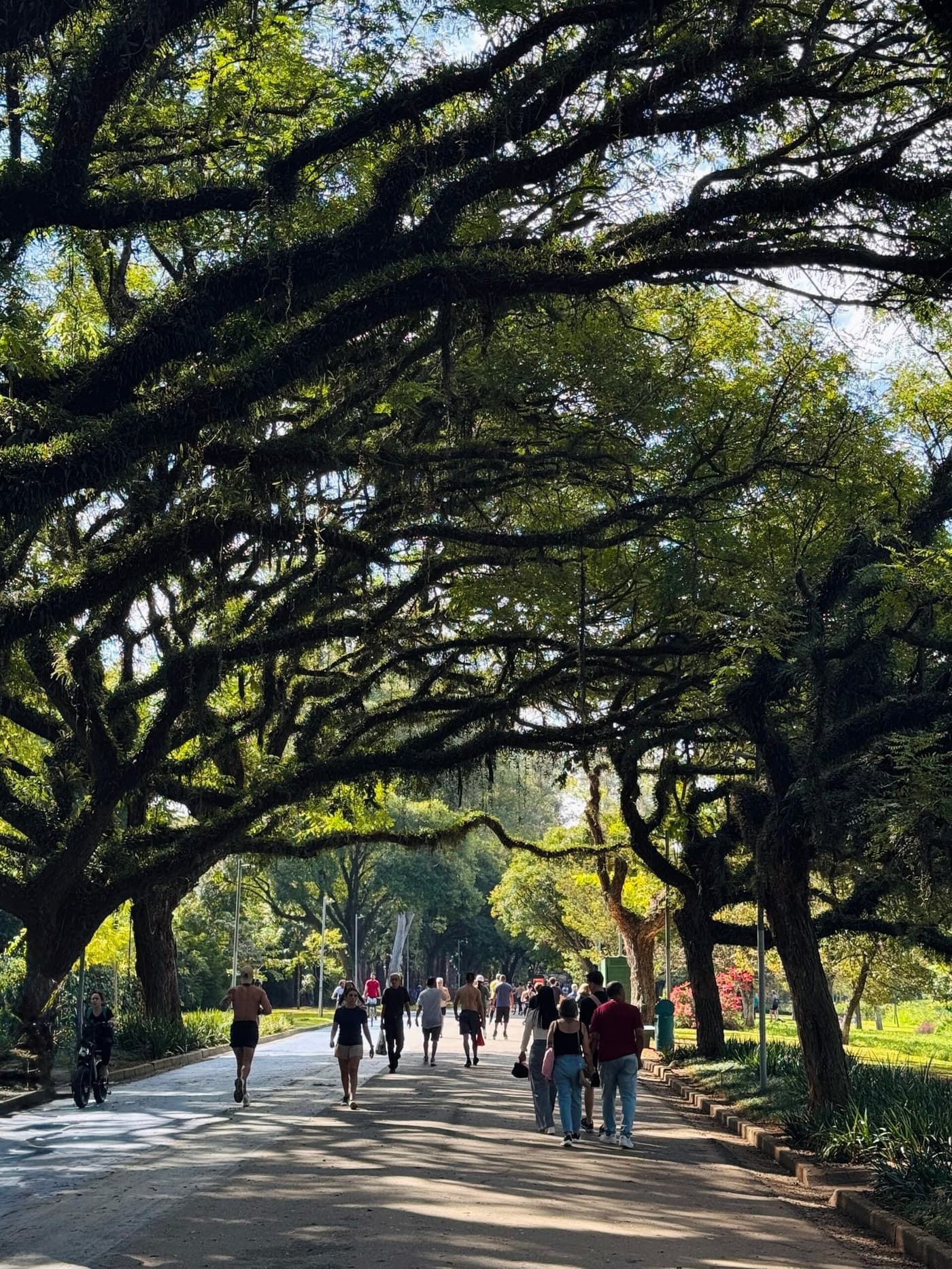
The city's main park and the lungs of the metropolis, it is the local counterpart to Central Park in size and importance. Inside are several separate cultural spots worth building into your route in advance: the Japanese Pavilion with a traditional garden and carp ponds, built in honor of the city's Japanese diaspora; the Afro-Brazil Museum, devoted to the country's African cultural heritage; and the Ibirapuera Auditorium concert hall designed by Oscar Niemeyer.
The park has miles of paths for runners and cyclists. There are scenic lakes, sports grounds, and picnic and relaxation areas under shady trees.
The park is well guarded and fenced around its perimeter, so it is considered one of the safest and most comfortable places for a walk in São Paulo.
São Paulo's Historic Center
The city began here in the 16th century, and today this area has the highest concentration of architectural landmarks per square meter. But the historic center is also the city's least safe area. The streets around República Square and the Luz district sit next to an open drug-use zone with no fixed address. I wrote about this in detail in my article on São Paulo's neighborhoods. On some streets in the center there are many homeless people and people with obvious signs of addiction, and begging and pickpocketing are common even in the daytime, not only in the evening. This is not a reason to skip the historic center altogether. All the places described below are safe and well guarded in themselves, but come only during daylight hours, head straight for a specific point on your route, don't cut through unfamiliar alleys and don't linger on the squares longer than necessary. After dark it is best not to be in the center at all, and if you need to leave in the evening, call a taxi or an Uber right to the door of the place rather than hailing a car on the street.
Pateo do Collegio and the surrounding area
- Pateo do Collegio (Pateo do Collegio) is the spot where the city was founded in 1554. Today it is a square with a small museum, a chapel and a cafe.
- A few steps away are the Catedral da Sé, the largest neo-Gothic cathedral in Latin America, and the Benedictine Monastery of São Bento, where on Sundays you can catch the monks' Gregorian chant during Mass. The square around the cathedral, despite being one of the city's main sights, has a bad reputation: it draws crowds of homeless people and beggars, so there is no point staying longer than it takes to photograph the cathedral.
- Martinelli Building (Martinelli Building), the first skyscraper in Latin America, built in 1929. Visitors are let up to the upper floors, but with restrictions.
- Terraço Itália (Terraço Itália) is a skyscraper restaurant with an open observation deck that you can go up to separately, without ordering dinner. Both buildings are safe and guarded inside, but it is better to take a taxi right to the entrance than to look for the way on foot through the streets of the center.
- Edifício Copan (Edifício Copan) is a wave-shaped residential skyscraper by Oscar Niemeyer, one of the most recognizable silhouettes in São Paulo and, according to some sources, one of the largest residential buildings in Latin America by number of apartments. The building is not a museum and tourists are not allowed inside, but it deserves a look from the outside as an architectural landmark of modernism. It makes the most sense to see it together with the Martinelli and Terraço Itália, which are a couple of steps from each other.
Mercadão Municipal
The Mercadão (Mercado Municipal) is a covered market from the early 20th century, a couple of steps from the center. It is a visually impressive building with stained-glass windows and also the place where you absolutely must order a giant mortadella sandwich (sanduíche de mortadela) and a cod pastel. Inside, the market is safe and patrolled, but the streets around it fall within the general unsafe zone of the historic center, so get here by taxi right to the entrance rather than on foot through the neighboring blocks, especially on your first visit to the city.
Pinacoteca
The oldest art museum in the state of São Paulo, specializing in Brazilian art of the 19th and 20th centuries. The building is a landmark in itself, a restored brick structure from the late 19th century with glass domes inside. Inside and on the adjacent grounds of Luz Park it is safe and guarded. But its location next to the Luz district, closer than other historic-center sights to the Cracolândia zone, calls for extra caution: go by taxi right to the entrance, come only in daylight and don't stroll the surrounding streets.
The Japanese and Italian Quarters
Two neighboring quarters that are best walked on foot, one after the other. They border each other, and the atmosphere changes literally within one intersection.
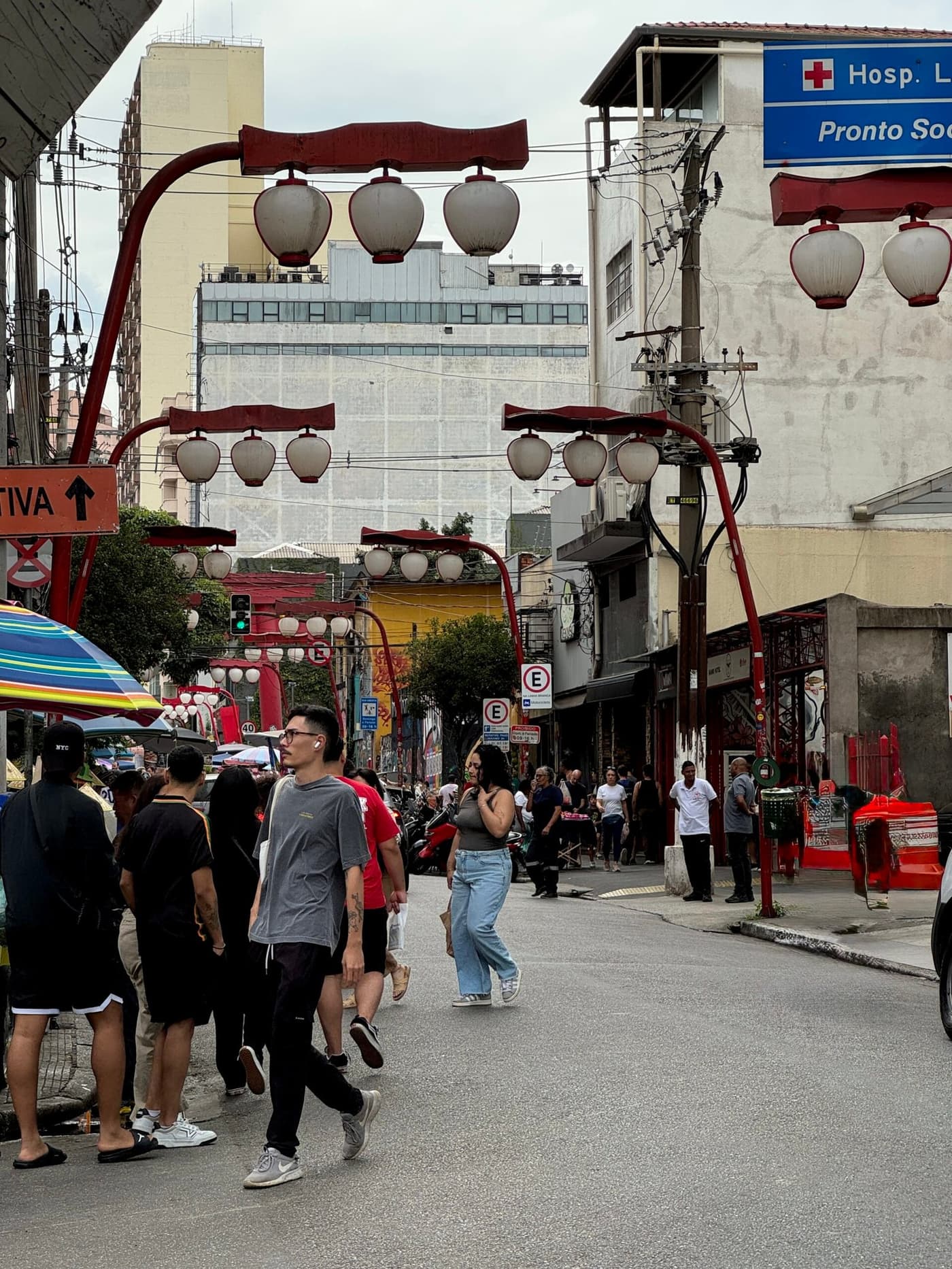
Liberdade (Liberdade) is the oldest and largest Japanese community outside Japan. Since the 1970s the district has been officially styled in an Eastern aesthetic, with red paper lanterns on the posts and torii gates on the main square. On Saturdays and Sundays, from 10:00 to 18:00, a street market runs on this square and the adjacent streets, officially in existence since 1975: souvenirs, ceramics, costume jewelry and, more importantly, dozens of stalls with Asian street food such as yakisoba, temaki and mochi. If you are interested in the history of emigration, step into the Japanese Immigration Museum (Museu Histórico da Imigração Japonesa). It occupies three floors of the Bunkyo building and holds about 97,000 items: photographs, documents and personal belongings of the first Japanese settlers of the early 20th century.
Bixiga (Bixiga) is officially called Bela Vista, but in everyday speech the name "Bixiga" has stuck. It is the Italian quarter, where people from Calabria settled in large numbers in the late 19th and early 20th centuries. The main street is Rua 13 de Maio. It is packed with traditional family cantinas and pizzerias, many run by the third or fourth generation of the same family, and it is also home to the church Igreja de Nossa Senhora Achiropita. In August, on weekends for five weeks, the streets turn into an open-air venue for the Festa de Achiropita, the city's oldest Italian festival, founded by Calabrian immigrants in 1926: pizza, spaghetti, polenta and fricassee are cooked right in the street.
Paulista Museum or Ipiranga Museum
After nine years of restoration, the museum (Museu do Ipiranga), devoted to the history of Brazil's independence, reopened in September 2022 for the 200th anniversary of the country's independence. The building nearly doubled in size and the exhibition was completely renewed: more than three thousand items, from the colonial era to the 20th century. It is in the south of the city, in the Ipiranga district, a little off the usual tourist routes, but it deserves a separate trip if you are interested in the country's history.
Football Museum
The Football Museum (Museu do Futebol) is located under the stands of Pacaembu Stadium, a fitting theme for a country where football has the status of a national religion. The exhibition tells the story of Brazilian football through multimedia and interactive installations, including a penalty-kick simulator. At the time of publication the museum's main exhibition is closed for restoration and a temporary exhibition is available, so check the current status on the museum's official website before your trip.
Beco do Batman and Street Art
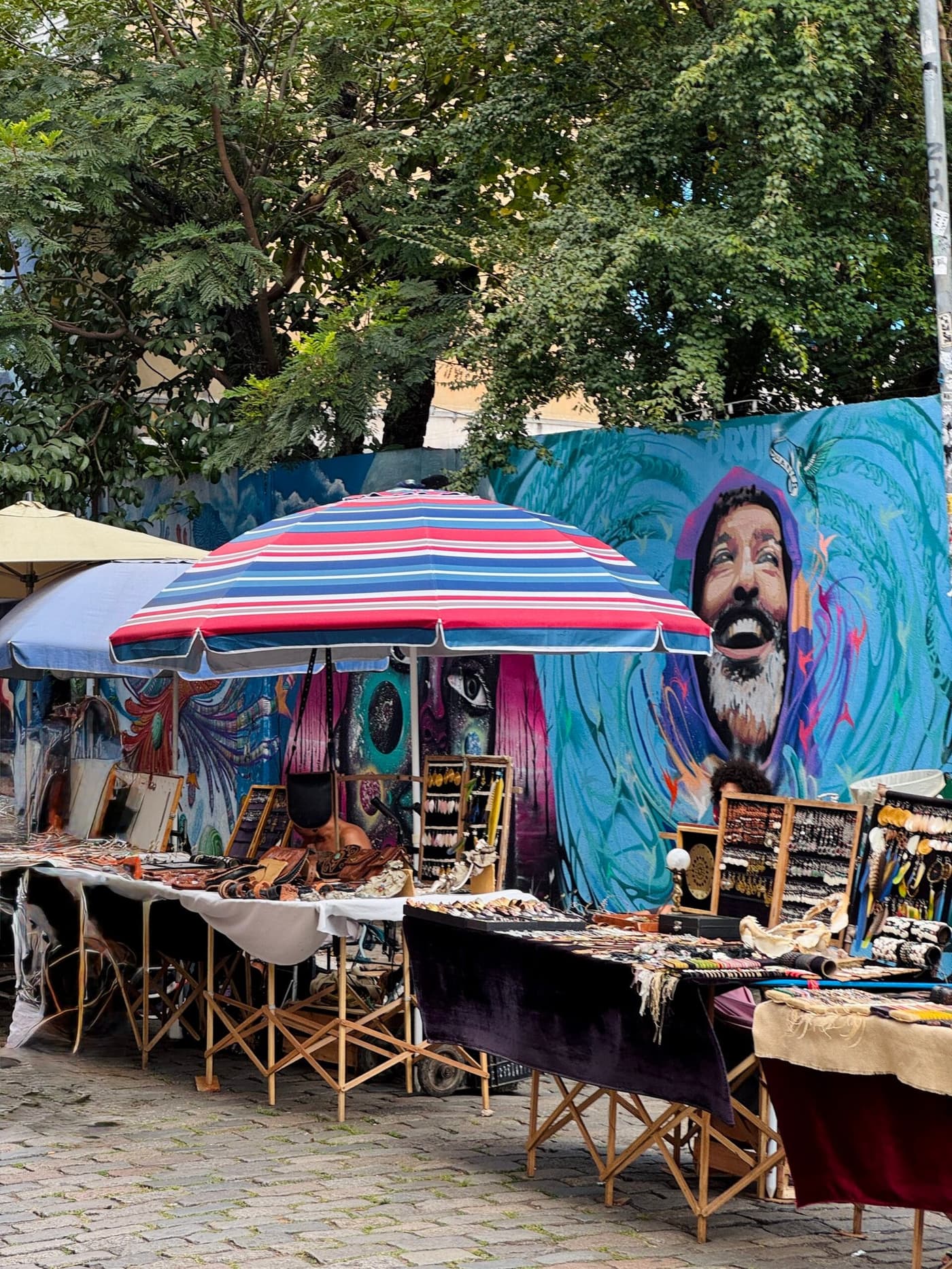
Beco do Batman (Beco do Batman) is an alley on the edge of Vila Madalena where every wall is covered in murals, from abstract compositions to portraits and political statements. The name stuck to the place in the 1980s, when a drawing of Batman appeared on one of the walls. It has not survived, but the name remains. The artwork here is not protected like a museum exhibit: artists repaint walls over old works, so the look of the alley changes from visit to visit, sometimes within a few weeks. The nearest metro station is Vila Madalena (green line), then a 10-15 minute walk. It is a touristy, busy place and safe at any time of day, but for good photos without a crowd in the frame it is better to come on a weekday in the first half of the day.
Jardins
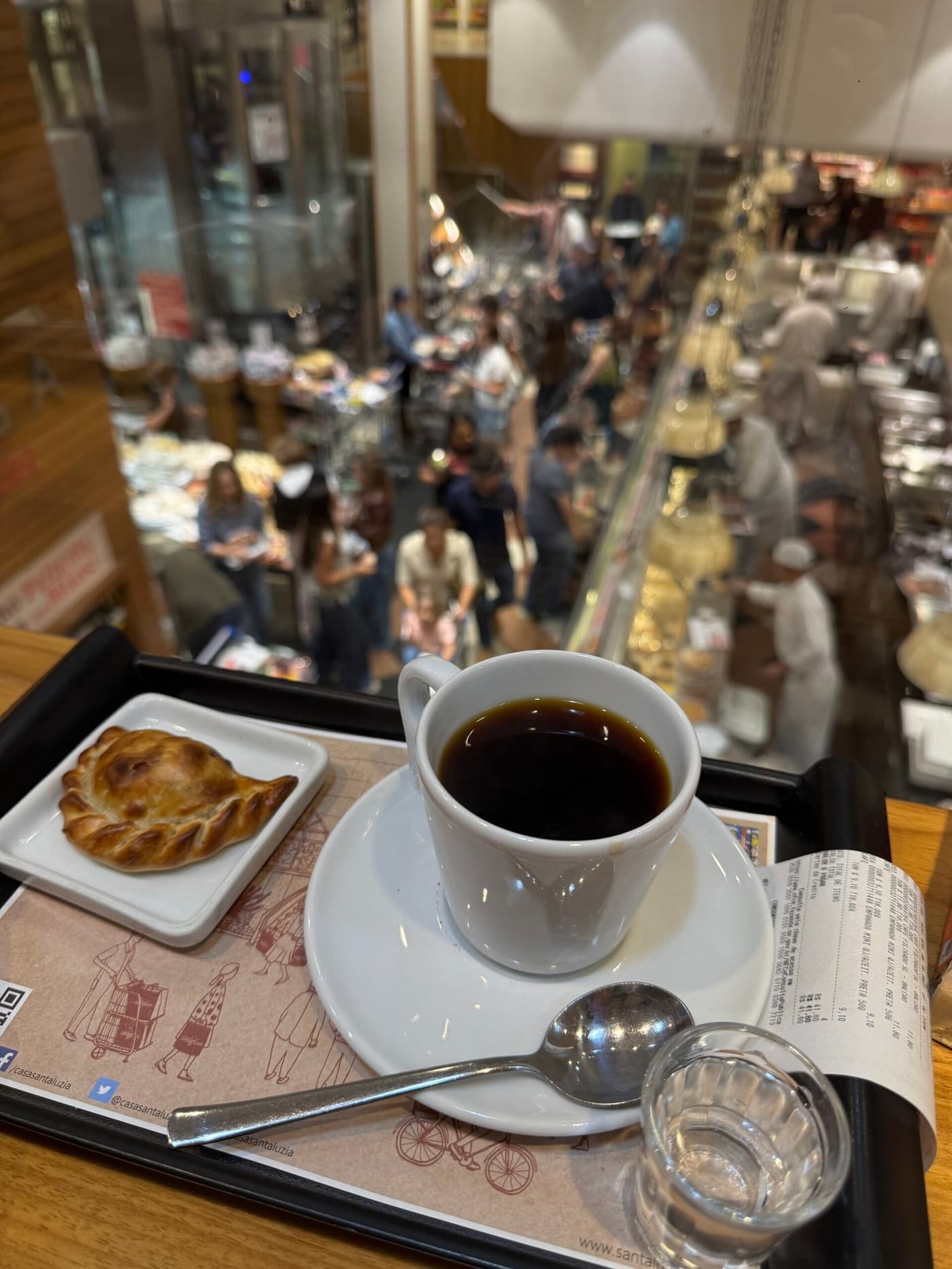
The city's most upscale neighborhood is worth simply strolling through without a specific goal. The main street for a walk is Rua Oscar Freire: designer boutiques and international brands mixed with street cafes, one of the few streets in the city where it is pleasant to walk slowly. Be sure to look into the old supermarket Casa Santa Luzia, open since 1926: a gourmet department store with a colorful interior and stained-glass windows, where, besides groceries, the second floor has a small but pleasant and characterful coffee shop.
How to Plan Your Itinerary by Day
Day 1. The historic center (Pateo do Collegio, Sé, Copan, Mercadão, Pinacoteca), strictly in the first half of the day and by taxi between points, not on foot at your own discretion. If you don't linger long in each museum, you can make it to Liberdade and Bixiga the same day. They are next to each other and fit well into the second half of the day. If you plan to explore the museums of the center thoroughly, it is better to give them a full day of their own and move the quarters to day two.
Day 2. Liberdade and Bixiga (if you didn't make it on the first day) and Avenida Paulista with the MASP museum.
Day 3. The Vila Madalena and Pinheiros areas: Beco do Batman in the morning, the Pinheiros market (Mercado de Pinheiros) and a coffee shop, of which there are many in the area.
Day 4. Jardins and Ibirapuera Park: lunch and a walk in Jardins. After lunch, Ibirapuera Park, but not until late: in São Paulo you generally should not walk around after sunset, regardless of the neighborhood.
Day 5 (if you have time). Places that need a separate trip: the Ipiranga Museum or the Butantan Institute.
FAQ: What to See in São Paulo
Which São Paulo sights can't you miss on a short trip?
Avenida Paulista with the MASP museum, Ibirapuera Park and Beco do Batman. If you are mentally prepared, add the historic center (Pateo do Collegio, the Cathedral, the Mercadão).
Is it safe to walk around São Paulo's historic center?
Individual spots (Pateo do Collegio, the Mercadão, the Pinacoteca) are relatively safe and guarded, but the streets around them are the least safe part of the city: many homeless people, begging and pickpocketing even in the daytime. Come only during the day, take a taxi or Uber right to the entrance, and don't walk around unfamiliar streets.
Is the Ipiranga Museum worth visiting if it is far from the center?
Yes, if you are interested in Brazilian history. The museum has been completely renewed after the 2022 restoration and is considered one of the best history museums in the country, but plan a separate trip because of its location.
What can you see in São Paulo for free?
A walk along Paulista and the Sunday market under MASP, Ibirapuera Park, the historic center, Jardins and Beco do Batman can all be seen for free.
How many days do you need to see the main sights of São Paulo?
At least 3-4 days for the main list, and 5+ days if you add the Ipiranga Museum, the Butantan Institute and a deeper look at the neighborhoods.