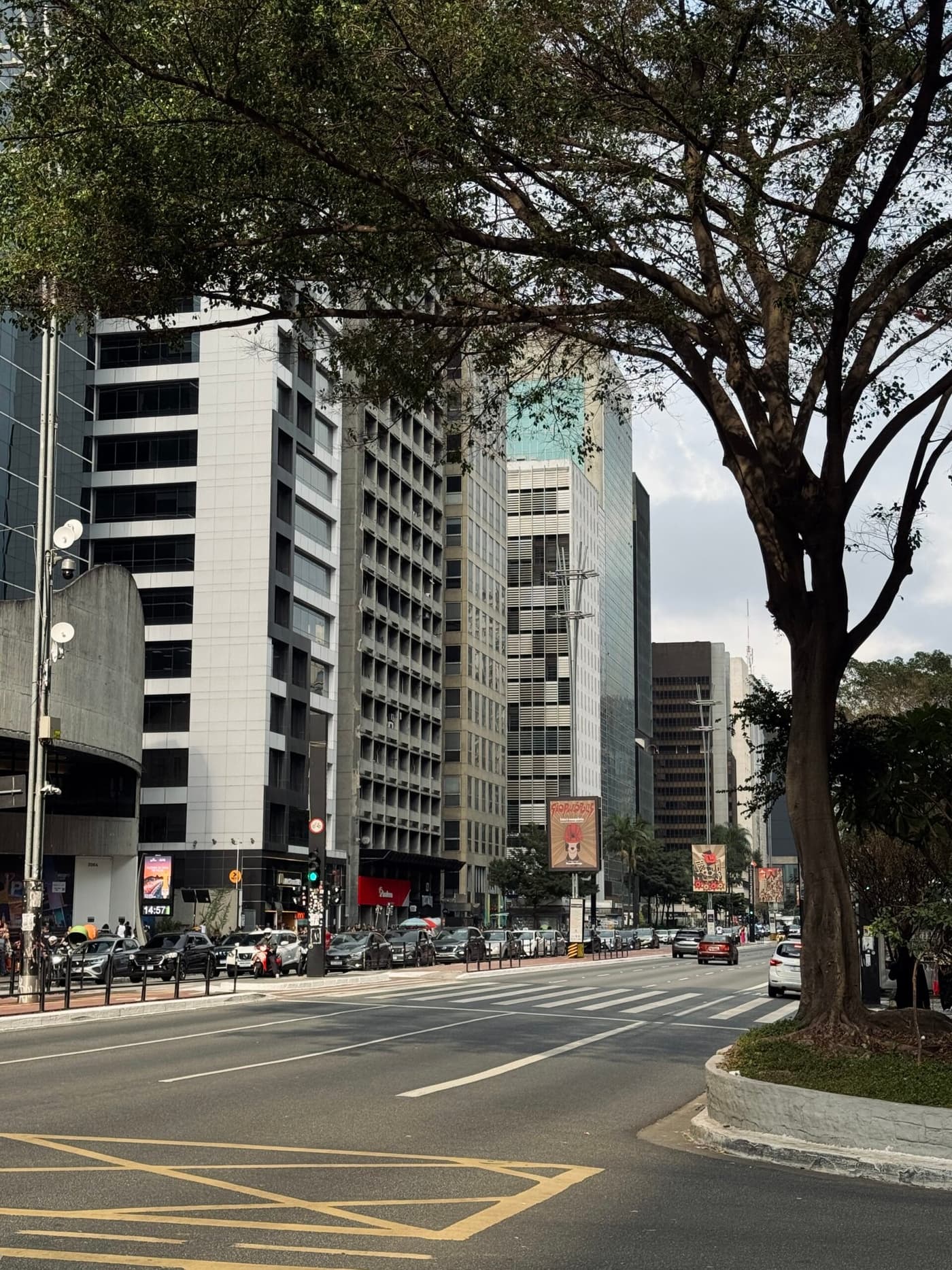
São Paulo covers roughly 1,500 km² (about 580 square miles), which is comparable to Greater London and about 14 times more than Paris within its official city limits. That is why choosing a neighborhood matters so much here. In one place, restaurants, the metro and quiet streets are all within a ten-minute walk. In another, there is a street you should avoid even in daylight.
Below I've put together a breakdown of the areas that suit a short tourist trip, a stay of a few months, and life with a family. If you haven't yet decided whether to go to São Paulo at all, start with the general guide, «São Paulo: everything you need to know before your trip», where I covered safety, budget and transport. If you want to know more about Brazil as a whole, my guide will help: Brazil: everything you need to know before your trip.
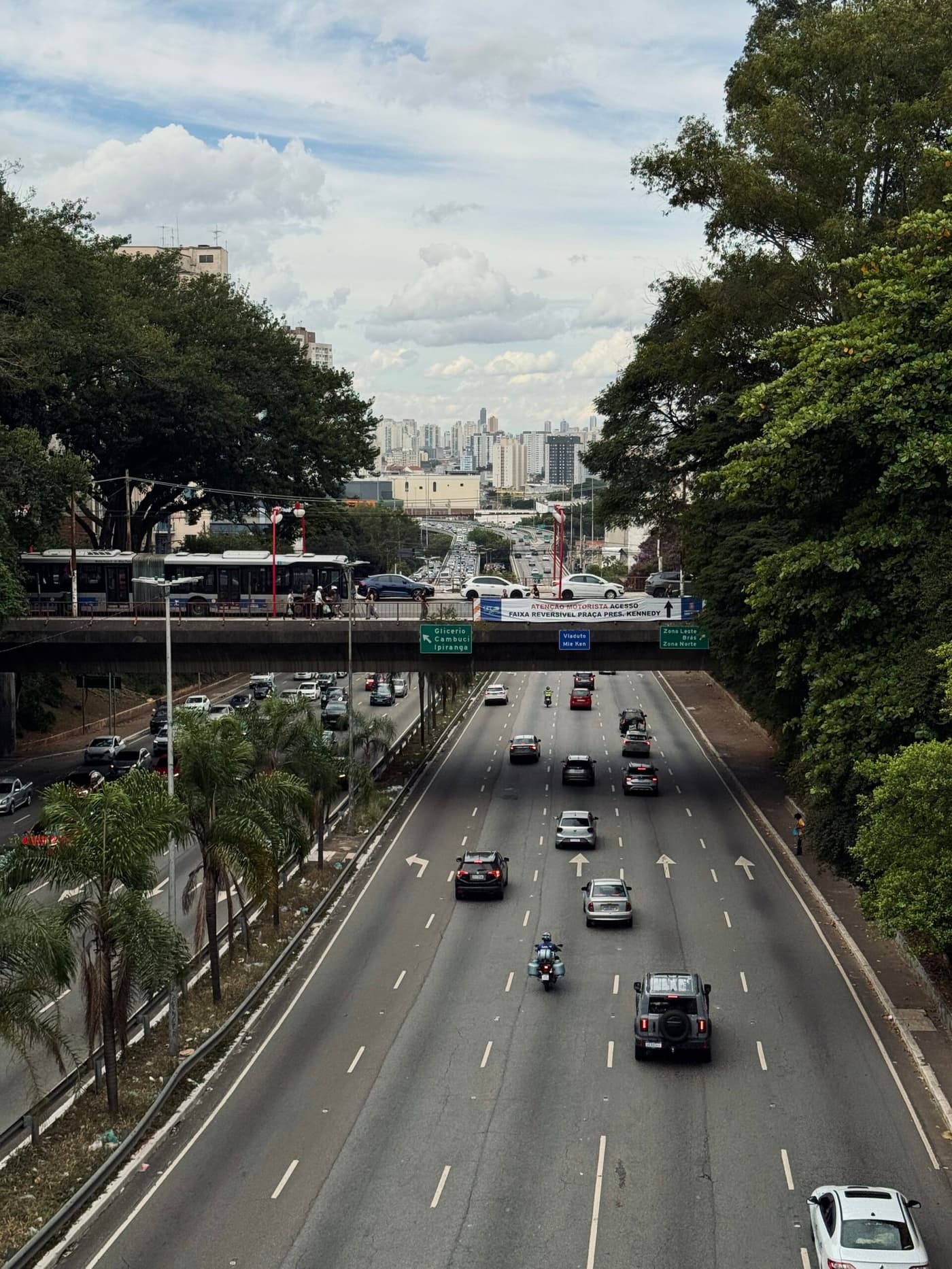
In short: where tourists should stay
For a short trip the logic is simple: pick one of the neighborhoods in the "golden triangle": Jardins, Itaim Bibi, Pinheiros or Vila Madalena. All four are compact, connected by the metro, packed with restaurants and bars, and considered among the safest in the city. More details on each one below.
Safe and tourist-friendly neighborhoods
These are areas where patrols, lighting and the general level of infrastructure make walking comfortable even late in the evening. This is where to look for a place to stay if your priority is peace and safety rather than the lowest price.
Jardins
Jardins is the city's most prestigious and expensive neighborhood: quiet, leafy streets, designer boutiques and fine-dining restaurants, including several Michelin-starred places. It is a neighborhood for those who are willing to pay for location and calm and don't plan on an active nightlife scene beneath their windows. In the evening it is quiet rather than noisy. Housing in Jardins is among the most expensive in the city, but the quality of the buildings and infrastructure matches the price. It suits both a tourist on a short stay and people moving for a longer period who work remotely: quiet, safe, and close to the business districts.
Itaim Bibi
A business district with skyscrapers, hotel chains and one of the best concentrations of restaurants in the city. During the day this is São Paulo's business center, in the evening it has lively bars and restaurants, and on weekends a dynamic nightlife. It works well for people who came for work or want to be in the very pulse of the business part of the city, and a bit less well for those looking for peace and quiet: on weekend evenings it can be noisy near the bars.
Vila Olímpia
Next door to Itaim Bibi, it largely repeats its neighbor: a business and club district with modern residential complexes, but a bit "younger" and with a more pronounced club scene. People often come here in the evening specifically for parties. It's a good option if you want to be near the business center but at a slightly more affordable price than Jardins.
Vila Madalena and Pinheiros
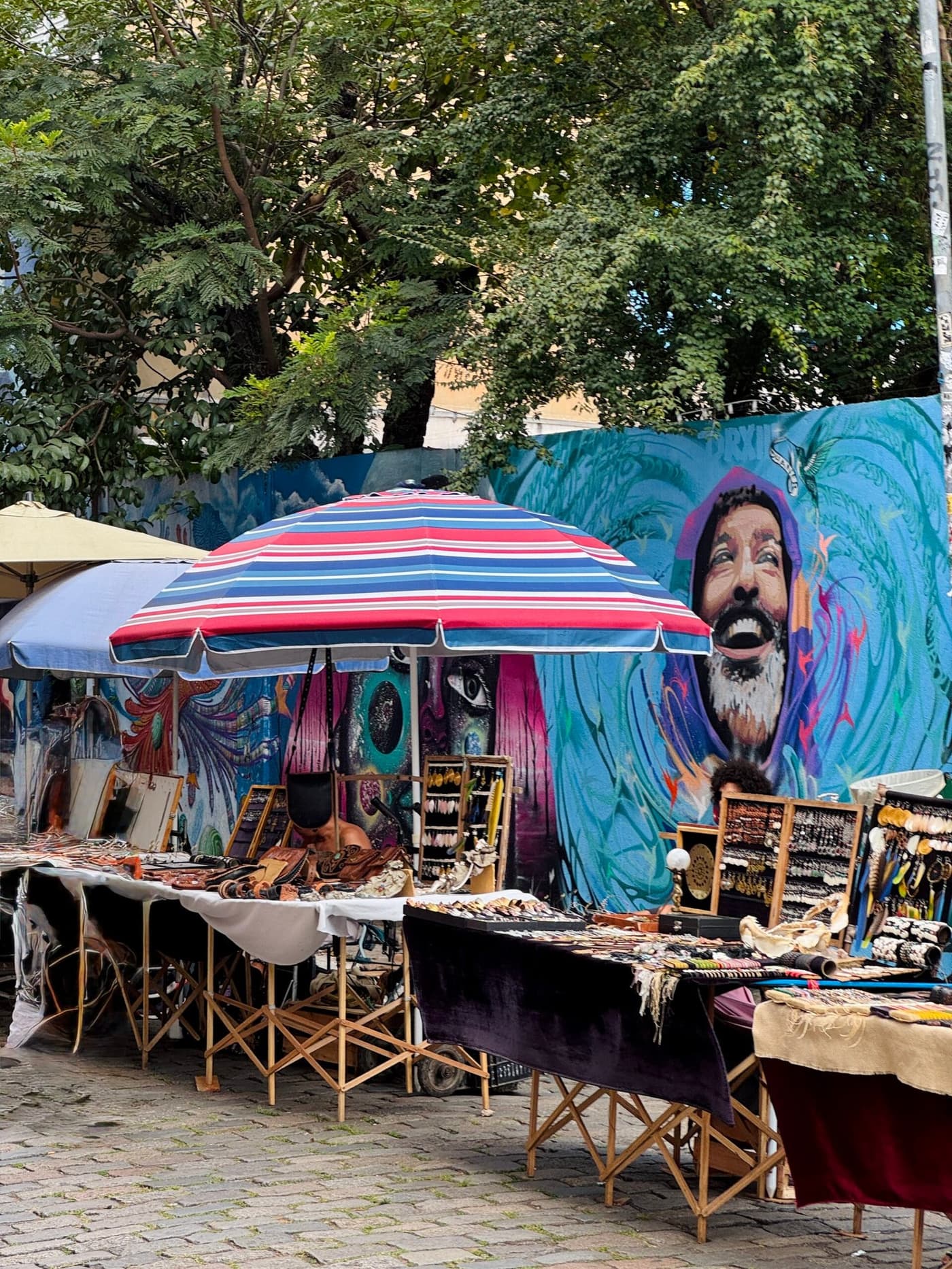
The city's bohemian cluster: street art, including the famous Beco do Batman, independent bars, craft drinks, and live music almost every evening. The lively part of Vila Madalena is not the whole administrative district but a compact patch right at the border with Pinheiros, around the metro station of the same name and the streets Rua Aspicuelta and Rua Wisard, where the bars and Beco do Batman are concentrated. The rest of the district is ordinary residential development with no particular tourist appeal. Pinheiros as a neighborhood is, on average, almost the same in spirit in its part near the border. For a short trip or remote work, aim for this border patch rather than for the whole of Vila Madalena going by the name on the map. I wrote about what to see in Pinheiros and what to do in São Paulo in a separate article.
Moema
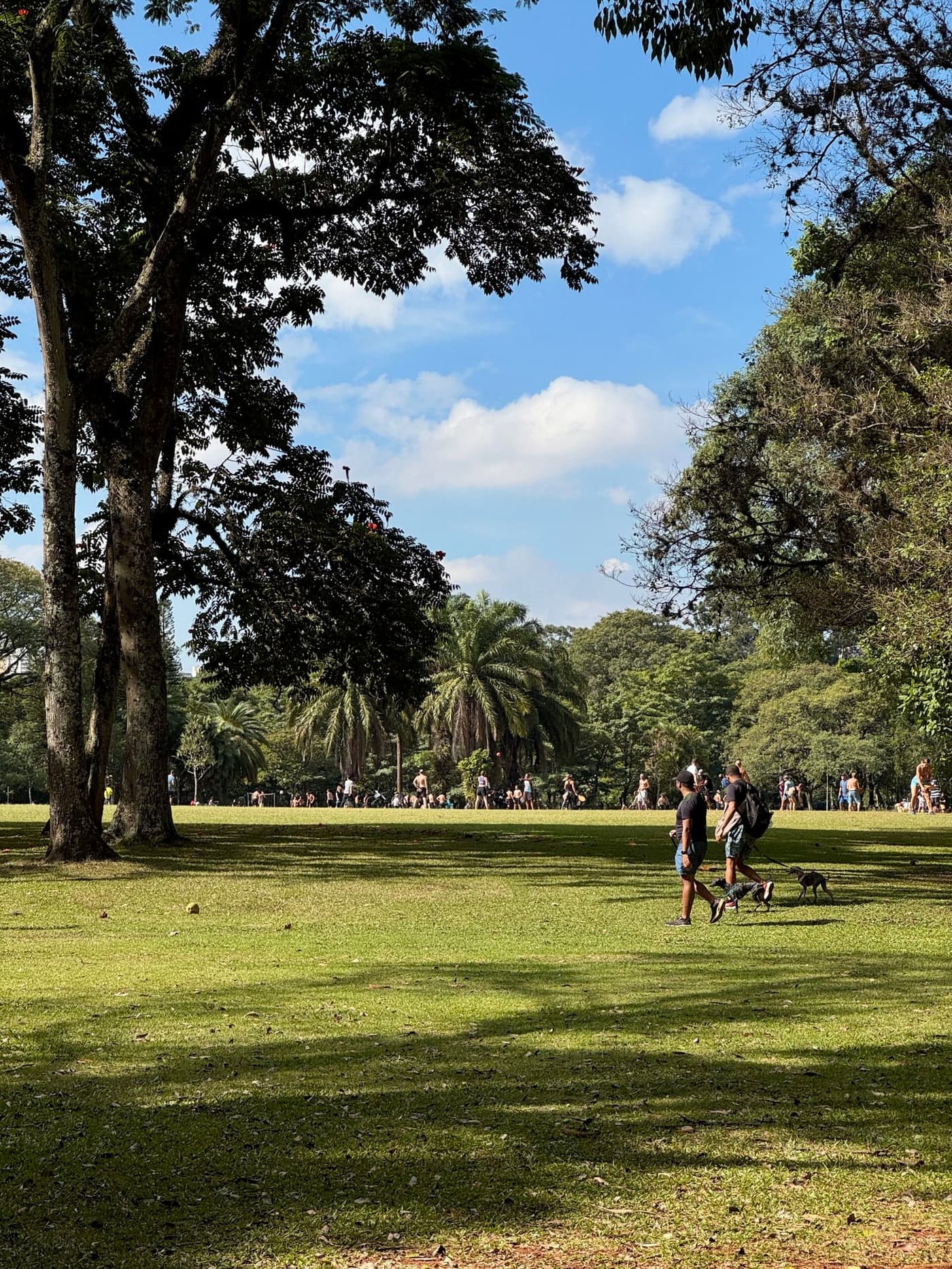
A calm, green, family-friendly neighborhood next to Ibirapuera Park. There is less of a tourist scene than in Vila Madalena, but more infrastructure for everyday life: supermarkets, schools, playgrounds, and quiet streets for walking with a stroller. At the same time, Moema is still close enough to the center and the business districts that you don't feel cut off from the city. It is one of the best options for families with children and for long-term living in general.
Higienópolis
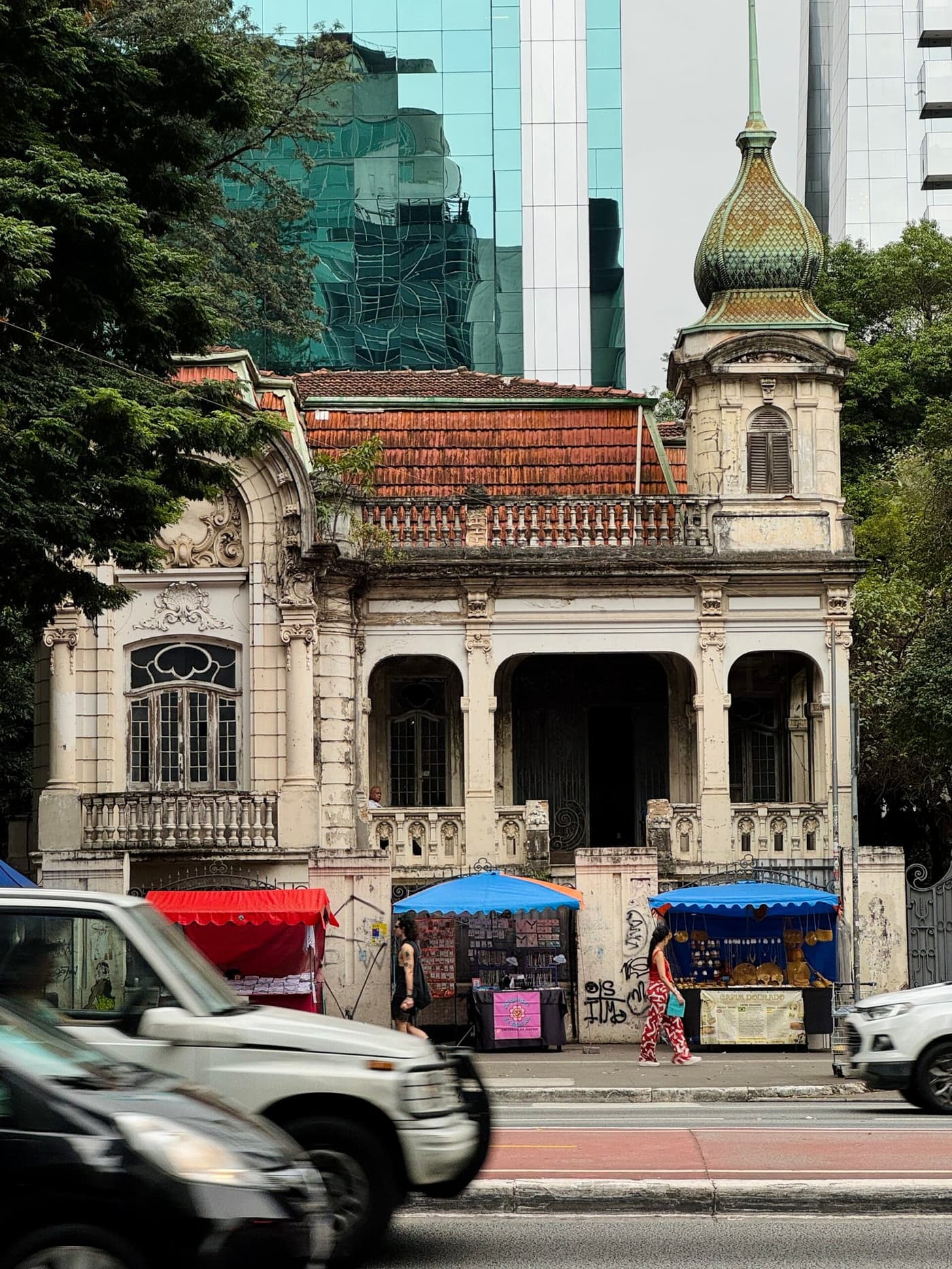
A respectable neighborhood with rich early 20th-century architecture, often described as "intellectual", with plenty of university people and cultural institutions. It is calmer and less touristy than Jardins, but just as good in terms of safety. A good option for those who want to live among locals rather than in a tourist zone and are ready to give up restaurant density for the atmosphere.
Mixed neighborhoods: not dangerous, but stay alert
During the day you can't tell them apart from the tourist neighborhoods: lively streets, museums, markets. The difference shows up in the evening: it isn't dangerous, but it's better to stick to busy, well-lit streets and not turn into quiet side alleys.
Avenida Paulista and surroundings (Bela Vista, Consolação)
Paulista itself and the neighboring blocks are the city's business and cultural center, safe during the day, with MASP, office towers and a pedestrian zone on Sundays. On weekday evenings it is calm here, but choose the livelier streets rather than going into quiet side streets, as in any big business district at night. Bela Vista, known above all as the Italian quarter of Bixiga, is lively and rich in food, but it calls for ordinary big-city caution late in the evening.
Liberdade
The historic Japanese quarter, safe and pleasant for walking during the day and in the early evening, especially on Saturdays, when a street market sets up on the main square. As with Bela Vista, late in the evening it's best to keep to well-lit, busy streets.
Downtown (Sé, República)
The historic heart of the city: Pátio do Colégio, the Pinacoteca, the Copan building, the cathedral. On weekdays during the day downtown is fine for sightseeing, but toward evening and on weekends the streets empty out and not the most pleasant characters come out, especially around República Square and its surroundings. I don't recommend staying here overnight as a tourist. But prices for accommodation here will certainly be lower than in the more pleasant neighborhoods.
Places to avoid altogether
These are two specific places in the city that you should physically cross off your route both day and night. There is a real risk to your belongings, your health and your safety.
The Luz district and Cracolândia
An area of open drug use and drug dealing in the Luz district, next to the historic center. In effect, a permanent street encampment with a high concentration of social problems. An important point: Cracolândia has no fixed address. After police operations, the crowd regularly shifts to neighboring streets within the same Luz district, so you shouldn't rely on a specific point on the map that was marked a couple of years ago. Keep the Luz district and the adjoining part of the historic center in mind as a high-risk zone overall, avoid walking there without a specific purpose where possible, and before your trip check recent reviews or news rather than relying on a single point on the map.
Peripheral districts and remote favelas
As in any Brazilian megacity, São Paulo has a vast periphery with favelas (comunidades) on the outskirts. The best known is Paraisópolis in the southern part of the city, on the border with the upscale Morumbi district: by population it is the second-largest favela in São Paulo after Heliópolis. A tourist shouldn't go there without a local: unlike Rio, where some favelas have become part of tourist routes, São Paulo has no such infrastructure for tourists.
Where to live on a long-term rental
For a budget option, Pinheiros and the lively part of Vila Madalena, Moema and Higienópolis are the best fit: a balance of price, safety and infrastructure. Jardins and Itaim Bibi make sense if your budget allows. When looking for a long-term rental, a foreigner will almost always need a CPF. The process of getting one is the same across Brazil; I wrote about it in a separate article, how we got the Brazilian CPF tax number in Yerevan.
Where to live with kids
Jardins, Itaim Bibi, Higienópolis and Moema are the very best options: quiet streets, proximity to Ibirapuera Park, and well-developed infrastructure for everyday life. Moema is the most budget-friendly option, while Jardins is noticeably more expensive.
Where to live as a digital nomad
For young people, Pinheiros and part of the Vila Madalena district fit best: a balance of coworking spaces and cafés with power outlets, stable internet, a lively social scene in the evenings, and rental prices lower than in Jardins or Itaim Bibi. A detailed breakdown of coworking spaces, SIM cards and opening a bank account is the topic of a separate article on the site.
How to avoid choosing the wrong neighborhood
Before booking a place to stay, check the map and make sure the address doesn't border directly on one of the problem zones: in São Paulo, a good block and a bad one are sometimes separated by literally one street. A sensible rule of thumb is the "golden triangle", meaning the neighborhoods of Jardins, Itaim Bibi, Pinheiros and part of Vila Madalena, or the list of calm family neighborhoods such as Moema and Higienópolis.
Frequently asked questions about São Paulo neighborhoods
Which São Paulo neighborhood is the safest?
Jardins is traditionally considered the safest and most prestigious neighborhood in the city, followed by Itaim Bibi, Moema and Higienópolis.
Where should a tourist stay on a short trip?
Any of the four golden-triangle neighborhoods, Jardins, Itaim Bibi, Pinheiros or Vila Madalena, will give you a good location, safety, and walking distance to restaurants and the metro.
Is it worth staying in downtown São Paulo?
For a short visit, going during the day to see the sights is fine. I don't recommend staying overnight: some downtown streets are run-down and call for extra caution in the evening, and the Luz district with the notorious Cracolândia is right next door, and you should steer clear of it.
Which São Paulo neighborhoods are good for living with kids?
Moema and Higienópolis are calm, green neighborhoods with well-developed everyday infrastructure and proximity to parks.