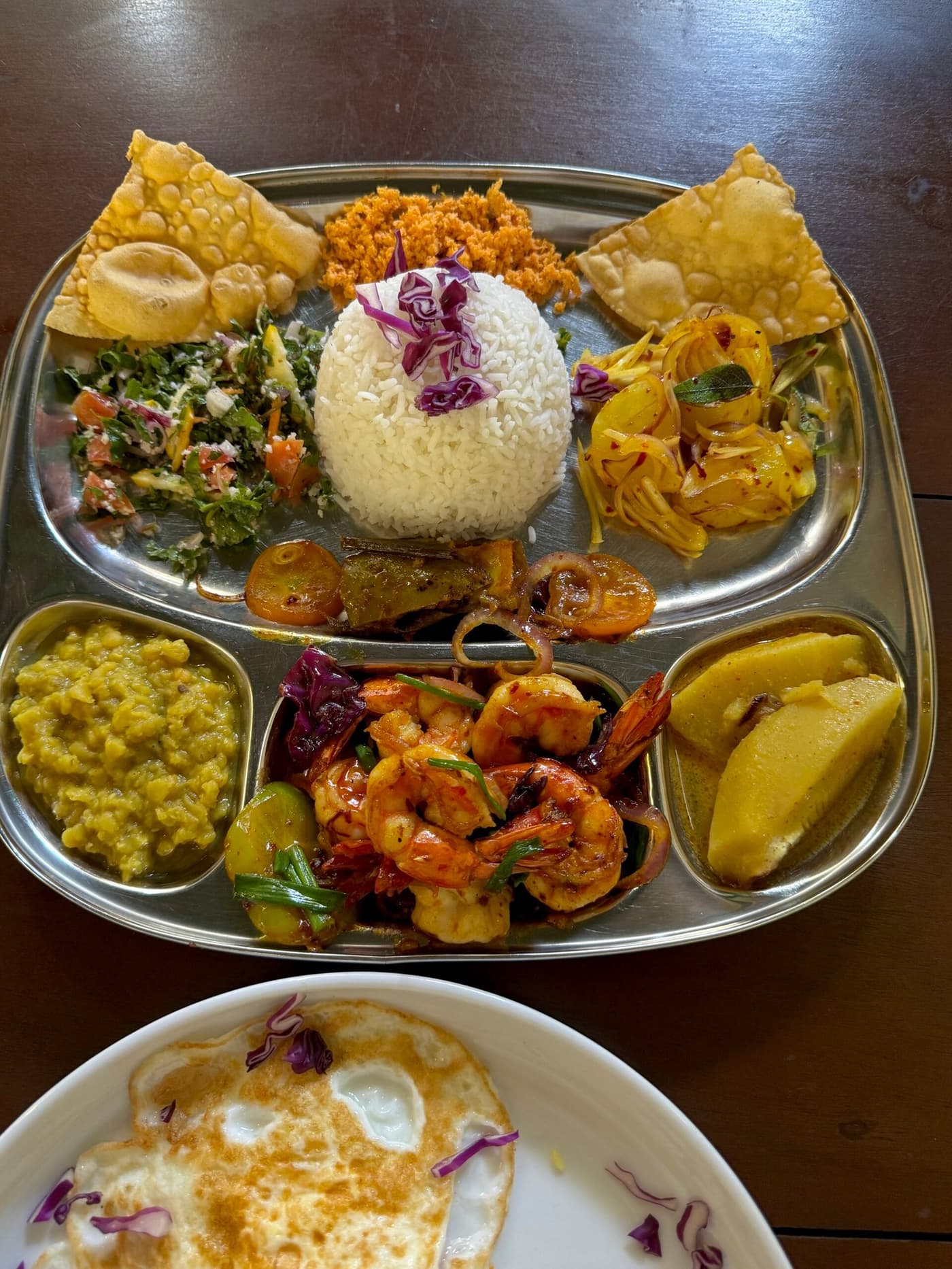
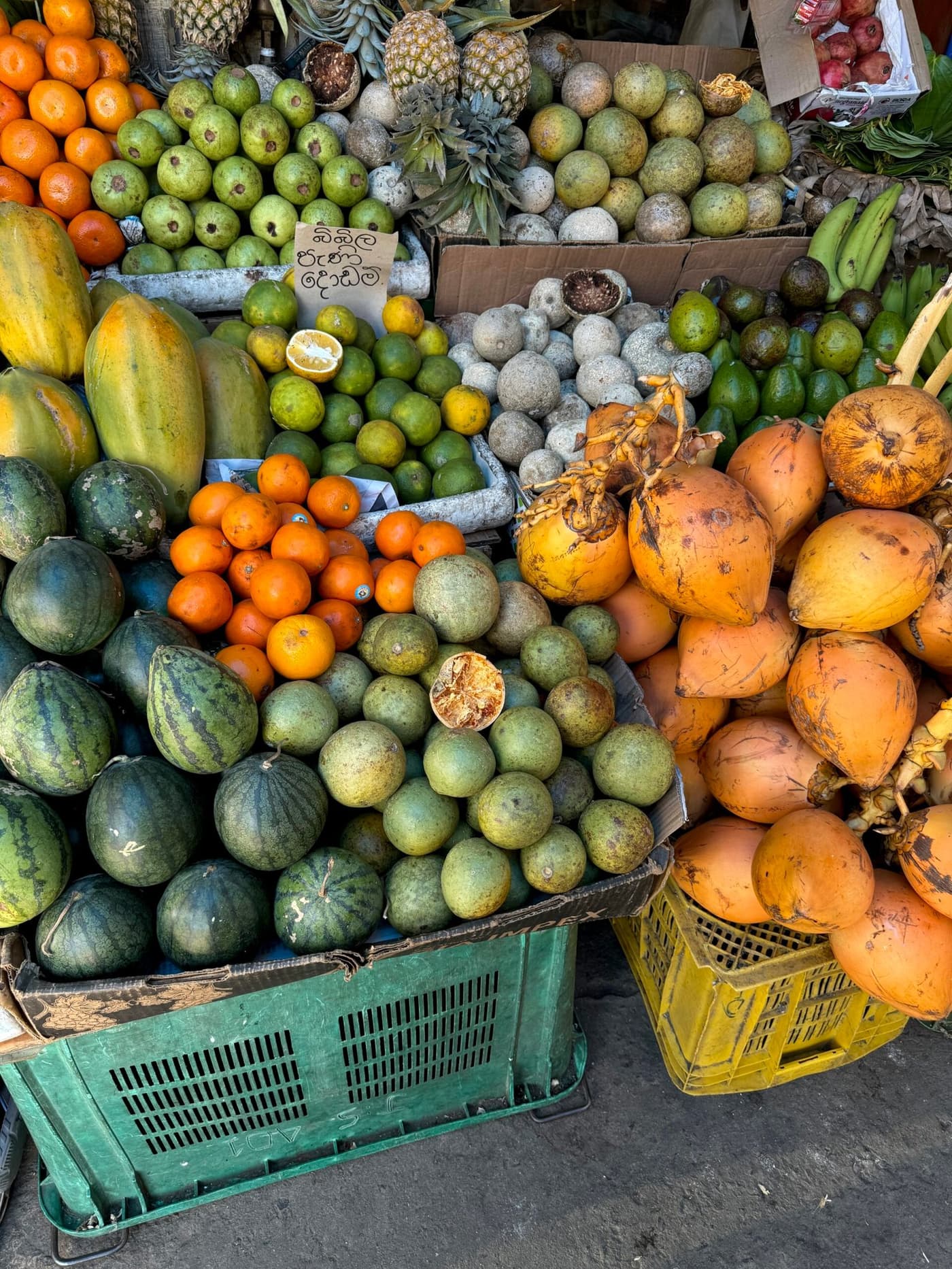
Sri Lanka is not only beaches and tea plantations, but also an astonishing variety of exotic fruits. The island has fruits you will rarely come across in other countries, and each of them shapes the local cuisine in its own way.
Many of these fruits are not only delicious but also have plenty of health benefits. In Sri Lanka, fruit goes into all kinds of dishes and drinks, and it also plays a significant role in traditional medicine and wellness.
I wrote about what to try in Sri Lanka in a separate article.
Exotic fruits of Sri Lanka: names and descriptions
In this guide I'll tell you about the most unusual and interesting fruits of Sri Lanka, their seasons and their health benefits.
Wood apple / Bael (Wood Apple)
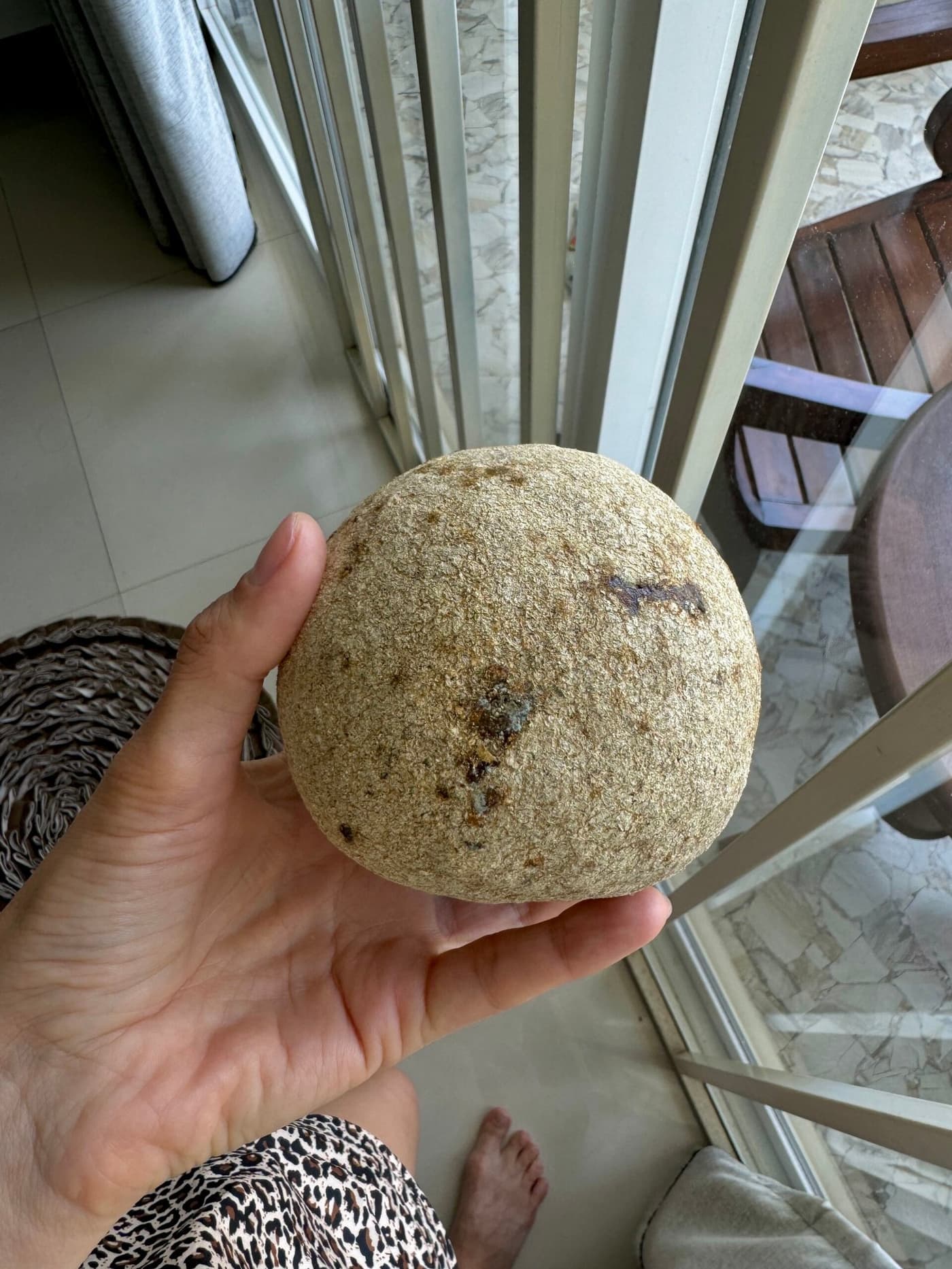
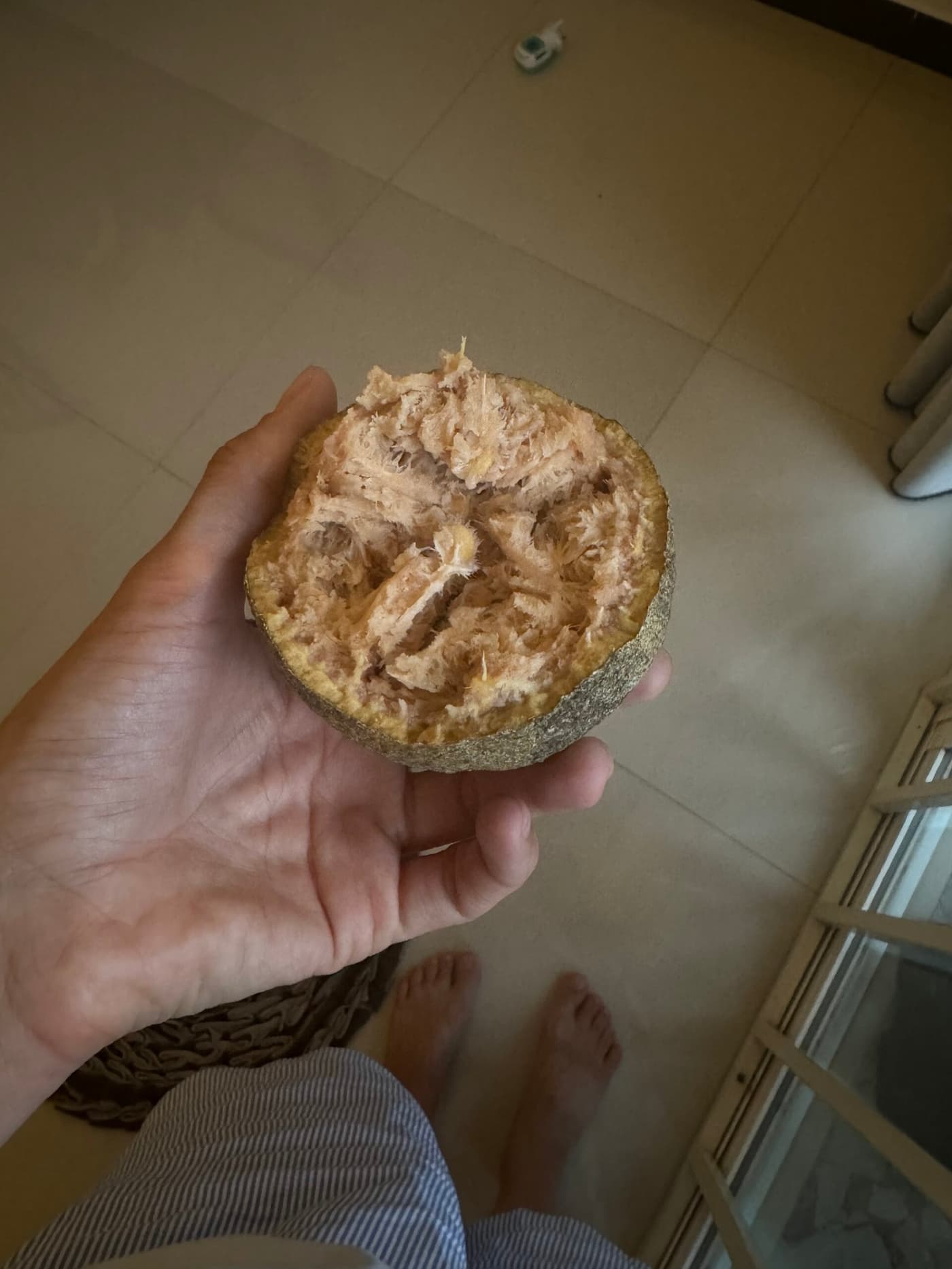
The wood apple, or bael, is an unusual fruit with a hard, woody shell and a sweet-and-sour taste. In Sri Lanka it is often called the "wood apple" because it looks a bit like an ordinary apple, but its rind is like wood and the structure of the fruit is different. Bael grows on trees found in various parts of Sri Lanka, especially in the drier and warmer areas.
The bael season runs from September to February, when Sri Lanka has its dry period, ideal for ripening this unusual fruit. Despite the seasonality, you can often find it at markets out of season too, because it is used in many traditional recipes and drinks.
Health benefits
Bael is known for its powerful healing properties. It is rich in vitamin C, which helps strengthen the immune system and supports healthy skin. The pulp of bael also contains a lot of fiber, which improves digestion and helps with constipation.
This fruit has antibacterial and antiseptic properties, which makes it useful for preventing infections. In Sri Lankan folk medicine, bael is used to treat various ailments, such as digestive disorders and skin infections.
Bael also helps reduce stress and may help normalize blood sugar levels, which makes it a great food for people with diabetes.
How to eat it
Bael is mostly consumed as a drink, because its pulp is rather hard and sour. Sri Lankans often make juice from it: the pulp is scooped out of the shell and mixed with water and sugar to create a refreshing, healthy drink. Ready-made juices with this fruit are often sold in shops.
Indian gooseberry / Amla (Indian Gooseberry / Amla)
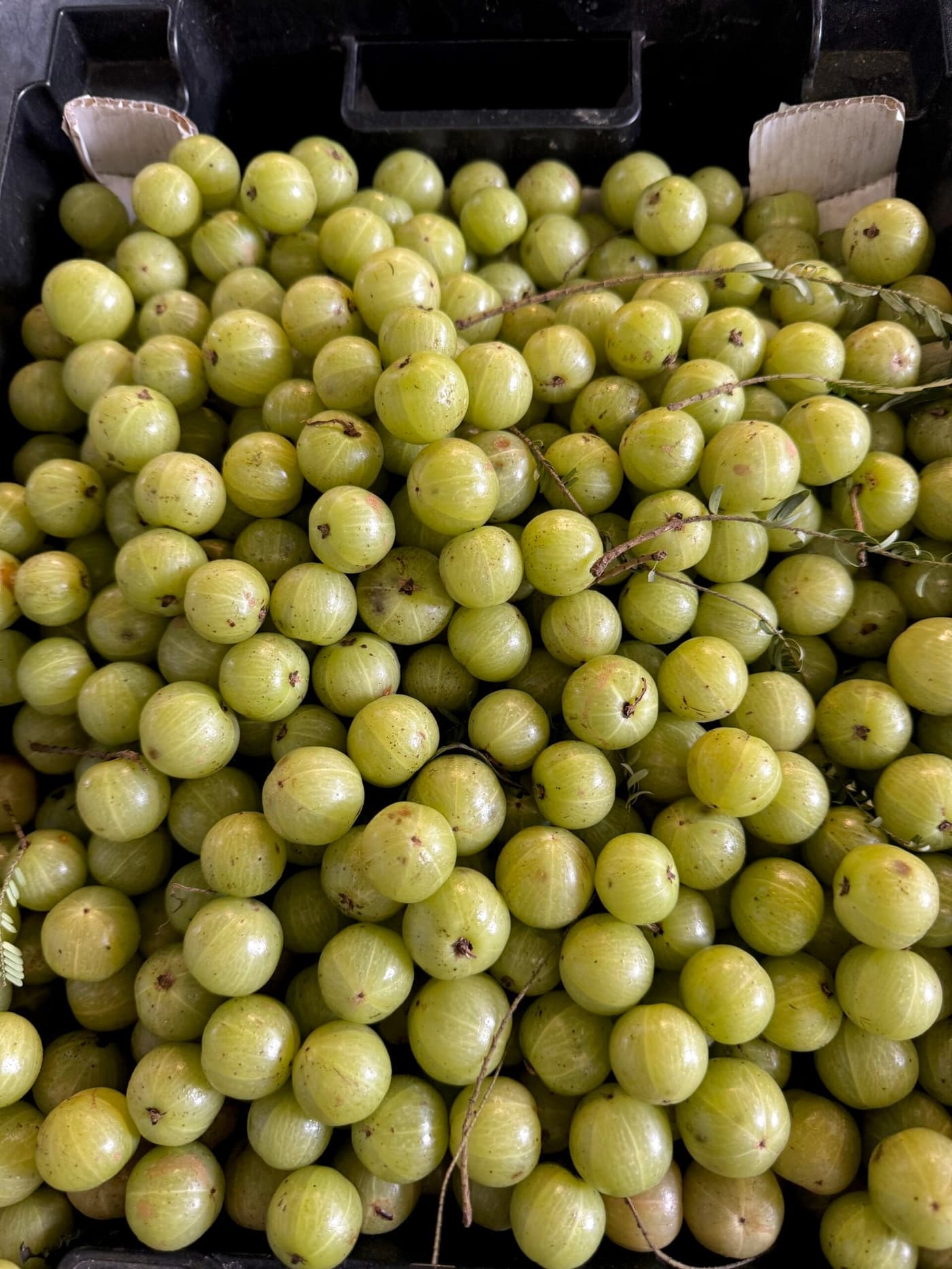
Amla, or Indian gooseberry, is one of the healthiest fruits and is widely used in traditional medicine and cooking in Sri Lanka and India. This sour fruit with a characteristic tart taste has a rich vitamin profile and is used not only to make drinks and desserts but also to support overall health. Amla grows on shrubs found in tropical and subtropical areas, including Sri Lanka.
The amla season runs from November to March, when the fruits ripen. In Sri Lanka, though, you can find it in the off-season too, because this fruit keeps for a long time and travels well.
Health benefits
Amla is a superfood rich in vitamin C. It is considered one of the best sources of this vitamin in the world, and the vitamin helps strengthen immunity, support healthy skin, improve iron absorption and fight infections. Amla also contains antioxidants, which help rejuvenate cells and slow the aging process.
Regular consumption of amla can have a positive effect on the heart and lower cholesterol.
How to eat it
Amla tastes quite sour, so it is usually not eaten fresh. In Sri Lanka it is often used to make drinks: juices and infusions, sometimes with other fruits added to soften the sourness.
Amla is widely used in traditional medicine, and in cooking it goes into various sauces and dishes. Sri Lankans make jams, chutneys and spicy pickles from amla, and also use it in sweet-and-sour soups and side dishes.
King coconut / Thembili (King Coconut / Thembili)
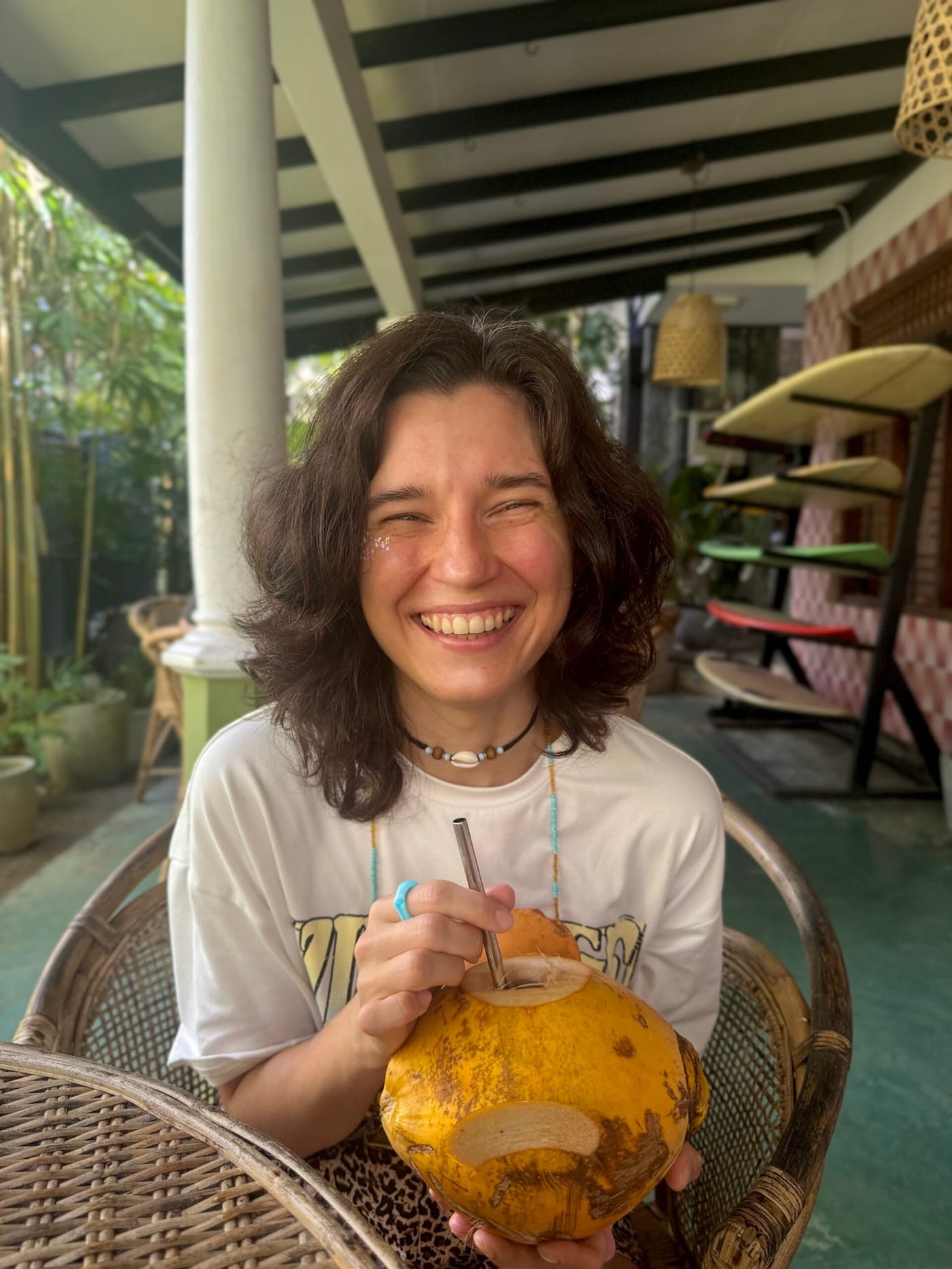
King coconut, or thembili, is one of the most beloved drinks in Sri Lanka and is sold on streets all over the island. Unlike an ordinary coconut, thembili has a bright orange husk and a sweeter, more refreshing taste. This fruit is usually enjoyed as juice, drawn straight from the fruit. Thembili grows in coastal areas and tropical lowlands, where it is warm and humid, ideal conditions for this plant.
King coconut is available all year round in Sri Lanka, but there is especially a lot of it from November to April, when it reaches peak ripeness and sweetness. You can find thembili at markets and street stalls everywhere, and both locals and tourists love it.
Health benefits
King coconut is a source of many beneficial substances, including vitamins and minerals such as potassium, magnesium and vitamin C. Its juice is very hydrating and helps maintain the body's water balance, which makes it an ideal drink for hot days.
Thembili is also good for the cardiovascular system, since its high potassium content helps normalize blood pressure. It has antimicrobial properties, supports gut health and helps fight infections.
Thembili coconut water is known for its antioxidant properties, helping to cleanse the body of toxins and prevent oxidative stress.
How to eat it
Thembili is most often drunk as juice, straight from the fruit. Sri Lankans sell it fresh on the street: the top of the fruit is cut open, and you can enjoy a sweet, refreshing drink through a straw.
King coconut juice is also used in cocktails and smoothies and added to desserts. Sometimes thembili pulp goes into sweet sauces and curries to add a gentle sweetness and flavor.
Annona / Custard apple
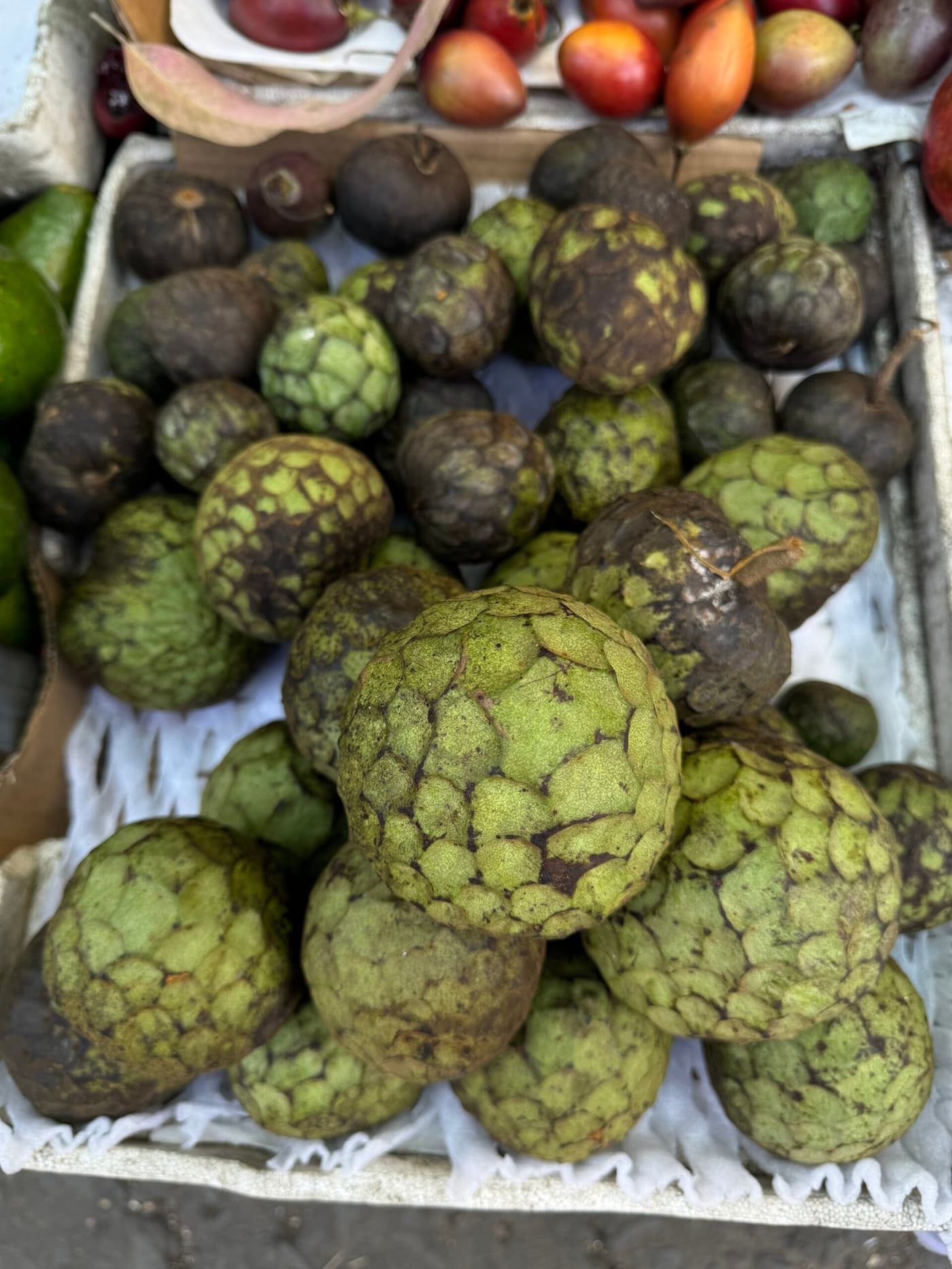
Annona, also known as custard apple or anoda, is a popular exotic fruit in Sri Lanka. Its white pulp, with a delicate texture and sweet taste, is often compared to cream or sour cream, which explains the name. Annona grows on small trees that prefer a tropical climate. In Sri Lanka you can find it in most regions, especially in the southern and central parts of the island.
Annona usually ripens from October to May. That is ideal if you plan to visit Sri Lanka in the cooler months and want to try this fruit at its peak ripeness.
Health benefits of custard apple
Annona has a number of health benefits. The fruit is rich in vitamin C and B vitamins, which strengthen the immune system and help normalize metabolic processes in the body. Annona contains antioxidants that help fight inflammation and slow the aging of cells. The pulp is an excellent source of fiber, which supports digestive health.
Annona is believed to help reduce stress and improve sleep quality, and it also has antimicrobial properties.
How to eat it
In Sri Lanka, annona is eaten mostly raw, enjoying the soft, sweet pulp that is easy to scoop out of the fruit. This fruit is often used to make drinks: juices and smoothies, and the pulp is added to desserts and yogurt or used as a pie filling.
Sugar apple / Atemoya (Sweet Apple / Atemoya)
The sugar apple, or atemoya, is a hybrid between the custard apple (annona) and the sugar apple. The fruit is prized for its sweetness and its texture, which is both soft and creamy. The taste can be described as a mix of mango and pineapple with hints of coconut. Atemoya grows on small trees and prefers warm tropical regions, so Sri Lanka is a great place to cultivate it.
The sugar apple season in Sri Lanka runs from late autumn to early spring. The best time to try it is from November to March.
Health benefits
The sugar apple is rich in vitamin C, which helps strengthen the immune system and protect the body from viral illnesses. It contains plenty of B vitamins, which support a healthy nervous system and improve metabolism.
Atemoya pulp is a source of antioxidants that help fight oxidative stress, improving the condition of the skin and preventing premature aging. The fruit is also rich in fiber, which regulates the digestive system and improves bowel motility.
How to eat it
Atemoya is most often eaten raw. The fruit is cut in half, the black seeds are removed and the soft pulp is scooped out with a spoon. Sri Lankans add it to salads, smoothies and fruit cocktails, enjoying its rich, sweet flavor.
Guava (Guava)
Guava is one of the most popular fruits in Sri Lanka, widely used both fresh and in drinks and desserts. The fruit has a bright aroma and a sweet taste with a slight tartness. In Sri Lanka guava grows in most regions, especially in the drier areas. It is an important part of the local cuisine and culture: guava goes into smoothies, juices, jams and even savory dishes.
Guava ripens all year round in Sri Lanka, but the main harvest season is autumn and winter, roughly from October to February.
Baby guava (Baby Guava)
Besides regular guava, in Sri Lanka you can find baby guava, small fruits up to 5 cm in diameter. They have the same sweet-and-sour flavor but a more delicate texture. These miniature fruits are eaten fresh and used for juices, jams and desserts.
Health benefits
Guava is a real treasure trove of vitamins, especially vitamin C, of which it has several times more than citrus fruits. That makes it a great food for strengthening the immune system, preventing colds and improving general well-being. Guava also contains B vitamins, which support the nervous system.
It aids digestion, helps with constipation and has antiseptic and antibacterial properties.
How to eat it
Guava is most often eaten raw. Sri Lankans often eat it with the skin on, cut into pieces, which keeps the maximum of fiber and vitamins. Guava is popular in fresh juices and smoothies, which are often sold at local markets.
Mango (Mango)
Mango is one of the best-known and best-loved exotic fruits in Sri Lanka. It is not only delicious but also very diverse: many varieties of mango grow on the island. The fruit is found all over the country, and every region is proud of its own varieties.
Mango season
Mangoes in Sri Lanka ripen in two main seasons: from March to August is the main period, when there are especially many, and from September to November is the time of the late varieties. Thanks to this variety, you can find mangoes at the markets almost all year round.
Main types of mango in Sri Lanka
- Alphonso: one of the sweetest varieties, with a soft, creamy texture and a strong aroma.
- Kesar: a very sweet mango with a rich flavor, often used in cooking and drinks.
- Neelum: a more sour variety, ideal for chutneys and sauces.
Health benefits
Mango is a real source of nutrients. It is rich in vitamins A and C, which support immunity and healthy skin and eyesight. It has many antioxidants that help fight inflammation and oxidative stress, improving the condition of the skin and slowing aging.
Mango is a good source of fiber, which improves digestion and regulates the gut. The fruit also promotes a gentle detox of the body.
How to eat it
In Sri Lanka mango is eaten in many ways. The simplest is raw, sliced or straight from a half of the fruit. Sri Lankans add mango to salads with salt and pepper and make sweet-and-sour chutneys to go with meat and rice.
Mango is also made into smoothies and cocktails, often with yogurt or coconut milk. A popular drink is mango lassi, a yogurt shake with mango pulp, sugar and ice. In the local cuisine mango is also used in curries, giving dishes a distinctive sweet-and-sour note.
Lavulu (Lavulu / Egg Fruit)
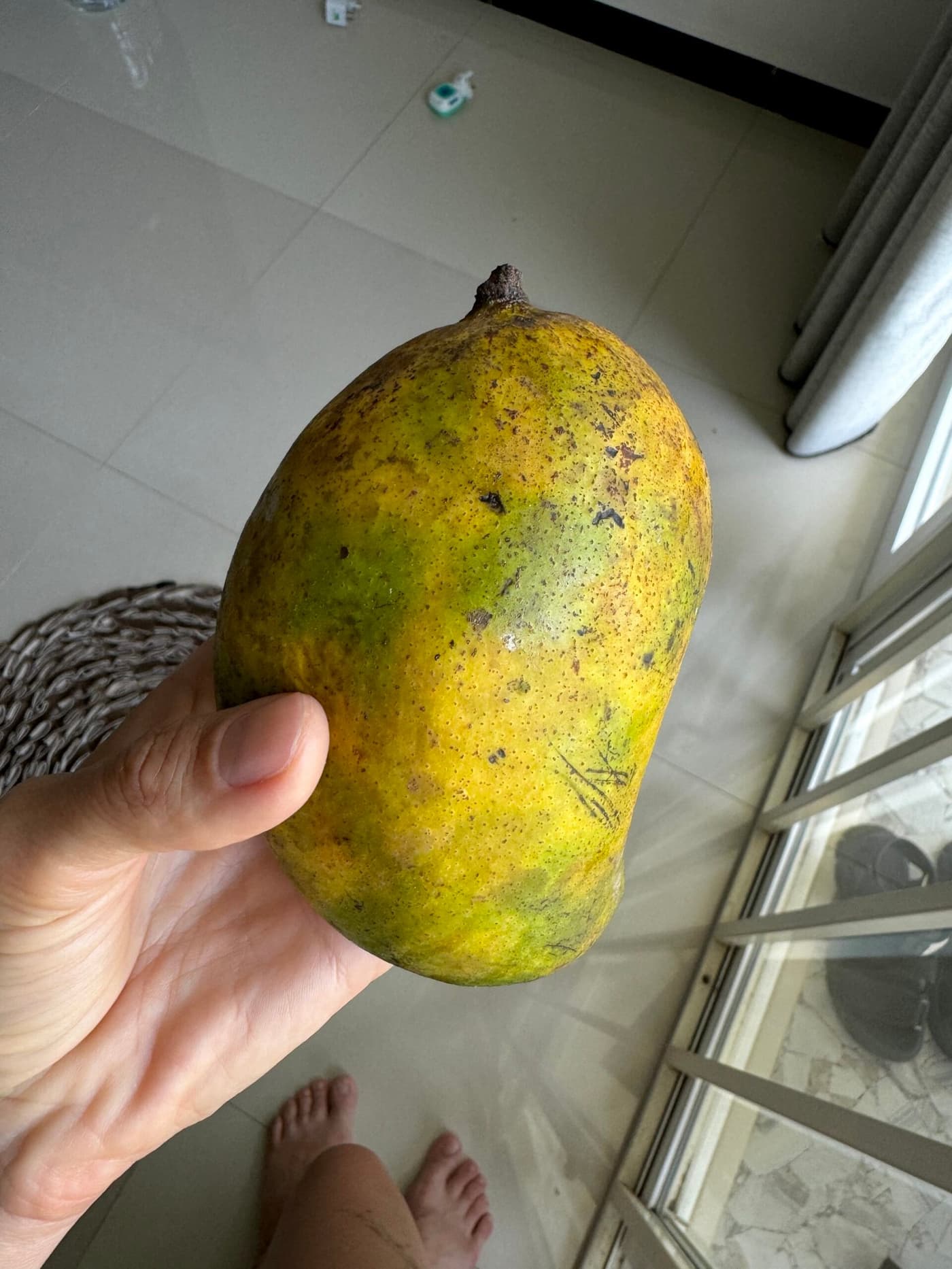
Lavulu, or "egg fruit," is an exotic fruit often found in Sri Lanka. It got its name from its egg-like shape and bright yellow flesh, similar in texture to a boiled yolk. Lavulu has a delicate sweet taste with a light vanilla note, ideal for desserts and drinks. The fruit grows on trees in tropical and subtropical areas and is popular with locals.
Lavulu ripens from November to February. At this time it is especially easy to find and sweet, although depending on the region you can find it at markets outside the main season too.
Health benefits
Lavulu is an excellent source of vitamins A and C, which support healthy skin and a healthy immune system. It contains antioxidants that protect cells from free radicals and slow aging.
The fruit is rich in fiber, which improves digestion and helps maintain normal blood sugar levels. Lavulu is also a good source of potassium, which helps maintain the body's fluid balance and regulates blood pressure.
How to eat it
Lavulu is usually eaten raw: the fruit is cut in half and the flesh scooped out with a spoon. In Sri Lanka it is added to smoothies and cocktails and also used in desserts: puddings, pies and creams.
Lychee (Lychee)
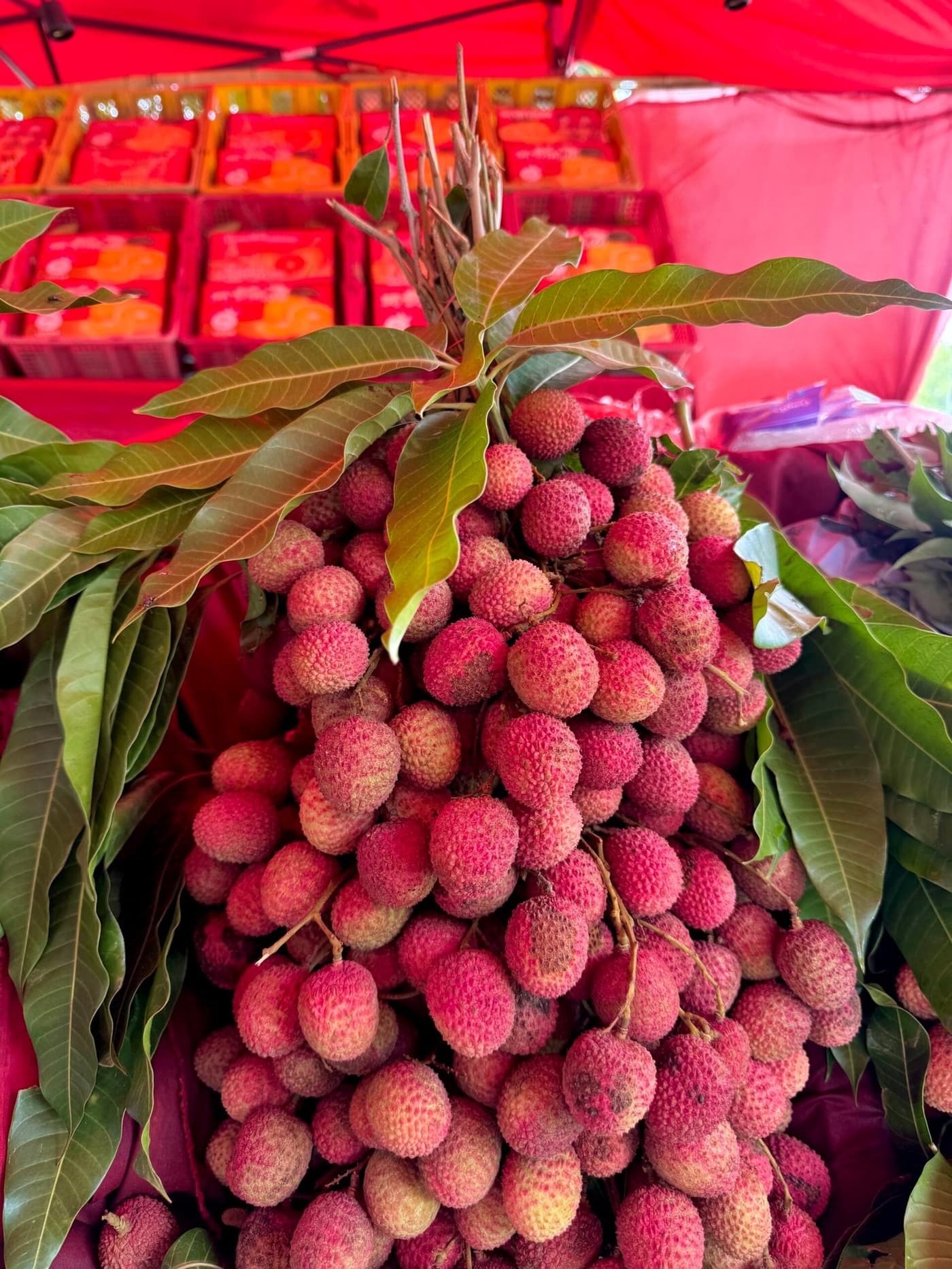
Lychees are small exotic fruits with bright red skin and juicy, sweet flesh, widely grown in Asia, including Sri Lanka. This fruit is prized for its pleasant taste and health benefits. Lychee grows on trees in tropical and subtropical areas; in Sri Lanka its season coincides nicely with the tourist season.
The lychee season runs from April to June, when the fruits are at their sweetest and juiciest. At this time fresh lychees are easy to find at markets all over the country.
Health benefits
Lychee is an excellent source of vitamin C, which strengthens immunity and helps fight infections. The fruits contain B vitamins, which support the nervous system and metabolism.
The high antioxidant content helps reduce inflammation and slow the aging of cells. Lychee is also known for its antiviral and anti-inflammatory properties and is useful for colds and mild respiratory illnesses.
How to eat it
Lychee is usually eaten fresh: you tear the thin skin and take out the translucent flesh with your hands or a fork. In Sri Lanka it is added to fruit salads or served as a light snack, sometimes together with nuts or yogurt.
In some regions lychee is added to curries and marinades, where it gives meat and vegetable dishes a sweet-and-sour note.
Other popular exotic fruits in Sri Lanka
In this section I've gathered other well-known exotic fruits that you often find in Sri Lanka and other Asian countries. Durian, jackfruit, dragon fruit, passion fruit and others have long been "stars" of tropical cuisine and tourist markets.
Durian (Durian)
Durian is the king of fruits and provokes mixed feelings. It is known for a strong, distinctive smell that many people find unpleasant, yet millions of people adore its sweet, creamy flesh.
The fruit is rich in vitamins C and B, iron, potassium and fiber. Durian is often eaten fresh or added to desserts and drinks. For many Asia lovers it is a must-try. (Personally, I think the tastiest durians are in Thailand, and I adore them.)
Jackfruit (Jackfruit)
Jackfruit is a huge tropical fruit with a thick rind and sweet, fibrous flesh. It is used in both cooking and folk medicine. In Sri Lanka jackfruit grows everywhere and is an important ingredient in the local cuisine.
It is a "double" food: when ripe it is eaten as a fruit, and unripe it is used as a vegetable. Green jackfruit goes into vegetarian curries and other dishes, where, thanks to its texture, it often replaces meat.
Pitaya (Pitaya / Dragon Fruit)
Pitaya, or dragon fruit, is a bright exotic fruit with pink skin and white or purple flesh dotted with tiny black seeds. The taste is mild and moderately sweet, with a crunchy texture.
Pitaya is known for its antioxidants and high vitamin C content. It is eaten fresh and added to smoothies, fruit salads and desserts.
Passion fruit (Passion Fruit)
Passion fruit is a fruit with a tough rind and juicy flesh containing many tiny seeds. The taste is bright, sweet-and-sour and very aromatic. It is used to make drinks, desserts and salads.
Passion fruit is rich in vitamins A and C and antioxidants, which support healthy skin and a healthy immune system.
Mangosteen (Mangosteen)
Mangosteen is a small dark purple fruit with sweet white flesh. It is prized for its powerful antioxidant properties: it helps fight inflammation and supports cell health. Mangosteen is often eaten fresh and also used in desserts and drinks.
Papaya (Papaya)
Papaya is a sweet, juicy fruit with bright orange flesh. It is eaten raw and used in smoothies and desserts. Papaya is rich in vitamins A and C and also contains the enzyme papain, which improves digestion. In cooking, papaya is added to salads and marinades, especially combined with lime and spices.
Pineapple (Pineapple)
Pineapple is a tropical fruit with a bright sweet taste and a strong aroma. In Sri Lanka pineapples are often eaten fresh or used for juices and cocktails. The fruit is rich in vitamin C and helps strengthen immunity and improve digestion.
Rambutan (Rambutan)
Rambutan is a fruit with red or yellow skin covered in soft "hairs." Inside is sweet, juicy flesh similar to lychee.
Rambutan is used in drinks and desserts and is also eaten fresh. It is rich in vitamins and minerals that are good for the skin and hair.
Pomelo / Jambola (Pomelo / Jambola)
Pomelo is a large citrus fruit with a thick rind and sweet, juicy flesh. The taste is reminiscent of grapefruit, but milder and sweeter.
Pomelo is rich in vitamin C, which strengthens immunity. It is eaten fresh or added to salads and desserts.
Longan / Gadu guda (Longan / Gadu guda)
Longan is a small fruit similar to lychee, with translucent flesh and a sweet taste. It is eaten fresh and added to desserts and drinks.
Longan is a source of vitamins and minerals that support the heart and help maintain normal blood sugar levels.
Strawberry (Strawberry)
Strawberries are traditionally associated with temperate climates, but they are grown in Sri Lanka too, especially in the cool hill country (for example, in Nuwara Eliya). They are used in desserts, jams, smoothies and cocktails.
Strawberries are rich in vitamins C and K and antioxidants, which support heart and skin health.
Fruit season in Sri Lanka by month
Sri Lanka's tropical climate lets fruit grow all year round, but many fruits have distinct peak seasons. Below is a handy month-by-month guide to which fruits you can try at different times of the year.
| Fruit / Month | Jan | Feb | Mar | Apr | May | Jun | Jul | Aug | Sep | Oct | Nov | Dec |
|---|---|---|---|---|---|---|---|---|---|---|---|---|
| Mango | few | early ones appear | season starts | peak | peak | peak | plenty | plenty | tapering off | late varieties | late varieties | few |
| Pineapple | plenty | plenty | plenty | peak | peak | plenty | plenty | plenty | plenty | partly | partly | picking up |
| Papaya | ✓ | ✓ | ✓ | ✓ | ✓ | ✓ | ✓ | ✓ | ✓ | ✓ | ✓ | ✓ |
| Guava | plenty | plenty | plenty | plenty | few | few | few | few | few | peak | peak | plenty |
| Thembili (king coconut) | ✓ | ✓ | ✓ | ✓ | ✓ | ✓ | ✓ | ✓ | ✓ | ✓ | ✓ | ✓ |
| Jackfruit (ripe) | in season | few | plenty | plenty | plenty | few | — | — | — | few | starting | in season |
| Jackfruit (unripe, for curry) | ✓ | ✓ | ✓ | ✓ | ✓ | ✓ | ✓ | ✓ | ✓ | ✓ | ✓ | ✓ |
| Amla (Indian gooseberry) | peak | ending | — | — | — | — | — | — | — | — | starting | peak |
| Lavulu (egg fruit) | peak | ending | — | — | — | — | — | — | — | — | starting | peak |
| Annona / Atemoya | ✓ | ✓ | partly | partly | — | — | — | — | — | — | ✓ | ✓ |
| Pitaya (dragon fruit) | — | — | — | starting | in season | in season | in season | in season | in season | in season | season ends | — |
| Lychee | — | — | — | starting | peak | ending | — | — | — | — | — | — |
| Mangosteen | — | — | — | — | starting | peak | peak | peak | few | few | — | — |
| Passion fruit | ✓ | ✓ | ✓ | ✓ | ✓ | ✓ | ✓ | ✓ | ✓ | ✓ | ✓ | ✓ |
| Rambutan | — | — | — | — | starting | peak | peak | few | — | — | — | — |
| Pomelo (jambola) | ✓ | ✓ | ✓ | ✓ | few | few | few | ✓ | ✓ | ✓ | ✓ | ✓ |
| Longan | — | — | — | — | — | — | — | — | starting | peak | peak | few |
| Strawberry (Nuwara Eliya) | few | few | few | ✓ | ✓ | ✓ | ✓ | ✓ | few | few | few | few |
How to choose fruit so you don't get it wrong
- Buy fruit that smells: aroma = ripeness.
- Avoid fruit that is too soft (especially mangoes and papayas).
- At markets, always ask: "sweet or sour?"
- For coconuts, choose bright orange thembili without cracks.
- In tourist areas, don't buy ready-cut fruit; it's better to ask them to cut it in front of you.
Fruit from Sri Lanka: what you can take home and what you can't take out
Many tourists want to take the bright taste of Sri Lanka home, and fruit is a popular, natural souvenir. It's important to consider the transport rules, shelf life and how different fruits handle the journey. Below is a list of fruits you can take with you, with packing tips.
Which fruits you can take home from Sri Lanka
1. Thembili (king coconut)
You can only take it without any liquid, and that matters. If the fruit has been opened and the water drained, the halves or peeled pulp are usually not prohibited. It is better to buy the pulp vacuum-packed at supermarkets.
2. Papaya
It travels very well if you buy it underripe and let it ripen at home.
3. Mango
Again, it's better to take half-ripe fruit, which will keep for 3–5 days without trouble. Tip: wrap each mango in paper and pack them in a sturdy box.
4. Guava
It keeps well and doesn't spoil quickly, but it's better to take it slightly firm.
5. Lemons, limes, passion fruit
All citrus fruits handle a flight easily. So does passion fruit: the tough rind protects the pulp.
6. Pineapple (only peeled, dried or cured)
A whole pineapple may sometimes not be let through because of phytosanitary rules. But these are fully allowed: ✔ dried pineapple ✔ pineapple chips ✔ cured slices
7. Dried and cured fruit
The most popular souvenirs:
- dried papaya
- dried guava
- mango chips
- coconut chips
- pineapple chips
- cured passion fruit
They keep for a long time, need no special conditions and don't take up much space.
Which fruits NOT to take from Sri Lanka
❌ Durian
It is practically banned on planes because of the smell. It isn't allowed in checked baggage or in carry-on.
❌ Jackfruit (ripe)
It can crack or leak juice, and your luggage gets dirty. It is rarely taken, and only carefully packed.
❌ Annona, atemoya
Very delicate fruits that turn to mush on the way. In theory it's possible, but the risk is high.
❌ Whole thembili
Not allowed if there is liquid inside. Formally it is considered a nut with contents, which falls under the liquid restrictions.
Rules for taking fruit out of Sri Lanka
Sri Lanka takes phytosanitary requirements seriously, but the rules are simple:
✔ you can take out processed, dried and cured fruit and pastes ✔ you can take out some fresh fruit if it is clean and shows no signs of damage ✔ you can't take out fruit with juice inside (it often falls under the "liquid" category) ✔ it's better to have a receipt if you're taking factory-sealed packaging
It's always worth checking the airline's rules: some low-cost carriers have additional restrictions.
How to pack fruit for a flight
- Wrap each fruit in paper or a napkin
- Pack them in a sturdy box or a rigid bag
- Don't put fruit under heavy items
- Keep in mind that warm fruit ripens quickly
- It's better to carry fragile fruit (mangosteen, lychee) in your carry-on
I filmed how we traveled around Sri Lanka in a full-length video on YouTube. Be sure to watch it, and don't forget to like it and subscribe to the channel!
Frequently asked questions about Sri Lankan fruits
What fruits grow in Sri Lanka?
More than 100 types of fruit grow in Sri Lanka, including:
- Mango
- Pineapple
- Papaya
- Jackfruit
- Durian
- Guava
- Lychee
- Rambutan
- Pitaya (dragon fruit)
- Mangosteen
- Pomelo
- Strawberry (especially in Nuwara Eliya)
- King coconut (thembili)
- Wood apple (bael)
- Amla (Indian gooseberry)
- Sapodilla
- Carambola
- Jambu (rose apple)
- Longan
- Bananas (including miniature and red varieties)
When is fruit season in Sri Lanka?
Thanks to the tropical climate, many fruits are available all year round. However, some have peak seasons:
- Mango: March–August
- Pineapple: May–June
- Papaya: April–June
- Jackfruit: March–May, November–January
- Durian: June–September
- Guava: all year, peak October–February
- Lychee: April–June
- Pitaya: May–November
- Mangosteen: May–September
- Pomelo: all year
- Strawberry: all year, especially in Nuwara Eliya
- King coconut: all year, peak November–April
- Wood apple (bael): June–September
- Amla (Indian gooseberry): November–March
- Sapodilla: all year
- Carambola: May–August
- Jambu (rose apple): August and November
- Longan: September–December
- Bananas: all year
Where to buy fruit in Sri Lanka?
I recommend buying fruit:
- At local markets: fresh and at affordable prices.
- At small private fruit shops, especially away from tourist areas.
- From street vendors, who often offer exotic fruit straight from their bicycles.
How to choose ripe fruit?
- Mango: choose one with a bright color and a light aroma.
- Pineapple: smells sweet, and the leaves pull easily from the center.
- Papaya: soft to the touch, with a characteristic aroma.
- Jackfruit: firm rind, no cracks.
- Durian: smells strong, but tastes sweet.
- Guava: yellow and soft, with a characteristic aroma.
- Lychee: red skin, slightly soft flesh.
- Pitaya: bright color, no spots.
- Mangosteen: dark skin, slightly soft.
- Pomelo: heavy, with a bright rind.
- Strawberry: red, no spots.
- King coconut: orange rind, fresh smell.
- Wood apple (bael): hard shell, heavy fruit.
- Amla (Indian gooseberry): green, firm.
- Sapodilla: brown skin, soft flesh.
- Carambola: yellow, with bright ribs.
- Jambu (rose apple): pink skin, crisp flesh.
- Longan: light skin, translucent flesh.
How to eat exotic fruits?
- Mango: raw, in smoothies, in desserts.
- Pineapple: fresh, in juices, in desserts.
- Papaya: raw, in salads, in smoothies.
- Jackfruit: raw, in curries, in desserts.
- Durian: raw, in desserts.
- Guava: raw, in juices, in desserts.
- Lychee: raw, in desserts.
- Pitaya: raw, in smoothies, in desserts.
- Mangosteen: raw, in desserts.
- Pomelo: raw, in salads.
- Strawberry: raw, in desserts.
- King coconut: juice straight from the fruit.
- Wood apple (bael): in juices, in smoothies.
- Amla (Indian gooseberry): in juices, in tinctures.
- Sapodilla: raw, in desserts.
- Carambola: raw, in salads.
- Jambu (rose apple): raw, in desserts.
- Longan: raw, in desserts.