Kandy is a well-known, large city in the central part of Sri Lanka. It sits among the hills on the shore of a lake and is considered an important cultural and religious center of the country.
During my trip around Sri Lanka I spent a week in Kandy, walked around a lot and formed my own impression of the city.
Kandy was the capital of the last Sinhalese kingdom, and today it is home to the Temple of the Tooth, one of the main Buddhist temples on the island and a UNESCO World Heritage Site. Besides historical and religious landmarks, the city and its surroundings have parks, gardens, small museums and cozy streets that are simply a pleasure to stroll along.
In this article I will tell you:
- where Kandy is and what makes it interesting
- which sights are worth seeing
- what the weather is like and when it is best to come
- and I will also share practical tips based on my own experience.
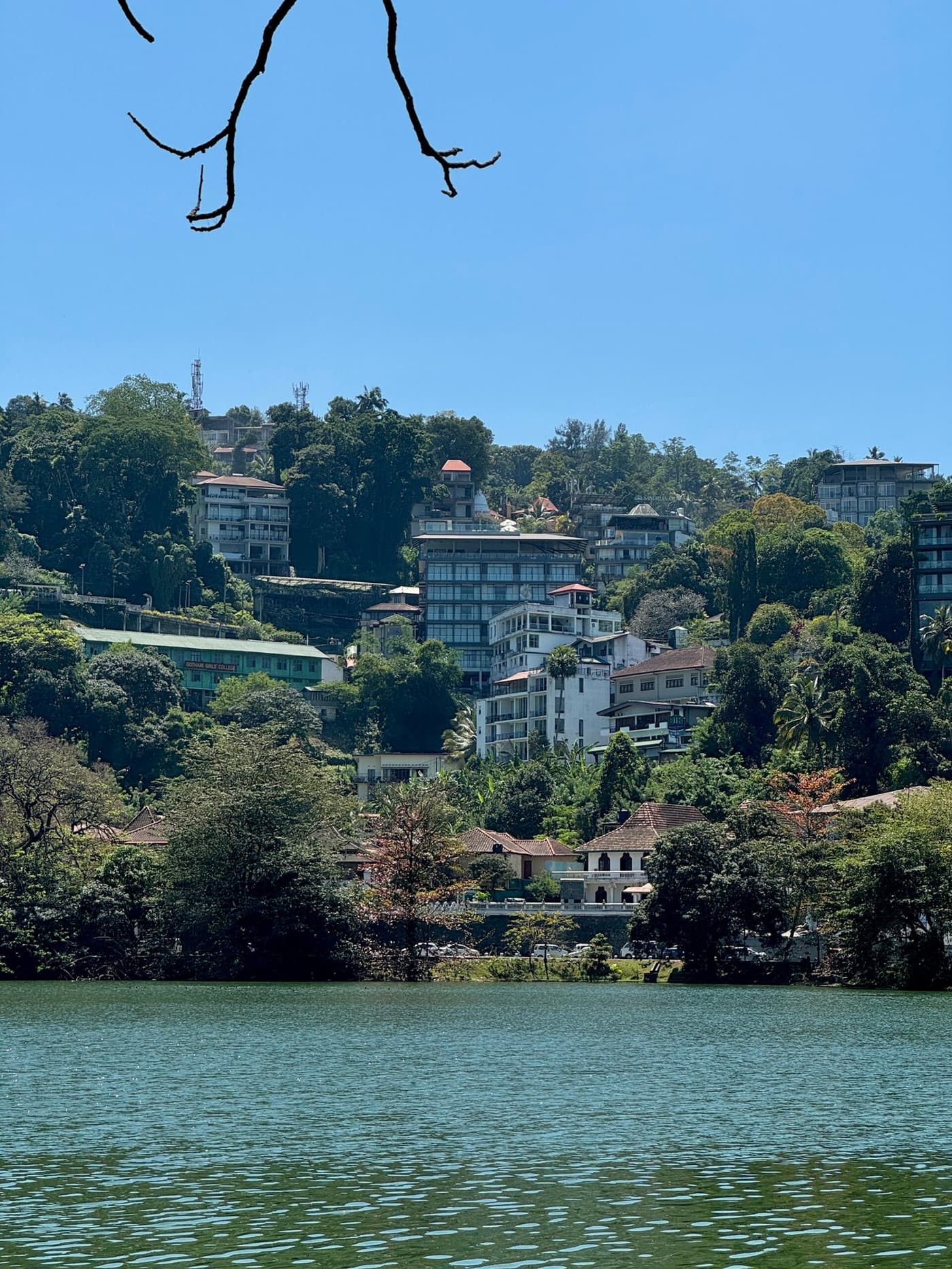
Where Kandy Is and Why You Should Go
Kandy is in the very center of Sri Lanka, about 120 kilometers northeast of the country's capital, Colombo. The city lies at an elevation of around 500 meters (about 1,640 feet) above sea level, so it is cooler than the coastal areas, although not as cold as Nuwara Eliya. I wrote a detailed article about what to see and do in Nuwara Eliya, where we came from on our way to Kandy.
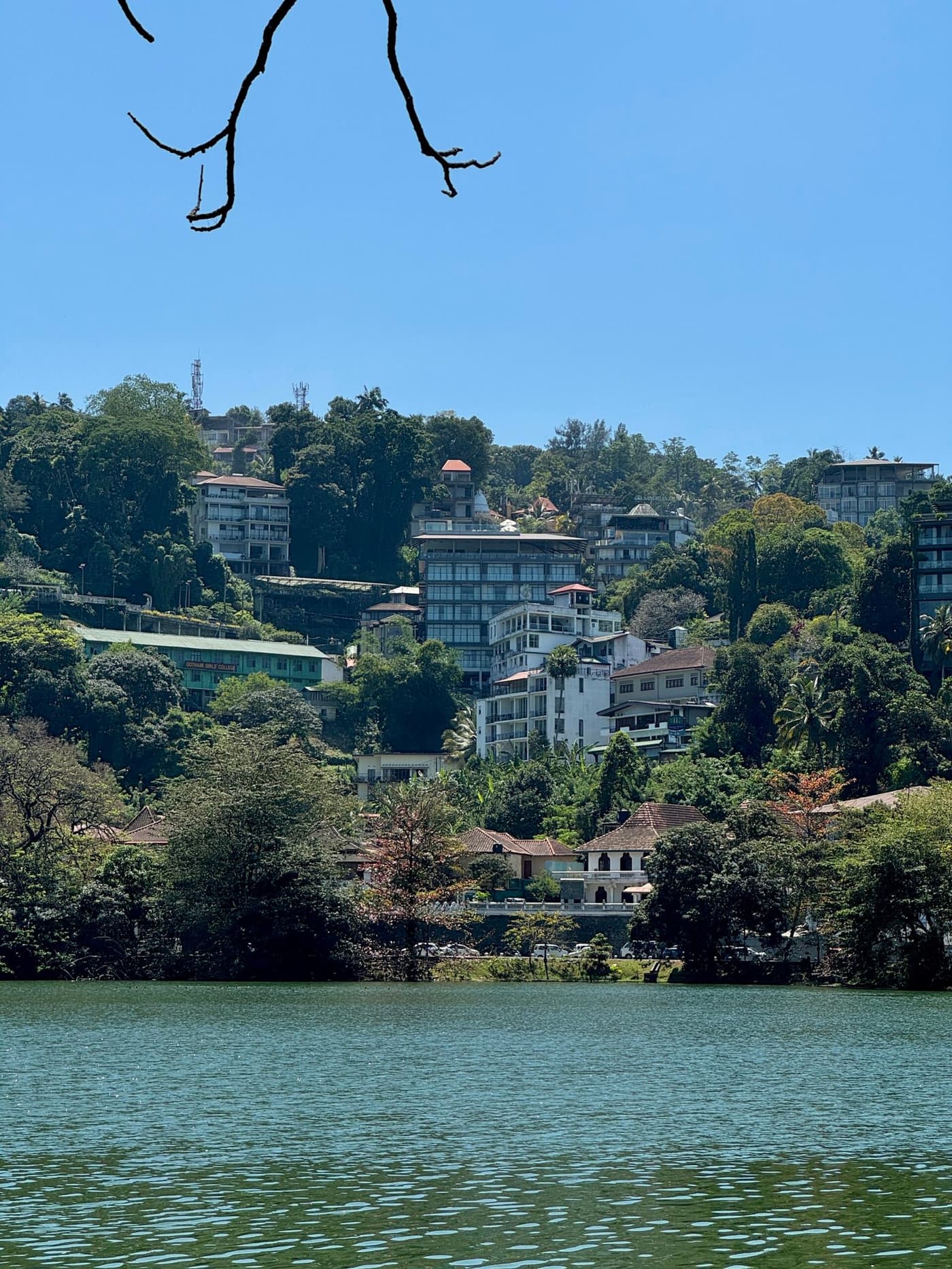
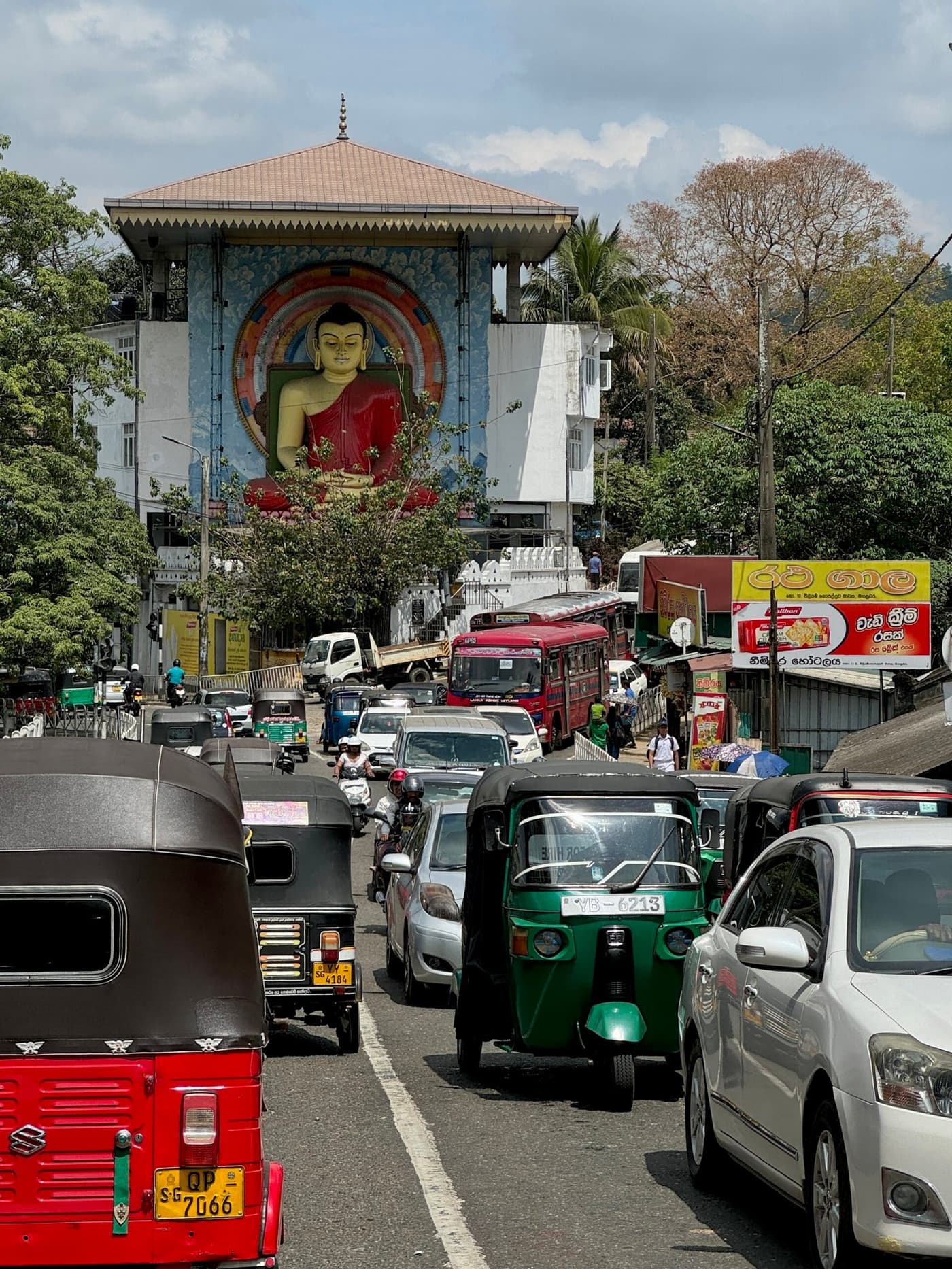
It is the second-largest city on the island, just as hectic and busy as Colombo. There is an artificial lake in the middle of the city, and Kandy itself is surrounded by hills covered in tropical forest.
It is worth coming here if you are interested in history, architecture and Buddhist culture. The Temple of the Tooth, the city's main attraction, is considered one of the most revered shrines in Buddhism. Kandy is a pleasant place to walk around, with parks, a botanical garden, markets and beautiful viewpoints.
Kandy is a good place to stop for a few days while traveling through the central part of the island.
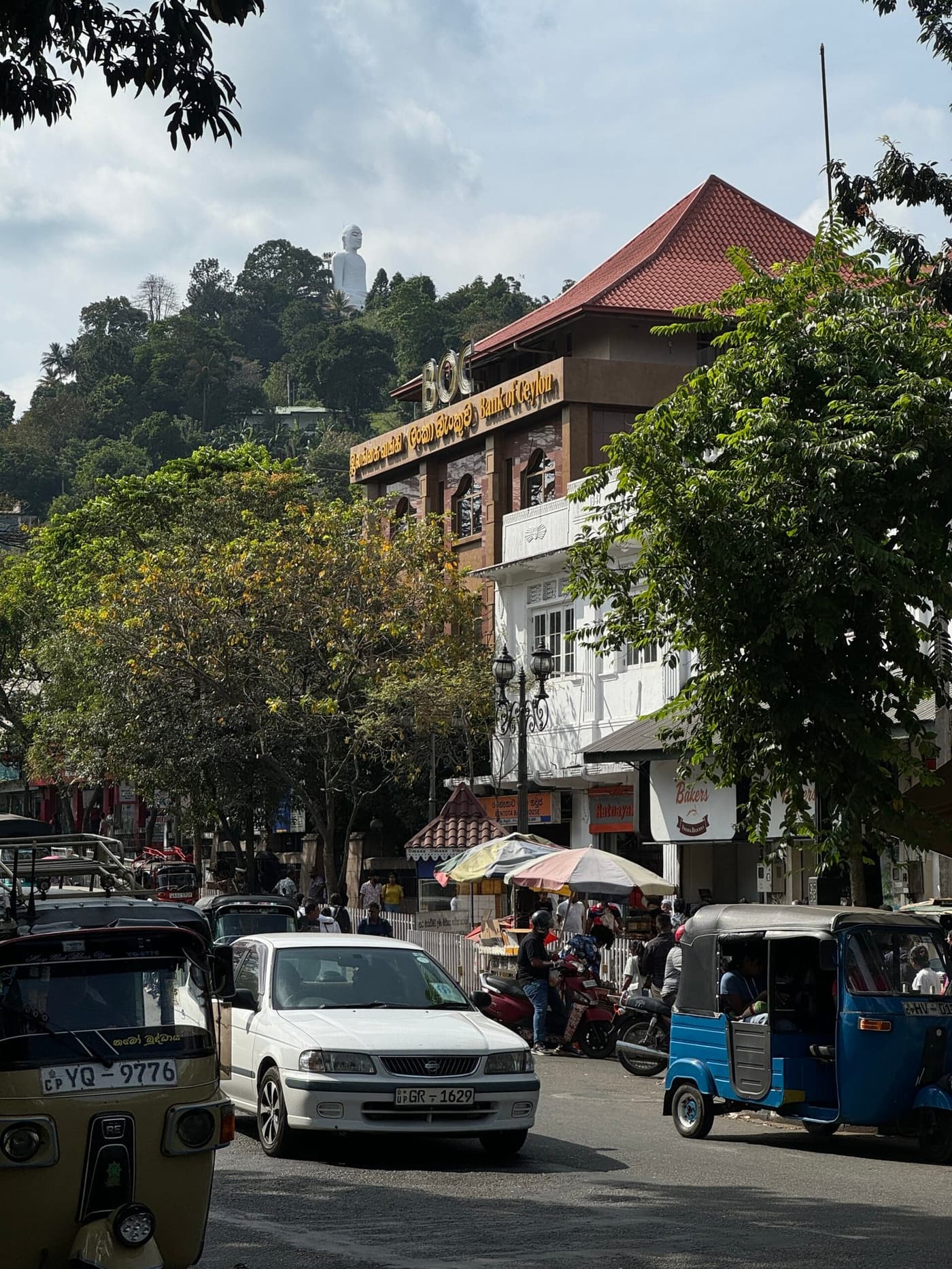
A Brief History of Kandy, Capital of the Kings of Sri Lanka
Kandy has a rich history. For centuries the city was the center of Sinhalese culture and the last stronghold of independence before the start of the British colonial period.
Kandy became the capital of the Sinhalese kingdom in the 15th century, when local rulers moved the capital here because of pressure from European colonizers on the coast. Kandy lay in hard-to-reach hilly terrain, which helped it stay independent for longer. The royal residence and the main religious and administrative buildings were located here.
Even when the Portuguese and later the Dutch controlled most of Sri Lanka's coast, Kandy remained independent. Only in 1815 was the city finally handed over to the British Empire. That was a turning point in the island's history: from then on, its entire territory came under foreign rule.
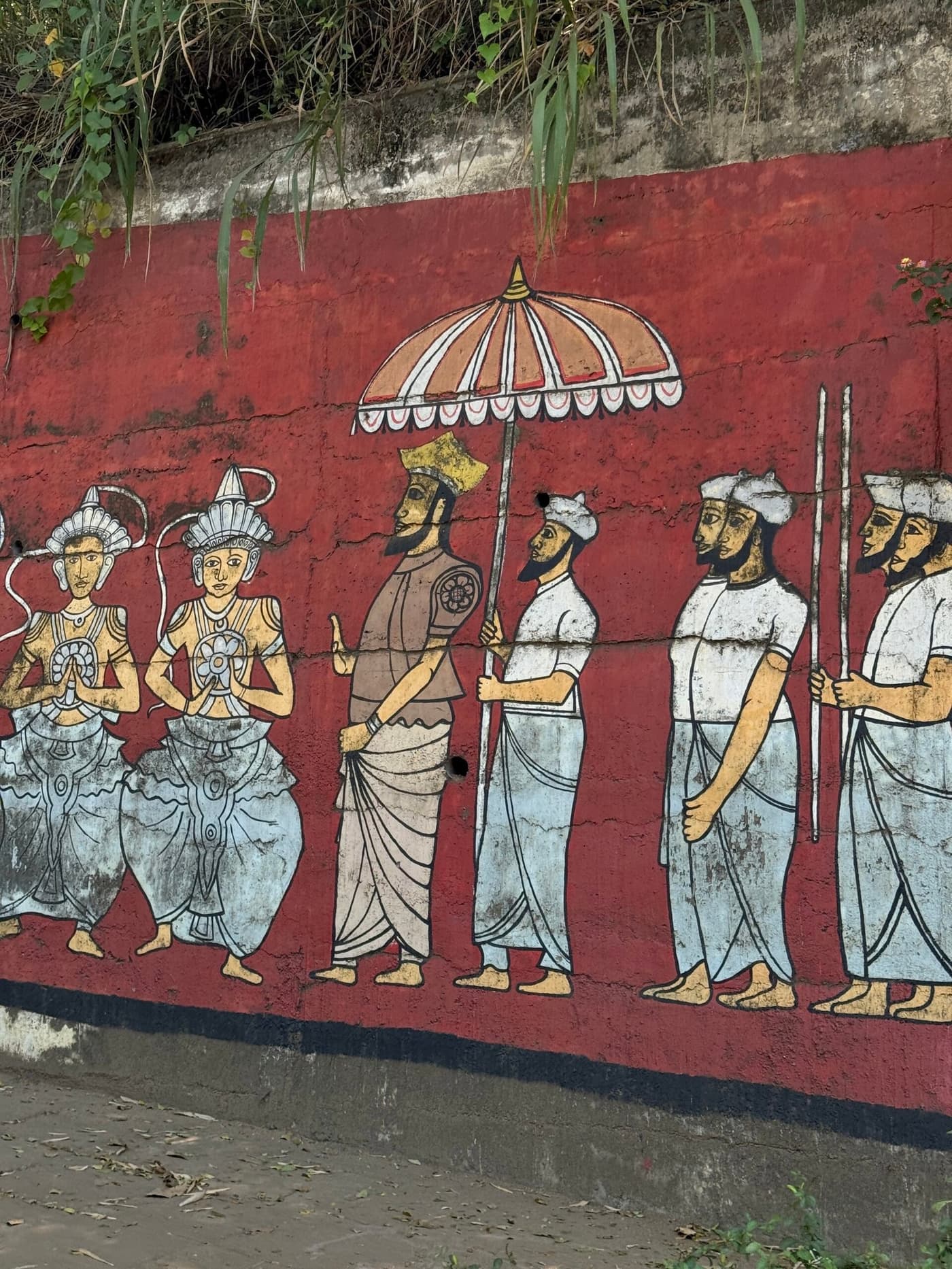
Today the traces of the royal past are still visible in the city's architecture, culture and atmosphere. The most important historical site is the Temple of the Tooth, where, according to legend, a relic of the Buddha's own tooth is kept, brought from India back in the 4th century. Having this relic made Kandy not only a political but also a religious center of the island.
Walking around the city, you can see not only the temple but also the remains of old royal architecture, colonial-era buildings and Buddhist monasteries that are still active today.
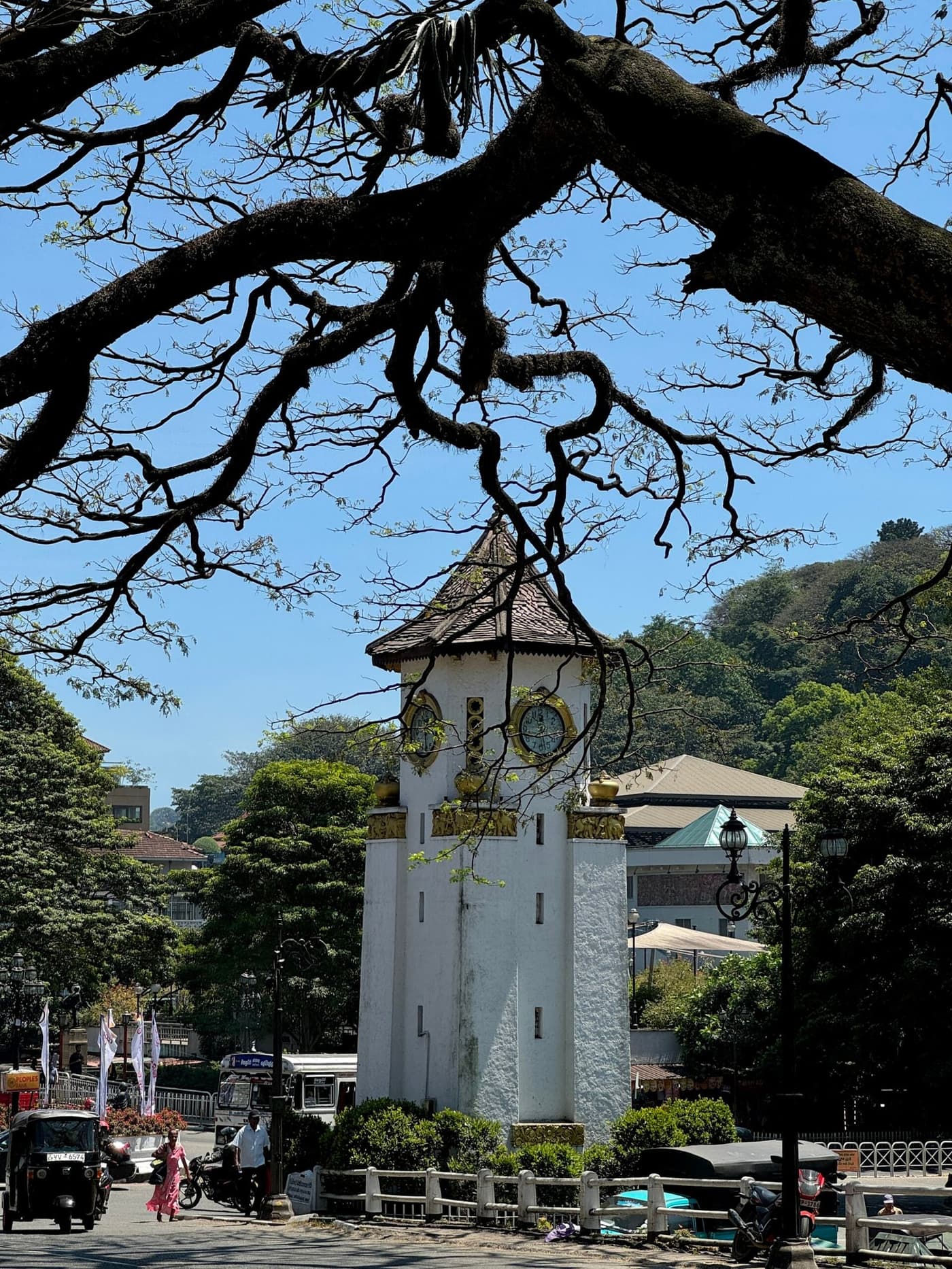
What to See in Kandy: The City's Best Sights
You do not need a packed itinerary in Kandy. Much of it can be seen simply by walking around. But a few places are worth putting on your plan to better understand the culture and atmosphere of the city.
Temple of the Tooth (Sri Dalada Maligawa)
Kandy's main attraction and one of the holiest Buddhist shrines in Sri Lanka. The temple stands right in the center of the city, next to the lake, and several beautiful walkways decorated with carvings and flowers lead up to it.
Inside, in a special chamber, is the relic: the Buddha's tooth, which is believed to have been brought from India in the 4th century. Tourists are not shown the reliquary itself, but the offering ceremony, the music and the smell of incense make a very strong impression.
Tip: it is best to come early in the morning or for the evening puja, the time of the daily services, when the temple feels especially alive.
Opening hours: daily from 5:00 AM to 8:00 PM, with ceremonies three times a day: 5:30–7:00 AM, 9:30–11:00 AM and 6:30–8:00 PM.
Admission: 2,000 LKR (~6–7 USD) per adult; children are free.
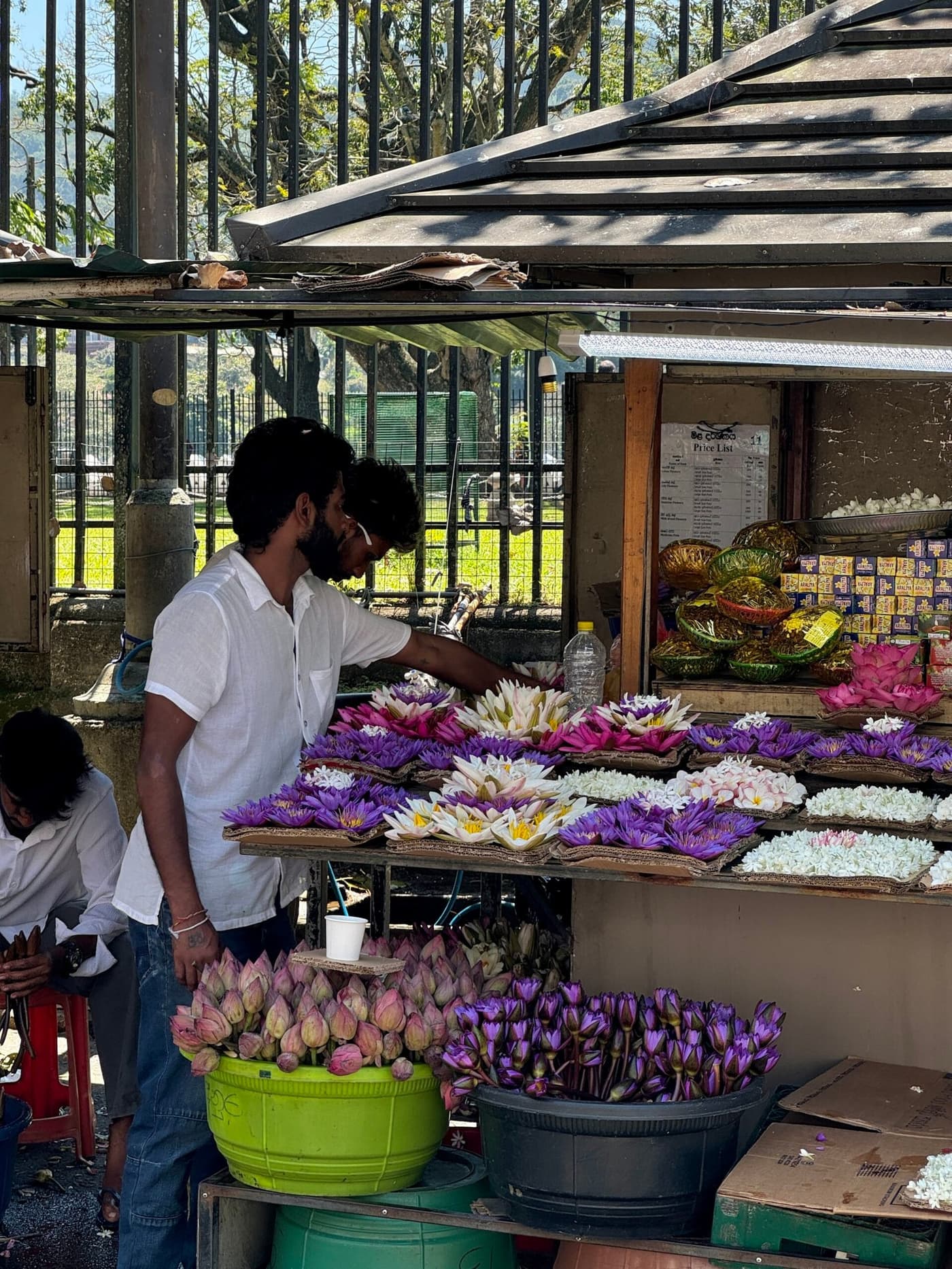
Kandy Lake (Bogambara Lake)
An artificial lake that was created in 1807 on the orders of the last king of Kandy. It lies in the very center of the city, directly opposite the Temple of the Tooth. A walking path lined with trees runs around the lake, and in hot weather it is one of the nicest places to rest in the shade.
The lake is especially beautiful at sunset, when the buildings and hills are reflected in the water. You can also see small boats on it, although swimming is not allowed.
Royal Botanical Gardens, Peradeniya
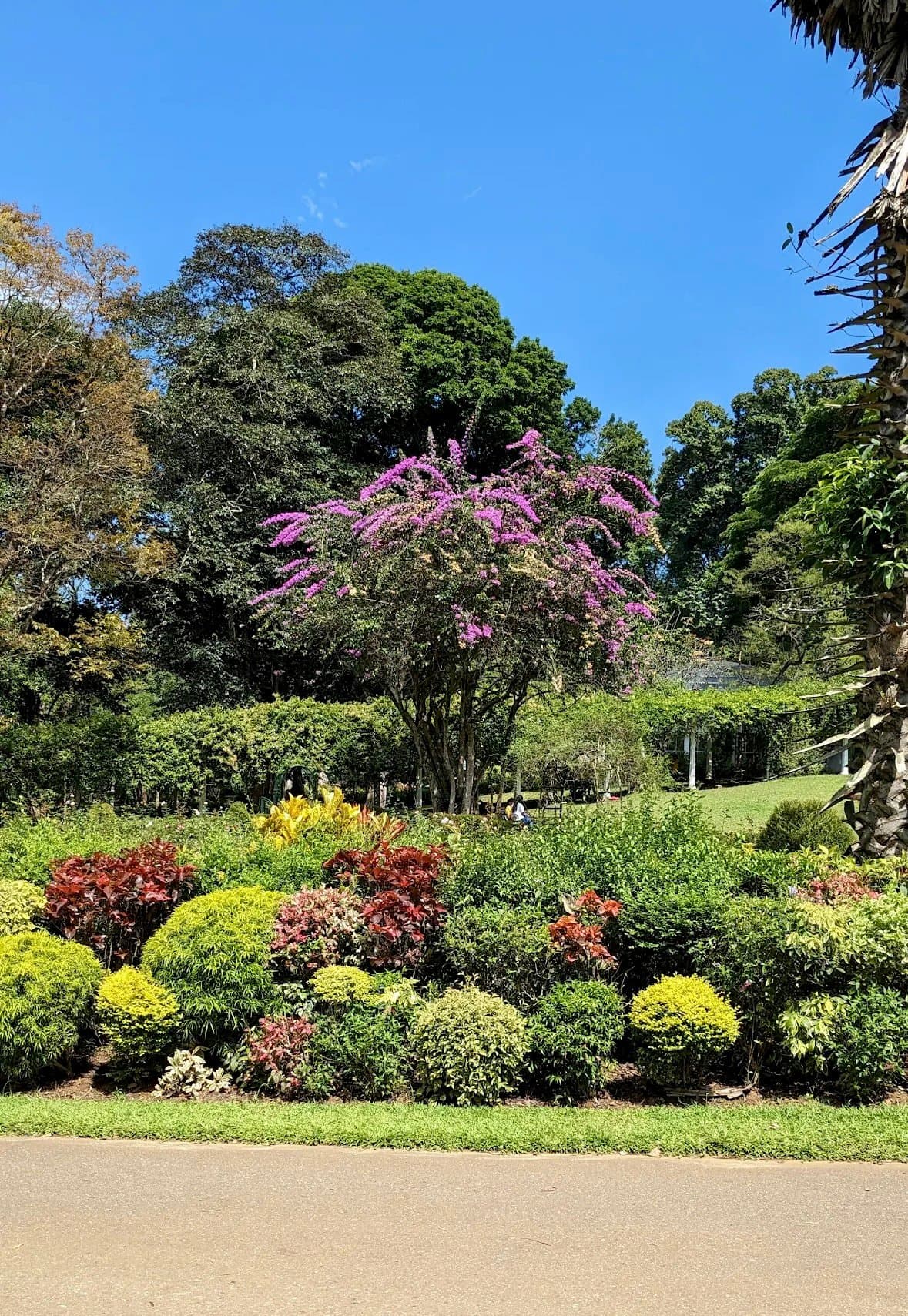
The garden is about 5 km from the center of Kandy, in the Peradeniya area. It has more than 4,000 plant species, including palms, orchids, spices, bamboo and huge tropical trees.
The grounds are very large, so set aside at least two hours for a walk. You will also often see local couples and families spending their weekends on the grass.
Opening hours: daily from 7:30 AM to 5:00 PM
Admission: 3,000 LKR (~10 USD); children 1,500 LKR (~5 USD).
Ambuluwawa Tower and Panoramic Views over the City
The tower is about an hour to an hour and a half from Kandy. It stands on top of a hill and offers breathtaking views of the surrounding forests, mountains and villages. The climb to the top is an adventure of its own, but the view is definitely worth the effort. It is better to arrive early, especially on weekends.
Opening hours: daily from 7:00 AM to 5:00 PM
Admission: 2,000 LKR (~7 USD)
If you plan to spend at least two days in Kandy, that is plenty of time to see the main sights without feeling rushed. In the next section I will tell you what the weather in Kandy is like month by month and when it is best to come.
Weather in Kandy, Sri Lanka: The Best Time to Visit
Kandy is in the central highlands of Sri Lanka, at an elevation of around 500 meters (about 1,640 feet) above sea level. Because of this it is not as hot as in the coastal regions, and the climate is considered milder. The temperature usually stays within 19–30 °C (66–86 °F) all year round.
General Climate Features
- Temperature: during the day usually around 27–30 °C (81–86 °F), at night it can drop to 19 °C (66 °F).
- Humidity: quite high, especially in the rainy season.
- Rain: it most often falls in the afternoon or at night, but there are also prolonged downpours.
When Is the Best Time to Visit Kandy
The most comfortable time to travel is from January to March and from July to September. In these months there is less rain, and the temperature stays pleasant for walks and excursions. It is especially nice to stroll around the city early in the morning and toward evening.
| Month | Temperature (°C) | Rain | Comment |
|---|---|---|---|
| January | 28 / 19 | little | One of the best months |
| February | 29 / 20 | little | Dry, warm, comfortable |
| March | 30 / 21 | a bit more | The transition to the wet season begins |
| April | 30 / 22 | moderate | Can feel muggy |
| May | 29 / 22 | a lot | Start of the rainy season |
| June | 28 / 21 | less | Variable cloud cover |
| July | 27 / 20 | a little | Good for a trip |
| August | 27 / 20 | a little | Cooler than on the coast |
| September | 28 / 21 | moderate | Evening rain is possible |
| October | 28 / 21 | a lot | One of the wettest months |
| November | 27 / 20 | a lot | The rainy season continues |
| December | 27 / 20 | less | Gets drier toward the end of the month |
What to Pack
- An umbrella or a light raincoat. Short but heavy showers are possible in Kandy even in the "dry" season.
- Comfortable shoes for walking around the city and the hills.
- Light long-sleeved clothing, especially for visiting temples and for sun protection.
If you are planning a trip around Sri Lanka and want to include Kandy in your route, choose the dry months so you can plan excursions without too many weather limitations.
How to Get to Kandy from Colombo, Nuwara Eliya and Other Cities
Kandy is in the very center of the island, and you can get here in different ways, depending on where you are and what kind of transport you prefer. The most routes run from Colombo, Nuwara Eliya and Sigiriya.
From Colombo to Kandy
This is the most popular route. The distance between Colombo and Kandy is about 120 kilometers. There are four main options:
- Train. One of the most scenic and convenient ways. Trains leave from the main station, Colombo Fort, several times a day. It is better to buy tickets in advance.
- Bus. Intercity buses leave regularly from Colombo's bus stations. There are both regular and express routes.
- Taxi or transfer. A good choice if you are traveling with luggage or want more comfort.
- Rental car or motorbike. Suits independent travelers and anyone who wants to make stops along the way.
From Nuwara Eliya to Kandy
We rode to Kandy from Nuwara Eliya on a rented bike, to enjoy the scenery and not depend on a schedule. It was a beautiful but chilly trip: the road runs through hills and tea plantations, and in the morning hours it gets really cold, especially at speed. We made it in 4 hours, with stops for views and tea. The road is winding but in good condition, and traffic is moderate. If you feel confident behind the wheel and are not afraid of the cold, this route is definitely worth it.
Other Directions
- From Sigiriya: you can take a bus with a transfer or hire a taxi.
- From Dambulla: regular buses run throughout the day.
- From Ella: the train along a scenic route takes 6–7 hours, but many consider it one of the most beautiful train journeys in the world.
General Transport Tips
- It is better to book train tickets in advance, especially for second and first class.
- You can flag down buses right at the stops. They are often overcrowded but cheap.
- To rent a motorbike or scooter in Sri Lanka you need a license with an international category and a local permit (you can get it from the Department of Motor Traffic in Colombo or through an agency). I wrote a separate article about what the roads in Sri Lanka are like and what to be ready for.
If you want not just to get there but to enjoy the road and the views, consider a motorbike trip, especially from places like Nuwara Eliya or Ella. But be sure to wear warm clothes, because it is cold in the mountains, especially in the morning.
Where to Stay in Kandy: Areas and Hotels
There is plenty of accommodation in Kandy, from simple guesthouses to stylish boutique hotels with views of the hills. It all depends on your budget, the purpose of your trip and how much you value quiet, closeness to the center or panoramic views.
City Center and the Lakeside Area
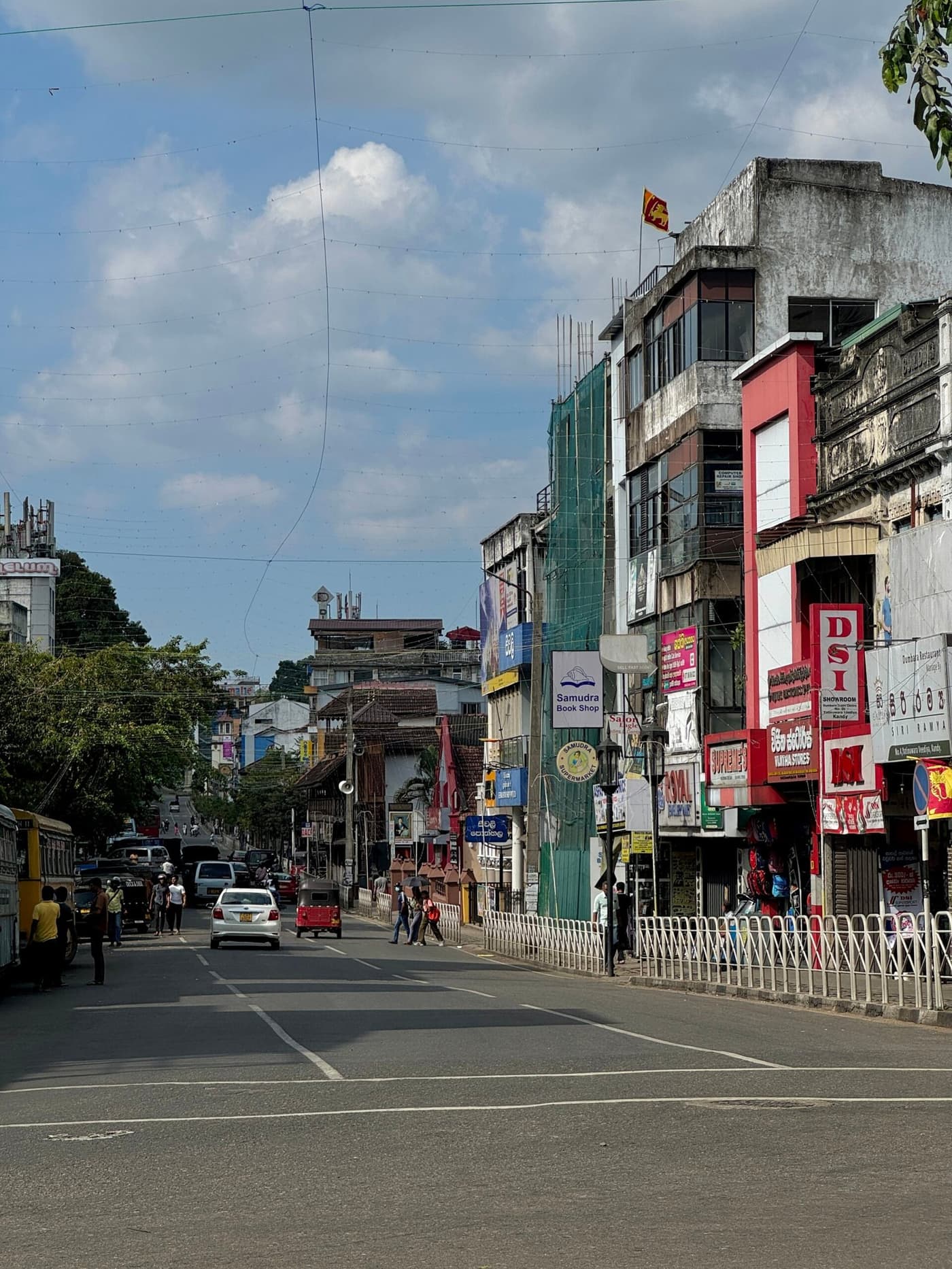
This is the most convenient option if you want to be within walking distance of the Temple of the Tooth, the lake and local cafes. There are many small guesthouses, mid-range hotels and a few hostels here.
Pros:
- close to the main sights;
- easy to get to the train station and bus stations;
- shops, restaurants and markets nearby.
Cons:
- very noisy, especially on weekends or during holidays;
- limited views from the windows because of dense buildings.
The Hills Around the City (Asgiriya, Aniwatte, Hanthana)
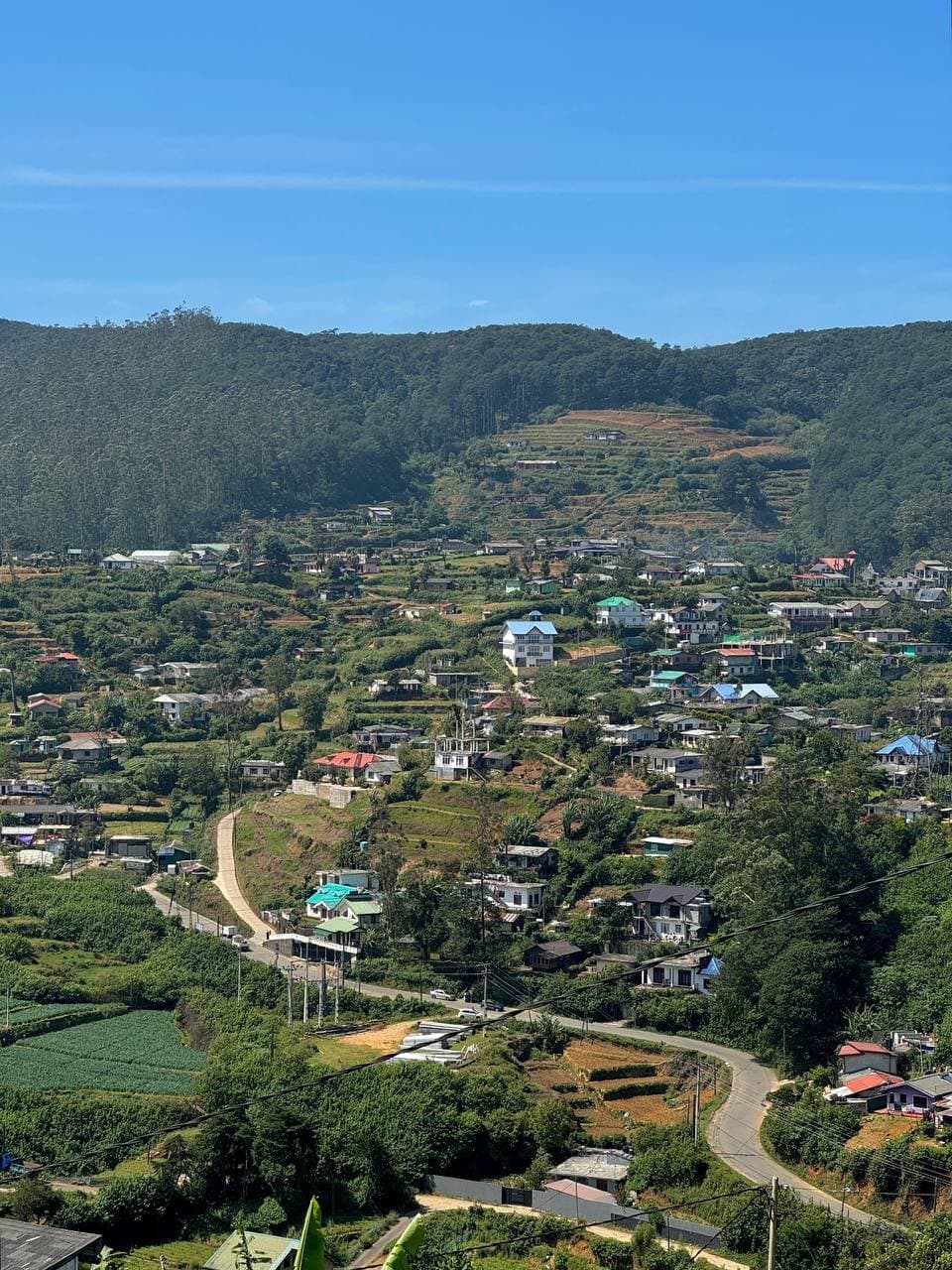
If you want more nature and quiet, choose hotels a little above the center. These areas have many guesthouses with views of the city or the forest, as well as traditional-style hotels surrounded by greenery.
Pros:
- quiet and clean air;
- panoramic views;
- a more "homey" atmosphere.
Cons:
- to get to the center you have to walk down and up, or take a tuk-tuk;
- there may be no shops or cafes nearby.
Tips for Choosing Accommodation in Kandy
- Check the location on the map. Kandy has slopes, and not every "close to the center" is equally convenient.
- If you book a hotel on a hill, find out whether there is a transfer or how to get there.
- Traveler reviews are an excellent guide. Look not only at the rating but also be sure to read recent reviews. Check that the account that left a review has also left other reviews.
What to Try in Kandy: Local Food and Markets
Sri Lanka is not only tea and curry. In Kandy, as one of the country's cultural centers, you can get to know many different flavors: from traditional dishes to street food and fresh fruit. The food here is simple but rich in spices and aromas, and always very filling. I covered this in detail in a separate article about what to try in Sri Lanka.
Rice and Curry
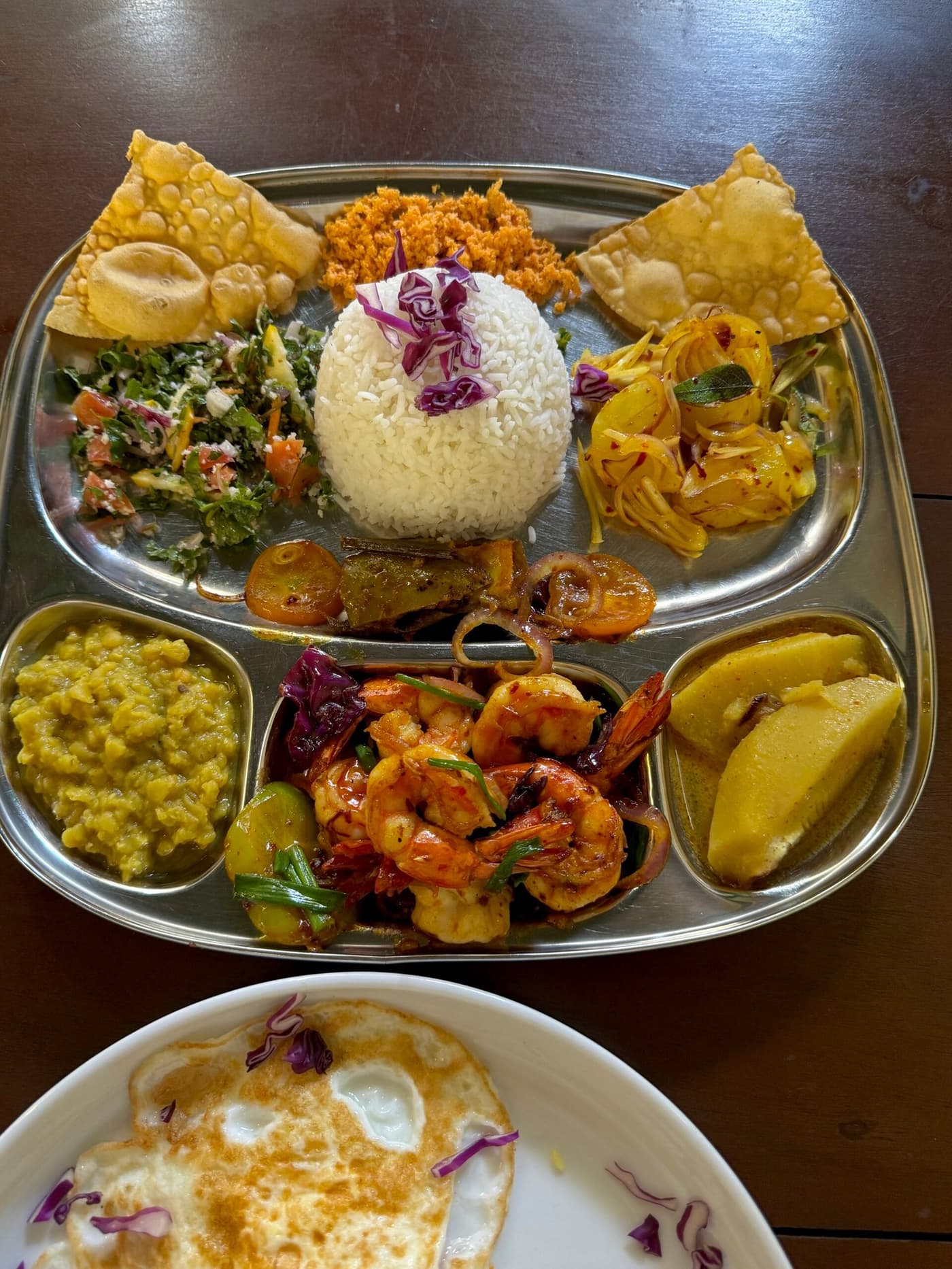
A classic dish served in almost every cafe: a portion of rice with several kinds of vegetable, meat and seafood curries. I most often ordered mine with shrimp.
Kottu Roti
This is a fried mix of chopped roti bread with vegetables, egg, cheese or meat. The dish is cooked on a large griddle with a characteristic clatter that you can hear from far away. It is often served in the evening.
Hoppers (Appa)
Thin, bowl-shaped pancakes made from rice flour and coconut milk. They come sweet and savory, sometimes with an egg inside.
Ceylon Tea
If you drink tea, you absolutely must try it in Kandy. There are many tea factories around the city, and you can find good varieties at the markets. Freshly brewed black tea without sugar is especially delicious.
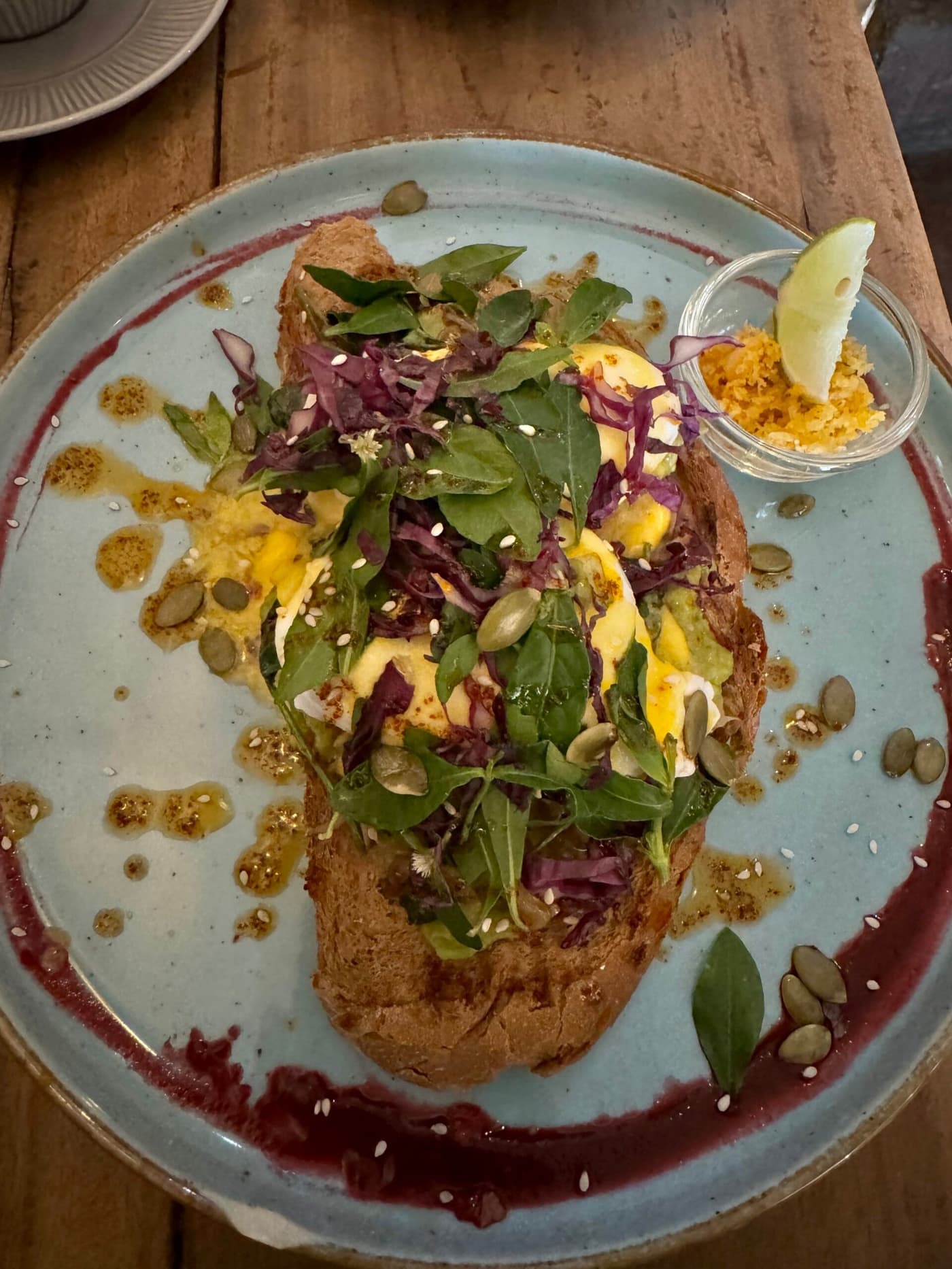
Where to Eat in Kandy: Places I Can Recommend
- Cafe Secret Alley is a modern spot serving both Sri Lankan dishes and food closer to European cuisine.
- Yaka Lounge is a cozy lounge bar with a terrace and a view of Kandy. They make tasty wood-fired pizza and also serve pasta, desserts, coffee and cocktails.
- Buono is a cafe with European-style breakfasts, a cute interior and decent coffee by Sri Lankan standards.
- The Golden Curry Restaurant is an excellent Indian restaurant. We often ate there and also ordered delivery.
- MANDIYA is a local, authentic little cafe popular with locals. Very low prices and big portions.
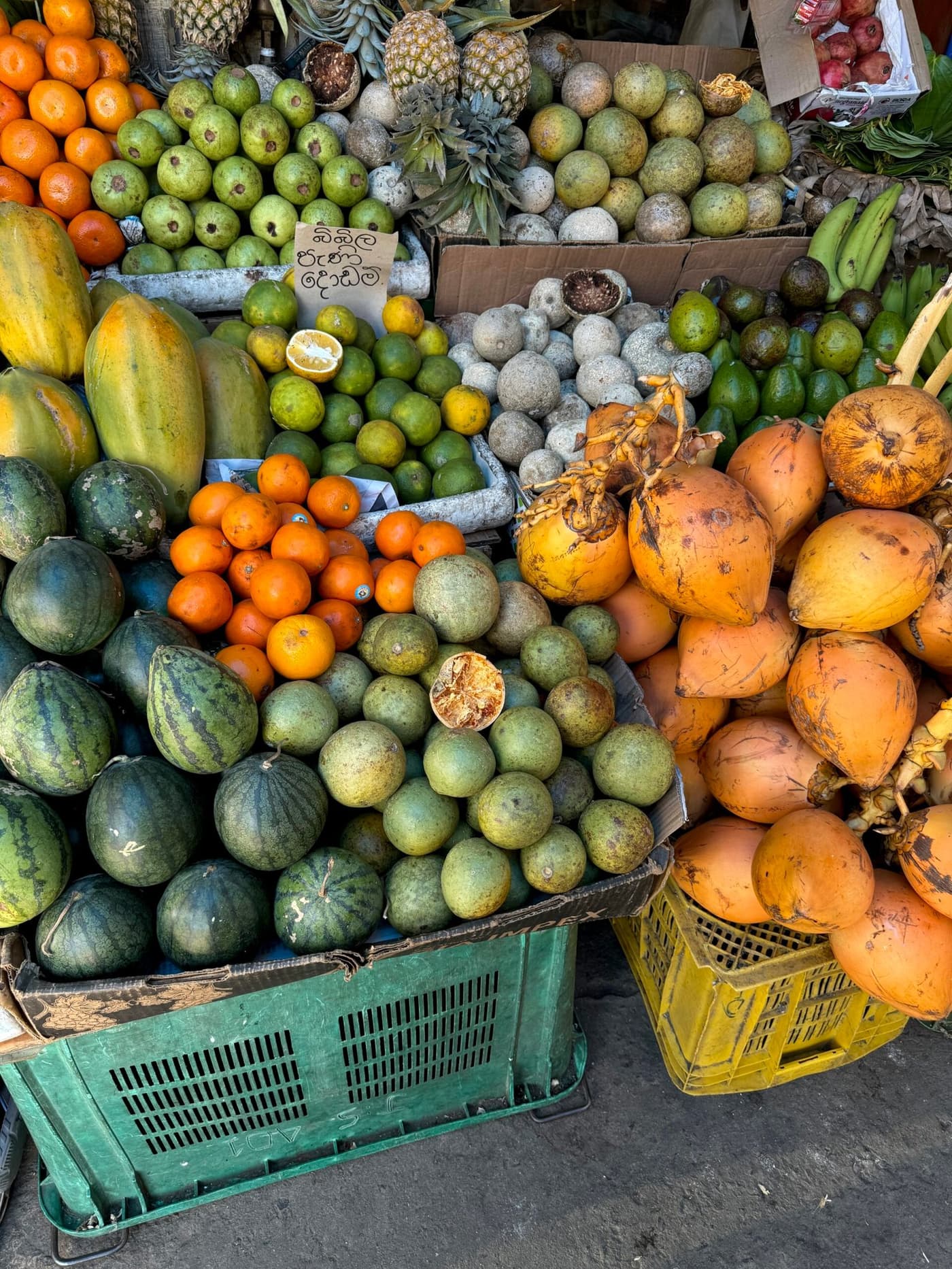
You can also eat at the food court in Kandy City Centre, the only shopping mall. In the center of Kandy, near the mall, there are several markets where you can buy fruit, spices, sweets and tea.
Tips for Tourists
Before a trip to Kandy, it is worth keeping in mind a few things about the climate, terrain and local traditions. This will help you feel comfortable and avoid unnecessary inconvenience.
What to Pack for Kandy
- It is better to bring light but modest clothing, especially for visiting temples. In religious places your shoulders and knees must be covered.
- It can be cool in the evening or early in the morning, especially if you travel in the shoulder season or by motorbike. A light jacket or hoodie will not be superfluous.
- Comfortable shoes are a must. The city has many climbs, sidewalks can be uneven, and in the botanical garden or around the temples you can spend a couple of hours on your feet.
- The sun in Kandy is gentler than on the coast, but sunscreen with SPF and a hat will come in handy, especially if you plan trips to the surrounding area or a hike to the Ambuluwawa tower.
- Be sure to bring socks: you have to take your shoes off in temples, and the floor can be hot or dusty.
- A scarf or shawl is useful for covering your shoulders (especially for women).
- A small backpack or bag is handy for walks. You can carry water, documents and sunglasses in it.
- Some places do not accept cards, so it is worth carrying cash in rupees, at least for entrance tickets, tuk-tuks and food.
- It is better to keep documents (passport, insurance) in a separate waterproof folder in case of rain.
- Hand sanitizer and wipes are especially useful at markets and on transport.
- A power bank will come in handy if you take a lot of photos or use a navigation app.
- A SIM card with data. It is better to buy it in the city right after you arrive, or order an eSIM in advance. In Kandy the internet is weak in places, especially in the mountains.
I filmed how we traveled around Sri Lanka in a long YouTube video. Be sure to watch it, and don't forget to like it and subscribe to the channel!
Frequently Asked Questions About Kandy
What is the best way to get from Colombo to Kandy?
The most popular way is the train: the journey takes about 3.5–4.5 hours, and tickets cost from 300 to 1,500 LKR depending on the class. There are also buses (4–5 hours, 300–400 LKR) and taxis (~12,000 LKR).
How long does it take to get from Colombo to Kandy?
The trip usually takes about 3–3.5 hours by car or express bus, around 4 hours by regular bus, and up to 4.5 hours by train.
When is the best time to visit Kandy?
The most comfortable period is from January to March and from July to September. In these months there is minimal rain and the weather is mild, ideal for walks and excursions.
How many days do you need in Kandy?
If you want to see the main sights (the Temple of the Tooth, the botanical garden, hiking routes and a show), 1–2 days is enough. If you like a slower pace, you can stay 2–3 days to explore the surroundings and the relaxed rhythm of life.
How safe is Kandy?
The city is considered safe for tourists. But, as in any popular place, you should:
- Watch your belongings at markets and on public transport;
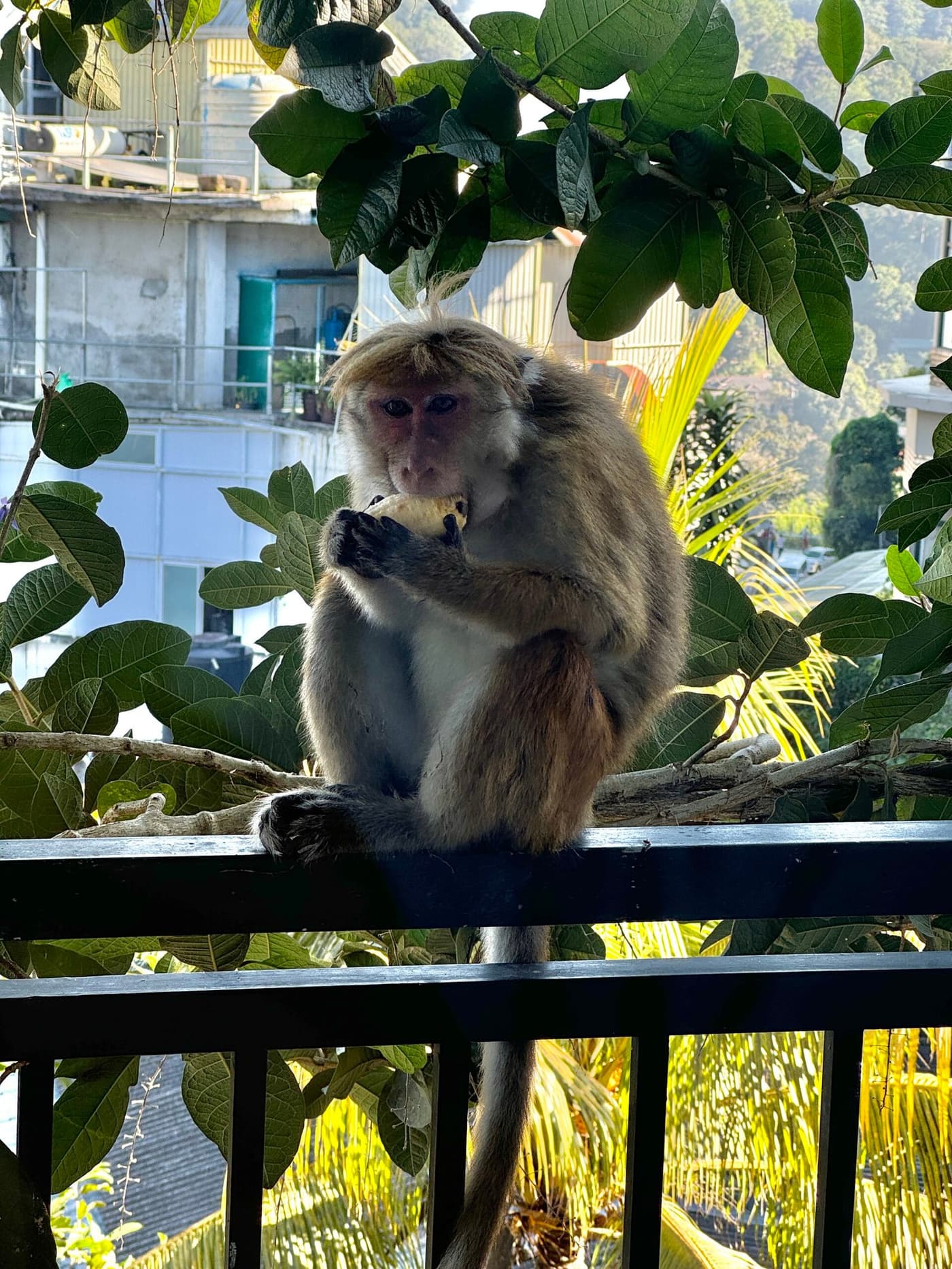
- Avoid overly active monkeys near the Temple of the Tooth.
- Be careful with stray dogs, as there are a lot of them in Sri Lanka.
Can you rent a motorbike in Kandy?
Yes, you can, but you will need an international driving permit and a local permit. Keep in mind that the roads can be winding and the weather in the mountains changes sharply, so warm clothing and driving skills will come in handy.