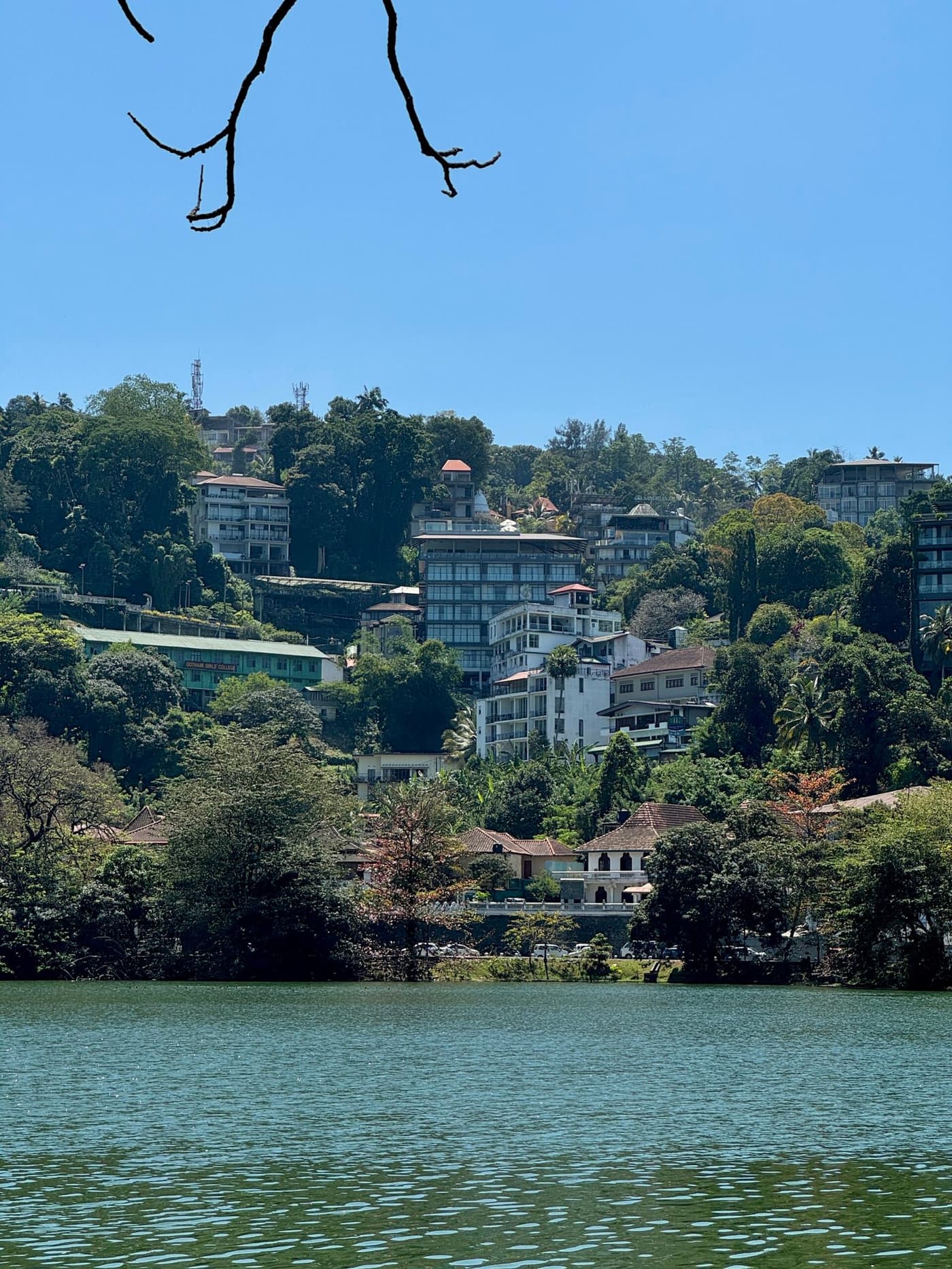
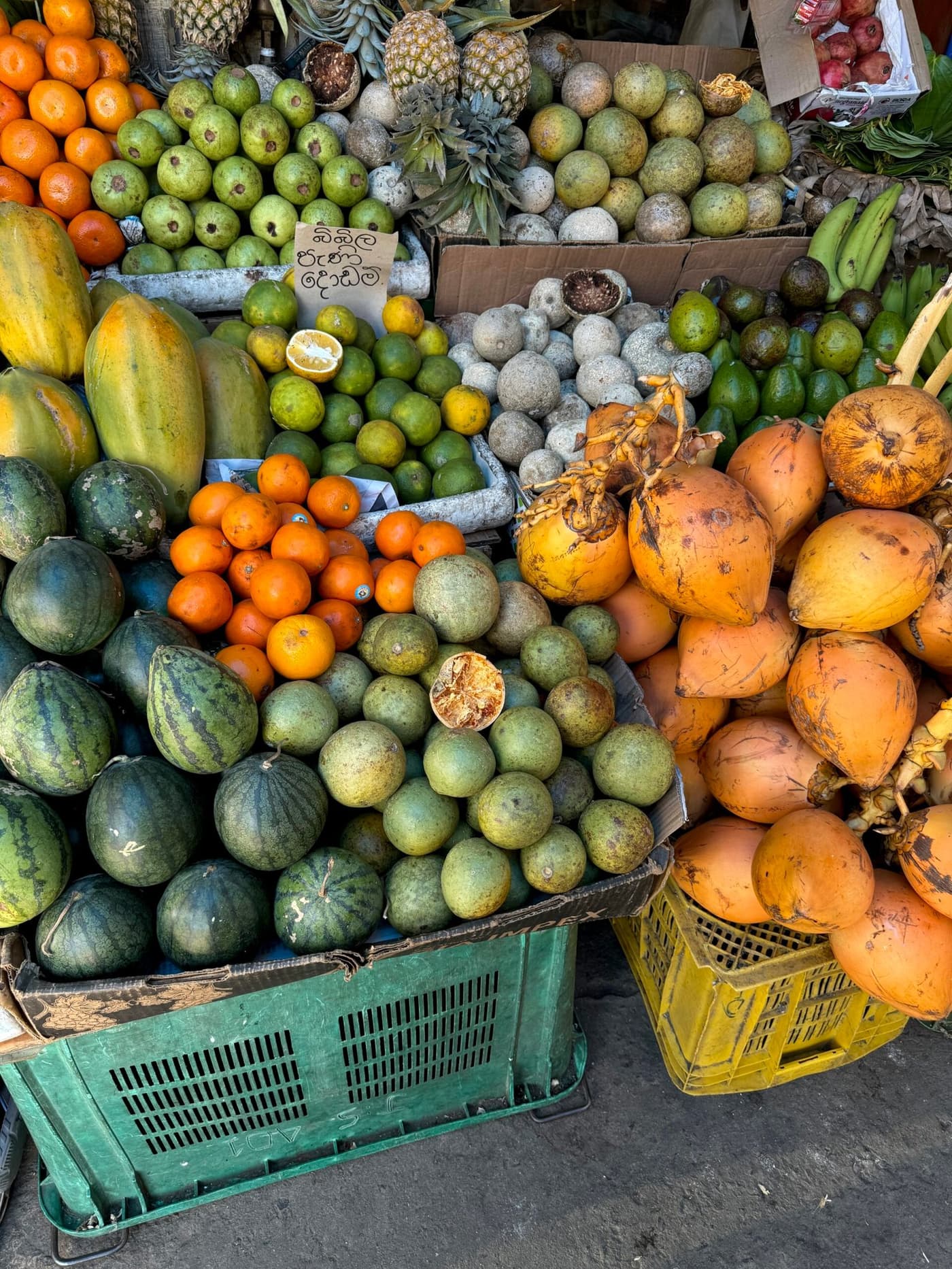
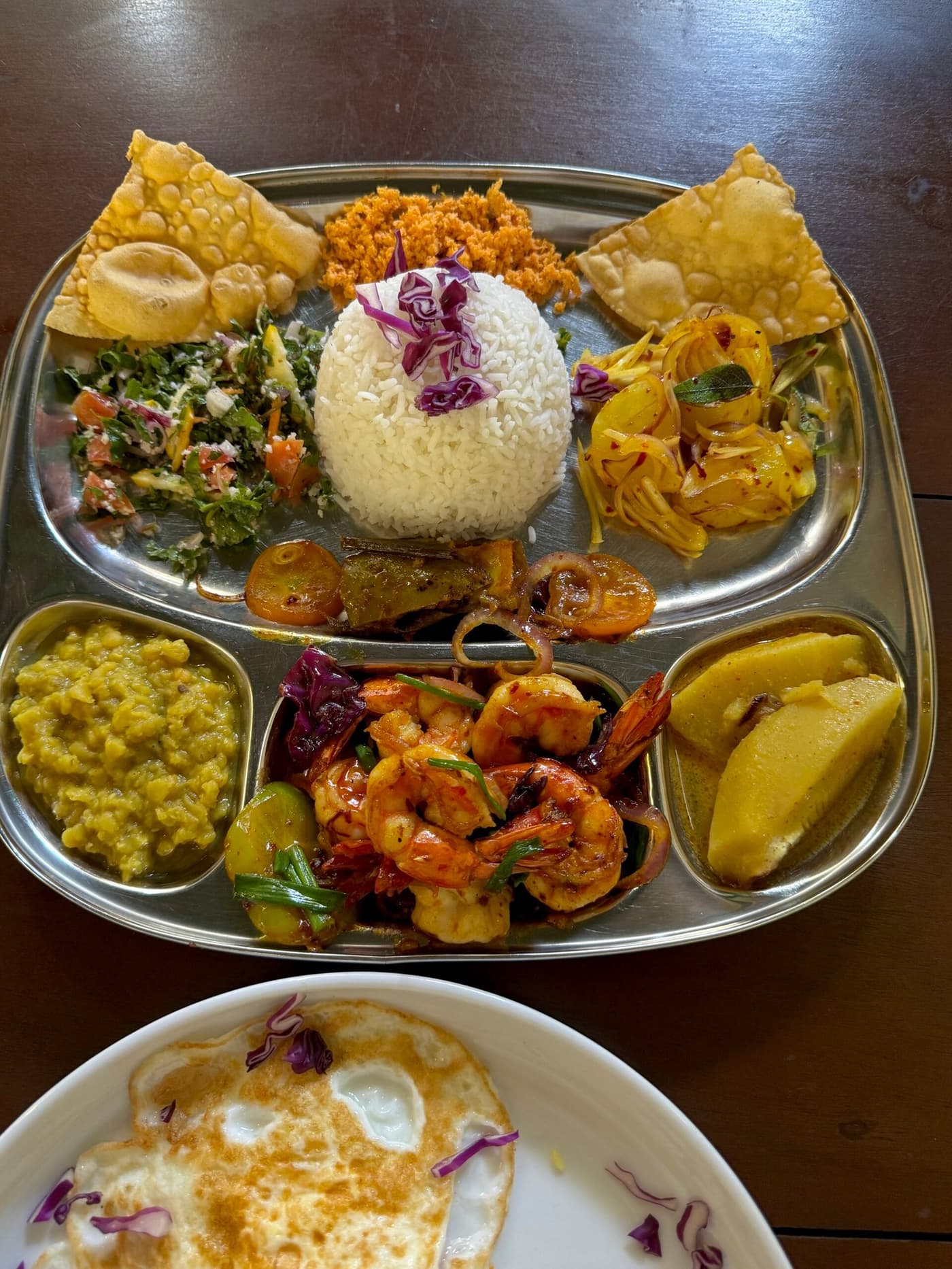
In the south of Sri Lanka's Central Highlands lies the quiet town of Nuwara Eliya, a place where the tropics meet cool mountain air and tea plantations roll across the hills. It is one of the island's most unusual towns. Travelers come here to escape the heat of the coast, breathe fresh air and see a calmer side of Sri Lanka.
People say Nuwara Eliya feels like an English village, with Victorian architecture, manicured parks, golf courses and a tradition of five o'clock tea. I have never been to an English village, so I can't compare. But I liked Nuwara Eliya much more than Ella, which is exactly where we were escaping from in search of some peace.
In this article I'll tell you about the main sights of Nuwara Eliya, what to see and what to do if you end up in this part of Sri Lanka.
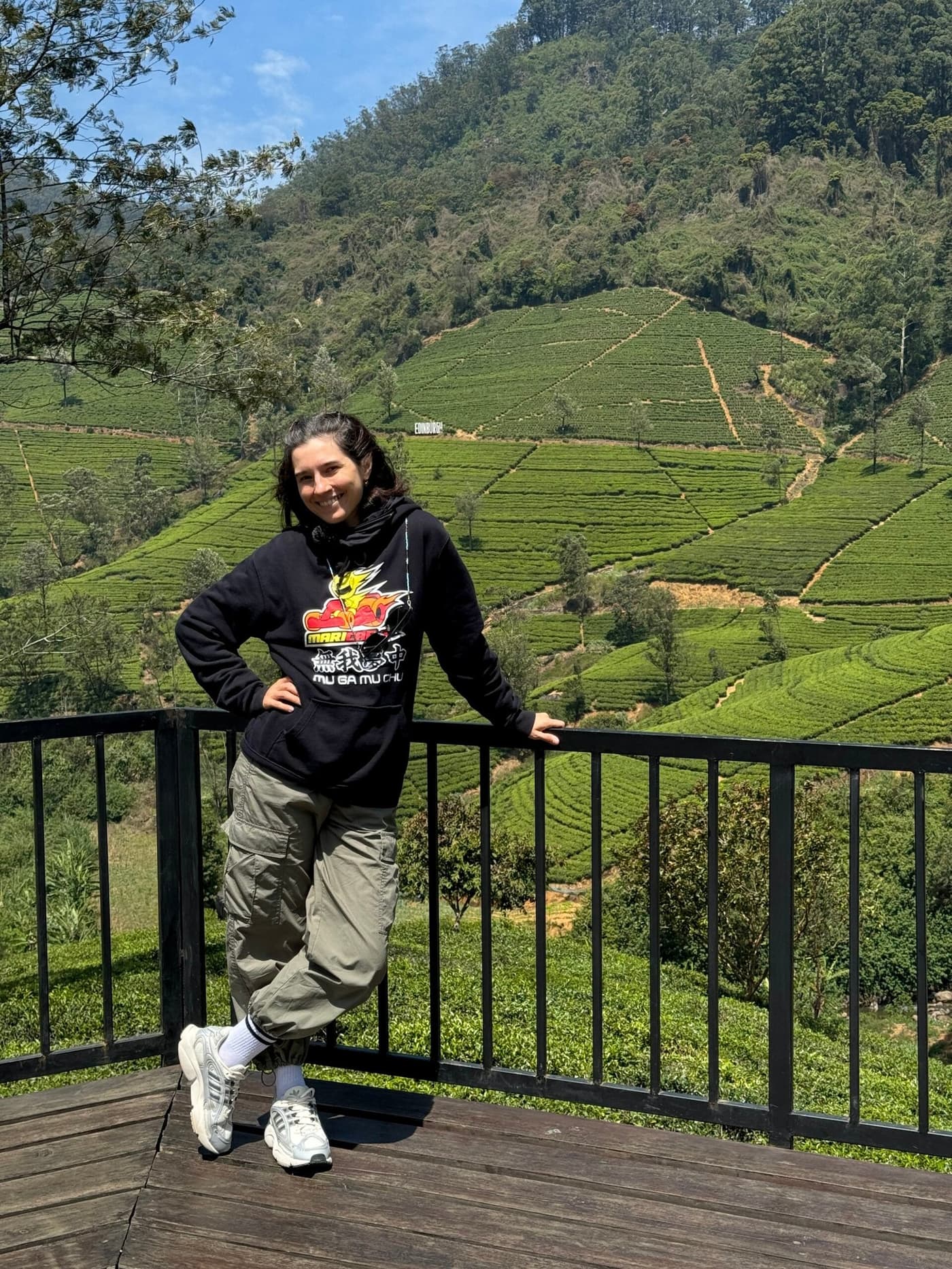
Where Nuwara Eliya Is on the Map of Sri Lanka
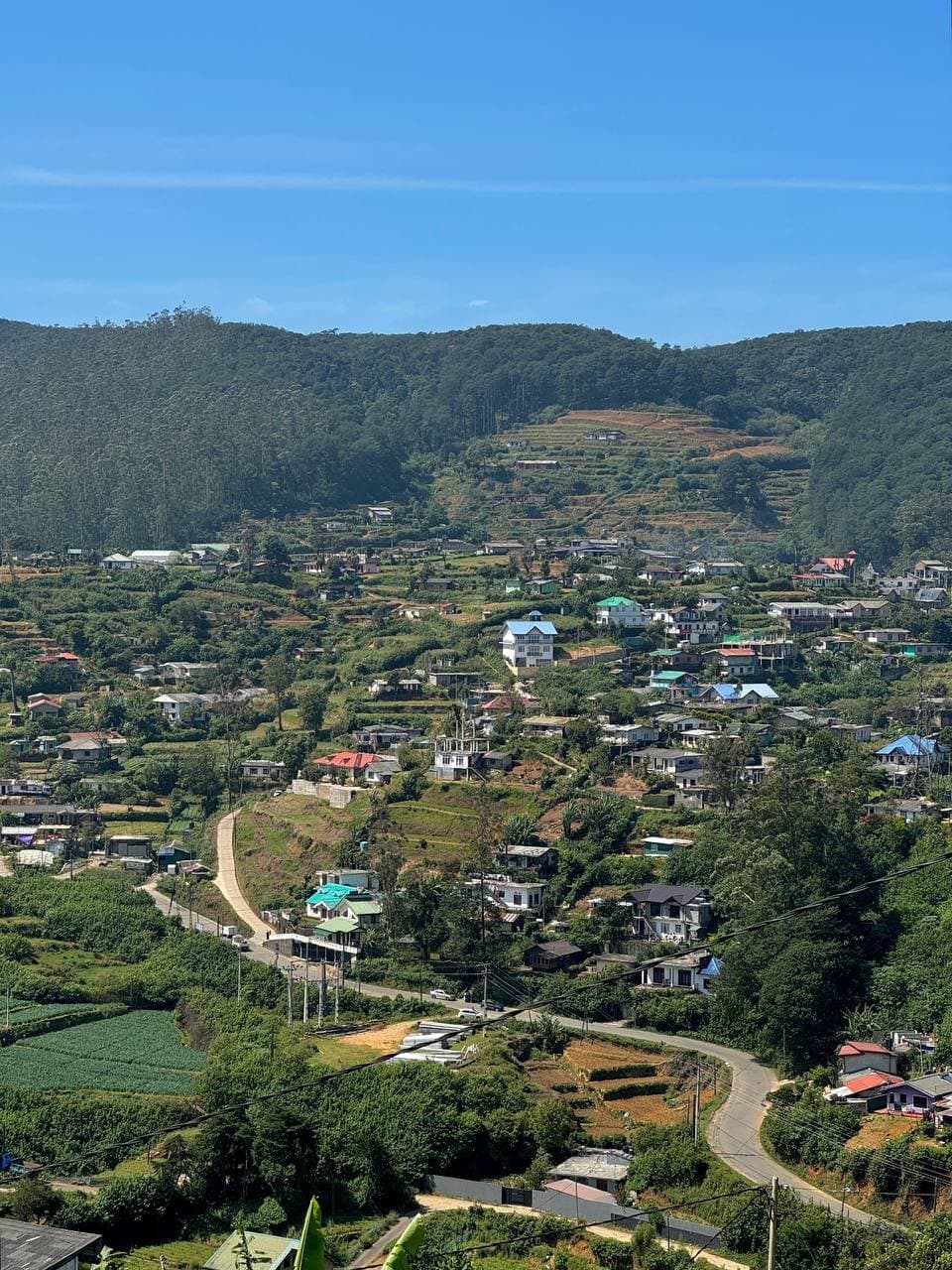
Nuwara Eliya is in the very center of Sri Lanka, at an elevation of about 1,800 meters (5,900 feet) above sea level. This hill town is surrounded by scenic hills and dense tea plantations and is considered one of the coolest places on the island. Thanks to its unique climate and clean air, it is often called "Little England."
How to Get to Nuwara Eliya
There are several ways to get to Nuwara Eliya:
- By train: The most scenic route is the train ride from Kandy or Ella. It is considered one of the most beautiful train journeys in the world. The train winds slowly through tea hills, over bridges and through tunnels, with breathtaking views. The nearest station is Nanu Oya, about 10 km from the town center (you can take a taxi or a tuk-tuk).
- By bus: Buses run from Colombo, Kandy, Matara and other large cities. It is the cheaper but less comfortable option, especially on the mountain section of the road.
- By car or transfer: If you travel with a guide or rent a car, the trip is more flexible. On average, the drive from Colombo takes 5–6 hours.
Distance to Nuwara Eliya:
- Colombo ~160 km
- Kandy ~75 km
- Ella ~60 km
- Haputale ~45 km
Wherever you set off from, the road to Nuwara Eliya is already part of the adventure: hairpin bends, waterfalls along the roadside and endless plantations make it feel like you have entered another world.
We got to Nuwara Eliya from Ella on a rented motorbike. I wrote a separate article about what Sri Lankan roads are like and what to be ready for.
A Short History of Nuwara Eliya
The history of Nuwara Eliya is closely tied to the British colonial period in Sri Lanka (then Ceylon). Although the town itself was founded relatively recently, in the 19th century, it developed rapidly thanks to its climate and strategic location.
British Heritage
In 1819, British colonizers came across Nuwara Eliya while looking for new land and sources of fresh water. The pleasant climate reminded them of English summer resorts, and soon they began building residences, golf clubs, racecourses and tea factories. The town became a popular retreat for the British escaping the tropical heat of the coastal areas.
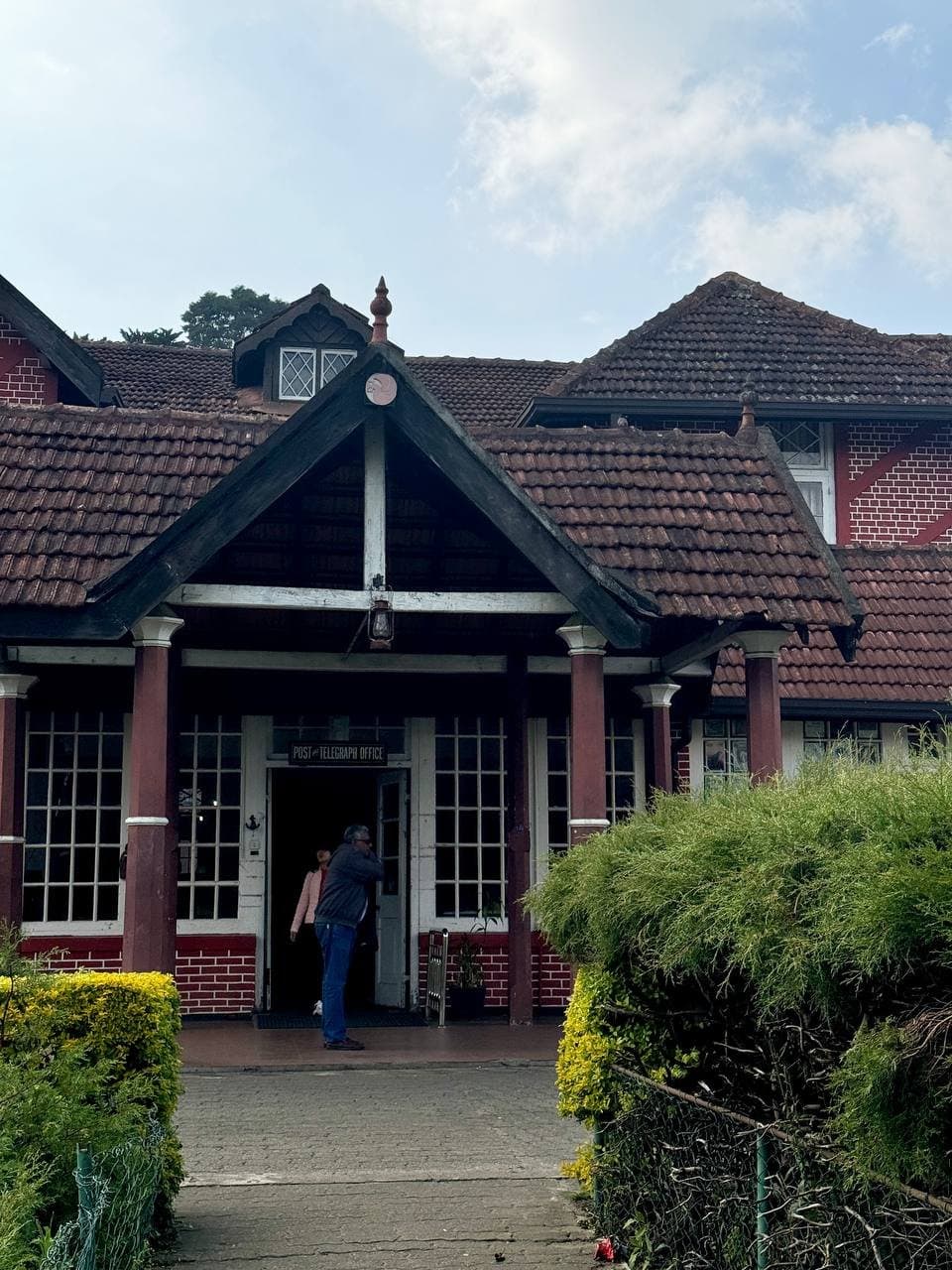
Many buildings from that era still decorate Nuwara Eliya: neat stone houses with red roofs, Victorian-style mansions, elegant gardens and hotels with columns and wrought-iron balconies.
Tea and the Economy
With the growth of the tea industry in the mid-19th century, Nuwara Eliya became a key region for growing and processing tea. One of the island's first tea factories was founded here, and the region is still considered one of the best producers of Ceylon tea.
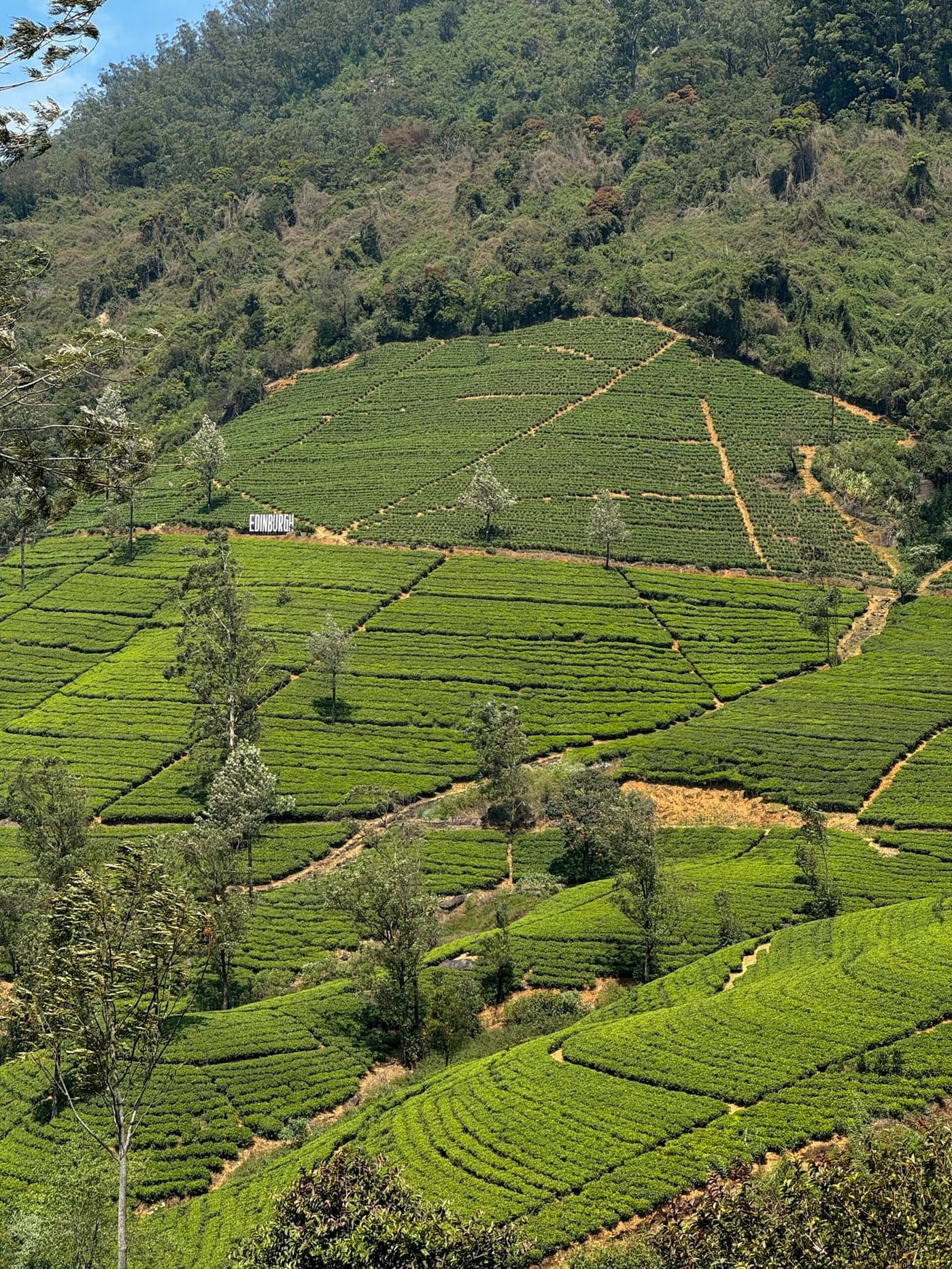
The tea plantations around the town are part of the cultural heritage and one of the main tourist attractions. Many factories are open for tours and let visitors watch the tea-making process from leaf to cup.
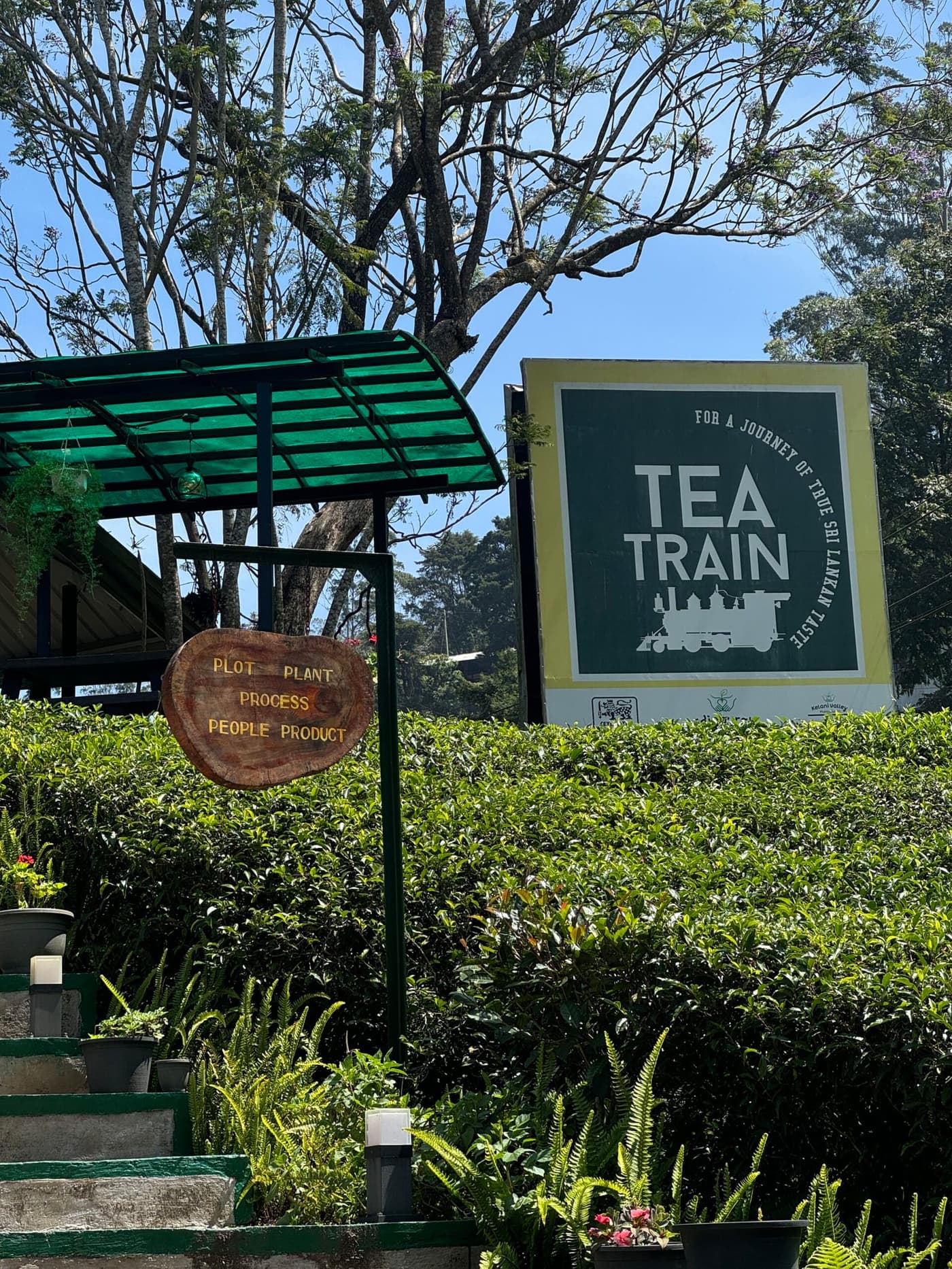
We visited one of the oldest tea houses, Edinburgh TEA TRAIN, and had a cup of tea with a view of the tea plantations.
Weather and Climate in Nuwara Eliya
One of the main reasons to visit Nuwara Eliya is its remarkable climate. Unlike the sweltering coastal areas of Sri Lanka, it is cool, fresh and mild here, with soft mountain air. This is exactly why Nuwara Eliya is often called an "English village" or "Little England" on a tropical island. For me, though, it was even too cold here.
Temperature and Seasons
The average annual temperature in Nuwara Eliya ranges from +12 to +20 °C (54–68 °F). Nights can be quite cold, especially from December to February, when the temperature drops to +8…+10 °C (46–50 °F) and on some nights even lower. Daytime is usually comfortable: +16…+22 °C (61–72 °F), with a light breeze and changing cloud cover.
☁️ Coolest months: December – February 🌧️ Rainiest time: April – June and September – November ☀️ Best time to visit: March – May and from late December to early February
Humidity and Rainfall
Nuwara Eliya gets quite a lot of rain because of its location in the mountains. Showers are short but heavy, especially in the second half of the day. Mornings are usually clear and sunny, which makes them the best time for walks, tours and trips to the sights.
What to Pack
- A warm sweater or light jacket, especially for evening walks
- An umbrella or raincoat, even in the "dry" season
- Comfortable shoes, since the town is built on hills and walks can be quite active
- Sunglasses and sunscreen, because the sun in the mountains can be bright despite the cool air
When choosing a guesthouse or hotel, make sure it has a warm blanket and a heater, especially if the hotel sits on top of a hill. We froze badly and nicknamed our guesthouse the ice castle.

Top Sights in Nuwara Eliya
Nuwara Eliya is not just tea plantations and mountain air. There are plenty of interesting places worth seeing. In the town and its surroundings you can put together a full itinerary that suits nature lovers and walkers.
Horton Plains National Park
If you are up for some easy trekking, head to Horton Plains National Park, 30 km from Nuwara Eliya. The main attraction is World's End, a sheer cliff with a panoramic view stretching for dozens of kilometers below. It is especially beautiful early in the morning, before the mist rolls in.
On the loop route (about 9 km) you will see:
- Baker's Falls
- Dense forest, highland grasslands and wild deer
Be sure to wear comfortable shoes and bring warm clothes.
Opening hours: daily 8:00 AM to 6:00 PM Entrance fee: LKR 11,500 ~ $38 Horton Plains National Park location
Tea Plantations and Factories
The area around Nuwara Eliya is the heart of Ceylon tea. Endless tea plantations spread across the hillsides, and among them are well-known factories that are open to tourists. For example:
- Mackwoods Labookellie Tea Centre is not only a production site but also a scenic photo spot with a view of the tea terraces.
Opening hours: daily 8:00 AM to 5:00 PM Entrance fee: free. After the tour you can taste the tea and buy your favorite in the shop. Mackwoods Labookellie Tea Centre location
Walking through the plantations feels like meditation: fresh air and green hills.
Gregory Lake
The town's main recreation spot is Gregory Lake, an artificial lake created in the British era. A green park runs along the shores where you can:
- Ride a pedal boat or a motorboat
- Relax on the lawn with a view of the hills
- Feed the swans or have a picnic
Opening hours: daily 8:00 AM to 6:00 PM Entrance fee: LKR 200 ~ $0.7 Gregory Lake location
Nuwara Eliya Post Office
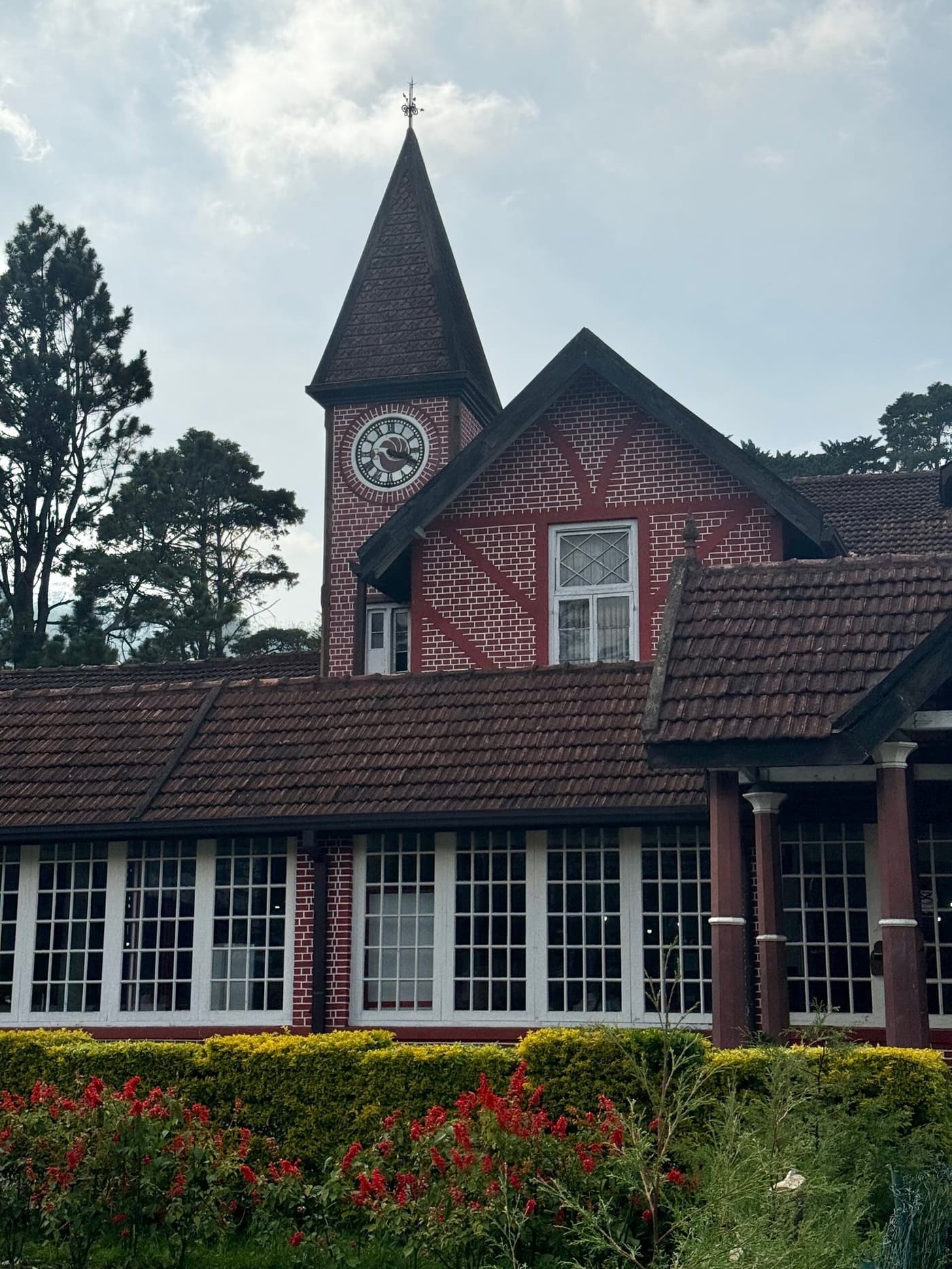
One of the most photogenic buildings in town is a bright red two-story colonial-style house surrounded by greenery. Built in 1894, the post office has become a symbol of Nuwara Eliya and still works as an active post office.
What makes the Nuwara Eliya Post Office special:
- A bright English-style facade that makes a perfect photo backdrop;
- You can buy postcards inside and send them right away with a unique postmark;
- It is one of the oldest post office buildings in Sri Lanka and has kept its original architecture.
The building is in the very center of town, here is the Nuwara Eliya Post Office location. Many tourists come here specifically to buy souvenir stamps and send a postcard with a view of the tea hills to friends or to themselves for their collection.
Opening hours:
- Monday – Saturday: 7:00 AM – 7:00 PM
- Sunday: 9:00 AM – 5:00 PM
Entrance fee: free
Hakgala Botanical Garden
On the southern edge of town is Hakgala Botanical Garden, the second largest in the country. This green space, 10 km from the town center, features:
- Alpine plants, orchids and roses
- Plants endemic to Sri Lanka
- Corners laid out in the English style
The garden is especially beautiful in spring and summer. Here is the Hakgala Botanical Garden location.
Opening hours: daily 7:30 AM to 6:00 PM (tickets sold until 5:00 PM) Entrance fee:
- Adults: LKR 2,000 ~ $6.7
- Children under 12: LKR 1,000 ~ $3.4
Where to Stay in Nuwara Eliya: Hotels and Guesthouses
Nuwara Eliya offers a wide choice of places to stay for every taste and budget, from cozy guesthouses overlooking tea plantations to luxurious colonial-style hotels. It is easy to find both quiet seclusion in nature and comfort in the town center with quick access to all the sights.
English-Style Hotels
If you want to soak up the atmosphere of "Little England," look at hotels housed in historic buildings:
- The Grand Hotel is Nuwara Eliya's landmark hotel, built in 1891. It has a luxurious interior, manicured gardens, traditional five o'clock tea and top-level service. It suits a romantic getaway or a retro-style trip.
- Jetwing St. Andrew's is another colonial mansion turned hotel. It combines history, calm and comfort.
Cozy Boutique Hotels and Villas
For those looking for a balance between comfort and seclusion:
- Heritance Tea Factory is a unique hotel in a former tea factory building. It sits outside town, surrounded by plantations, and offers beautiful panoramic views.
- Galway Heights Hotel is a stylish boutique hotel with modern amenities, not far from Gregory Lake and the national park.
Budget Options and Guesthouses
We stayed at the family-run Terrabella Nuwara Eliya. It sits on a hill and it was cold in the hotel, but the owner kindly gave us an extra blanket and a heater.
What to Consider When Choosing Accommodation:
- Location: if you don't have your own transport, choose a hotel closer to Gregory Lake or the town center.
- Heating: nights here are cold, especially in winter. Check whether there are heaters or fireplaces.
- View from the window: many hotels offer rooms with views of the tea hills or the lake, which is a nice bonus.
Where to Eat in Nuwara Eliya: Cafes and Restaurants
The cuisine of Nuwara Eliya is an interesting mix of traditional Sri Lankan spice, British heritage and fresh local produce. I wrote a separate article about traditional Sri Lankan cuisine and what to try in Sri Lanka.
Below is a list of restaurants and cafes in Nuwara Eliya where we ate ourselves, plus cafes with good reviews from other travelers.
- Salmiya Italian Restaurant has the best pizza not only in Nuwara Eliya but in all of Sri Lanka. The place is unremarkable, just a plain little room with two tables, but the pizza is beyond praise.
- Barista — Nuwara Eliya is a coffee shop with decent internet where you can work. The coffee is as bad as everywhere else in Sri Lanka, but the sandwiches are quite good.
- The Grand Indian is a decent Indian restaurant. It isn't cheap, but it is beautiful and everything was tasty.
- Themparadu is a cafe with a European menu written on a big board at the entrance. It is a nice place with big portions, but it gets terribly cold in the evening, and then they light the fireplace, which smokes a lot.
What to Pack for Nuwara Eliya
The climate in Nuwara Eliya is different from the usual tropical heat of Sri Lanka. Because of the high mountain location, it is cool here, especially in the evenings and early mornings. The weather can also change quickly, and sun can suddenly give way to rain. So it is important to prepare and pack things that will keep you comfortable in any conditions.
Clothing and Shoes
- A warm sweater or light jacket, especially useful in the winter months (December–February), when nighttime temperatures can drop to +8 °C (46 °F).
- Comfortable closed shoes: sneakers or trekking boots are ideal for walks on hilly terrain, tours and hikes.
- A raincoat or compact umbrella, because rain in Nuwara Eliya can be unexpected even in the dry season.
- Socks, a hat or a scarf, which can come in handy on early starts or night walks.
Accessories and Gadgets
- A camera or a smartphone with a good camera for shooting scenic landscapes.
- A power bank, handy on long trips and tours.
- A flashlight, useful if you head out early to the national parks or plan to come back late in the evening.
Personal Items
- Sunscreen and sunglasses, because despite the cool air the mountain sun is strong.
- Personal hygiene items, including wet wipes and hand sanitizer.
- A mini first-aid kit
Compact but well-thought-out luggage will keep you comfortable during the trip and save you from unnecessary expenses and inconvenience on the spot.
Travel Tips: How to Make Your Trip to Nuwara Eliya Comfortable
A trip to Nuwara Eliya can be a pleasant and memorable part of your Sri Lanka journey, especially if you keep in mind a few nuances related to the climate, terrain and infrastructure. Below are practical recommendations to make your stay as comfortable as possible.
Plan Your Outings for the Morning
Morning hours are the most stable and sunniest time of day. After 11:00 AM–12:00 PM, mist or short showers may appear.
Book Accommodation in Advance
Nuwara Eliya is popular with tourists in high season (December–March and July–August), so it is best to book hotels at least 1–2 weeks ahead. Check whether the room has heating, which matters a lot in cool weather.
Allow for the Road Conditions
Mountain hairpins and narrow stretches of road can cause motion sickness. If you are prone to it, bring suitable medication. The trip from Kandy, Ella or Colombo can take longer than the distance suggests.
Be Ready for Weather Changes
Even if the morning starts with sunshine, sudden cold snaps, mist or rain are possible. So always carry a warm layer and a light raincoat or umbrella.
Use Cash
Many small cafes, shops and even guesthouses accept cash only.
Keep Your Tickets and Receipts
In national parks, gardens and tea factories you may be asked to show your ticket again when leaving or moving around inside the site. Keep it until the end of your visit.
I filmed how we traveled around Sri Lanka in a long video on YouTube. Be sure to watch it, and don't forget to like it and subscribe to the channel!
Frequently Asked Questions
When is the best time to visit Nuwara Eliya?
The best time to visit Nuwara Eliya is from January to March, when the weather is dry and sunny. Conditions are also comfortable in August and September. In the other months rain is possible, especially in October, November and December.
How do I get from Colombo to Nuwara Eliya?
From Colombo you can take a bus from the Pettah bus station to Nuwara Eliya. The trip takes about 6 hours.
What sights should I visit in Nuwara Eliya?
- Gregory Lake
- Nuwara Eliya Post Office
- Hakgala Botanical Garden
- Horton Plains National Park
- Tea plantations and factories