Our trip through the Philippines began in the capital, Manila!
Manila sits on the island of Luzon, which is incredibly interesting in its own right. But our story starts with Manila itself, the heart of the country and the cultural center of the Philippines.
Manila was founded in 1571 by Spanish conquistadors. Spanish influence is visible in the city's architecture and culture. During World War II the city fell under Japanese occupation, which led to a bloody battle between the United States and Japan and left the city in ruins.
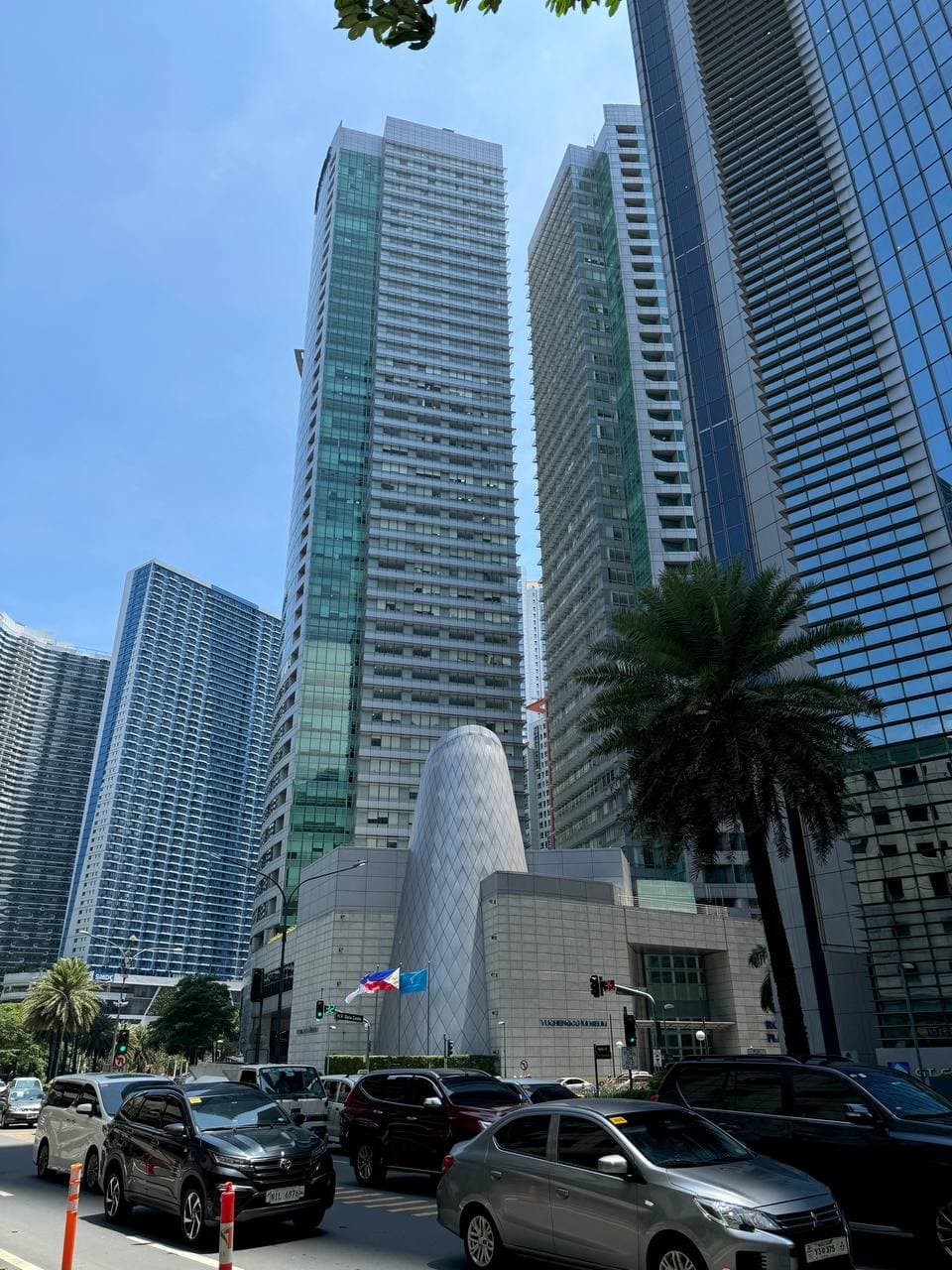
Today Manila is a city of contrasts, where modern skyscrapers sit next to neighborhoods of poverty. This mix of the modern and the historic makes the city unique.

Manila is a city of contrasts
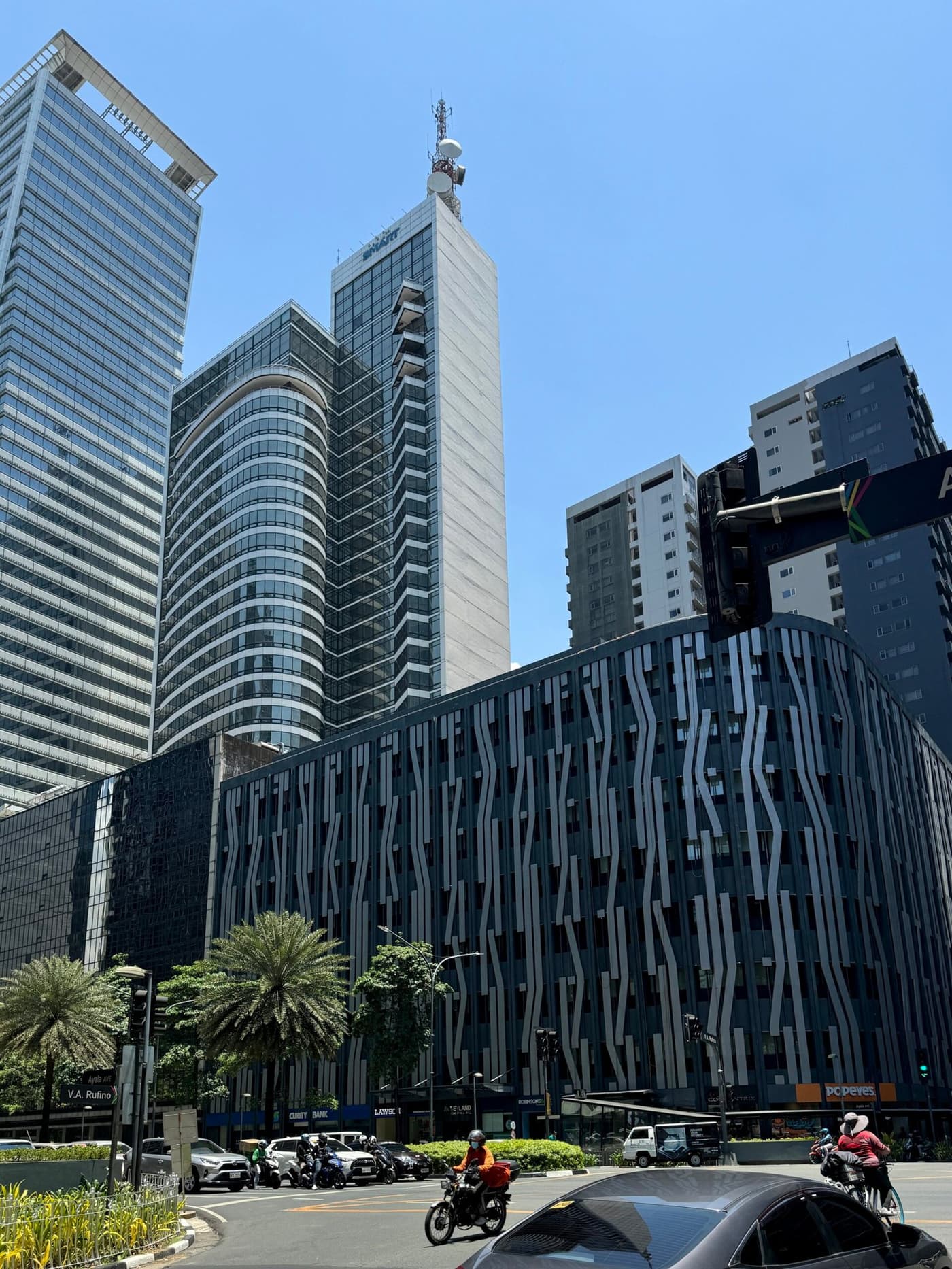
Modern Manila is a metropolis that, despite its historic value, is full of contrasts. Luxury districts with tall skyscrapers, expensive shops and upscale restaurants sit side by side with slums just behind a wall. On the city's streets you will often see armed guards and armored vehicles. At the same time, Manila is a surprisingly green city with plenty of parks, but even the greenery doesn't save you from the awful heat: in summer the temperature can reach 38°C (100°F) in the shade.
Entry rules for the Philippines
The Philippines is one of the countries with simple immigration rules. When we checked in October 2026, eligible passports could stay in the country visa-free for up to 30 days. After that, the stay can be extended at the local immigration office for an additional fee, and this can be repeated for up to three years. After three years you do a visa run and start over. Rules depend on your passport, so confirm them with the Bureau of Immigration of the Philippines before you travel.
Key points:
- You need an onward ticket out of the Philippines to enter. A ticket reservation will do, but it must be real and show up in the airline's system.
- You need to fill in the form and get the entry QR code within 72 hours (three days) before arriving in the Philippines; the system does not accept earlier registrations. Registration is free, and you fill it in on the official website. Everything is clear there, filling it in is easy, and the QR codes arrive right away.
At Manila Airport
The airport made a first impression of being old and shabby. Navigation is a maze, to put it mildly. There are crowds of people, lots of armed guards and general chaos.
Change money right at the airport. You won't regret it: the best exchange rate we saw in the Philippines was at Manila airport. The currency in the Philippines is the Philippine peso (piso), written with the ₱ sign.
Don't buy a SIM card at the airport! At airports SIM cards cost from 500 pesos ($8.50) to 1,500 pesos ($25.50), while in the city a SIM card costs 49 pesos ($1).
How to get from Manila airport to the city center
We landed late in the evening, dead tired, and decided to take a taxi into the city. Grab operates in the Philippines, and rides are metered. In the end we waited an hour and a half.
Manila has huge traffic jams, and the road interchanges are poorly designed. The driver who accepted our order was on the departures level, above the arrivals area where we were waiting. He drove for an hour and a half! Later we found out that there is a way around to reach the departures level. It isn't marked anywhere, it isn't obvious or clear, and nobody could help when we asked.
Where to stay in Manila
Manila is a huge city that isn't known for its safety. You can't just settle in any neighborhood of Manila.
I wrote about Manila's neighborhoods in detail in a separate article.
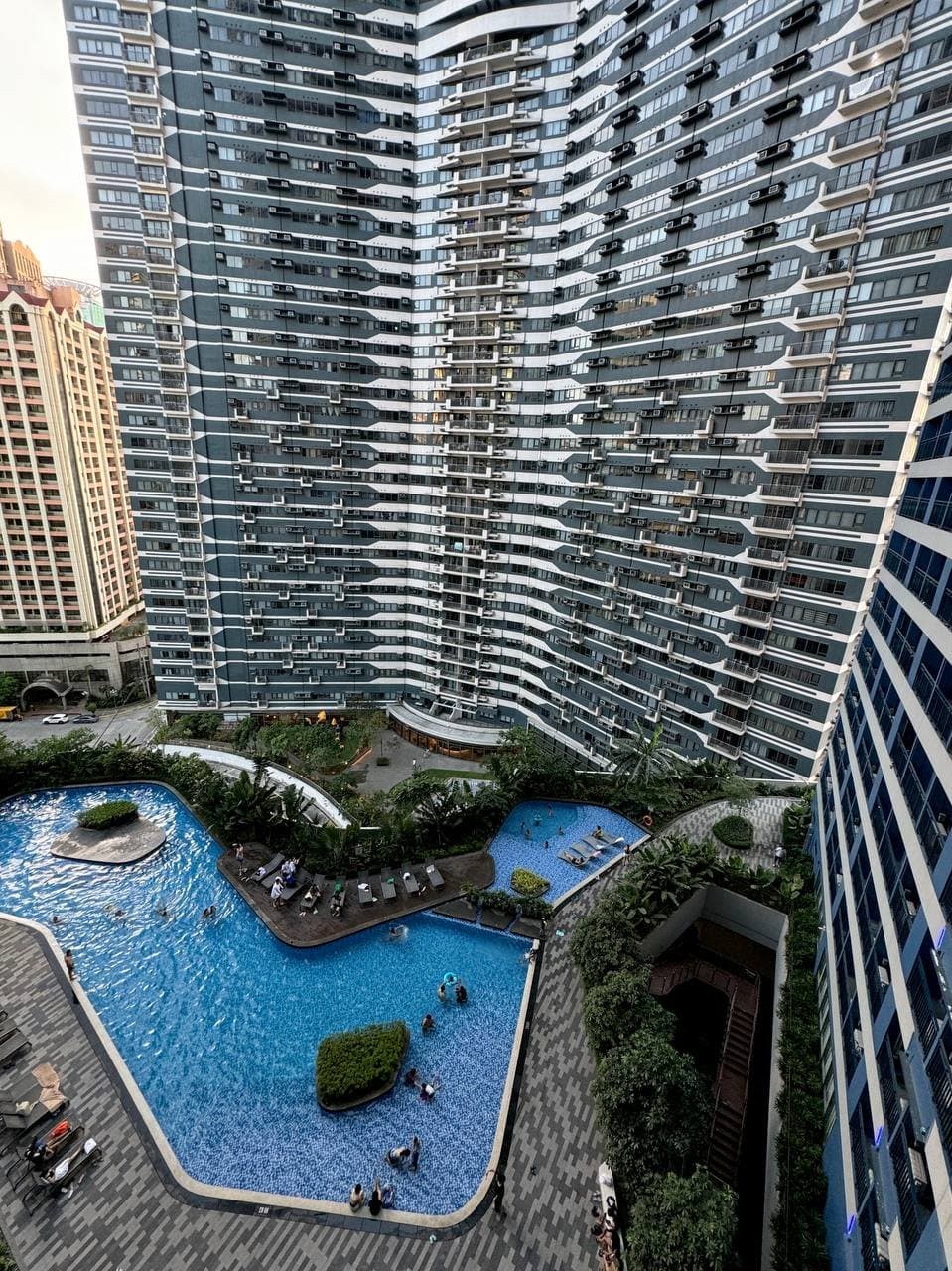
We stayed in the Makati district. It's a business district and a safe one, and a convenient base for trips to other parts of the city. We were unlucky with our accommodation: we ended up in a giant anthill, or I'd say a cockroach nest.
The apartment was on the 53rd floor, clean, nicely renovated and fully equipped. Even the pots and pans were brand new. Downstairs there's a supermarket, small shops, tons of coffee shops, cafes and restaurants, and security around the perimeter. There's a pool and a coworking space, although you have to pay extra for the pool, and this huge complex has no gym at all.
The worst part is that the condo is crawling with cockroaches. We saw cockroaches in the apartment several times a day and sent photos to our host, who sent over a cleaning lady. She cleaned and sprayed roach spray, which helped for a day.
What to see in Manila
Manila is a city with a rich historical and cultural heritage. Here are the main sights worth visiting:
The historic district of Intramuros
Intramuros means "within the walls" in Spanish. The district was founded by Spanish colonizers in the late 16th century. Stone walls and fortresses were built to protect it from local uprisings and foreign invasions.
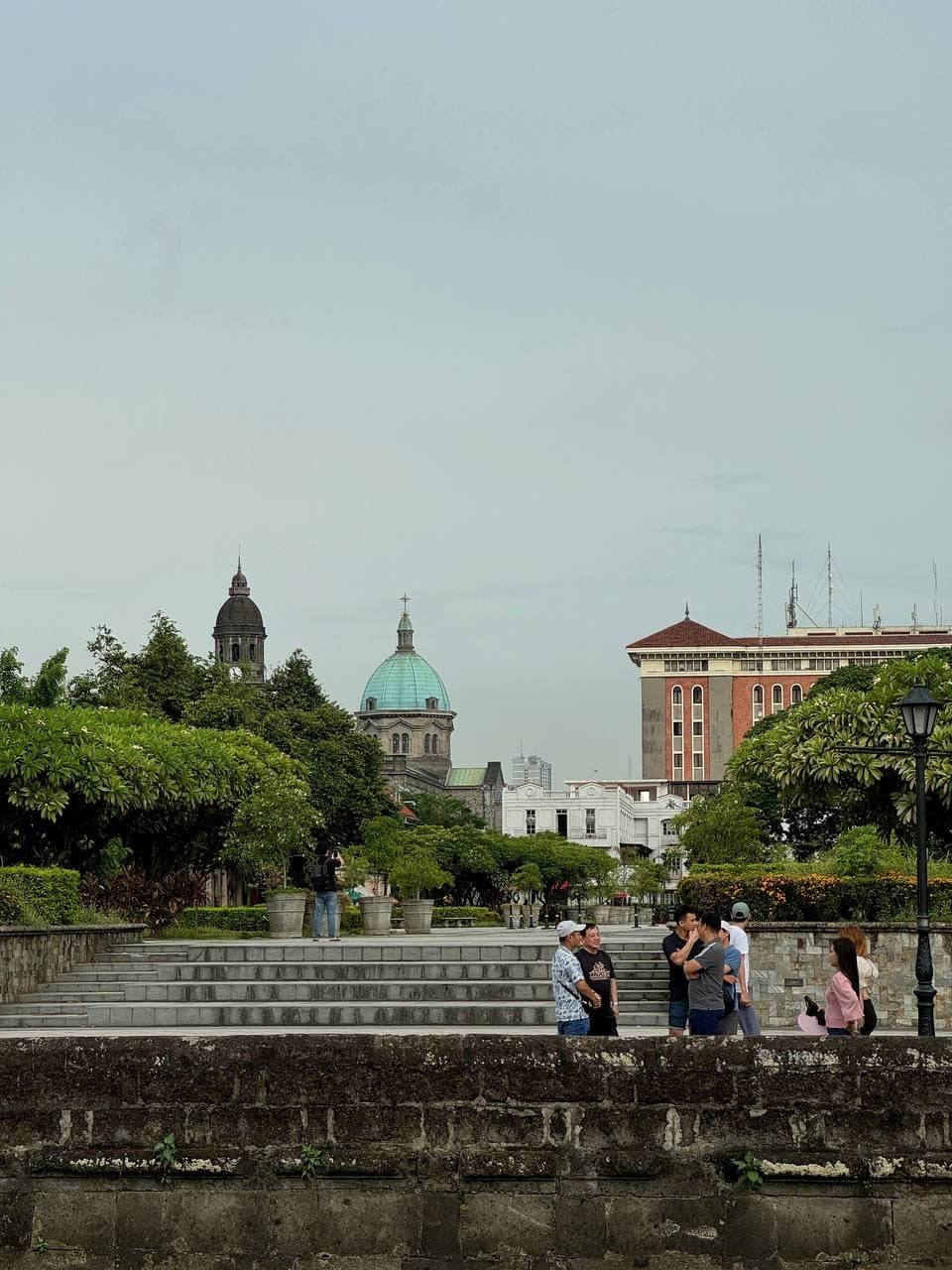
Today Intramuros is a living open-air museum. It has museums, schools, shops, restaurants and cafes. You can explore the walls, stroll along the cobblestone streets or take a tour in a traditional horse-drawn carriage.
Rizal Park
Rizal Park is the place where the Philippine national hero José Rizal was executed. The park has great historical significance and is one of the most popular places for a walk among locals and tourists alike.
There are several monuments, tree-lined paths, garden areas and cultural landmarks. The park is ideal for quiet walks, meditation and getting to know the country's history.
Chinatown
Manila's Chinatown is the oldest in the world. It was founded in 1594 and became home to Chinese Catholics. Here you can soak up the atmosphere of Chinese culture, try the local food and see unique architecture.
North and South Cemetery
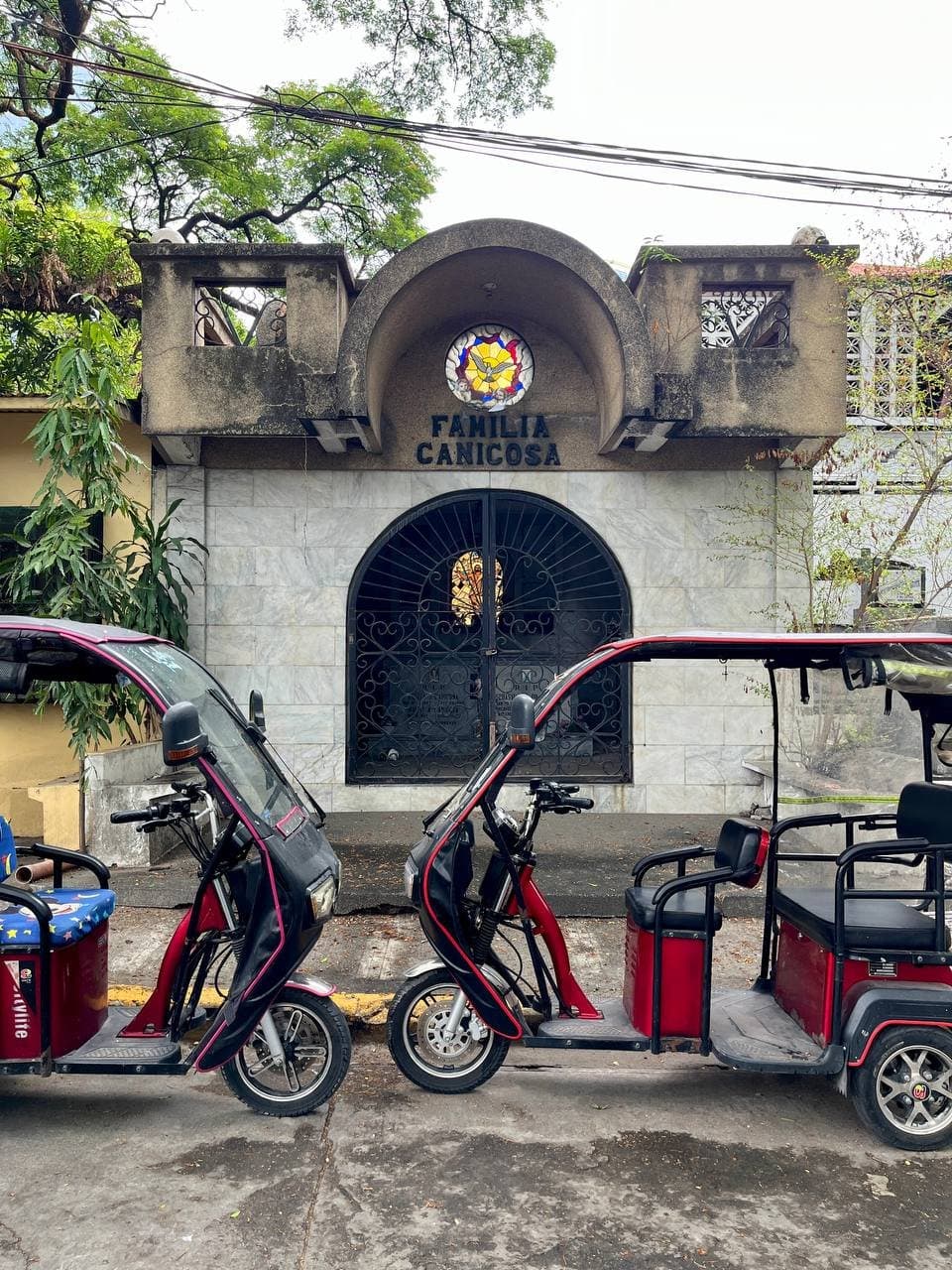
A cemetery in Manila is not only a place where the dead are buried, but also a home for the living. Social and economic inequality, widespread poverty and overcrowding push people to live in the cemetery. Visiting this place will change how you see life.
Manila's wealthy districts
I recommend walking around districts such as BGC (Bonifacio Global City) and Makati. Go right after visiting the cemeteries, and the contrast will show you how differently people live in the Philippines.
Manila is an interesting and contrasting city. But people don't come to the Philippines to tour cities. The country's main attractions are its nature and paradise islands. I'll tell you about those in separate articles.
I filmed how we spent our time in Manila in a detailed episode on my YouTube channel. Be sure to watch it.
Frequently Asked Questions
How much time do you need to see Manila's sights?
To see Manila's main sights, you need two to three days. If you want to learn more about the city's culture and history, you can spend three to four days.
Which areas of Manila are safe to stay in?
The Makati and BGC districts are good choices for a safe stay. There are good hotels, shopping malls and restaurants there.
How do you get from Manila airport to the city center?
The most convenient way is a taxi or the Grab service, which runs on a meter.
Do you need a visa to visit Manila, Philippines?
When we checked in October 2026, eligible passports did not need a visa for stays of up to 30 days in the Philippines. Rules depend on your passport, so confirm them with the Bureau of Immigration of the Philippines before you travel.
What should you visit in Manila?
- Intramuros
- Rizal Park
- Chinatown
- North Cemetery