Manila, the capital of the Philippines, is a complex mosaic of neighborhoods, each with its own unique atmosphere, history and character. That is what makes the city lively, many-sided and full of contrasts. Below is my overview of Manila's areas, so you can pick the best place to stay.
Intramuros
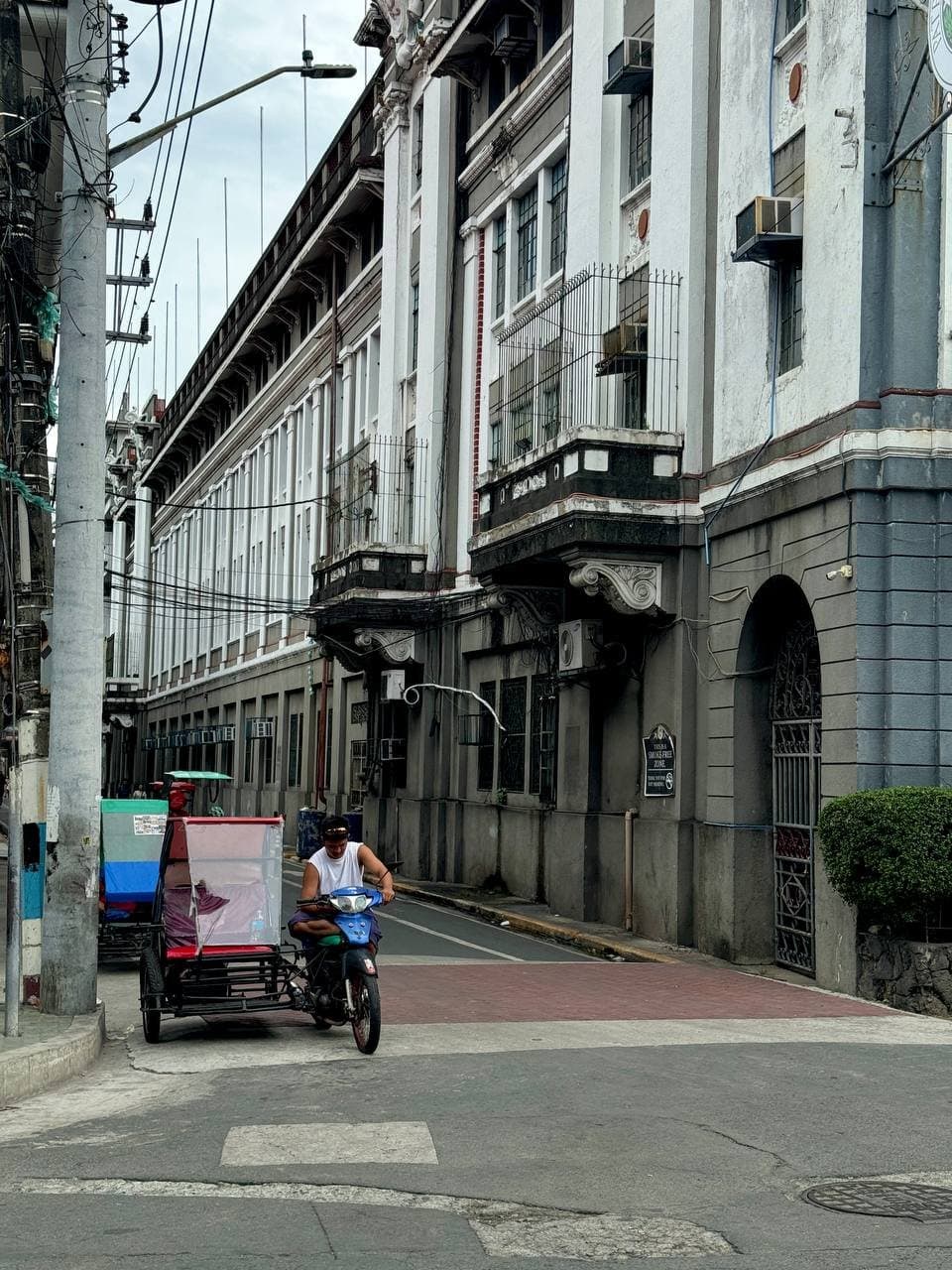
Intramuros is Manila's historic walled center, founded by the Spanish in 1571. This is where the city's history began, and today the district is a popular tourist attraction full of museums, historic buildings and churches.
Makati
Makati is Manila's business center and a thoroughly modernized district. It is home to the offices of many large Philippine and international companies, high-rises, luxury malls, restaurants and bars. This is a district that never sleeps, and it is often called the financial heart of Manila.
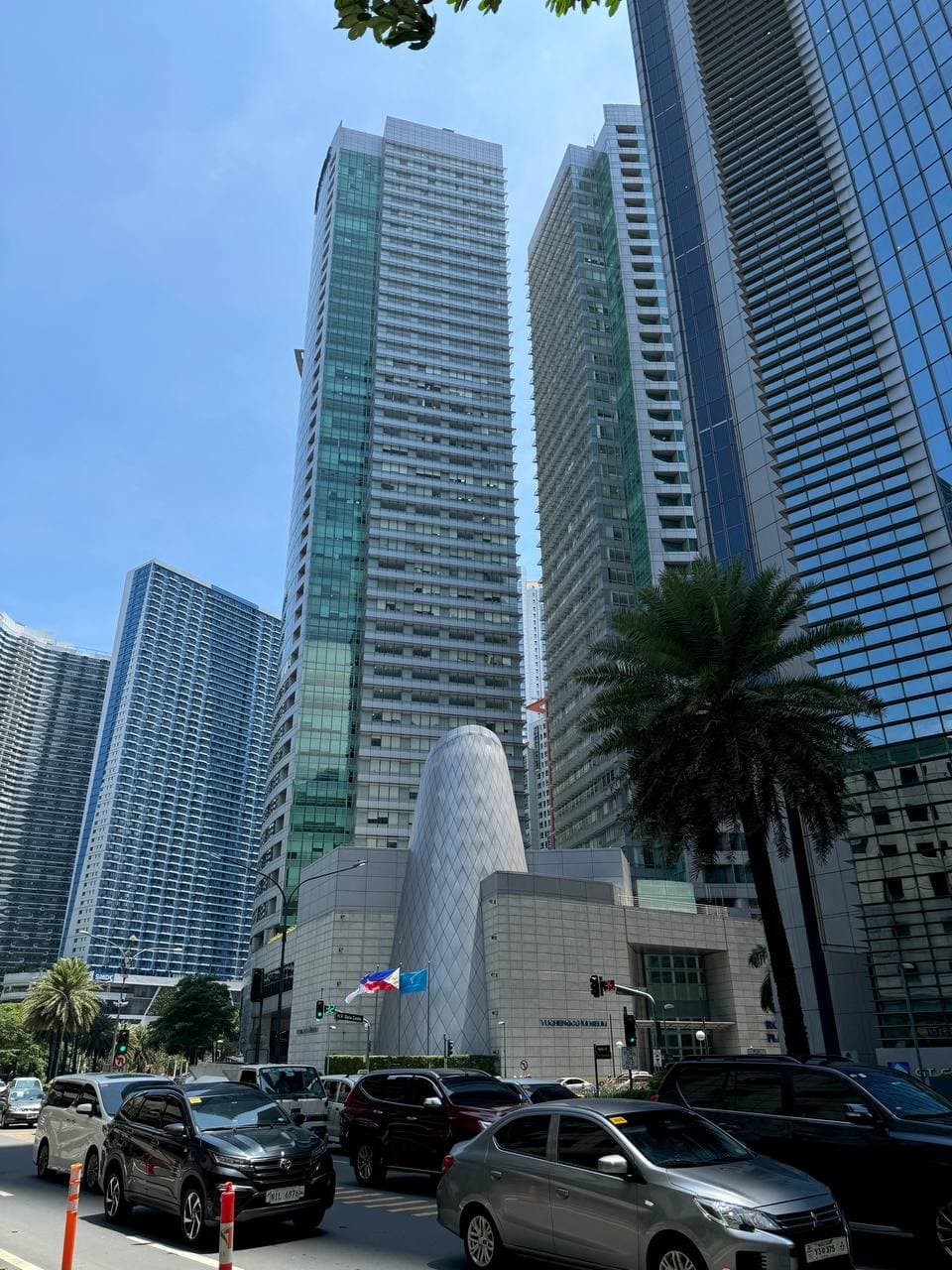
Quezon City
Although technically it is a separate city within Metro Manila, Quezon City is often seen as part of the capital. It is the most populous city in the country, and it is home to government offices, TV studios and universities. The area is known for its entertainment venues and cultural events.
Ermita and Malate
These neighboring districts are known for their cultural attractions, including parks, museums and historic buildings. Ermita and Malate are traditional tourist areas with a wide choice of hotels, nightclubs and restaurants, as well as the famous Manila Bay.
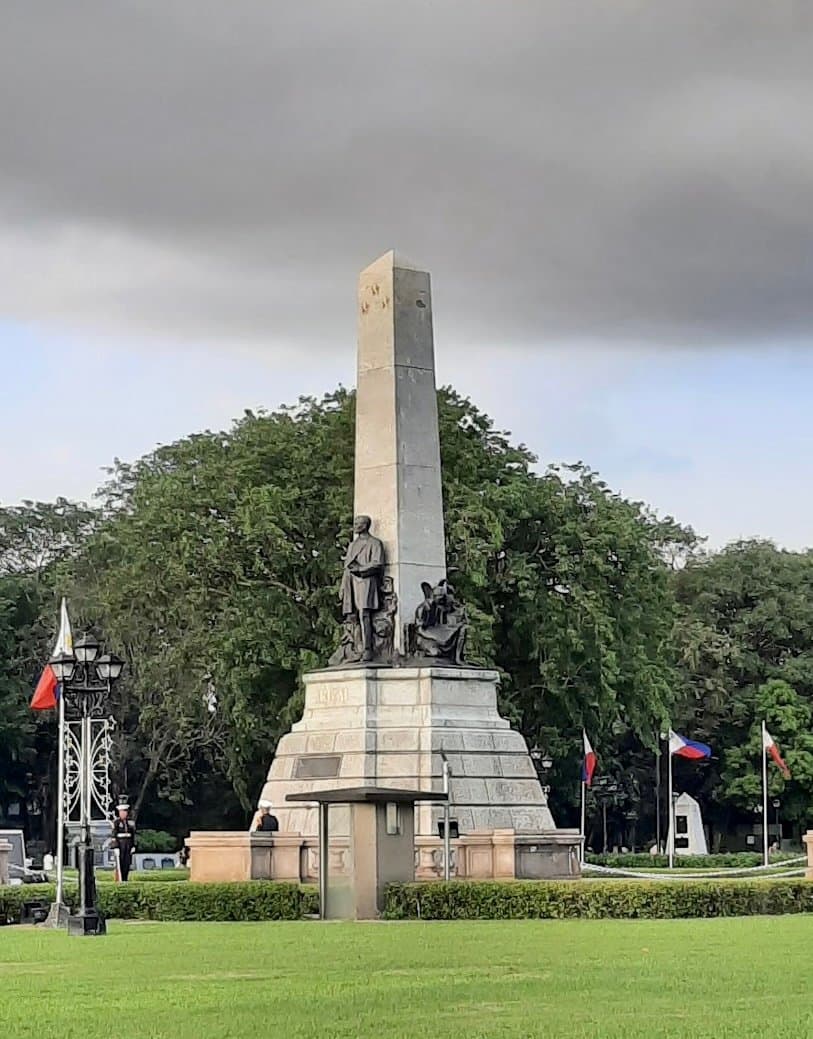
Tondo
Tondo is a densely populated, poor district of Manila. It has serious problems with overcrowding, poverty and crime. It is considered the most dangerous district in Manila, and a foreign tourist should not wander in there.
Binondo
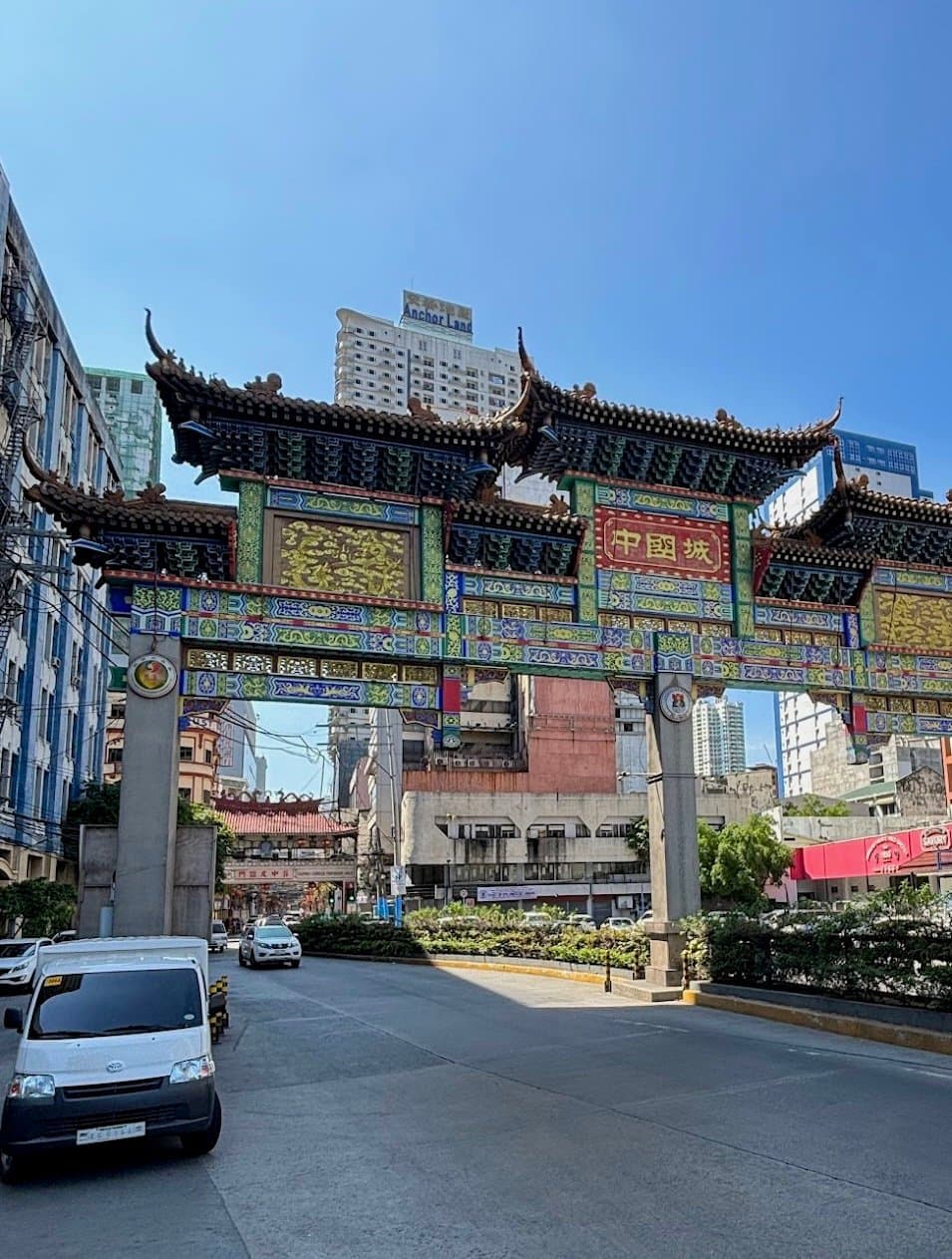
Binondo is Manila's Chinatown, considered one of the oldest in the world. It is a district of narrow streets, shops, markets and, of course, Chinese food. Binondo plays an important role in Manila's economy and culture and is a popular place for food tourism.
Pasay
Located south of the city center, Pasay is a fast-growing district with modern entertainment complexes such as Mall of Asia, one of the largest shopping centers in Asia.
San Juan
San Juan is known as the "City of Pinaglabanan," which translates as "the place of battle." It is one of the oldest districts of Manila and the site of the famous Battle of Pinaglabanan during the revolution against Spain.
Parañaque
Parañaque is known for its suburban residential areas and rich cultural life, including the annual Santacruzan festival. It is also one of the centers of Philippine culinary tradition, with well-known dishes such as paksiw na lechon.
Bonifacio Global City (BGC), Taguig
Bonifacio Global City (BGC), Taguig, is a new, modernized district of Manila. It is home to many multinational corporations, upscale apartments, chic shops and restaurants. BGC is often called "little Singapore" for its cleanliness and order. In my opinion it is nothing like Singapore, but it is definitely the most modern and safest district in Manila.
Pasig
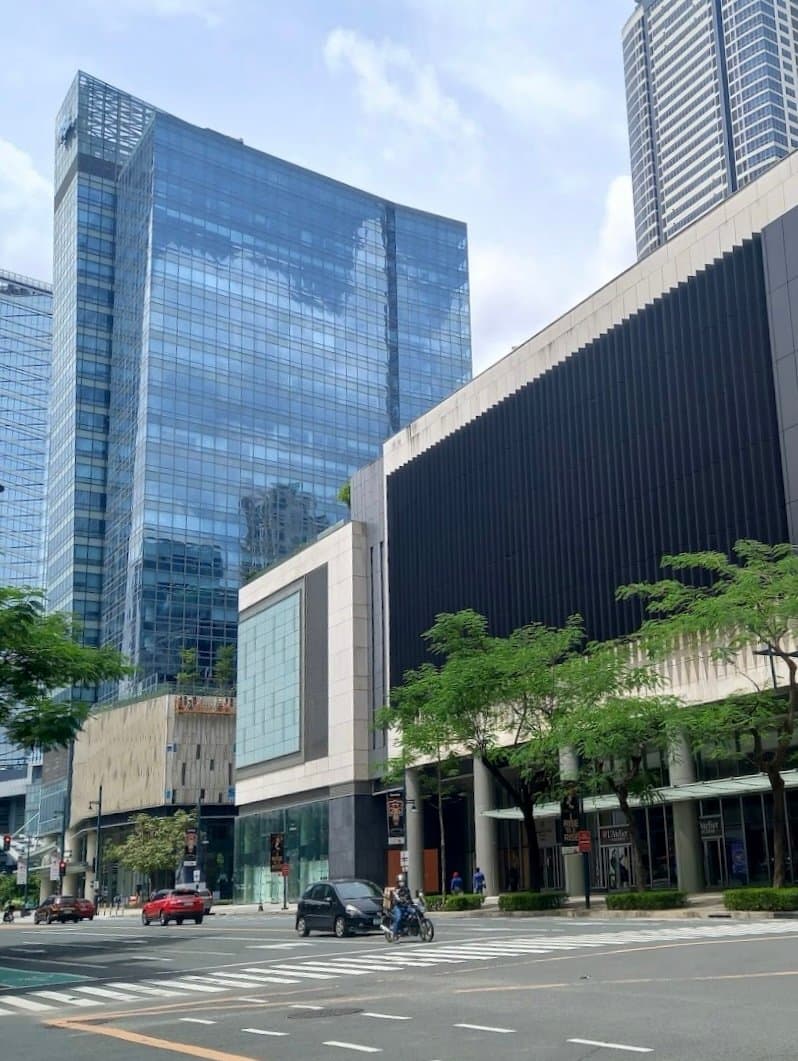
Pasig is known for its Ortigas business district, which has many office buildings and commercial centers, and it is an important transport hub.
Together, these districts form Manila's complex, many-sided structure. Each has its own unique identity, which makes the capital of the Philippines one of the most interesting cities to explore.
Dangerous and Safe Areas of Manila
Safety in different parts of Manila can vary a lot, depending on the socioeconomic situation of residents, the local infrastructure and how accessible police stations are.
Here is my general overview of safety levels in some areas of Manila:
Safer areas:
- Makati: A business district considered safe by Manila standards thanks to a good police presence and modern infrastructure.
- Bonifacio Global City (BGC): Strict community management, plenty of police and modern infrastructure make BGC the safest and cleanest area in Manila.
- Alabang in Muntinlupa: The area is known as a well-guarded, well-planned community with many private gated residential compounds.
Higher-risk areas:
- Tondo: The area is known for its slums, high population density and crime problems such as theft, drug trafficking and violent crime.
- Quiapo: Although the area is rich in cultural life, pickpocketing and other petty crime can occur here, especially around the markets and shopping streets.
- Ermita and Malate: Despite their popularity with tourists, these areas have a high level of street crime, especially at night.
Safety tips:
- Watch your belongings: Always try to carry bags and backpacks in front of you and avoid open pockets, especially in crowded places.
- Avoid rough areas at night: Many areas that seem safe during the day can become dangerous after dark.
- Use reliable transport: It is better to use well-known taxi services or ride-hailing apps instead of random passing cars or public transport late in the evening.
Safety in the Philippines can change over time, so try to look up current information and reviews from travelers or locals before visiting certain areas or planning to live in Manila.
I filmed how we spent our time in Manila in a detailed episode on my YouTube channel. I wrote about what to see in Manila in a separate article.
Frequently Asked Questions About Manila's Areas
Which areas of Manila are considered safe to stay in?
For a safe stay in Manila, it is recommended to choose areas such as Makati, BGC (Bonifacio Global City) and Pasig. These areas are known for their infrastructure, restaurants and shopping malls, as well as a high level of safety.
What is the most beautiful area in Manila?
Intramuros, Manila's historic center, is the most beautiful and culturally significant area. It is a place where Spanish colonial architecture, old churches and fortresses come together with green parks and squares.
Where is the best place to stay in Manila?
For tourists who want convenience and safety, the best areas to stay are Makati and BGC. These areas are known for their comfort, wide range of amenities and closeness to the city's main attractions.
How do you get around between Manila's areas?
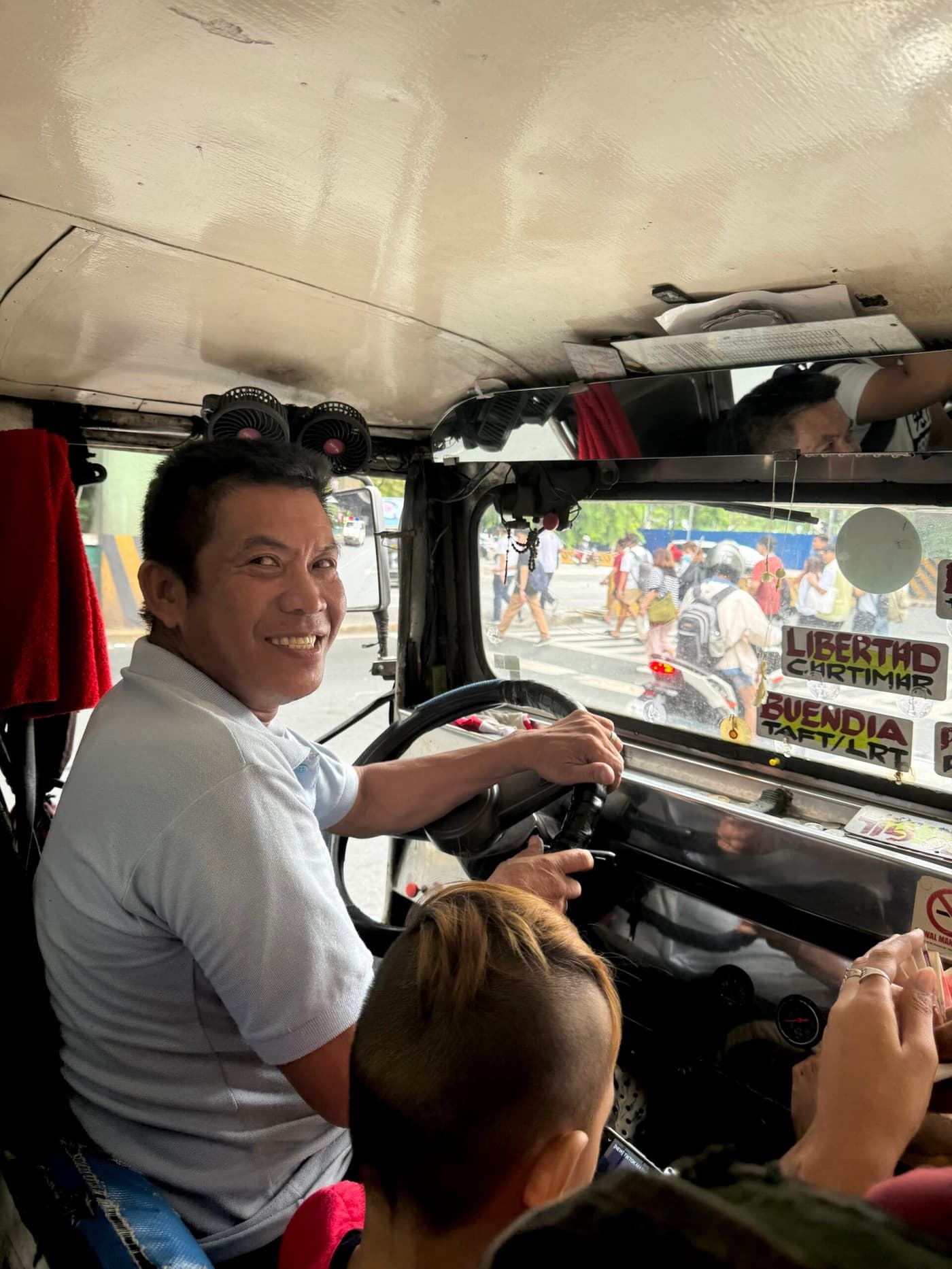
Manila is a big city with heavy traffic. To get between areas, you can use a taxi or the Grab service. The city also has a metro and bus routes, but traffic jams can slow your trip down considerably.
What is worth visiting in Intramuros?
In Intramuros it is worth visiting Fort Santiago, San Agustin Church and the Palacio del Gobernador (Governor's Palace), and taking a horse-drawn carriage ride along the old streets. This district is an important historic center of Manila, where you can soak up the atmosphere of the old colonial era.
Which areas of Manila are best for shopping?
Makati and BGC are ideal for shopping, as they have large malls such as Greenbelt, SM Aura and High Street, with international brands and luxury goods.