Varanasi is an ancient city, the sacred heart of India and a hellish place for European tourists. The city on the banks of the holy Ganges goes by many names: the city of light, the city of the dead, the city of death. For Hindus, Varanasi is where the cycle of life and death becomes especially visible, and for travelers it becomes one of the most memorable stops on the map of India.
Varanasi draws pilgrims, tourists and students of culture. People come here to see the famous ghats, to feel the atmosphere of Hindu temples and to immerse themselves in traditions that go back thousands of years. At the same time, the city shows a completely different side of India: spirituality woven tightly into the reality of everyday chaos and the rituals of death.
I put together a detailed guide to Varanasi. I'll tell you what to see in Varanasi, how to get there from Delhi, Agra, Jaipur or Mumbai, where to stay, and why people from all over the world are drawn here, even though not everyone can handle this place.
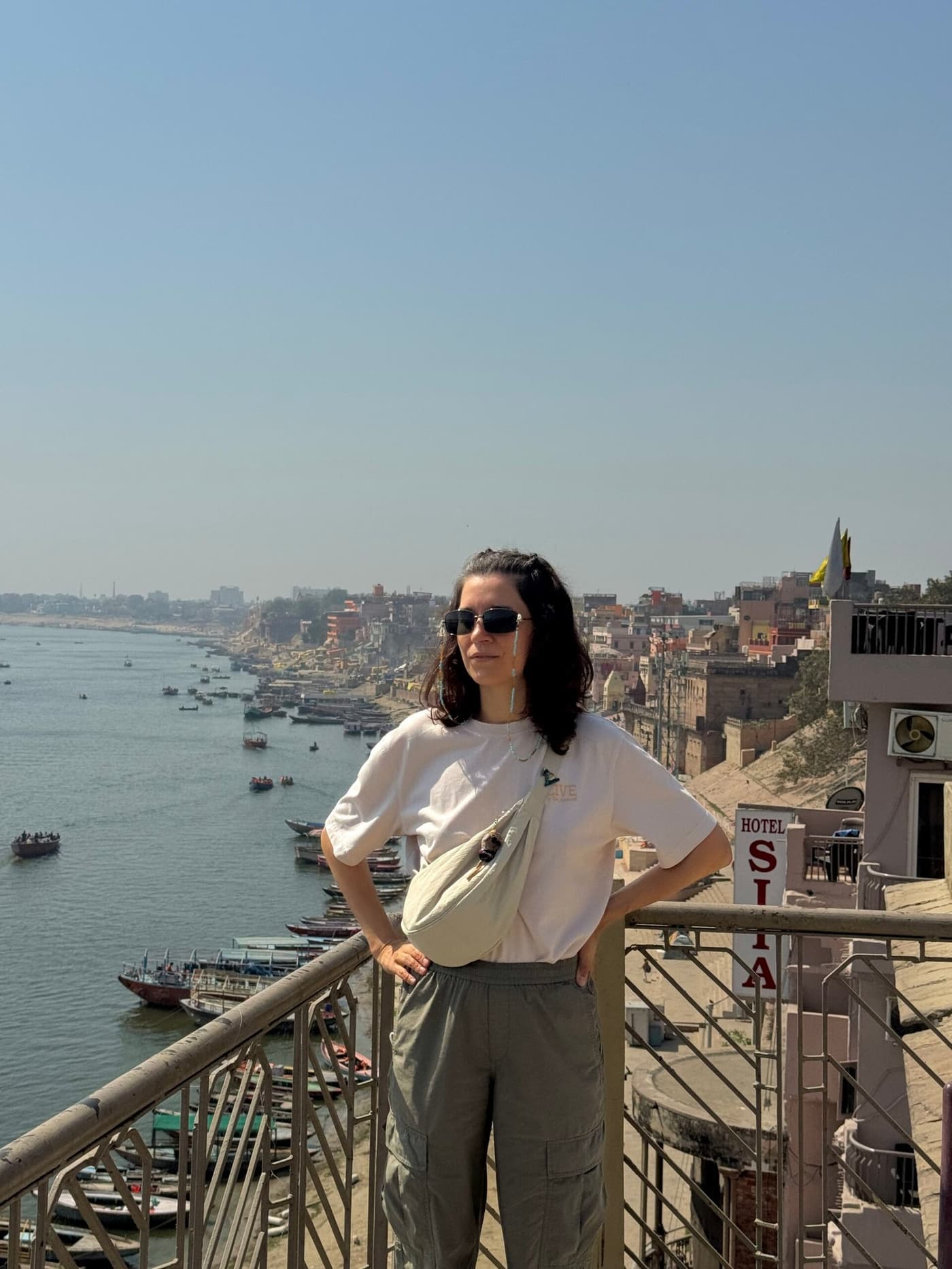
Varanasi, a city in India with a thousand-year history
The city of Varanasi, also known as Kashi or Benares, is considered one of the oldest continuously inhabited cities in the world. It is first mentioned in the Vedic texts, and even then Varanasi was seen as the spiritual center of India.
On the map of India, Varanasi lies in the state of Uttar Pradesh, on the western bank of the sacred Ganges. For centuries, pilgrims, philosophers, poets and rulers have been drawn here, because according to legend this is where Lord Shiva settled, making the city an eternal place of power.
Today Varanasi is not only a historical symbol of India but also a major cultural, educational and religious center. The city is known for its temples, ancient ghats and traditions passed down from generation to generation. Strolling through the narrow streets of the old town, it is easy to feel the breath of thousands of years: ancient shrines sit beside noisy streets, and rituals on the banks of the Ganges share the city with modern universities.
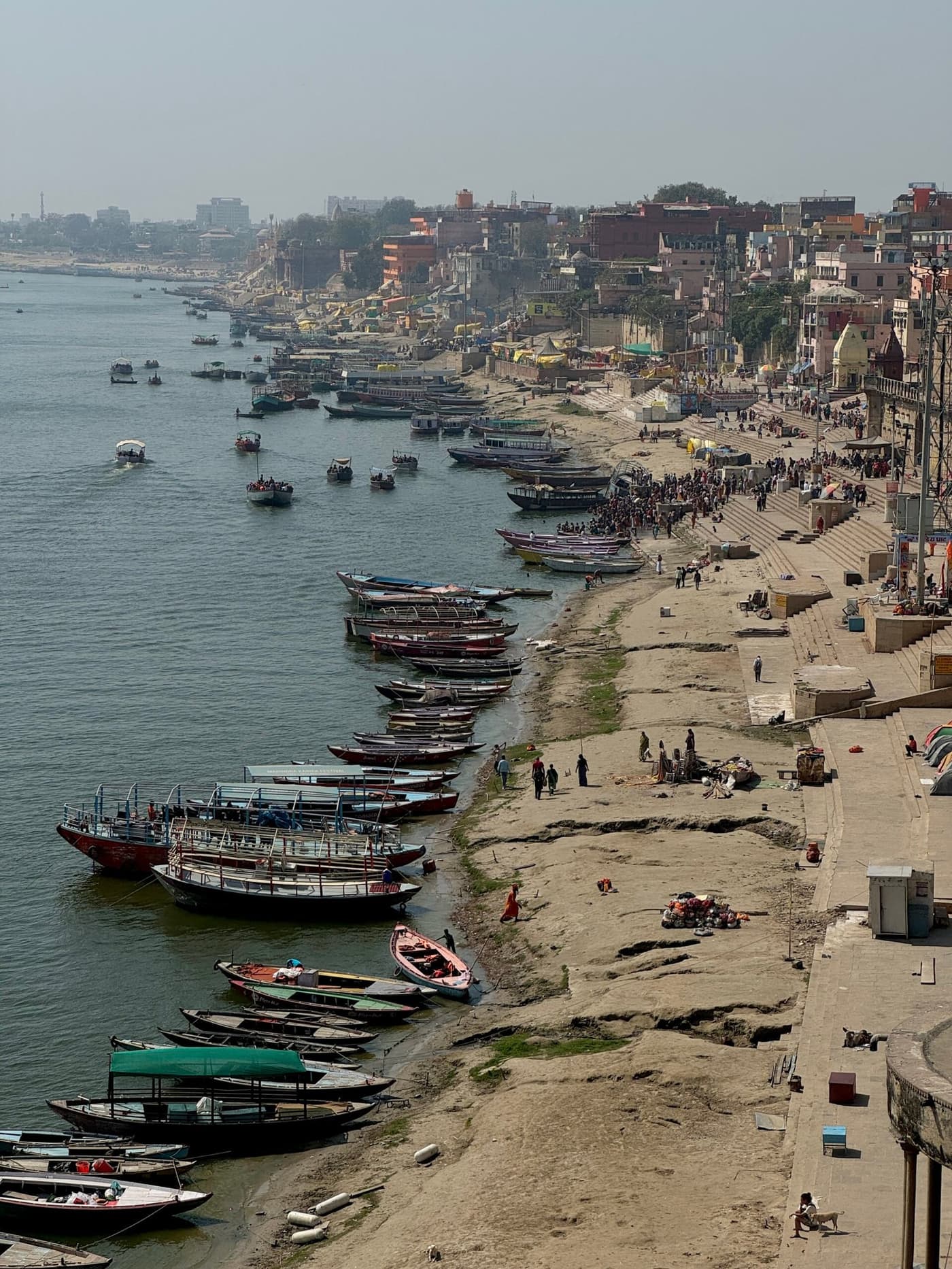
Why Varanasi is called the city of the dead and the city of death
Varanasi is a unique place where death is not separated from life. In the Hindu tradition, people believe that someone who dies in Varanasi and is cremated on the bank of the Ganges breaks free of samsara and is released from the cycle of rebirth. This ritual gives the soul moksha, eternal liberation. That is why Varanasi is called the city of the dead, or even the city of death.
The ghats are at the center of it all. Manikarnika Ghat and Harishchandra Ghat are the main cremation grounds. Funeral pyres burn here around the clock.
It can be hard for foreign travelers to understand how close death is to everyday life. But that is exactly what makes the city unique: every day hundreds of families come here to say goodbye to their loved ones, while life carries on all around.
Varanasi is a city where death is seen as a natural part of the journey rather than a tragedy.
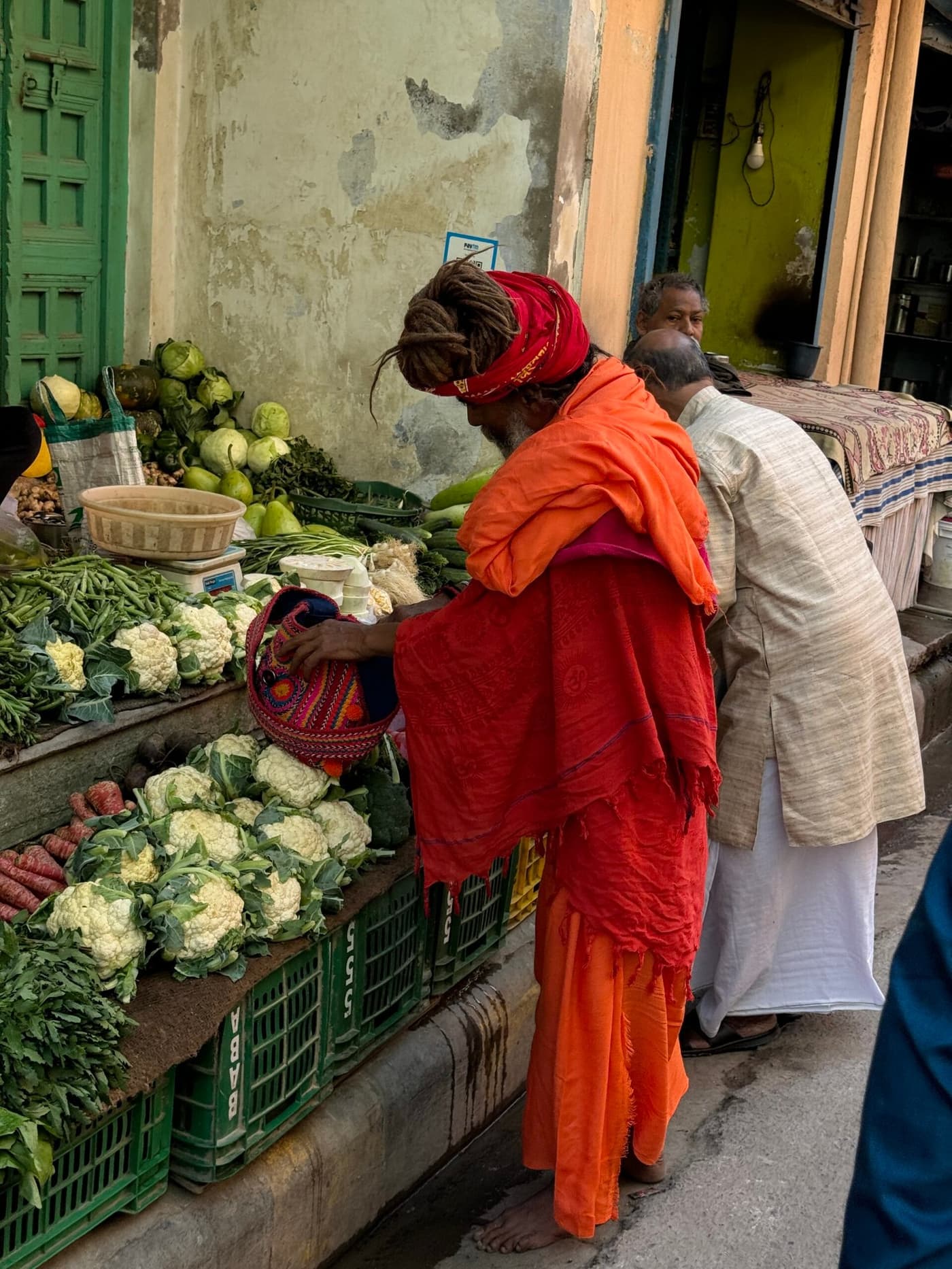
Varanasi: what awaits travelers and tourists
Varanasi is one of the most visited cities in India, and the flow of tourists keeps growing.
The Indian government is investing in infrastructure: roads are being repaired, train stations and the airport are being improved, and new hotels are opening. All of this is meant to make life easier for travelers. Maybe someday it will.
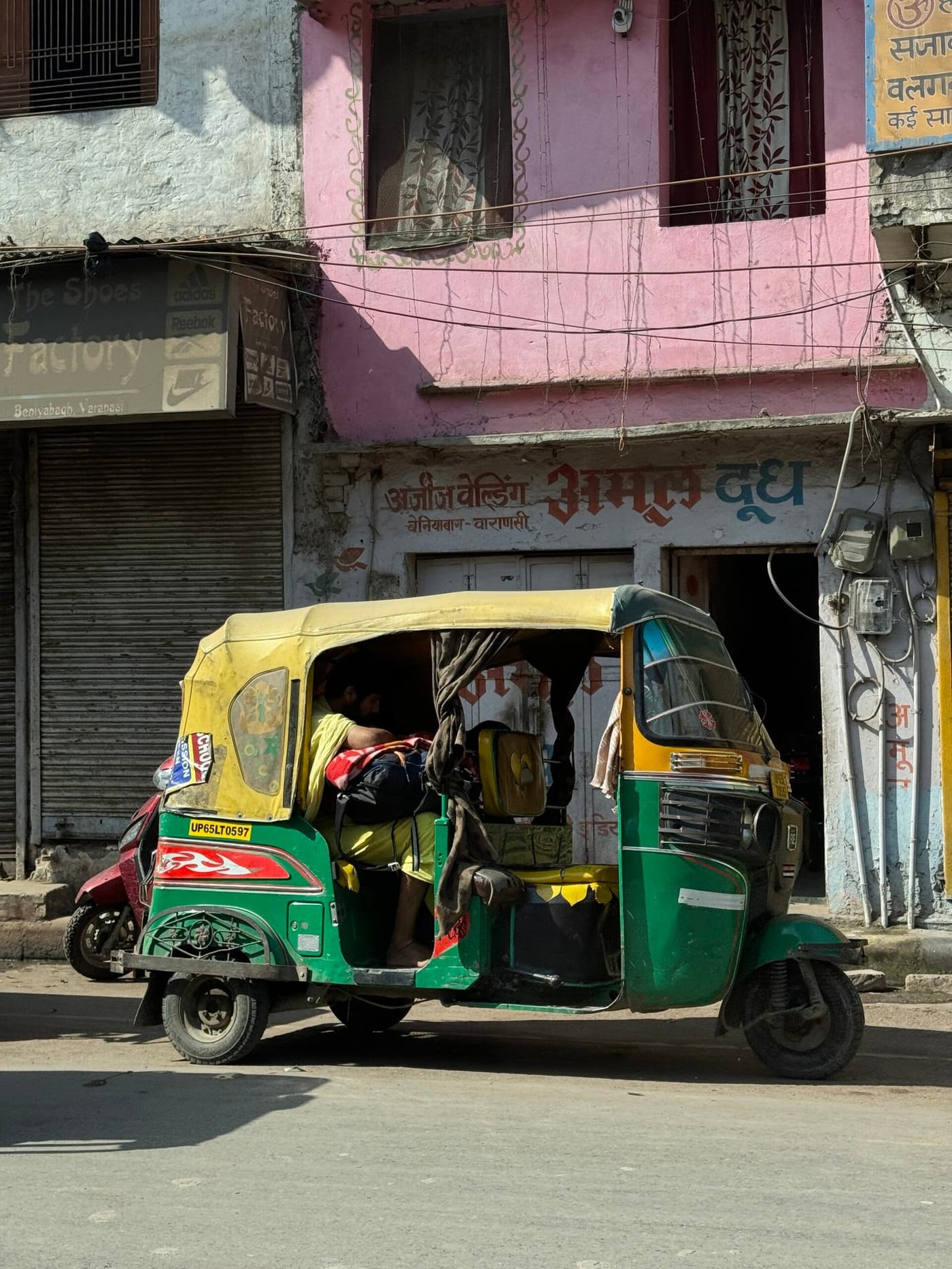
For now, Varanasi causes culture shock. There are crowds of people and animals in the streets, terrible traffic jams, not every taxi will take you, and the honking never ends. It is the loudest place I have ever been.
Besides pilgrims and tourists, you will meet all kinds of people on the streets, from meditating ascetics to local eccentrics. Varanasi drives you a little crazy: majestic temples stand next to chaos, dirt and a noise that does not die down day or night.
When planning a trip to Varanasi, it is important to understand that this is not only an ancient spiritual center but also one of the most "trashy" cities in India. But it is exactly this mix of antiquity and chaos that makes it unforgettable.
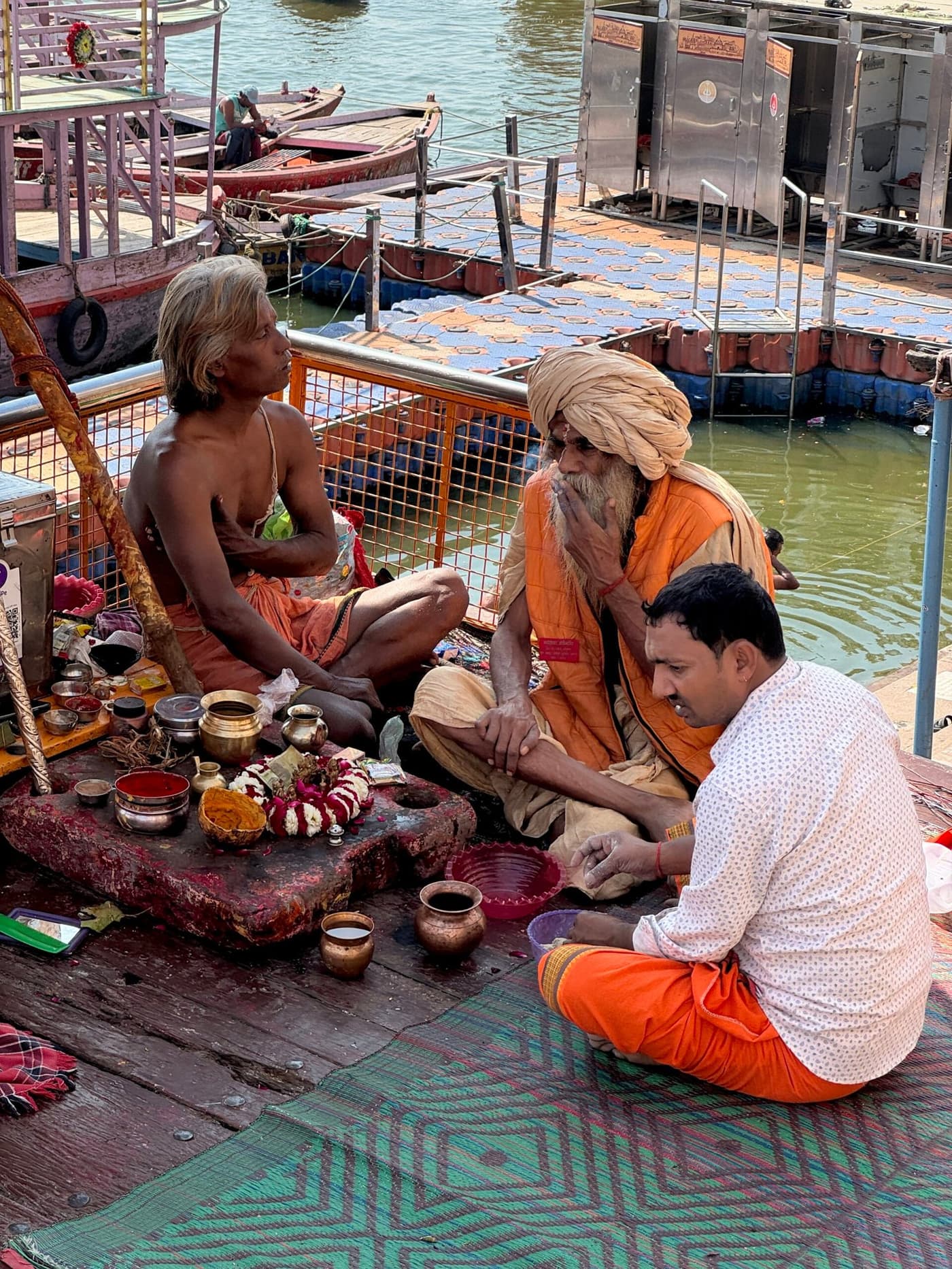
What to see in Varanasi
Varanasi is a city where every street and every ghat recalls a thousand years of history. There is definitely plenty to see and do here, and below I have collected the most popular activities and places in Varanasi.
Tour of the old town and the ghats
The best way to get to know Varanasi is to book a tour of the old town and the ghats with a local guide. You cannot figure it out on your own: the narrow lanes are tangled together, and everywhere there is noise, crowds and endless motorbikes. A guide will help you see the important places and explain the meaning of what is happening. You can book a tour on popular platforms like Klook or GetYourGuide, or find a guide in the city.
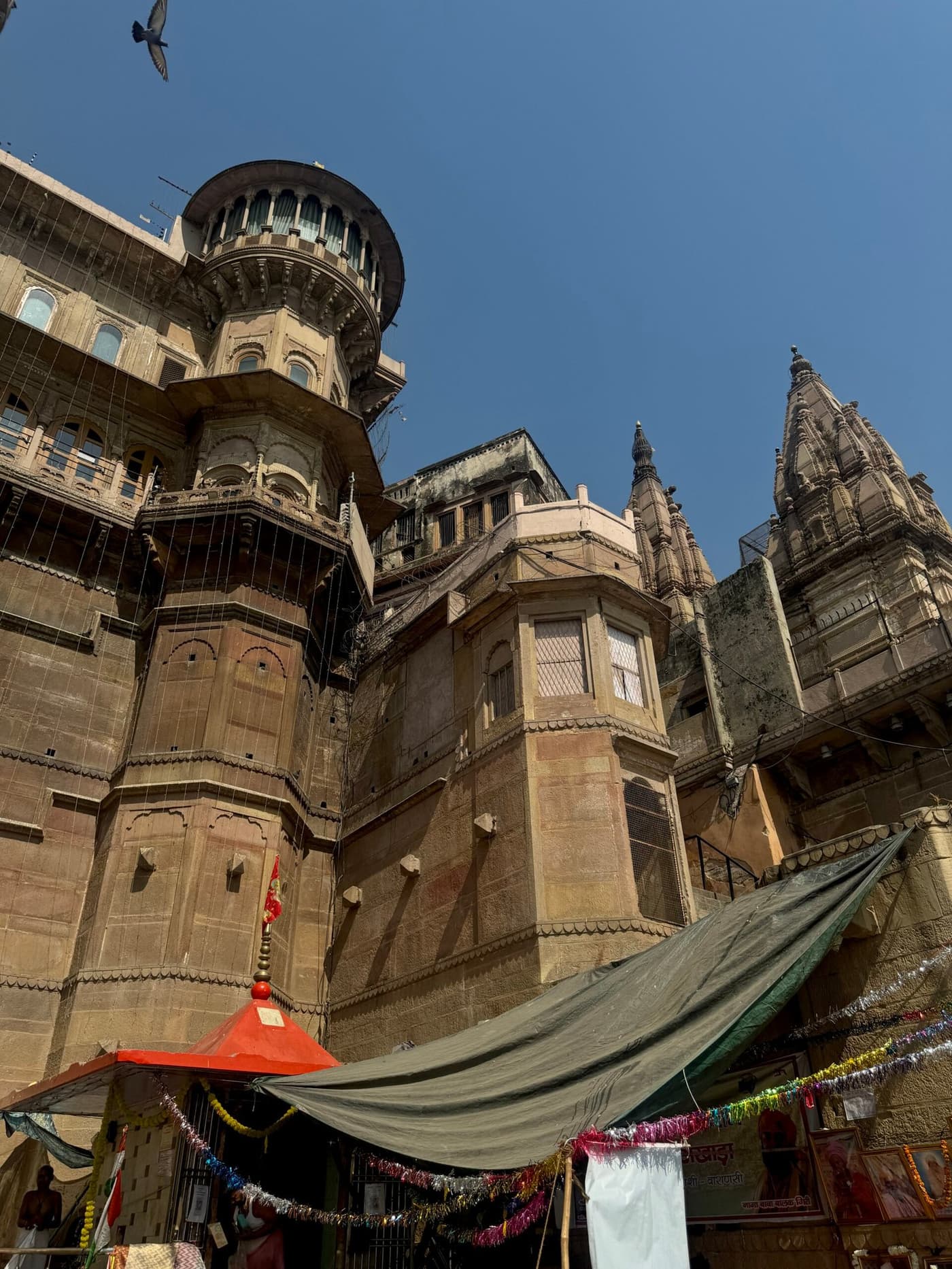
The ghats of Varanasi, the heart of the city
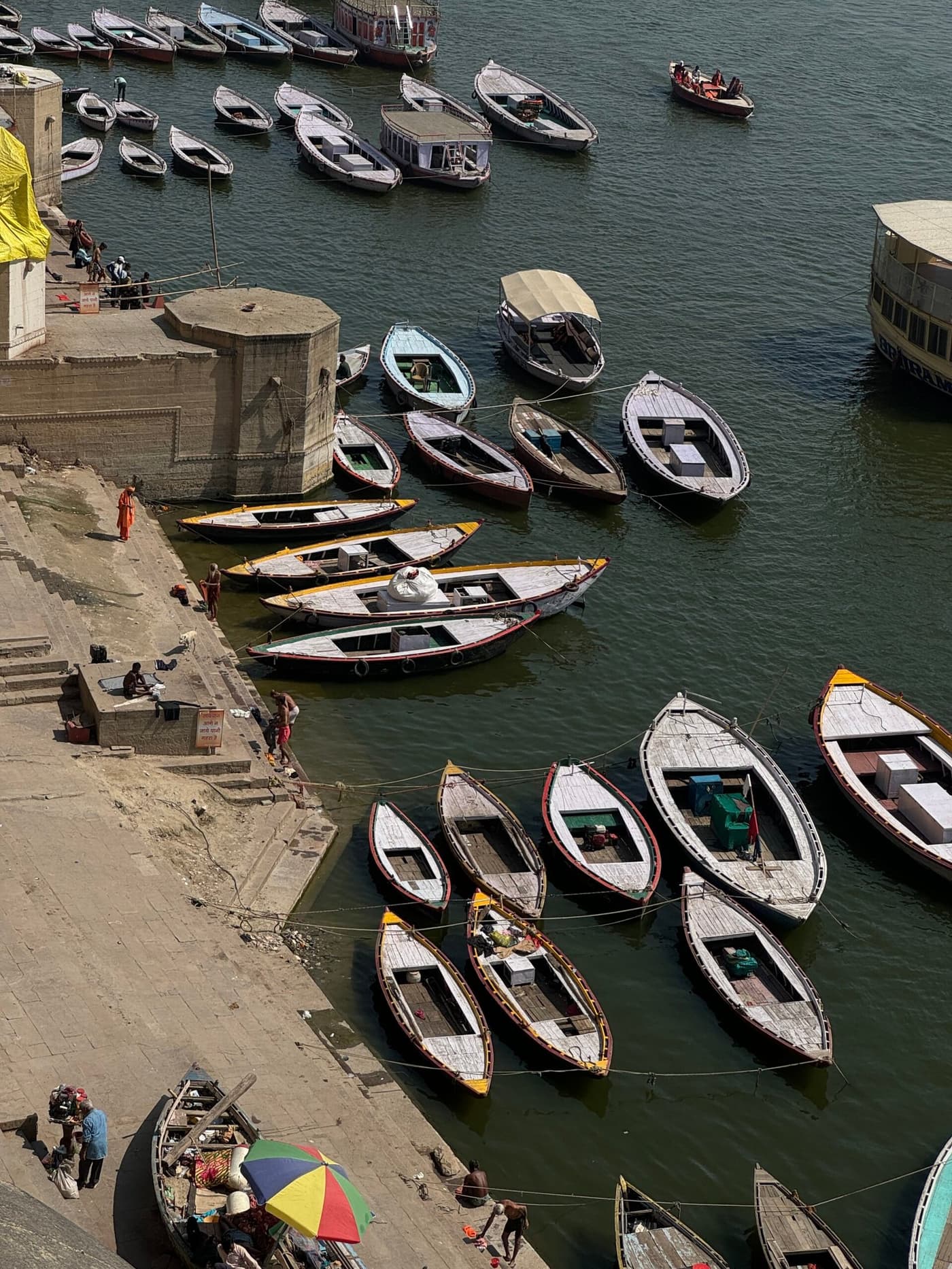
The brightest part of the city is its ghats, the steps leading down to the Ganges. There are more than eighty of them, and each one has its own meaning.
- Dashashwamedh Ghat is the busiest one, and the evening fire ceremonies take place here. The atmosphere is beautiful, but be ready for crowds and endless touts.
- Manikarnika Ghat is the main cremation ground. It is an impressive and heavy place at the same time. Tourists can watch the process from a certain distance.
- Harishchandra Ghat is another cremation site, less crowded but with the same ritual significance.
The Ganga Aarti ritual
Every evening the Ganga Aarti ceremony takes place at Dashashwamedh Ghat. Young Brahmins with fire lamps and chanting of mantras perform a ritual in honor of the sacred river. It is one of the most spectacular events, and hundreds of people gather here for it.
A boat ride on the Ganges
One of the best ways to see Varanasi is a boat ride on the Ganges. A morning or evening cruise shows the city from a different side: dozens of ghats, the smoke of funeral fires and the silhouettes of temples reflected in the water.
Temples of Varanasi
Varanasi is famous for its temples. The best known is Kashi Vishwanath, dedicated to the god Shiva. It is one of the twelve sacred jyotirlingas in India. The temple is considered a must for pilgrims.
There are other temples worth visiting too:
- Annapurna Temple is dedicated to the goddess of food.
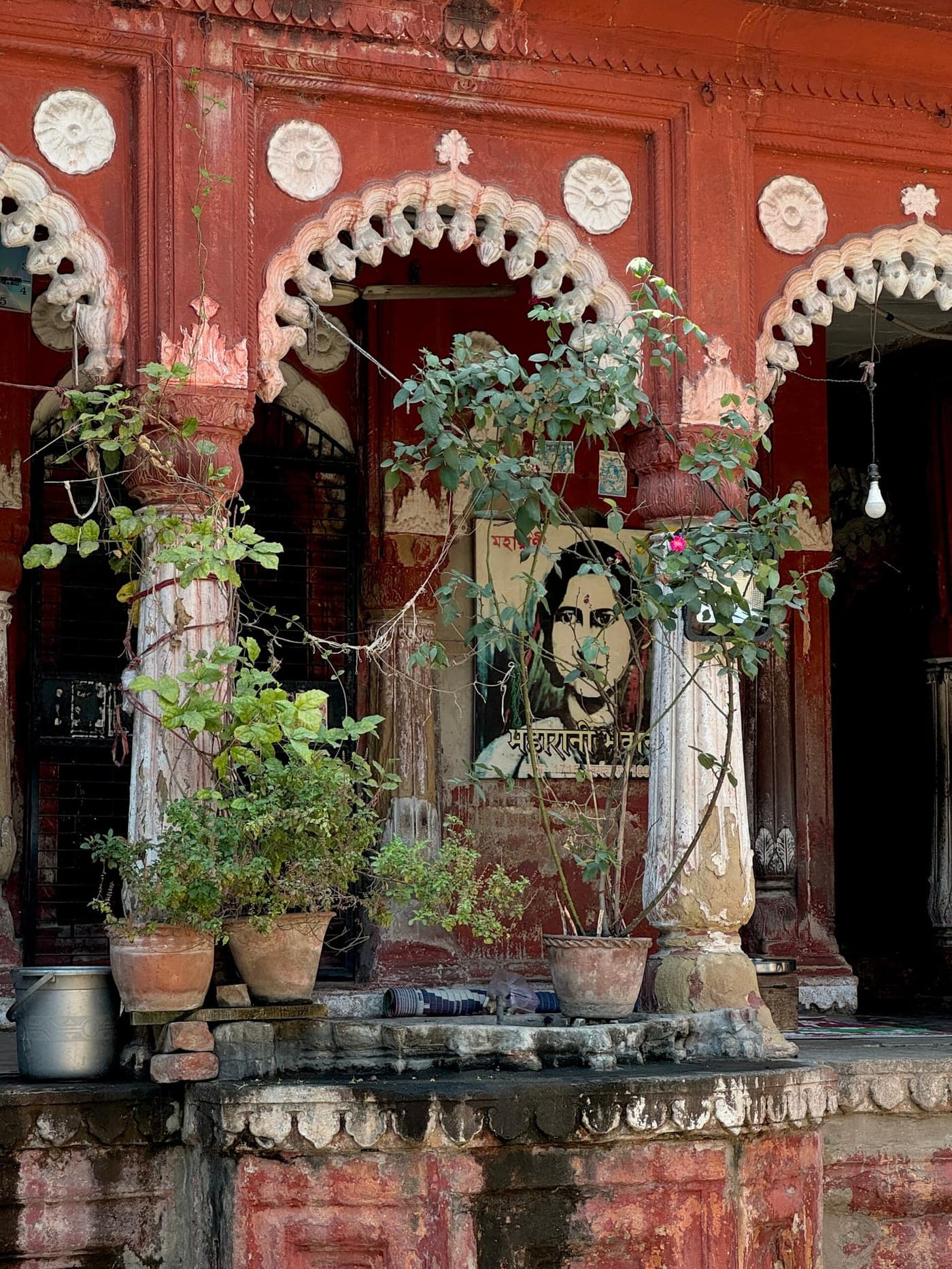
- Durga Temple stands out for its red architecture.
- Tulsi Manas Temple is linked to the epic Ramayana.
Visiting the temples is a spiritual experience, but Indian reality is still present here: queues, crushes of people, loud sounds. All of this is part of the city's atmosphere.
Sarnath, a Buddhist shrine near Varanasi
This small settlement, 10 km from Varanasi, is considered one of the main Buddhist centers in the world. It was here that the Buddha gave his first sermon after enlightenment. You can get to Sarnath in 20 to 30 minutes by taxi.
How to get to Varanasi
Varanasi is in the state of Uttar Pradesh, and it is easy to reach from India's biggest cities. The city is connected by air, rail and bus routes. But keep in mind that getting to Varanasi is a test not only for your body but also for your nerves. The roads are congested, trains can run late, and the streets are in real chaos with constant honking.
How to get to Varanasi from Delhi
Many trains run between Delhi and Varanasi, and the trip is very long, about 14 hours. There are daytime express trains that take 8 hours. If you do not want to spend the time, I recommend flying: the flight takes only 1.5 hours. Buses are also an option, but the road takes 14 hours as well and is tiring and exhausting.
How to get to Varanasi from Jaipur
You can get from Jaipur to Varanasi by train, but there are few direct routes and the trip takes about 15 hours. It is better to get to Delhi or Agra first and then fly or take a train from there.
How to get to Varanasi from Agra
The most convenient way is the train. Comfortable, fast express trains leave from Tundla station and reach Varanasi in 6 hours. You can also fly, but the flight usually goes via Delhi. There is a bus service too, but it is less comfortable. If you want to save time and energy, it is better to choose the train.
How to get to Varanasi from Mumbai
The distance between Mumbai and Varanasi is more than 1,500 km. The fastest and most comfortable way is to fly, which takes about 2 hours. A train trip can stretch to 24 hours or more. There are buses too, but very few people choose them.
I filmed how we traveled around India for YouTube. Enjoy watching!
Varanasi FAQ: frequently asked questions
When is the best time to go to Varanasi?
The best season is October to March. In autumn there is less rain, and winter is fairly cool and comfortable for walking. In summer the heat becomes unbearable, especially combined with the humidity.
Can you take photos on the ghats, especially of cremations and ritual bathing?
It is a sensitive subject, and the answer is often no. Locals do not allow photos without permission, especially during rituals. But sometimes they allow it in exchange for a donation.
Is Varanasi dangerous for tourists?
The city is expressive, chaotic and frightening for a first trip to India. Do not expect calm. The city is loud and does not go quiet day or night, but there are no violent crimes, only petty theft and pickpockets at most.
How do you get to Varanasi from the airport?
The airport is outside the center. It is better to take an Uber, because rickshaw drivers often try to overcharge you.
What is worth visiting near Varanasi?
Sarnath, without question. It is about 10 km from the city. This is the place of the Buddha's first sermon and an important Buddhist shrine, home to the Dhamek Stupa and an archaeological museum.
Which ghat is the most impressive?
The most popular is Dashashwamedh Ghat, especially in the evening during the Ganga Aarti ceremony. The ghat is full of energy, lights and mantras, but also of people, which leads to chaos.