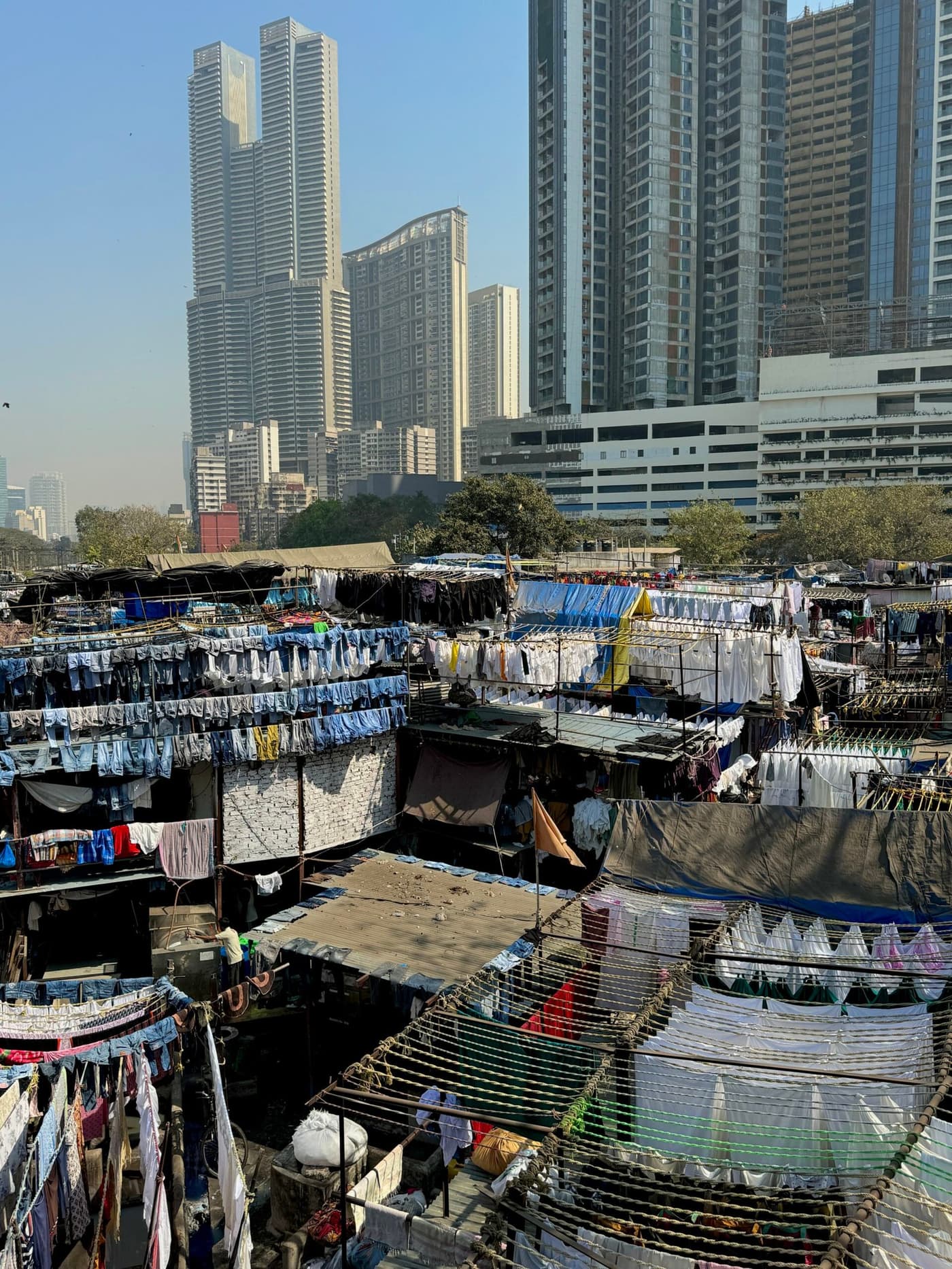
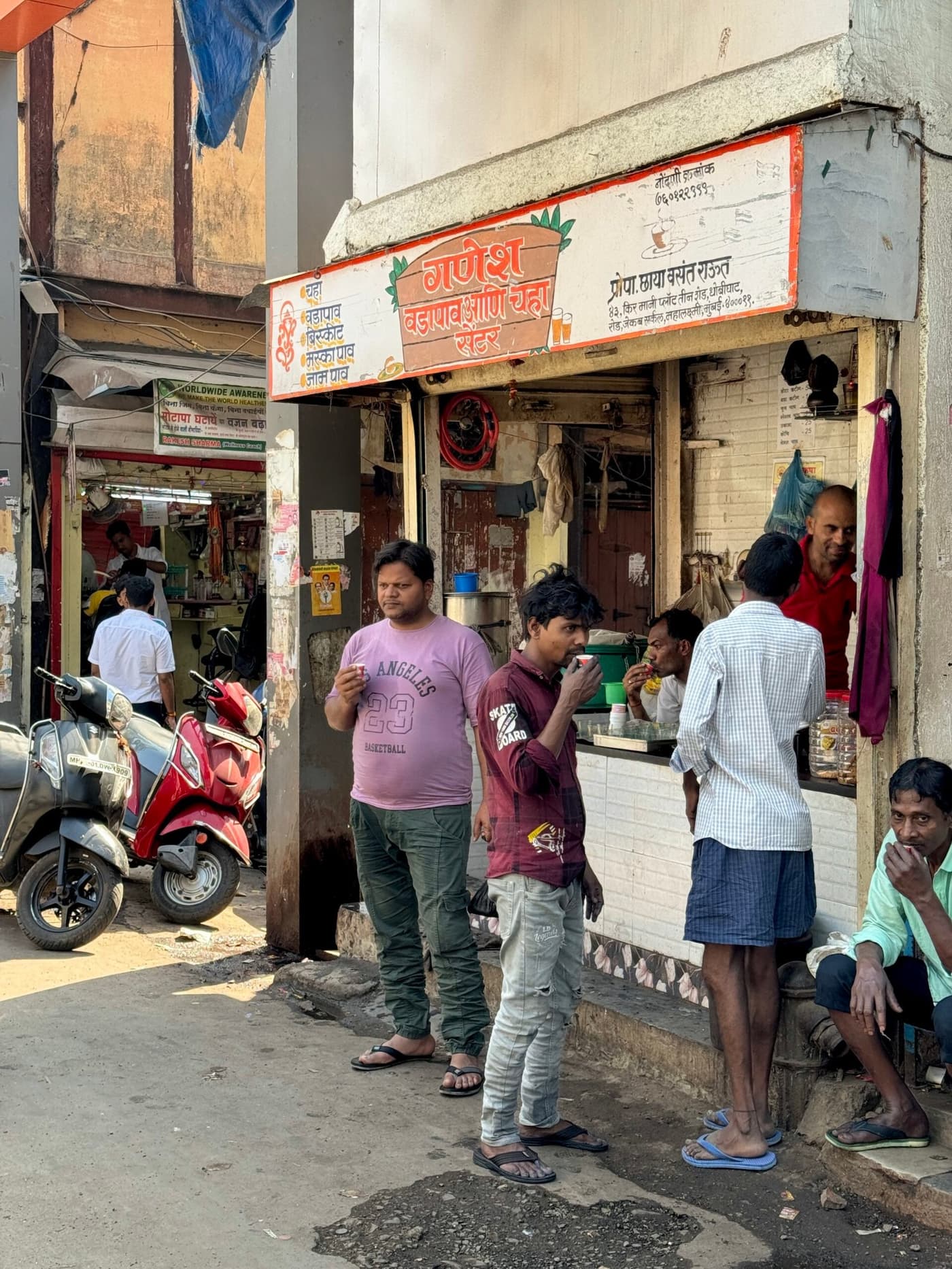
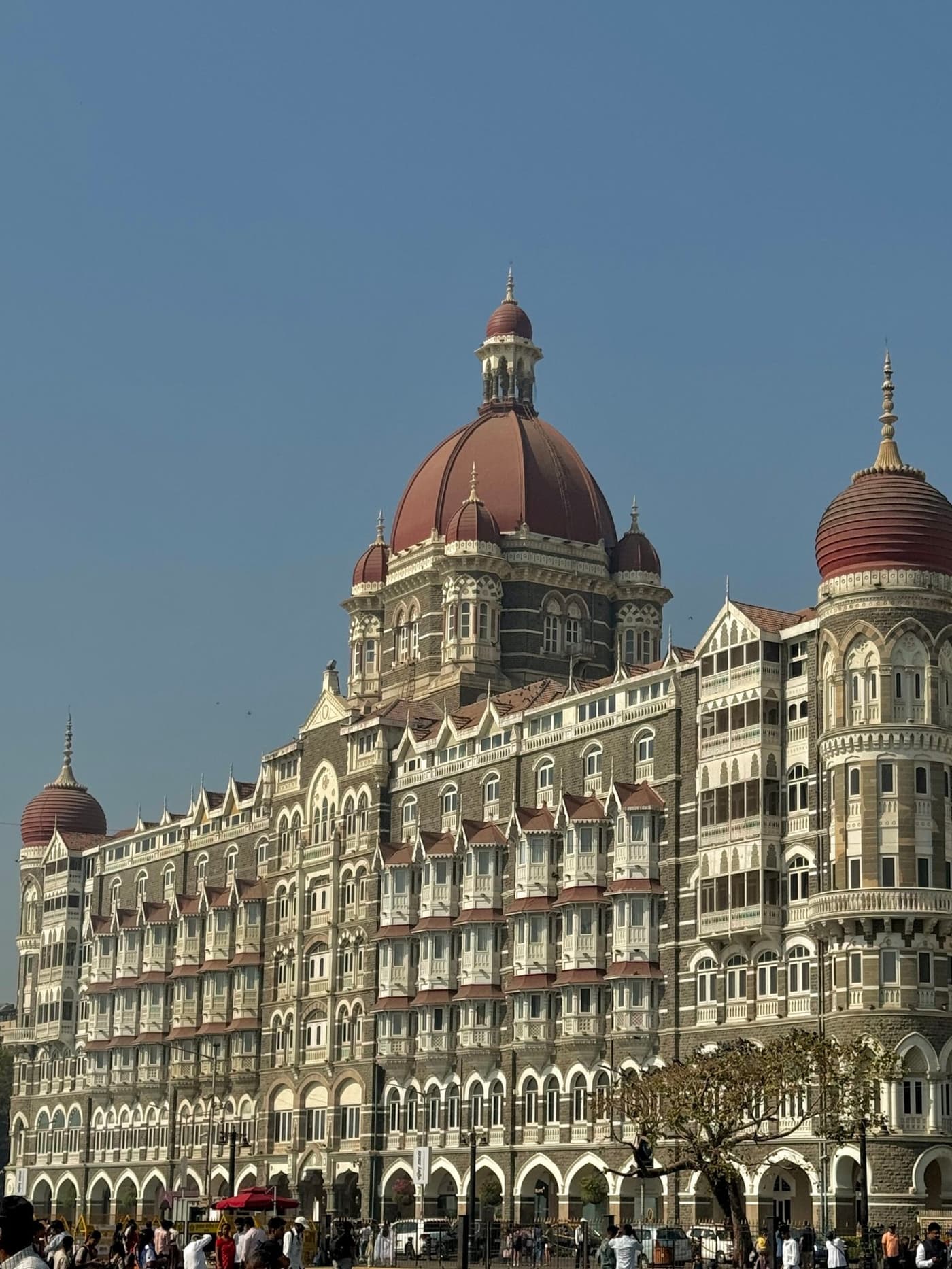
Mumbai is India's biggest metropolis, where historic quarters sit next to modern business centers and colorful markets stand beside luxury hotels. Choosing the right area matters: it affects not only your comfort and safety but also your overall impression of the city. In this article I break down which areas are good for living and vacationing, and which ones are better avoided.
Mumbai and its neighborhoods at a glance
Mumbai is a true metropolis where the modern and the historic are woven together, and each area has its own architecture and atmosphere. Let's look at how the city is laid out and why understanding its neighborhoods matters for a comfortable stay or trip.
Main areas on the map: South Mumbai and the suburbs
Mumbai consists of two administrative districts: Mumbai City District, also called Island City or South Mumbai, and Mumbai Suburban District.
- South Mumbai — the historic center. It is home to the main sights, business centers, colonial architecture and some of the most expensive residential areas in India.
- Suburban District (the suburbs) — includes the areas from Bandra to Dahisar and Mulund, covering both the Western and Eastern suburbs.
To find your way around Mumbai, it helps to know how the city is divided geographically and administratively. That understanding will help you pick a good place to stay and avoid possible risks.
Size and population
South Mumbai covers about 68 km² and is densely populated, with a lot of historic buildings. It is rich in architecture, with cultural landmarks, museums and offbeat shops. Its atmosphere is captivating, but living here is expensive.
The Suburban District is much bigger, roughly 370–446 km², with plenty of residential and green areas. The suburbs offer more spacious housing, convenient infrastructure (schools, green spaces, transport) and often lower prices, especially in recently developed and fast-growing areas.
Where to stay in Mumbai as a tourist
The best area to stay in Mumbai on a trip depends on how long you will be there, what you want from the trip, your budget and the atmosphere you are after. The city has historic areas with a rich cultural life as well as modern neighborhoods with trendy restaurants and nightclubs. Below is an overview of the best places for tourists.
South Mumbai — for history and architecture lovers
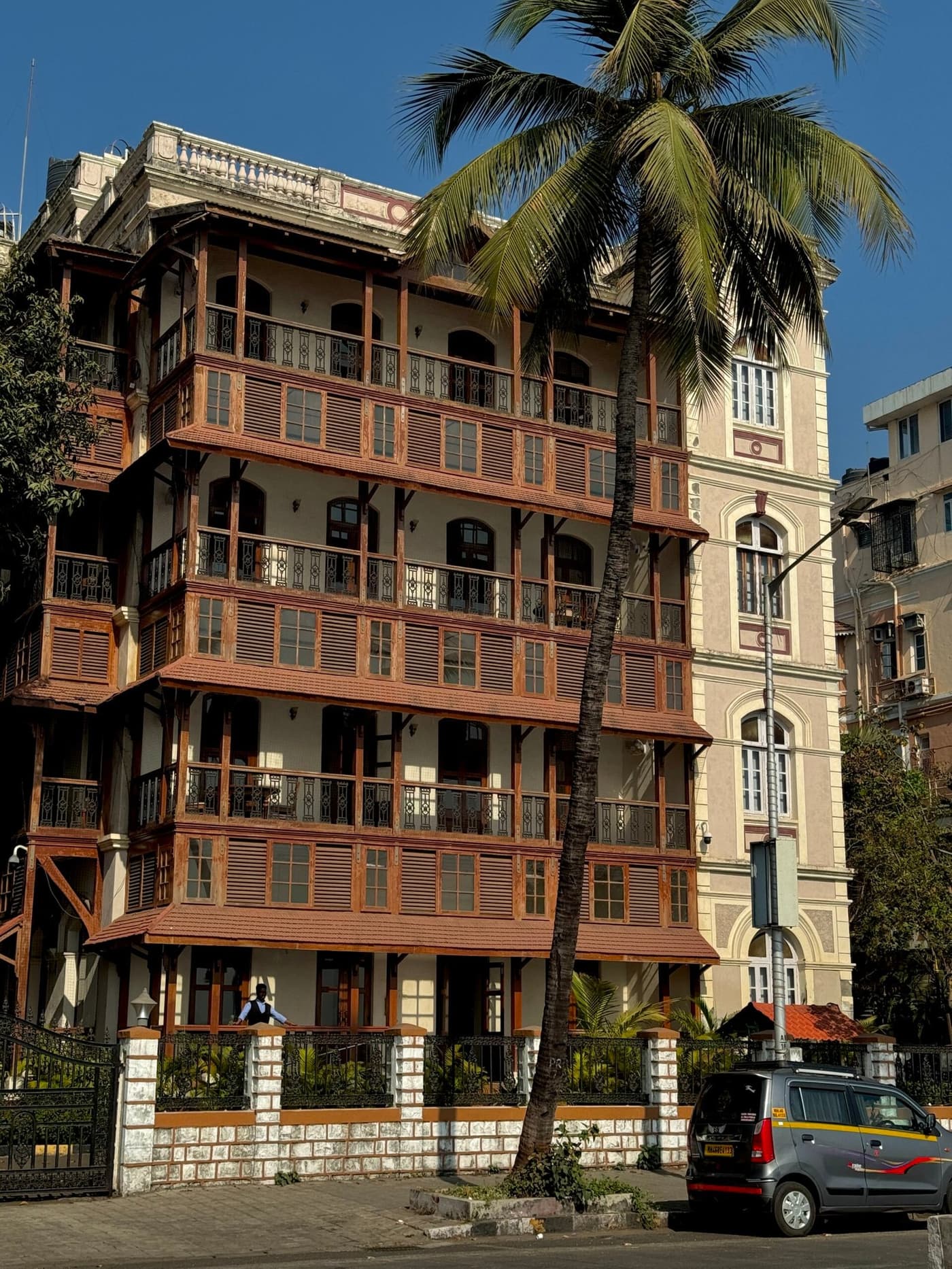
South Mumbai is the heart of the city and the center of its cultural life. The Gateway of India, the Prince of Wales Museum, Marine Drive and colonial Art Deco buildings are all here. The area is great for walking, and most of the sights are within walking distance.
Colaba — the tourist hub
Colaba is one of the most popular areas with travelers. It has lots of hotels, cafés, markets and art galleries. Colaba Causeway is known as the place to find souvenirs, antiques and jewelry. The area is well guarded and easy to get around on foot. If you are only in town for a short time, I recommend staying in Colaba or Fort.
Fort — a business and cultural hub
Fort is the place for anyone who wants to see architectural landmarks. It has beautiful architecture and plenty of good restaurants. The UNESCO-listed Chhatrapati Shivaji station is right nearby. The vibe is much like Colaba's, but with fewer crowds and quieter evenings, so it suits those who value peace and quiet.
Bandra — fashion and nightlife
Bandra is a modern, trendy area known for designer boutiques, contemporary restaurants and stylish bars. Wealthy locals live here, so there is less local color, but you will find plenty of coffee shops and good restaurants. The downside: to reach the main sights you will need to take a taxi or public transport.
Juhu — a beach getaway
Juhu is an area with one of Mumbai's best-known beaches. It has many resort hotels, cafés with sunset views and promenades. It suits those who want to combine the city's pace with time by the sea.
Where to live in Mumbai long term
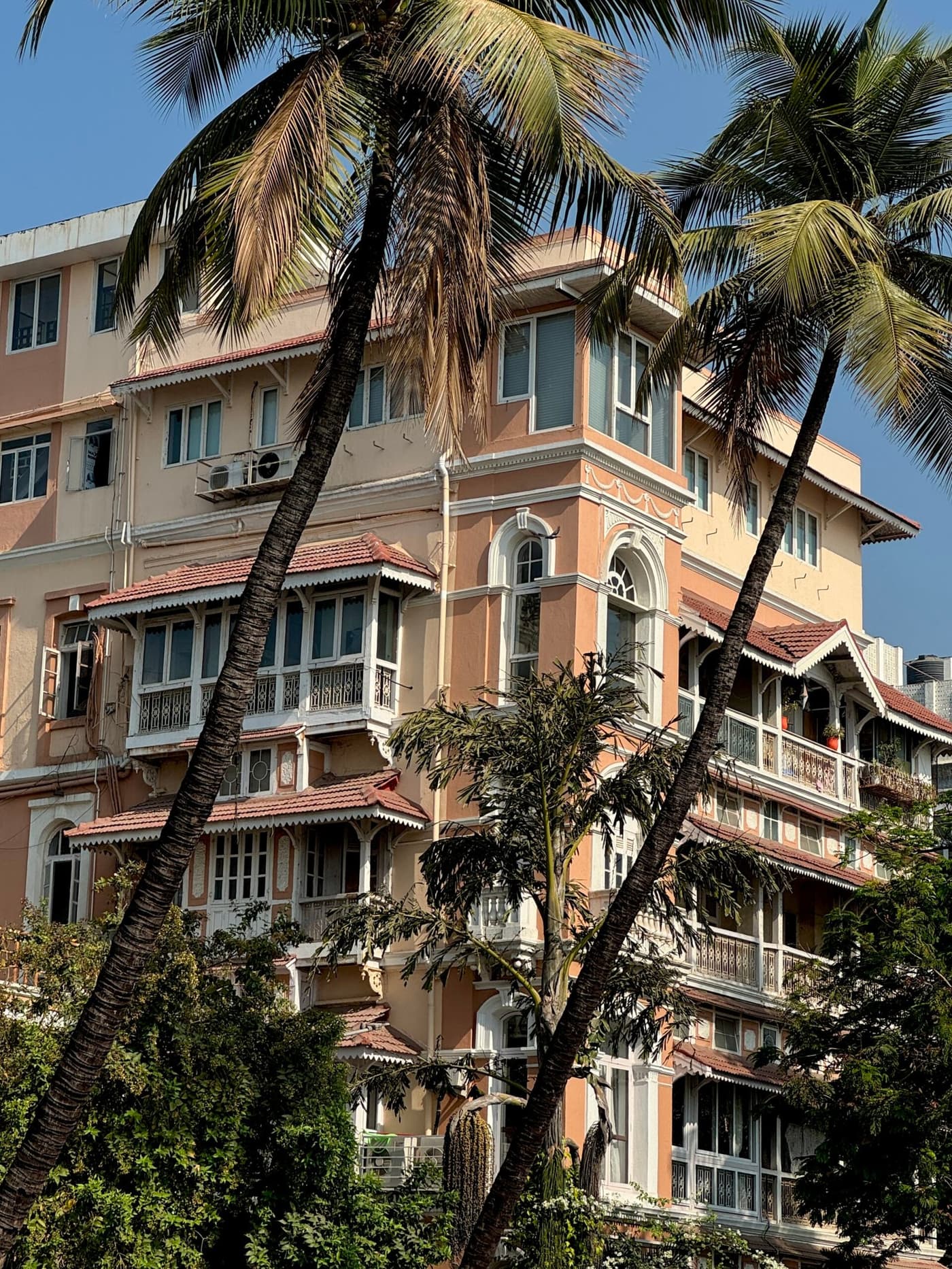
Mumbai truly is a city of contrasts, like any city in India. Areas differ not only in housing prices but also in lifestyle. For a long-term stay, consider safety, access to transport, proximity to work or school, and the availability of schools, parks and shops.
Areas for families with children
- Malabar Hill — an upscale, quiet area with green squares and prestigious schools. One of the safest in the city.
- Powai — a modern residential area with a large lake, parks, shopping malls and playgrounds. It has many gated residential complexes with security.
- Bandra West — combines good infrastructure with proximity to international schools.
Quiet and safe neighborhoods
- Breach Candy — a quiet residential area with limited traffic and sea views.
- Worli — a business and residential center with modern high-rises, good transport links and a minimal level of street crime.
Affordable areas for renting
- Andheri East — a well-developed transport network, a metro, and a mid-range rental market.
- Goregaon — more affordable prices with convenient access to business districts and parks.
- Chembur — handy for people who work in the central areas but want to pay less for housing.
Dangerous areas in Mumbai: places to avoid
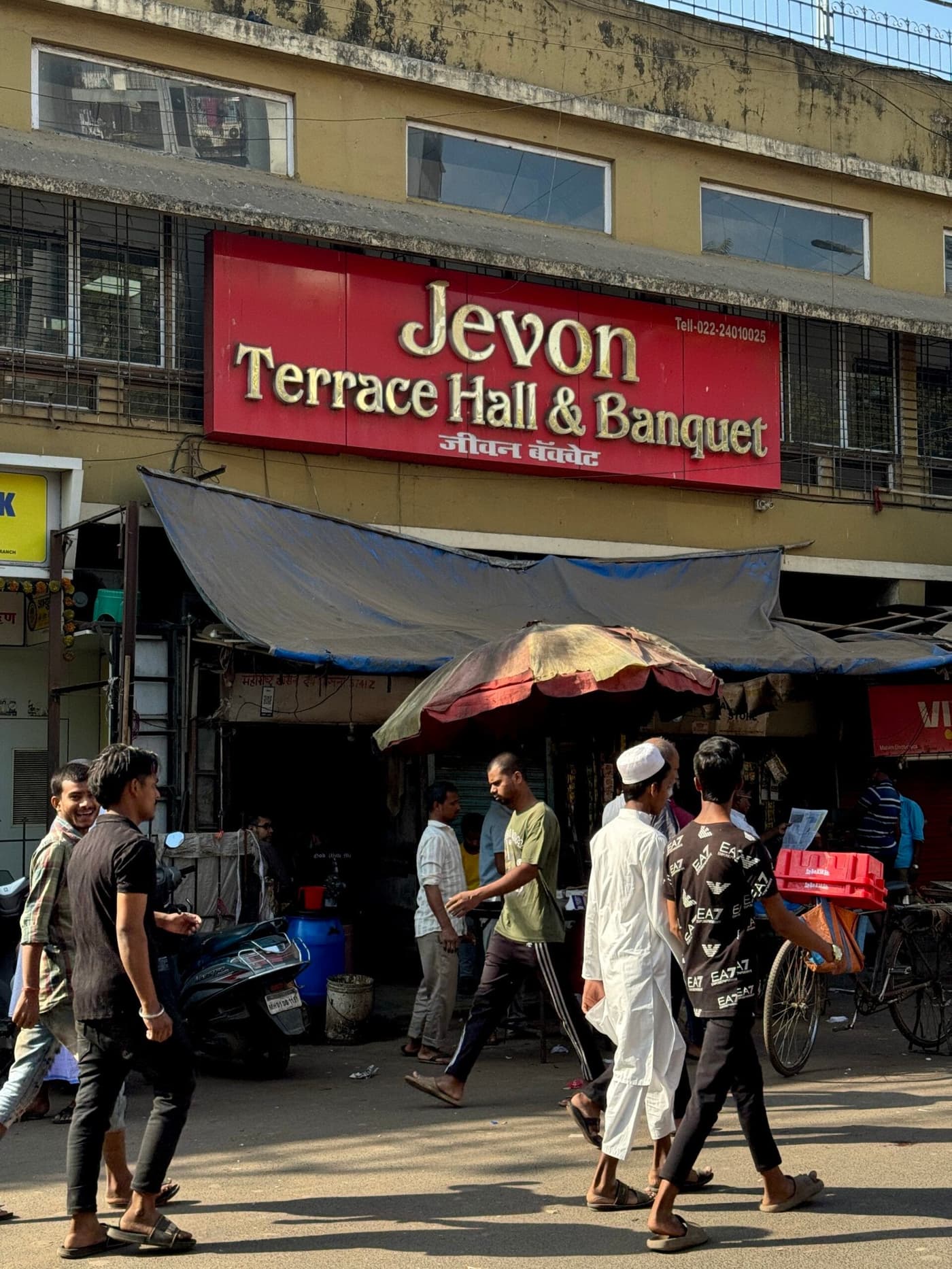
As in any big city, Mumbai has areas that tourists and new residents are better off not visiting without good reason. The danger may come not only from crime but also from poor sanitation, unbearable noise and excessive attention that can be seriously annoying.
Dharavi — one of Asia's largest slums
Dharavi is a densely populated area with more than a million residents living on less than 3 km². Life is buzzing here and small-scale industry is thriving, but infrastructure and sanitary conditions leave a lot to be desired.
Tourists visit Dharavi on guided tours to see how plastic recycling workshops, tanneries and small bakeries work. Walking here is quite safe during the day, especially with a guide who can help you better understand the history and life of the area.
There is little point in going alone: you are unlikely to understand how the area works, and there is a fair chance of getting lost among the narrow alleys. If you want to visit Dharavi, choose daylight hours, respect the privacy of local residents and use an experienced guide. I wrote about how we visited the Dharavi slum in a separate article.
Industrial and port zones
Areas around old industrial districts and port terminals (for example, some parts of Dockyard Road and Sewri) are not meant for walking or leisure. There is a lot of freight traffic, warehouses and restricted-access zones.
Unsafe areas at night
In some areas, especially on the outskirts, pickpockets and street scammers can be around at night. In addition, India is known for a high number of rapes, so women are advised not to go out alone after dark. Such zones include parts of Kurla, Govandi and Mankhurd.
Safety tips:
- Avoid poorly lit streets and empty side alleys after sunset.
- Use official taxis or apps such as Uber and Ola.
- If you plan a walk in a non-tourist area, it is better to go during the day and with a local or a guide.
Which part of Mumbai should I stay in?
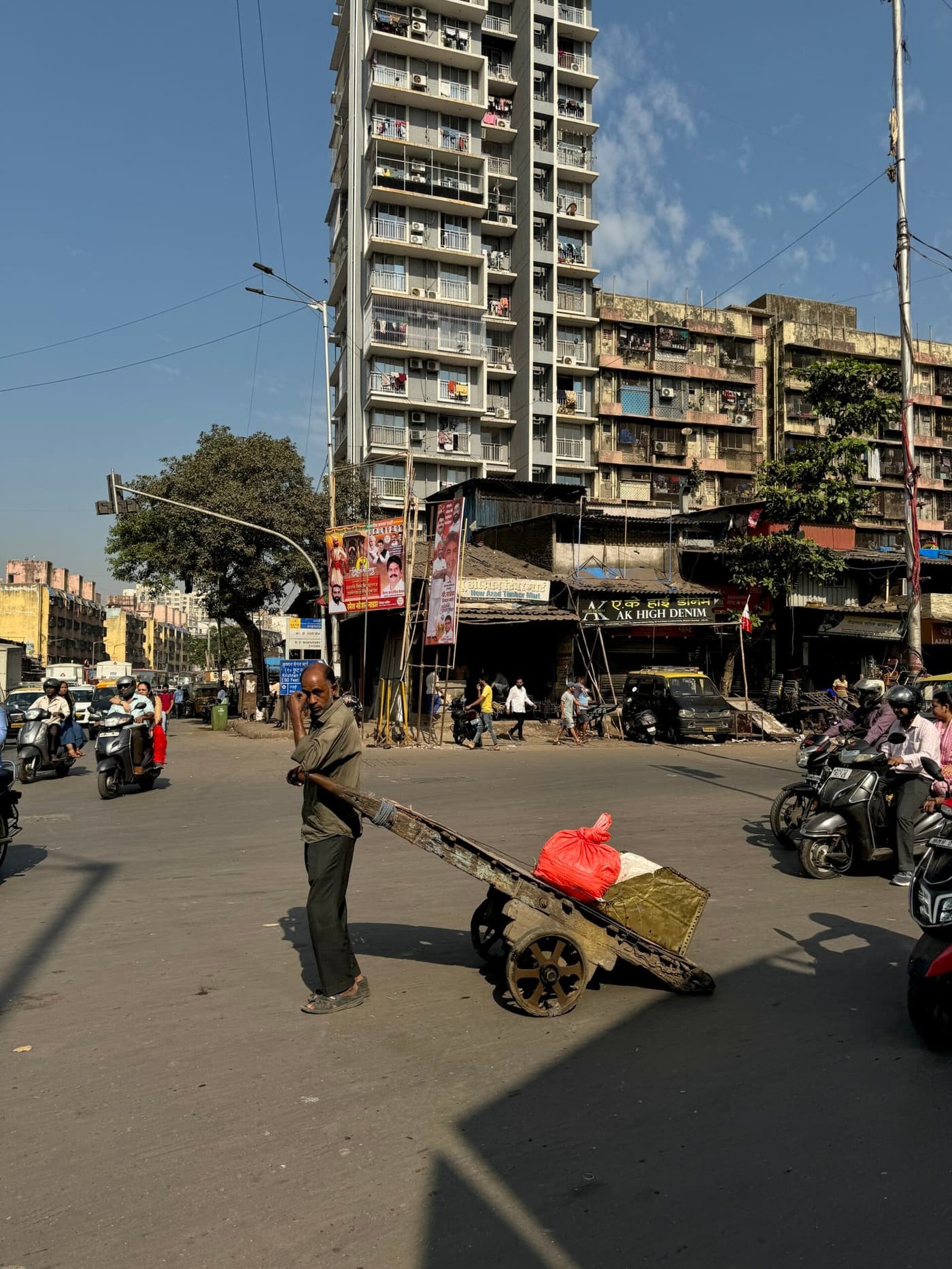
The right area in Mumbai depends on why you came, how much you are ready to spend on accommodation, and how much you value quiet, proximity to the sights or to business centers.
If it is your first time in Mumbai and you want to experience the city in all its glory, pick an area in Colaba or Fort. It is great for walking and the main sights are concentrated here, but book your accommodation in advance, since prices are higher and the good options go quickly.
I filmed how we traveled around India for YouTube. Enjoy watching!
Frequently asked questions about Mumbai's neighborhoods
How safe is Mumbai for a tourist?
Tourist areas such as Colaba or Fort are reasonably safe. Still, keep pickpockets in mind and stay alert at markets and in crowded places.
Where is the best place to live in Mumbai?
- Malabar Hill — an upscale, quiet area with parks and sea views.
- Powai — a modern residential area with a lake, green spaces and good infrastructure.
- Bandra West — a trendy area with cafés, shops and proximity to international schools.
- Worli — a mix of a business center and comfortable housing.
- Juhu — an area by the beach, suited to a relaxed stay.
- Andheri — a well-developed transport network and a variety of housing at different price levels.
Where is the backpacker area in Mumbai?
Colaba is one of the most popular areas for budget travelers. It has plenty of inexpensive hotels, hostels, street cafés and markets. The area is good for walking and well suited to anyone traveling light.
Why go to Colaba?
Colaba is Mumbai's tourist center, with a rich history and atmosphere. Architectural landmarks, markets, cafés, museums and the waterfront are all here. It is an ideal place for walks and getting to know the city.
What are the most popular beaches in Mumbai?
- Juhu Beach — known for its sunsets and lively atmosphere.
- Girgaon Chowpatty — a beach in South Mumbai, often used for festivals.
- Aksa Beach and the beaches on Manori island — more secluded spots for a quiet getaway.