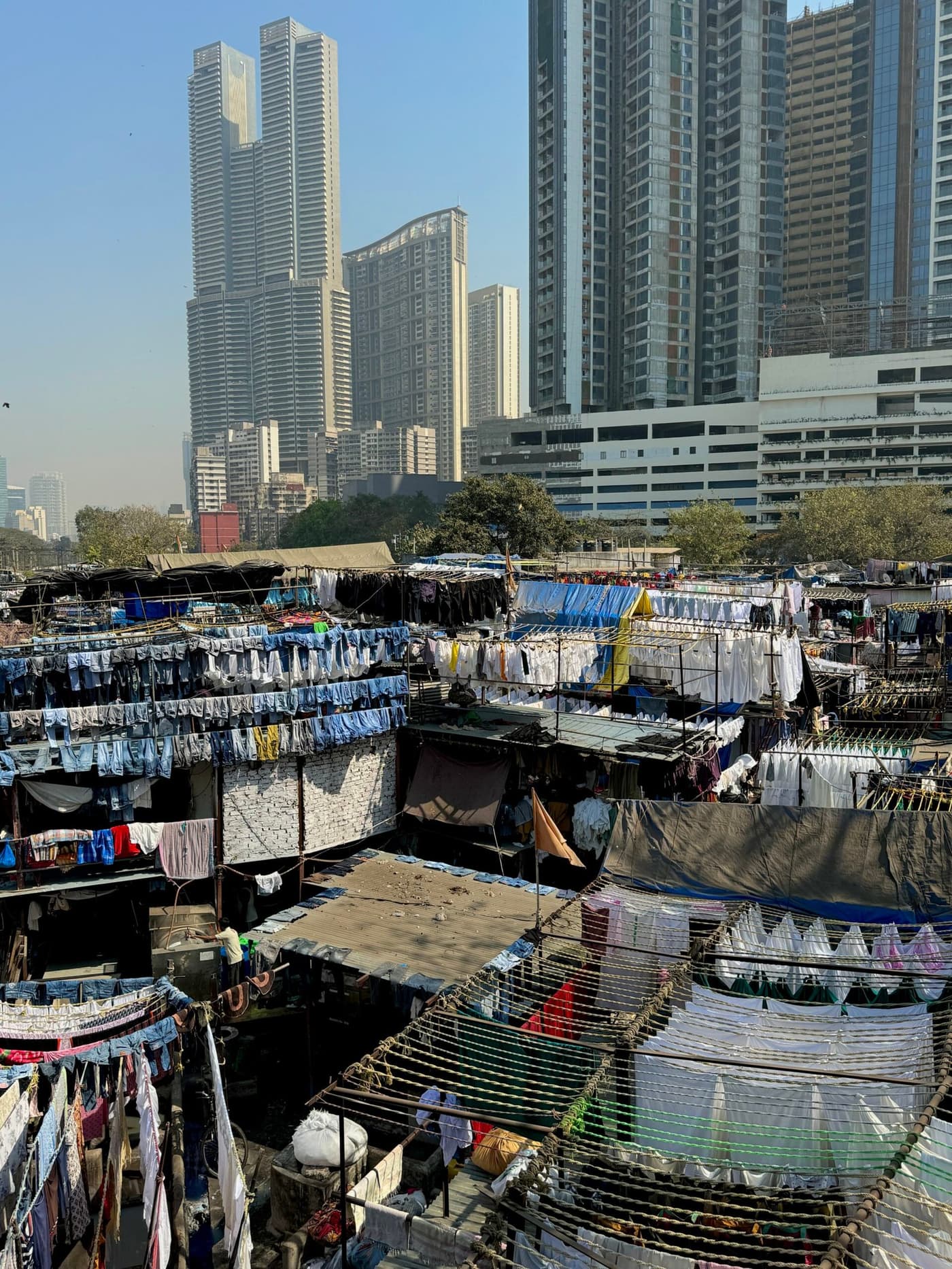
Mumbai is India's financial capital, a city of contrasts where luxury skyscrapers stand next to cramped shacks. Right in the middle of Mumbai lies Dharavi, the largest slum area not only in India but, according to UN estimates, one of the most densely populated places in the world.
When people talk about the slums of India, they usually mean Dharavi. Yet behind the visible poverty there is a whole ecosystem, with its own markets, workshops, schools, mosques and cafes.
We visited Dharavi, and in this article I'll tell you how life works in the slums of Mumbai. I want to show Dharavi not only as a symbol of poverty, but also as a place full of life, hard work and remarkable resilience.
What Is Dharavi: A Slum District in the Heart of Mumbai
Dharavi is a slum district in the very center of Mumbai, the largest city in India. Despite its modest size of about 2.4 square kilometers, Dharavi is considered one of the most densely populated slums in the world. Estimates vary, but somewhere between 700,000 and over a million people live here.
The history of Dharavi begins in the late 19th century. The area took shape on marshy land where workers and migrants who could not afford to live in the official neighborhoods settled. Over time, informal settlements appeared here with no central water supply, sewage system or garbage collection. Yet residents built their own infrastructure: they put up homes, opened workshops and created their own markets.
Today Dharavi is divided into many smaller neighborhoods, often along ethnic and religious lines. Muslims, Hindus and Christians live here, along with people from many different communities of India, from Tamils to Gujaratis. Each section has its own atmosphere, shaped by the traditions, crafts and culture of that particular community.
It's important to understand that Dharavi is not just a slum in the classic sense. It is a full-fledged city district where people live, work, study and build their futures. Despite the density, the daily hardships and the limited resources, it remains one of the most resilient and economically active areas of Mumbai.
Life in the Slums of India
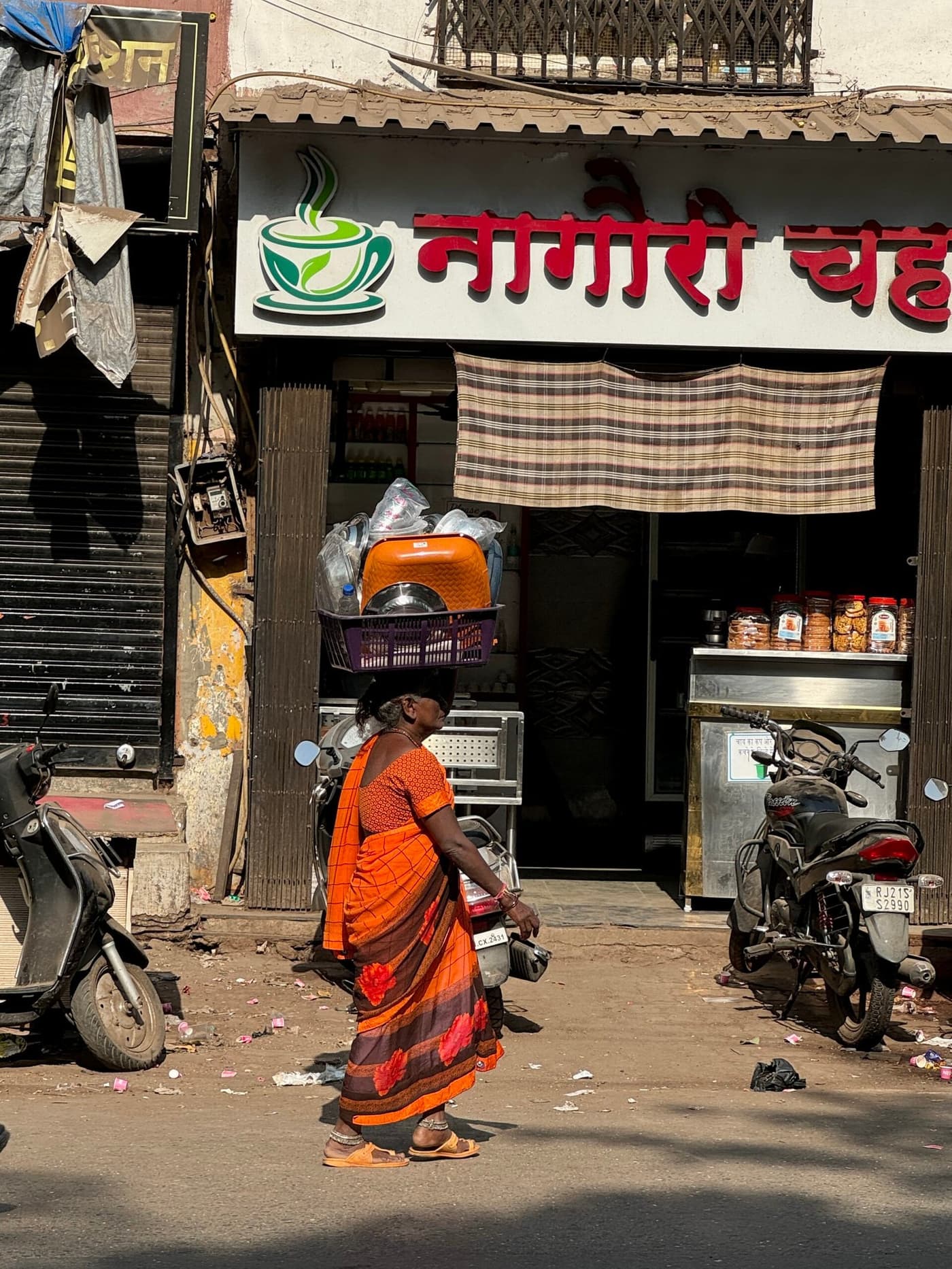
Life in India's slums rarely makes it into tourist brochures, but it is here that one of the most honest sides of modern India is revealed. In Dharavi, as in many other slum areas of Mumbai, millions of people face challenges every day that are hard to imagine in the more prosperous parts of the city.
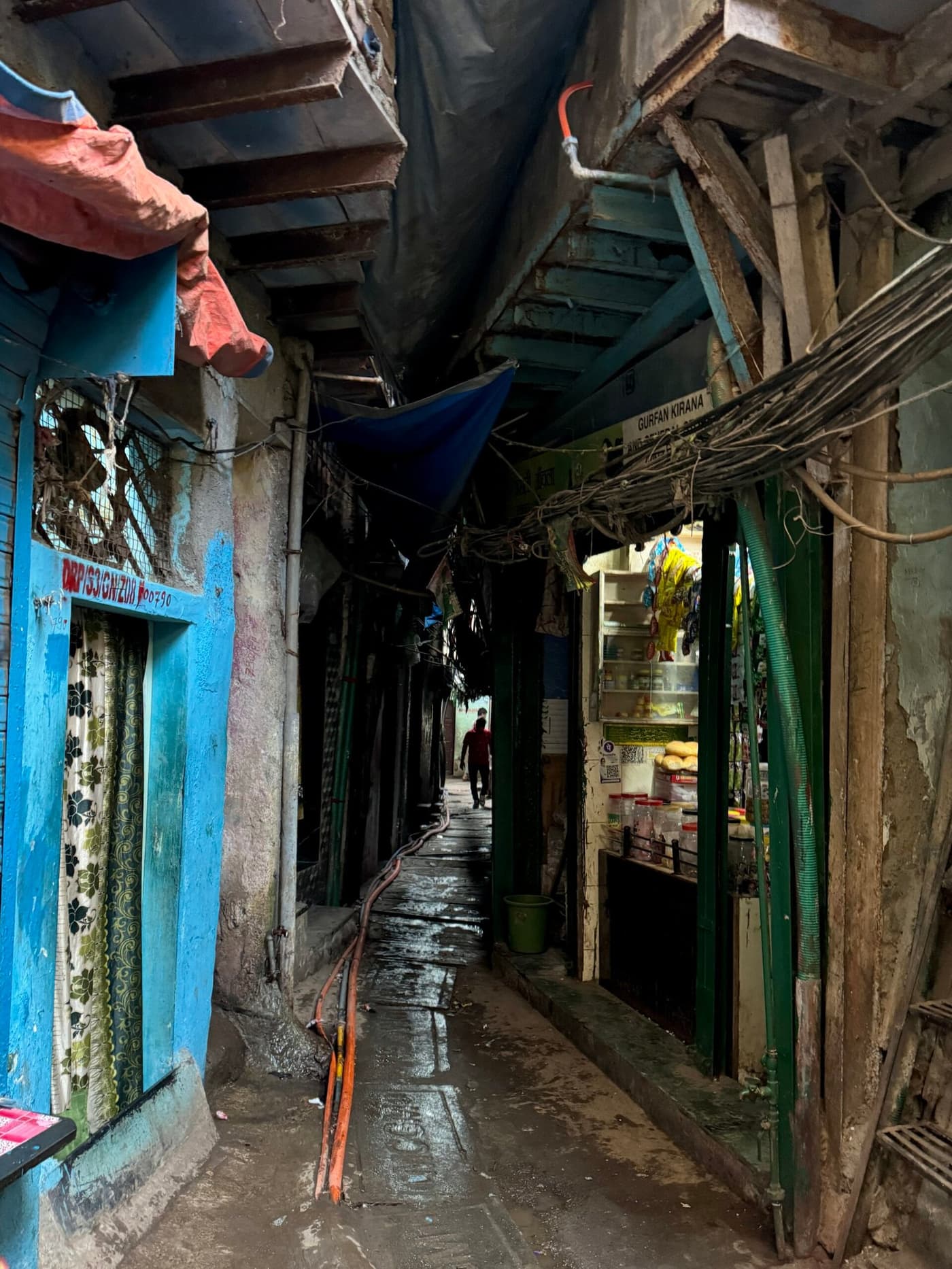
Most houses here are built from whatever materials are at hand: brick, sheets of tin, wood and concrete. They often stand wall to wall, forming a maze of narrow alleys. Space is desperately short, and 5–7 people may share a single room, often even more.
Sanitary conditions are poor: only some homes are connected to the central water supply, and public toilets have to be shared with dozens of neighbors. Garbage disposal and a shortage of clean water are constant problems. Still, residents rarely complain and try to improve their surroundings: they paint the facades, install water storage tanks and organize local initiatives.
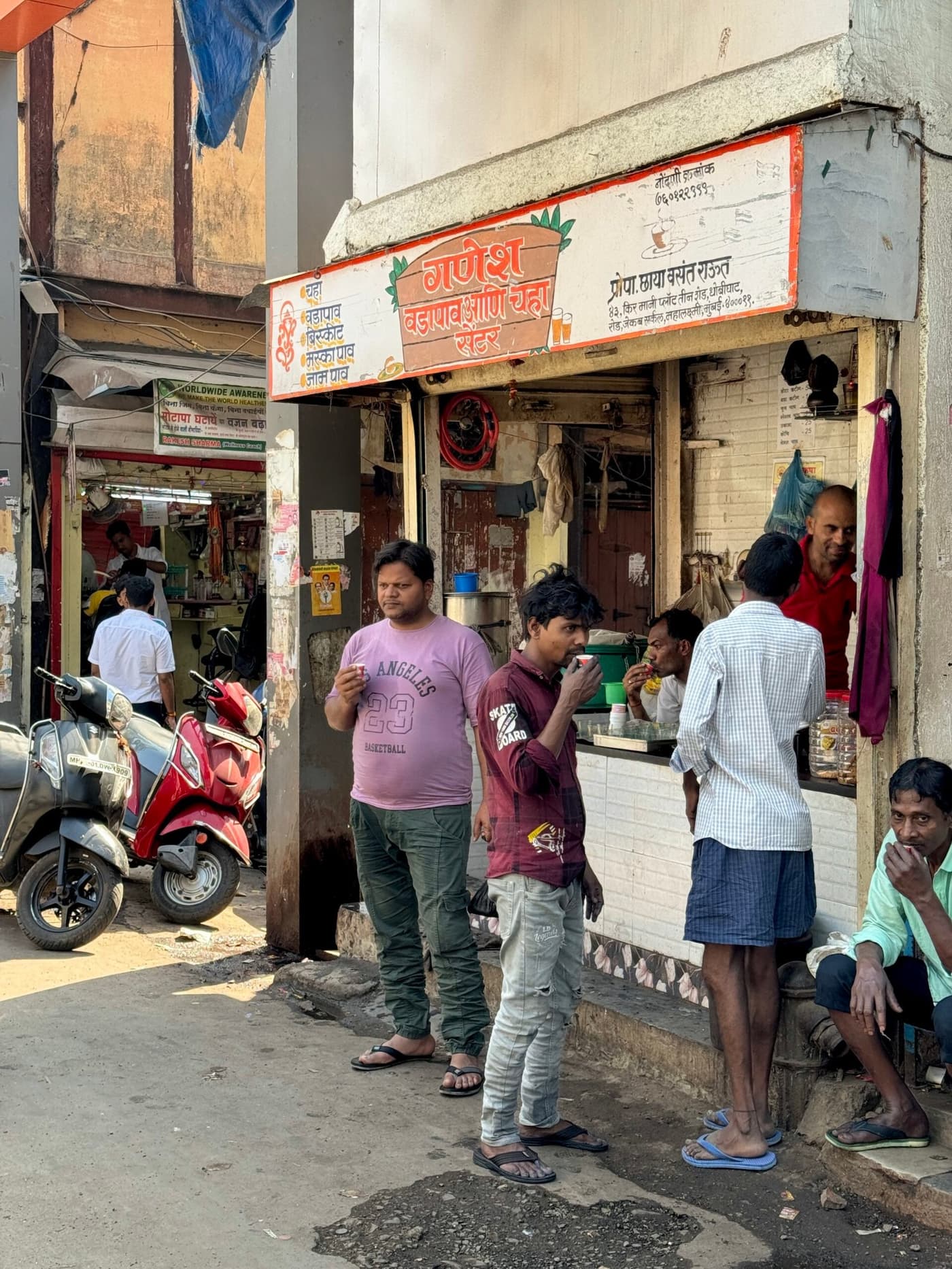
Despite the daily hardships, people in Dharavi work, study, and open workshops and small businesses. Children go to school, though not always a public one. There are hospitals, markets, beauty salons, cafes and internet cafes. The streets are full of movement and sound, and you can feel the life here.
Social solidarity is another feature of the district. Neighbors know each other, support each other and share resources. In conditions of constant scarcity, this creates a sense of security, even within a limited space. Against all odds, people build their lives and show a remarkable ability to adapt, cooperate and grow.
The Economy of Dharavi: How Mumbai's Slums Work
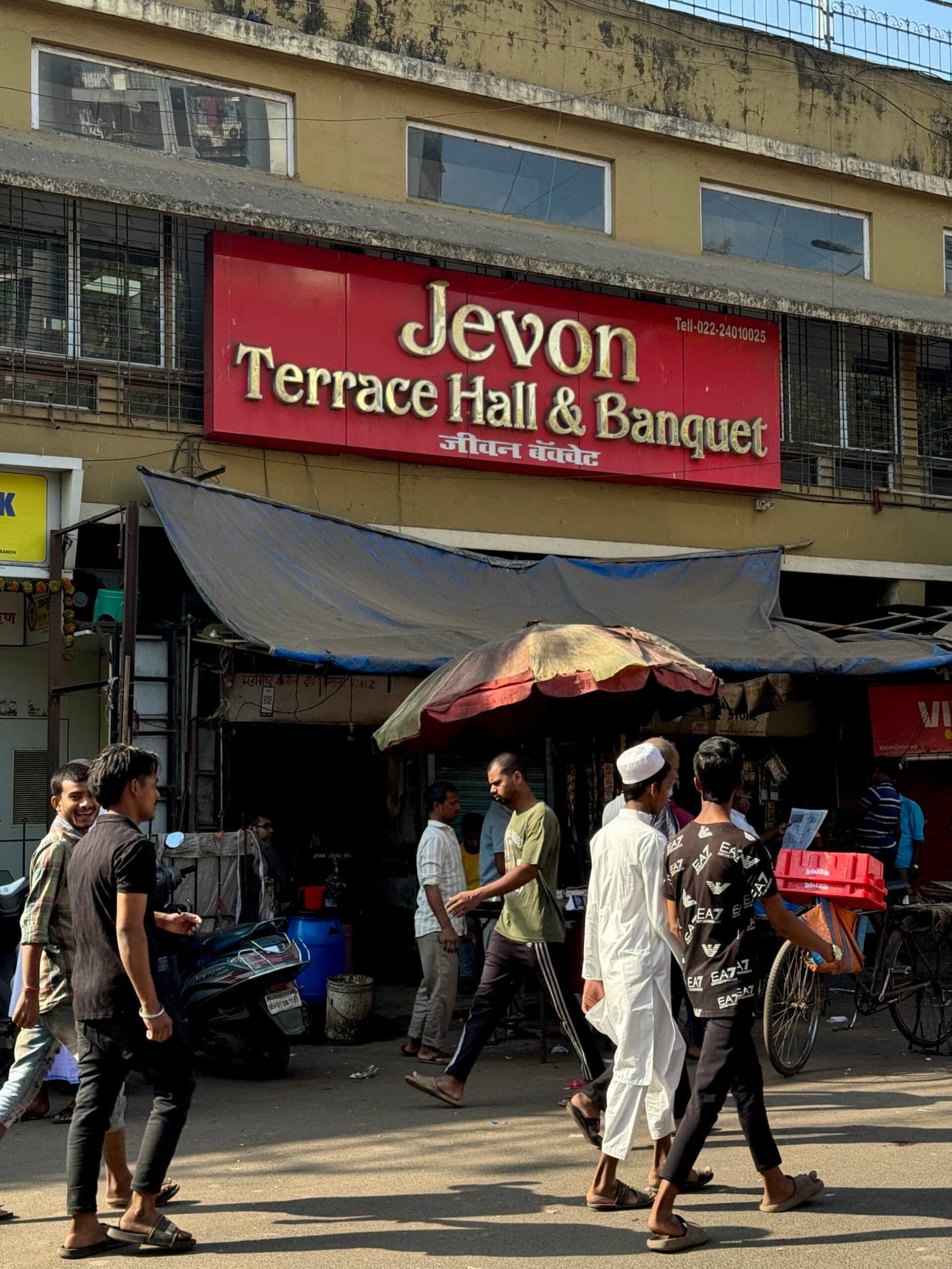
At first glance, Dharavi may look like nothing more than a cluster of poor dwellings. In reality, it is one of the liveliest and most active economic centers in Mumbai. The economy of Dharavi consists of thousands of small businesses, craft workshops and family-run production units that supply the city with goods and services every day.
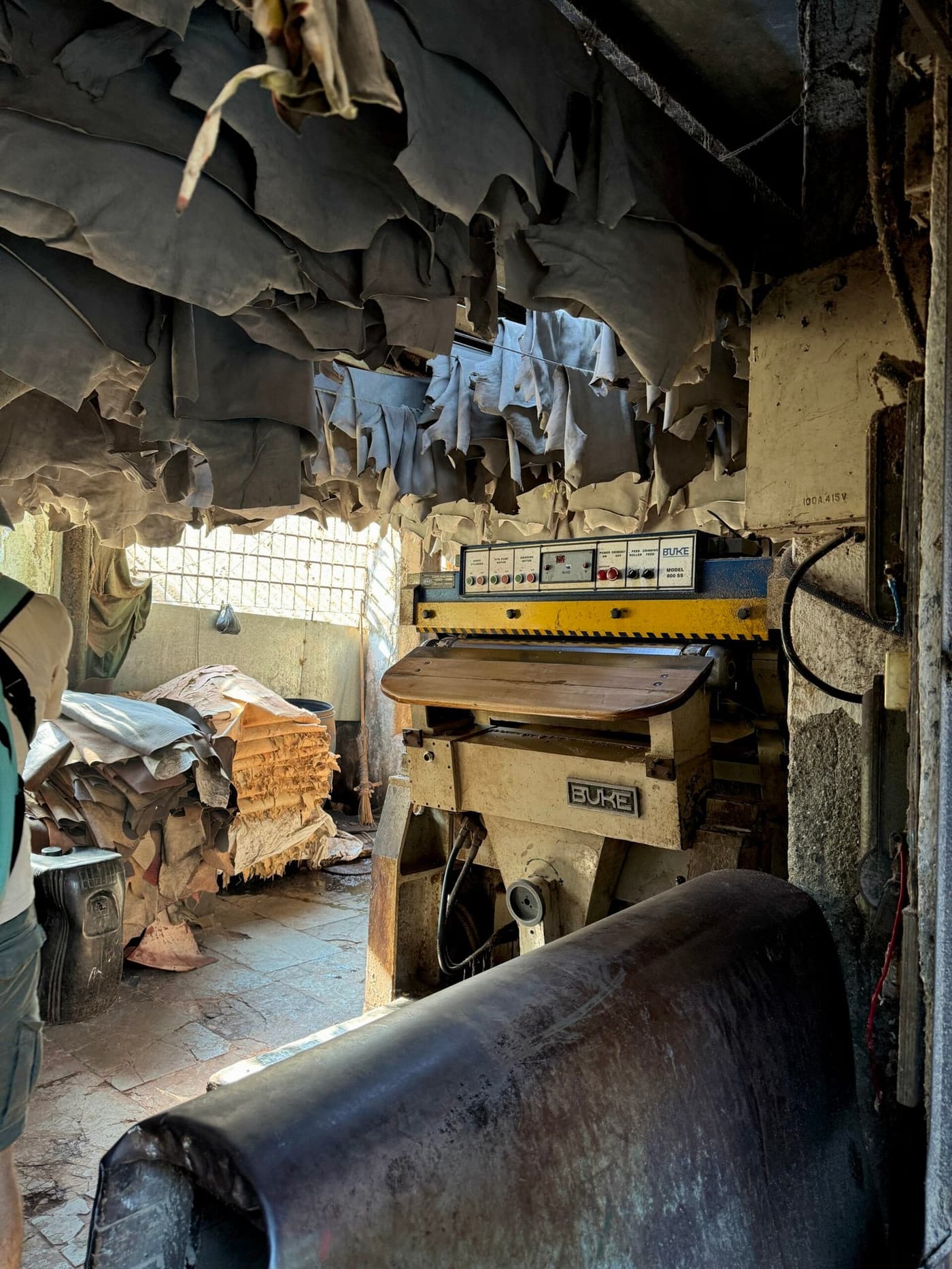
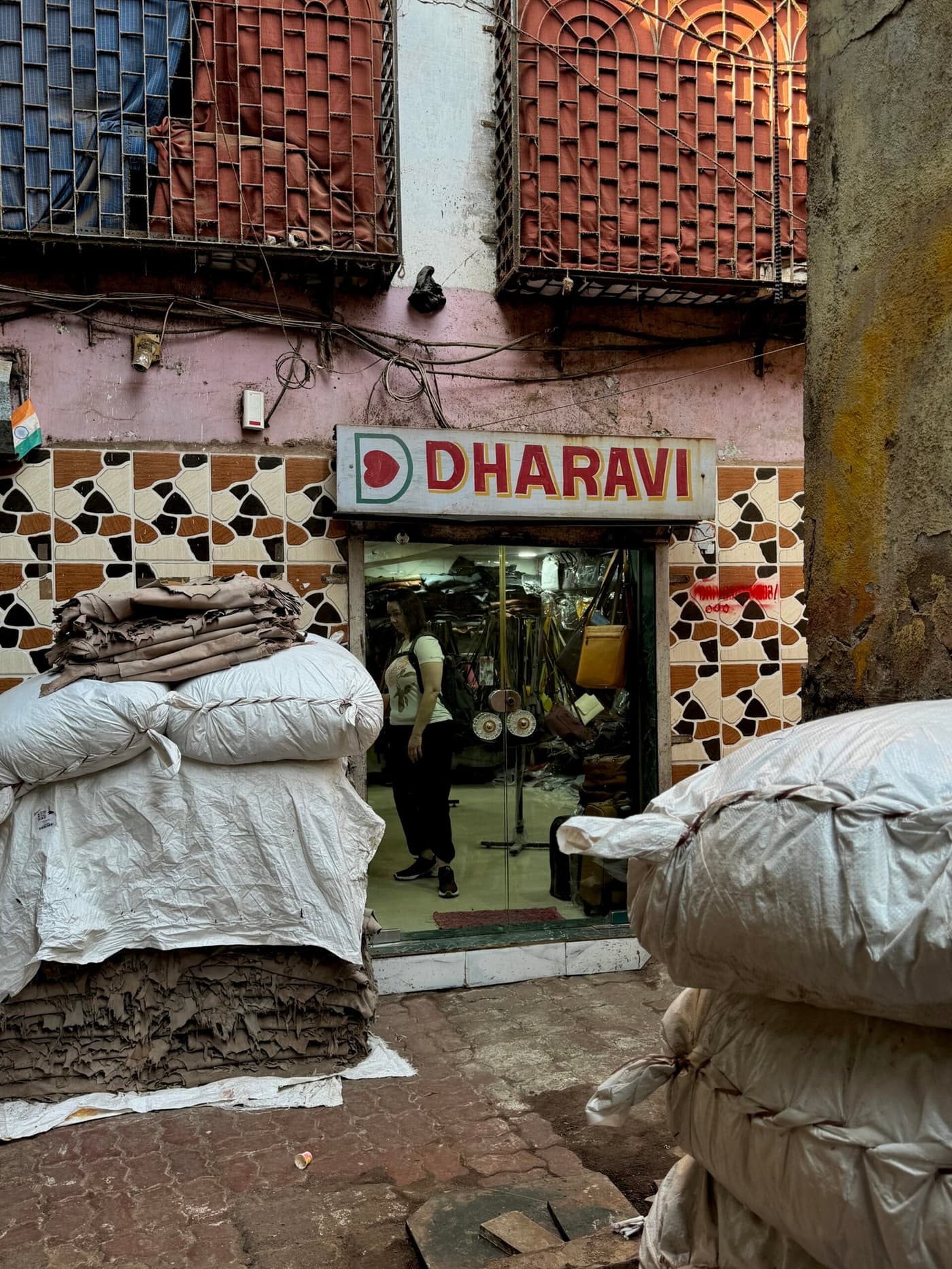
According to researchers, more than 10,000 different businesses operate in the Dharavi slum. They make leather goods, textiles, pottery, plastic and aluminum packaging, furniture, soap and even snacks. Many of these goods are sold not only across Mumbai but also exported to other regions of India and abroad. One of the best-known businesses in Dharavi is waste recycling: hundreds of tons of garbage are sorted, cleaned and processed by hand into raw material that can be reused.
The turnover of Dharavi's informal economy is estimated at hundreds of millions of dollars a year. The vast majority of businesses are not officially registered, which means they pay no taxes and receive no government support. Workers labor in cramped spaces, often without decent conditions or job security, but for many it is the only way to survive and earn a living.
Entrepreneurship in India's slums is built on flexibility, family ties and the ability to adapt. A business is often passed down from generation to generation. Even children take part: they help in the workshops and learn a trade from an early age. This model, although far from formal standards, gives millions of people a steady income.
The economy of Dharavi is a vivid example of the important role the informal sector can play in the life of a megacity. Despite limited resources, the district produces an impressive volume of goods and services, and it is the work of its residents that makes the slum not just a place to live but a real economic ecosystem.
Redevelopment of the Dharavi Slum
Dharavi has long been in the spotlight of Indian authorities and investors. The population density, outdated infrastructure and sanitary risks all make the area a target of strategic interest. In recent years, the authorities of Mumbai and the state government of Maharashtra have drawn up large-scale redevelopment plans for Dharavi that promise to completely change the face of India's largest slum.
One of the most ambitious projects was launched in 2022, when the Adani Group won the contract to rebuild the district. The investment is more than 3 billion dollars. The plan calls for demolishing old buildings and constructing new residential complexes, social facilities and commercial zones. Under the project, Dharavi residents who have lived here for longer than a set period will receive apartments in the new buildings free of charge.
Many residents fear that relocation will destroy existing social ties, wipe out local businesses and cost people their only source of income. In addition, not all residents have documents proving their right to new housing, which creates a risk of mass evictions.
Critics of the project point to a lack of transparency and the risk of commercializing the district. They worry that expensive residential complexes will replace Dharavi, out of reach for its former residents, and that the economic and cultural identity of the area will be lost forever.
At the same time, some city residents and local activists consider redevelopment necessary. For them it is a chance to improve sanitary conditions, gain access to proper healthcare, education and infrastructure, reduce the population density and put an end to dangerous construction.
Dharavi is where the interests of the state, business and local communities meet. How the project develops in the future, time will tell, but one thing is already clear: the redevelopment of Mumbai's slums will become one of the largest and most controversial urban planning experiments in the history of modern India.
Tourism in the Dharavi Slum
Although many people associate Dharavi with poverty and harsh living conditions, the district has become a popular destination for so-called social or "slow tourism". Every year thousands of foreign tourists come here, wanting to see the real life of Mumbai with their own eyes.
Tours of Dharavi appeared in the mid-2000s and have since become an established activity. They are run by private companies and nonprofit organizations that work together with local residents. These tours usually go with guides who were born or raised in Dharavi. That makes it not only safe to walk around but also possible to learn about the district from the inside.
While in Mumbai, we also visited the Dharavi slum. Our tour was led by a local who was born here, grew up here and still lives here. We booked the tour on GetYourGuide, and you can also check Klook.
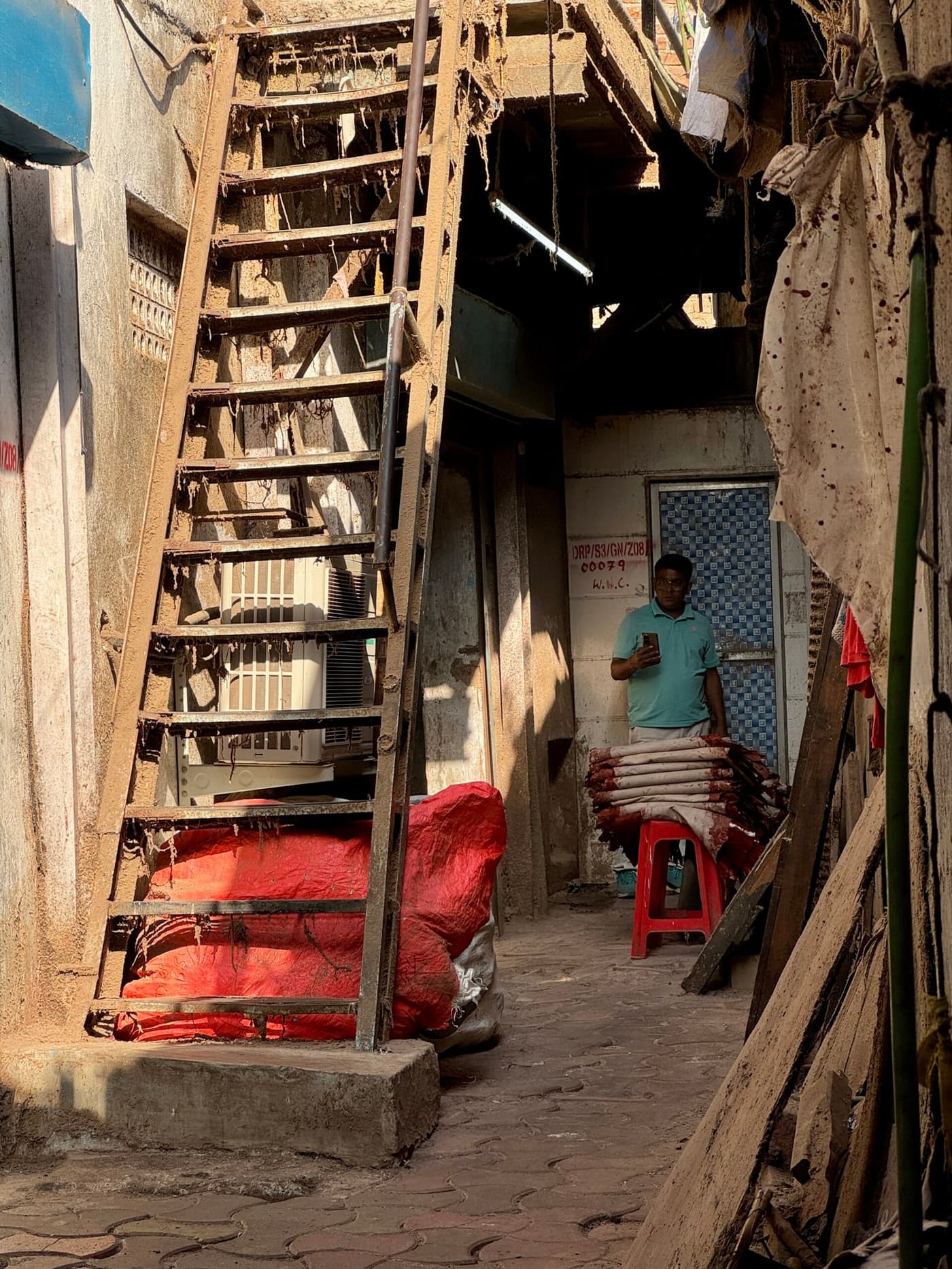
During the tour we visited local workshops, leather workshops, pottery areas and textile production. We saw how plastic is recycled, how soap is made and how bags are sewn.
It's worth noting that most of these tours try to follow ethical standards. Guides stress that Dharavi is not a zoo or a "poverty attraction", but a living, distinctive district with strong economic and social ties. Photos and videos are allowed only with the consent of local residents, and part of the proceeds from the tours goes toward educational or medical initiatives in the district.
Still, slum tourism is controversial. Some believe it contributes to the stigmatization of poor neighborhoods and turns someone else's reality into an object of consumption. Others argue that it helps break down preconceived ideas about slums, builds empathy and raises social awareness.
However you feel about it, one thing is clear: tourism in Dharavi has become an integral part of Mumbai's urban culture. It shows that even in the most difficult conditions there can be dignity, hard work and a drive toward a better future.
Movies and Culture: How Dharavi Became a Symbol of Mumbai
Dharavi long ago moved beyond the map of Mumbai and became a recognizable symbol in popular culture. The theme of India's slums regularly appears in film, literature and documentary projects.
One of the best-known films showing the slums of Mumbai is Slumdog Millionaire (2008). The film won eight Academy Awards and was partly shot in Dharavi.
Another important work in which Dharavi plays a significant role is the cult novel Shantaram (2003) by Australian writer Gregory David Roberts. The author describes his time in the slums of Mumbai, where he lived among local people, opened a free clinic and watched life in the district from the inside. Despite some artistic liberties, the book contains many realistic descriptions of daily life, social ties and everyday hardships in Dharavi. For many foreign readers, Shantaram was their first serious introduction to India's slums.
It's also worth mentioning documentaries such as "Dharavi: Slum for Sale" and "Mumbai Disconnected", which explore urbanization, poverty and the informal economy. They present Dharavi as a complex, multilayered organism, not just a "poor neighborhood".
The influence of Dharavi on culture is further proof of its place in the public mind. The district has become a geographic and cultural symbol of India and Mumbai.
Interesting Facts About the Dharavi Slum
Dharavi is one of the most studied and controversial urban districts in the world. Over the decades it has gathered dozens of statistics and cultural facts that help us understand the scale, complexity and uniqueness of the place. Below is a selection of facts that show Dharavi from different sides:
One of the highest population densities in the world.
More than 300,000 people live per square kilometer in Dharavi. This is one of the highest population densities on the planet.
A district with a shadow economy of up to a billion dollars a year.
By some estimates, Dharavi's total annual economic turnover may exceed 600 to 1,000 million dollars. Most of the businesses here are informal, with no registration or taxes.
Waste recycling is the most important industry
Dharavi recycles up to 80% of Mumbai's plastic waste. This provides jobs for thousands of people and makes the district the unofficial recycling center of the metropolis.
More than 10,000 small businesses.
Dharavi is home to leather workshops, pottery workshops, weaving looms, bakeries and other mini factories. Many families work right from their homes.
Filming in Dharavi happens with the permission of local communities.
Because of the sensitivity of the subject and the dense housing, filming of movies, TV shows and advertising campaigns in the district is possible only with the support of local guides or NGOs.
Education is an important part of life.
Despite the harsh conditions, Dharavi has schools, including private English-medium schools. Parents are eager to give their children an education as a way out of poverty.
A multiethnic and multireligious district.
Muslims, Hindus, Christians and Buddhists live here. This has created a unique cultural and linguistic mosaic where dozens of communities live side by side peacefully.
The district grew on the site of a former marsh.
Where the slum stands today, there used to be marshland. After it was drained, it was settled by workers who came to Mumbai looking for work.
Dharavi is more than just a slum district in Mumbai. It is a complex urban ecosystem where economic activity, cultural diversity and social vulnerability exist side by side. The district has become both a symbol of Indian poverty and an example of human ingenuity, adaptability and resilience.
I filmed how we traveled around India for YouTube. Enjoy watching!
Frequently Asked Questions About the Dharavi Slum
What is Dharavi and where is it located?
Dharavi is the largest slum district in Mumbai (India), covering about 2.4 km², with between 700,000 and a million people living there. It is one of the most densely populated areas in the world.
Why is Dharavi considered one of the largest slums in the world?
Thanks to the combination of a small area, enormous population density and a large informal economy, Dharavi was long considered the largest slum district in Asia and one of the largest in the world.
What is the population density of Dharavi?
Estimates vary, but the most commonly cited figure is 300,000 people per km², or about 777,000 per square mile, one of the highest densities in the world.
Can I visit Dharavi on a tour?
Yes. Tours are officially organized by local guides, and part of the proceeds goes to social projects. They show the workshops and the everyday life of the district, and it's important to respect the ethics and rules.