Mumbai, or Bombay as it was called until 1995, is India's largest metropolis, and nobody really knows how many people live here. Rough estimates put the number at more than 20 million. Mumbai is India's economic and cultural center, and in my opinion it is also the most civilized city in the country. The city is home to the offices of international companies, banks and India's largest stock exchange.
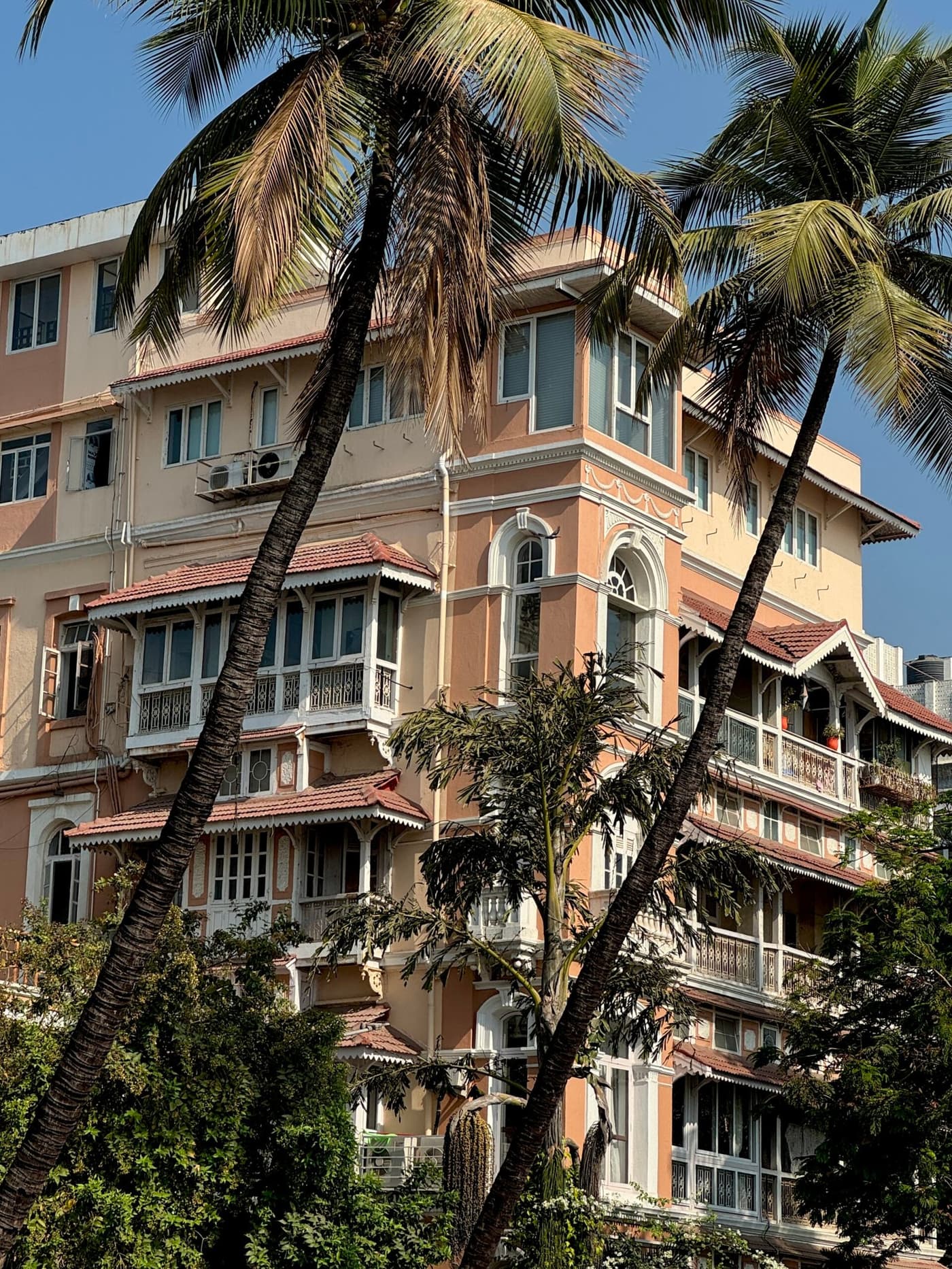
Luxurious palaces and colonial-era buildings are jumbled together with slums, business districts, noisy markets, beaches, Hindu temples and Catholic cathedrals.
I put together a complete guide to what to see in Mumbai, which sights deserve your attention, the best time to go, how to get around the city and what to keep in mind when planning your trip.
Where Mumbai is and why it used to be called Bombay
Mumbai is on the west coast of India, in the state of Maharashtra. The city faces the Arabian Sea and occupies part of Salsette Island, as well as the neighboring islands that were joined to it artificially. It is the country's largest port and one of the most economically important cities in South Asia.
Mumbai stretches along the coast and is divided into northern and southern parts. The south has historically been the old center with colonial architecture, while the north is a fast-growing residential and business area.
Why Mumbai used to be called Bombay
Until 1995, the city's official name was Bombay. The name appeared in the 16th century under Portuguese rule, from the phrase Bombaim, which may have meant "good bay" (bom baía in Portuguese). When the British arrived in the 17th century, the pronunciation was anglicized to Bombay.
The name Mumbai became official in 1995. It comes from the name of the Hindu goddess Mumba Devi, who was worshipped by local fishermen, and the word "aai", which means "mother" in Marathi. The renaming was part of the Indian authorities' policy of restoring native, pre-colonial place names.
Today you can hear both names in everyday life. English-speaking locals and foreigners still often say "Bombay," while "Mumbai" is the one used officially and in the Indian media.
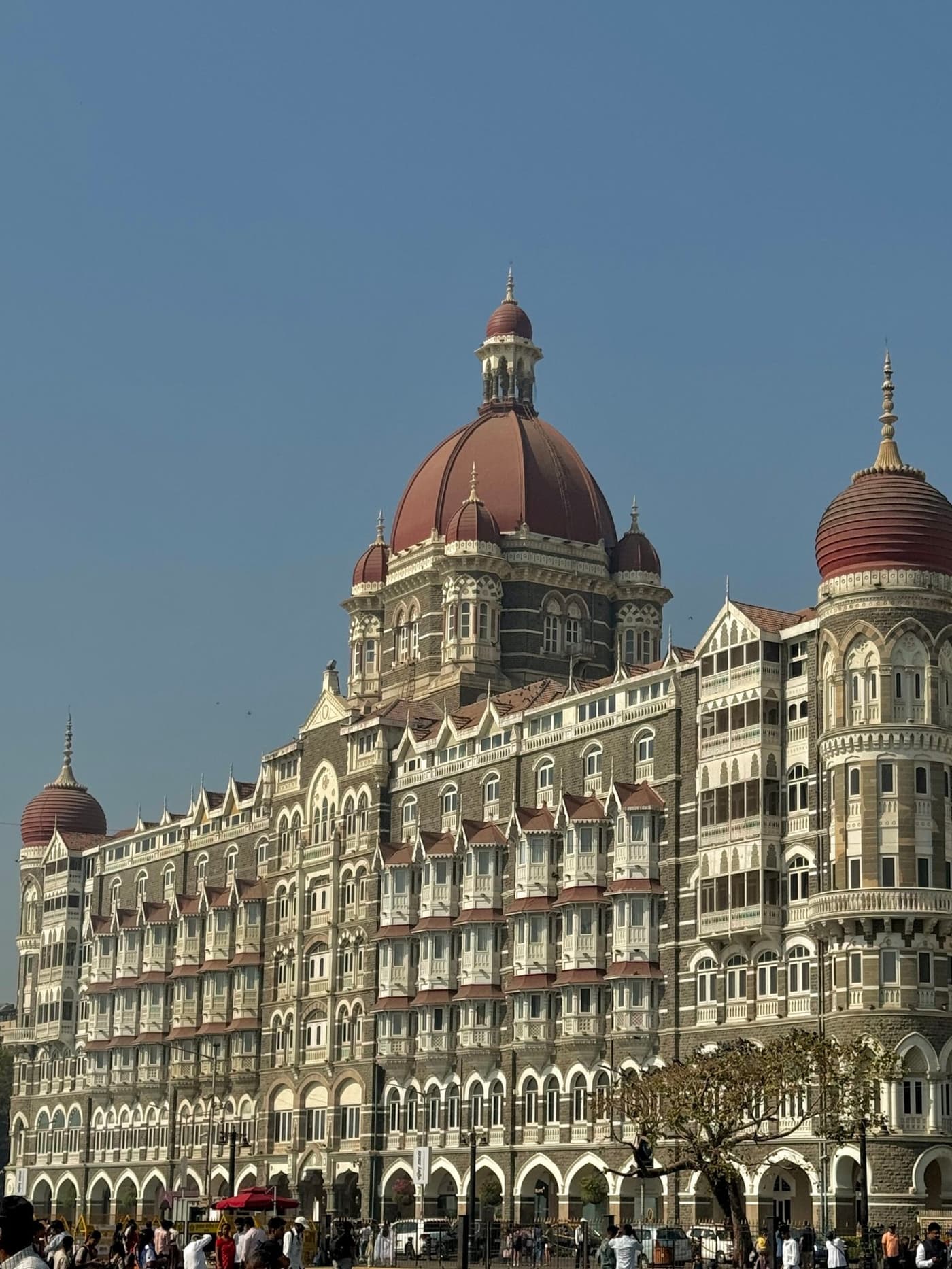
How to get from Mumbai airport to the city
Chhatrapati Shivaji Maharaj International Airport is Mumbai's main air hub and one of the largest in India. The airport is in the northern part of the city, about 25–30 km from the tourist areas of South Mumbai, such as Colaba and Fort. There are several ways to get to the center, from budget to comfortable.
Taxi (Uber, Ola, Meru)
This is the most convenient and popular option. Right outside the terminals there are dedicated waiting zones for Uber, Ola and Meru, the three biggest services. You can book a ride through the mobile app. The trip from Mumbai airport to Colaba takes about 1–1.5 hours, depending on traffic.
Use only the official ride-hailing apps. That way you avoid scammers and can track your route.
Prepaid taxis
There are prepaid taxi counters outside the airport. They quote you a fixed price for your district, and you pay before you get in. This is handy if you have no internet or taxi app. The price is a little higher than with ride-hailing apps, but there are no hidden extras.
Metro
The metro now reaches the airport via the underground Line 3 (Aqua Line), which has stations at Terminals T1 and T2. Since October 2025 the line has run all the way to Cuffe Parade in the south of the city, next to Colaba, and passes through the CSMT railway station, so the metro works not only for the northern districts but also for getting to South Mumbai.
Suburban trains
You can get to the nearest railway station, Andheri (or Vile Parle), and continue by train from there. This option is cheap, but it's awkward with luggage and requires transfers.
Auto-rickshaws
They operate only in the northern part of Mumbai. You can get from the airport to the metro, a train station or a nearby neighborhood for a small fee. Rickshaws don't go to South Mumbai, since this is prohibited by the authorities.
Hotel transfer
Many hotels, especially 4- and 5-star ones, offer airport transfers. This is the most reliable option, especially if you arrive at night or it's your first time in India. The driver will meet you with a name sign, help with your luggage and take you right to the hotel entrance. Ask when you book your room, because the transfer may be included in the price.
Booking a transfer online
If your hotel doesn't provide a transfer, or you want to choose a specific car in advance, you can use international platforms such as Klook or Trip.com.
On these sites you can book a transfer from the airport to anywhere in Mumbai in advance:
- Choice of car class (economy, comfort, minivan)
- Fixed price with no haggling or hidden charges
- Meet-and-greet with a name sign in the arrivals hall
- The option to pay in advance and choose the driver's language
This is especially convenient if you land at an odd hour or don't want to sort things out with local taxis on the spot. We always do it this way, because it saves time and nerves. For the ride from Mumbai airport to Colaba, we paid a little over $20.
What to see in Mumbai: the main sights
Mumbai is a city with a rich history, a colonial legacy and a many-sided culture. British architecture, Hindu temples, Muslim mosques, Buddhist caves and ultramodern glass-and-concrete buildings all sit side by side.
Below is my list of the main sights worth including if you find yourself in Mumbai.
Gateway of India
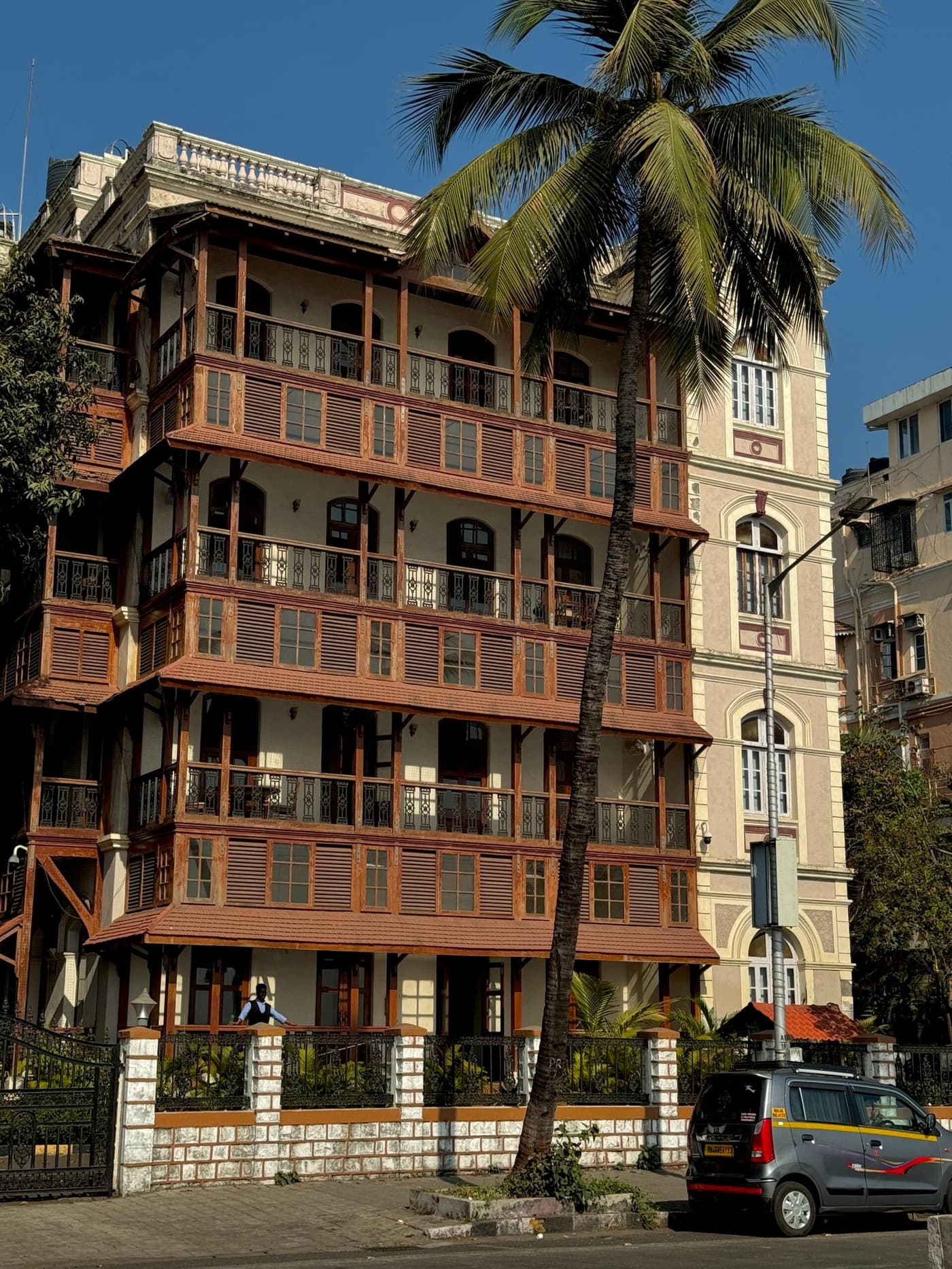
One of the most recognizable landmarks in the city. The Gateway of India was built in 1924 in honor of King George V's visit. It stands right on the waterfront, not far from the Taj Mahal Palace hotel. This is the starting point for getting to know the city. 📍 Gateway of India location
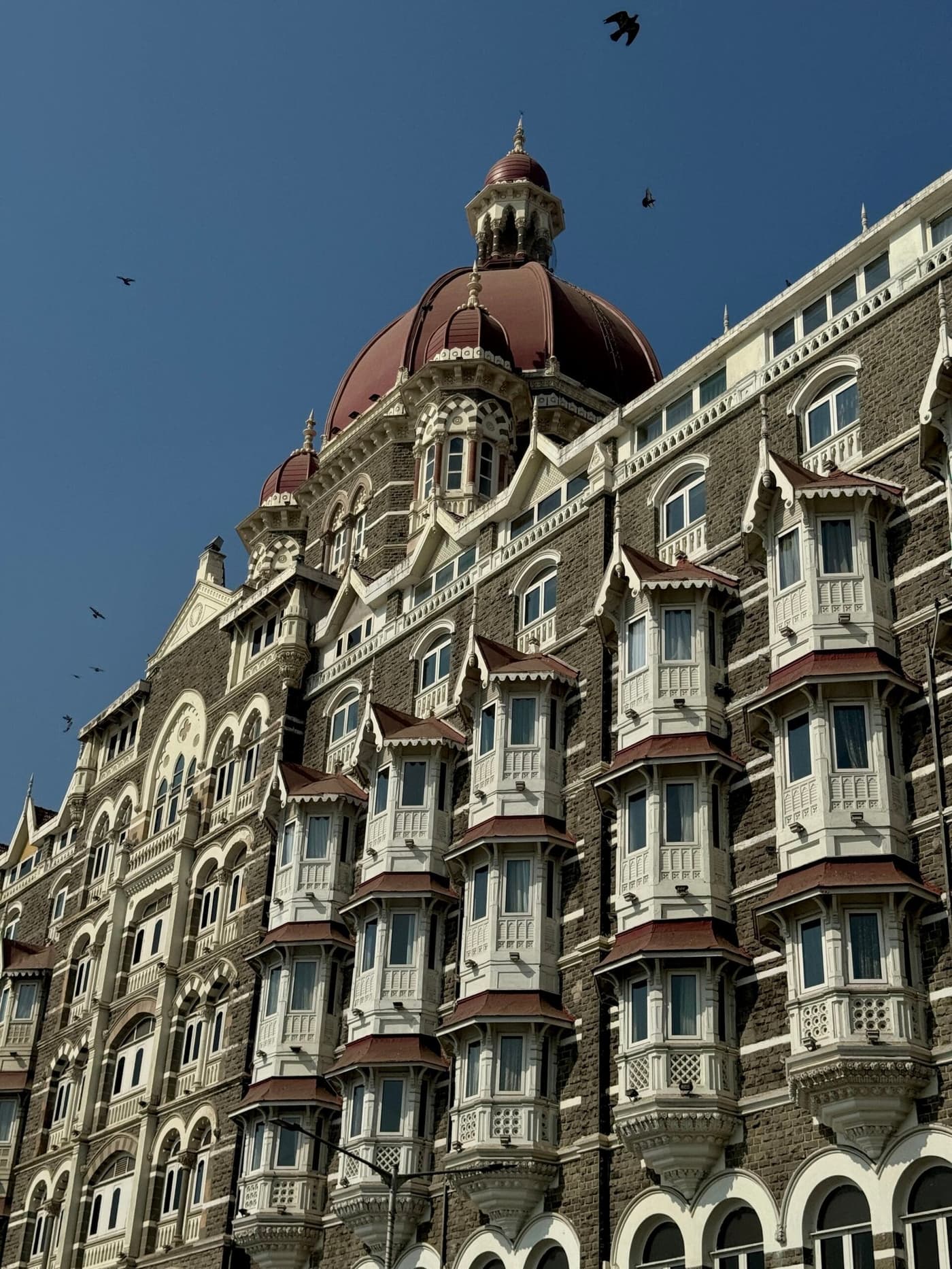
Taj Mahal Palace Hotel
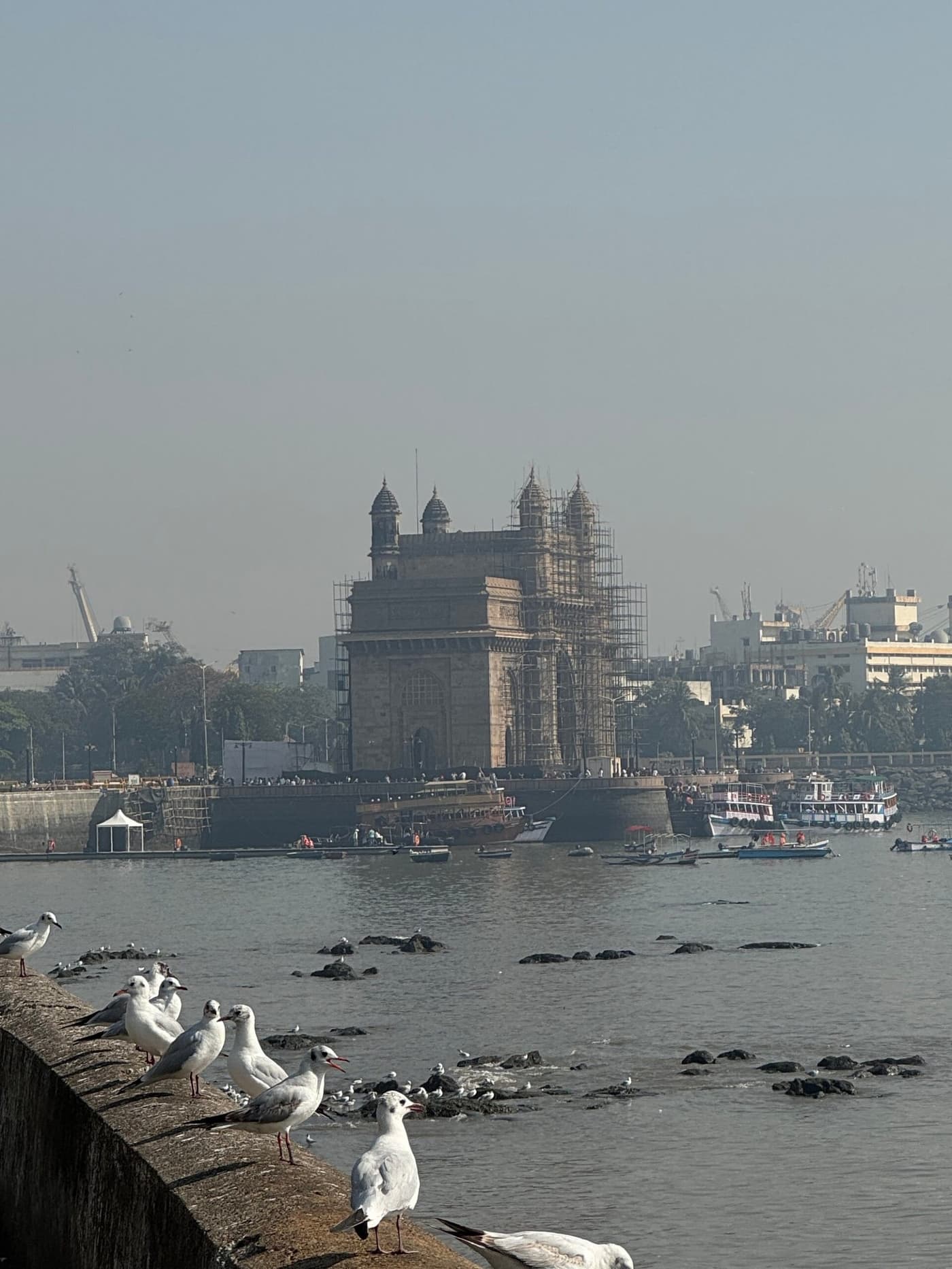
A legendary hotel you can't miss. The luxurious historic Taj Mahal Palace became known around the world because of the terrible events of November 2008.
From November 26 to 29, Mumbai was hit by a series of terrorist attacks carried out by a group of 10 men who came from Pakistan. They attacked several sites around the city, including a railway station, a Jewish center, the famous Leopold Cafe and two hotels. At the Taj Mahal hotel, the militants took hostages, set fires, set off explosions and exchanged fire with special forces for more than 60 hours. In all the attacks, 166 people were killed in the city and more than 300 were wounded. These events were the largest attack on India since the Mumbai bombings of 1993.
📍 Taj Mahal Palace Hotel location
Chhatrapati Shivaji Terminus
A UNESCO World Heritage Site. The former Victoria Terminus was built in the Victorian Gothic Revival style with elements of Indian architecture. It is a working railway hub and a true architectural masterpiece.
📍 Chhatrapati Shivaji Terminus location
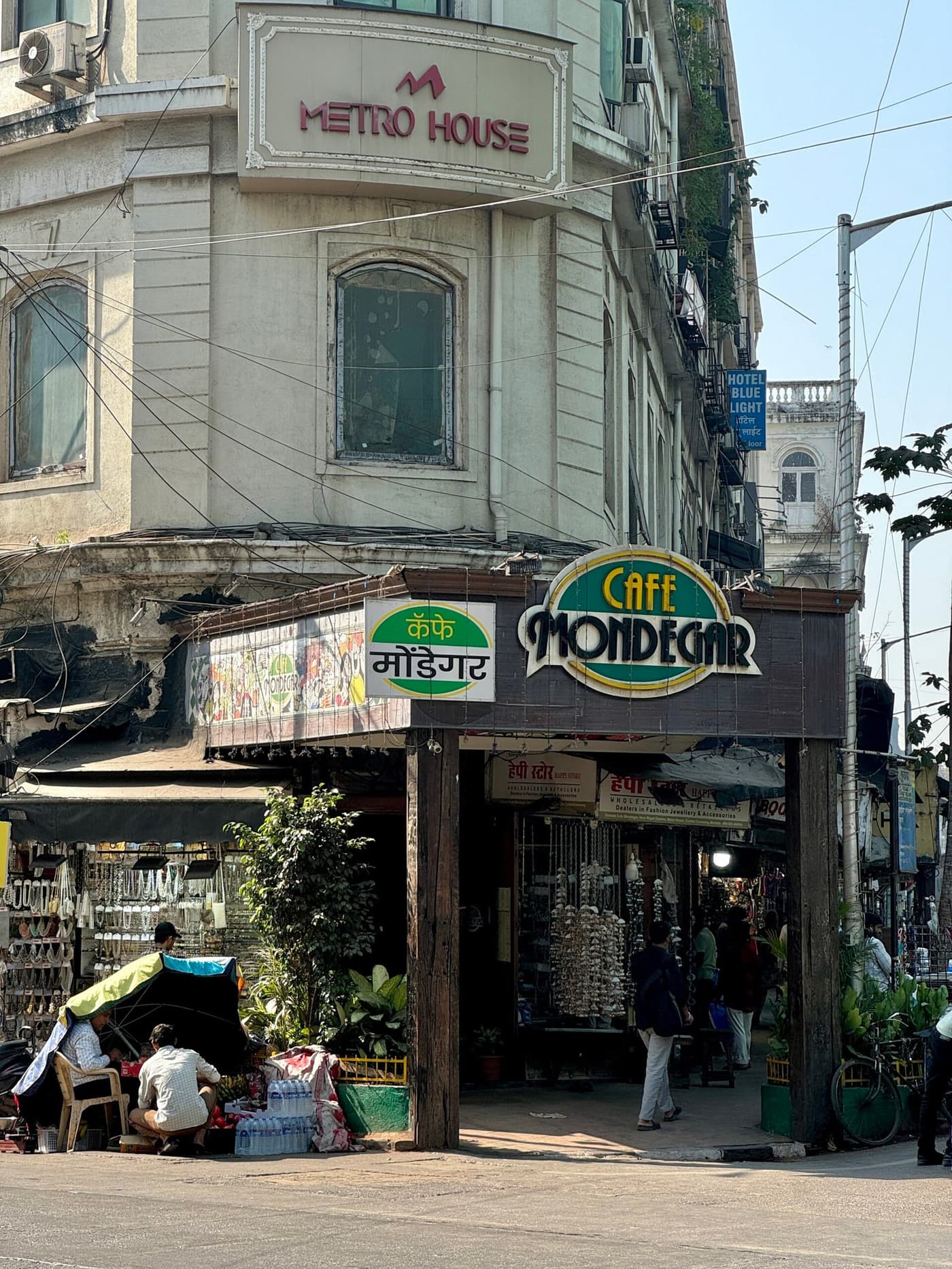
Colaba Causeway
Stay in the atmospheric Colaba district, with its street vendors, restaurants, cafes and galleries. It's easy to combine sightseeing with walking and shopping here. The Taj hotel and the Gateway of India are both in this district. I covered which neighborhoods Mumbai has and where it's best to stay in a separate article.
Elephanta Island (Elephanta Caves)
An island in the Arabian Sea that you can reach by boat from the Gateway of India. It has cave temples from the 5th–8th centuries with unique rock reliefs dedicated to the Hindu god Shiva.
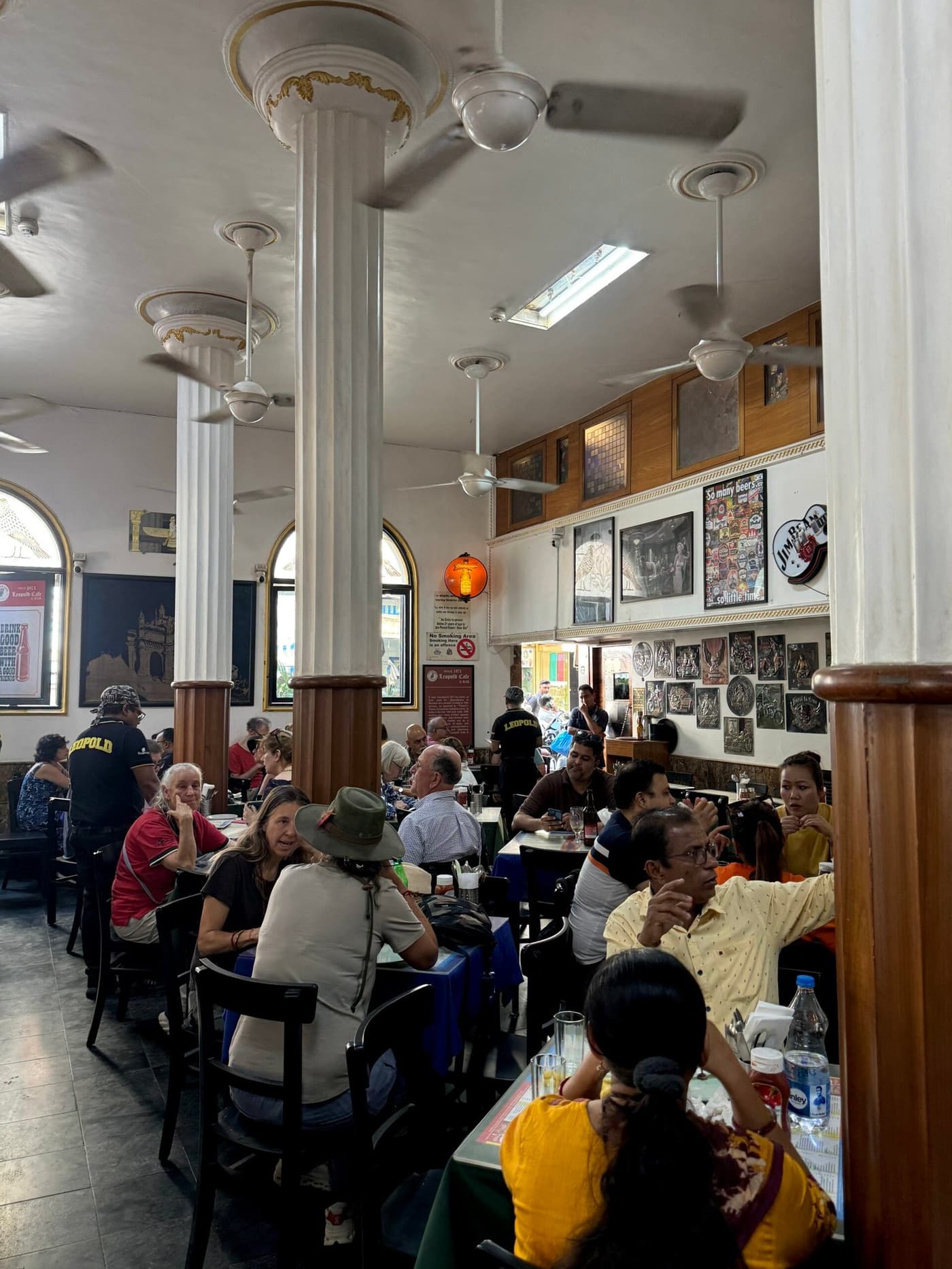
Leopold Cafe
An iconic cafe that opened in 1871. It's famous among tourists and locals alike. I had dreamed of visiting after reading the novel Shantaram, because the characters in that book often met here. The cafe has become a symbol of "old Bombay."
Marine Drive
A three-kilometer waterfront promenade, perfect for evening walks. At night the curved line of the embankment is lit by street lamps, forming a shape known as the "Queen's Necklace."
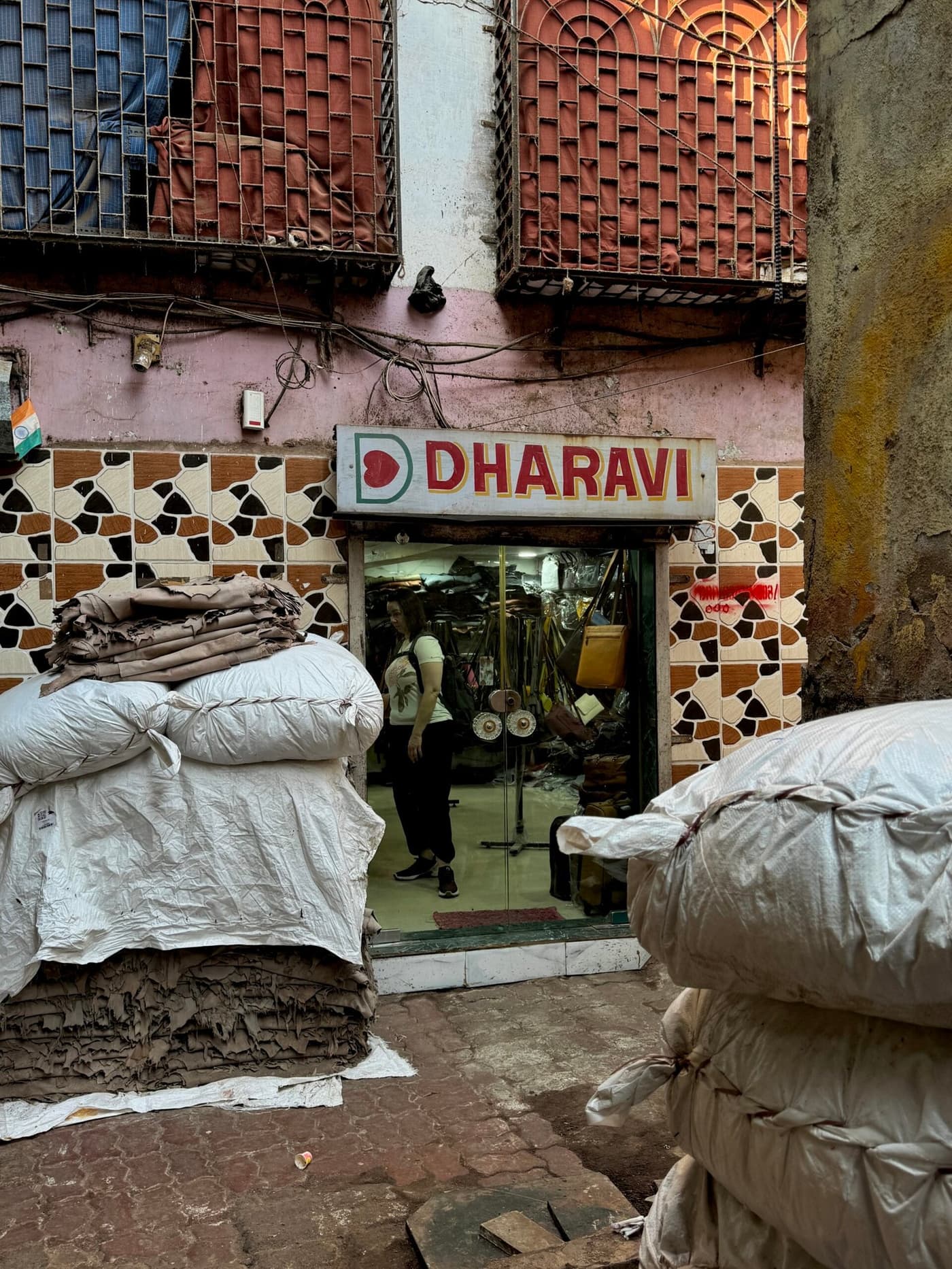
Dharavi Slum
One of the largest slums in the world. Dharavi has long since become a self-sufficient district with its own economy, crafts, recycling and even startups. Tours with a local guide are offered here, and that's what we did. I told the full story of how we visited the Dharavi slum in a separate article.
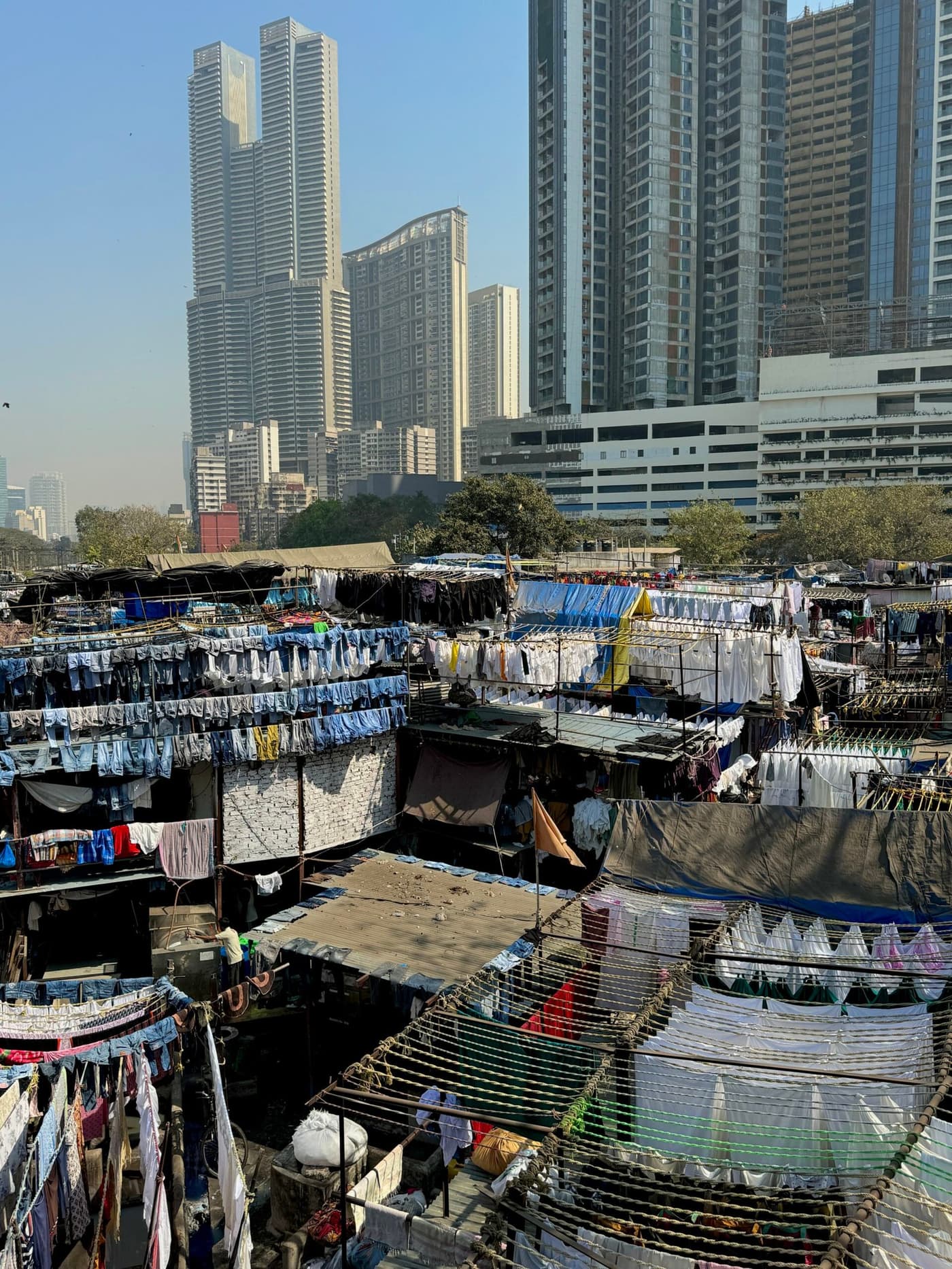
Dhobi Ghat
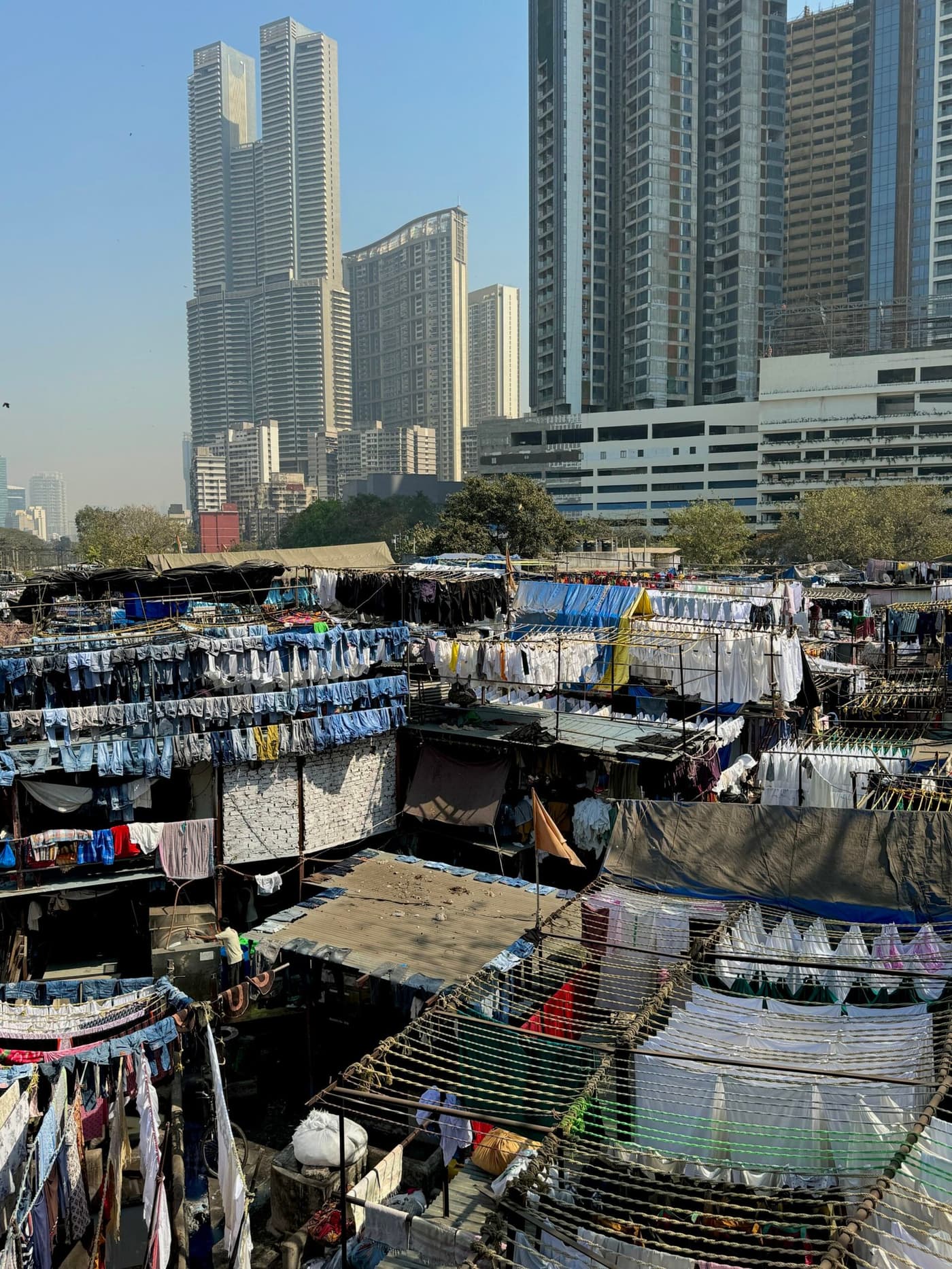
The world's largest open-air laundry. It has operated since the 19th century and still serves hotels, restaurants and private customers. It is a real social and cultural attraction. I explained what the Dhobi Ghat laundry is in a separate article.
Bollywood and film studios
Mumbai is the capital of Indian cinema and the home of Bollywood. It's scary to imagine how many films are shot here. Some of them are even quite decent. They say you can stumble on the filming of the next blockbuster on the streets 😃 We didn't manage to. You can book tours of studios in the city, such as Film City, where dozens of films are shot every year. Bollywood is an important part of the city's identity.
When to go to Mumbai: climate and seasons
When planning a trip to Mumbai, it's important to consider the region's climate. The city lies in a subequatorial monsoon climate zone, so the weather can be unpredictable, especially in the rainy season.
Best time to visit Mumbai
The most comfortable period for visiting Mumbai is from November to March. During these months the weather in the city is dry and warm:
- Daytime temperature: +28…+32 °C
- Minimal humidity
- Clear skies and a pleasant sea breeze
These months are considered the high tourist season, so it's worth booking accommodation in advance.
Rainy season (June to September)
From June to September, the monsoon season arrives in Mumbai. Heavy downpours hit the city and can last for several days in a row. Despite the high temperatures, humidity becomes extreme, and the streets are periodically flooded.
Traveling in the rainy season is not recommended unless you're used to extreme humidity and don't plan to spend your time in the hotel.
Summer (April to May)
April and May are the hottest months. The temperature often exceeds +35 °C, humidity rises, and the monsoon hasn't started yet. This is the in-between season between the comfortable winter and the rainy summer, when the city is especially stuffy.
The best time to travel to Mumbai is November to March. At this time it's comfortable to walk around the city, visit the sights and enjoy the views without worrying about flooded streets or exhausting heat.
How to get around Mumbai and what tourists need to know
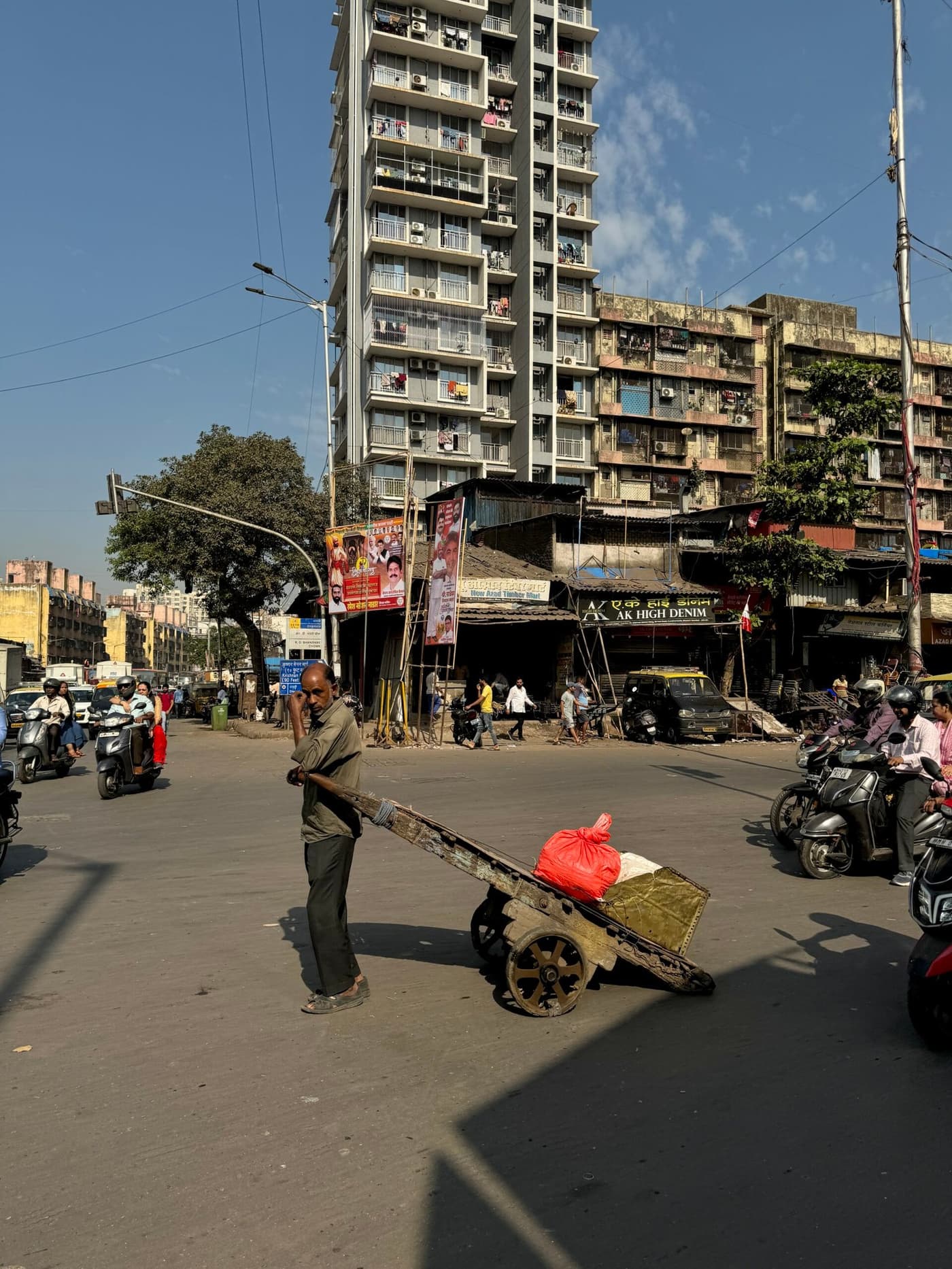
Mumbai is a huge metropolis with heavy traffic and densely populated districts. Getting around the city takes an understanding of how local transport works and knowing a few basic rules of conduct.
Public transport
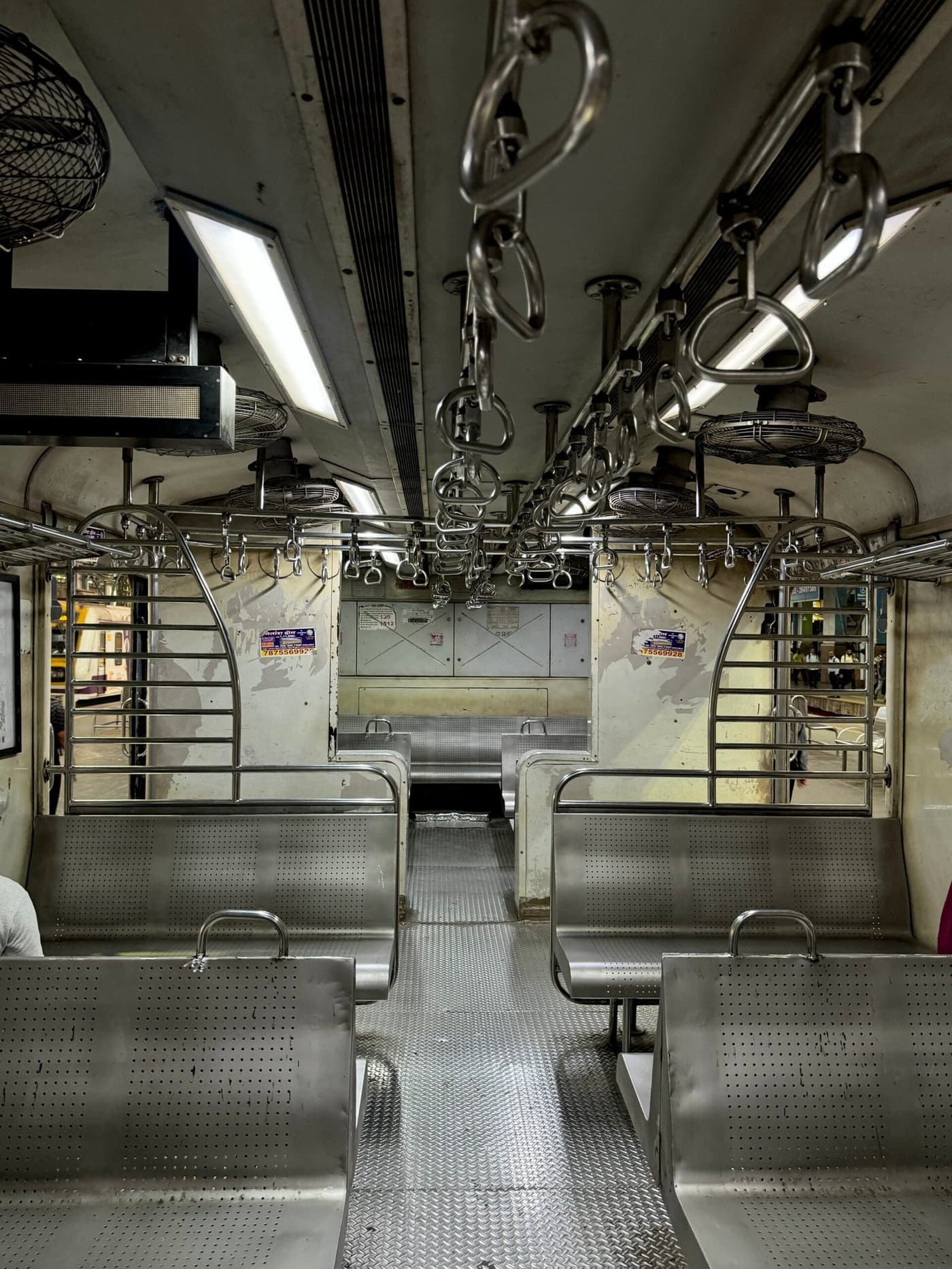
The Mumbai railway is the main transport "backbone" of the city. Mumbai has suburban trains, known as Local Trains, which I mistook for the metro at first. The suburban network is divided into three lines: Western, Central and Harbour. More than 7 million people ride the trains every day. The trains run often and fast, but they can be hellishly crowded.
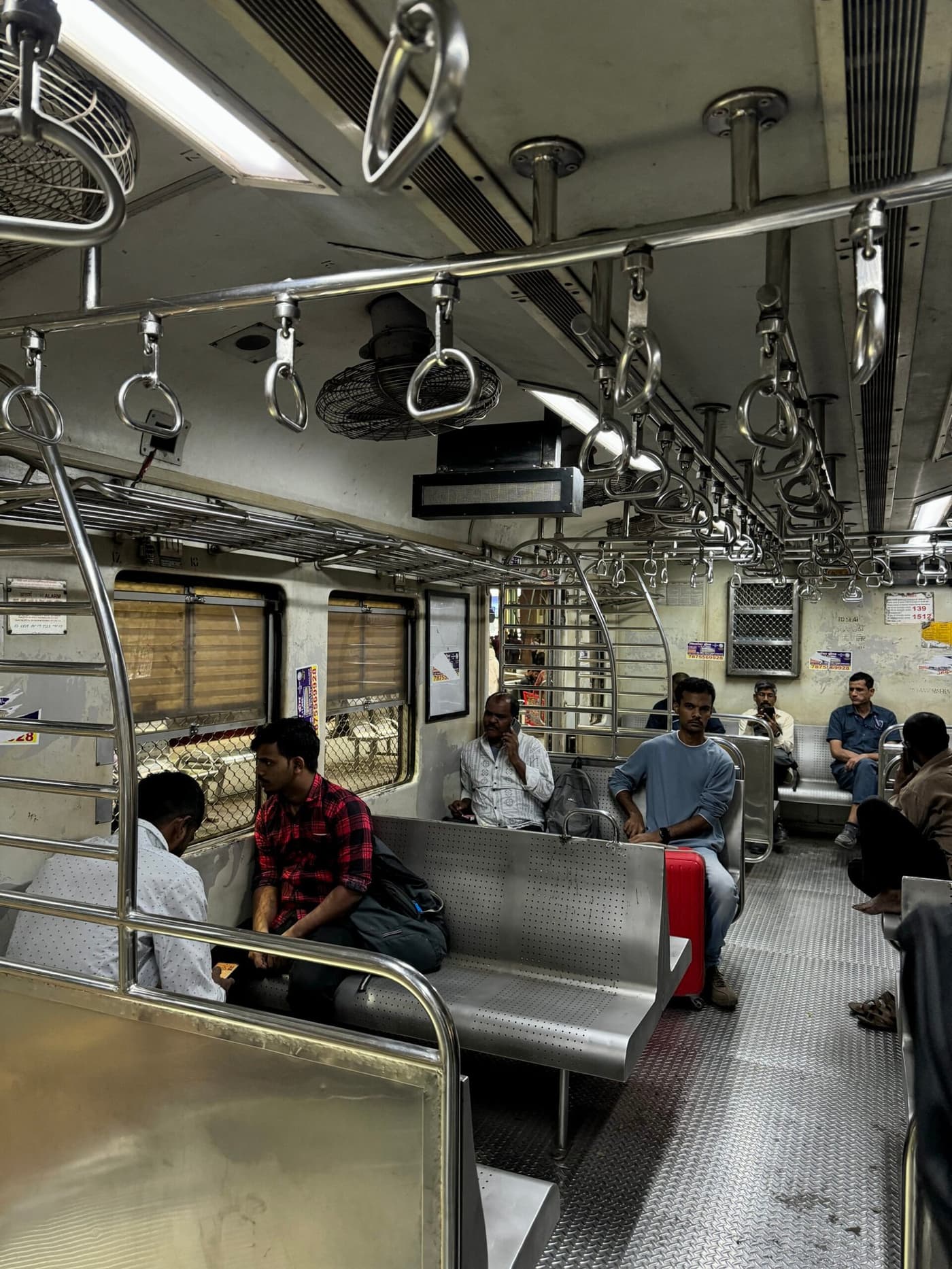
The trains are ordinary commuter trains with cars of different classes: General (regular), Ladies (women only) and First Class (more expensive, but just as packed). The stations look simple, often with no turnstiles. You buy a ticket and walk onto the platform.
The most interesting thing about Mumbai's suburban trains is that they don't come to a complete stop. People jump on and off while the train is moving, and nobody waits for it to stop. It looks rough and unsafe. People cling to handrails, hang out of the doors and sometimes literally fall out of the car in a crowd.
The doors don't close. At all. Ever. That's how the system works: ventilation comes only from the open doors and windows.
If you decide to feel the real Mumbai, I recommend riding outside rush hour. From 8:00 to 11:00 and from 17:00 to 20:00 it's absolute hell. We rode at quiet times, and it was fine, with no crush.
Buses cover almost the whole city but often get stuck in traffic. Stops are poorly marked, and this mode of transport is less clear for tourists.
Auto-rickshaws are especially popular in the northern and central parts of the city. They are a cheap and fast way to get around over short distances. It's important to insist on the meter being switched on to avoid inflated prices.
Taxis come as both the traditional black-and-yellow cars and ride-hailing apps like Uber and Ola. The second option is preferable: the fares are transparent and there's no language barrier.
What tourists should know
- Traffic jams are normal in Mumbai: travel time can increase 2–3 times depending on the time of day.
- Safety: Keep an eye on your belongings on public transport. For women, especially those traveling alone, I recommend riding in the "ladies" cars on trains.
- Language: Most transport signs are duplicated in English. Taxi and rickshaw drivers generally understand basic phrases.
Getting around Mumbai is an attraction in itself. It's best to combine trips by metro, train and taxi. And only the southern, historic part of the city is suitable for walking routes.
Where to go in Mumbai in the evening: the city after sunset
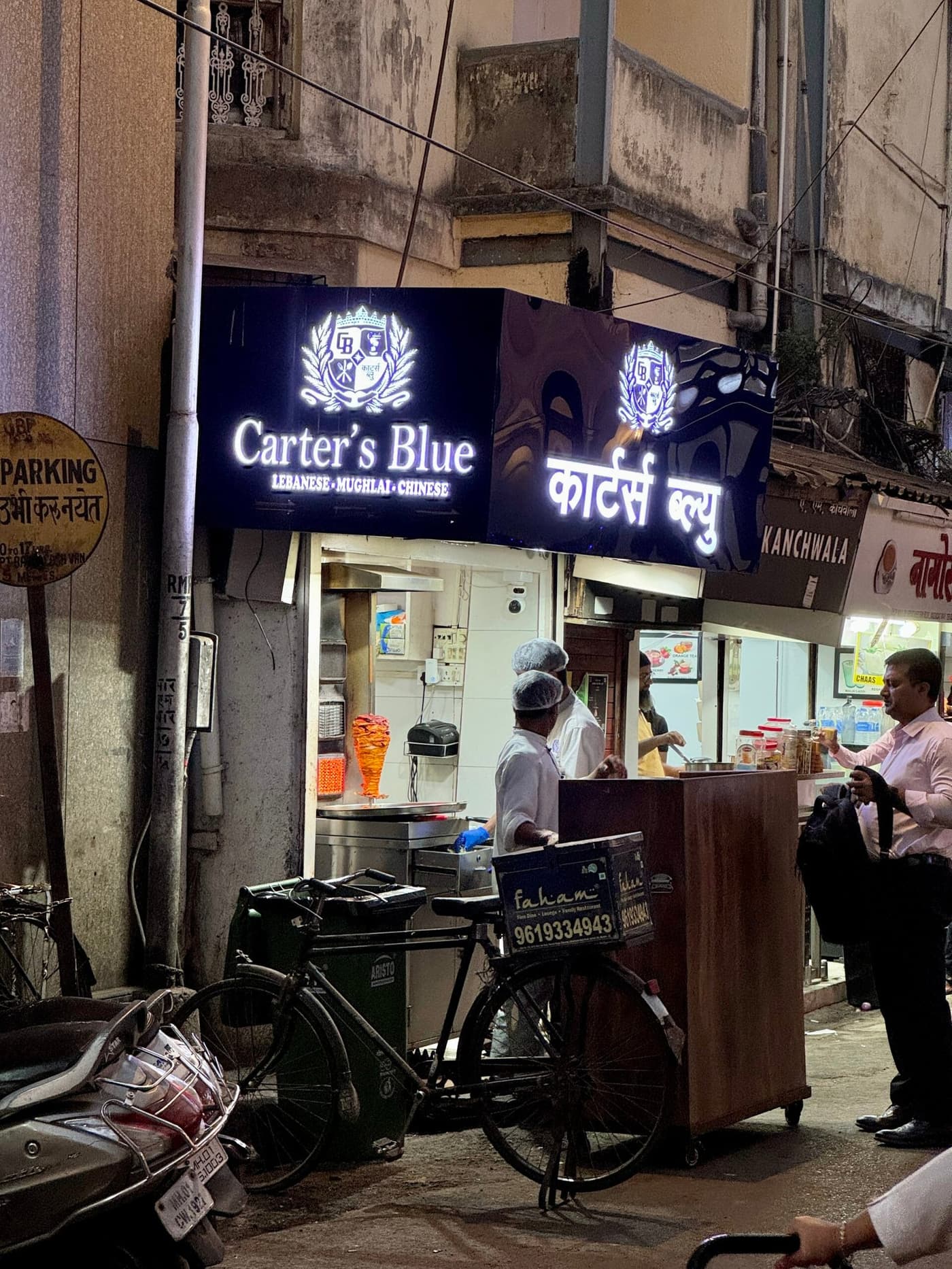
Despite the heavy traffic and noise, Mumbai in the evening can surprise you. The city transforms after dark: the streets light up, the waterfronts fill with people, and the local cafes and restaurants come alive.
A walk along Marine Drive
One of the best places for an evening stroll is Marine Drive. The promenade, about 3 kilometers long, is laid out in a semicircle and after dark looks like a necklace of lights.
Dinner with a view: rooftop restaurants
Many hotels in South Mumbai have panoramic restaurants with views of the city and the sea. They include Dome (at the InterContinental hotel), Aer Lounge and Asilo. These places are popular not only with tourists but also with the local elite. In the evening they serve cocktails, light snacks and Indian and international dishes.
Clubs and bars
Nightlife in Mumbai is not as wild as in Goa, but there are plenty of places to spend an evening. Bars in Bandra, Lower Parel and Juhu are recommended. They range from quiet lounges to loud dance floors with DJs.
An evening in Mumbai is a great chance to change the pace and see the city from a different side.
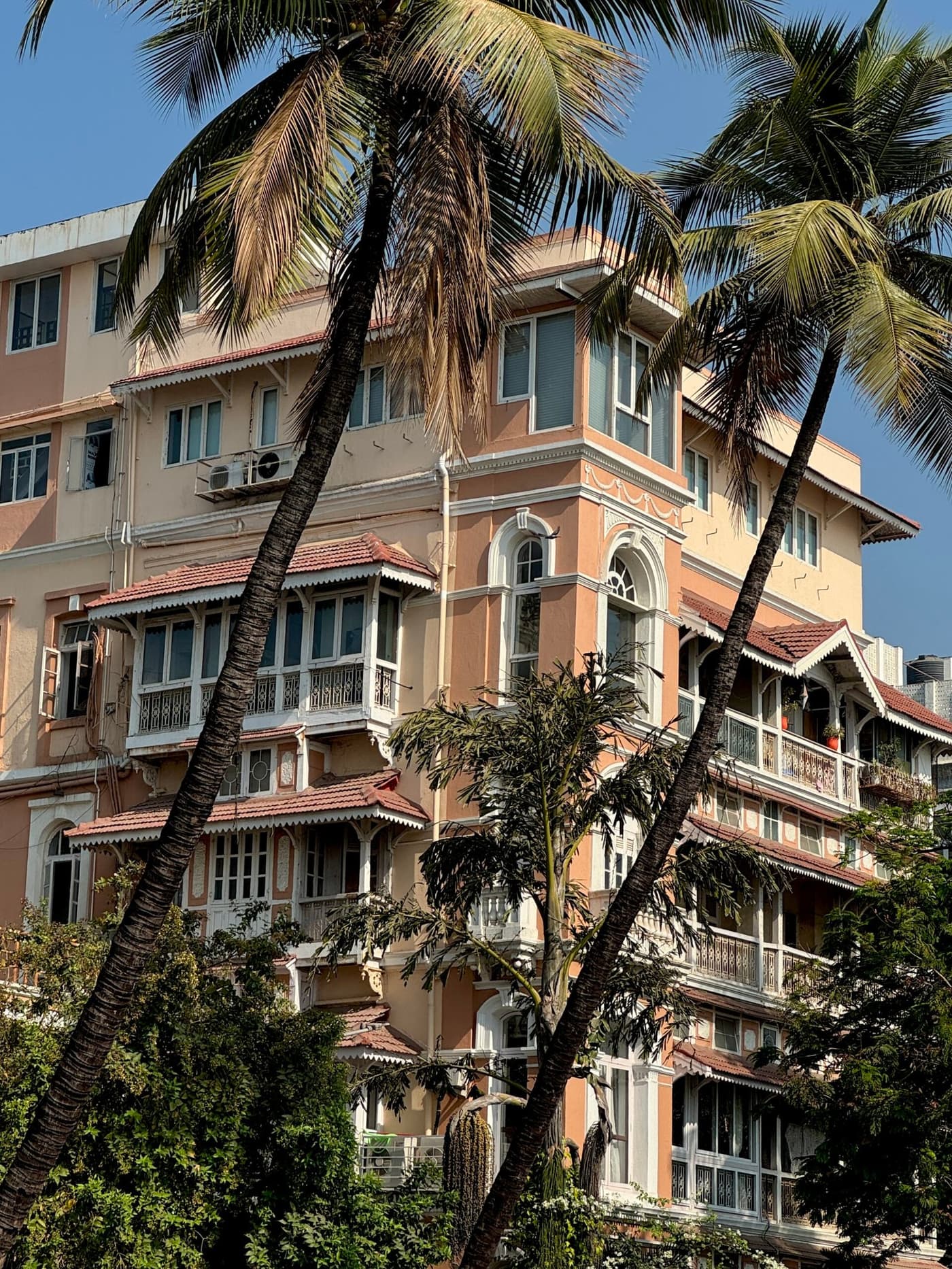
Useful tips for tourists: safety, food and where to stay in Mumbai
Mumbai is a city that can delight and exhaust you at the same time. To make your trip comfortable and safe, it's important to take into account the specifics of local life, climate, food and infrastructure. Below are practical tips that will help you adapt to the rhythm of the city.
Safety
Mumbai is one of the safest big cities in India, and definitely the safest city in India I have been to. A white man or a white couple (a man and a woman) is completely safe. A white woman on her own, during the day, in decent neighborhoods, is relatively safe. In the evening and at night I wouldn't go out alone, and I wouldn't chat with local men on my own either. Beyond that, everyone should follow basic precautions:
- Avoid empty areas at night, especially in the northern districts and on the outskirts.
- Watch your belongings on public transport, in markets and in crowds.
- Don't accept food or drinks from strangers on trains or on the street.
- Women: I recommend avoiding walking alone after dark, and outside tourist areas at any time of day.
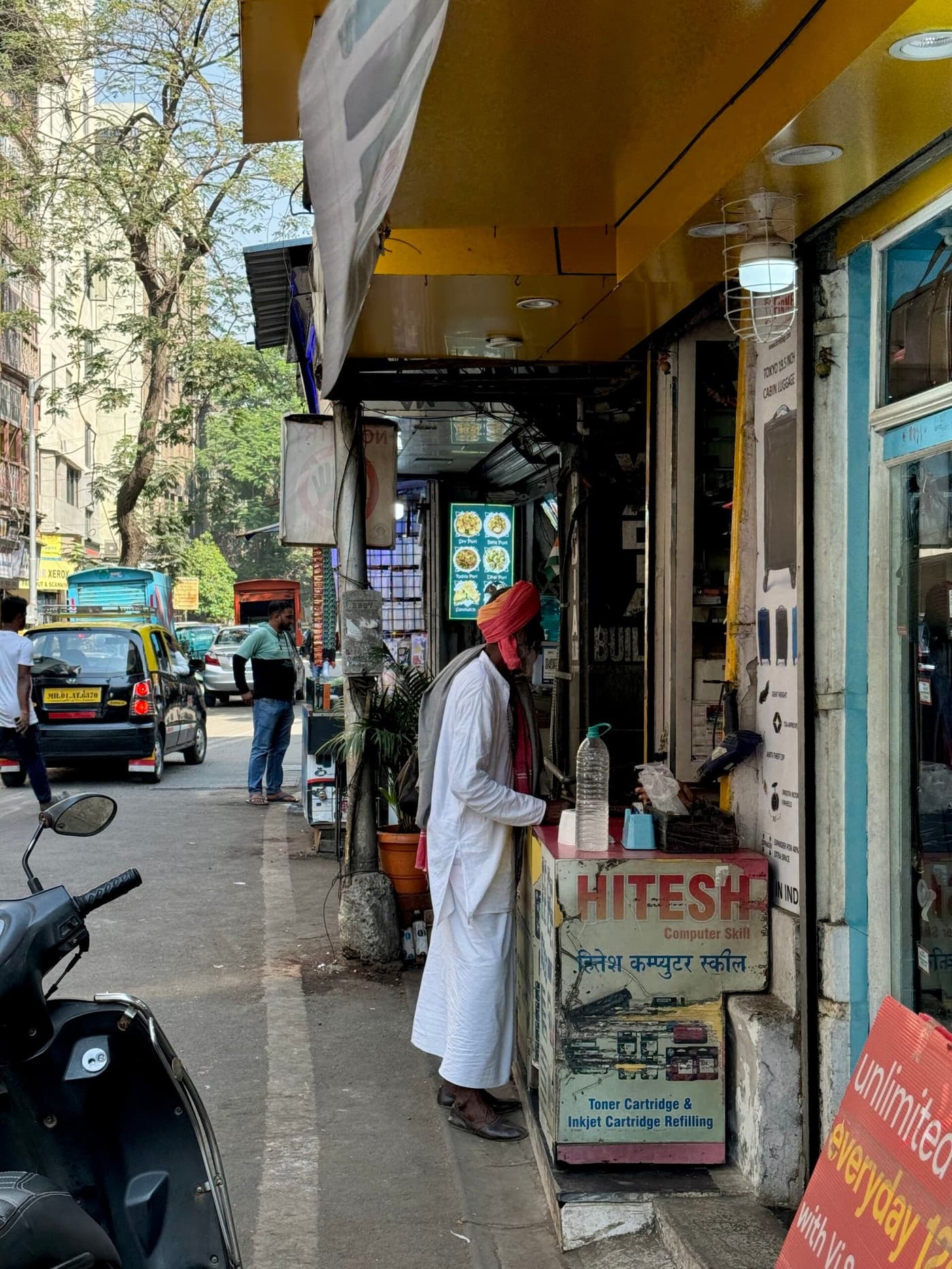
Food and water
Culinary tourism in Mumbai is varied and interesting, but it requires caution:
- Don't drink tap water. Use bottled water, even for brushing your teeth.
- Street food is tasty but potentially unsafe. Choose decent cafes and restaurants where sanitary standards are followed.
- Avoid raw vegetables and ice in drinks.
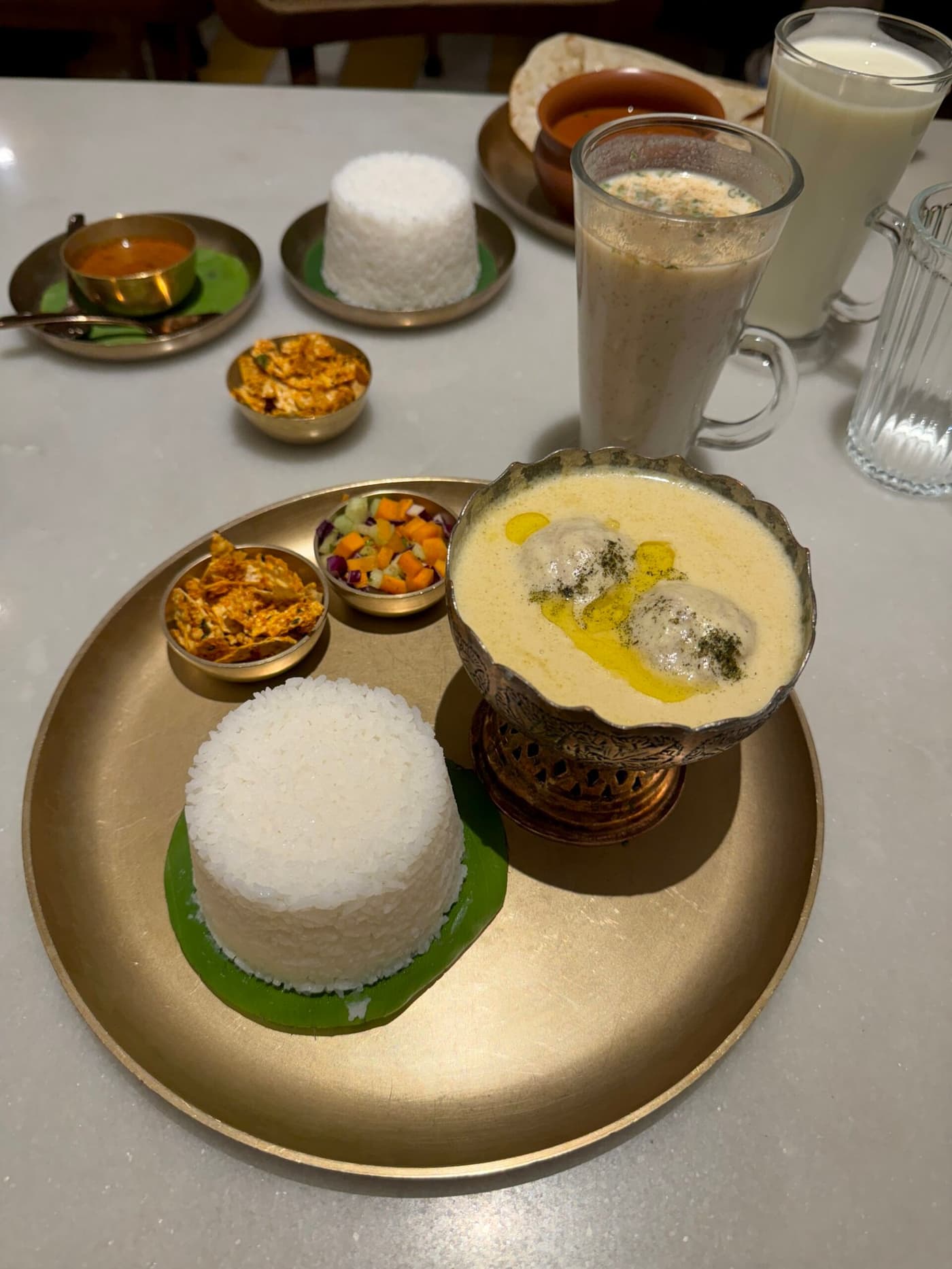
Accommodation
Mumbai is an expensive city. I recommend choosing a place that costs at least $50 a night, because anything cheaper will be unlivable. Reviews in India are inflated so heavily that after booking a hotel you won't recognize it when you arrive.
When booking a hotel or choosing a cafe, don't even think about looking at the overall rating, because it means nothing. Every time, for every place, read the reviews.
- Skip reviews that have only a rating and no words, because they are fake.
- Look at the accounts that left a written review. If an account has only one review, it's fake.
- Read the bad reviews, so you understand the worst of what awaits you on site.
Where you stay depends on your travel goals and budget:
- South Mumbai (Colaba, Fort): the tourist center, close to the sights, in the high price range.
- Bandra and Juhu: middle-class areas, popular with expats and digital nomads. There are lots of cafes, studios and apartments with kitchens.
- Andheri and Powai: options for those who prefer modern hotels and apartments away from the tourist bustle.
- Budget hostels and guesthouses can be found around CST and Dadar, but read the reviews carefully.
When booking accommodation, check not only the price but also:
- Whether there is air conditioning or a fan.
- How clean and safe the neighborhood is.
- The distance to the metro, the train station or main routes.
Proper preparation is the key to avoiding culture shock. By following basic safety measures and choosing food and accommodation sensibly, you can get the most out of the city in both experience and comfort.
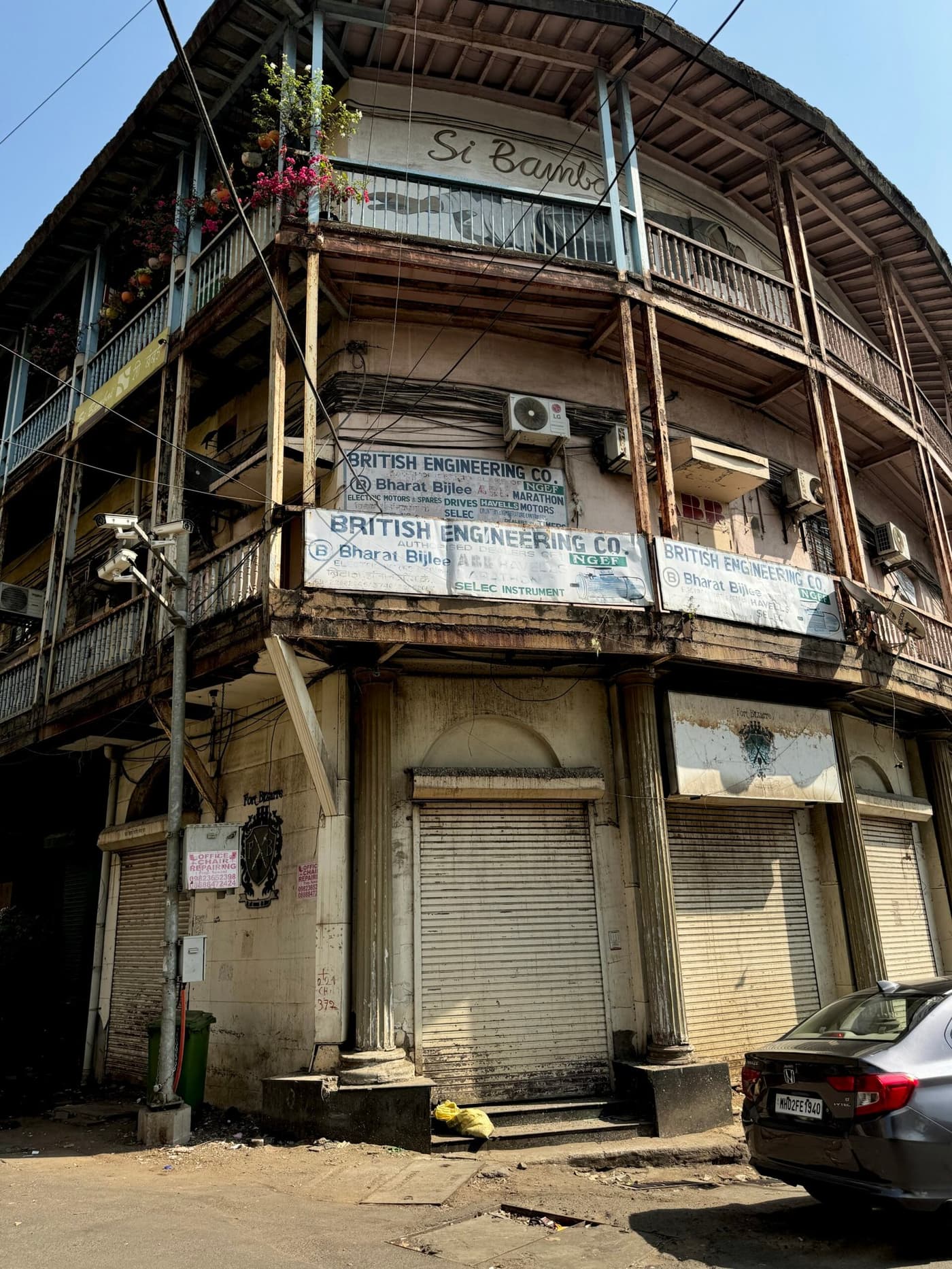
Interesting facts about Mumbai that will surprise you
Behind the outward bustle, traffic jams and noisy bazaars, Mumbai hides many details that make it unique even by Indian standards. Below is a selection of little-known but curious facts about the city that will help you see it from an unexpected angle.
More people live here than in some countries
The population of Mumbai (including the metropolitan area) exceeds 20 million people, which is more than in countries such as Sri Lanka, Portugal or the Netherlands. The city is among the five most densely populated in the world.
Indian cinema makes more films than Hollywood
Mumbai is the capital of Indian cinema. The Indian film industry, whose best-known part is Bollywood, releases more than 1,000 films a year, which makes it the largest on the planet by number of movies.
The railway system is one of the busiest in the world
Mumbai's suburban trains carry more than 7 million passengers every day. Some stations operate almost around the clock, and the platforms are built for thousands of people to get on and off within minutes.
Dhobi Ghat is the largest open-air laundry
On an area of about one hectare, up to 100,000 items of clothing are washed, dried and ironed by hand every day. The Dhobi Ghat laundry is not just a tourist show but a genuinely working laundry system for hotels, hospitals and restaurants.
The city stands on reclaimed islands
Mumbai originally consisted of seven separate islands, which were joined into a single landmass in the 17th–19th centuries through large-scale land reclamation and the building of embankments. Today's city is the result of engineering a new landscape.
The most expensive private home in the world is here
The Antilia building, owned by the billionaire Mukesh Ambani, is a 27-story mansion with a helipad, its own movie theater, a gym and a staff of more than 600 people. Its value is estimated at more than $1 billion.
A significant part of the city lies below sea level
The southern districts of Mumbai regularly flood during the monsoon season. Despite the construction of drainage systems, heavy rain often paralyzes transport and floods the streets.
Mumbai has the most millionaires and the most poor people
Both the most expensive residential areas in India and the largest slums, such as Dharavi, are found here. This contrast is an integral part of city life and one of the reasons Mumbai is called the "city of contrasts."
Mumbai is not just a metropolis on the shore of the Arabian Sea. It's a city where centuries of history coexist with modern technology, ancient temples with skyscrapers, and Hindu rituals with world cinema. Understanding these nuances makes the trip truly memorable.
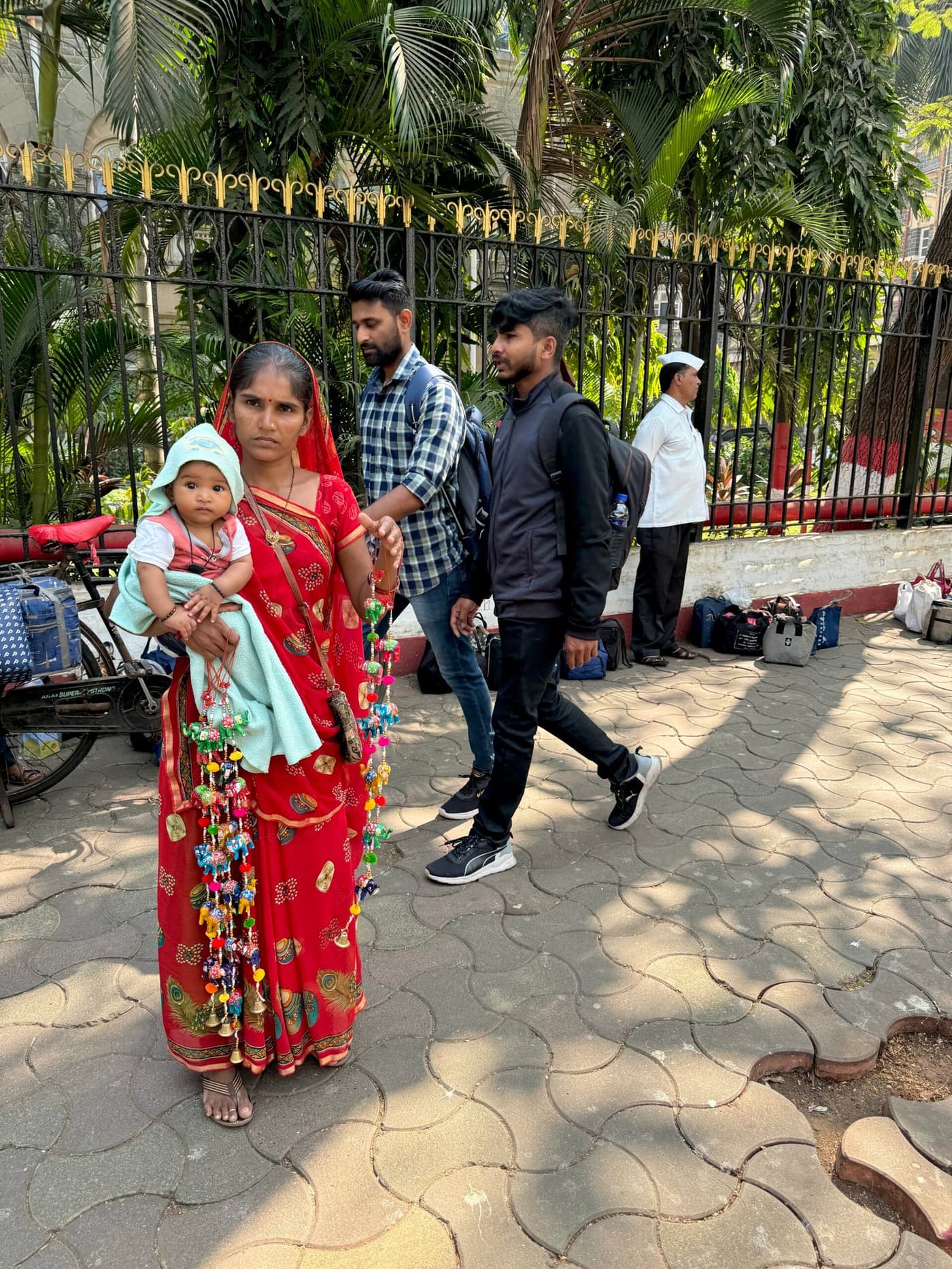
Is Mumbai worth visiting and who will like it
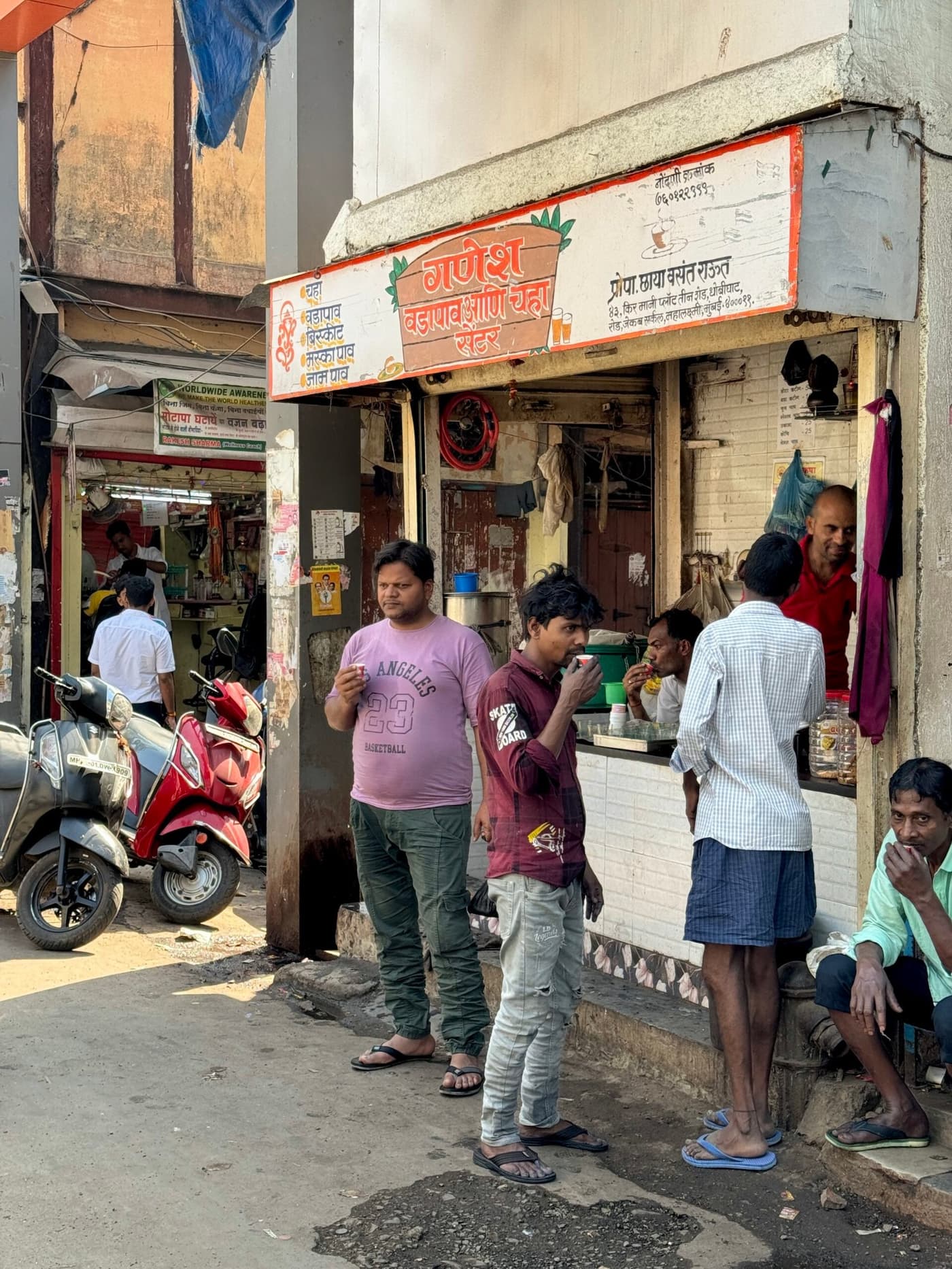
Mumbai is a city you can't understand in a single day, but you can feel it from the first minutes. It may seem chaotic, noisy and overloaded, but that is its essence. It's not a resort or a postcard with palm trees. It's a living metropolis where Hinduism sits next to Christian cathedrals, modern skyscrapers border slums, and elite restaurants stand across from street tea stalls.
Who will enjoy a trip to Mumbai
- Big-city lovers. If you're interested in architecture and urban rhythm, Mumbai won't disappoint you.
- Those who want to see a real Indian metropolis. There are no illusions here: the city shows you India as it is, with traffic jams, colors, smells, crowds of people and contrasts.
- Travelers interested in film and culture. Mumbai is creatively inspiring.
- Those who have already been to other regions of India. If you've traveled around Delhi, Rajasthan or Goa, Mumbai will reveal itself as a completely different, unfamiliar Indian experience.
Mumbai is definitely the best city in India I have been to. It's the kind of India you can put up with and even enjoy for its color. It doesn't shock you, especially if you've already been to other Asian cities.
Who might want to choose another destination
- Fans of a quiet beach holiday. Mumbai's beaches are not suitable for swimming, and there is no resort infrastructure or peace and quiet.
- Those who struggle with noise, heavy traffic and high humidity. The city is hot, humid and very crowded at almost any time of year.
A trip to Mumbai is not about relaxing but about impressions and real adventures. If you're ready for that kind of experience, Mumbai can become one of the brightest and most memorable places on your travel map.
I filmed how we traveled around India and posted it on YouTube. Enjoy watching!
Frequently asked questions about traveling to Mumbai
Do I need a visa to travel to India?
Most travelers do. When I checked in October 2026, a visa for eligible passports had to be applied for in advance, at least 4 days before arrival. An e-Visa is valid only for entry through designated international airports (including Mumbai) and seaports; the current list is on the official site indianvisaonline.gov.in. The number of entries depends on the visa type; the 30-day tourist e-Visa is listed as multiple-entry. Visa rules depend on your nationality, so confirm the current requirements for your own passport with India's immigration authorities before you book.
When is the best time to go to Mumbai?
The best time is November to March. The weather is dry and comfortable then, with temperatures of +28…+32 °C, low humidity and great conditions for walking around the city.
How do I get from the airport to the center?
From Chhatrapati Shivaji Maharaj International Airport (CSMIA) you can take ride-hailing taxis (Uber, Ola), auto-rickshaws with a working meter, or the metro (where there are already stations connected to the airport).
Is Mumbai safe for tourists?
Yes, it is one of the safer Indian metropolises, but you should still be careful:
- Avoid empty and remote areas at night.
- Keep your belongings with you.
- Women are advised to ride in the "ladies' cars" of trains and to avoid walking alone in unlit places.
Where can I store my luggage if I'm only in transit and not staying at a hotel?
Lockers and left-luggage rooms are available at the airport and at major train stations, but prices can be high. Some hotels let you leave luggage even if you aren't staying there, so ask in advance.
What is the currency, and can I pay by card?
The official currency is the Indian rupee (INR). You can exchange money at banks, airports and exchange offices. Cards are accepted almost everywhere, especially in restaurants, cafes and shops. Mobile payment systems are also available.
What street food should I try?
Pav bhaji, vada pav, bhel puri, shami kebab and falooda are popular dishes. Buy only from street vendors with high turnover and good reviews.
How do I get around the city?
- Metro and suburban trains: fast and cheap (but avoid rush hours).
- Auto-rickshaws and taxis (Uber, Ola): convenient for short trips and evening rides. For getting around the center, nothing beats walking.
Which areas should tourists choose to stay in?
The most convenient for tourists are Colaba, Fort, Nariman Point, Bandra and Juhu. They are close to the sights, restaurants and transport.