The Taj Mahal is in the city of Agra, in the Indian state of Uttar Pradesh. Agra sits on the Yamuna River, about 200 kilometers south of India's capital, New Delhi.
Agra has long been known as a center of culture and history. Many architectural monuments were built here in the era of the Mughal Empire, but the Taj Mahal became the most important and famous of them all.
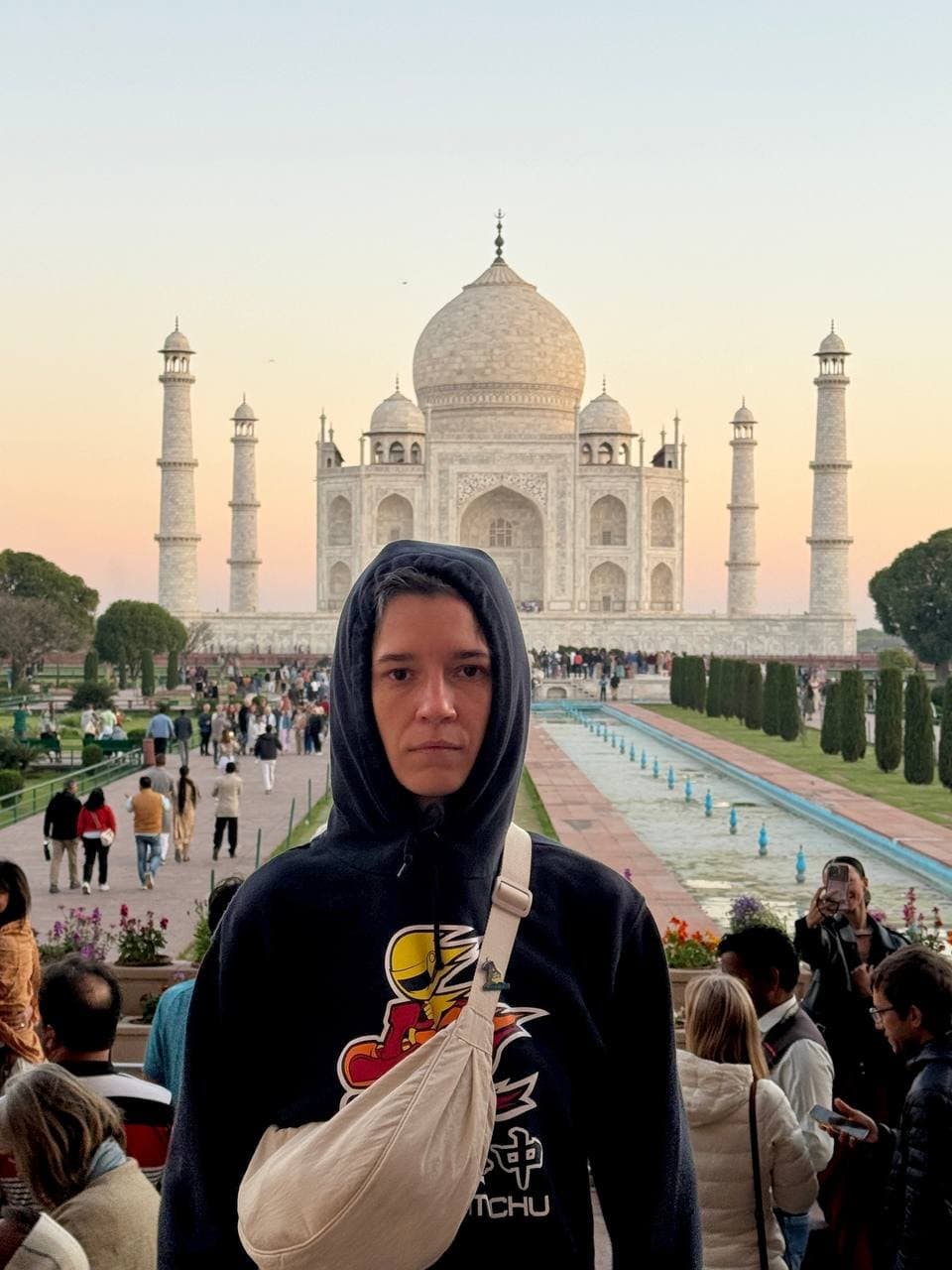
The Taj Mahal is one of the most recognizable monuments in world architecture. Every year millions of tourists come to the country to see this white marble masterpiece, which is considered a symbol of love and is on the list of the New Seven Wonders of the World.
While in India, we visited the famous Taj Mahal. In this article I'll tell you who built the Taj Mahal, how it came to be, and share my own impressions.
History of the Taj Mahal
The Taj Mahal was built on the orders of Emperor Shah Jahan in the 1630s as a tomb for his wife Mumtaz Mahal. She was his third wife and died giving birth to their 14th child.
The official version calls the mausoleum a symbol of "great love," but the facts suggest otherwise. Shah Jahan had several wives and concubines, and Mumtaz was expected to bear heirs. Constant pregnancies undermined her health and in the end cost her her life. There is no love story to speak of here.
Construction of the Taj Mahal began in 1632 and lasted almost two decades. Tens of thousands of craftsmen took part, and white marble and precious stones were used for the finishing. The building truly became an outstanding example of architecture and was added to the UNESCO World Heritage list.
Today the Taj Mahal has lost its former beauty and grandeur: the white has dulled, and around it there is dirt, mountains of trash, noise, stray dogs and monkey droppings right by the ticket office.
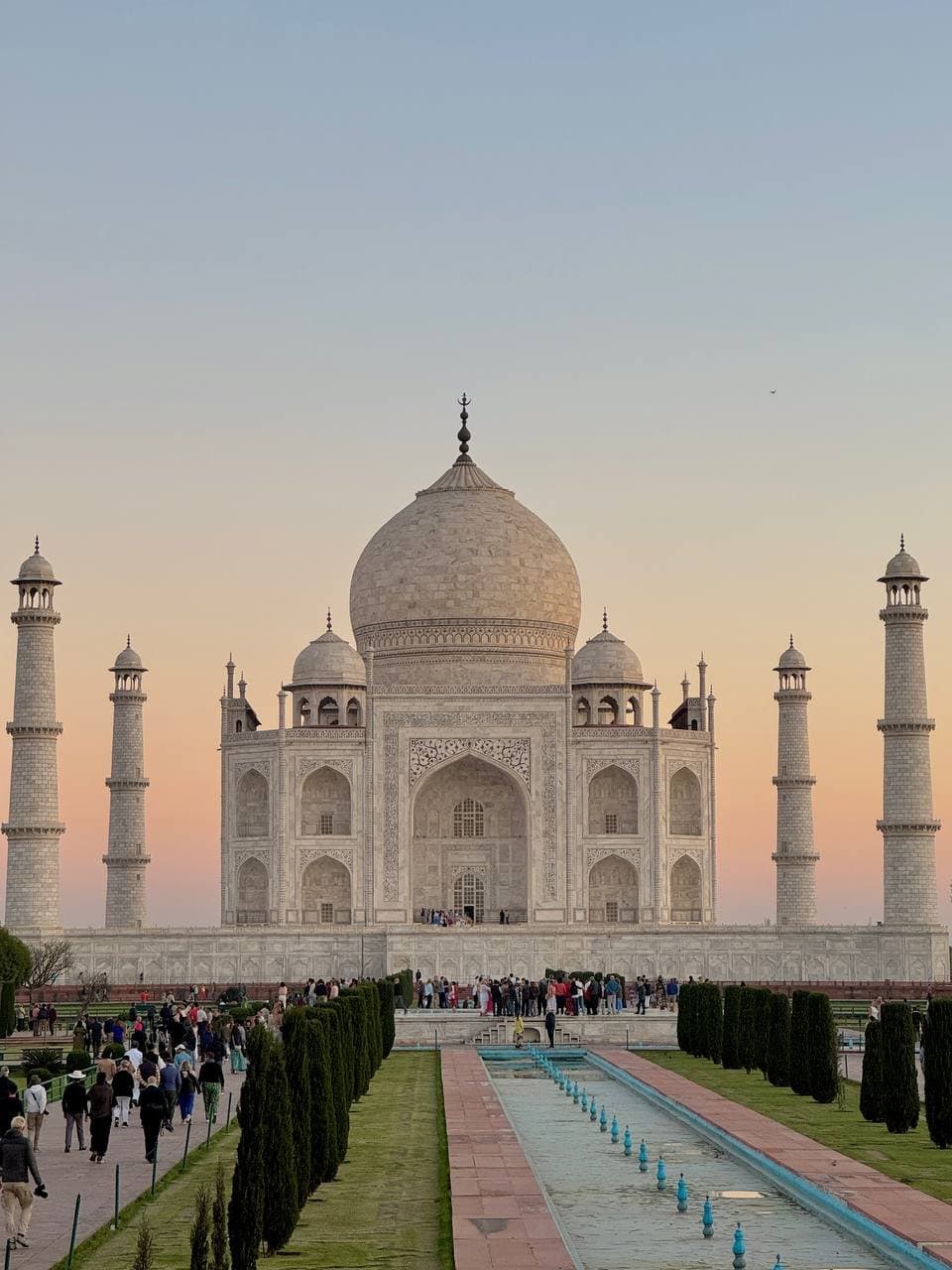
Who Built the Taj Mahal in India?
Emperor Shah Jahan gave the order to build it, but the creators were the architects, engineers and thousands of craftsmen who worked under his rule.
The chief architect is considered to be Ustad Ahmad Lahori, who came from Persia. Specialists from different regions worked under his direction: India, Central Asia and the Ottoman Empire. In all, about 20,000 people took part in the project: masons, stone carvers, calligraphers and jewelers. Almost none of their names have survived, and the glory went to one man, the ruler.
The materials were also brought from all over Asia: white marble from Rajasthan, lapis lazuli from Afghanistan, jade from China and turquoise from Tibet.
The architectural masterpiece the world admires was created at the cost of other people's lives and effort, and the names of most of its creators have been lost to oblivion.
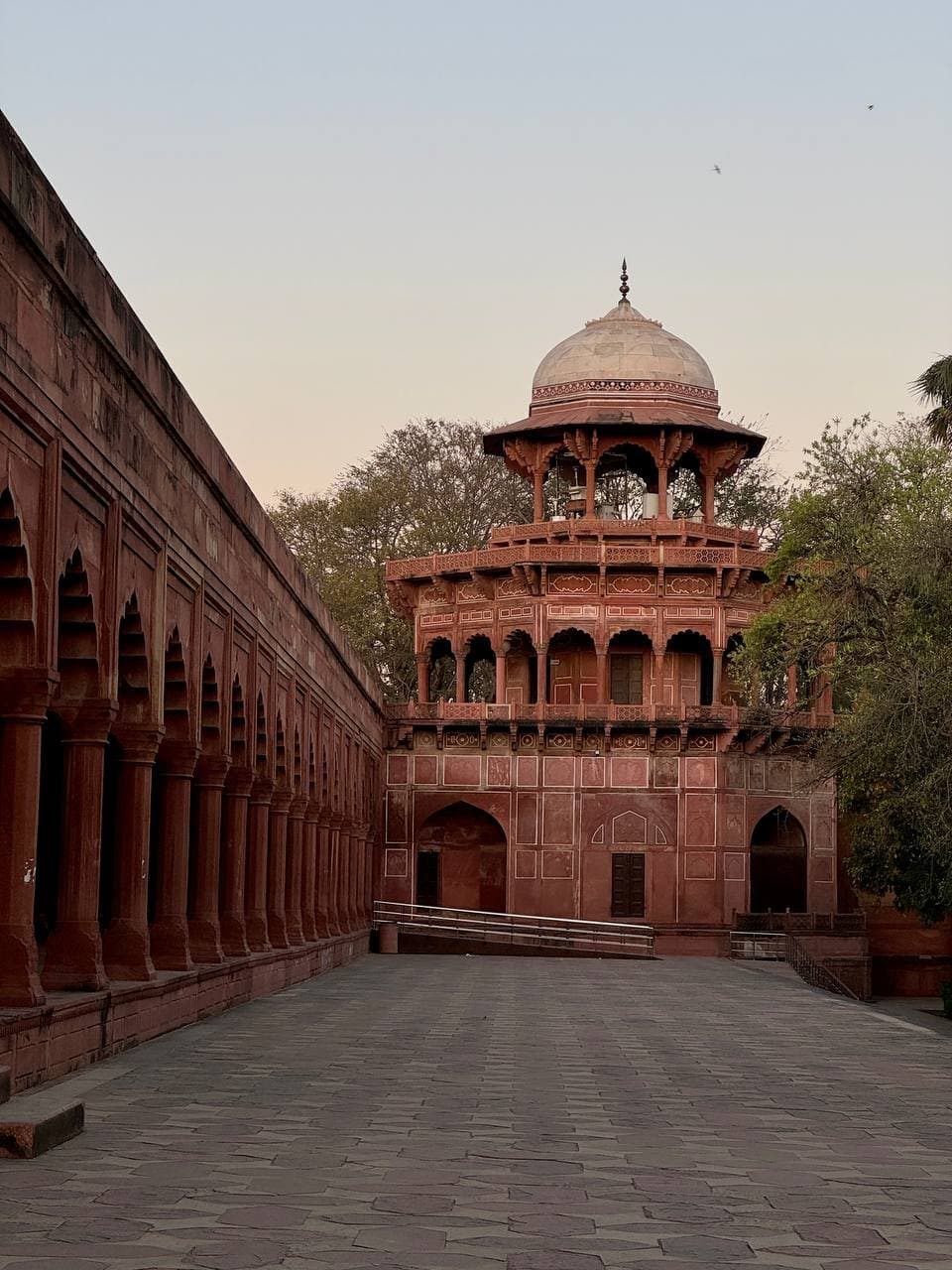
Architecture of the Taj Mahal Mausoleum
The Taj Mahal is first and foremost a mausoleum, not a palace or a temple. It was built of white marble brought from the quarries of Rajasthan. The main building rises on a massive plinth and is surrounded by four minarets, tilted slightly outward so that, if they ever collapsed, they would not damage the mausoleum itself.
Inside are the tombs of Mumtaz Mahal and Shah Jahan himself. Decorative sarcophagi were placed over the graves, while the actual burials are located below, in the crypt.
The architecture combines elements of Persian, Islamic and Indian styles. Symmetry is the key feature: the central dome and the rooms around it are built to form a perfectly balanced composition.
Precious and semi-precious stones were used in the decoration: jasper, lapis lazuli, jade, turquoise and carnelian. The stones were inlaid into the marble, creating ornaments and calligraphic inscriptions. These decorations have survived only in part: over the centuries many of them have been lost or damaged.
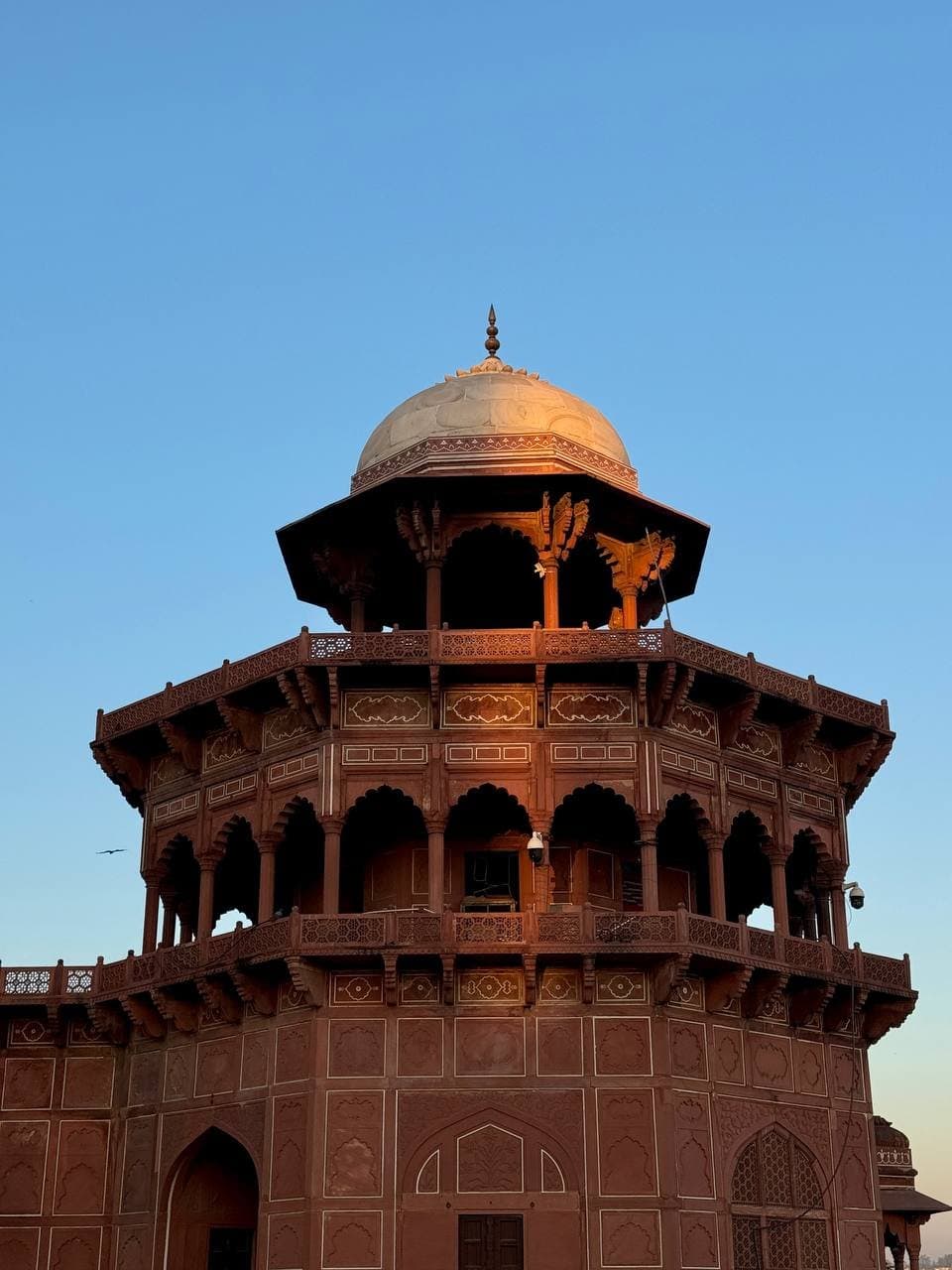
The Taj Mahal Today: Photos and Impressions
Today the Taj Mahal is one of India's main attractions and a UNESCO World Heritage site. Millions of tourists visit it every year.
However, behind the beautiful photos lies the reality of Indian service.
What My Visit to the Taj Mahal Was Like: Personal Experience
Through the owners of the guesthouse where we stayed, we arranged a morning transfer. Early in the morning a tuk-tuk picked us up and took us to the entrance. At the entrance we were met by packs of stray dogs, and we had to make our way through them to the ticket office. You can take a golf cart to the gate, but it was cold and we preferred to walk, trying to warm up.
To get inside, you have to stand in long lines, even if you arrive early in the morning. We reached the ticket office half an hour before sunrise, and there were already big lines. There is a separate ticket window for foreign tourists, but Indian citizens couldn't care less and lined up at it anyway. On the windowsill by the ticket office, monkey droppings were lying around, and nobody cleaned them up.
Entry to the grounds is paid, and the price for foreign tourists is higher than for locals.
Entry for a foreign tourist costs ₹1,100 (about $12.5).
Visiting the main mausoleum costs ₹200 (about $2.3).
Security inside is strict: they confiscate food and don't let you in with large bags or professional photo equipment without permission.
The security check was a circus: bags go through the scanner belt, then a specially trained person opens them and rummages through them by hand. It's unclear why the belt is there at all. After that, the bags aren't handed back to people but simply thrown on the floor. This creates a crush, with everyone pushing and trying to reach their own bags. Once you get through this chaos, you're finally inside.
Important: don't throw away your tickets, because they are checked at the exit.
Either way, seeing all this with your own eyes is an interesting experience.
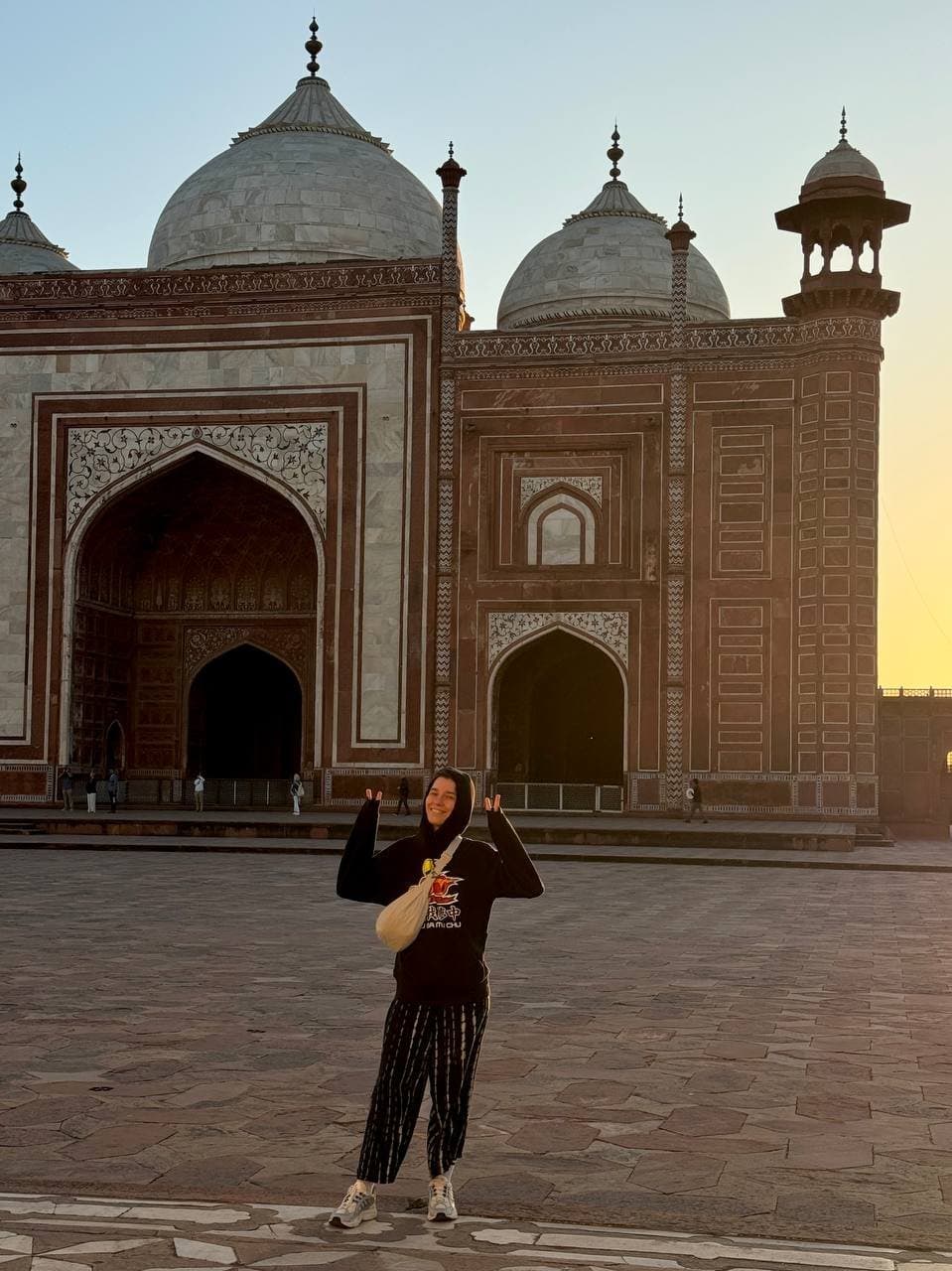
I filmed a video about how we traveled around India and put it on YouTube. Enjoy watching!
Frequently Asked Questions (FAQ) About the Taj Mahal
Where is the Taj Mahal and how do you get there?
The Taj Mahal is in the city of Agra, in the state of Uttar Pradesh, on the bank of the Yamuna River. You can get there from Delhi or Jaipur by train, bus or on a tour; it is often organized as a day trip.
When is the best time to visit the Taj Mahal?
The best period is from October to March, when it is cooler. The best time of all is early in the morning, right after opening, so you can catch the sunrise.
How much does it cost and where do you buy tickets?
You can buy tickets online or on the spot at the ticket office. Entry for a foreign tourist costs ₹1,100 (about $12.5). Visiting the main mausoleum costs ₹200 (about $2.3).
Can you use a drone?
No. There is a no-drone zone with a radius of 500 meters around the mausoleum. The penalty for violating it is confiscation of the device and a fine of ₹50,000.
Why is the Taj Mahal famous?
It is recognized as a masterpiece of Mughal-era architecture, a UNESCO World Heritage site and one of the New Seven Wonders of the World.
What else should a tourist keep in mind?
- Gasoline and diesel vehicles can't get closer than 500 m to the entrance; you are taken the rest of the way by electric vehicle or on foot.
- Clothing should be modest and comfortable for walking; tripods, large bags, food and electronics are not allowed without permission.