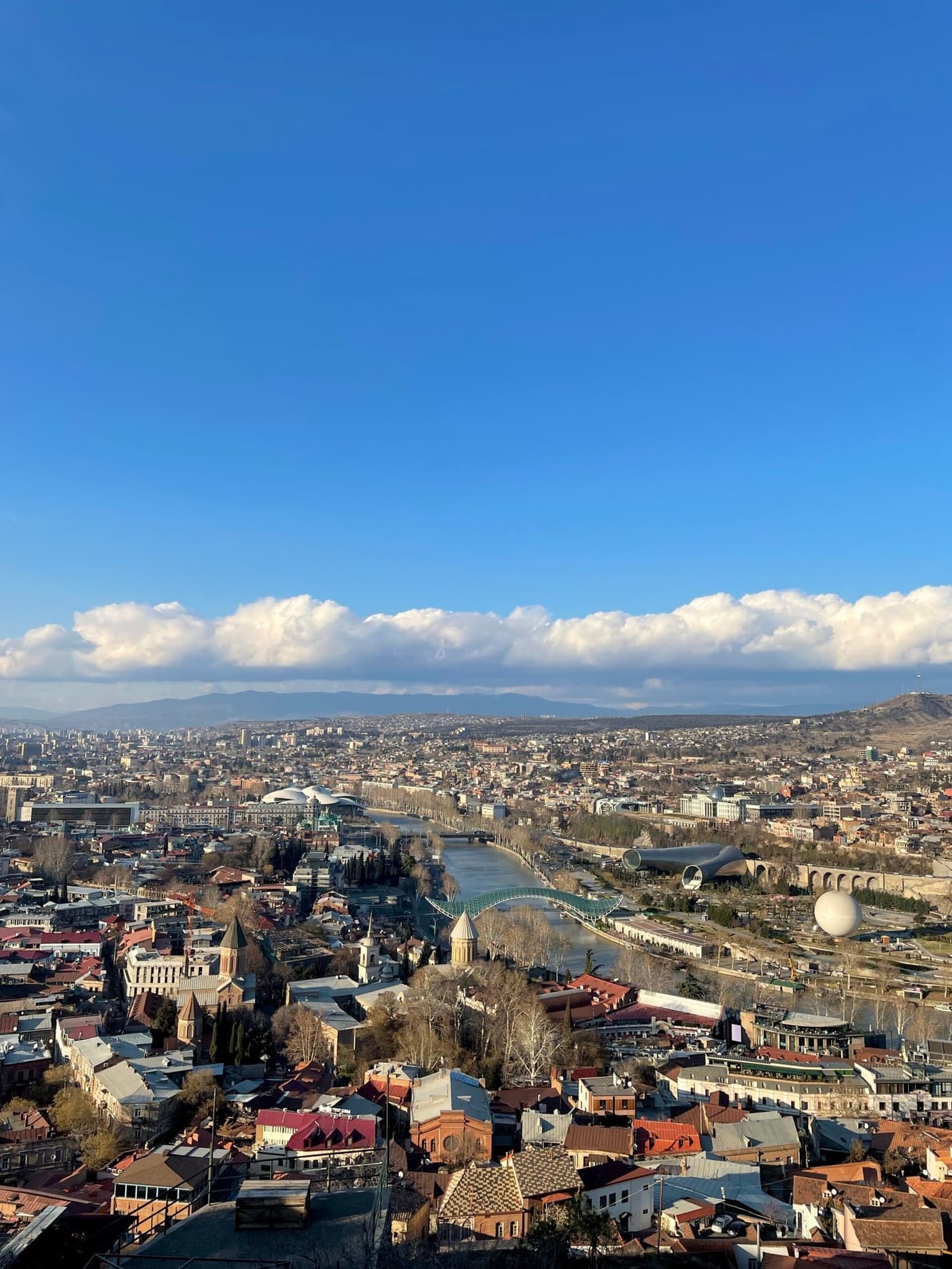
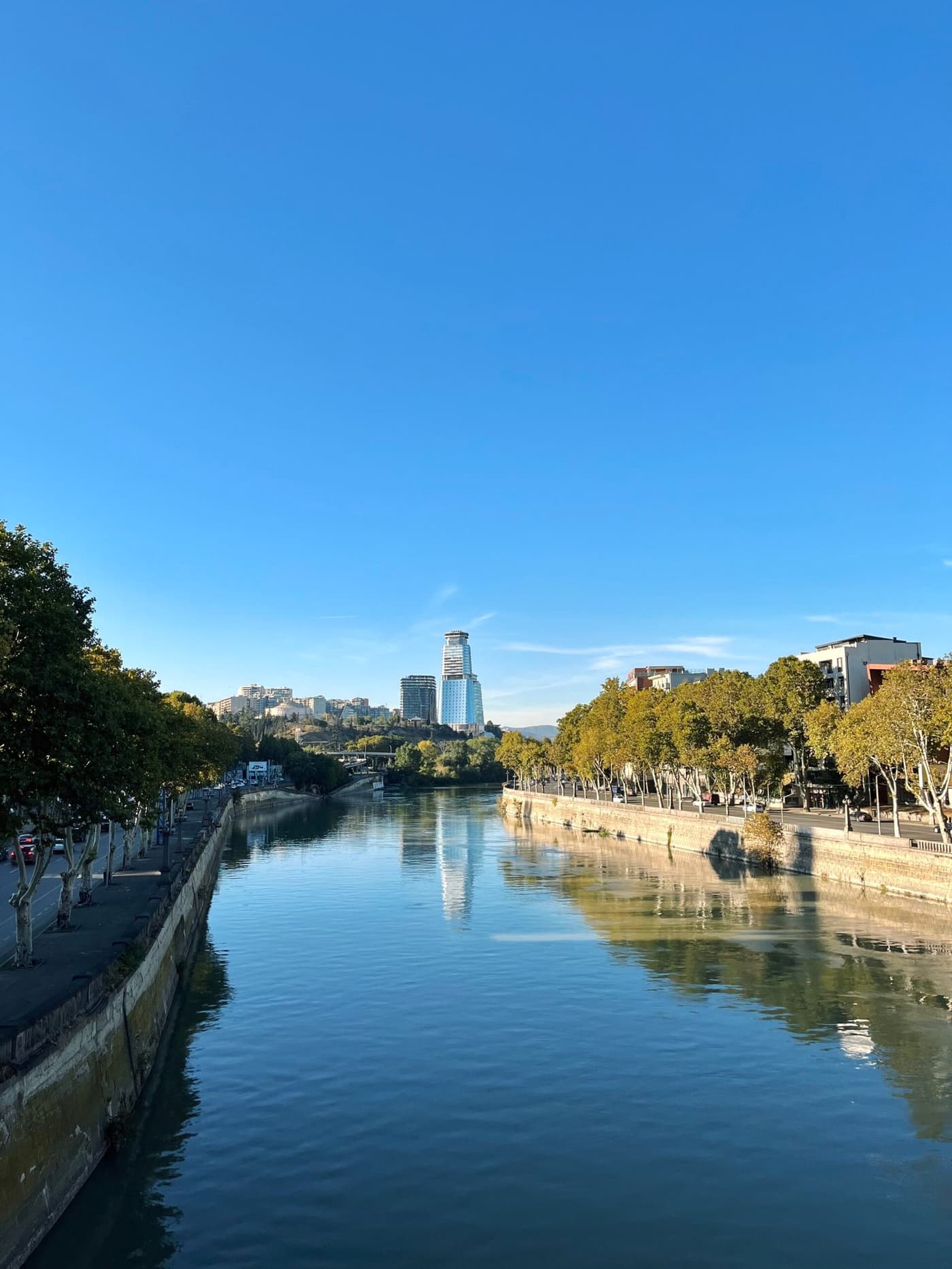
Tbilisi, the capital of Georgia, has a mild climate, distinct seasons and plenty of sunny days throughout the year. The weather matters when you plan a trip here: summers can be hot, winters are cool, and spring and fall are the most comfortable seasons for walks and excursions.
I lived in Tbilisi for a year and experienced every season, so in this article I'll walk you through the weather in Tbilisi month by month, how the temperature changes in winter and summer, and when the most rain falls.
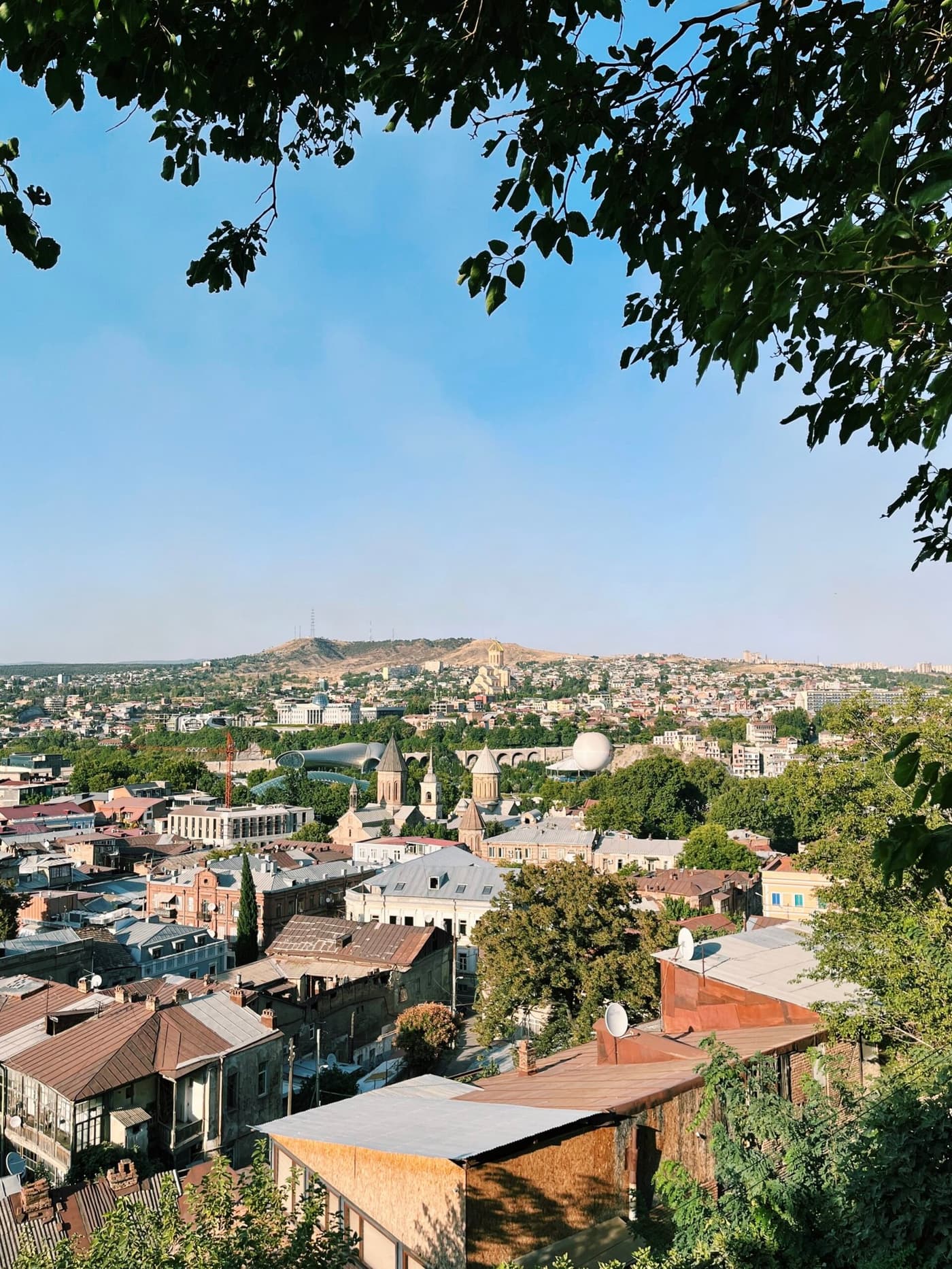
Tbilisi Climate and Weather: General Information
Tbilisi lies in the eastern part of Georgia, in the valley of the Kura River, and has a moderate continental climate. The weather is shaped both by the Caucasus mountains and by dry air masses arriving from the east.
The main features of Tbilisi's climate:
- hot, dry summers
- a relatively mild winter without severe frosts
- a comfortable spring and a warm fall
- a moderate amount of precipitation throughout the year.
The average annual temperature in Tbilisi is around +12..+13 °C. In summer the thermometer often climbs above +30 °C, while in winter it rarely drops below zero. Snow doesn't fall in the city every year and usually doesn't stay long.
Thanks to this climate, Tbilisi is an appealing destination all year round. However, how comfortable your trip is depends a lot on the season and on what you want to do: stroll, take excursions, explore the food scene or get active outdoors. If you are only planning to visit the capital of Georgia, my Tbilisi city guide and complete guide to Georgia will be useful.
Tbilisi Weather by Month and Temperature
The weather in Tbilisi changes noticeably over the year, so when planning a trip it's important to take the season and the average monthly temperatures into account. In general, the climate lets you travel year-round, but the experience differs: summer is hot and dry, winter is cool and relatively mild, and spring and fall are the most comfortable.
Below I go through the weather in Tbilisi month by month, with approximate average daytime and nighttime temperatures, the features of each season and how the weather affects your vacation and excursions.
Tbilisi Weather in Winter
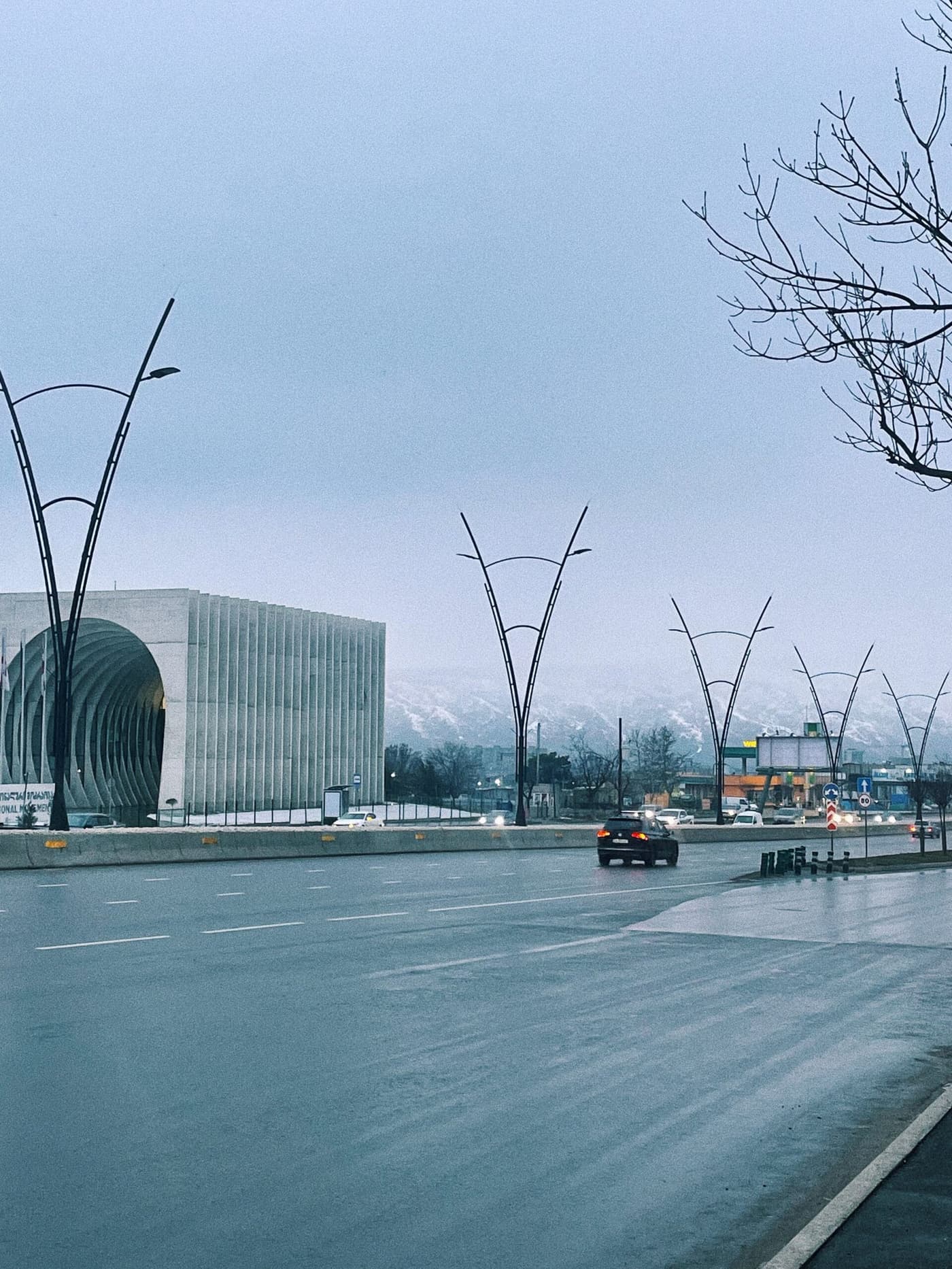
Winter in Tbilisi is considered one of the mildest among the capitals of the Caucasus region. Severe frosts are rare, and snow cover, if it appears at all, usually doesn't last long.
The main features of winter weather:
- the temperature most often hovers around zero;
- days are usually cool, but without extreme cold;
- precipitation can come as rain or sleet;
- sunny days alternate with overcast weather.
Winter suits those who want to avoid the crowds of tourists and see the city in a calm atmosphere.
December
December in Tbilisi is a transitional month between fall and winter. At the start of the month the weather is still relatively mild, but toward the end it gets cooler. The temperature gradually falls, the chance of precipitation rises, and the first snowfalls are possible.
January
January is considered the coldest month of the year. Daytime temperatures usually stay a few degrees above zero, and frosts are possible at night. Snow falls irregularly and rarely stays for long.
February
February is much like January, but toward the end of the month you can already feel spring approaching. The temperature gradually rises, there are more sunny days, and precipitation becomes less frequent.
Tbilisi Weather in Spring
Spring in Tbilisi is considered one of the most comfortable seasons for travel. The city gradually comes back to life after winter: it gets warmer, greenery appears, and there are more sunny days. There is no intense heat yet, which makes spring a great time for walks and excursions.
The main features of spring weather:
- a gradual rise in temperature from month to month;
- mild daytime temperatures without exhausting heat;
- a moderate amount of precipitation, most often brief showers;
- comfortable conditions for walking routes and sightseeing.
Spring is especially good for anyone looking for comfortable weather in Tbilisi who doesn't like extreme temperatures.
March
March is a transitional month between winter and spring. At the start of the month the weather can still be cool, especially in the mornings and evenings, but during the day it becomes noticeably warmer. There is some precipitation, but it is usually short-lived. By the end of March you can already feel the spring mood in the city.
April
April is considered one of the most pleasant months. The temperature becomes steadily warm, there are more sunny days, and nature is in full bloom. Rain is possible, but it rarely gets in the way of your trip and usually passes quickly.
May
May is the start of the warm season. Daytime already feels like summer, but the heat isn't oppressive yet. Evenings stay mild, which is perfect for walking around the city. May is often called one of the best months to visit Tbilisi, especially if your goal is excursions and a relaxed vacation.
Tbilisi Weather in Summer
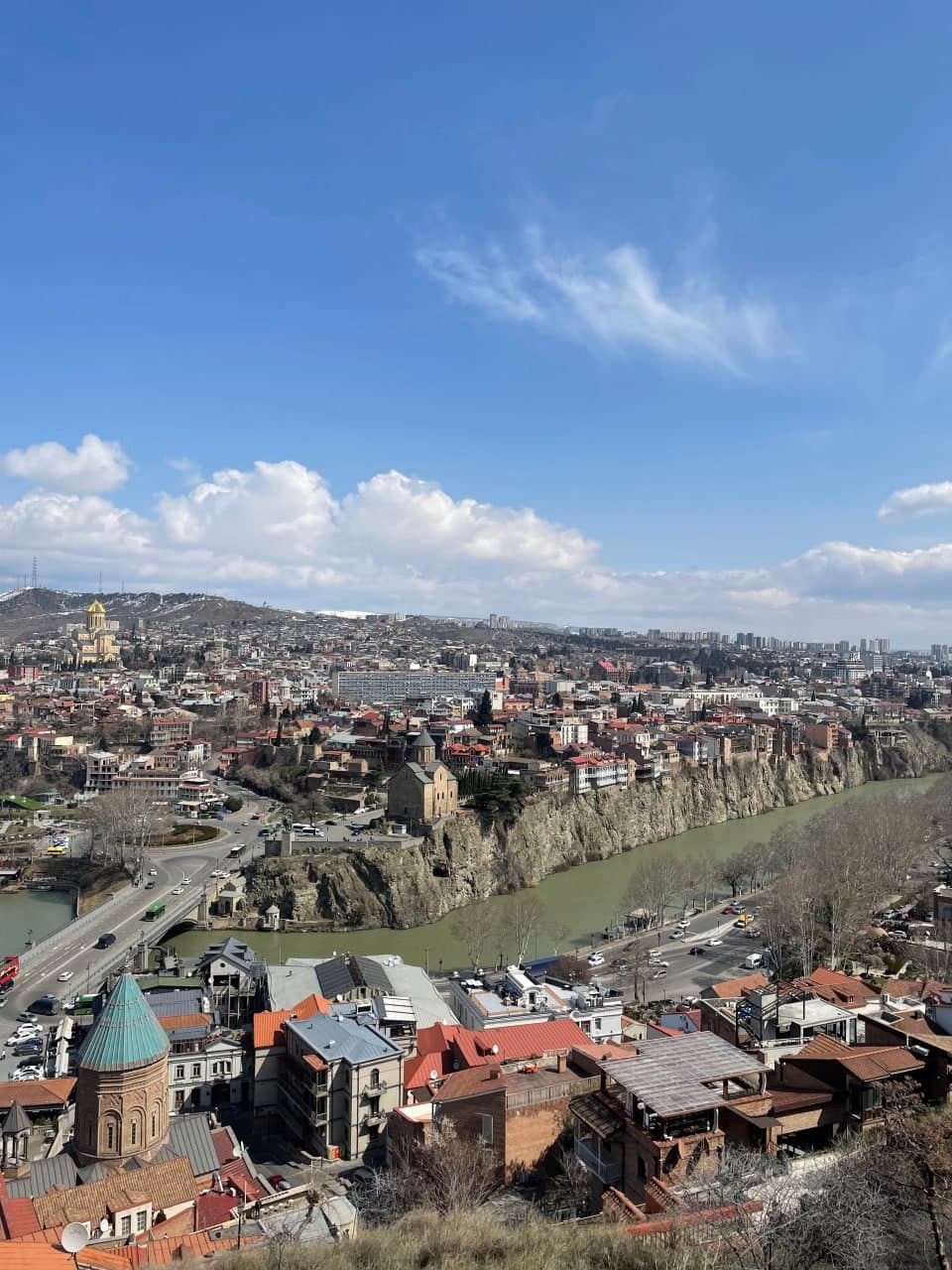
Summer in Tbilisi is hot and mostly dry. This is when temperatures reach their peak and rain is rare. For some tourists that's a drawback; for others it's a familiar and comfortable kind of vacation, especially if you plan your day well.
The main features of summer weather:
- high daytime temperatures;
- very little rain;
- dry air;
- bright sun most of the time.
In summer it's important to take the weather into account when choosing excursions and walks, because the daytime hours can be truly hot.
June
June is considered the mildest summer month. The temperature is already firmly summery, but extreme heat usually hasn't arrived yet. It's a good time to visit if you want warm weather but would like to avoid peak temperatures. Rain is possible but not frequent.
July
July is one of the hottest months of the year. During the day the temperature often rises above what's comfortable for long walks. There is almost no rain, and the weather is dry and sunny. At this time it's especially important to plan your activities for the morning and evening and take breaks during the day.
August
August is much like July and is also very hot. It is the driest period of the year. Daytime activity can be tiring, but evenings and nights become noticeably more pleasant. August suits those who tolerate high temperatures well and prefer a slow pace of vacation.

Tbilisi Weather in Fall
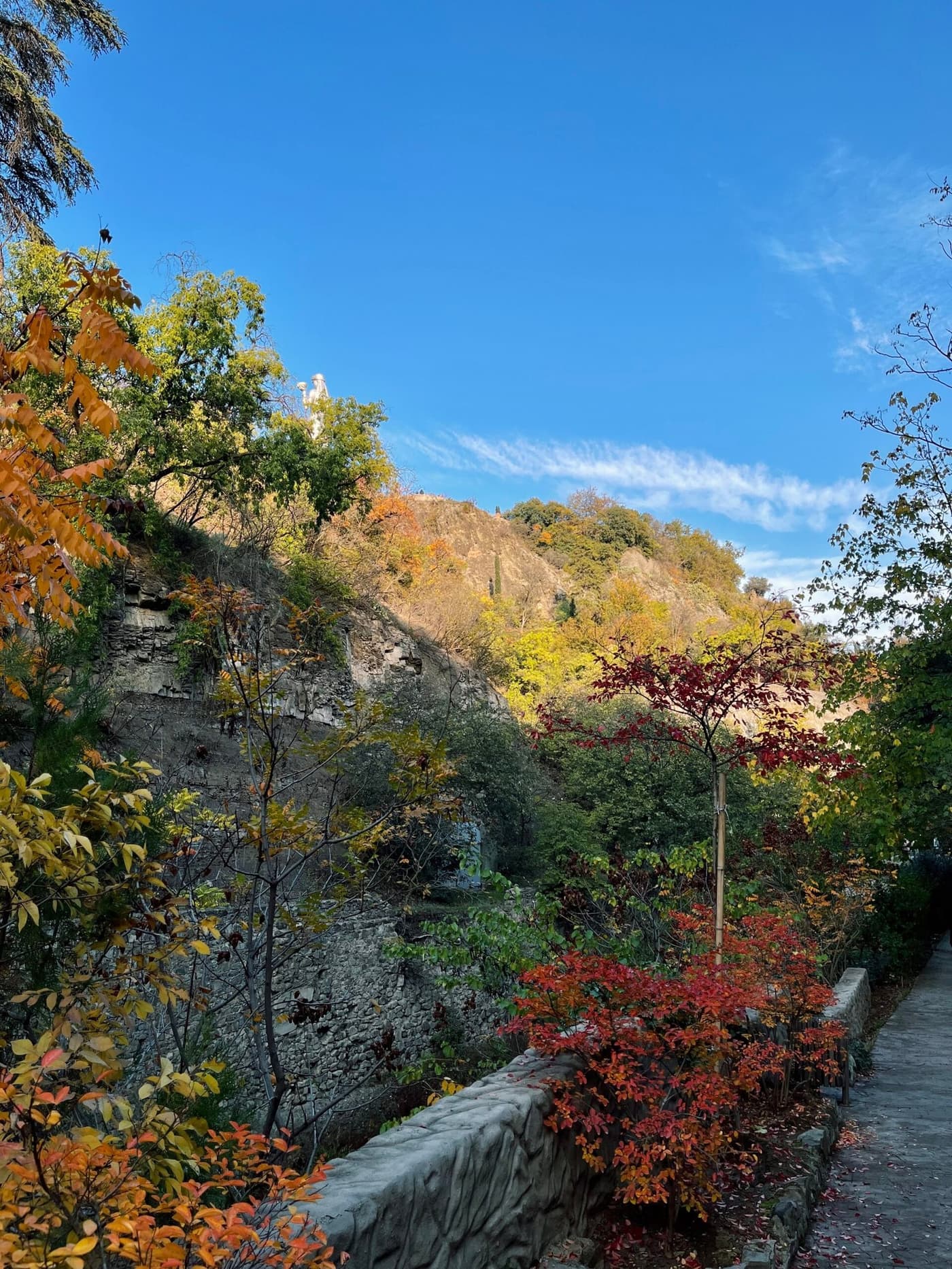
Many tourists consider fall the best time to visit Tbilisi. The summer heat gradually fades, the weather becomes mild and stable, and the city is especially beautiful in its autumn colors. This season is ideal for excursions, food trips and long walks.
The main features of fall weather:
- comfortable temperatures without the heat;
- warm days and mild evenings at the start of the season;
- more precipitation toward November;
- stable, pleasant weather for tourism.
Fall is often chosen by those looking for the ideal balance between weather and tourist comfort.
September
September is a continuation of summer, but without the exhausting heat. Days are still warm, though the temperature becomes more comfortable for active vacations. There is little rain, and the weather is mostly sunny. September is great for excursions and walks around the city.
October
October is considered one of the best months for a trip. The temperature becomes moderate, the heat is completely gone, and the autumn scenery gives the city a special charm. Rain is possible, but it is usually brief and doesn't spoil your vacation.
November
November is a transitional month toward winter. It gets cooler, and there are more overcast days and more precipitation. Even so, the weather is still milder than in most European cities, and there are noticeably fewer tourists.
Tbilisi Weather by Month: Summary Table
| Month | Average daytime temperature | Average nighttime temperature | Precipitation | Overview |
|---|---|---|---|---|
| January | +4…+7 °C | −1…+2 °C | moderate | Coldest month, snow possible |
| February | +6…+9 °C | 0…+3 °C | moderate | Cool, more sunshine |
| March | +10…+14 °C | +3…+6 °C | moderate | Transition to spring |
| April | +15…+20 °C | +7…+10 °C | moderate | Warm, rain possible |
| May | +22…+26 °C | +12…+15 °C | moderate | One of the best months |
| June | +27…+30 °C | +16…+19 °C | low | Warm, without intense heat |
| July | +32…+35 °C | +19…+22 °C | minimal | Very hot and dry |
| August | +32…+35 °C | +19…+22 °C | minimal | Hottest month |
| September | +27…+30 °C | +15…+18 °C | low | Comfortable, warm |
| October | +18…+22 °C | +10…+13 °C | moderate | Ideal for excursions |
| November | +11…+15 °C | +5…+8 °C | higher | Cool, more rain |
| December | +6…+9 °C | +1…+4 °C | moderate | Mild winter |
Rainfall in Tbilisi by Month
Precipitation in Tbilisi is spread fairly evenly through the year, though there is still a clear seasonal pattern. Unlike many European cities, long drawn-out rains are rare here, and most precipitation is short-lived. Tbilisi's climate can be described as dry, especially in the summer months.
When Does It Rain the Most in Tbilisi
The most precipitation usually falls in:
- spring (March–May): brief showers tied to the change of seasons;
- late fall (November): more overcast days and more rain.
Even in these periods it rarely rains for several days in a row and, as a rule, doesn't get in the way of sightseeing.
The Driest Months in Tbilisi
The least precipitation is recorded:
- in summer (June–August), especially in July and August;
- in early fall, in September, when the weather stays warm and stable.
That is why summer is considered the driest season, although the high air temperature makes this period not the most comfortable for every tourist.
Snow, Humidity and Wind
Snow in Tbilisi is a rare occurrence. It doesn't fall every winter and usually melts within 1-2 days. Air humidity is moderate, with no pronounced mugginess except on the occasional hot summer day. Strong winds are not typical for the city and have no significant effect on the weather.
The weather in Tbilisi lets you travel at almost any time of year without worrying about prolonged rain or extreme conditions. That is exactly what makes the city an appealing destination for tourists with different travel goals. Still, I recommend checking the news about road conditions, especially if you plan to travel by car. At the Upper Lars border crossing, landslides and road closures often happen in winter.
When to Go to Tbilisi: The Best Season to Visit
Choosing when to visit Tbilisi depends largely on your travel goals. The climate lets you come here all year round, but comfort, impressions and the kind of vacation will differ noticeably from season to season.
Below I've put together a breakdown of when to go to Tbilisi, based on the weather, tourist activity and conditions for vacationing.
The Best Time for a Vacation and Excursions
The most comfortable periods for tourists are:
- spring (April-May)
- fall (September-October)
At these times the daytime temperature is mild and pleasant, with no intense heat or cold, and the weather is ideal for walks, excursions and trips around the area. The city looks especially beautiful then.
It's in spring and fall that you most often hear the recommendation: "the best time to visit Tbilisi."
High and Low Tourist Season in Tbilisi
High Season
The high tourist season includes:
- May-June
- September
During this period the weather is the most comfortable, but demand for accommodation and excursions is higher and there are more tourists at popular spots.
Low Season
The low season falls on:
- winter (December-February)
- partly the hot summer (July-August)
In winter there are fewer tourists because of the cool weather, and in summer because of the intense heat. In the low season accommodation is cheaper and there are fewer people. I wrote separately about prices in Tbilisi.
When to Go to Tbilisi for a Vacation
- For excursions and walks: April, May, September, October
- For a budget trip: winter and February-March
- For warm weather without the heat: June and September
- For those who aren't afraid of the heat: July and August
So there is no one-size-fits-all answer, but spring and fall are considered the best seasons for most tourists.
Tbilisi Weather in Winter and Summer: Comparing the Seasons
Winter and summer in Tbilisi are two seasons that are opposite in feel and in cost. Comparing them helps you understand which kind of vacation suits you and when your trip will be the most comfortable.
Winter in Tbilisi: What to Expect
Winter weather in Tbilisi is mild compared with many European cities.
Pros of a winter trip:
- no severe frosts;
- a calm atmosphere and few tourists;
- lower accommodation prices;
- the chance to walk around the city without crowds.
Cons:
- cool weather, especially in the evening;
- short daylight hours;
- possible rain and overcast days.
Winter suits those who want to see the city without the tourist bustle and don't plan long walks every day.
Summer in Tbilisi: Heat and Special Features
Summer in Tbilisi is the period of maximum temperatures and minimal rainfall.
Pros of a summer trip:
- dry, sunny weather;
- long daylight hours;
- lively evening life.
Cons:
- intense heat during the day;
- uncomfortable conditions for excursions in the middle of the day;
- the need to plan your route and rest carefully.
In summer it's better to shift your walks to the morning and evening and take breaks during the day.
What to Choose: Winter or Summer
- Winter is good for a relaxed vacation and a budget trip.
- Summer is for those who handle the heat well and plan activities for the morning and evening hours.
If you need a versatile option, spring and fall have no competition.
Tips for Tourists: How to Prepare for Tbilisi's Weather
To make your trip to Tbilisi comfortable, it's important to take the season and the weather into account. Below are general recommendations that will help you prepare for a trip at any time of year.
What to Pack Depending on the Season
Spring and fall
- a light jacket or windbreaker;
- comfortable shoes for walking;
- an umbrella or a compact rain jacket;
- layered clothing, because the weather can change during the day.
Summer
- light, breathable clothing;
- a hat and sunglasses;
- sunscreen;
- a water bottle (heat and dry air).
Winter
- a warm jacket, but nothing extremely insulated;
- closed shoes;
- a sweater or hoodie for evening walks;
- an umbrella, since it rains more often than it snows in winter.
Always check the weather forecast a few days before your trip and before excursions. In the hot season take breaks and choose shade, and in the rainy months plan part of your program in museums and cafés.
Proper preparation for the weather makes a trip to Tbilisi comfortable at any time of year, regardless of the season and the temperature.
Frequently Asked Questions About Tbilisi Weather
When is the best time to go to Tbilisi for comfortable weather?
The best months for a trip are April, May, September and October, when the weather is mild, warm but not hot, and ideal for walking around the city and taking excursions.
Which month has the highest temperature in Tbilisi?
The warmest months are July and August, when the daytime temperature often rises above +30 °C.
Which month is the coldest in Tbilisi?
The coldest month is January, with an average daytime temperature of around +4…+7 °C.
Is it worth visiting Tbilisi in winter?
Yes, winter in Tbilisi is mild compared with northern countries, but cool. It's a good time for relaxed walks and a budget trip with fewer tourists.
Which months have the most rain in Tbilisi?
The most precipitation falls in spring (March–May) and in November. In winter precipitation is usually uncomplicated, and summers are relatively dry.
What is the weather in Tbilisi like in summer: hot or comfortable?
Summer weather is hot and dry, with frequent days above +30 °C. It's a great time for evening walks, but in the middle of the day you should look for shade or take breaks.
What should I pack for a trip to Tbilisi?
It depends on the season:
- Spring/fall: a light jacket, layers of clothing, comfortable shoes.
- Summer: light fabrics, sun protection, water.
- Winter: a warm jacket, shoes for cool weather.
How many days do I need for a comfortable vacation in Tbilisi?
3-4 days is ideal, enough to calmly see the main sights, try the local cuisine and even fit in day trips out of town.