If you are planning a trip to Vietnam and wondering where to stay in Da Nang, this article is for you. Here I have gathered detailed information about the city's districts: their character, atmosphere, infrastructure, pros and cons. It will help both tourists who come for a couple of weeks and anyone who wants to stay longer.
Overview of Da Nang's districts
Da Nang is the fourth-largest city in Vietnam. It is developing fast and still growing, yet it remains one of the most "European" cities in the country. The city sits on the coast of the South China Sea and is divided into several districts, each with its own character. I wrote a detailed Da Nang city guide in another article.
Below I go through the main districts of Da Nang, explain how they differ and who each one suits.
Be sure to read my other detailed articles: The best time to visit Da Nang What to see in Da Nang
Central district (Hai Chau)
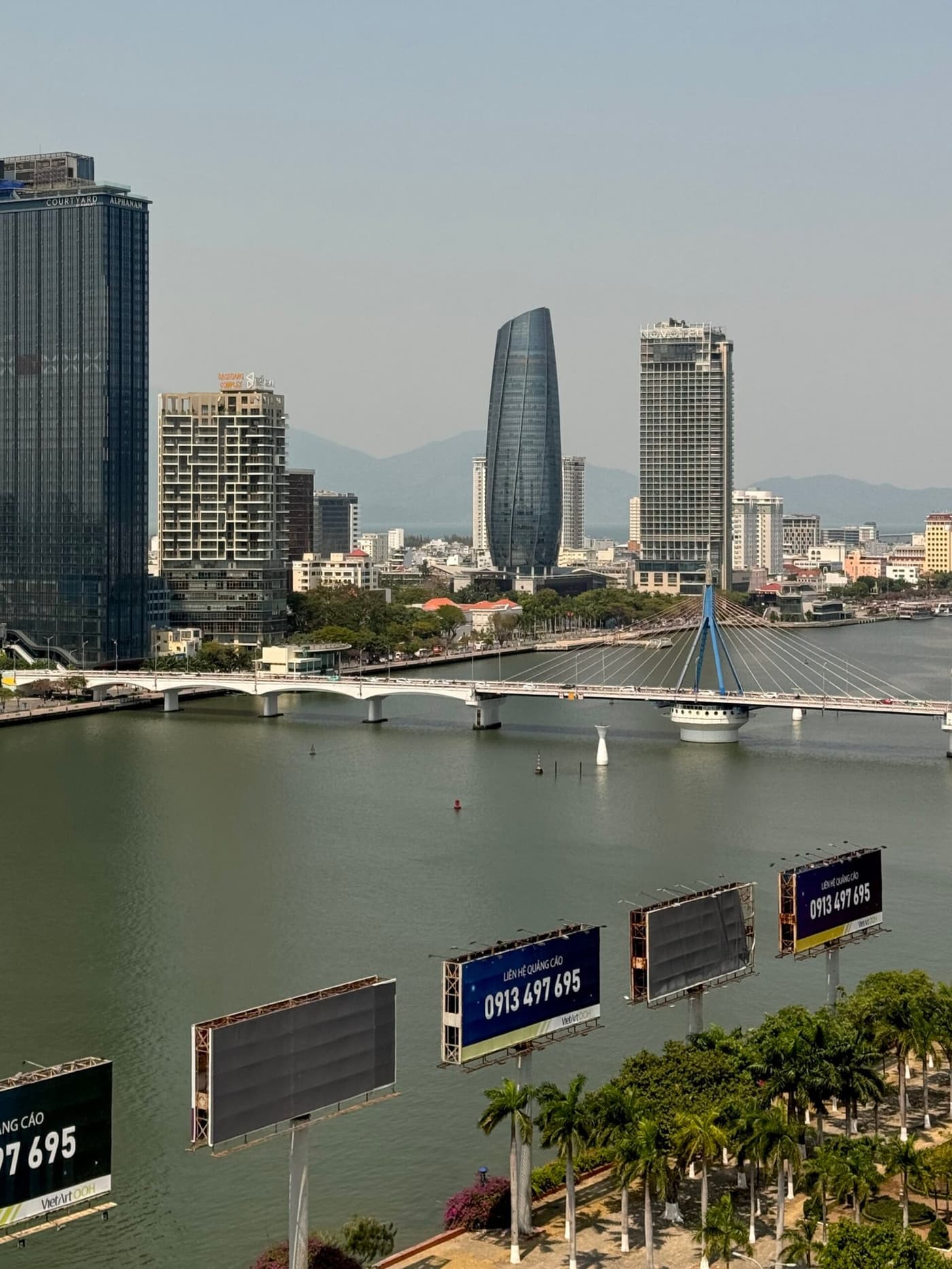
Da Nang's central district (Hai Chau) is the downtown for locals: administrative buildings, markets and plenty of restaurants and cafes are all here. The main attraction is the Han River, with a pretty promenade running along it. This is also where you will find the famous Dragon Bridge, which is lit up in the evenings. Every Saturday and Sunday at exactly 9:00 PM the dragon's mouth breathes water and fire, which makes for an entertaining street show. Best for lovers of city life. Pros: Well-developed infrastructure, lots of cafes and restaurants, a beautiful waterfront, sights nearby. Cons: High prices, the beach is not next door (about 3–5 km to My Khe, 10–15 minutes by scooter), noisy.
My An
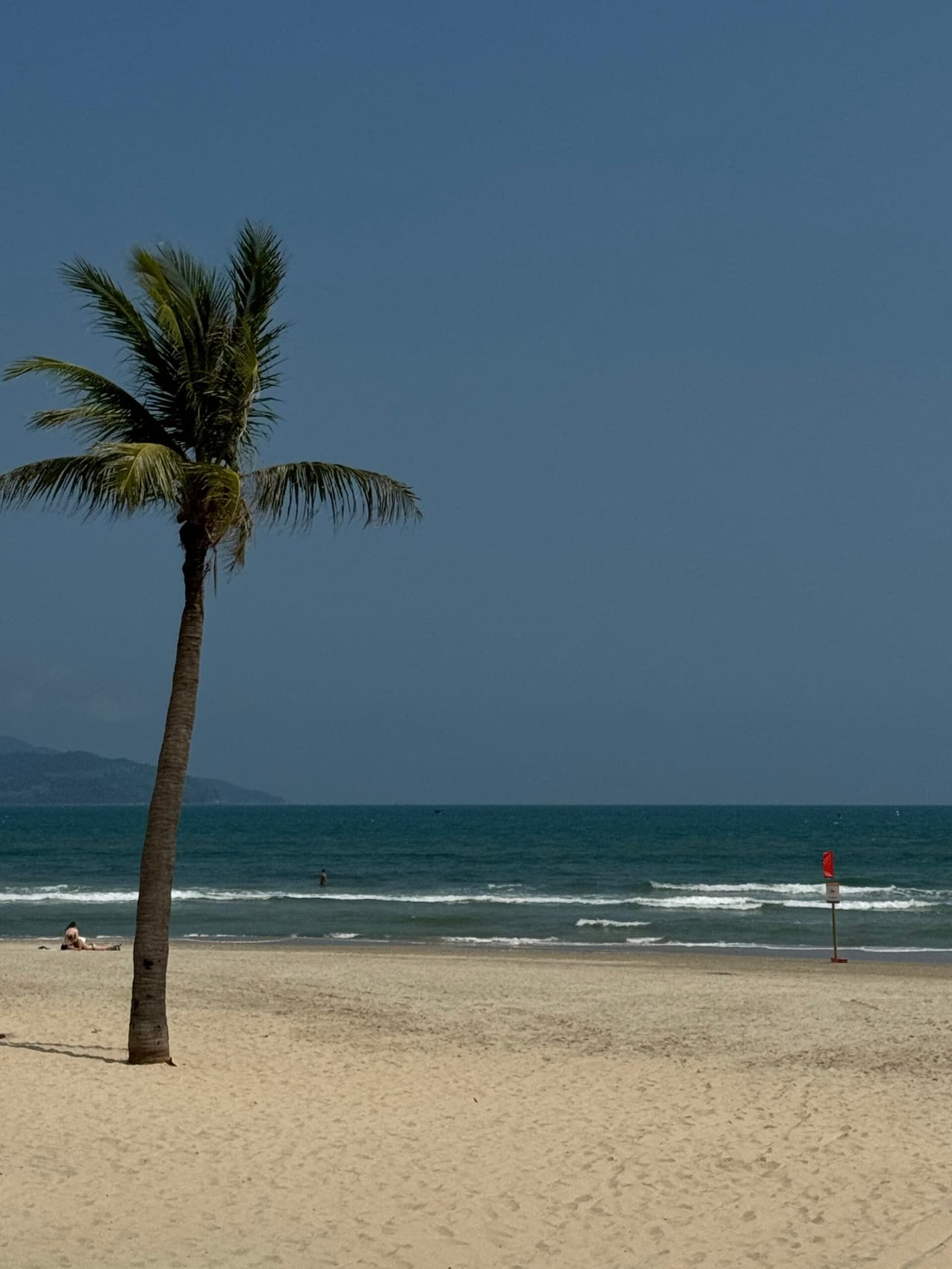
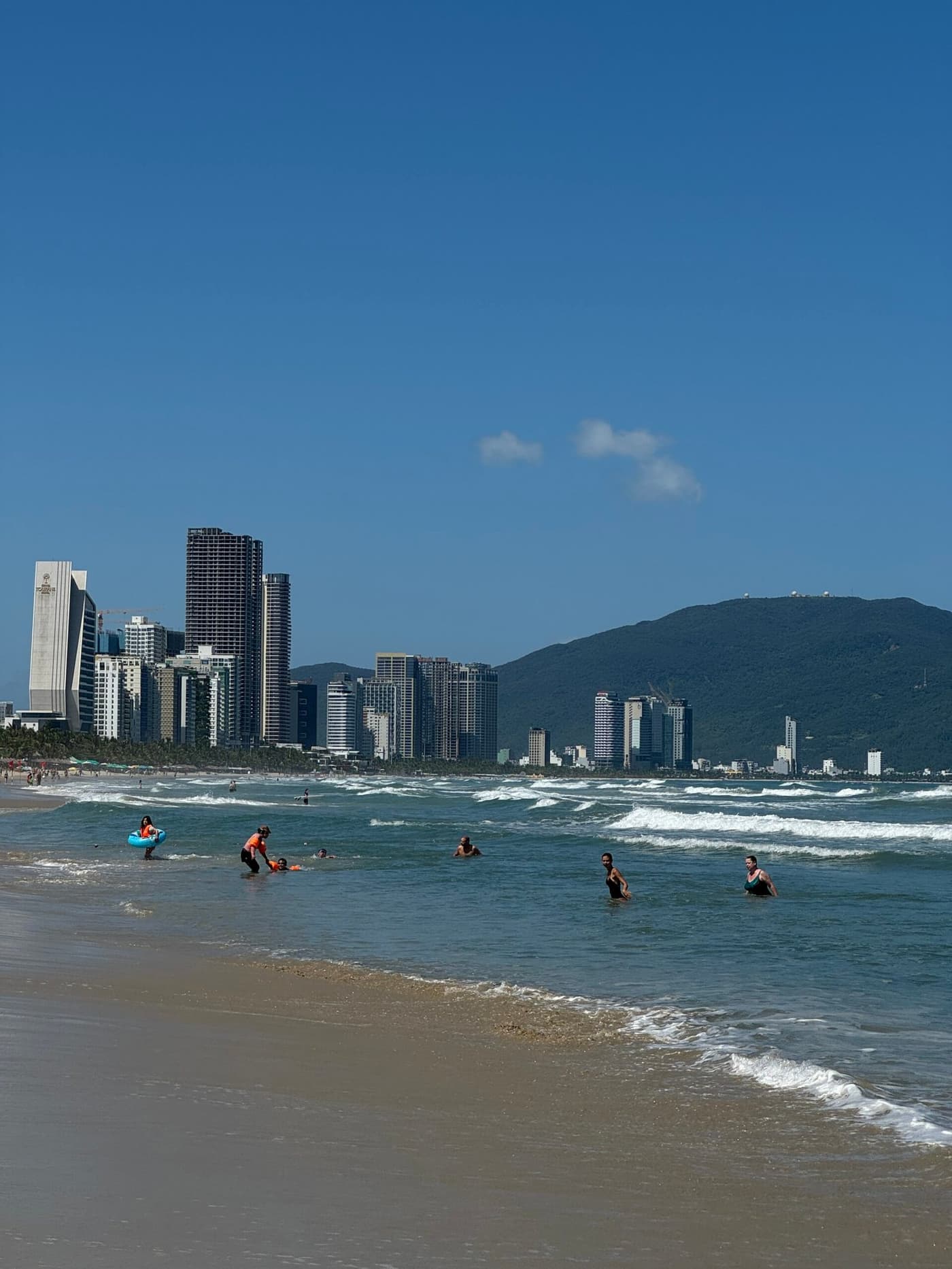
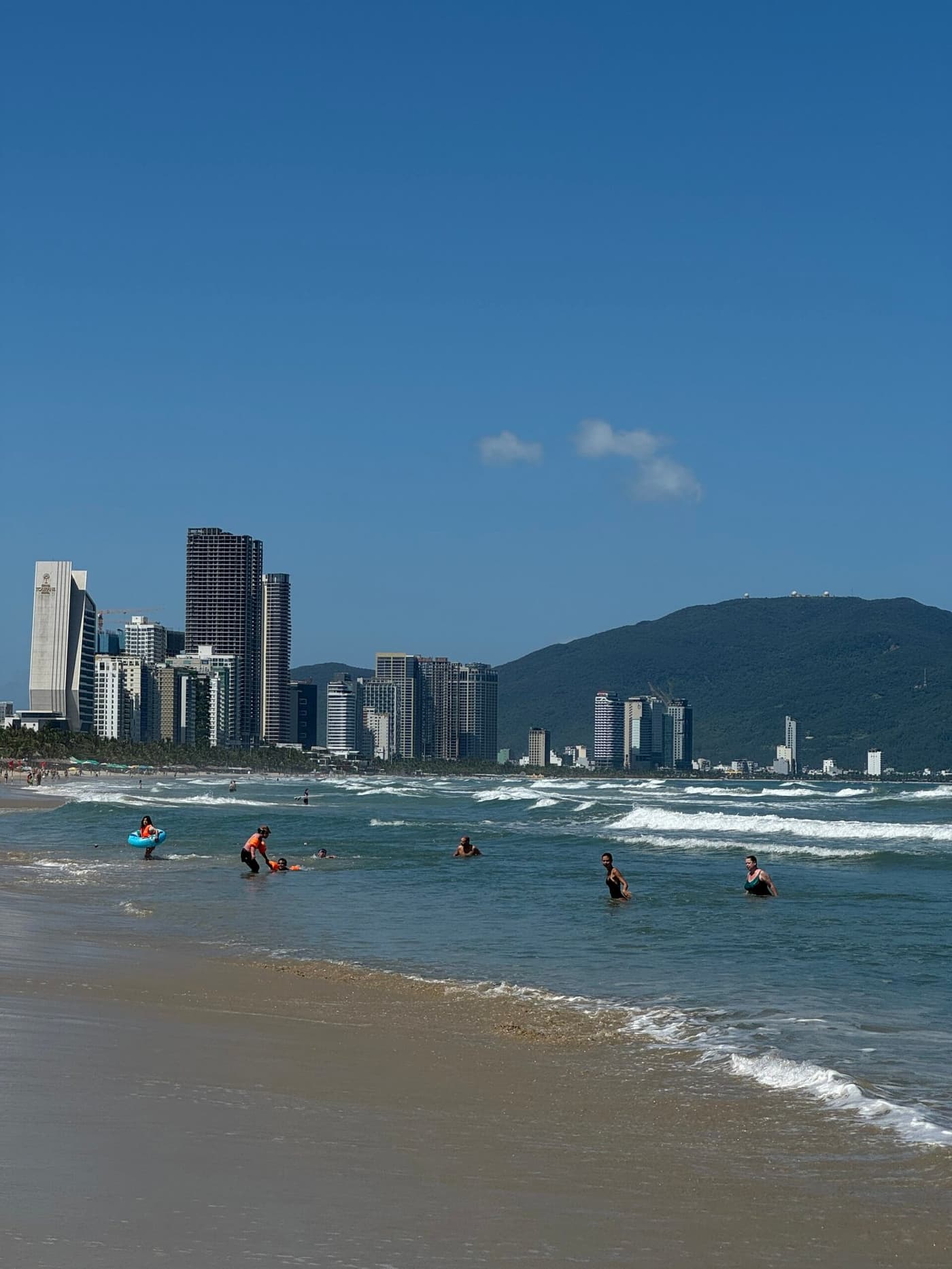
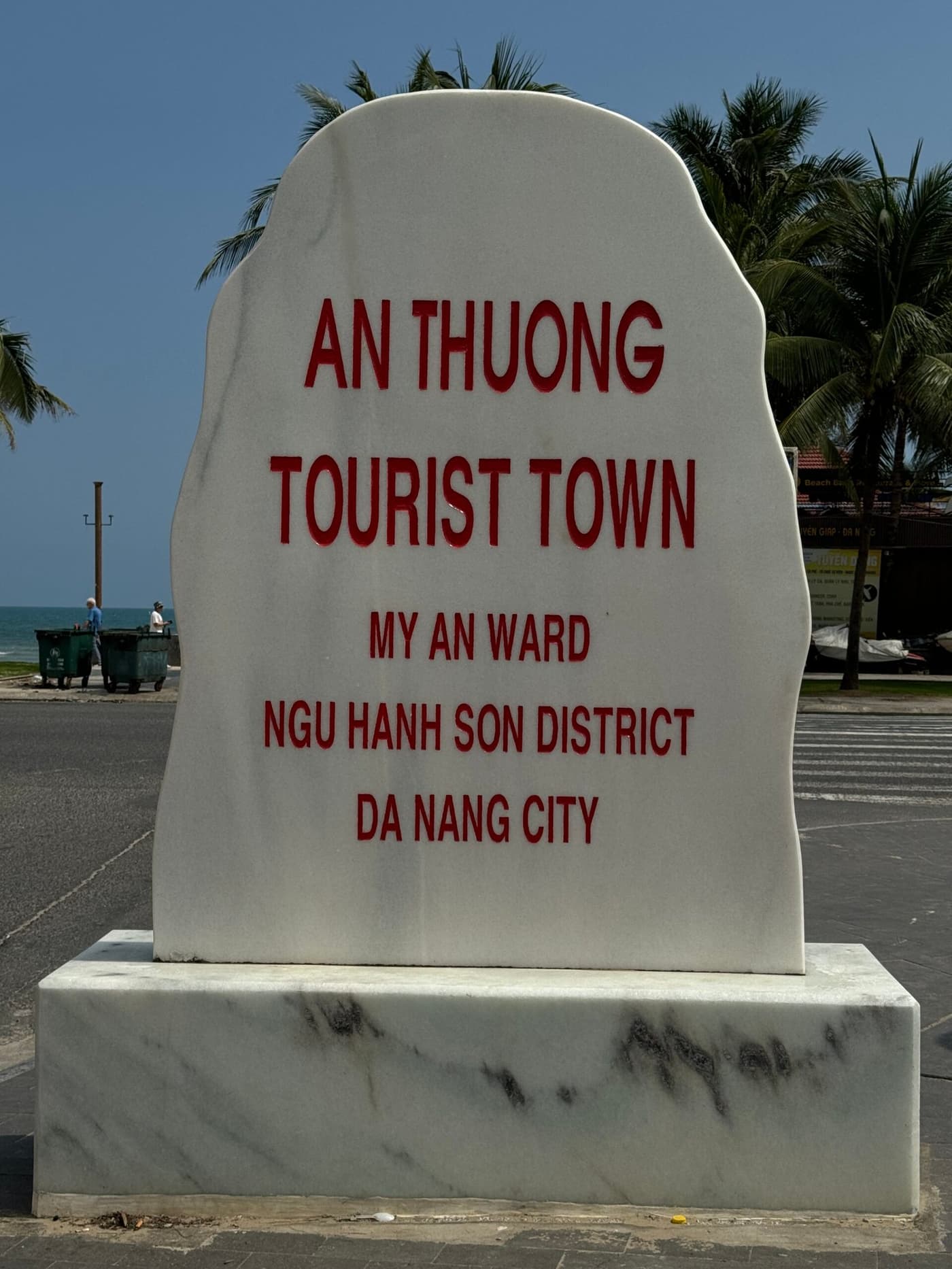
The My An district (My An) is considered the hub for expats and tourists. It is the most popular tourist area in Da Nang and home to the main My An beach. A wide, long promenade runs parallel to the beach, with beach cafes, sunbeds and umbrellas for rent, changing cabins and taps for rinsing sand off your feet. The district has plenty of hotels, European-style restaurants and stylish coffee shops. Mostly tourists, freelancers and expats stay here, along with fans of European cafes and a familiar atmosphere. Pros: Close to the beach, well-developed infrastructure, many European restaurants and coffee shops. Cons: Expensive rent, lots of tourists, noisy.
Son Tra
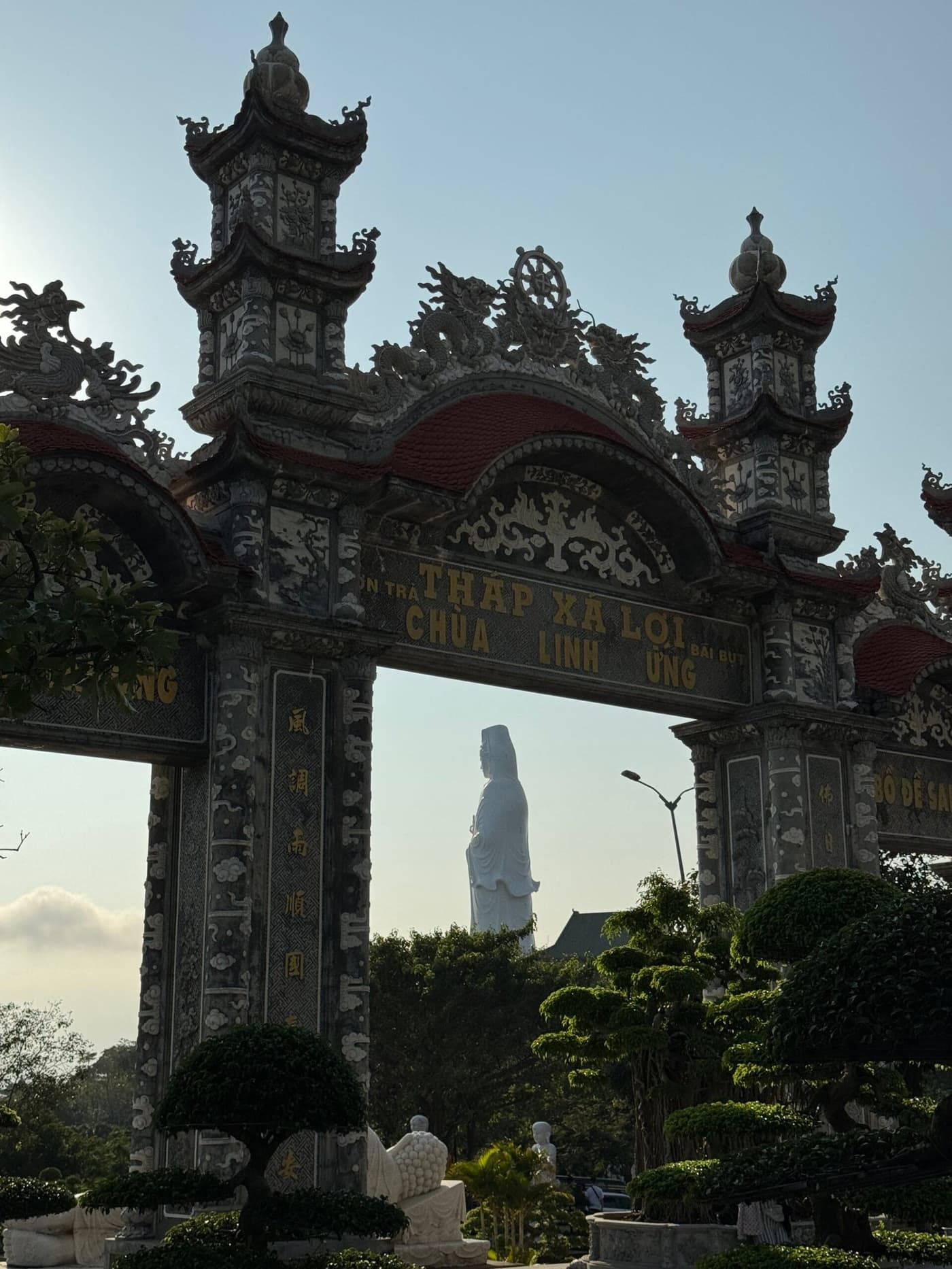
The Son Tra district (Son Tra) is known for its nature reserve with caves, wild beaches and Monkey Mountain. This is where the famous Lady Buddha statue stands — more precisely, the statue of Guanyin, the goddess of mercy and compassion. The mountain offers stunning views of the city and the sea. A great choice for nature lovers and anyone who wants peace and panoramic views. Pros: Clean air, mountains, beautiful views, quiet beaches. Cons: Far from the center, few shops and cafes.
Ngu Hanh Son
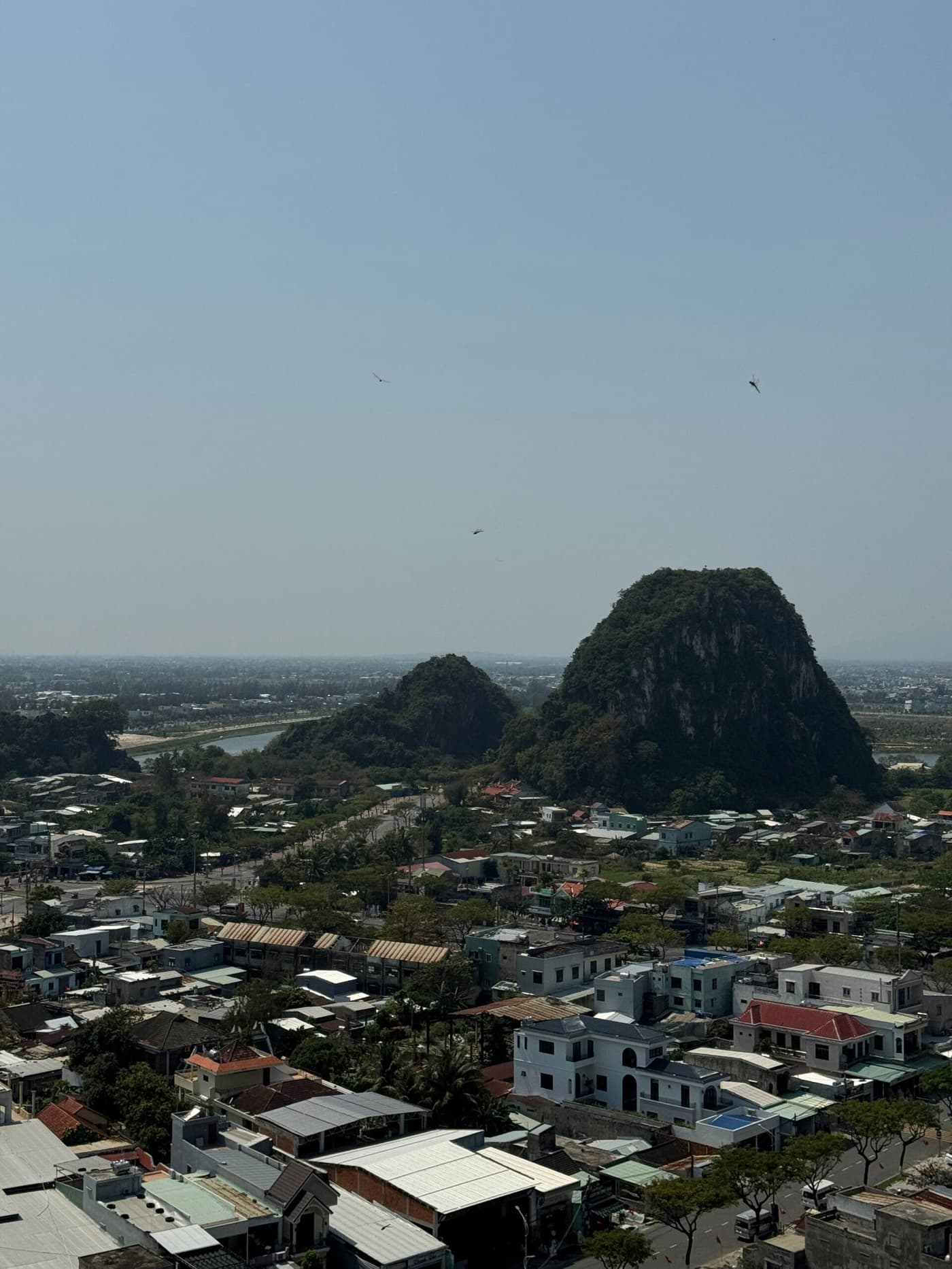
The Ngu Hanh Son district (Ngu Hanh Son) is quite a large one. It is home to the Marble Mountains, a complex of five limestone hills, each named after one of the five elements. You will also find caves, temples and panoramic viewpoints here. On top of that, this district has the most beautiful and quiet beaches in Da Nang, where you can enjoy calm and silence away from the noisy city. Ideal for nature lovers, surfers and tourists. Pros: Beautiful beaches, peace and quiet, sights. Cons: Little infrastructure.
Thanh Khe
The Thanh Khe district (Thanh Khe) is one of Da Nang's important residential and commercial areas. Many schools and hospitals are located here. Thanh Khe is also known for its markets and local eateries where you can try traditional Vietnamese dishes. It has a large market and the railway station, where we, by the way, arrived by train from Hanoi. The district is full of local color, and the residents are mostly Vietnamese. Only for fans of authentic Vietnam and budget travelers. Pros: Low prices, markets, colorful atmosphere. Cons: Little tourist infrastructure, no popular beaches nearby.
Cam Le
The Cam Le district (Cam Le) lies in the southwest of Da Nang and is one of the city's newer districts, with infrastructure still developing. New residential complexes and commercial properties are being built here. The district is rather remote from everything, but it may soon become a great option for people looking for a calm, quiet life. Suits families with children who want to live away from the hustle. Pros: Quiet, new residential complexes. Cons: Far from the sea.
Hoa Vang
The Hoa Vang district (Hoa Vang) is not quite Da Nang anymore and is considered more of a suburb. It has traditional Vietnamese villages and picturesque natural scenery. Here you can get to know rural life in Vietnam, its culture and traditions, visit tea plantations and enjoy the beauty of nature. Suits nature lovers and anyone seeking seclusion. Pros: Clean environment, picturesque views. Cons: No infrastructure.
Hoang Sa
A moment for some fun facts: Hoang Sa is a territory with a special administrative status that belongs to Da Nang. It covers the Paracel Islands, has no permanent population and has been the subject of long-running disputes between Vietnam and China. In 1974 there was even an armed clash between Vietnam and China over control of the islands. The disputes over these territories continue to this day.
Which district should you choose?
| District | Who it suits | Pros | Cons |
|---|---|---|---|
| Hai Chau | City lovers | Center, cafes, lively atmosphere | Expensive, beach not nearby |
| My An | Tourists, expats | Beaches, European food | Expensive rent |
| Son Tra | Nature lovers | Nature reserve, views | Far from the center |
| Ngu Hanh Son | Surfers, tourists | Beaches, mountains | Little infrastructure |
| Thanh Khe | Budget travelers | Cheap housing, markets | No popular beaches, noisy |
I hope this article helps you decide which district in Da Nang to choose for living. I filmed an overview of the city and its sights for my YouTube channel. Be sure to watch it, and don't forget to leave a like, write a comment and, of course, subscribe if you haven't subscribed to my channel yet!
FAQ: Da Nang districts
Which district is best for living?
For long-term living, My An and Son Tra are the best options. My An is the center of expat life, while Son Tra offers peace and nature.
Where should a tourist stay?
If you are coming on vacation, My An or Ngu Hanh Son is the best choice thanks to the beaches. My An has well-developed infrastructure, while Ngu Hanh Son has little infrastructure but is quieter.
Where is the cheapest place to live in Da Nang?
In Thanh Khe you can find the most budget-friendly housing: basic studios in local buildings from $150–300 a month (as we checked in October 2026), while apartments for foreigners usually cost more, from about $350.