Food in Barcelona is not just an add-on to your trip, but an important part of getting to know the city. Here, gastronomy is closely tied to history, the sea and Catalan traditions, so many dishes can't be understood without local context. Visitors often hear about paella, tapas and sangria, but Barcelona's cuisine is actually much more varied and interesting than that.
In this article I'll explain in detail what to eat in Barcelona, which dishes are really worth trying as a visitor, and how Catalan cuisine differs from the "Spanish" food you may be used to. I'll tell you which items on the menu to look for, what counts as a local classic, and which flavors best capture the atmosphere of the city.
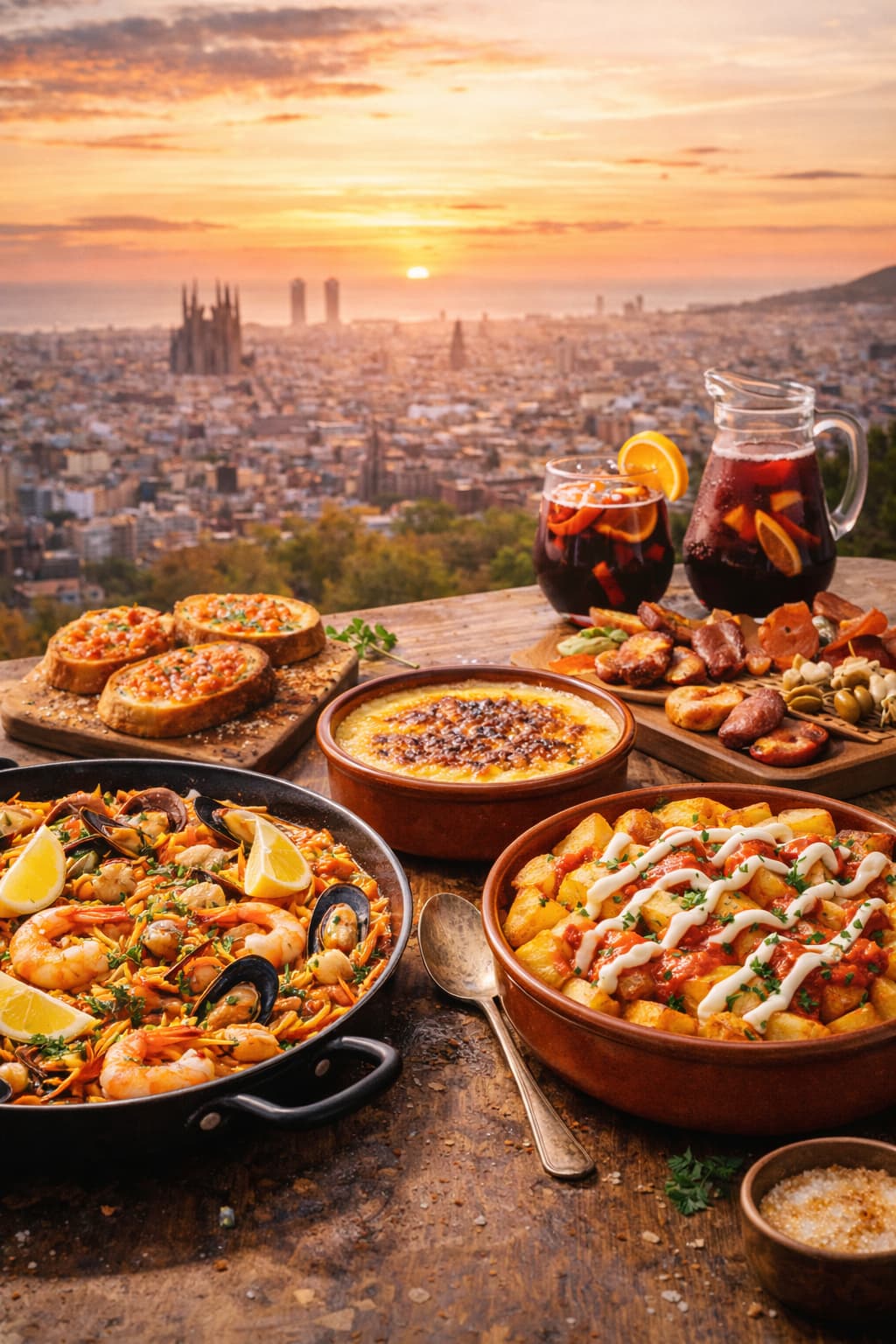
What to try in Barcelona: the must-eat list for visitors
If it's your first time in the city, it's easy to feel lost: restaurant menus are long, the dish names are unfamiliar, and the "tourist" items don't always reflect the real local cuisine. So that your trip is remembered for more than the architecture, it helps to know in advance what to try in Barcelona first.
Local gastronomy is built around simple but high-quality ingredients: fresh vegetables, fish, seafood, olive oil and bread. Many dishes look modest, but that is exactly where their value lies — they show the character of Catalan cuisine without any unnecessary show.
First, pay attention to a few categories of food:
- traditional Catalan dishes that the locals themselves eat;
- seafood and fish, thanks to the nearby Mediterranean;
- tapas and simple street food, ideal for getting to know the cuisine;
- desserts and drinks that are considered gastronomic symbols of the region.
These are the items that most often answer the question of what to eat in Barcelona to really feel the city and not stop at the standard tourist set. Below we'll go through each category in more detail, starting with the basics of traditional Catalan cuisine.
Traditional Barcelona food and Catalan cuisine
When talking about what to eat in Barcelona, it's important to understand the difference between general Spanish cuisine and Catalan dishes in particular. Barcelona is the capital of Catalonia, and the local gastronomy was shaped by the sea, agriculture and the Mediterranean climate. People here value seasonality, simplicity and the flavor of the ingredient itself, rather than complicated sauces or elaborate presentation.
Traditional food in Barcelona often looks modest, but these are the dishes locals eat most often. If you want to get to know real Catalan cuisine, it's worth starting with the basic but iconic items.
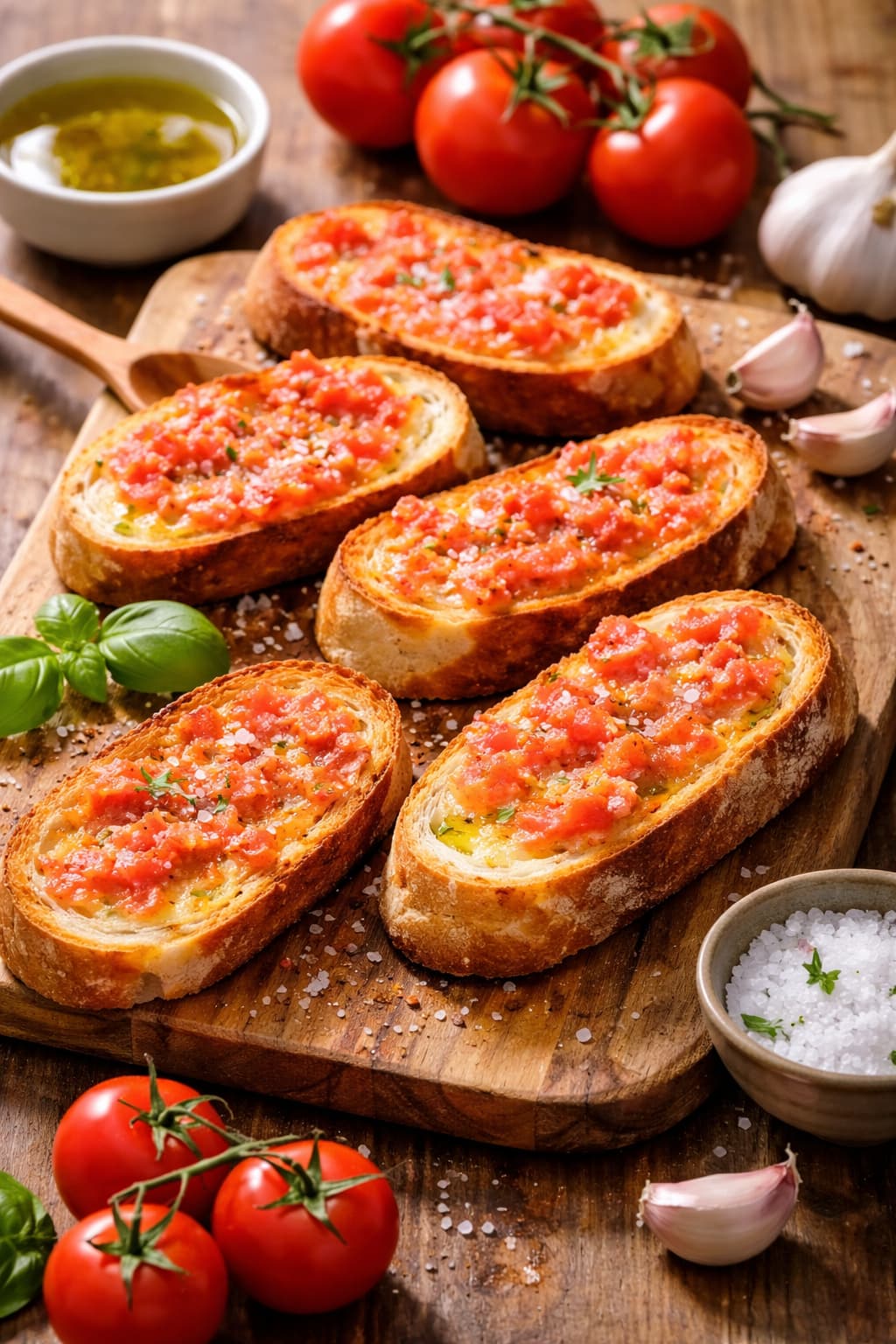
Catalan tomato bread (Pa amb tomàquet)
Pa amb tomàquet is toasted bread rubbed with ripe tomato, olive oil and salt. Despite its simplicity, it is one of the main dishes of Catalan cuisine. It is served almost everywhere: for breakfast, as a starter, or alongside meat and cheese.
For a visitor, it's a great way to understand the local approach to food. There are no complicated techniques, just quality ingredients. That's why pa amb tomàquet is often called a must on any list of what to try in Barcelona.
Escalivada: Catalan-style vegetables
Escalivada is a traditional dish of roasted vegetables: eggplant, sweet pepper, onion and sometimes tomatoes. The vegetables are cooked over an open flame or in the oven, then peeled, sliced and dressed with olive oil.
This dish reflects the Mediterranean character of Catalan cuisine well: light, fragrant and versatile. Escalivada can be a starter on its own or a side dish for meat or fish. If you're looking for traditional food to eat in Barcelona but don't like heavy dishes, it's a great choice.
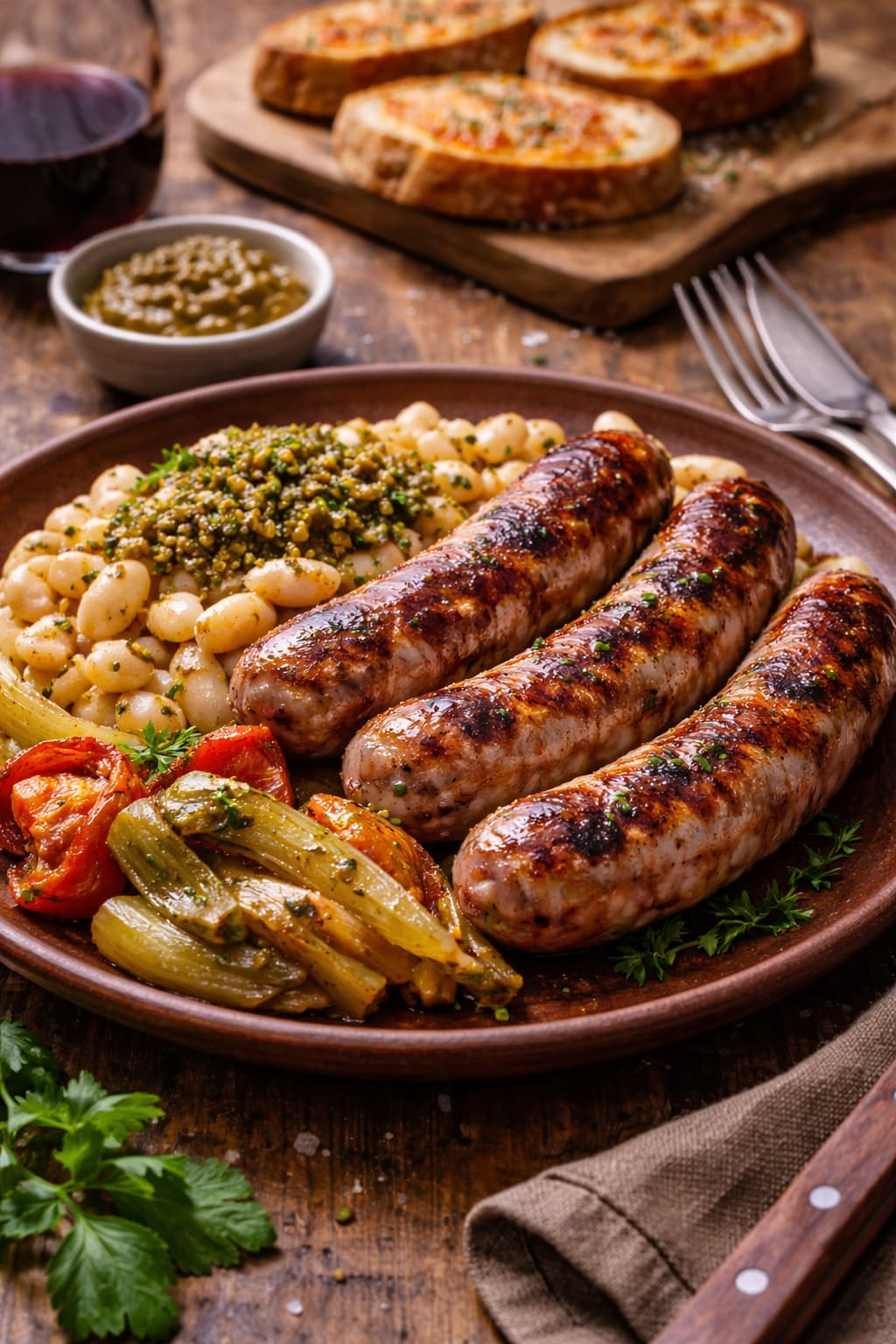
Botifarra: Catalonia's traditional sausage
Botifarra is one of the most popular meat dishes in the region. It is a fresh or cured pork sausage, most often served with white beans or potatoes. The dish is filling, but not overloaded with spices.
Botifarra is especially popular in small family restaurants and at local festivals. For visitors, it's a good way to try Barcelona's national cuisine in its classic form, without any adaptation for mass tourism.
Seafood in Barcelona: what to try
The nearby Mediterranean has greatly influenced what to eat in Barcelona. Fish and seafood here are not a delicacy for special occasions, but a normal part of everyday cooking. On the menus of many restaurants you'll see the fresh catch prepared as simply as possible to preserve its natural flavor.
For visitors, seafood is one of the most reliable ways to get to know the local gastronomy. The main thing is to understand which dishes are truly typical of Barcelona and which are more of a "postcard" thing.
Paella and fideuà: what's the difference and which to choose
Paella is one of the best-known Spanish dishes, but in Barcelona it has its own twist. Most often, paella here is made with seafood rather than meat. It's worth knowing that real paella is cooked for lunch, not dinner, and is rarely served "for one."
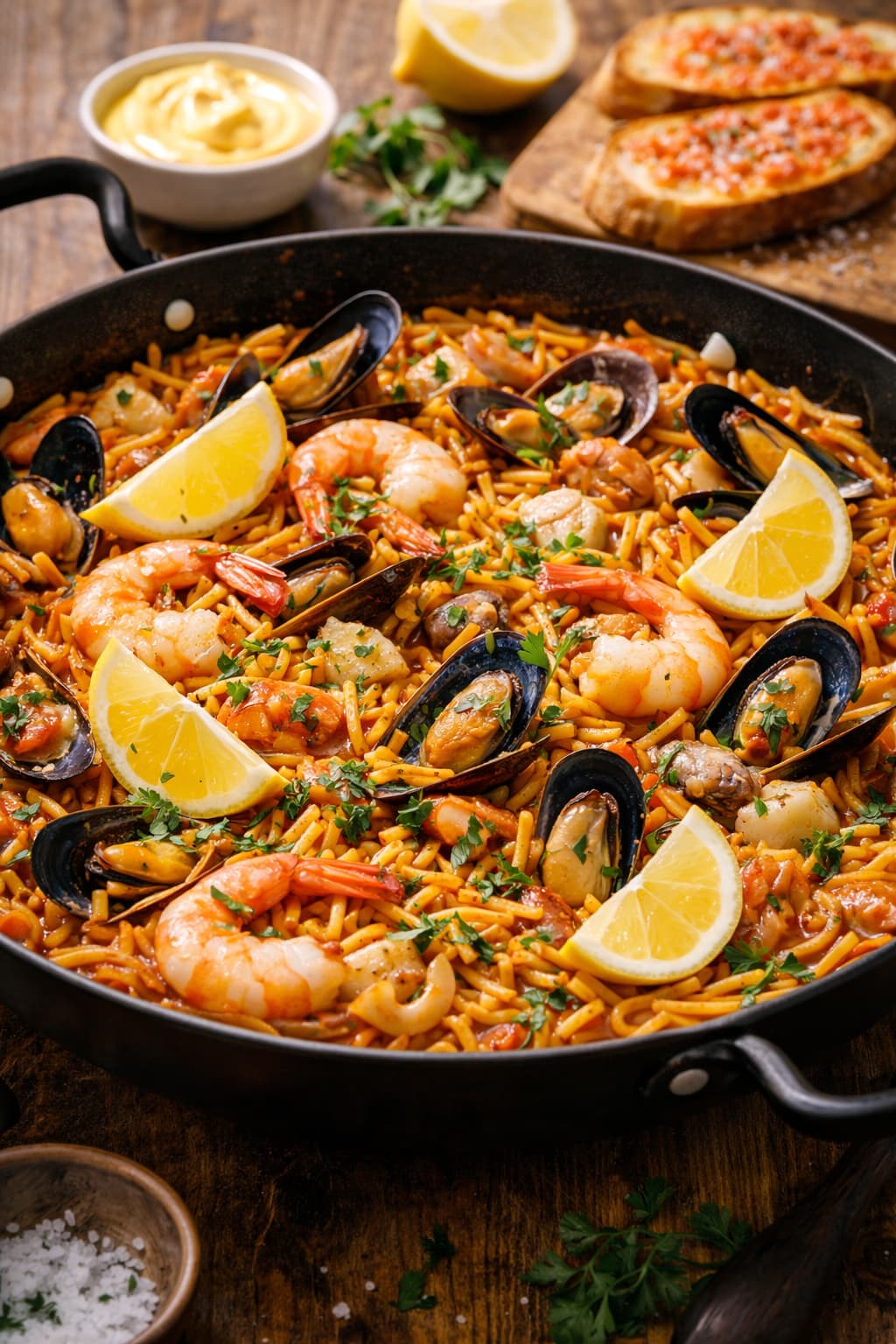
Fideuà is less hyped but very characteristic of the Catalan coast. Instead of rice, it uses short pasta cooked with fish and seafood. Many locals consider fideuà a more interesting alternative to paella, so if you're wondering what seafood to try in Barcelona, it's worth paying attention to it.
Fresh fish and seafood in coastal restaurants
Besides paella and fideuà, simple dishes made from fresh fish are common in Barcelona: gilt-head bream, sea bass, squid, octopus. They are most often grilled with a minimum of spices, adding only olive oil and salt.
This approach reflects the philosophy of local cuisine well. If you want to know what to eat in Barcelona as a visitor, choose dishes where the focus is on the quality of the ingredient rather than on elaborate presentation. That's when seafood tastes its best.
Tapas and street food in Barcelona
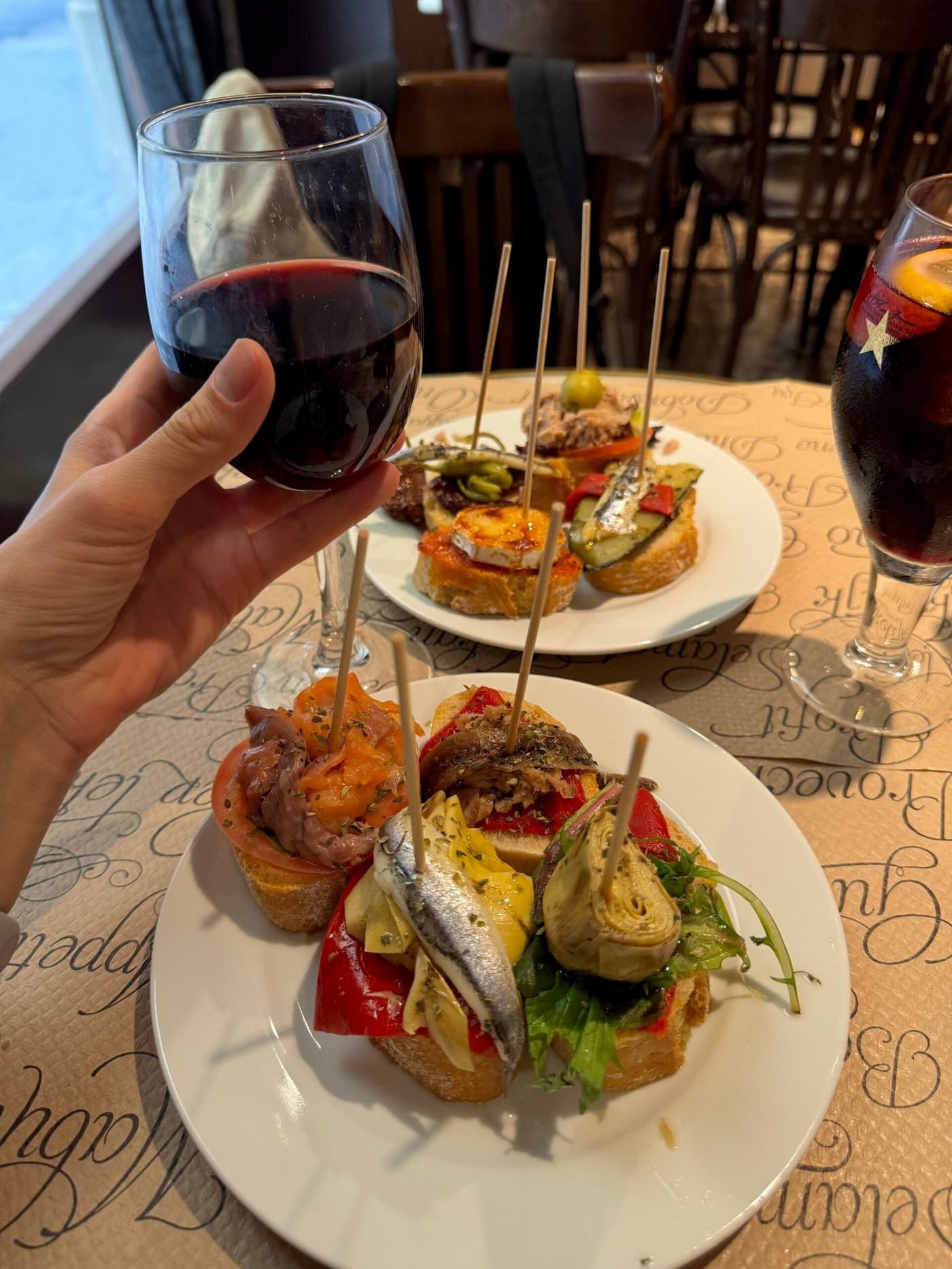
Tapas are an important part of the city's food culture and one of the easiest formats for visitors to understand. These are small snacks that you order with drinks or share among friends. If you're unsure what to eat in Barcelona, tapas are a great way to try several flavors at once without a full meal.
In Barcelona, tapas are not just a tourist tradition. Locals often drop into bars after work, order a drink and a couple of snacks, without turning it into a long sit-down meal. In this format the city's cuisine feels the most natural.
Patatas bravas: a must-try classic
Patatas bravas are fried potatoes with a spicy tomato sauce and aioli. They are probably the most popular tapas in Barcelona and can be found in almost every bar. Despite their simplicity, the flavor depends heavily on the sauce, and it is the sauce that separates a good place from a mediocre one.
For a visitor, patatas bravas are a safe yet telling choice. This dish is often recommended to those looking for what to try in Barcelona for the first time without risking unfamiliar flavors.
Croquettes, jamón and simple snacks
Croquettes are another classic tapas option. They are made with fillings of jamón, chicken, fish or mushrooms. They are crispy on the outside and soft and creamy inside. In good bars they are made by hand, and the taste is noticeably different from frozen versions.
Jamón is usually served thinly sliced, with no elaborate extras. It is eaten as a snack on its own or with bread and olive oil. Simple items like these suit anyone who wants to know what to eat in Barcelona as a visitor without getting into complicated dishes.
What to try at Barcelona's markets
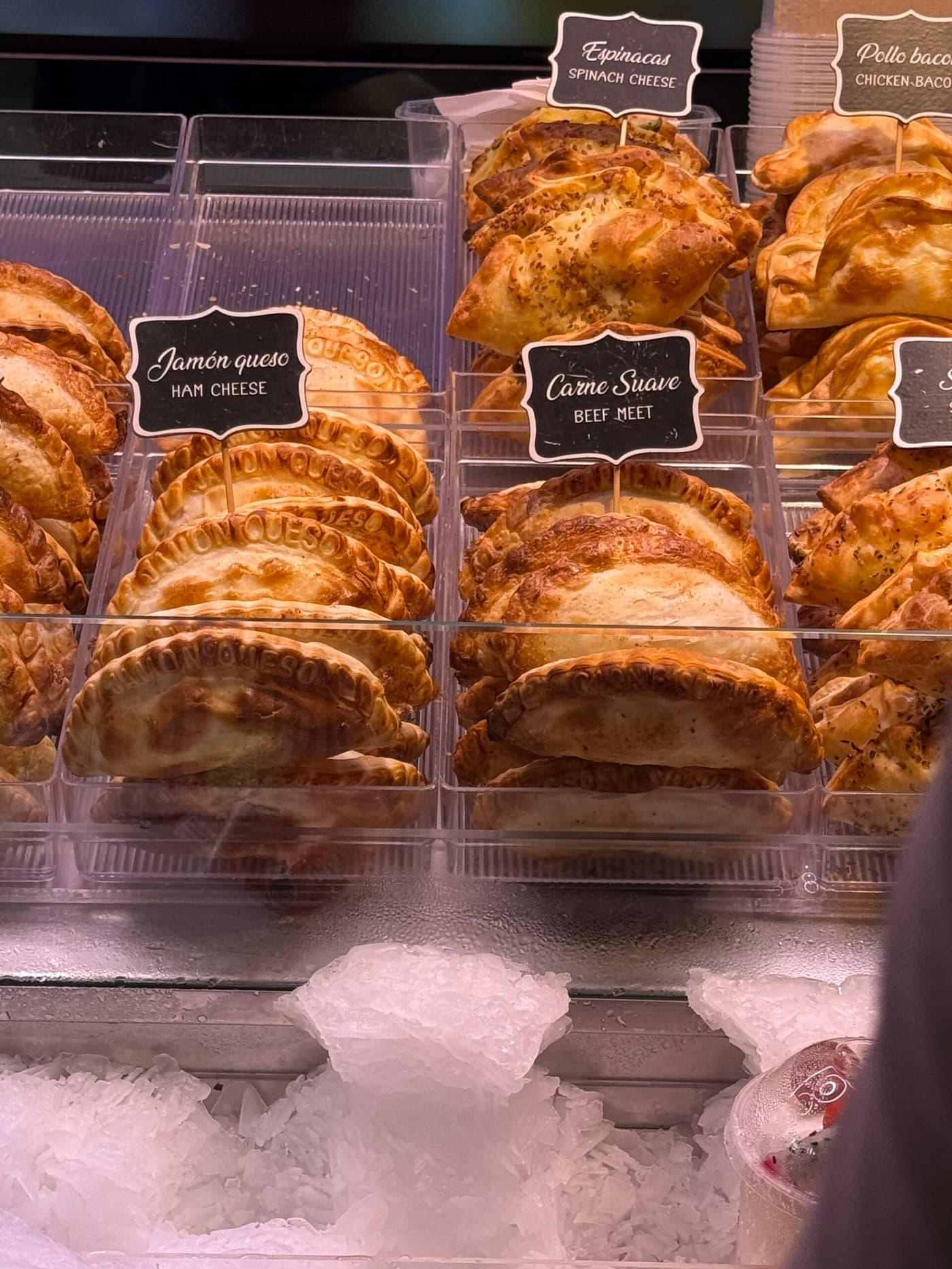
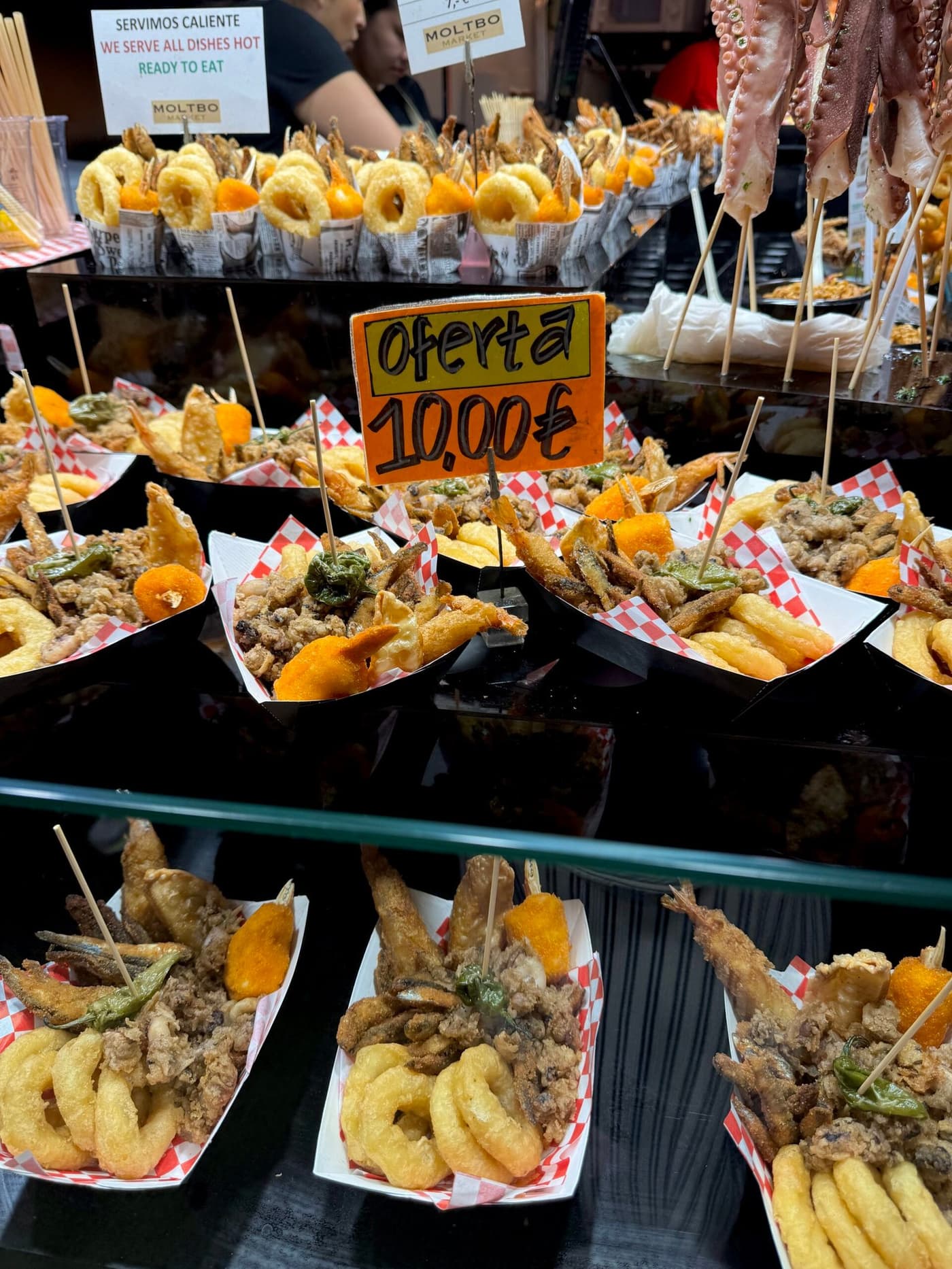
Markets are one of the best places to find out what to eat in Barcelona without going into restaurants. You can see which ingredients the locals use, try freshly prepared dishes and feel the everyday rhythm of the city. Markets are convenient for visitors because they let you try several flavors at once in an informal setting.
The best-known market is the Boqueria Market, but the principle is roughly the same everywhere: fresh produce, simple food and as few complicated recipes as possible. It's important to know what exactly to order so that you don't end up with just a random snack.
At Barcelona's markets, look first for the following items:
- fresh seafood — shrimp, mussels, squid, often cooked right in front of you;
- jamón and cheeses — a good way to try several kinds without a full restaurant order;
- simple hot dishes — fried fish, omelets, grilled vegetables;
- fruit and freshly squeezed juices, especially in the hot season.
Markets are great for anyone looking for where to eat in Barcelona quickly and without formalities. However, keep in mind that in the most touristy spots prices can be higher and quality is not always consistent. It's better to choose stalls where locals eat and not chase flashy presentation.
Desserts and sweets worth trying in Barcelona
Catalan cuisine is not as rich in elaborate desserts as, say, French cuisine, but Barcelona has a few sweets that are considered truly traditional. If you've already figured out what to eat in Barcelona among the main dishes, leave room for dessert too — it rounds out your impression of the city's food nicely.
Local sweets are usually not too sugary and are often tied to particular seasons or holidays. It's another way to get to know the local culture through food.
Crema catalana: the classic Catalan dessert
Crema catalana is often compared to crème brûlée, but this dessert has its own features. It is made from milk, eggs and citrus zest, and topped with a thin caramelized crust. The flavor is lighter and fresher than that of its French counterpart.
Crema catalana is considered one of the region's main sweet symbols. If you're wondering which dessert to try in Barcelona, this one almost always comes first.
Churros with hot chocolate
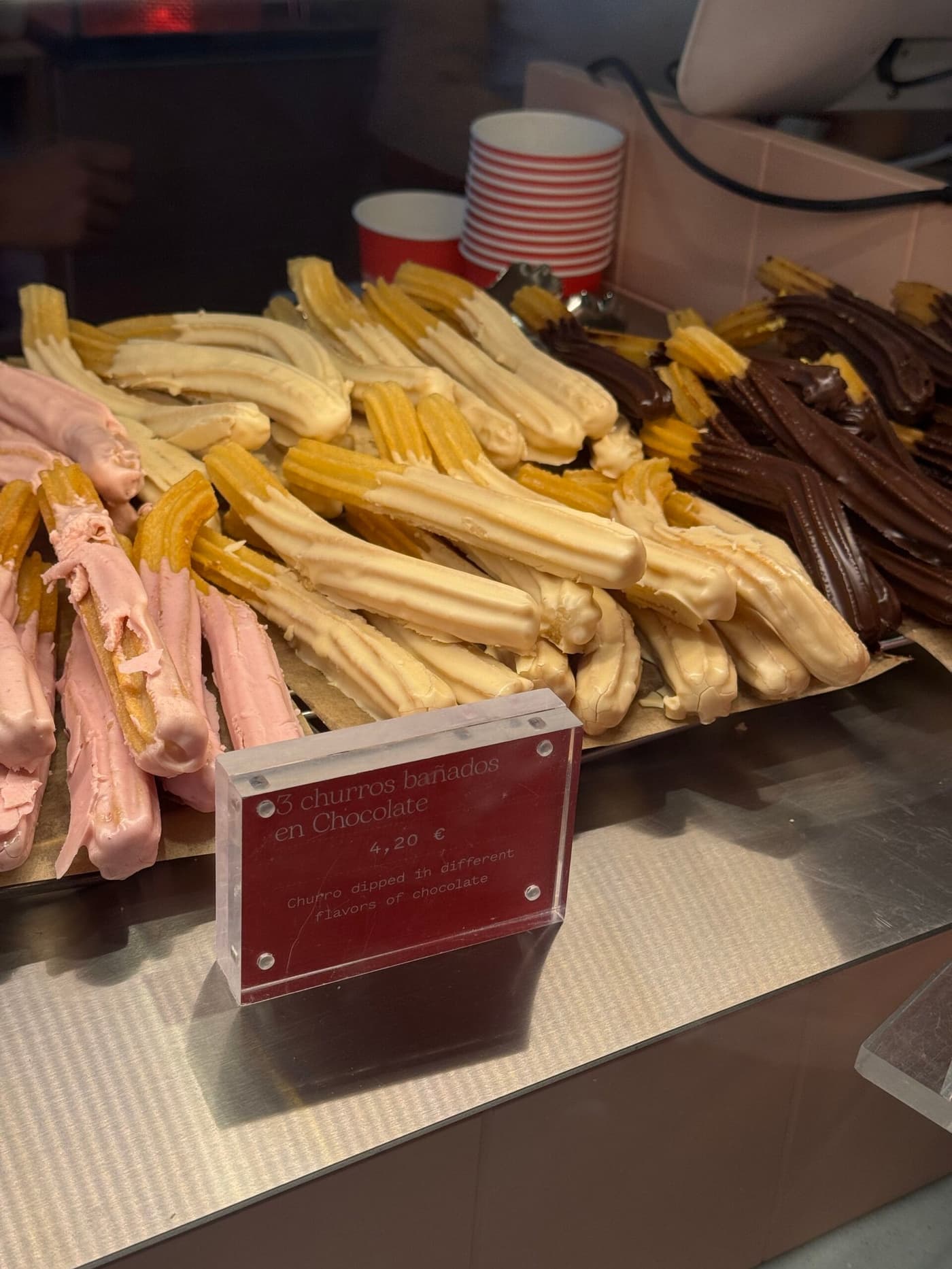
Churros are fried dough served with thick hot chocolate. In Barcelona this is less a dessert after dinner than a snack of its own, especially popular in the morning or late in the evening.
Despite their simplicity, churros remain popular with both visitors and locals. It's a good option for anyone who wants to try something traditional without getting into complicated gastronomic details.
Drinks in Barcelona: what the locals order
Drinks are an important part of the city's food culture and a logical continuation of the conversation about what to eat in Barcelona. In Barcelona people tend to drink in moderation and for an occasion: with lunch, with tapas or on an evening stroll. Many drinks are closely tied to the region and are considered part of Catalan tradition.
If you follow what the locals themselves order, you can avoid typical tourist clichés and get a better feel for the atmosphere of the city.
Cava: Catalan sparkling wine
Cava is Catalonia's main sparkling wine and a worthy alternative to champagne. It is produced in the region not far from Barcelona, and you'll find it on menus almost everywhere. Cava is drunk as an aperitif, with lunch, or alongside tapas.
For a visitor, cava is a simple and easy choice, especially if you want to try something local. This drink is often recommended to those wondering what alcohol to try in Barcelona without overpaying for hyped options.
Sangria and vermouth
Sangria is considered a tourist drink, but in Barcelona people really do drink it, especially in the hot season. It is usually a light fruity wine-based drink ordered for a group.
Vermouth is more of a local tradition. It is drunk during the day, most often before lunch, with simple snacks. In recent years vermouth has become popular with locals again, and for visitors it's a good way to try Barcelona's drinks without sticking to the standard set.
Where to eat in Barcelona as a visitor
The choice of place is often just as important as the choice of dish. Even the most traditional food can disappoint if you try it at a place aimed purely at tourists. That's why the question of where to eat in Barcelona directly affects your overall impression of the city's cuisine.
In Barcelona there's no need to look for expensive restaurants to try local dishes. Most often the best experience comes from simple places where the city's residents eat.
Markets and food halls
Markets and food halls suit those who want to try several dishes in a short time. Here you can order small portions, watch the cooking and quickly get your bearings among local flavors. This format is especially convenient for visitors who want to find out what to eat in Barcelona without spending time on a full restaurant lunch.
Tapas bars and small restaurants
Small tapas bars are one of the most authentic formats. The menu there is usually short, with the focus on a few well-practiced dishes. If a place is full of locals, that's a good sign.
Family restaurants with simple decor also often offer classic Catalan dishes without any adaptation for tourists. These are the places where it's easiest to get to know local food in Barcelona the way it's normally eaten.
What visitors should avoid
Restaurants with bright photos of the dishes, multilingual menus and touts at the entrance are most often aimed at a stream of tourists. Prices there are higher and the food is average. If you want a real culinary experience, it's better to steer clear of such places.
What to eat in Barcelona: tips for visitors
Even if you know what to eat in Barcelona, you can run into nuances that spoil the experience. Local habits, schedules and the way meals are organized differ from what visitors are used to, so a few practical tips will help you avoid mistakes.
First, consider meal times. Lunch in Barcelona usually starts after 13:30, and dinner no earlier than 20:00–21:00. Many traditional dishes, especially paella, are cooked specifically for lunch. If you order it in the evening, there's a big risk of getting a reheated version.
Second, don't be afraid of simple dishes. Catalan cuisine is built on the quality of ingredients, so the most modest items on the menu often turn out to be the best. This is especially relevant for those looking for what to eat in Barcelona as a visitor without overpaying for elaborate presentation.
A few more useful recommendations:
- don't order paella for one — traditionally it is a dish for a group;
- pay attention to seasonal offers, they are almost always better than the standard menu;
- in tapas bars it's customary to order gradually, not everything at once;
- tipping is not required, but rounding up the bill or leaving a small percentage is considered normal.
By following these simple rules, you'll get a more authentic experience and a better sense of what to try in Barcelona, guided by local traditions rather than tourist templates.
Here's how we traveled around Spain — I filmed it for an episode on YouTube
Frequently asked questions about food in Barcelona
This section helps you quickly find answers to the most common questions from visitors. Below are answers to the questions that come up most often for people planning a trip who want to understand what to eat in Barcelona.
What should I definitely try in Barcelona on my first visit?
On a first trip, start with the basics of Catalan cuisine: pa amb tomàquet, patatas bravas, crema catalana and dishes made from fresh seafood. These are the items most often recommended when people ask what to try in Barcelona without culinary experiments.
What food is considered traditional in Barcelona?
Traditional Barcelona food means simple dishes made from local ingredients: tomato bread, roasted vegetables, sausages, fish and seafood. Catalan cuisine is known for its moderate use of spices and its focus on the natural flavor of the ingredients.
How much does it cost to eat in Barcelona?
The average bill depends on the type of place. At a tapas bar you can eat relatively cheaply by ordering a few snacks and a drink. A full lunch in a restaurant will cost more, especially in tourist areas. That said, you can eat well in Barcelona on almost any budget if you choose places away from the main tourist routes.
Can you eat well in Barcelona on a budget?
Yes, it's quite doable. Markets, small tapas bars and family restaurants often offer good food at reasonable prices. If you're looking for where to eat in Barcelona cheaply, aim for places where local residents have lunch.