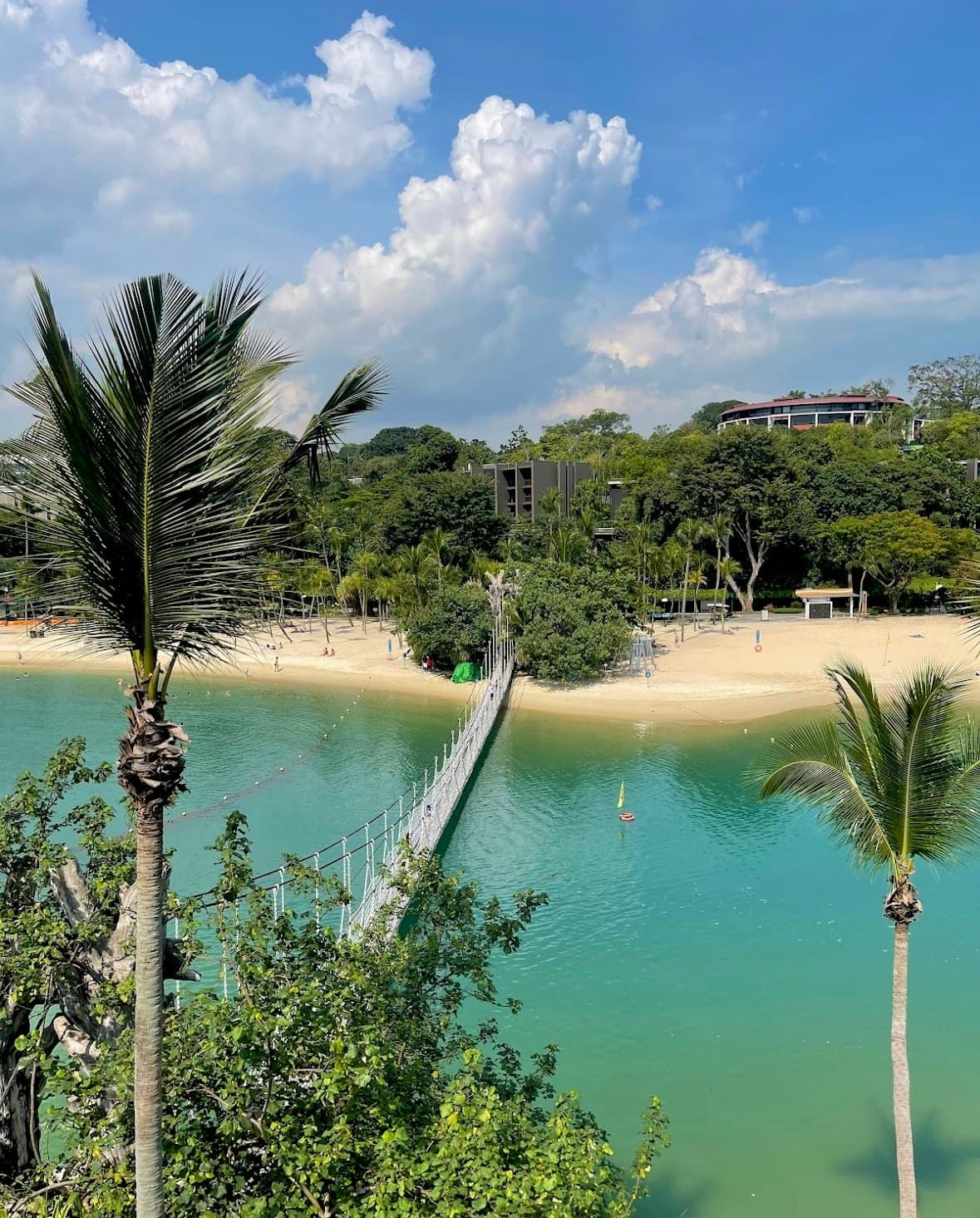
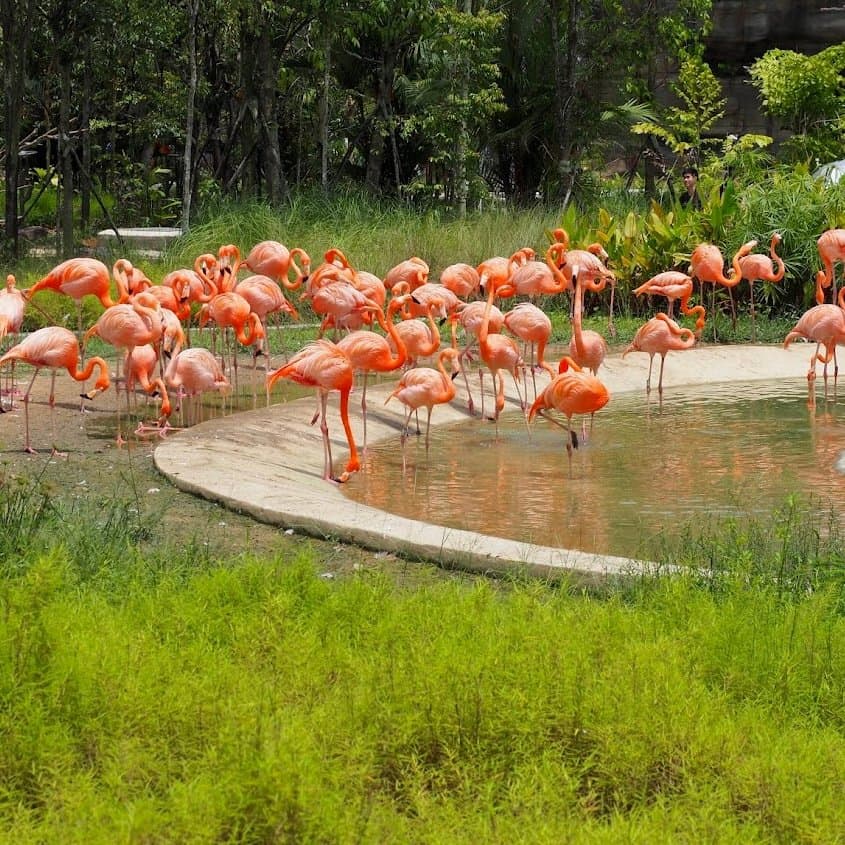
With two days in Singapore, you can see the city-state's main sights and also get to know its cultural heritage. In this 2-day Singapore itinerary, I'll walk you through what to see so you don't miss the most important places.
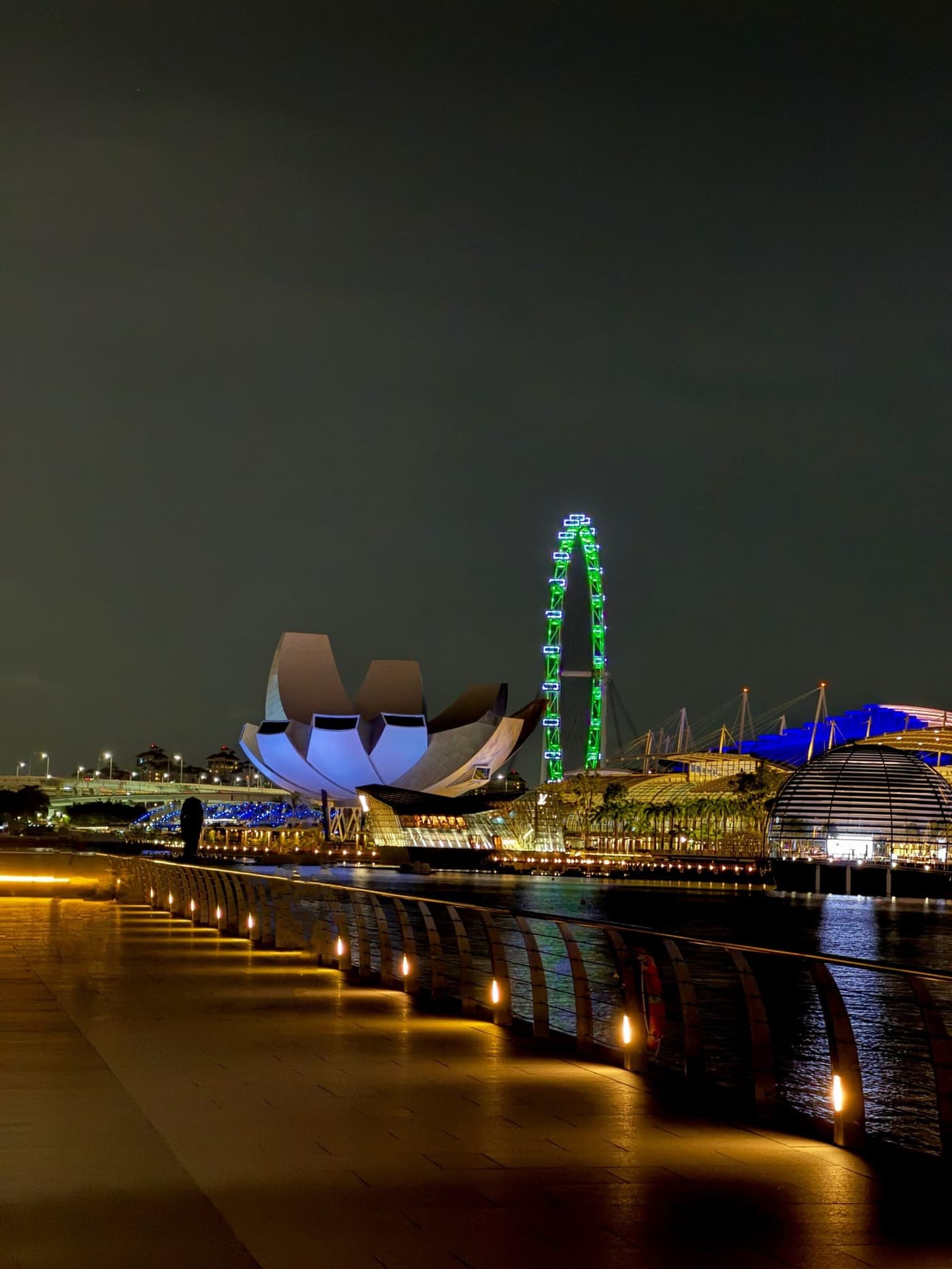
Day 1: The Symbols of Singapore
On the first day, I suggest focusing on Singapore's best-known landmarks, the ones you simply have to see. Many of them are around Marina Bay, so you can visit several iconic places in a single day.
I've already put together the Singapore in 1 day route in a separate article. On day one, we see all the must-see symbols of Singapore. Luckily, they're all in roughly the same place, around the city's main harbor.
Merlion Statue
Start with the symbol of Singapore itself, the Merlion statue. This mythical creature with a lion's head and a fish's body embodies the spirit of the city. There are fewer tourists here in the morning, and you can take great photos with a view of Marina Bay Sands.
Esplanade — Theatres on the Bay
The Esplanade is the city's cultural center, with unique architecture that resembles a durian or the eyes of a fly. Concerts, exhibitions and cultural events take place here. It's also a lovely spot for a stroll along the waterfront with a view of the bay.
Fountain of Wealth
The Fountain of Wealth at Suntec City is the largest fountain in the world by area. It was built according to feng shui principles and is considered a symbol of prosperity. Be sure to take part in the ritual to attract luck and wealth.
Helix Bridge (the DNA-shaped bridge)
The bridge shaped like a DNA molecule is not only unique architecture but also a popular place for an evening walk. It connects the business and cultural districts of the city and is beautifully lit up after dark.
ArtScience Museum
This museum, whose architecture resembles a lotus flower, hosts exhibitions on art, science and technology. A walk through the museum is a visual treat, and a chance to learn more about the future of art and technology.
Marina Bay Sands
Marina Bay Sands is not just a hotel but one of the most iconic buildings in Singapore. Be sure to go up to the SkyPark observation deck for panoramic views of the city.
Gardens by the Bay
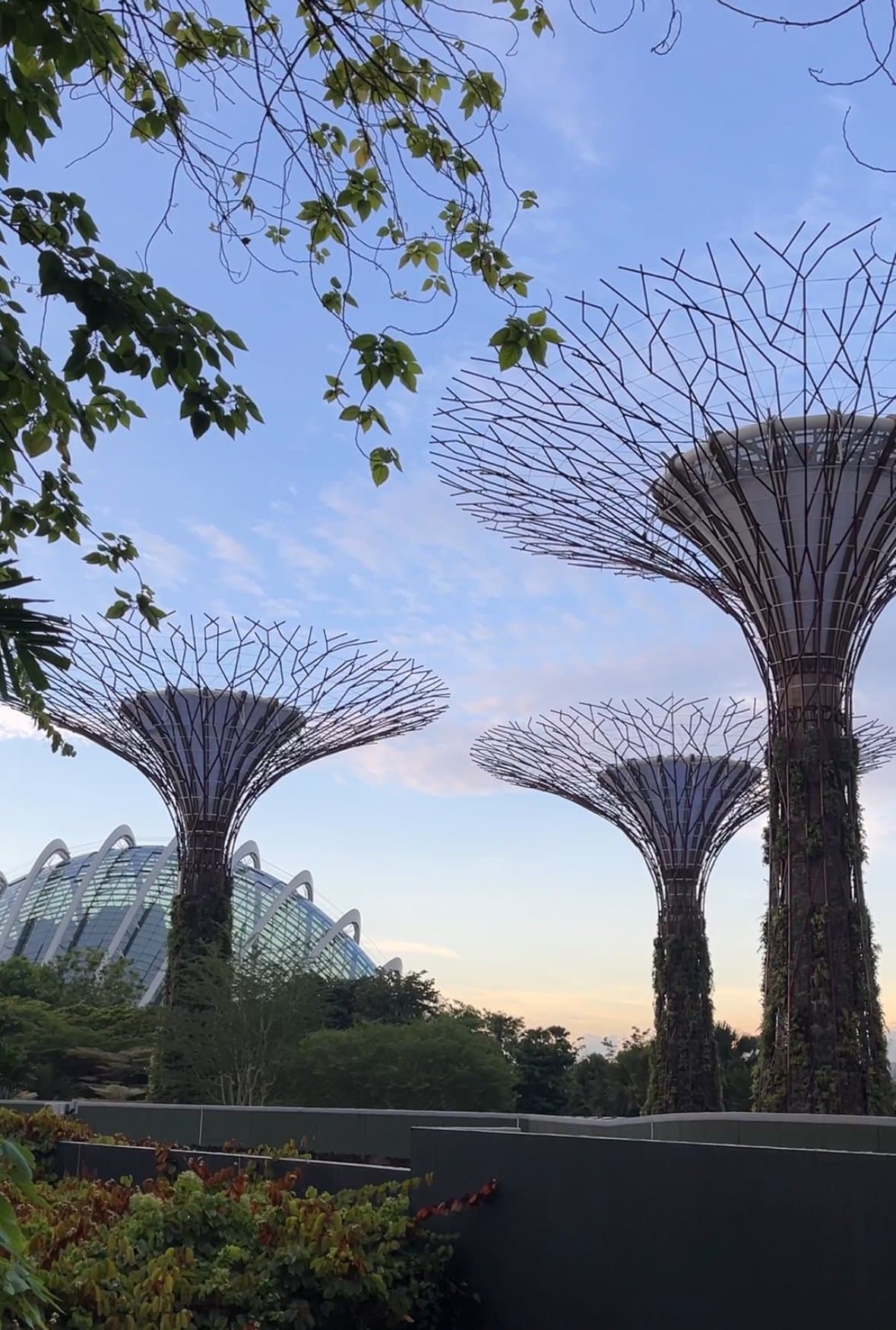
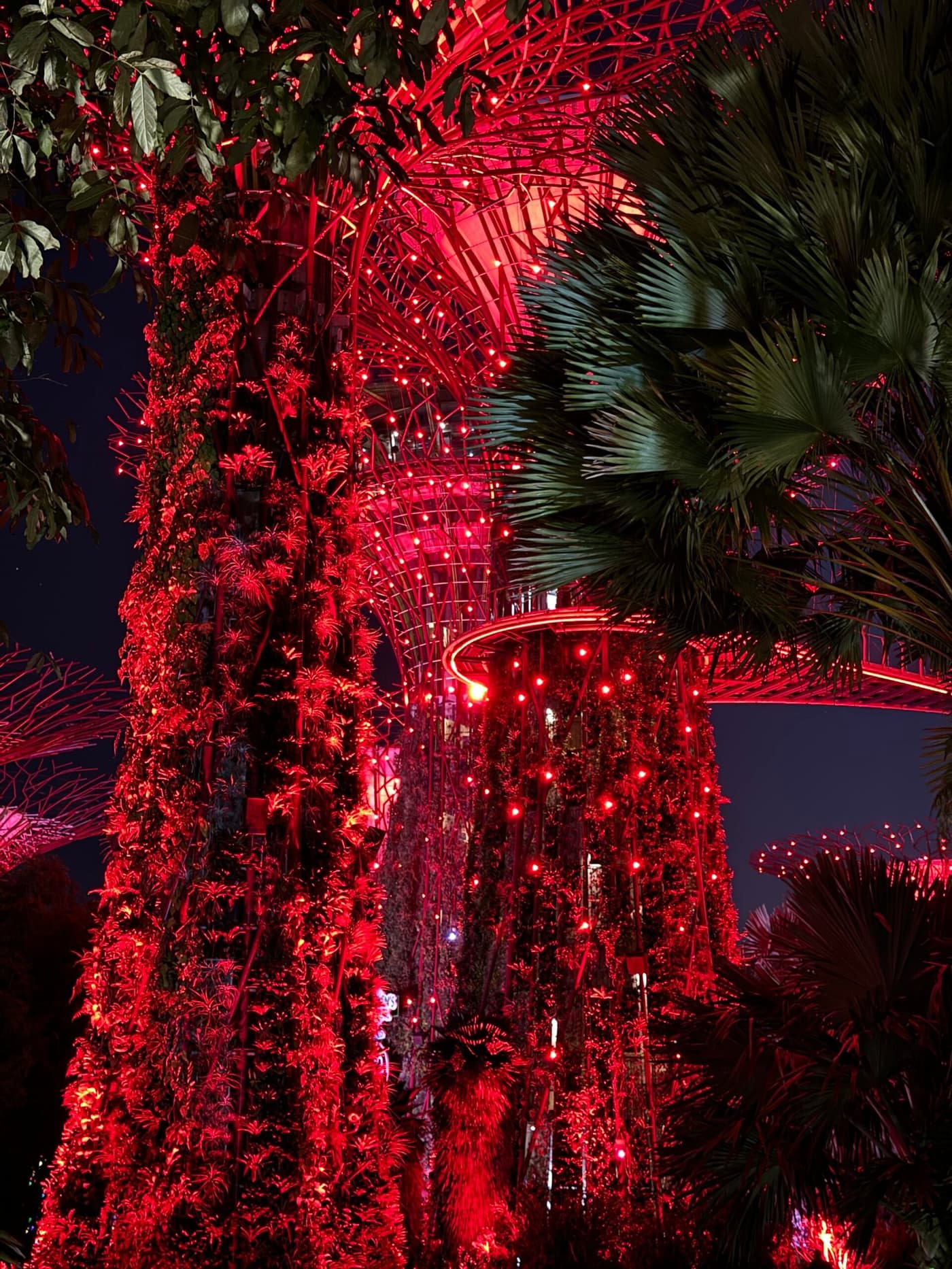
Gardens by the Bay is a symbol of Singapore, with futuristic "supertrees" that light up in the evening. In the Gardens you can visit unique conservatories such as the Flower Dome and the Cloud Forest.
Day 2: Singapore's Cultural Neighborhoods
Singapore is a multiethnic country that has preserved its ethnic quarters. That's where I suggest heading on the second day of your Singapore trip. There you can get to know Singapore's cultural heritage more deeply and try local dishes.
Chinatown: Singapore's Chinese Quarter
Chinatown is the historic heart of Singapore, full of the atmosphere of Asian culture and traditions. Bright Chinese lanterns, temples, and countless shops selling souvenirs and traditional food: every corner here is steeped in Chinese cultural heritage.
📍 Location of Chinatown in Singapore
What to See and Do in Chinatown
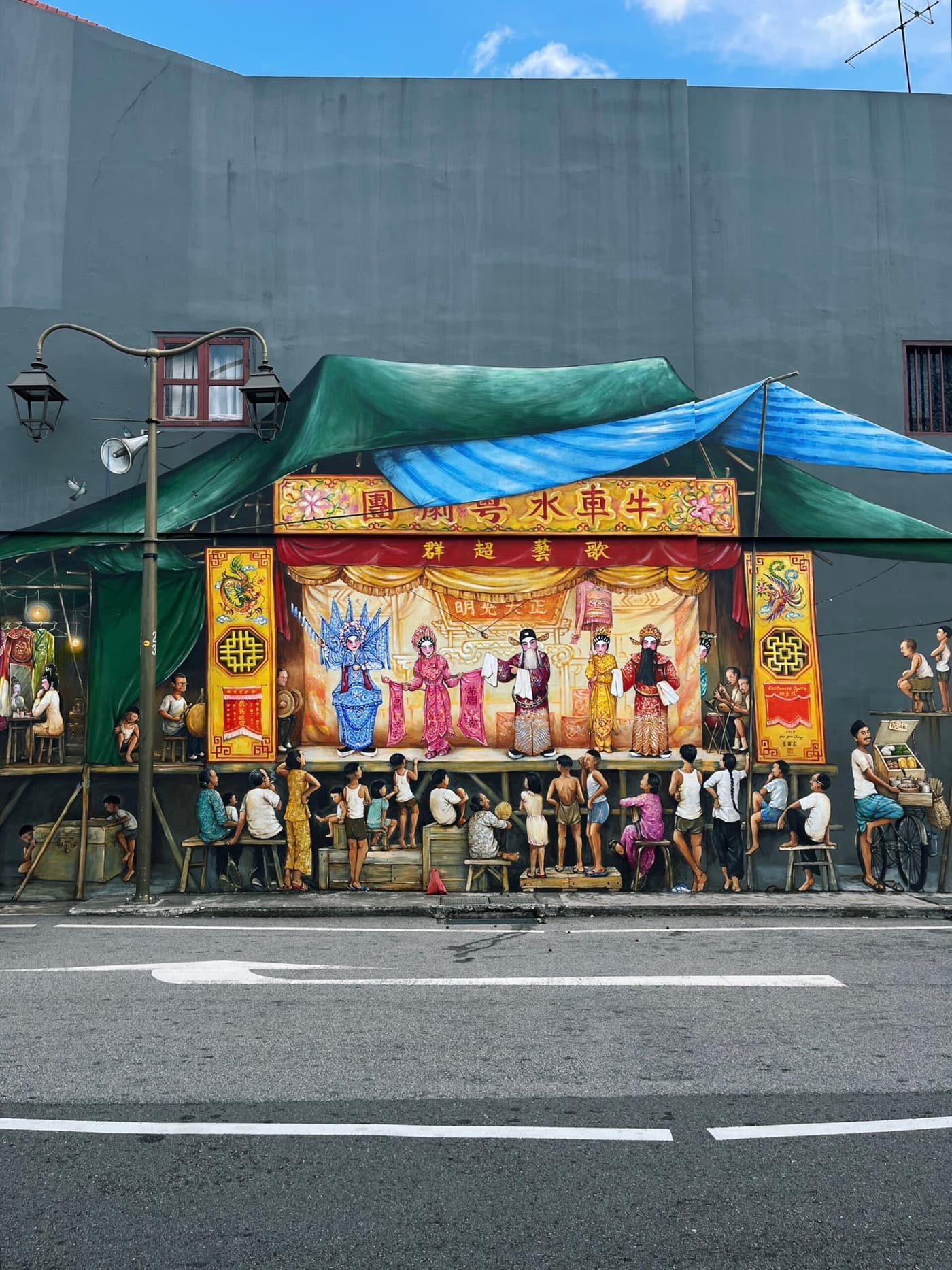
- The lively Pagoda St. The cheapest souvenirs are sold here. Authentic little houses and beautiful murals.
- Buddha Tooth Relic Temple – a beautiful Chinese temple.
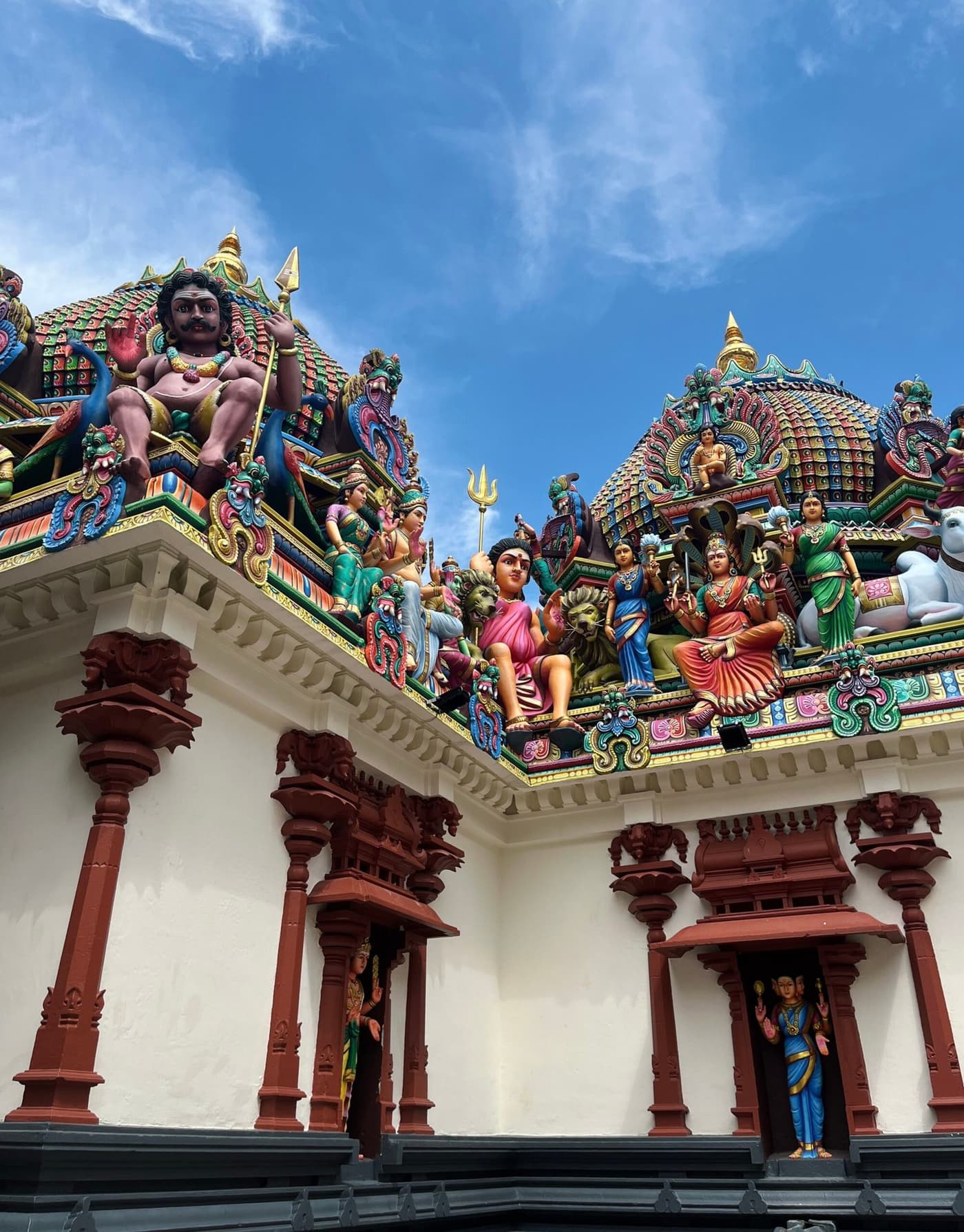
- Sri Mariamman Temple – a colorful Hindu temple.
- Thian Hock Keng Temple – a Taoist temple.
Be sure to visit some of the best food courts in all of Asia, found in Singapore's Chinatown:
The food is tasty and inexpensive, and some stalls are listed in the Michelin Guide. Singapore street food is a category of its own. Even though prices in Singapore are high, you can still eat on a budget here and eat well.
Little India
Little India is a bright, colorful neighborhood with the atmosphere of real India. Traditional temples, bustling markets and the scent of spices come together here and give the area its character.
Little India comes especially alive during the Diwali festival, when the streets are full of lights and decorations, drawing both tourists and locals. It's an ideal place to immerse yourself in Indian culture and traditions without leaving Singapore.
📍 Location of Little India in Singapore
You can easily get from Chinatown to Little India by metro or bus.
Metro: from Chinatown MRT station to Little India MRT station on the blue line. The ride takes 10-12 minutes.
Bus: from the Aft Chinatown Stn Exit D stop to the Little India Stn Exit A stop, take bus number 147. The ride takes 10-12 minutes, and buses run every 10 minutes.
What to See and Do in Little India
- Sri Veeramakaliamman Temple — a beautiful Hindu temple.
- Former House — a bright and very photogenic historic house.
- Indian Heritage Centre, a museum of Indian culture — an interesting place, both inside and out.
- Be sure to try authentic Indian dishes at the best-known food court in Little India, Tekka Centre. Besides food, it's also a market selling inexpensive Indian souvenirs and ethnic clothing.
The Arab Quarter
The Arab Quarter, Kampong Glam, is a colorful and atmospheric place. Kampong Glam was historically the center of the Arab and Malay communities, and today it preserves their cultural heritage, Islamic architecture and tasty Turkish restaurants.
The district is right next to Little India. So after you've wandered around the Hindu temples, head over to eat kebabs and see the mosques.
What to See and Do in Kampong Glam
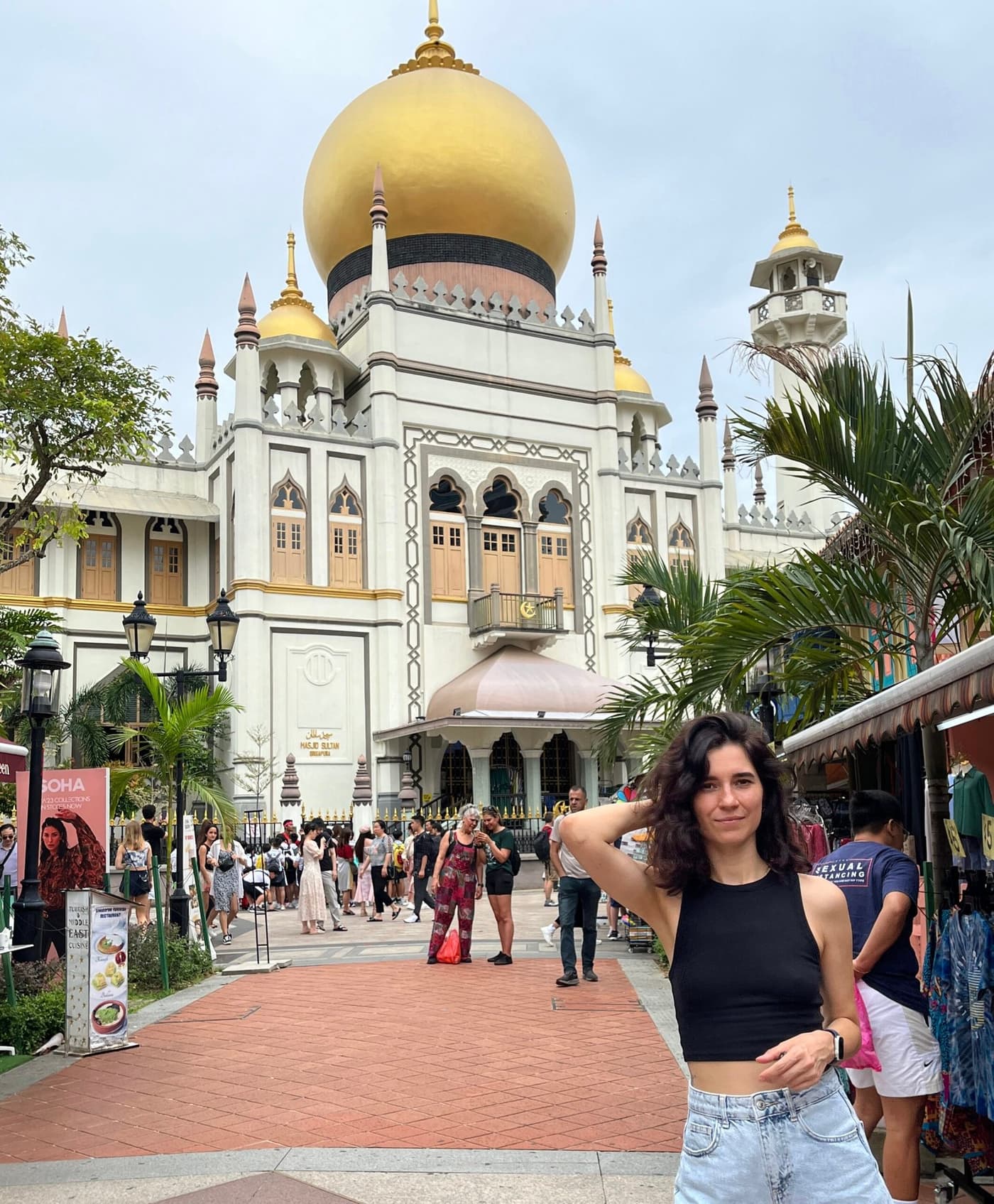
- Sultan Mosque — the main symbol of Kampong Glam. The first mosque was built in the 1820s; the current building dates from 1932.
- Arab Street — the heart of the quarter. Lots of shops selling fabrics, carpets, accessories and traditional crafts. The street has the feel of an eastern bazaar.
- Haji Lane — a narrow street and a hub of contemporary art. Boutiques with designer clothing, concept cafes and bars, street art and murals. In the evening the street comes alive and turns into one of the liveliest spots in the city.
Where to Eat in Kampong Glam
Kampong Glam has plenty of inexpensive, interesting places serving authentic and modern food. I recommend trying Malay and Arab dishes: nasi padang, nasi lemak and martabak.
- Zam Zam — a well-known restaurant founded in 1908. It specializes in martabak and biryani.
- Kampong Glam Cafe — an inexpensive cafe with traditional Malay food.
Fort Canning Park
Fort Canning Park is a jungle in the very center of Singapore. It's an amazing park, and I recommend taking a walk there. The park sits on top of a hill and preserves the memory of the city-state's military and colonial past. It's not only a great space for walking but also an interesting historic site.
📍 Location of Fort Canning Park
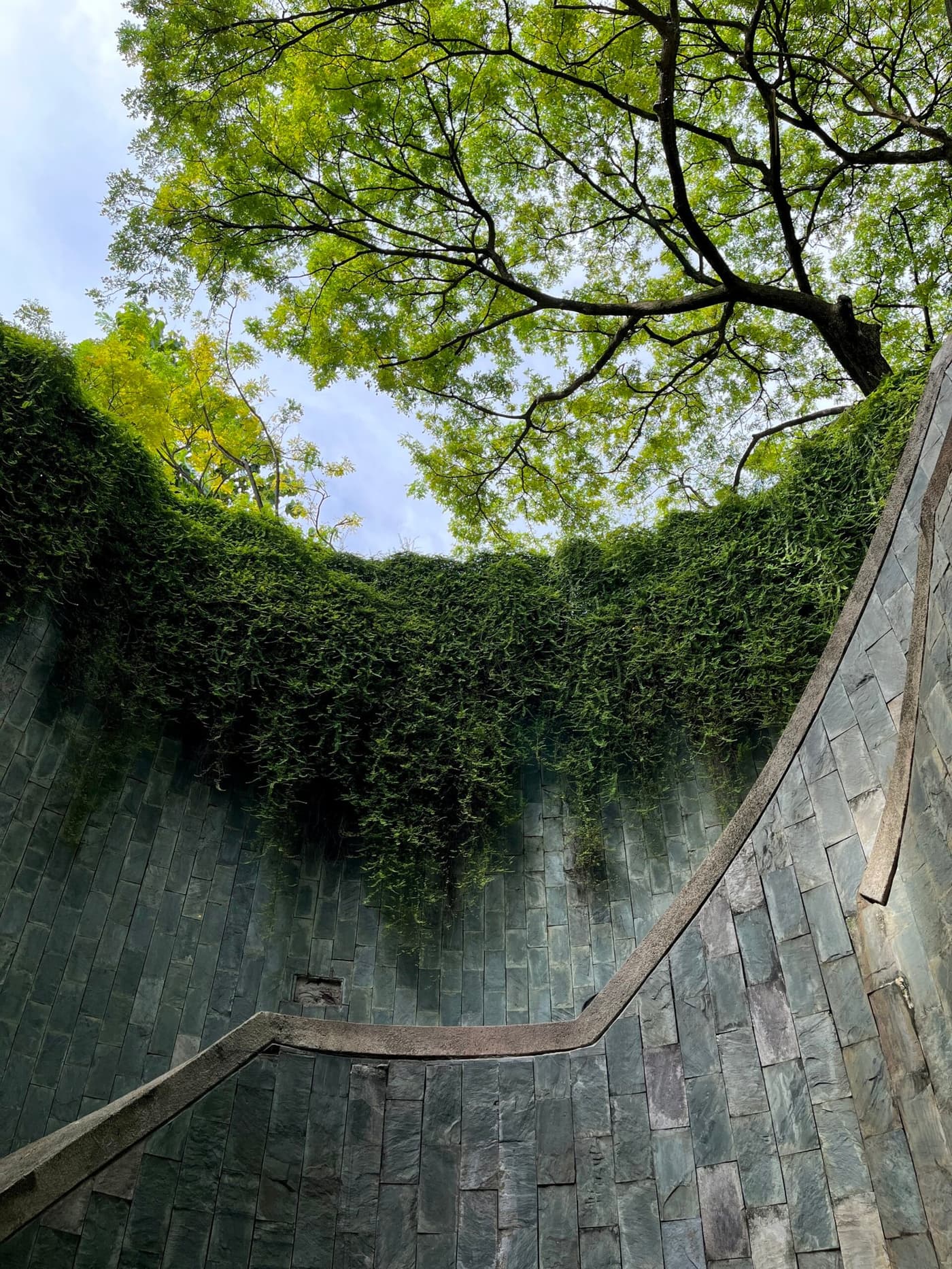
Main Sights in Fort Canning Park
The park has several entrances. At one of them is the National Museum of Singapore. I'm not a big fan of museums, so you can save a visit for a rainy day. Or just look at the building itself, which is beautiful. Location.
Tree Tunnel — a spot that has become an Instagram location. You'll have to wait in a fair-sized line to take a photo, but the place really is beautiful.
The gate left over from the fort: the fort was built by the British in the 19th century, and the gate has become a symbol of Singapore's historical heritage. Location.
The grounds include several different gardens, for example the Sang Nila Utama Garden. It feels like you've ended up in Bali.
Clarke Quay: Night Views of Singapore
End your day at Clarke Quay, one of the most popular spots for an evening out in Singapore. This riverside district is known for its restaurants, bars and nightclubs. The atmosphere here is lively in the evening, and the views of the illuminated waterfront make a walk along Clarke Quay unforgettable. Don't miss it, and enjoy Singapore's night views while spending time in one of the best entertainment areas in the city.
If you're planning to stay in Singapore for a different length of time, these other articles may suit you better:
- What to see in Singapore in 1 day
- What to see in Singapore in 3 days
- What to see in Singapore in 4 days
How we spent 4 days in Singapore, in my YouTube video
Frequently Asked Questions
Can I see Singapore in two days?
Yes, in two days in Singapore you can see the city's main sights and get a feel for its culture. It's important to plan your route in advance so you make the most of your time.
What can I see in Singapore in two days?
- Merlion Statue.
- Esplanade (Theatres on the Bay).
- Fountain of Wealth.
- Helix Bridge.
- ArtScience Museum.
- Marina Bay Sands (observation deck).
- Gardens by the Bay.
- Chinatown
- Little India
- Kampong Glam
Do I need a visa for Singapore for 2 days?
Visa requirements depend on your passport. When I checked in October 2026, a visa was required for some passports, while a transit stay of up to 96 hours did not need one for eligible passports. Either way, confirm the rules for your own passport with Singapore's immigration authority (ICA) before you travel. Foreign visitors also need to fill in the SG Arrival Card, which can be completed within 3 days before arrival (counting the day of arrival).
When is the best time to visit Singapore?
Singapore is open to tourists year-round, but the best time to visit is from February to April, when the weather is most comfortable and rainfall is lowest.