
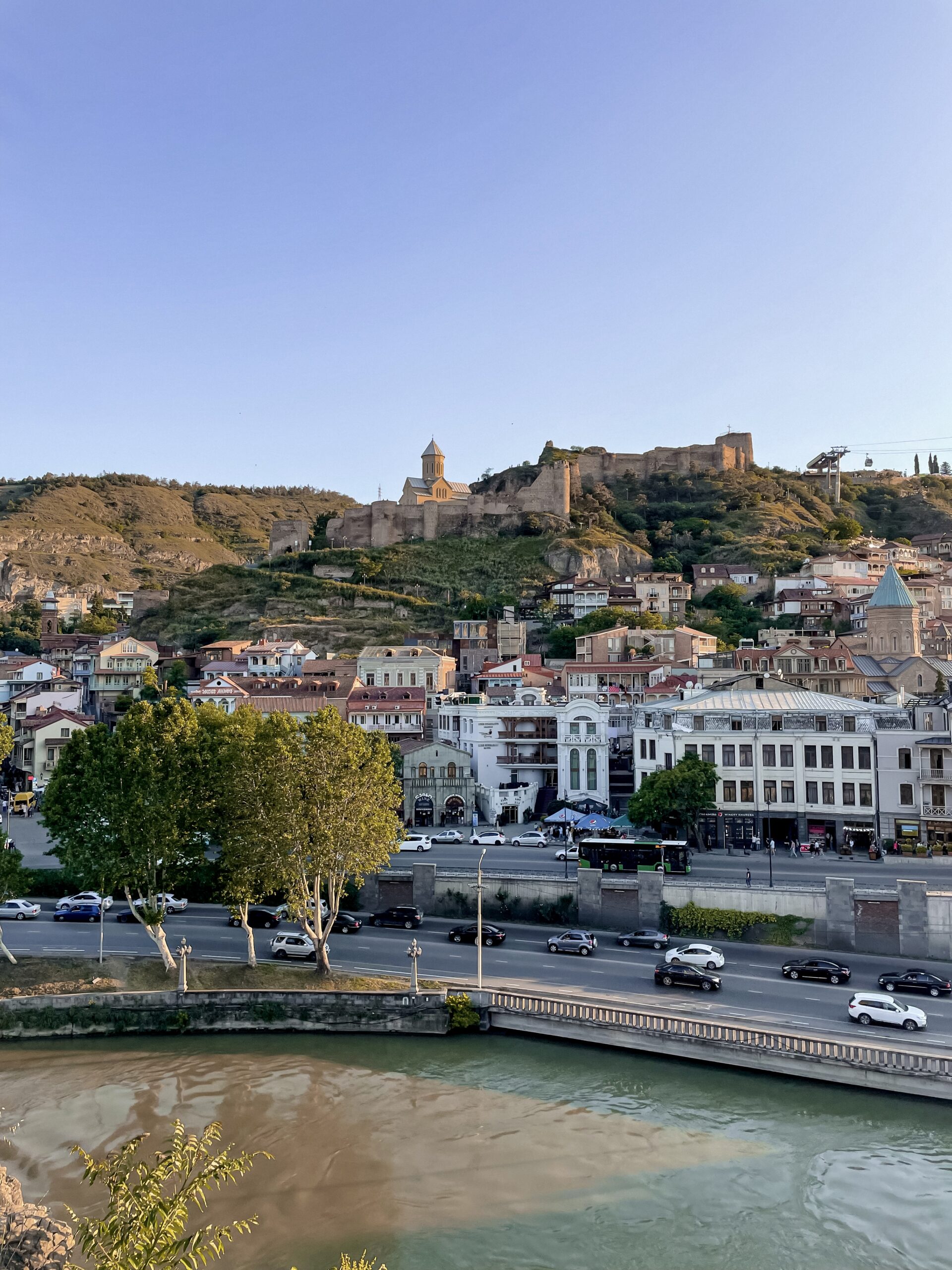
Tbilisi, Georgia: The Ultimate Travel & Living Guide to the Caucasian Capital
Tbilisi is the capital and largest city of Georgia, located in the southeastern part of the country along the Kura River valley. It serves as the political, economic, and cultural heart of the nation — and one of the most sought-after destinations in the Caucasus for tourism, long-term stays, and relocation.
Where Is Tbilisi and What Kind of City Is It?
Tbilisi sits at an elevation of roughly 350–550 meters above sea level, nestled between the spurs of the Lesser Caucasus Mountains. Its position at the historic crossroads between Europe and Asia has shaped everything from its architecture to its daily culture.
As an independent administrative unit, the city concentrates Georgia’s government institutions, top universities, financial centers, and major transport hubs. With over a third of the country’s population living here, Tbilisi is the first and most important point of entry for understanding Georgia as a whole.
A Brief History of Tbilisi
Founded in the 5th century AD, Tbilisi takes its name from the Georgian word “tbili” — meaning “warm” — a reference to the natural sulfur springs around which the first settlement grew. Those legendary bathhouses still exist today and remain one of the city’s most iconic attractions.
Over the centuries, Tbilisi was ruled by Persian states, the Arab Caliphate, Byzantium, the Ottoman Empire, and later the Russian Empire. Each era left a lasting mark on the city’s architecture and culture, which is why visitors can find Orthodox churches standing beside mosques and synagogues, Eastern-influenced Old Town buildings next to European 19th-century boulevards.
Climate and Best Time to Visit Tbilisi
Tbilisi has a moderately continental climate — hot, dry summers and mild winters — quite different from Georgia’s Black Sea coast or mountain regions.
- Winter (Dec–Feb): Mild, around 0–7°C. Snow is rare and short-lived. A good season for budget travelers.
- Spring (Mar–May): One of the best times to visit. Comfortable temperatures, green scenery, and ideal conditions for sightseeing.
- Summer (Jun–Aug): Hot and dry, often exceeding 30°C. Plan outdoor activities in the morning and evening.
- Autumn (Sep–Oct): Arguably the best season — warm, sunny, and crowd-friendly.
Best time to visit Tbilisi: Spring and autumn for walking and sightseeing; winter for budget travel; summer for city life and events.
Top Things to See and Do in Tbilisi
Tbilisi rewards slow exploration. Most major highlights are concentrated in the historic center and are easily walkable:
- Old Town (Abanotubani) — narrow cobblestone streets, traditional carved wooden balconies
- Narikala Fortress — a medieval citadel with panoramic views over the city
- Sulfur Baths (Abanotubani) — a centuries-old bathing tradition unique to Tbilisi
- Kura River Embankment — a scenic riverside promenade
- Central avenues and squares — vibrant cafés, galleries, and street life
- Clock Tower of Rezo Gabriadze — a whimsical puppet-theater landmark
Beyond the city, Tbilisi is an excellent base for day trips: the Georgian Military Highway through mountain passes, the wine region of Kakheti (Telavi, Signaghi), and the ancient capital Mtskheta are all within easy reach.
Prices and Cost of Living in Tbilisi
Tbilisi is widely considered an affordable destination compared to most European capitals. Key cost highlights:
- Food: Dining out is inexpensive, especially at local Georgian restaurants and markets
- Public transport: Very affordable — metro, buses, and minibuses cover the whole city
- Accommodation: Prices vary significantly by district and season; central areas cost more, especially during spring and autumn peaks
- Tourist services: Day tours and excursions stay in a moderate price range
For budget travelers and long-term residents alike, Tbilisi offers a comfortable lifestyle without excessive spending.
Getting Around Tbilisi
Tbilisi has a convenient and well-developed transport system:
- Metro: The fastest way to navigate the city, connecting residential areas with the center; runs daily
- Buses: A modern, updated network with low-floor buses and card-based payment
- Minibuses (marshrutkas): Cover routes not served by metro or bus
- Taxis & ride-hailing apps: Widely available and affordable, popular for late-night trips or when carrying luggage
- Walking & e-scooters: The historic center is very walkable; scooters are popular in the warmer months
Neighborhoods of Tbilisi: Where to Stay
Tbilisi’s districts vary greatly in atmosphere, price, and lifestyle:
- Historic center & central districts: High density of sights, restaurants, and tourist infrastructure. Best for short visits. Higher rental prices.
- Semi-central neighborhoods: Good transport links, developed infrastructure, balance of price and comfort. Popular among expats on medium-term stays.
- Residential (sleeping) districts: Quieter, more affordable, oriented to locals. Ideal for long-term living on a budget.
Tbilisi for Long-Term Stays and Relocation
In recent years, Tbilisi has become a top choice for digital nomads, freelancers, entrepreneurs, and families seeking an affordable base with a high quality of life. Key reasons people relocate here:
- Relatively low cost of living
- Mild climate year-round
- Visa-free entry for citizens of many countries (up to 360 days for Russian passport holders)
- Simple migration procedures and no complex bureaucracy on arrival
- Developed urban infrastructure
- Open, multicultural, and welcoming environment
- Russian and English widely spoken in services and daily life
The city is generally safe, with low levels of street crime. Foreigners integrate comfortably, especially in central and semi-central neighborhoods.
Practical Information for Visitors
- Currency: Georgian Lari (GEL). Cards are accepted widely; cash is useful for markets and small vendors
- Language: Georgian is official; Russian and English are commonly used in services, tourism, and rentals
- Mobile & Internet: Well-developed. Affordable SIM cards available; stable Wi-Fi in cafés, hotels, and most residential areas
- Visa: Visa-free access for citizens of most countries. Always verify current rules for your specific citizenship before traveling.
Frequently Asked Questions About Tbilisi
Is Tbilisi safe for tourists?
Yes. The city is considered safe, particularly in central and residential areas. Standard precautions apply, as in any urban environment.
Is Tbilisi expensive?
No. Food, transport, and accommodation are significantly cheaper than in most European capitals.
How many days do you need in Tbilisi?
3–5 days is enough for a first visit. If you plan day trips around Georgia, allow more time.
When is the best time to go to Tbilisi?
Spring (April–May) and autumn (September–October) are the most comfortable seasons for sightseeing and walking.
Where is the best place to stay in Tbilisi?
Depends on your goals — the historic center for convenience and atmosphere; semi-central districts for a balance of comfort and price; outer districts for quiet, budget-friendly long-term stays.
Tbilisi is a city of contrasts — medieval meets modern, East meets West, tradition meets an open, cosmopolitan way of life. Whether you’re visiting for a weekend or planning to stay for months, it rarely leaves travelers indifferent.
